
Finding a Certified TM Teacher: What You Need to Know


Welcome to Mind Care Guide, a sanctuary for your mental well-being. Feeling lost in your search for a certified Transcendental Meditation (TM) teacher? You're not alone. Many seek the profound benefits of TM but struggle to navigate the TM teacher certification requirements. This guide will illuminate the path, answering your questions and empowering you to find the right instructor. Curious about what it really takes to become a certified TM teacher and how that impacts your own practice? Let's explore...
- Finding a Qualified Mindfulness-Based Stress Reduction (MBSR) Instructor
- Understanding MBSR Instructor Qualification Standards
- Key Qualifications to Look for in an MBSR Instructor
- How to Find a Qualified MBSR Instructor Near You
- What to Expect During Your MBSR Course
- The Cost of an MBSR Course: Understanding the Investment
- Maintaining Your Mindfulness Practice After the Course
- Red Flags: Identifying Potentially Inexperienced or Unqualified Instructors
- Benefits of Learning MBSR from a Qualified Instructor: A Recap
-
Frequently Asked Questions
- What is Transcendental Meditation (TM) and why is teacher certification important?
- What are the general prerequisites to begin a TM teacher certification program?
- Where can I find accredited TM teacher certification programs?
- What are some of the core components covered in a TM teacher certification course?
- How long does it typically take to complete a TM teacher certification program and what is the cost?
- Final Reflection: The Transformative Power of Certified TM Teachers
- Unlock Your Inner Peace: Start Your TM Journey Today
Finding a Qualified Mindfulness-Based Stress Reduction (MBSR) Instructor
The Importance of Experienced Guidance in Mindfulness Practice
Engaging in a practice like Mindfulness-Based Stress Reduction (MBSR) is a profound journey into understanding one's own mind and relationship with stress. While guided meditations and books can offer an introduction, the depth and nuance of MBSR are best explored under the guidance of an experienced and qualified instructor. These teachers possess not only personal experience with mindfulness but also the pedagogical skills necessary to facilitate learning in a group setting.
They can skillfully navigate the challenges that arise during practice, offering tailored support and insights that a self-guided approach simply cannot provide. A qualified instructor creates a safe and supportive environment where participants feel comfortable exploring difficult emotions and physical sensations, which is crucial for the transformative potential of the program.
Furthermore, an experienced MBSR instructor understands the subtle dynamics of group learning. They can foster a sense of community, encouraging shared exploration and peer support, which significantly enhances the learning experience. Their ability to respond to individual needs within the group context, clarify misunderstandings about mindfulness principles, and guide discussions effectively ensures that participants grasp the core concepts and practices accurately. This level of interactive, responsive teaching is fundamental to successfully integrating mindfulness into daily life and truly understanding the MBSR framework beyond mere technique.
Ensuring Fidelity to the MBSR Curriculum
The MBSR program, developed by Jon Kabat-Zinn at the University of Massachusetts Medical School, is a structured, evidence-based intervention. Its effectiveness, demonstrated in numerous studies, is directly linked to its specific curriculum and pedagogical approach. Learning from an instructor who adheres faithfully to this curriculum is paramount to experiencing the program as intended and realizing its full potential benefits. A qualified instructor has undergone rigorous training precisely to understand and deliver the eight-week program with integrity, covering specific topics, practices, and themes each week in a deliberate sequence.
Instructors without proper training may deviate significantly from the established curriculum, potentially omitting essential components, altering the sequence of practices, or introducing elements not aligned with the MBSR framework. This can dilute the program's effectiveness, confuse participants, and fail to provide the cumulative learning experience that is central to MBSR. Ensuring the instructor follows the standard MBSR curriculum guarantees that you are receiving the authentic program, grounded in decades of research and clinical application, thereby maximizing your investment in your well-being.
Understanding MBSR Instructor Qualification Standards
The Rigorous Training Pathways for MBSR Teachers
Becoming a certified MBSR instructor is a multi-year process involving significant personal practice, intensive training, and supervised teaching experience. The primary pathway involves completing a sequence of professional training programs offered by recognized institutions that uphold the standards set by the field. This typically begins with foundational retreats and workshops focused on deepening personal mindfulness practice, often including silent, intensive retreats lasting several days or weeks. Prospective teachers must demonstrate a sustained personal practice before entering formal teacher training.
Following foundational requirements, candidates undertake specific MBSR teacher training programs. These programs are often phased, starting with introductory intensives and progressing through advanced training, including teacher practicums and supervision. For instance, some well-regarded pathways involve completing training levels that build upon each other, requiring hundreds of hours of coursework, practice teaching, and mentorship. This comprehensive approach ensures that instructors not only understand the curriculum intellectually but have deeply embodied the principles and practices they teach, crucial for authentic and effective instruction.
Key Elements of Teacher Training and Competency
The training to meet MBSR instructor qualification standards covers several critical areas. A significant component is the in-depth study of the MBSR curriculum itself, understanding the rationale behind each session, practice, and theme. This includes exploring the scientific basis for mindfulness and stress reduction, drawing upon fields like psychology, neuroscience, and medicine. Teachers learn how to present this information clearly and empathetically to diverse groups of participants.
Equally important is the development of pedagogical skills specific to teaching mindfulness. This involves learning how to give clear instructions for meditation and gentle movement practices, facilitate group discussions about participants' experiences, and respond skillfully to questions and challenges that arise. Training programs emphasize the importance of the teacher's own presence—their ability to embody mindfulness and compassion while teaching. Supervised teaching is a critical element, where trainees teach under the observation and guidance of experienced mentors, receiving feedback to refine their skills and ensure they meet the rigorous MBSR instructor qualification standards required for certification.
Key Qualifications to Look for in an MBSR Instructor
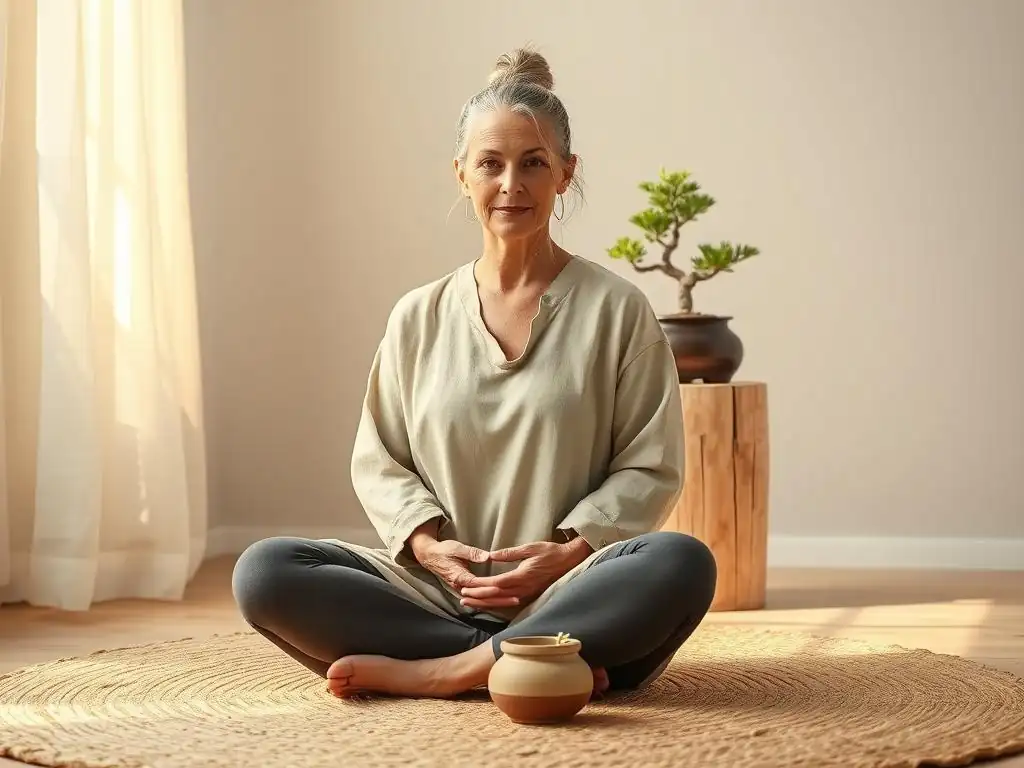
Checking for Certification from Recognized Training Centers
The most reliable indicator of a qualified MBSR instructor is certification from a reputable training body or center. Several institutions globally offer comprehensive MBSR teacher training programs that meet established professional standards.
Examples include the Center for Mindfulness in Medicine, Health Care, and Society (CFM) at the University of Massachusetts Medical School (the originating center), and other centers that adhere to similar rigorous standards, often part of university medical systems or well-established mindfulness training institutes. Certification from these centers signifies that the instructor has completed the required training pathway, including foundational practices, intensive training programs, supervised teaching, and ongoing professional development.
When seeking an instructor, look for clear statements about their certification and the institution from which they received it. Don't hesitate to inquire about their training background. A certified instructor will be transparent about their qualifications and proud to share their training lineage. While some experienced teachers may have trained before formal certification pathways were fully standardized, verifying their training history with recognized senior teachers or institutions is still crucial. Certification provides a level of assurance regarding the instructor's adherence to the program's fidelity and ethical guidelines.
Verifying Experience and Ongoing Professional Development
Beyond initial certification, the experience level of an MBSR instructor is a valuable consideration. An instructor who has taught multiple MBSR cycles has gained practical experience in guiding diverse groups and navigating the common challenges participants face. Inquire about how many MBSR programs they have led and the range of participants they have worked with. While a newly certified teacher can be excellent, experience often brings a deeper understanding of group dynamics and individual needs within the MBSR context.
Furthermore, the field of mindfulness is continuously evolving, with ongoing research and refinements in teaching methodologies. Qualified instructors demonstrate a commitment to ongoing professional development. This might include participating in advanced training workshops, attending silent mindfulness retreats regularly, engaging in peer supervision or consultation, and staying current with research in mindfulness and related fields. A teacher committed to their own ongoing learning and practice is better equipped to support your journey effectively and maintain the high MBSR instructor qualification standards expected in the field.
How to Find a Qualified MBSR Instructor Near You
Utilizing the Websites of Reputable MBSR Training Organizations
One of the most effective ways to find a qualified MBSR instructor is to consult the websites of organizations known for upholding high MBSR instructor qualification standards and offering comprehensive training programs. Many such centers maintain directories or lists of certified or qualified teachers who have completed their training pathways. For example, the Global Mindfulness Collaborative (GMC) lists organizations worldwide that adhere to rigorous training standards, and these organizations often have lists of their graduates or recommended teachers.
Visiting the websites of specific centers, such as those affiliated with major universities or established mindfulness institutes, can also lead you to lists of instructors who teach in your region or online. These directories typically provide information about the instructor's qualifications, experience, and contact details or links to their courses. Using these official resources helps ensure that the instructor you find has met recognized MBSR instructor qualification standards rather than simply claiming to teach mindfulness without formal, program-specific training.
What to Expect During Your MBSR Course
The Structure of the 8-Week MBSR Program
The standard Mindfulness-Based Stress Reduction (MBSR) program is typically delivered over eight weekly sessions, each lasting between 2 to 2.5 hours. This structured format allows for a gradual unfolding of the curriculum and practices, building week by week. The program also includes a full-day, silent retreat between week six and week seven, providing an extended period for intensive practice and integration. This eight-week structure is integral to the program's effectiveness, allowing participants to develop a consistent practice and explore the themes in depth over time.
Each weekly session has a specific focus, introducing new concepts and mindfulness practices while reinforcing those from previous weeks. The curriculum is cumulative, meaning that each session builds upon the last. Participants are also given 'homework' or home practice assignments, typically involving daily formal meditation practices (like body scan, sitting meditation, or mindful movement) and informal practices (bringing mindfulness to everyday activities like eating or walking). The consistency of both class time and home practice is essential for cultivating the skills of mindfulness.
Guided Meditations, Group Discussions, and Gentle Movement Practices
A typical MBSR session involves a blend of activities designed to facilitate learning and practice. A significant portion of each class is dedicated to guided mindfulness practices. These include foundational techniques such as the body scan meditation, various forms of sitting meditation focusing on breath, body sensations, sounds, or thoughts, and mindful movement exercises, often based on gentle yoga or stretching, which are adapted to suit all physical abilities. The instructor guides these practices, offering instructions and reminders to help participants stay present.
Another core element is group discussion. Following practice periods, participants are invited to share their experiences, observations, and challenges in a supportive and confidential environment. The instructor skillfully facilitates these discussions, helping participants explore their experiences with curiosity and non-judgment, and connecting personal insights back to the core principles of mindfulness and the MBSR curriculum. There are also didactic portions where the instructor explains concepts related to stress physiology, perception, communication, and the application of mindfulness in daily life, often drawing upon scientific research and practical examples.
Cultivating Mindfulness in Daily Life
A central aim of the MBSR program is not just to practice mindfulness during formal meditation sessions but to integrate it into the fabric of daily life. The weekly sessions and home practices are designed to help participants develop the capacity to bring mindful awareness to everyday activities, whether it's eating a meal, walking, listening to someone, or experiencing a challenging situation. The program teaches that mindfulness is a way of being, not just something you do on a cushion.
Participants learn informal mindfulness practices, such as mindful eating, mindful walking, and bringing awareness to routine tasks like showering or doing dishes. They are encouraged to notice automatic reactions to stress and difficult emotions and learn to respond with greater awareness and choice. The program provides tools and perspectives to navigate the challenges of daily life with more presence, resilience, and ease. The instructor guides participants in understanding how the formal practices support this integration, helping them identify opportunities throughout their day to pause, notice, and be present.
The Cost of an MBSR Course: Understanding the Investment

Course Fees and Payment Policies
The cost of a standard 8-week MBSR course can vary significantly depending on location, the teaching institution (e.g., university medical center vs. private studio), and the instructor's specific fee structure. Generally, course fees cover the eight weekly sessions, the full-day retreat, and often include course materials such as guided meditation recordings and handouts. Fees in some regions can range from approximately $300 to $600 or more, reflecting the comprehensive nature of the program and the expertise of certified instructors who meet high MBSR instructor qualification standards.
Many institutions and instructors offer various payment options or sliding scale fees to make the program more accessible. Some may offer reduced rates for students, seniors, or those with limited income. It is advisable to inquire about the total cost upfront, what is included in the fee, and available payment plans or financial assistance options. While it represents a financial investment, participants often view the cost as an investment in their long-term health and well-being, considering the potential benefits in stress reduction and improved quality of life.
Maintaining Your Mindfulness Practice After the Course
Continuing Education and Retreat Opportunities
Completing the 8-week MBSR course is often the beginning, rather than the end, of a mindfulness journey. To maintain and deepen their practice, many graduates seek opportunities for continuing education and practice. Qualified MBSR instructors and centers often offer follow-up programs, such as drop-in meditation sessions, graduate courses, or silent practice days specifically for MBSR alumni. These provide valuable support for maintaining consistency and connecting with a community of fellow practitioners.
Attending silent meditation retreats is another powerful way to deepen practice after completing MBSR. Retreats, ranging from a single day to several days or weeks, offer an immersive experience in mindfulness, free from daily distractions. Many retreat centers and qualified teachers offer retreats suitable for MBSR graduates, providing an environment conducive to sustained practice and insight. Engaging in these ongoing opportunities helps consolidate the learning from the MBSR course and supports the long-term integration of mindfulness into one's life.
Integrating Mindfulness into Everyday Life
The true measure of the MBSR course's impact lies in how well participants integrate mindfulness into their daily routines and responses to life's challenges. This ongoing integration requires commitment and intentionality after the formal program ends. It involves continuing with regular formal meditation practice, even if for shorter durations, and actively seeking opportunities for informal mindfulness throughout the day. This could be as simple as taking a few mindful breaths before responding to a stressful email or paying attention to the sensations while walking between meetings.
Maintaining your practice also involves adopting a mindful attitude towards challenges, using the skills learned in MBSR to navigate difficult emotions or situations with greater awareness and less reactivity. Remembering the principles of non-judgment, patience, beginner's mind, trust, non-striving, acceptance, and letting go—the attitudinal foundations taught in MBSR—is key. Many graduates find journaling, connecting with fellow alumni, or periodically revisiting course materials helpful in sustaining their practice and continuing to cultivate mindfulness in everyday moments.
Red Flags: Identifying Potentially Inexperienced or Unqualified Instructors
Lack of Formal Training or Supervision
When seeking an MBSR instructor, a significant red flag is an instructor who lacks formal training from a recognized institution or does not disclose their training background. Teaching MBSR requires specific pedagogical skills and a deep personal practice cultivated through dedicated training pathways that meet established MBSR instructor qualification standards. Someone who has only read books, attended a weekend workshop, or primarily practices another form of meditation without specific MBSR teacher training is unlikely to be qualified to deliver the program effectively and safely.
Inquire about the instructor's training lineage and supervision experience. Reputable training programs include components of supervised teaching, where experienced mentors provide feedback and guidance. An instructor who has not undergone this kind of structured training and supervision may not have the necessary skills to facilitate group processes, respond appropriately to participant experiences, or maintain fidelity to the curriculum. Be cautious of individuals claiming to teach MBSR solely based on personal practice or training in unrelated mindfulness modalities.
Deviation from the Standard MBSR Curriculum
Another warning sign is an instructor who significantly deviates from the standard 8-week MBSR curriculum. While experienced teachers may occasionally make minor adaptations for specific populations or settings, the core structure, themes, and practices of the program are well-established for a reason. An instructor who omits key components, introduces unrelated practices, or teaches the sessions out of sequence may not fully understand the program's underlying pedagogy and cumulative design.
Be wary if an instructor claims to offer an "MBSR-like" program but uses a different structure (e.g., fewer sessions, different duration per session), significantly alters the core practices (body scan, sitting meditation, mindful movement), or does not include the full-day retreat component. While other excellent mindfulness programs exist, if you specifically seek MBSR, ensure the instructor is teaching the authentic program. Fidelity to the curriculum, ensured by proper MBSR instructor qualification standards, is crucial for experiencing the documented benefits of the program.
Benefits of Learning MBSR from a Qualified Instructor: A Recap
Fostering a Safe and Supportive Learning Environment
One of the primary benefits of learning MBSR from a qualified instructor is the creation of a safe and supportive learning environment. These instructors are trained not only in the curriculum but also in group facilitation skills and trauma-sensitive teaching. They understand how to hold space for participants who may be experiencing stress, anxiety, or other challenging emotions. Their presence and guidance help participants feel secure enough to explore difficult experiences and engage fully in the practices.
A qualified instructor can skillfully respond to individual needs within the group, offering support and guidance while maintaining confidentiality and respect for all participants. They can address questions about the practice, clarify misunderstandings, and help participants navigate challenges that arise, such as difficulty concentrating or experiencing discomfort. This supportive environment is fundamental to building trust and enabling the deep personal exploration that is characteristic of the MBSR journey.
Maximizing the Potential Benefits of Mindfulness Practice
Learning MBSR from an instructor who meets stringent MBSR instructor qualification standards significantly increases your likelihood of maximizing the program's potential benefits. These instructors have the expertise to guide you through the practices effectively, ensuring you understand the underlying principles and how to apply them in your life. They can help you troubleshoot common difficulties in practice, such as mind wandering or falling asleep, and offer insights tailored to your experience.
Their adherence to the fidelity of the MBSR curriculum ensures you receive the complete, evidence-based program as intended. This structured, cumulative learning experience, guided by an expert, provides the best foundation for developing a sustainable mindfulness practice and experiencing the documented outcomes of MBSR, such as reduced stress, improved emotional regulation, and enhanced well-being. Investing in a qualified instructor is an investment in receiving high-quality, effective mindfulness training.
Frequently Asked Questions
What is Transcendental Meditation (TM) and why is teacher certification important?
Transcendental Meditation is a simple, natural technique practiced for stress reduction and relaxation. Teacher certification ensures instructors are properly trained to guide students effectively and safely, adhering to consistent teaching standards.
What are the general prerequisites to begin a TM teacher certification program?
Generally, aspiring TM teachers need a strong personal practice of TM and a demonstrated commitment to the organization that oversees its teaching. Often, a bachelor's degree is also required, but specific requirements vary.
Where can I find accredited TM teacher certification programs?
The official Transcendental Meditation organization, founded by Maharishi Mahesh Yogi, is the primary source. Their website will provide information on authorized programs and locations offering certification.
What are some of the core components covered in a TM teacher certification course?
These courses typically cover the foundations of TM, advanced meditation techniques, and methods for effectively teaching the practice to others. They also emphasize the importance of maintaining ethical standards.
How long does it typically take to complete a TM teacher certification program and what is the cost?
The duration of a TM teacher certification program can vary, often lasting several months and involving intensive residential training. The cost is significant, reflecting the depth and breadth of the training provided.
Final Reflection: The Transformative Power of Certified TM Teachers
The need for qualified Transcendental Meditation (TM) teachers is more critical than ever in our increasingly stressed world. The pursuit of inner peace and mental well-being is no longer a luxury, but a necessity for navigating the complexities of modern life. Finding a certified instructor is the crucial first step towards unlocking the profound benefits of this ancient technique.
The impact of TM, and the role of properly trained instructors in guiding individuals through its practice, cannot be overstated. It's not simply about learning a technique; it's about embarking on a journey of self-discovery and personal growth. The ripple effect of this inner transformation extends outwards, influencing families, communities, and ultimately, the global landscape. The practice of TM is not just a technique, but a path to self-realization.
This quote, while not directly attributed, reflects the transformative potential at the heart of the TM experience, and the importance of a skilled guide in navigating that path.
Now, consider your own journey. Are you ready to explore the potential of TM? Take the time to research certified instructors in your area, ensuring they meet the rigorous standards outlined in this article. Don't settle for anything less than the genuine article. Your well-being, and the well-being of those around you, may depend on it. Embrace this opportunity for personal growth and discover the profound peace that awaits.
Here's a CTA tailored to the article "Finding a Certified TM Teacher: What You Need to Know" on MindCareGuide.org:
Unlock Your Inner Peace: Start Your TM Journey Today
Thanks for taking the time to learn about finding a certified Transcendental Meditation teacher. We hope this guide equipped you with the knowledge to embark on this transformative journey. Now it's time to take the next step!
- Find a certified TM teacher near you: This is the most important step. Use the resources mentioned in the article to locate a qualified instructor in your area.
- Attend an introductory lecture: Many teachers offer free introductory lectures – a great way to learn more and ask questions.
- Share your experience: Tell your friends and family about your interest in TM and how you plan to find a teacher.
Ready to begin your path towards inner calm and improved well-being? What's the first step you'll take to find your TM teacher?