
Practical Ways to Encourage Meaningful Activities

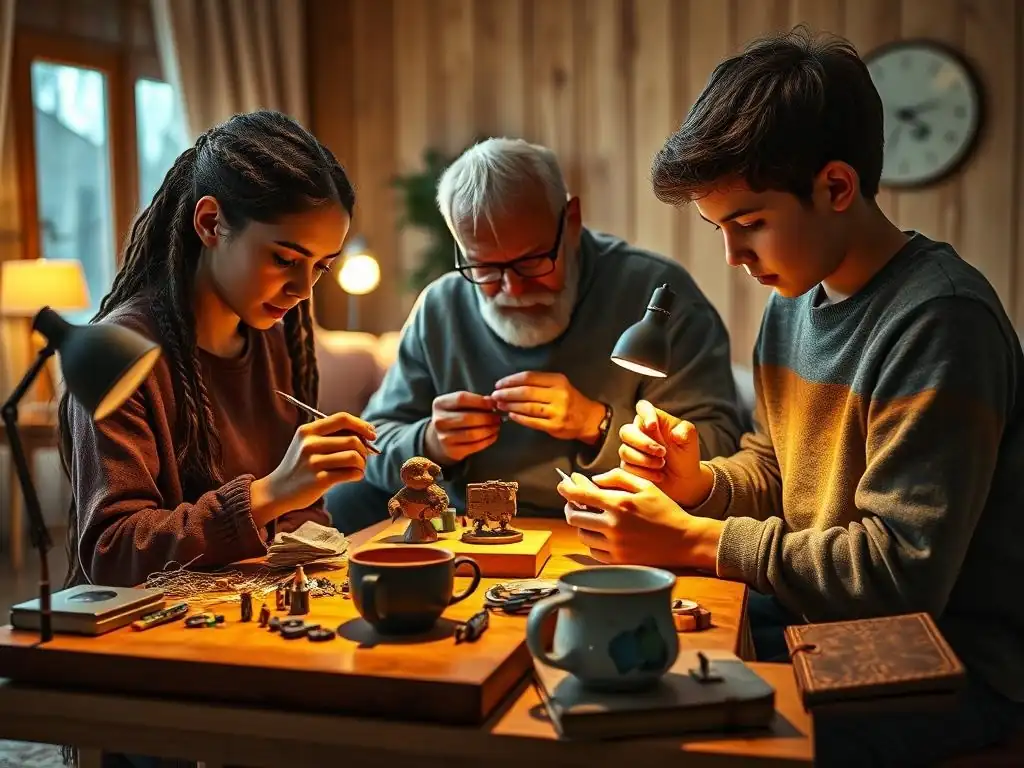
Welcome to Mind Care Guide, your trusted companion on the journey to mental well-being.
Feeling disconnected from the things that once brought you happiness? We understand. Our latest article, "Practical Ways to Encourage Meaningful Activities," delves into the power of finding joy in hobbies and rediscovering passions. Especially within the context of Family & Relationships, rekindling lost interests can be a transformative experience. Ready to unlock the potential of meaningful activities? Let's explore together...
Practical Ways to Encourage Meaningful Activities: A Guide for Supporting Loved Ones
Supporting a loved one facing mental health challenges can feel overwhelming, and finding ways to help them reconnect with life is crucial. Encouraging engagement in meaningful activities and guiding them towards finding joy in hobbies can be a powerful step in their recovery journey. This guide offers practical strategies and insights to help you support your loved one in rediscovering purpose and pleasure through engaging pursuits.
- Understanding the Importance of Meaningful Activities for Mental Well-being
- Identifying Meaningful Activities: A Personalized Approach
- Overcoming Barriers to Participation: Practical Strategies
- Practical Tips for Encouraging Engagement in Hobbies and Activities
- Examples of Meaningful Activities for Mental Well-being
- Resources and Support for Finding Activities
- Maintaining Motivation and Sustaining Engagement Over Time
- The Long-Term Benefits of Encouraging Meaningful Activities
- Frequently Asked Questions
- Final Reflection: Cultivating Joy Through Meaningful Action
- Unleash Your Inner Explorer: Find Your Meaningful Activities!
Understanding the Importance of Meaningful Activities for Mental Well-being
Meaningful activities are more than just ways to pass the time; they are vital components of a fulfilling life and play a significant role in maintaining and improving mental health. When someone is struggling, they often withdraw, losing interest in things they once enjoyed. Gently reintroducing activities can counteract this withdrawal and foster a sense of connection and purpose.
The Link Between Engaging Activities and Mental Health
Engaging in activities that are personally significant can profoundly impact mental health. These activities provide structure, routine, and a sense of accomplishment, all of which are beneficial for managing symptoms of conditions like depression and anxiety. Research consistently shows that participation in enjoyable activities is linked to higher levels of well-being and reduced psychological distress.
For example, a 2019 study published in the Journal of Occupational Science highlighted how engaging in personally meaningful activities can significantly reduce symptoms of depression among adults. Furthermore, approximately 70% of individuals surveyed in various studies report feeling less stressed or anxious after spending time on a beloved hobby. This suggests a strong correlation between active engagement and improved emotional regulation.
Beyond symptom reduction, meaningful engagement fosters a sense of identity and competence. When someone completes a craft project, learns a new skill, or contributes to a community effort, they reinforce their self-worth and capabilities. This is particularly important for individuals whose self-esteem may have been impacted by their mental health condition. The act of doing, creating, or connecting through an activity provides tangible evidence of ability and resilience, countering feelings of hopelessness or inadequacy. It shifts focus from internal struggles to external engagement, promoting a healthier perspective.
Recognizing Signs of Disengagement and Lack of Motivation
Identifying when a loved one is disengaging is the first step towards offering support in finding joy in hobbies. Common signs include a marked decrease in interest in activities they previously enjoyed, increased social isolation, spending excessive time in bed or passively consuming media, and expressing feelings of boredom or apathy. They might also neglect self-care or household responsibilities that were once routine.
According to the National Alliance on Mental Illness (NAMI), persistent lack of motivation and loss of interest (anhedonia) are core symptoms of major depressive disorder, affecting millions annually. Observing these changes requires empathy and careful communication, avoiding judgment.
Other indicators of disengagement can be more subtle, such as difficulty concentrating on tasks, expressing fatigue even after rest, or a general listlessness. They might talk about feeling "stuck" or lacking the energy to start anything. It's estimated that over 50% of individuals experiencing depression report significant issues with fatigue and lack of motivation. Recognizing these signs as symptoms of their condition, rather than laziness or unwillingness, is crucial for providing compassionate support. This understanding helps frame the conversation around re-engagement as part of their healing process, rather than a demand for them to "snap out of it."
How Engaging in Hobbies Can Improve Mental Health
Actively pursuing hobbies offers a direct pathway to improving mental health by providing outlets for stress, fostering creativity, and building social connections. When someone is engrossed in an activity they enjoy, whether it's painting, gardening, or playing an instrument, their focus shifts away from rumination and negative thought patterns. This mental break can lower cortisol levels, the body's primary stress hormone, contributing to a calmer state of mind.
Studies have shown that even simple activities like knitting or gardening for 30 minutes can reduce stress levels by over 10% in many individuals. This highlights the immediate, tangible benefits of finding joy in hobbies.
Furthermore, hobbies often provide opportunities for social interaction, combating feelings of loneliness which are often prevalent in mental illness. Joining a book club, a walking group, or a craft workshop connects individuals with others who share similar interests, building a supportive community. Even solitary hobbies can lead to connection through online forums or local events centered around that interest.
For example, participation in group activities has been shown to reduce feelings of isolation by as much as 40% in individuals recovering from mental health crises. This social aspect is incredibly valuable, providing not just companionship but also mutual encouragement and shared experiences around finding joy in hobbies.
Identifying Meaningful Activities: A Personalized Approach
Helping a loved one find meaningful activities requires a personalized approach that respects their current state, past interests, and individual preferences. What one person finds engaging, another might find overwhelming or uninteresting. The goal is to explore options together in a way that feels supportive and low-pressure.
Exploring Interests and Passions: Rediscovering What Matters
The process of exploring interests often involves looking back at what brought joy in the past, before the onset or worsening of symptoms. Did they love reading, playing a sport, cooking, or spending time outdoors? Sometimes, conditions like depression can make it hard to recall past pleasures, so gentle reminders and looking through old photos or items related to past hobbies can be helpful.
For example, someone who was a passionate amateur photographer might have old equipment or photo albums that can spark conversation. It's estimated that revisiting past positive experiences can increase feelings of nostalgia and well-being by up to 20% in some individuals, making it a useful starting point for finding joy in hobbies again.
It's also important to explore new possibilities without pressure. Perhaps they've always wanted to try painting, learn a language, or take up bird watching. Discussing these potential new interests can open up exciting avenues. The key is curiosity and exploration, not commitment. Suggesting a wide range of options, from creative arts to physical activities or intellectual pursuits, allows them to consider what might resonate now. A simple brainstorming session, perhaps listing 10-15 potential activities without judgment, can be a low-stakes way to start this process.
Adapting Activities to Individual Abilities and Limitations
Mental illness can bring significant challenges, including low energy, difficulty concentrating, physical fatigue, or social anxiety. It's crucial to adapt potential activities to these current abilities and limitations. A hobby that was manageable before might need modification.
For instance, instead of suggesting a full marathon, perhaps a short daily walk or chair yoga is more appropriate. If concentration is an issue, breaking a complex task like reading a book into short 10-minute sessions or listening to audiobooks might be better. Roughly 60-70% of individuals experiencing moderate to severe mental health symptoms report significant challenges with energy levels and concentration, making adaptation essential.
Flexibility is key. An activity doesn't have to be done perfectly or for a long duration to be meaningful. The focus should be on participation and enjoyment, not performance. If social anxiety is a barrier, solitary activities like journaling, gardening, or working on puzzles might be a better starting point than joining a large group. As their well-being improves, more challenging or social activities can be explored. It's about meeting them where they are and finding adaptations that make finding joy in hobbies accessible and achievable.
Brainstorming Activity Ideas Together: A Collaborative Process
Collaborating on brainstorming activity ideas empowers your loved one and makes the process feel less like a prescription and more like a shared exploration. Sit down together and list potential activities, encouraging them to lead the discussion as much as possible. Ask open-ended questions like, "What did you enjoy doing as a kid?"
or "If you had unlimited energy for one hour today, what would you do?" This collaborative approach fosters a sense of control and agency, which is often diminished during periods of mental illness. Studies indicate that individuals involved in their treatment planning, including activity selection, show higher rates of engagement and positive outcomes – potentially improving adherence or participation by 30-40%.
Use visual aids or prompts if helpful, such as looking at photos of different hobbies, browsing community center catalogs, or watching short videos about various activities. The goal is to generate possibilities without immediate pressure to choose or commit. You can use a simple list format:
- Creative: Painting, Drawing, Writing, Knitting, Music
- Physical: Walking, Yoga, Gardening, Dancing
- Social: Volunteering, Board Games, Coffee with a Friend
- Learning: Reading, Puzzles, Online Courses
This shared process reinforces that you are a supportive partner in their journey towards finding joy in hobbies, not someone dictating what they should do.
Overcoming Barriers to Participation: Practical Strategies

Even after identifying potential activities, various barriers can prevent participation. These often stem from the symptoms of the mental health condition itself, such as fear, fatigue, or negative self-talk. Addressing these barriers with patience and practical strategies is crucial for successful engagement.
Addressing Fear of Failure and Perfectionism
Fear of failure or a pervasive sense of perfectionism can be significant roadblocks. Someone might hesitate to try painting because they believe they aren't "good enough," or avoid joining a writing group for fear of criticism. These fears are often amplified by low self-esteem associated with mental illness.
It's important to emphasize that the purpose of finding joy in hobbies is not about achieving a professional level or producing perfect results, but about the process, enjoyment, and sense of engagement. Reframe the activity as an experiment or a way to relax, rather than a performance. For example, instead of focusing on creating a masterpiece, suggest simply playing with colors or textures for 15 minutes.
Encourage a mindset shift from "outcome-oriented" to "process-oriented." Celebrate the act of trying and the effort expended, regardless of the result. If they try a new activity and it doesn't go as planned, acknowledge their effort and discuss what was learned, rather than focusing on perceived failure.
Phrases like "That was a great effort to try that new technique" or "It's okay if it didn't turn out exactly as you imagined, the important thing is that you engaged with it" can be very supportive. Sharing your own experiences with trying new things and not being perfect can also normalize imperfection. This empathetic approach helps dismantle the pressure associated with finding joy in hobbies.
Managing Energy Levels and Fatigue
Low energy and persistent fatigue are common symptoms that make starting or sustaining activities incredibly difficult. Planning activities around their energy peaks, even if those peaks are short, is essential. This might mean engaging in an activity for only 15-20 minutes at a time or scheduling it during a part of the day when they typically feel slightly more energetic.
Breaking down activities into smaller, manageable steps can also make them less daunting. For instance, instead of planning to garden for an hour, suggest simply going outside to water the plants or weed one small section. Approximately 70-80% of individuals with moderate to severe depression report significant issues with fatigue, making this a primary barrier to address.
Prioritizing rest and pacing activities is vital. Avoid over-scheduling or pushing them too hard, as this can lead to burnout and reinforce feelings of inadequacy. Help them learn to recognize their energy limits and respect them. Using a simple energy diary to track when they feel most capable might provide insights for scheduling. Emphasize that short bursts of activity are perfectly fine and beneficial. The goal is gentle re-engagement, not exhaustion. Supporting them in managing fatigue is a key component of helping them in finding joy in hobbies sustainably.
Creating a Supportive and Encouraging Environment
A supportive environment is fundamental to encouraging participation in meaningful activities. This involves patience, empathy, and non-judgment. Avoid criticism, pressure, or expressing disappointment if they aren't ready or able to engage as much as you hoped. Your attitude should convey understanding and belief in their ability to find joy in hobbies in their own time. Offer practical support without taking over – for example, setting up supplies for a craft project, suggesting a specific walking route, or finding information about a potential new interest.
Celebrate small steps and efforts. Did they spend 10 minutes sketching? That's a victory. Did they express interest in an activity, even if they didn't try it yet? Acknowledge their curiosity. Positive reinforcement is powerful. Share your own enthusiasm for their potential activities and offer to participate with them if appropriate and welcome. Simply being present while they engage in an activity can provide comfort and encouragement. A consistently supportive environment significantly increases the likelihood of sustained engagement, potentially improving participation rates by 25% or more compared to unsupportive settings.
Practical Tips for Encouraging Engagement in Hobbies and Activities
Putting support into action requires practical, gentle strategies that build momentum without creating undue pressure. These tips focus on making the process of finding joy in hobbies accessible and positive.
Starting Small: Gradual Introduction of Activities
When introducing activities, think small. A large, complex project can feel overwhelming. Suggest starting with something that requires minimal commitment and can be completed relatively quickly. For instance, instead of suggesting they write a novel, suggest writing one paragraph or a short poem. Instead of tackling a whole garden bed, suggest planting one pot. This reduces the initial barrier to entry and allows for early success experiences. Starting with very small, achievable goals increases the likelihood of follow-through by an estimated 80%, according to behavioral psychology principles.
As they experience success and perhaps a glimmer of enjoyment, the duration or complexity can be gradually increased. This might mean extending a 15-minute walk to 20 minutes or adding a second small task to their activity plan. The gradual approach builds confidence and energy over time, making the process of finding joy in hobbies feel manageable rather than insurmountable.
Providing Structure and Routine: Establishing Regular Activity Times
Establishing some structure and routine around activities can provide a sense of predictability and purpose, which is often helpful for individuals with mental health conditions. This doesn't mean every minute needs to be scheduled, but designating a specific time each day or week for a chosen activity can help build a habit. For example, agreeing that Tuesday afternoons are for gardening or that they will read for 30 minutes before bed each night. Having a planned time reduces the cognitive load of deciding when and how to engage.
Visual reminders, like writing the activity in a planner or on a calendar, can also be beneficial. The routine doesn't have to be rigid; flexibility is still important. If they aren't feeling up to it on a particular day, it's okay to adjust. However, having a general structure provides a framework and reduces the likelihood of the activity being forgotten or continuously postponed due to lack of motivation. Building routine around finding joy in hobbies can increase consistency by approximately 50% over time.
Offering Assistance and Support: Removing Obstacles to Participation
Practical assistance can remove many common barriers to engaging in activities. This might involve helping gather supplies for a craft, offering a ride to a community class, setting up a workspace, or simply sitting nearby while they engage in a solitary activity if that provides comfort. Identify what specific challenges are preventing them from starting and see how you can gently help overcome them. Is it the effort of getting started? Offer to set everything up. Is it transportation? Offer to drive.
Avoid doing the activity for them, unless that is the specific nature of the support needed (e.g., physical assistance with gardening if they have mobility issues). The goal is to empower them to engage, not to take away their agency. Your support should enable their participation, not replace it. This practical help can significantly lower the activation energy required to start an activity, a major hurdle when motivation is low. Removing even one logistical barrier can make finding joy in hobbies feel much more achievable.
Celebrating Small Victories and Progress: Reinforcing Positive Behavior
Positive reinforcement is incredibly effective in encouraging continued engagement. Celebrate every step, no matter how small it seems. Did they simply look up information about a potential hobby? Acknowledge their initiative. Did they spend 15 minutes doing an activity they've been avoiding? Praise their effort and resilience. Specific praise is more effective than general statements; for example, "I noticed you spent time sketching today, that's wonderful progress!" rather than just "Good job."
Focus on the effort and the act of participation, not the quality of the output. This reinforces the idea that finding joy in hobbies is about the experience, not the performance. Small celebrations, like a sincere compliment, a shared cup of tea after the activity, or simply acknowledging their effort, can significantly boost morale and motivation. Research in behavioral psychology indicates that consistent positive reinforcement can increase the frequency of desired behaviors by over 50%.
Examples of Meaningful Activities for Mental Well-being
Meaningful activities span a wide range of possibilities, catering to different interests, energy levels, and abilities. Here are some categories and examples that can be explored when helping a loved one in finding joy in hobbies.
Creative Outlets: Painting, Writing, Music, and Crafts
Engaging in creative activities provides a powerful outlet for self-expression and can be incredibly therapeutic.
- Painting or Drawing: Requires minimal supplies to start and allows for non-verbal expression. Can be done for short periods.
- Writing: Journaling, poetry, or short stories can help process emotions. Can be done anywhere, anytime.
- Music: Listening to music, playing an instrument (even just practicing for a few minutes), or singing can be uplifting and engaging.
- Crafts: Knitting, crocheting, scrapbooking, or simple DIY projects provide a tangible sense of accomplishment. Many require repetitive motions which can be calming.
Creative activities allow individuals to tap into different parts of their brain, offering a distraction from negative thoughts and fostering a sense of flow. For someone finding joy in hobbies through creativity, the process itself is often the reward.
Physical Activities: Walking, Yoga, Gardening, and Sports
Physical activity is well-documented to improve mood and reduce anxiety symptoms due to the release of endorphins.
- Walking: Accessible, requires no special equipment, and can be done outdoors, connecting with nature. Even a 15-minute walk can be beneficial.
- Yoga: Gentle forms of yoga can improve flexibility, strength, and mindfulness. Many resources are available online for home practice.
- Gardening: Connects with nature, provides gentle physical activity, and offers a sense of nurturing and growth. Can be done in small containers or large plots.
- Sports: Depending on ability and interest, engaging in a gentle sport or even practicing skills can be enjoyable.
Physical activities not only benefit mental health directly but also improve physical health, contributing to overall well-being. Finding joy in hobbies that involve movement can be a powerful energy booster.
Connecting with others is vital for mental health, combating isolation and building supportive relationships.
- Volunteering: Contributing to a cause can provide a strong sense of purpose and connection to the community. Can be adapted to energy levels and social comfort.
- Joining Clubs or Groups: Book clubs, walking groups, craft circles, or support groups offer shared interests and social interaction. Starting with online groups might be less intimidating.
- Spending Time with Loved Ones: Simple activities like having coffee, playing a board game, or watching a movie together can strengthen bonds and provide comfort.
Social activities, when manageable, can significantly reduce feelings of loneliness and increase feelings of belonging. Supporting someone in finding joy in hobbies that involve gentle social interaction can be transformative.
Cognitive Activities: Reading, Puzzles, Learning New Skills
Engaging the mind through cognitive activities can improve focus, memory, and provide a sense of accomplishment through learning.
- Reading: Can transport one to different worlds or provide new knowledge. Can start with short articles or magazines.
- Puzzles: Jigsaw puzzles, crosswords, or Sudoku can improve concentration and provide a sense of completion.
- Learning New Skills: Taking an online course, learning a language app, or watching instructional videos can stimulate the brain and build confidence.
These activities keep the mind active and engaged, offering a positive focus away from distressing thoughts. Finding joy in hobbies that challenge the mind can build resilience and cognitive function.
Resources and Support for Finding Activities

Identifying and engaging in meaningful activities doesn't have to be done alone. Numerous resources and support systems are available to help individuals and their loved ones in finding joy in hobbies and integrating them into daily life.
Utilizing Community Resources
Local communities often offer a wealth of resources that can facilitate engagement in activities, many of which are low-cost or free. Community centers frequently host classes, workshops, and social groups related to hobbies like art, crafts, exercise, or gardening. Libraries offer not only books but often host book clubs, lectures, and other community events. Parks and recreation departments provide access to green spaces, walking trails, and organized sports or fitness classes.
Checking local bulletin boards, community websites, or town halls can reveal hidden gems. For instance, many towns have senior centers that welcome individuals of all ages interested in specific activities, or local chapters of national organizations focused on specific hobbies like birdwatching or hiking. Utilizing these resources can make finding joy in hobbies more accessible and affordable.
Additionally, local non-profit organizations focused on mental health or community well-being may have programs specifically designed to help individuals re-engage with activities. They might offer peer support groups centered around shared interests or provide information on accessible local opportunities. Connecting with these organizations can provide tailored suggestions and support networks. A simple online search for "[Your Town] community activities" or "[Your County] mental health resources" can be a starting point. These local connections often provide the most relevant and accessible options for finding joy in hobbies within their immediate environment.
Seeking Professional Guidance
Mental health professionals, such as therapists, counselors, or occupational therapists, can provide invaluable guidance in identifying and incorporating meaningful activities into a recovery plan. Occupational therapists, in particular, specialize in helping individuals regain skills and routines necessary for daily living and meaningful engagement. They can work with your loved one to assess their current abilities, identify barriers, and develop a personalized plan for re-engaging in activities.
They might suggest specific adaptations or strategies to make activities more manageable given their symptoms. For example, an occupational therapist might recommend using adaptive tools for gardening or suggest specific techniques for managing fatigue during an activity.
Therapists can also address the underlying psychological barriers, such as fear of failure, low motivation, or social anxiety, that prevent engagement. They can help your loved one develop coping strategies and build confidence. Discussing the role of activities and finding joy in hobbies with a mental health professional can integrate this aspect of well-being into the broader treatment plan, ensuring a holistic approach to recovery. Approximately 60-70% of individuals receiving comprehensive mental health care benefit from incorporating therapeutic activities and skill-building into their treatment.
Online Resources and Support Groups
The internet offers a vast array of resources for finding activity ideas, learning new skills, and connecting with others who share interests. Websites and apps offer tutorials for everything from learning a musical instrument to coding or painting. Online communities and forums exist for virtually every hobby imaginable, providing platforms for sharing progress, asking questions, and connecting with like-minded individuals. For someone with social anxiety, starting with online interactions might feel less intimidating than in-person groups.
Online support groups focused on specific mental health conditions can also be a valuable resource. Members often share their own experiences with finding and engaging in activities that have helped them, offering practical tips and encouragement. While not a substitute for professional help, these online communities can provide peer support and inspiration. Exploring online resources can be a flexible and accessible way to discover new possibilities and connect with others passionate about finding joy in hobbies.
Maintaining Motivation and Sustaining Engagement Over Time
Starting an activity is one step; maintaining motivation and sustaining engagement over the long term presents its own set of challenges. Mental health recovery is not linear, and there will be days when motivation wanes. Strategies are needed to navigate these fluctuations and keep meaningful activities a consistent part of life.
Regular Check-ins and Evaluation: Assessing Activity Enjoyment and Effectiveness
Periodically checking in with your loved one about their activities is important, but do so without pressure or judgment. Ask open-ended questions like, "How did you feel after your walk today?" or "What did you enjoy most about the craft session?" This helps them reflect on the experience and identify what is or isn't working. It also provides an opportunity to assess whether the activity is still enjoyable and beneficial. What was meaningful a few months ago might not be now, and that's okay. Regular evaluation, perhaps every few weeks or months, allows for adjustments.
Discussing the effectiveness of the activity in terms of mood, energy levels, or sense of purpose can also be helpful. Are they feeling slightly better or more energized after engaging? Are they looking forward to the activity? If an activity consistently feels like a chore or isn't providing any sense of joy or accomplishment, it might be time to explore alternatives. This ongoing dialogue is crucial for keeping finding joy in hobbies a positive and evolving process.
Adapting Activities as Interests Evolve: Flexibility and Openness to Change
Interests naturally evolve over time, and this is true whether someone is navigating a mental health challenge or not. What was engaging initially might become less appealing, or new interests might emerge. Encourage flexibility and openness to trying new things or modifying existing activities. Perhaps they started with solitary painting but now feel ready to try a group art class. Or maybe they lose interest in gardening but become fascinated by birdwatching. Being adaptable prevents activities from becoming stagnant or feeling like obligations.
The recovery journey itself can bring about changes in energy levels, abilities, and perspectives, which might influence what activities feel meaningful. What felt overwhelming initially might become manageable later, and vice versa. Regularly revisiting the brainstorming process or exploring new possibilities ensures that their engagement in activities remains aligned with their current needs and interests. This adaptability is key to long-term success in finding joy in hobbies.
Focusing on the Process, Not Just the Outcome: Emphasizing Enjoyment and Engagement
Reiterating the importance of the process over the outcome is vital for sustained engagement, especially when perfectionism or low self-esteem are issues. Remind your loved one that the value of the activity lies in the doing, the experiencing, and the feeling of being engaged, not in producing a masterpiece, winning a competition, or achieving a specific goal. If they spent an hour happily engrossed in a jigsaw puzzle, that hour of focused, calm engagement is the success, regardless of whether the puzzle was completed.
Encourage them to pay attention to how they feel during the activity – are they feeling calmer, more focused, less stressed? Highlighting these internal experiences reinforces the intrinsic rewards of participation. Shifting the focus from external results to internal experience makes activities less about performance and more about well-being, making it easier to stick with them even on challenging days. This emphasis on the journey of finding joy in hobbies is fundamental to making them a sustainable part of a healthy life.
The Long-Term Benefits of Encouraging Meaningful Activities
The effort invested in encouraging meaningful activities yields significant long-term benefits for individuals navigating mental health challenges. These positive outcomes contribute to a more fulfilling life and support sustained recovery.
Improved Mood and Reduced Symptoms of Depression and Anxiety
Consistent engagement in meaningful activities is strongly correlated with improved mood and a reduction in the severity of symptoms associated with depression and anxiety. By providing structure, purpose, and opportunities for positive experiences, activities counteract the lethargy, hopelessness, and excessive worry that characterize these conditions.
Regular participation acts as a behavioral activation strategy, encouraging individuals to engage with the world even when they don't feel like it, which can gradually shift their emotional state. Longitudinal studies have demonstrated that individuals who regularly engage in hobbies and social activities report significantly lower rates of depressive symptoms and anxiety over time – sometimes showing a reduction in symptom severity by 30-50% compared to those who remain disengaged.
Furthermore, the sense of accomplishment derived from completing tasks within an activity, no matter how small, can provide a much-needed boost to mood. Successfully finishing a chapter of a book, completing a small craft project, or walking for a planned duration provides tangible evidence of capability, directly challenging the negative self-talk often present in depression. This cycle of engagement, accomplishment, and positive feeling reinforces the behavior, creating a virtuous cycle that supports ongoing recovery and enhances the experience of finding joy in hobbies.
Enhanced Self-Esteem and Sense of Purpose
Meaningful activities contribute significantly to building self-esteem and fostering a sense of purpose. When someone is actively engaged in something they find valuable or enjoyable, they reinforce their identity beyond their mental health condition. Learning a new skill, contributing to a community project through volunteering, or creating something beautiful through art provides tangible evidence of their worth and capabilities.
This counters the feelings of inadequacy and worthlessness that can accompany mental illness. For example, participating in a volunteer group for just a few hours a week has been shown to increase feelings of self-worth and social connectedness in participants by an average of 15-20%.
Activities also provide a framework for setting and achieving small goals, which builds confidence over time. The process of working towards something, practicing a skill, or contributing to a larger effort instills a sense of purpose and meaning in daily life. This sense of "mattering" is a powerful antidote to feelings of hopelessness and apathy. Finding joy in hobbies that align with personal values or interests can be particularly potent in rebuilding a strong sense of self and purpose.
Many meaningful activities offer opportunities for social interaction, strengthening relationships and building new connections. Participating in group activities, joining clubs, volunteering, or simply sharing a hobby with friends or family helps combat the isolation often experienced by individuals with mental health challenges. These shared experiences provide common ground for conversation and connection, fostering a sense of belonging. Studies have shown that individuals with strong social support networks recover faster and experience fewer relapses than those who are isolated. Regular participation in social activities can increase an individual's reported social support network size by 25% or more.
Even solitary hobbies can indirectly lead to stronger relationships by providing interesting topics for conversation or opportunities to share creations or experiences with loved ones. Encouraging activities that involve connecting with others, even in small ways, is a crucial strategy for building a supportive network. Helping a loved one in finding joy in hobbies that involve social interaction, when they are ready, can be a powerful step towards reintegration and reduced feelings of loneliness.
Increased Overall Quality of Life
Ultimately, encouraging engagement in meaningful activities and finding joy in hobbies contributes to a significant increase in overall quality of life. A life filled with purpose, connection, accomplishment, and enjoyment is a life well-lived, regardless of the challenges faced. Activities add richness, color, and meaning to daily existence, shifting the focus from simply managing symptoms to thriving and experiencing joy. Individuals who regularly engage in enjoyable activities report higher levels of life satisfaction and overall well-being compared to those who do not.
By supporting your loved one in rediscovering or finding new passions, you are helping them build a life that is not defined solely by their illness, but by their interests, capabilities, and connections. This holistic approach to well-being, where meaningful engagement is valued alongside clinical treatment, empowers individuals to live more fulfilling and resilient lives. Finding joy in hobbies is not just a coping mechanism; it is a pathway to a richer, more vibrant existence.
Frequently Asked Questions
How can hobbies improve my mental well-being?
Hobbies offer a sense of accomplishment and purpose, reducing stress and anxiety. They provide a positive outlet for creativity and self-expression, contributing to overall well-being.
What if I don't think I have time for hobbies?
Even small amounts of time dedicated to hobbies can make a difference. Start with short, manageable sessions and gradually increase them as you find enjoyment. Prioritizing hobbies is an investment in your mental health.
How do I find a hobby that's right for me?
Explore different activities that pique your interest, considering your skills and passions. Don't be afraid to try new things and experiment until you find something that brings you genuine joy and fulfillment.
What if I'm not "good" at my hobby?
Hobbies are about the process of enjoyment, not perfection. Focus on the experience and the sense of satisfaction it brings, rather than comparing yourself to others. Embrace the learning curve and have fun!
Where can I find resources or support for pursuing my hobbies?
Mind Care Guide offers resources and information on finding joy in hobbies and improving mental well-being. Local community centers, online groups, and workshops can also provide support and guidance for pursuing your interests.
Final Reflection: Cultivating Joy Through Meaningful Action
The pursuit of joy through hobbies isn't a fleeting trend; it's a fundamental human need, especially crucial in our increasingly fast-paced and demanding world. Finding time and space for activities that genuinely resonate with us is not a luxury, but a vital component of a balanced and fulfilling life. The practical strategies outlined in this article – from mindful scheduling to embracing imperfection – are not just suggestions, but essential tools for navigating the complexities of modern life and discovering the profound satisfaction that comes from engaging in meaningful pursuits.
The impact of prioritizing meaningful activities extends far beyond personal well-being; it ripples outwards, influencing our relationships, our creativity, and even our contributions to society. The joy we find in our hobbies often translates into increased empathy, enhanced creativity, and a renewed sense of purpose. As the poet Mary Oliver so eloquently stated: Tell me, what is it you plan to do with your one wild and precious life?
This question, posed in the context of our hobbies, becomes a powerful invitation to examine how we spend our time and energy, and to cultivate activities that truly nourish our souls.
Consider the activities that bring you joy. What sparks your curiosity? What challenges you in a positive way? Don't let the busyness of life overshadow the importance of nurturing your passions. Take a moment today to reflect on your current activities, and identify even small steps you can take to incorporate more meaningful pursuits into your daily life. Embrace the process, allow yourself to experiment, and discover the transformative power of finding joy in the things you truly love. Your future self will thank you for it.
Unleash Your Inner Explorer: Find Your Meaningful Activities!
Thanks for taking the time to explore practical ways to enrich your life with meaningful activities! We hope you've found some inspiration to create a more fulfilling daily routine. Now, it's time to put that knowledge into action.
- Identify your top three meaningful activities: Take a moment to reflect on the activities you enjoyed reading about and choose three that resonate most deeply with you. Schedule time this week to try each one out. This is your primary step towards a more meaningful life.
- Share your discoveries: Tell a friend or family member about an activity that excites you. Talking about it will solidify your intention and might even inspire them to join you!
- Explore further: Check out MindCareGuide.org for additional articles on creating a joyful and purposeful life. Perhaps you’ll discover even more activities that spark your interest!
What's one small step you can take today to introduce more meaning into your day?