
Stress and Neurotransmitter Receptor Sensitivity: Altering Brain Signals

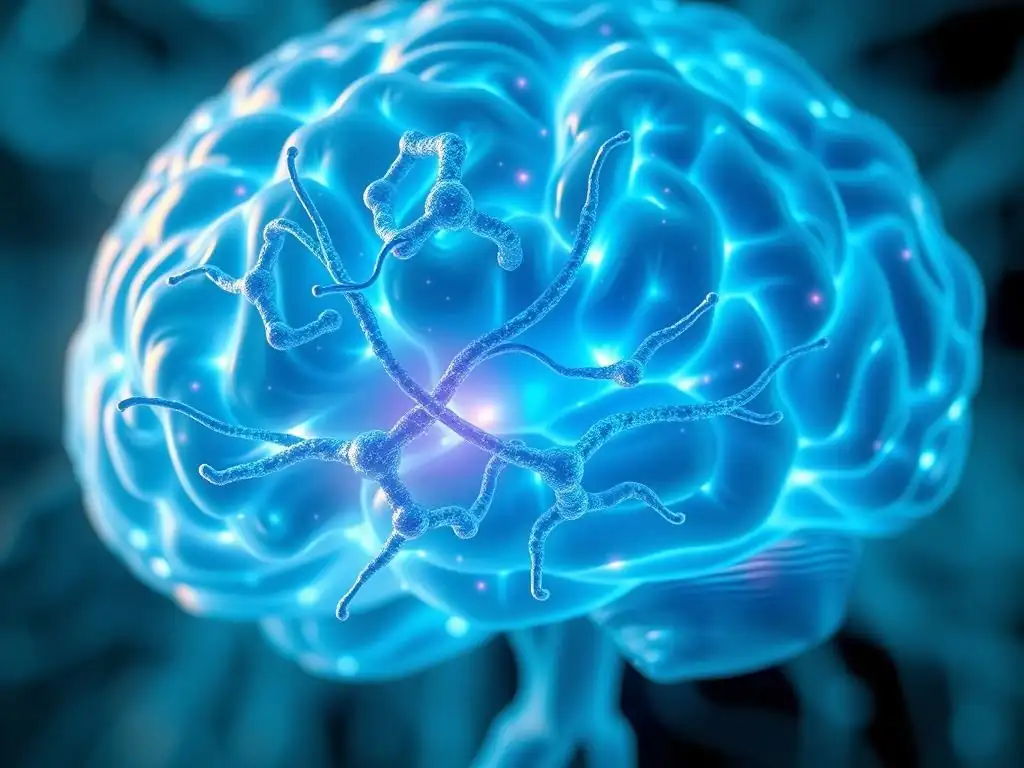
Welcome to Mind Care Guide, a sanctuary for understanding and nurturing your mental well-being.
Have you ever wondered why stress impacts some people more profoundly than others? Dive into our exploration of stress neurotransmitter receptor sensitivity, and uncover how subtle variations in these vital brain signals can profoundly alter your experience of stress. Let's embark on this journey together, gaining insights that can empower you to navigate life's challenges with resilience and understanding.
Stress and Neurotransmitter Receptor Sensitivity: Altering Brain Signals
- Introduction: Understanding the Impact of Stress on Brain Signaling
- Neurotransmitters and Receptor Sensitivity: The Basics
- Stress and Neurotransmitter Receptor Sensitivity: A Direct Connection
-
Specific Neurotransmitter Systems Affected by Stress
- The Glutamate System: Excitatory Neurotransmission and Stress Vulnerability
- GABA: Inhibitory Neurotransmission and Stress-Related Anxiety
- Dopamine: Reward, Motivation, and the Impact of Stress
- Serotonin: Mood Regulation and the Influence of Chronic Stress
- Norepinephrine: Stress Response and Receptor Upregulation/Downregulation
- The Biological Impact: Consequences of Altered Receptor Sensitivity
- Factors Influencing Stress-Induced Receptor Changes
-
Strategies for Mitigating the Effects of Stress on Receptor Sensitivity
- Stress Management Techniques: Mindfulness and Meditation
- Lifestyle Modifications: Diet and Exercise
- Therapeutic Interventions: Selective Serotonin Reuptake Inhibitors (SSRIs) and Receptor Modulation
- Cognitive Behavioral Therapy (CBT): Addressing Stress-Related Thought Patterns
- The Importance of Social Support: Buffering the Effects of Stress
- Restoring Balance: Promoting Healthy Neurotransmitter Function
- Conclusion: Empowering Brain Health Through Stress Management
-
Frequently Asked Questions
- How does stress affect neurotransmitter receptor sensitivity?
- What is a neurotransmitter receptor, and why is its sensitivity important?
- Which neurotransmitters are most affected by stress in terms of receptor sensitivity?
- Can changes in neurotransmitter receptor sensitivity due to stress be reversed?
- What are some practical ways to improve neurotransmitter receptor sensitivity after periods of stress?
- Final Reflection: Reframing Stress: A Path to Resilience
- Unlock Your Brain's Potential: Take Control of Stress
Introduction: Understanding the Impact of Stress on Brain Signaling
The Neuroscience of Stress: A Comprehensive Overview
Stress is a fundamental biological response, a complex cascade involving the brain and body preparing to face a perceived threat. This response is orchestrated primarily by the hypothalamic-pituitary-adrenal (HPA) axis and the sympathetic nervous system. When a stressor is encountered, signals travel from sensory areas to the amygdala, the brain's alarm center. The amygdala then alerts the hypothalamus, which initiates the stress response by releasing corticotropin-releasing hormone (CRH).
This hormone prompts the pituitary gland to release adrenocorticotropic hormone (ACTH), which in turn stimulates the adrenal glands to release cortisol, often called the "stress hormone." Simultaneously, the sympathetic nervous system releases adrenaline (epinephrine) and noradrenaline (norepinephrine), triggering immediate fight-or-flight responses like increased heart rate and respiration. While acute stress is a vital survival mechanism, chronic or prolonged stress can disrupt these delicate systems, leading to profound changes in brain function and structure, including alterations in stress neurotransmitter receptor sensitivity.
This intricate biological machinery, while adaptive in the short term, can become maladaptive when stress is persistent. The brain is remarkably plastic, meaning its structure and function can change in response to experience, including stress. Chronic exposure to stress hormones like cortisol can remodel neural circuits, particularly in areas crucial for mood, memory, and decision-making, such as the prefrontal cortex, hippocampus, and amygdala.
For instance, prolonged elevated cortisol levels can lead to atrophy of neurons in the hippocampus, a region vital for learning and memory, while potentially increasing dendritic branching in the amygdala, enhancing fear responses. Understanding these neurological underpinnings is key to grasping how stress impacts mental health, and central to this understanding is the concept of stress neurotransmitter receptor sensitivity and how it is altered.
Stress and Mental Well-being: The Link to Neurotransmitter Function
The profound connection between stress and mental well-being is mediated significantly by the brain's neurotransmitter systems. Neurotransmitters are the chemical messengers that neurons use to communicate with each other, transmitting signals across synapses. Their function is essential for regulating mood, cognition, behavior, and the stress response itself.
When stress, particularly chronic stress, disrupts the balance of these neurotransmitters or, crucially, alters the sensitivity and number of their receptors, it can contribute significantly to the development or exacerbation of mental health conditions such as anxiety disorders, depression, post-traumatic stress disorder (PTSD), and even addiction. For example, research indicates that chronic stress can deplete serotonin levels or reduce the sensitivity of serotonin receptors in key brain areas, contributing to depressive symptoms.
The impact of stress on neurotransmitter function is not uniform; different systems are affected in distinct ways. The stress response heavily involves neurotransmitters like norepinephrine, dopamine, serotonin, glutamate, and GABA. Disruptions in the release, reuptake, or, most critically, the receptor sensitivity of these chemicals underpin many stress-related mental health challenges.
For instance, heightened glutamate activity coupled with altered GABA receptor sensitivity can contribute to the hyperarousal and anxiety seen in PTSD. The concept of stress neurotransmitter receptor sensitivity highlights that it's not just the amount of chemical messenger that matters, but how effectively the receiving neuron can detect and respond to it. Changes in receptor density (how many receptors are present) or affinity (how strongly the neurotransmitter binds to the receptor) can dramatically alter brain signaling.
Neurotransmitters and Receptor Sensitivity: The Basics
What are Neurotransmitters? Key Players in Brain Communication
Neurotransmitters are endogenous chemicals that transmit signals from a neuron across a synapse to a target neuron, muscle cell, or gland cell. They are the brain's primary method of rapid communication, enabling everything from muscle movement to complex thought processes and emotional states. Examples include well-known substances like serotonin, dopamine, norepinephrine, acetylcholine, glutamate, and gamma-aminobutyric acid (GABA).
Each neurotransmitter has specific roles and is synthesized and stored within vesicles in the presynaptic neuron. Upon receiving an electrical signal (an action potential), these vesicles fuse with the presynaptic membrane, releasing the neurotransmitter into the synaptic cleft, the tiny gap between neurons.
Once released, the neurotransmitter diffuses across the synaptic cleft and binds to specific receptors on the postsynaptic neuron's membrane. This binding is highly selective, much like a key fitting into a specific lock. The binding of the neurotransmitter to its receptor triggers a response in the postsynaptic neuron, which can be either excitatory (making the neuron more likely to fire an action potential) or inhibitory (making it less likely to fire).
The signal is then terminated by various mechanisms, including reuptake of the neurotransmitter back into the presynaptic neuron, enzymatic degradation in the synaptic cleft, or diffusion away from the synapse. This precise and dynamic process is fundamental to all brain function, and disruptions at any step, particularly at the receptor level, can have widespread effects, influencing stress neurotransmitter receptor sensitivity.
Neurotransmitter Receptors: How Brain Cells Receive Signals
Neurotransmitter receptors are specialized protein molecules located on the surface of postsynaptic neurons (and sometimes presynaptic neurons, called autoreceptors). They are the 'locks' that specific neurotransmitters ('keys') bind to. This binding event is crucial because it translates the chemical signal from the presynaptic neuron back into an electrical or biochemical signal within the postsynaptic neuron. There are two main types of neurotransmitter receptors: ionotropic receptors and metabotropic receptors.
Ionotropic receptors are ligand-gated ion channels; when a neurotransmitter binds, the channel opens, allowing specific ions (like sodium, potassium, or chloride) to flow across the membrane. This rapid ion flow directly changes the electrical potential of the postsynaptic neuron, causing a fast, short-lived response. A classic example is the NMDA receptor, a type of glutamate receptor.
Metabotropic receptors, on the other hand, are G protein-coupled receptors. When a neurotransmitter binds to a metabotropic receptor, it activates an intracellular signaling cascade involving G proteins and secondary messengers. This process is slower than ionotropic receptor action but can lead to more diverse and longer-lasting effects, such as changes in gene expression, protein synthesis, or the opening/closing of ion channels elsewhere on the membrane.
An example is the serotonin 1A (5-HT1A) receptor. The sensitivity of these receptors—how readily they bind to neurotransmitters and how effectively they initiate a response—is a critical factor in determining the strength and nature of synaptic communication. Stress can directly impact both the number and function of these receptors, thereby altering stress neurotransmitter receptor sensitivity.
Baseline Receptor Sensitivity: Maintaining Brain Equilibrium
In a healthy, non-stressed state, the brain maintains a remarkable equilibrium in its neurotransmitter systems, including a baseline level of receptor sensitivity that supports optimal function. This baseline is not static but is regulated through homeostatic mechanisms. The brain constantly adjusts the number and sensitivity of receptors in response to ongoing activity and internal signals.
For instance, if a neuron is consistently bombarded by a neurotransmitter, it might downregulate its receptors, reducing their number or sensitivity to prevent overstimulation. Conversely, if a neuron receives too little stimulation, it might upregulate its receptors, increasing their number or sensitivity to enhance its responsiveness. This dynamic regulation ensures that neuronal circuits function within optimal ranges, supporting stable mood, cognitive function, and appropriate behavioral responses.
Maintaining this baseline stress neurotransmitter receptor sensitivity is essential for overall mental well-being. Disruptions to this balance, whether due to genetic factors, environmental influences, or chronic stress, can lead to dysregulation of neural circuits. For example, a certain level of GABA receptor sensitivity is crucial for inhibiting excessive neuronal firing and preventing anxiety.
If chronic stress leads to a reduction in the number or function of these receptors, the inhibitory tone in certain brain regions might decrease, contributing to heightened anxiety and fear responses. Understanding this baseline and how it is altered by stress is fundamental to understanding the biological basis of stress-related mental health challenges.
Stress and Neurotransmitter Receptor Sensitivity: A Direct Connection
How Stress Alters Neurotransmitter Release
Stress significantly impacts the release patterns of various neurotransmitters, often triggering an initial surge followed by potential depletion or dysregulation with chronic exposure. Acute stress, for instance, rapidly increases the release of norepinephrine from the locus coeruleus and dopamine in areas like the prefrontal cortex and nucleus accumbens. This surge helps enhance vigilance, focus, and motivation during a challenging situation.
Simultaneously, glutamate release is often increased, particularly in brain regions involved in learning and memory consolidation related to the stressful event, like the hippocampus and amygdala. Cortisol, while acting more slowly than the immediate neurotransmitter burst, also influences neurotransmitter release over time.
However, chronic stress can disrupt these finely tuned release mechanisms. Prolonged exposure to elevated cortisol and other stress mediators can alter the synthesis, storage, and release of neurotransmitters. For example, chronic stress can lead to a sustained increase in glutamate release in certain areas, potentially contributing to excitotoxicity (neuronal damage from overstimulation).
Conversely, the initial surge of norepinephrine and dopamine can be followed by a state of depletion or altered responsiveness in chronic stress, contributing to fatigue, anhedonia (loss of pleasure), and difficulty concentrating. This dysregulation in neurotransmitter release is a primary way stress initiates changes that can then impact stress neurotransmitter receptor sensitivity.
The Role of Cortisol in Modulating Receptor Function
Cortisol, the primary glucocorticoid released during stress, exerts widespread effects throughout the brain, significantly modulating neurotransmitter receptor function and consequently stress neurotransmitter receptor sensitivity. Cortisol binds to two main types of receptors in the brain: glucocorticoid receptors (GRs) and mineralocorticoid receptors (MRs). These receptors are found in abundance in areas critical for stress regulation, such as the hippocampus, prefrontal cortex, and amygdala.
By binding to these receptors, cortisol can influence gene expression, altering the synthesis and trafficking of neurotransmitter receptors to the cell surface. For instance, chronic exposure to high cortisol levels has been shown to decrease the expression of GRs in the hippocampus, impairing the negative feedback loop that normally helps shut off the stress response.
Moreover, cortisol can directly impact the function of specific neurotransmitter receptors. In the hippocampus, cortisol can potentiate the activity of NMDA receptors, a type of glutamate receptor, potentially contributing to stress-induced excitotoxicity and cognitive deficits.
Conversely, chronic stress and high cortisol can reduce the sensitivity of GABA-A receptors in certain brain regions, decreasing inhibitory tone and potentially contributing to anxiety. The long-term effects of cortisol on receptor populations and their function are a critical mechanism by which chronic stress leads to enduring changes in brain circuitry and contributes to the development of stress-related mental health disorders by altering stress neurotransmitter receptor sensitivity.
Stress-Induced Plasticity: Changes in Receptor Expression
Stress doesn't just cause temporary changes; it can induce long-lasting structural and functional alterations in the brain through neuroplasticity. A key aspect of this stress-induced plasticity is the change in the expression levels and localization of neurotransmitter receptors, directly impacting stress neurotransmitter receptor sensitivity. Chronic stress can lead to a decrease in the density of receptors for certain neurotransmitters in specific brain regions, while increasing others.
For example, studies in animal models have shown that chronic unpredictable stress can reduce the number of serotonin 1A (5-HT1A) receptors in the hippocampus and prefrontal cortex, brain areas crucial for mood regulation. A reduction in these inhibitory autoreceptors can lead to increased serotonin release but also potentially reduced postsynaptic sensitivity to serotonin, contributing to depressive-like behaviors.
Conversely, chronic stress can increase the expression of receptors for excitatory neurotransmitters like glutamate, particularly NMDA receptors, in areas like the amygdala. This upregulation can enhance synaptic strength in fear circuits, contributing to heightened anxiety and fear responses. The balance between excitatory and inhibitory receptor populations is crucial for healthy brain function. Stress-induced shifts in this balance, favoring excitation or reducing inhibition in specific circuits through altered receptor expression, are a fundamental mechanism underlying the persistent behavioral and emotional changes associated with chronic stress and highlight the crucial role of stress neurotransmitter receptor sensitivity in this process.
Specific Neurotransmitter Systems Affected by Stress
The Glutamate System: Excitatory Neurotransmission and Stress Vulnerability
Glutamate is the brain's primary excitatory neurotransmitter, involved in virtually all aspects of brain function, including learning, memory, and synaptic plasticity. While essential for normal function, excessive glutamate activity can be toxic to neurons, a phenomenon known as excitotoxicity. The glutamate system is highly sensitive to stress. Acute stress often increases glutamate release, which can enhance memory consolidation of the stressful event, mediated partly through NMDA receptors in the hippocampus and amygdala. However, chronic stress leads to prolonged elevation of glutamate levels in several brain regions.
Chronic stress has been shown to alter the expression and function of various glutamate receptors, including NMDA, AMPA, and metabotropic glutamate receptors (mGluRs), thereby impacting stress neurotransmitter receptor sensitivity. In the hippocampus and prefrontal cortex, chronic stress can lead to dysregulation of glutamate homeostasis, potentially contributing to neuronal atrophy and cognitive deficits. In the amygdala, increased glutamate transmission and altered receptor function can enhance fear conditioning and contribute to anxiety disorders.
For example, research indicates that chronic stress can increase the ratio of AMPA to NMDA receptors in the amygdala, leading to enhanced synaptic strength in fear circuits. This persistent alteration in glutamate receptor sensitivity is a significant factor in stress vulnerability and the development of mood and anxiety disorders.
Gamma-aminobutyric acid (GABA) is the brain's primary inhibitory neurotransmitter, counterbalancing the excitatory effects of glutamate. GABAergic signaling is critical for calming neural activity, regulating anxiety, and maintaining overall brain balance. The GABA system is significantly impacted by stress, particularly in brain regions involved in fear and anxiety, such as the amygdala and prefrontal cortex. Acute stress can initially enhance GABAergic inhibition, potentially as a protective mechanism to dampen excessive arousal.
However, chronic stress often leads to impairments in GABAergic function, including changes in GABA receptor sensitivity. Studies suggest that chronic stress can reduce the expression and function of GABA-A receptors in the prefrontal cortex and hippocampus, areas involved in executive function and stress regulation. A decrease in the number or sensitivity of GABA-A receptors reduces inhibitory tone, making neurons more excitable and contributing to heightened anxiety, hypervigilance, and impaired stress coping.
For instance, animal models of chronic stress show reduced binding sites for benzodiazepines (drugs that enhance GABA-A receptor function) in specific brain regions, indicating altered receptor availability or sensitivity. This reduced inhibitory capacity due to changes in stress neurotransmitter receptor sensitivity for GABA is a key mechanism underlying stress-induced anxiety disorders.
Dopamine: Reward, Motivation, and the Impact of Stress
Dopamine is a crucial neurotransmitter involved in reward, motivation, pleasure, motor control, and executive functions. The dopaminergic system is highly responsive to stress, and disruptions in dopamine signaling contribute to various stress-related conditions, including depression, addiction, and cognitive impairments. Acute stress can increase dopamine release in areas like the nucleus accumbens (part of the reward pathway) and prefrontal cortex, contributing to heightened motivation and focus.
However, chronic stress can lead to complex and often region-specific changes in dopamine system function, including alterations in dopamine receptor sensitivity. Chronic stress can decrease baseline dopamine levels in the nucleus accumbens, potentially contributing to anhedonia, a core symptom of depression. Furthermore, chronic stress can alter the expression and function of dopamine receptors (D1, D2, D3, etc.).
For example, some research suggests that chronic stress can reduce the sensitivity of D2 receptors in the striatum, impacting reward processing and potentially increasing vulnerability to addiction. Conversely, stress might increase D1 receptor signaling in the prefrontal cortex, affecting cognitive flexibility. These complex changes in stress neurotransmitter receptor sensitivity for dopamine highlight how chronic stress can disrupt motivation and reward pathways, impacting mental well-being.
Serotonin: Mood Regulation and the Influence of Chronic Stress
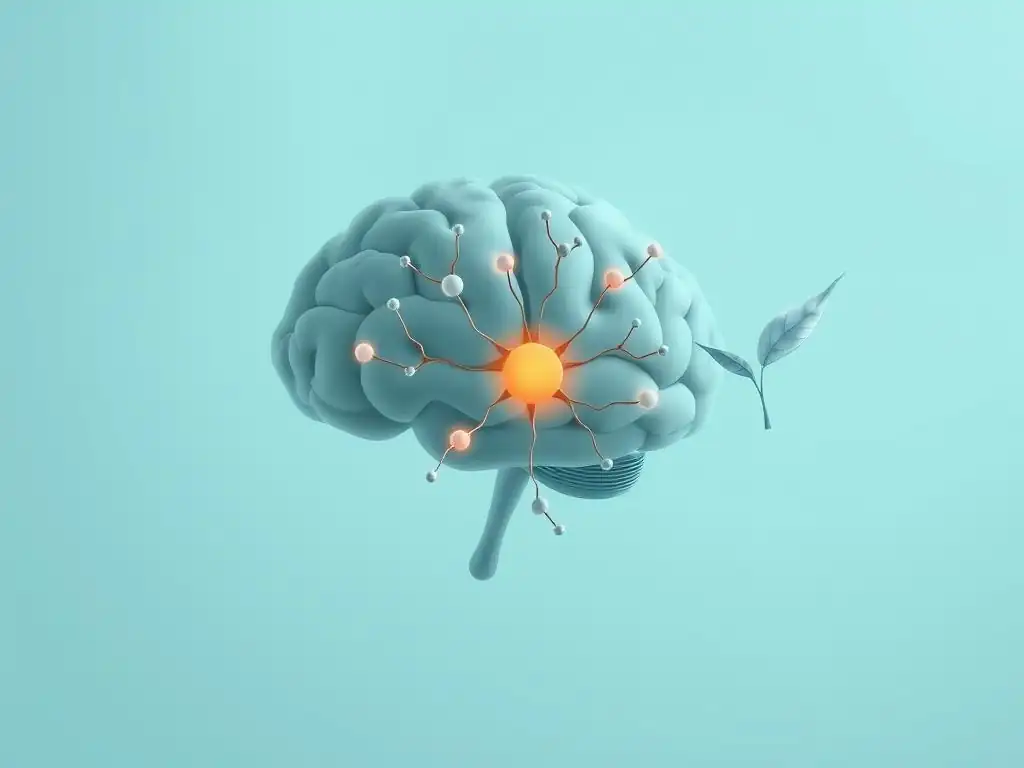
Serotonin (5-HT) is a key neurotransmitter involved in regulating mood, sleep, appetite, and social behavior. Dysregulation of the serotonergic system is strongly implicated in depression and anxiety disorders. Stress profoundly impacts serotonin signaling, particularly through chronic exposure. Chronic stress can affect serotonin synthesis, metabolism, and, critically, receptor sensitivity and expression.
Studies have shown that chronic stress can decrease the expression of certain serotonin receptors, such as the 5-HT1A receptor, which acts as an inhibitory autoreceptor on serotonin neurons and is also found postsynaptically in areas like the hippocampus and prefrontal cortex. A reduction in 5-HT1A autoreceptors can lead to increased serotonin release, while a reduction in postsynaptic 5-HT1A receptors might reduce the brain's ability to respond effectively to serotonin, contributing to depressive and anxious states.
Conversely, chronic stress might upregulate other serotonin receptors, such as the 5-HT2A receptor, which can enhance anxiety. The net effect of chronic stress on serotonin receptor populations and their sensitivity is complex and region-specific, but these alterations in stress neurotransmitter receptor sensitivity are considered a major contributor to stress-induced mood disorders.
Norepinephrine: Stress Response and Receptor Upregulation/Downregulation
Norepinephrine (noradrenaline) is a neurotransmitter and hormone crucial for the body's fight-or-flight response, vigilance, arousal, and attention. It is released from the locus coeruleus in the brain and the adrenal medulla as a hormone. The norepinephrine system is highly activated by stress. Acute stress leads to a rapid increase in norepinephrine release, mediated through activation of the sympathetic nervous system and the locus coeruleus. This surge enhances alertness and prepares the body for action.
However, chronic stress can lead to dysregulation of norepinephrine signaling, including changes in the sensitivity and number of adrenergic receptors (alpha and beta receptors) in various brain regions. Initial acute stress might lead to a temporary desensitization (downregulation) of some adrenergic receptors due to prolonged exposure to high levels of norepinephrine and adrenaline. With chronic stress, complex adaptations occur.
Some studies suggest chronic stress can lead to a sustained increase in norepinephrine release in certain areas, while others indicate impaired responsiveness. The effect on receptor sensitivity is also varied; chronic stress can lead to either upregulation or downregulation of different adrenergic receptor subtypes depending on the brain region and the nature of the stressor. For example, chronic stress might downregulate beta-adrenergic receptors in some areas, potentially contributing to fatigue and reduced stress resilience, illustrating how chronic stress alters stress neurotransmitter receptor sensitivity.
The Biological Impact: Consequences of Altered Receptor Sensitivity
Increased Anxiety and Fear Responses
Altered stress neurotransmitter receptor sensitivity is a major biological driver behind increased anxiety and fear responses in individuals experiencing chronic stress. Changes in the balance between excitatory and inhibitory neurotransmission, particularly involving glutamate and GABA receptors, play a critical role. Chronic stress can lead to increased glutamate receptor sensitivity, especially NMDA and AMPA receptors, in the amygdala, the brain region responsible for processing fear and emotional memories. This heightened sensitivity can strengthen fear associations and make the amygdala more reactive to potential threats.
Simultaneously, chronic stress can reduce the sensitivity or number of GABA-A receptors in the amygdala and prefrontal cortex. Since GABA is the primary inhibitory neurotransmitter, reduced GABA receptor sensitivity means less inhibition of neural activity. This imbalance—increased excitation via glutamate receptors and reduced inhibition via GABA receptors—leads to a state of hyperarousal and heightened anxiety. For instance, reduced GABA-A receptor function in the prefrontal cortex can impair its ability to regulate and inhibit amygdala activity, resulting in exaggerated fear responses and difficulty managing anxiety, directly linked to altered stress neurotransmitter receptor sensitivity.
Mood Disorders: Depression and Stress-Induced Changes
Chronic stress is a significant risk factor for developing mood disorders, particularly depression, and alterations in stress neurotransmitter receptor sensitivity are central to this link. While the "monoamine hypothesis" of depression focused on low levels of serotonin, norepinephrine, and dopamine, current understanding emphasizes the complexity of receptor function and neural circuit dysregulation. Chronic stress is known to affect the sensitivity and expression of receptors for these monoamines in brain regions vital for mood regulation, such as the prefrontal cortex, hippocampus, and limbic system.
For example, reduced sensitivity or density of serotonin 1A (5-HT1A) receptors and beta-adrenergic receptors, often observed after chronic stress, can impair the effectiveness of these neurotransmitters in regulating mood circuits. Reduced sensitivity of dopamine D2 receptors in the reward pathway can contribute to anhedonia. Furthermore, chronic stress can disrupt glutamate receptor function, potentially contributing to depressive symptoms through impaired synaptic plasticity in the prefrontal cortex and hippocampus. These widespread changes in stress neurotransmitter receptor sensitivity across multiple systems collectively contribute to the complex symptomatology of depression, including persistent low mood, loss of interest, and fatigue.
Cognitive Impairment: Memory and Attention Deficits
The hippocampus and prefrontal cortex, brain regions critical for memory, learning, attention, and executive functions, are particularly vulnerable to the effects of chronic stress. Alterations in stress neurotransmitter receptor sensitivity in these areas contribute significantly to the cognitive impairments often seen in stressed individuals, such as difficulty concentrating, memory problems, and impaired decision-making. Chronic stress and elevated cortisol can disrupt glutamate homeostasis in the hippocampus, altering the function of NMDA and AMPA receptors essential for synaptic plasticity and memory formation. For example, excessive glutamate receptor activation can impair long-term potentiation (LTP), a cellular mechanism underlying learning and memory.
Furthermore, chronic stress can reduce the number of neurons and dendritic complexity in the hippocampus, partly due to altered glutamate receptor function and reduced neurotrophic factors. Changes in dopamine receptor sensitivity in the prefrontal cortex can impair working memory and executive control. Alterations in norepinephrine and serotonin receptor sensitivity also impact attention and cognitive flexibility. The cumulative effect of these changes in stress neurotransmitter receptor sensitivity in key cognitive areas underlies the common experience of feeling "scattered" or having difficulty thinking clearly under chronic stress.
Addiction Vulnerability: The Role of Dopamine Receptor Sensitivity
Stress is a major trigger for drug craving and relapse in individuals with substance use disorders. Alterations in the dopamine system, particularly changes in dopamine receptor sensitivity in the reward pathway, play a crucial role in this vulnerability. Chronic stress can dysregulate the mesolimbic dopamine pathway, which projects from the ventral tegmental area (VTA) to the nucleus accumbens and prefrontal cortex. While acute stress can increase dopamine release, chronic stress can lead to a blunted response of the reward system to natural rewards, contributing to anhedonia.
Crucially, chronic stress can alter the sensitivity and expression of dopamine receptors (especially D1 and D2 receptors) in the nucleus accumbens and striatum. Studies suggest that chronic stress can reduce the sensitivity of D2 receptors, which are involved in inhibiting dopamine release and signaling.
This reduction in D2 receptor function is also a hallmark of addiction and can lead to a compensatory increase in motivation to seek potent artificial rewards like drugs. The interaction between stress and altered dopamine stress neurotransmitter receptor sensitivity creates a vicious cycle, increasing the likelihood of seeking substances to alleviate negative mood states and further disrupting the reward system.
Stress and the HPA Axis: A Feedback Loop
The hypothalamic-pituitary-adrenal (HPA) axis is the body's central stress response system. It is tightly regulated by negative feedback loops, primarily mediated by cortisol binding to glucocorticoid receptors (GRs) in the hippocampus and hypothalamus, which then signal to reduce CRH and ACTH release. Chronic stress can disrupt this delicate feedback mechanism, leading to prolonged activation of the HPA axis and sustained high levels of cortisol. Alterations in stress neurotransmitter receptor sensitivity, particularly of glucocorticoid receptors, are a key factor in this disruption.
Chronic stress can lead to a decrease in the density or sensitivity of GRs in the hippocampus. Since the hippocampus is critical for inhibiting the HPA axis via GRs, a reduction in functional GRs impairs this negative feedback. This means the brain becomes less effective at shutting down the stress response, leading to sustained cortisol release.
This prolonged cortisol exposure can then further exacerbate changes in stress neurotransmitter receptor sensitivity in other systems (glutamate, GABA, monoamines), creating a vicious cycle where stress dysregulates receptors, which in turn impairs the stress response system's ability to return to baseline. This impaired HPA axis feedback loop, driven partly by altered receptor sensitivity, is strongly linked to the pathophysiology of major depression and other stress-related disorders.
Factors Influencing Stress-Induced Receptor Changes
Genetic Predisposition: Individual Vulnerability
Individual vulnerability to the effects of stress on neurotransmitter receptor sensitivity is influenced by genetic factors. Variations (polymorphisms) in genes that code for neurotransmitter receptors, enzymes involved in neurotransmitter synthesis or degradation, or components of the stress response system (like CRH or cortisol receptors) can affect how an individual's brain responds to stress. For example, certain polymorphisms in genes for serotonin transporters or receptors have been associated with increased susceptibility to developing depression or anxiety following stressful life events.
Research has identified specific genetic variants that might influence the expression levels or functional efficiency of neurotransmitter receptors. For instance, variations in the gene encoding the brain-derived neurotrophic factor (BDNF), which plays a role in neuronal health and plasticity and interacts with neurotransmitter systems, have been linked to differential susceptibility to stress-induced changes in hippocampal volume and function, potentially mediated through altered receptor dynamics. While genetics do not predetermine an outcome, they can create a predisposition, meaning some individuals may be biologically more vulnerable to stress-induced alterations in stress neurotransmitter receptor sensitivity than others.
Early Life Stress: Long-Term Effects on Brain Development
Stress experienced during critical periods of brain development in early life can have profound and long-lasting effects on neurotransmitter systems and receptor sensitivity, establishing a vulnerability that persists into adulthood. The developing brain is highly plastic and particularly sensitive to environmental influences, including stress hormones. Adverse childhood experiences, such as neglect, abuse, or parental loss, can permanently alter the structure and function of stress circuits, including the HPA axis and key neurotransmitter systems.
Studies show that early life stress can lead to enduring changes in the expression and sensitivity of glucocorticoid receptors, potentially impairing the HPA axis's ability to regulate stress responses later in life. It can also alter the development of monoaminergic systems (serotonin, norepinephrine, dopamine) and their receptors, as well as the glutamate and GABA systems.
For example, early life stress in rodents has been shown to reduce the number of GABAergic interneurons in the prefrontal cortex and amygdala and alter glutamate receptor composition, contributing to increased anxiety-like behavior in adulthood. These early disruptions in stress neurotransmitter receptor sensitivity set the stage for increased susceptibility to stress-related disorders later in life.
Chronic vs. Acute Stress: Differing Impacts on Receptor Sensitivity
The duration and nature of stress—whether acute (short-lived and intense) or chronic (prolonged and often lower intensity)—can have distinct effects on neurotransmitter receptor sensitivity. Acute stress often triggers rapid, transient changes in neurotransmitter release and receptor function, designed to help the individual cope with an immediate threat. For example, acute stress might cause a temporary increase in norepinephrine release and a transient desensitization of some adrenergic receptors as a protective measure against overstimulation.
Chronic stress, however, leads to more sustained and often maladaptive changes in receptor populations and function. Prolonged exposure to elevated stress hormones and neurotransmitter dysregulation causes the brain to undergo more profound plastic changes. This typically involves changes in gene expression and protein synthesis, leading to altered numbers of receptors on the cell surface or persistent changes in their binding affinity and signaling efficiency.
For instance, while acute stress might cause transient changes in glutamate receptor function, chronic stress can lead to more enduring alterations in receptor subunit composition and trafficking, impacting synaptic strength and plasticity over the long term. Understanding these differing impacts is crucial for addressing stress neurotransmitter receptor sensitivity effectively.
Environmental Factors: Lifestyle and Diet
Beyond genetics and early experience, ongoing environmental factors and lifestyle choices significantly influence how stress impacts neurotransmitter receptor sensitivity. Factors like diet, exercise, sleep patterns, and social support can either exacerbate or buffer the effects of stress on the brain. A poor diet, particularly one high in processed foods and low in essential nutrients, can negatively impact neurotransmitter synthesis and receptor function. For example, omega-3 fatty acids are crucial for neuronal membrane health and can influence receptor function.
Conversely, regular physical exercise has been shown to have neuroprotective effects and can positively influence neurotransmitter systems and receptor sensitivity. Exercise can increase the synthesis of neurotrophic factors like BDNF, which promotes neuronal health and plasticity, potentially counteracting some of the negative effects of stress on receptors. Adequate sleep is also vital for maintaining neurotransmitter balance and receptor function; chronic sleep deprivation, itself a form of stress, can impair receptor sensitivity.
Social support acts as a buffer against stress, potentially by modulating the HPA axis and influencing neurotransmitter release and receptor function in positive ways. These lifestyle factors interact with genetic predispositions and stress exposure to shape the individual's stress neurotransmitter receptor sensitivity profile.
Strategies for Mitigating the Effects of Stress on Receptor Sensitivity

Stress Management Techniques: Mindfulness and Meditation
Engaging in stress management techniques like mindfulness and meditation can be powerful tools for mitigating the negative effects of stress on neurotransmitter receptor sensitivity. These practices are not just about feeling calmer; they can induce measurable changes in brain structure and function, including potentially influencing receptor dynamics. Mindfulness meditation, for instance, has been shown to increase gray matter density in brain regions involved in emotional regulation and stress response, such as the prefrontal cortex and hippocampus.
These structural changes are often accompanied by functional shifts, including altered activity in stress-related circuits and potentially a normalization of neurotransmitter signaling and receptor sensitivity. Regular meditation practice is thought to enhance the brain's ability to regulate the HPA axis, potentially reducing prolonged exposure to cortisol. By promoting a state of calm and reducing rumination, these practices can decrease the chronic activation of stress pathways, allowing neurotransmitter systems and their receptors to function closer to their optimal baseline, helping to restore healthy stress neurotransmitter receptor sensitivity.
Lifestyle Modifications: Diet and Exercise
Making conscious lifestyle modifications, particularly focusing on diet and exercise, offers a practical approach to supporting brain health and potentially buffering the impact of stress on neurotransmitter receptor sensitivity. A balanced diet rich in fruits, vegetables, whole grains, lean proteins, and healthy fats provides the necessary building blocks for neurotransmitter synthesis and neuronal health. For example, tryptophan, an amino acid found in protein-rich foods, is a precursor for serotonin. Omega-3 fatty acids, found in fatty fish, are crucial for cell membrane fluidity, which can impact receptor function.
Regular aerobic exercise has well-documented benefits for mental health and is known to positively influence multiple neurotransmitter systems. Exercise increases the release of endorphins, often dubbed the brain's natural painkillers, and can also impact dopamine, serotonin, and norepinephrine levels. Furthermore, exercise promotes neurogenesis (the birth of new neurons) in the hippocampus and increases levels of neurotrophic factors like BDNF, which supports neuronal survival and plasticity, potentially counteracting stress-induced receptor changes. Combining a healthy diet with consistent exercise provides synergistic benefits for maintaining optimal stress neurotransmitter receptor sensitivity.
Therapeutic Interventions: Selective Serotonin Reuptake Inhibitors (SSRIs) and Receptor Modulation
Pharmacological interventions, such as Selective Serotonin Reuptake Inhibitors (SSRIs) and other classes of antidepressants, directly interact with neurotransmitter systems and can influence receptor sensitivity. SSRIs, for example, work by blocking the reuptake of serotonin into the presynaptic neuron, increasing the concentration of serotonin in the synaptic cleft. While the immediate effect is increased serotonin availability, the therapeutic effects of SSRIs, which often take several weeks to manifest, are thought to involve adaptive changes in serotonin receptor populations and sensitivity.
Chronic administration of SSRIs can lead to the desensitization (downregulation) of certain serotonin autoreceptors (like 5-HT1A autoreceptors), which can further increase serotonin release. More importantly, they can lead to changes in postsynaptic receptor sensitivity, potentially normalizing receptor function that was dysregulated by chronic stress. Other medications target different neurotransmitter systems or receptor subtypes, aiming to restore balance.
For instance, benzodiazepines enhance GABA-A receptor function, providing immediate anxiety relief. These medications demonstrate that directly modulating neurotransmitter receptor activity is a viable strategy for addressing stress-related mental health conditions influenced by altered stress neurotransmitter receptor sensitivity, though they are typically used in conjunction with therapy.
Cognitive Behavioral Therapy (CBT) is a widely effective psychotherapy approach that helps individuals identify and modify negative thought patterns and behaviors contributing to stress and related mental health issues. While not directly targeting neurotransmitter receptors at a molecular level, CBT can indirectly influence brain function and potentially normalize stress neurotransmitter receptor sensitivity by altering the individual's perception of and response to stressors.
By teaching coping skills and challenging maladaptive thoughts, CBT can reduce the frequency and intensity of the stress response, thereby reducing the chronic activation of the HPA axis and the prolonged exposure to stress hormones and neurotransmitters that drive detrimental receptor changes.
Through repeated practice of new coping strategies and reframing stressful situations, CBT can facilitate positive neuroplastic changes. This can involve strengthening connections in brain regions involved in emotional regulation (like the prefrontal cortex) and weakening connections in fear circuits (like the amygdala). These functional shifts can, over time, influence the underlying neurobiological landscape, potentially supporting the brain's natural mechanisms for restoring neurotransmitter balance and receptor sensitivity. By empowering individuals to manage stress more effectively, CBT helps break the cycle of chronic stress and its impact on stress neurotransmitter receptor sensitivity.
Social support is a powerful buffer against the detrimental effects of stress on both mental and physical health, and it is increasingly recognized for its potential to positively influence brain function and stress neurotransmitter receptor sensitivity. Positive social interactions can activate reward pathways involving dopamine and oxytocin, counteracting the negative effects of stress on mood and motivation. Feeling connected and supported can also reduce the perceived threat posed by stressors, leading to a less intense activation of the HPA axis and sympathetic nervous system.
Research suggests that social support can modulate the release of stress hormones like cortisol and influence levels of neurotransmitters like oxytocin, which has anxiolytic effects and can modulate the activity of stress circuits. While the direct impact on specific neurotransmitter receptor sensitivity is an area of ongoing research, it is plausible that the overall reduction in stress load and the positive neurochemical environment fostered by strong social connections could support the brain's homeostatic mechanisms for maintaining healthy receptor function.
Engaging with supportive friends, family, or community groups provides a crucial layer of resilience against the neurobiological impacts of chronic stress, including altered stress neurotransmitter receptor sensitivity.
Restoring Balance: Promoting Healthy Neurotransmitter Function
Neuroplasticity and Recovery: The Brain's Ability to Adapt
A key message of hope in understanding the impact of stress on stress neurotransmitter receptor sensitivity is the brain's remarkable capacity for neuroplasticity and recovery. While chronic stress can induce maladaptive changes, the brain is not static; it retains the ability to reorganize itself, form new neural connections, and even generate new neurons (neurogenesis) throughout life. This plasticity means that the negative effects of stress on neurotransmitter systems and receptor sensitivity are often not permanent.
Implementing stress management strategies, lifestyle changes, and therapeutic interventions can actively promote positive neuroplasticity. For instance, exercise and learning new skills can increase BDNF levels and promote neurogenesis in the hippocampus, potentially counteracting stress-induced atrophy and improving cognitive function. Therapy like CBT can rewire maladaptive thought patterns and strengthen regulatory circuits. These interventions help create an environment where the brain can begin to repair stress-induced damage, including potentially normalizing stress neurotransmitter receptor sensitivity and restoring balanced neurotransmitter function over time. Recovery is possible, and understanding the brain's adaptive capacity is empowering.
Long-Term Strategies for Maintaining Receptor Health
Maintaining healthy stress neurotransmitter receptor sensitivity over the long term requires a commitment to ongoing stress management and brain-healthy lifestyle practices. This is not a one-time fix but an ongoing process of self-care and vigilance. Key long-term strategies include consistent practice of stress-reducing activities such as mindfulness, yoga, or spending time in nature. Prioritizing adequate sleep (typically 7-9 hours per night) is crucial, as sleep deprivation significantly impacts neurotransmitter balance and receptor function.
Regular physical activity, aiming for at least 150 minutes of moderate-intensity exercise per week, continues to support neuronal health and potentially modulate receptor sensitivity positively. Maintaining a nutrient-dense diet and staying hydrated are fundamental. Building and nurturing strong social connections provides a consistent buffer against stress. Avoiding excessive alcohol, caffeine, and recreational drugs is also important, as these substances can acutely and chronically disrupt neurotransmitter systems and receptor function. By integrating these practices into daily life, individuals can proactively support the resilience of their brain's signaling systems and maintain healthy stress neurotransmitter receptor sensitivity.
Seeking Professional Help: When to Consult a Mental Health Expert
Understanding the complex interplay between stress and stress neurotransmitter receptor sensitivity highlights why professional help is often necessary when facing significant stress-related mental health challenges. If stress symptoms are persistent, overwhelming, interfering with daily life, or accompanied by symptoms of anxiety, depression, or other mood changes, it is crucial to consult a mental health professional. This could be a therapist, counselor, psychiatrist, or psychologist.
Mental health professionals can provide a comprehensive assessment, offer evidence-based therapies like CBT, mindfulness-based stress reduction, or other modalities tailored to individual needs. A psychiatrist may also evaluate whether medication is appropriate to help restore neurotransmitter balance and receptor function, working in conjunction with therapy. Seeking help is a sign of strength and is essential for accessing effective strategies and support to navigate the biological and psychological impacts of stress and work towards restoring healthy stress neurotransmitter receptor sensitivity and overall mental well-being.
Conclusion: Empowering Brain Health Through Stress Management
Understanding Stress and Neurotransmitter Receptor Sensitivity for Better Mental Well-being
Understanding the intricate relationship between stress and stress neurotransmitter receptor sensitivity provides a powerful framework for comprehending the biological roots of stress-related mental health challenges. We've explored how acute and chronic stress can alter the release of key neurotransmitters and, critically, change the number, location, and function of their receptors in various brain regions.
These alterations in receptor sensitivity disrupt the delicate balance of excitation and inhibition, contributing to symptoms of anxiety, depression, cognitive impairment, and increased vulnerability to addiction. Recognizing that chronic stress isn't just a feeling but a biological process that physically changes the brain's signaling machinery is a crucial step towards empowerment.
By delving into how stress impacts specific systems—glutamate, GABA, dopamine, serotonin, norepinephrine—and how these changes manifest in altered receptor sensitivity, we gain insight into why stress has such profound and varied effects on our mood, thoughts, and behaviors. This knowledge underscores the importance of addressing stress not merely as an emotional state but as a significant factor influencing our fundamental brain biology. Armed with this understanding of stress neurotransmitter receptor sensitivity, individuals can appreciate the biological imperative behind effective stress management and brain-healthy lifestyle choices.
The Future of Research: Investigating Novel Therapeutic Targets for Receptor Modulation
The ongoing research into stress and stress neurotransmitter receptor sensitivity continues to open new avenues for understanding and treating stress-related disorders. Scientists are constantly identifying new receptor subtypes, mapping their distribution in the brain, and unraveling the complex molecular mechanisms by which stress hormones and chronic stress influence receptor expression and function. This detailed understanding is paving the way for the development of novel therapeutic targets.
Future treatments may focus more specifically on modulating the activity or expression of particular receptor subtypes that are most affected by stress in specific brain circuits. For example, research is exploring compounds that could selectively target certain glutamate or GABA receptor subunits to restore the excitation-inhibition balance in stress-vulnerable regions.
Similarly, developing drugs that can normalize the sensitivity of dopamine or serotonin receptors dysregulated by chronic stress holds promise. The future of mental health treatment for stress-related conditions likely lies in increasingly precise interventions that target the specific changes in stress neurotransmitter receptor sensitivity, offering more effective and personalized approaches to restoring brain health.
Frequently Asked Questions
How does stress affect neurotransmitter receptor sensitivity?
Chronic stress can lead to changes in the number and function of neurotransmitter receptors, making them either more or less sensitive to neurotransmitters. This altered sensitivity can disrupt normal brain signaling.
What is a neurotransmitter receptor, and why is its sensitivity important?
A neurotransmitter receptor is a protein on a neuron that binds to neurotransmitters, triggering a signal. Its sensitivity is crucial for proper communication between neurons and maintaining mental well-being.
Which neurotransmitters are most affected by stress in terms of receptor sensitivity?
Key neurotransmitters affected include serotonin, dopamine, and norepinephrine. Stress can alter the sensitivity of receptors for these neurotransmitters, impacting mood, motivation, and anxiety levels.
Can changes in neurotransmitter receptor sensitivity due to stress be reversed?
Yes, in many cases, changes can be reversed through strategies such as stress management techniques, therapy, and sometimes medication. This helps to restore balance in brain signaling.
What are some practical ways to improve neurotransmitter receptor sensitivity after periods of stress?
Practices like mindfulness meditation, regular exercise, a balanced diet, and sufficient sleep can positively influence neurotransmitter receptor function and reduce the negative impacts of stress.
Final Reflection: Reframing Stress: A Path to Resilience
The intricate dance between stress and our neurotransmitter receptor sensitivity is not merely a scientific curiosity; it's the very foundation of our mental and physical well-being. Understanding this dynamic allows us to move beyond simply labeling stress as "bad" and instead, empowers us to navigate its impact on our brains and bodies with greater awareness and agency. This knowledge is crucial in an era defined by unprecedented levels of societal pressure and individual demands.
The ongoing influence of chronic stress on our receptor sensitivity is profoundly unsettling, yet simultaneously offers a powerful opportunity for self-improvement. We are learning that our brains are not static entities; they possess remarkable plasticity, capable of adapting and even healing. This adaptability is directly linked to our understanding and management of stress. The mind is everything. What you think you become.
– Buddha. This ancient wisdom resonates deeply with the modern scientific understanding of neuroplasticity and the profound impact of our thoughts and actions on our neurotransmitter systems.
Consider the implications of this knowledge. You are not a passive victim of stress. You possess the power to influence your brain's response to stressors through mindful practices, lifestyle choices, and a conscious effort to cultivate resilience. Take a moment to reflect on your own relationship with stress. What coping mechanisms do you currently employ? Are they serving you well? Explore new strategies – from mindfulness meditation to regular exercise to seeking professional support – to optimize your neurotransmitter receptor sensitivity and build a more resilient, healthier you.
Unlock Your Brain's Potential: Take Control of Stress
Thanks for taking the time to explore the fascinating connection between stress and neurotransmitter receptor sensitivity! You've now gained valuable insights into how your brain responds to stress and how you can potentially influence those responses. Ready to put this knowledge into action?
Here are a few steps you can take today:
- Prioritize mindful stress reduction techniques: Start with just 5 minutes of deep breathing or meditation daily. This is your primary step towards actively shaping your brain's response to stress.
- Explore a new stress-management activity: Try something completely different, like forest bathing, journaling your feelings, or learning a new skill. Step outside your comfort zone!
- Share your insights: Discuss what you've learned with a friend or family member—sharing knowledge can be a powerful stress reliever itself!
What small change will you make this week to improve your brain's sensitivity and resilience to stress?