
From Panic to Peace: How Mindfulness Transforms Anxiety

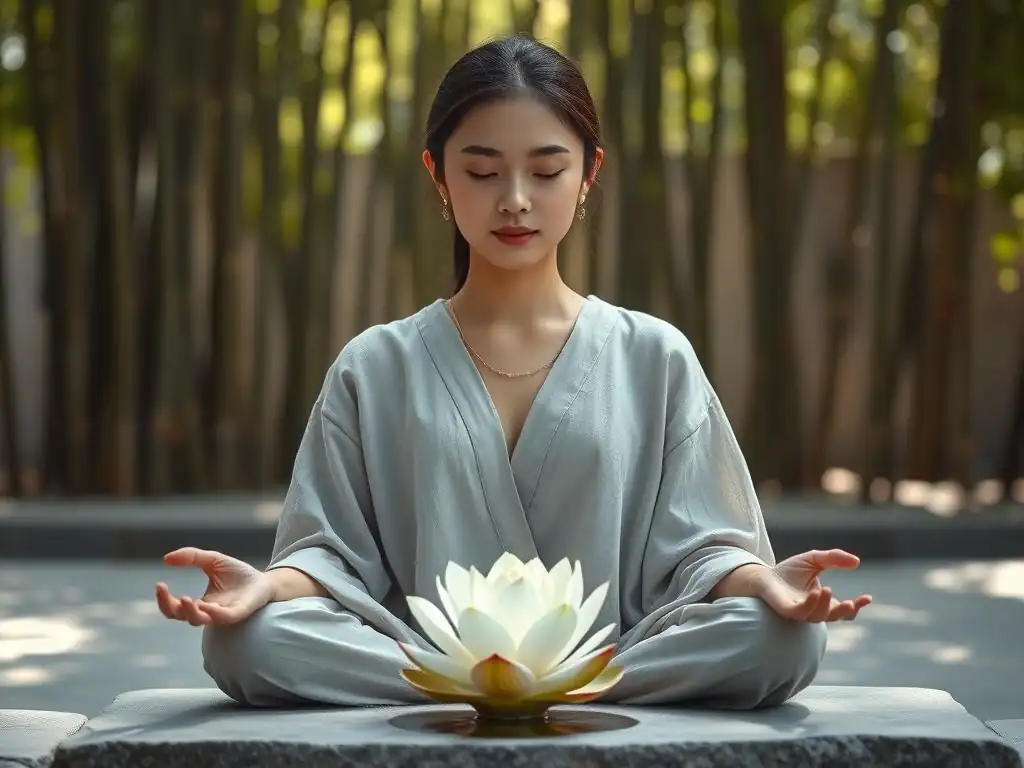
Welcome to Mind Care Guide, a sanctuary for your mental well-being.
Feeling overwhelmed by anxiety? You're not alone. Discover how the simple practice of mindfulness reduces anxiety panic and can pave the way to a calmer, more centered you. Curious to learn how? Let's explore the transformative power of mindfulness together...
From Panic to Peace: How Mindfulness Transforms Anxiety
- Understanding Anxiety and Panic: The Need for Mindfulness
- Mindfulness Reduces Anxiety Panic: The Science-Backed Benefits
- Practical Mindfulness Techniques for Anxiety Relief
- Integrating Mindfulness into Daily Life for Long-Term Anxiety Management
- Beyond Techniques: The Mindful Approach to Life and Anxiety
- Seeking Professional Support Alongside Mindfulness
-
Frequently Asked Questions
- What exactly is mindfulness and how does it relate to anxiety?
- How does practicing mindfulness specifically reduce anxiety panic attacks?
- What are some simple mindfulness exercises I can start with today?
- How often should I practice mindfulness to see a noticeable reduction in anxiety?
- Where can I find more resources and support for learning and practicing mindfulness for anxiety?
- Final Reflection: Cultivating Inner Peace in a Frantic World
- Unlock Your Inner Calm: Start Your Mindfulness Journey Today!
Understanding Anxiety and Panic: The Need for Mindfulness
What is Anxiety? Exploring the Roots of Worry
Anxiety is more than just occasional worry; it's a persistent feeling of apprehension or dread that can interfere with daily life. While everyone experiences worry from time to time, clinical anxiety is characterized by excessive, uncontrollable worry that is disproportionate to the actual threat.
Symptoms can manifest physically as a racing heart, sweating, trembling, or digestive issues, cognitively as constant negative thoughts, difficulty concentrating, and catastrophizing, and behaviorally as avoidance of situations that trigger fear. Statistics suggest that anxiety disorders are among the most common mental health conditions, affecting approximately 18% of the adult population in the United States in any given year.
The roots of anxiety are multifaceted, stemming from a complex interplay of biological, psychological, and environmental factors. Genetic predispositions can increase vulnerability, while environmental stressors such as trauma, chronic stress, or significant life changes can act as triggers. Psychologically, anxiety is often fueled by specific thought patterns, including perfectionism, the need for control, and a tendency to overestimate danger while underestimating one's ability to cope. These patterns create a cycle where anxious thoughts lead to physical symptoms, which in turn reinforce the thoughts, making the need for effective management strategies like mindfulness crucial.
Panic Attacks Explained: Recognizing the Symptoms and Triggers
A panic attack is a sudden episode of intense fear that triggers severe physical reactions when there is no real danger or apparent cause. These attacks can be terrifying, often leading individuals to believe they are having a heart attack, losing their minds, or even dying. Symptoms typically peak within minutes and include a pounding heart or accelerated heart rate, sweating, trembling or shaking, sensations of shortness of breath or smothering, chest pain, nausea, dizziness, chills or hot flashes, numbness or tingling sensations, and feelings of unreality or detachment.
Panic attacks can occur unexpectedly, even during sleep, or they can be triggered by specific situations, places, or even thoughts. Common triggers include significant stress, specific phobias (like fear of heights or enclosed spaces), social situations, or physical sensations misinterpreted as dangerous (such as a rapid heartbeat after exercise).
Understanding that a panic attack is an exaggerated activation of the body's natural fight-or-flight response – a survival mechanism meant for true emergencies – is the first step in demystifying the experience. Learning to recognize these symptoms and potential triggers is vital for developing strategies, such as mindfulness, to manage them.
The Role of Mindfulness in Managing Anxiety and Panic
Mindfulness offers a powerful approach to managing both general anxiety and acute panic. At its core, mindfulness is the practice of paying deliberate, non-judgmental attention to the present moment. Anxiety, by its nature, often pulls the mind into worrying about future possibilities or ruminating on past events. Panic attacks are intense reactions to present physical sensations or thoughts, often misinterpreted through a lens of fear. Mindfulness counters this by anchoring awareness firmly in the here and now.
By cultivating present-moment awareness, mindfulness creates a space between the anxious thought or physical sensation and the automatic reaction to it. Instead of being immediately swept away by fear, individuals learn to observe their thoughts and feelings as temporary mental events, rather than absolute truths or imminent dangers. This practice helps to gradually reduce reactivity, allowing for a calmer, more measured response to potential triggers. Through consistent practice, mindfulness reduces anxiety panic by changing how the mind processes distressing internal and external stimuli.
Mindfulness Reduces Anxiety Panic: The Science-Backed Benefits
How Mindfulness Alters Brain Activity to Reduce Anxiety
Neuroscientific research provides compelling evidence for how mindfulness practice physically alters the brain in ways that reduce anxiety. Studies using fMRI scans have shown that regular mindfulness meditation can lead to decreased activity in the amygdala, the brain region primarily responsible for processing fear and initiating the stress response. This suggests that the brain becomes less reactive to potential threats after mindfulness training.
Furthermore, mindfulness has been linked to increased activity and gray matter density in areas of the prefrontal cortex, particularly those associated with executive functions such as attention, emotional regulation, and decision-making. These changes enhance the brain's ability to manage emotional responses and regulate attention, making it easier to disengage from anxious thought loops and respond to stressors more adaptively. These observed neurological changes demonstrate a tangible pathway through which mindfulness reduces anxiety panic by rewiring the brain's fear and regulation circuits.
Mindfulness and the Nervous System: Calming the Fight-or-Flight Response
Anxiety and panic are deeply rooted in the activation of the sympathetic nervous system, triggering the body's fight-or-flight response. This response involves a cascade of physiological changes, including increased heart rate, rapid breathing, muscle tension, and the release of stress hormones like cortisol. Mindfulness techniques, particularly those focused on breath control and body awareness, directly influence the autonomic nervous system to counteract this response.
Mindful breathing practices, for example, stimulate the vagus nerve, a major nerve that connects the brain to the body's organs and is a key component of the parasympathetic nervous system (the "rest-and-digest" system). Activating the vagus nerve through slow, deep, mindful breathing sends signals to the brain and body that it is safe to relax, slowing heart rate, lowering blood pressure, and reducing stress hormone levels. This physiological calming mechanism is a core way that mindfulness reduces anxiety panic at a fundamental biological level.
Studies Showing Mindfulness Effectiveness for Panic Disorder
Numerous clinical studies and meta-analyses have investigated the effectiveness of mindfulness-based interventions (MBIs) for anxiety disorders, including panic disorder. Research consistently shows that participation in programs like Mindfulness-Based Stress Reduction (MBSR) or Mindfulness-Based Cognitive Therapy (MBCT) can lead to significant reductions in anxiety symptoms, including the frequency and severity of panic attacks. For instance, some studies on MBSR for anxiety have reported that participants experience a reduction in anxiety symptoms by 30-50% after completing an 8-week course.
Specific studies focusing on panic disorder have demonstrated similar positive outcomes. Participants often report decreased panic attack frequency, reduced agoraphobic avoidance, and improved overall quality of life. The evidence suggests that MBIs help individuals develop coping skills, increase tolerance for physical sensations associated with panic, and change their relationship with anxious thoughts. These findings provide strong scientific support for the claim that mindfulness reduces anxiety panic and related distress.
Practical Mindfulness Techniques for Anxiety Relief

Breathing Exercises for Immediate Anxiety Reduction
Breathing is an automatic process, but conscious control of the breath is a powerful tool for managing anxiety and panic in the moment. Focused breathing techniques can quickly activate the parasympathetic nervous system, interrupting the stress response and promoting a sense of calm. They provide an anchor in the present moment, diverting attention from overwhelming thoughts or sensations.
Even a few minutes of mindful attention to the breath can make a significant difference. These exercises are portable, free, and can be practiced anywhere, offering an immediate resource when anxiety begins to build or a panic attack feels imminent. Learning to use your breath effectively is a foundational step in harnessing the power of mindfulness reduces anxiety panic.
Diaphragmatic Breathing: A Simple Technique for Calming Anxiety
Diaphragmatic breathing, also known as belly breathing, involves engaging the diaphragm to take deep, full breaths rather than shallow chest breaths. This technique is particularly effective at slowing heart rate and promoting relaxation.
To practice, find a comfortable position, sitting or lying down. Place one hand on your chest and the other on your belly, just below your rib cage. Inhale slowly and deeply through your nose, feeling your belly rise against your hand while your chest remains relatively still. Exhale slowly through pursed lips, gently contracting your abdominal muscles to push the air out, feeling your belly fall. Focus your attention entirely on the sensation of the breath moving in and out of your body, noticing the rise and fall of your belly. Repeat for several minutes.
Box Breathing: Finding Balance and Reducing Panic
Box breathing is a simple, four-step technique used to regulate the breath and calm the nervous system, often employed in high-stress environments like military and law enforcement. It involves inhaling, holding, exhaling, and holding again, each for the same count, typically four.
To practice, find a comfortable seat. Exhale completely. Then, inhale slowly through your nose for a count of four. Hold your breath gently for a count of four. Exhale slowly through your mouth for a count of four. Hold your breath again for a count of four before inhaling. Repeat this cycle for a few minutes. The structured counting provides a mental focus that helps quiet racing thoughts, making this technique a practical way mindfulness reduces anxiety panic in acute situations.
Body Scan Meditation for Increased Self-Awareness and Reduced Tension
The body scan meditation is a practice of systematically bringing mindful attention to different regions of the body, noticing physical sensations without judgment. Anxiety often manifests physically as tension, tightness, or discomfort, and the body scan helps individuals become more aware of these sensations and potentially release them.
Begin by lying down or sitting comfortably. Close your eyes if it feels safe. Bring your awareness to your feet and toes, noticing any sensations present – warmth, tingling, pressure. Without trying to change anything, simply observe.
Then, gently move your awareness up through your body – ankles, lower legs, knees, thighs, pelvis, lower back, abdomen, upper back, chest, fingertips, hands, arms, shoulders, neck, face, and finally the top of your head. Linger in areas of tension, breathing gently into them without force. This practice cultivates a deeper connection with the physical self, reducing the mental focus on anxious thoughts and demonstrating how body-focused mindfulness reduces anxiety panic by addressing its physical symptoms.
Mindful Walking: Engaging Your Senses to Reduce Anxiety
Mindful walking integrates mindfulness practice into everyday movement. It's an excellent way to ground yourself in the present moment, especially when feeling restless or overwhelmed by anxiety. By paying attention to the physical act of walking and the surrounding environment, you can interrupt anxious thought loops.
Find a comfortable pace, indoors or outdoors. Bring your attention to the sensations in your feet as they make contact with the ground – the lifting, moving forward, and placing down of each foot. Notice the subtle shifts in weight.
Expand your awareness to include your breath, the movement of your arms, and the feel of the air on your skin. Gently bring your attention to the sights, sounds, and smells around you, experiencing them without getting lost in thought about them. This active form of mindfulness reduces anxiety panic by grounding your awareness in sensory experience rather than internal worry.
Loving-Kindness Meditation: Cultivating Compassion and Reducing Self-Criticism
Loving-Kindness Meditation (Metta) is a practice focused on generating feelings of warmth, compassion, and kindness towards oneself and others. Anxiety often involves harsh self-criticism and feelings of inadequacy. Cultivating loving-kindness can help counter these negative internal states.
Begin by sitting comfortably. Bring your awareness to yourself. Silently or softly repeat phrases wishing yourself well-being, such as: "May I be happy. May I be healthy. May I be safe.
May I be at ease." Dwell on the feeling associated with these wishes. Then, extend these wishes outwards: first to someone you love, then to a neutral person, perhaps someone you encounter regularly but don't know well, then to someone you find difficult, and finally to all beings everywhere. This practice helps soften the inner critic and fosters a more compassionate relationship with your anxious self, providing a deeper emotional layer to how mindfulness reduces anxiety panic.
Integrating Mindfulness into Daily Life for Long-Term Anxiety Management
Creating a Daily Mindfulness Practice: Tips for Consistency
For mindfulness to effectively reduce anxiety and panic over the long term, consistency is more important than duration. Aim to practice daily, even if only for a short period. Starting with just 5-10 minutes can be more sustainable than trying to jump into 30-minute sessions immediately. Regular engagement builds the mental muscle of attention and non-reactivity.
To build consistency, try scheduling your practice at the same time each day, perhaps first thing in the morning or before bed. Find a quiet space where you won't be interrupted. Consider using guided meditations initially to help stay focused. Be patient and non-judgmental with yourself – your mind will wander, and that's okay; the practice is simply noticing and gently guiding it back. Tracking your practice can also provide a sense of accomplishment and reinforce the habit, helping to ensure mindfulness reduces anxiety panic progressively.
Mindfulness Apps and Resources for Anxiety Support
In the digital age, numerous resources are available to support your mindfulness journey, making practice more accessible. Mindfulness apps offer guided meditations of varying lengths and types, timers for unguided practice, and features for tracking consistency. These tools can be particularly helpful for beginners or those struggling to find time for formal practice.
Beyond apps, many websites offer free guided meditations and introductory courses. Books provide deeper dives into the philosophy and practice of mindfulness. Exploring these resources can help you find techniques and approaches that resonate with you. While these tools are aids, the core practice of bringing mindful awareness to everyday moments is key to how mindfulness reduces anxiety panic through consistent application.
Using Mindfulness in Triggering Situations: A Step-by-Step Guide
Mindfulness isn't just for quiet meditation sessions; it's a powerful tool to use in the moment when anxiety or panic arises. This requires practice and preparation but can significantly alter your experience of challenging situations.
The general approach involves recognizing the onset of distress, pausing, applying a simple mindfulness technique to ground yourself, observing your internal experience without judgment, and then choosing a response rather than reacting automatically out of fear.
Identifying Anxiety Triggers
Becoming aware of what triggers your anxiety or panic is a crucial step. Keeping a journal can help you identify patterns – specific situations (e.g., public speaking, crowded places), thoughts (e.g., fear of failure, health worries), physical sensations (e.g., slight dizziness, rapid heartbeat), or even times of day or internal states (e.g., fatigue, hunger).
By noticing these triggers, you can anticipate potentially difficult moments and prepare to apply mindfulness techniques. This proactive approach is part of how mindfulness reduces anxiety panic by empowering you to meet challenges with greater awareness.
Applying Mindfulness Techniques During a Panic Attack
When a panic attack begins, the urge to fight or flee is strong. Mindfulness offers an alternative: riding the wave. Acknowledge the panic is happening without fighting it. Focus on a simple anchor, like your breath. Even just noticing the sensation of air entering and leaving your nostrils can be grounding.
Engage your senses using a grounding technique like the "5-4-3-2-1" method: name 5 things you see, 4 things you can touch, 3 things you can hear, 2 things you can smell, and 1 thing you can taste. This brings your attention out of your head and into the immediate physical reality. Remember that panic is intense but temporary. Observing the sensations rise and fall without adding fuel (like catastrophic thoughts) helps the wave pass more quickly. This active application of mindfulness reduces anxiety panic by changing your relationship with the fear itself.
Overcoming Challenges in Your Mindfulness Journey
Embarking on a mindfulness journey is not always easy. Common challenges include finding time to practice, dealing with a constantly wandering mind, feeling impatient with slow progress, or even experiencing increased awareness of discomfort initially. It's important to approach these challenges with the same non-judgmental attitude cultivated in practice.
View mind wandering not as a failure, but as an opportunity to practice gently bringing your attention back – this redirection is the core exercise. Be patient; just as physical exercise takes time to build strength, mindfulness takes time to build mental resilience. Remember that simply showing up to practice is an accomplishment. Persistent, gentle effort is key to experiencing how mindfulness reduces anxiety panic over time.
Beyond Techniques: The Mindful Approach to Life and Anxiety
Cultivating Acceptance and Non-Judgment Towards Anxious Thoughts
Mindfulness is not about emptying the mind or stopping anxious thoughts; it's about changing your relationship with them. A core principle is acceptance – acknowledging that thoughts and feelings are present without trying to push them away or wishing they were different. When an anxious thought arises, acceptance means simply noticing, "Oh, there is a thought about X," rather than getting caught up in its content or believing it implicitly.
Non-judgment involves observing your internal experience without labeling it as good or bad, right or wrong. This applies particularly to anxious thoughts and feelings. Instead of criticizing yourself for feeling anxious ("I shouldn't be feeling this way"), you practice observing the sensation or thought with curiosity and kindness ("I am noticing a feeling of anxiety right now"). This shift reduces the secondary suffering that comes from resisting or judging your own experience, profoundly changing how mindfulness reduces anxiety panic by removing the added layer of self-criticism.
Finding Joy and Gratitude in the Present Moment
While mindfulness helps us face difficult experiences like anxiety, it also opens our awareness to the positive aspects of the present moment that might otherwise be overlooked when the mind is consumed by worry. By intentionally bringing mindful attention to everyday experiences, you can discover moments of joy, beauty, and gratitude.
This could be noticing the warmth of the sun, savoring the taste of a meal, appreciating the beauty of a flower, or feeling grateful for a kind word from a friend. Actively cultivating gratitude shifts focus from potential threats to existing blessings, building a more balanced perspective. Integrating moments of appreciating simple pleasures into your day complements the anxiety-reducing effects of mindfulness, contributing to overall well-being.
Mindfulness as a Path to Greater Self-Understanding and Resilience
Regular mindfulness practice provides a unique opportunity to gain insight into your own mind and patterns. By observing thoughts, feelings, and physical sensations without immediate reaction, you begin to understand your personal triggers for anxiety, your habitual responses, and the stories you tell yourself. This increased self-awareness is foundational for making conscious choices about how to respond to challenges.
This deeper self-understanding builds resilience – the capacity to navigate stress and adversity and bounce back. By learning to experience difficult internal states with awareness and acceptance, you develop a greater capacity to tolerate discomfort and uncertainty. This strengthens your ability to cope with future stressors, demonstrating that mindfulness reduces anxiety panic not just symptomatically but by building inner strength and adaptability.
Seeking Professional Support Alongside Mindfulness
When to Consider Therapy or Counseling for Anxiety
While mindfulness is a powerful tool, it is not a substitute for professional mental health care, particularly for moderate to severe anxiety disorders or panic disorder. Consider seeking therapy or counseling if your anxiety significantly impacts your daily functioning, relationships, work, or school life, if you experience frequent or debilitating panic attacks, if you have thoughts of self-harm, or if anxiety is coupled with other conditions like depression.
A mental health professional can provide a diagnosis, offer evidence-based treatments like Cognitive Behavioral Therapy (CBT) or Exposure Therapy, and help you understand the underlying causes of your anxiety. They can also guide you on how to integrate mindfulness practices into a comprehensive treatment plan tailored to your specific needs. Combining professional support with mindfulness often yields the most effective results for managing persistent anxiety and panic.
Complementary Therapies that Support Mindfulness
Integrating complementary therapies can enhance the benefits of both mindfulness and professional treatment. Practices that address the mind-body connection can be particularly helpful. Yoga, for instance, combines mindful movement, breath work, and meditation, cultivating body awareness and reducing physical tension often associated with anxiety.
Other supportive therapies include regular physical exercise, which releases endorphins and reduces stress hormones; ensuring adequate sleep, which is crucial for emotional regulation; and maintaining a balanced diet. Engaging in creative pursuits or spending time in nature can also be grounding and stress-reducing. These practices work synergistically with mindfulness by promoting overall physical and mental health, creating a more robust foundation from which mindfulness reduces anxiety panic.
Building a Support System for Your Mental Well-being
Managing anxiety and panic can feel isolating, but connecting with others is vital for mental well-being. Building a strong support system of trusted friends, family members, or support groups can provide emotional comfort, understanding, and practical assistance.
Sharing your experiences with people who care can reduce feelings of shame or isolation. A support system can offer empathy, listen without judgment, and provide encouragement on your journey, including practicing mindfulness. Knowing you are not alone and having people to lean on is a significant factor in navigating the challenges of anxiety and reinforces the positive impact that a holistic approach including mindfulness reduces anxiety panic and improves overall quality of life.
Frequently Asked Questions
What exactly is mindfulness and how does it relate to anxiety?
Mindfulness is paying attention to the present moment without judgment. It's related to anxiety because it helps you become aware of your anxious thoughts and feelings without getting carried away by them, allowing you to respond rather than react.
How does practicing mindfulness specifically reduce anxiety panic attacks?
Mindfulness reduces anxiety panic by helping you regulate your nervous system and develop a greater sense of control over your physical and emotional responses. It helps you recognize the panic as a temporary state.
What are some simple mindfulness exercises I can start with today?
Start with focused breathing exercises, paying attention to the sensation of your breath entering and leaving your body. You can also try a body scan meditation, noticing sensations throughout your body without judgment.
How often should I practice mindfulness to see a noticeable reduction in anxiety?
Consistency is key! Aim for at least 10-15 minutes of daily practice. While results may vary, many people experience a noticeable reduction in anxiety within a few weeks of consistent mindfulness practice.
Where can I find more resources and support for learning and practicing mindfulness for anxiety?
Mind Care Guide offers a range of articles, guided meditations, and resources on mindfulness and mental well-being. You can also explore mindfulness apps and workshops available online or in your community.
Final Reflection: Cultivating Inner Peace in a Frantic World
The pervasive anxiety of modern life demands a powerful antidote, and mindfulness offers just that. The techniques explored in this article – from mindful breathing to body scans – are not merely fleeting trends; they represent a fundamental shift in how we approach our inner experience, offering a tangible path towards managing and even transcending anxiety and panic. This isn't about ignoring difficult emotions, but about developing a healthier relationship with them, fostering resilience in the face of life's inevitable challenges.
The impact of mindfulness on our collective well-being is undeniable. We are increasingly recognizing the limitations of solely relying on external solutions to address internal struggles. The growing popularity of mindfulness practices reflects a deep-seated yearning for inner peace, a desire to find stability amidst the chaos. As Jon Kabat-Zinn eloquently stated, Mindfulness means paying attention in a particular way: on purpose, in the present moment, and non-judgmentally.
This simple yet profound definition encapsulates the transformative power of this practice, offering a pathway to self-awareness and emotional regulation that resonates deeply with our current societal needs.
You now hold the key to unlocking a calmer, more centered you. Consider incorporating even a few minutes of mindful practice into your daily routine – a mindful walk, a few deep breaths during a stressful moment, or a dedicated meditation session. The journey towards inner peace is a personal one, but the tools are readily available. Embrace the opportunity to cultivate your own resilience, to find solace within, and to transform your relationship with anxiety from one of fear to one of understanding and acceptance. Begin today.
Unlock Your Inner Calm: Start Your Mindfulness Journey Today!
Thanks for taking the time to explore the power of mindfulness in managing anxiety. We hope you've gained valuable insights into finding your inner peace. Now it's time to put these learnings into practice!
- Begin your mindfulness practice today: Even 5 minutes of focused breathing can make a difference. Start small and build from there. Explore different techniques—guided meditations, body scans, or simply focusing on your senses.
- Share your experience: Connect with others on their own mindfulness journeys. Share your thoughts and experiences, and learn from others' approaches to calming anxiety.
- Try a mindful activity: Introduce mindfulness into your daily life through a mindful activity. Consider mindful eating, walking, or even just listening to music with full attention.
Ready to transform your relationship with anxiety? What mindful practice will you try first?