
Respond, Don't React: Practicing NonReactivity Daily

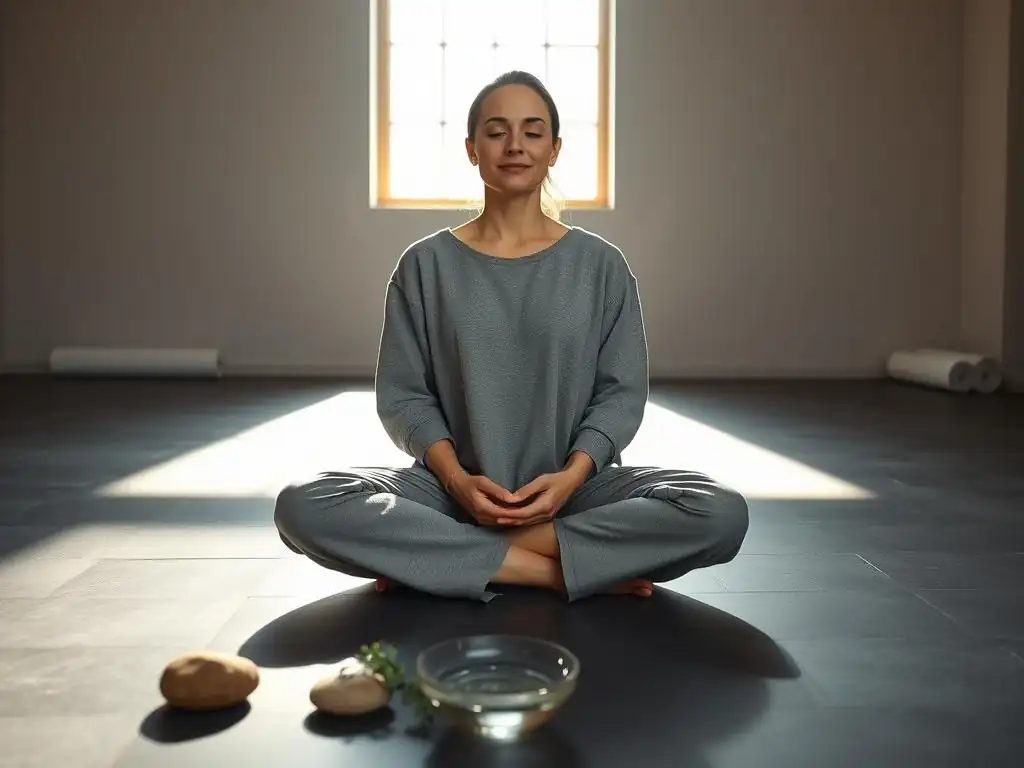
Welcome to Mind Care Guide, a space dedicated to nurturing your mental well-being.
Feeling overwhelmed and constantly reacting to daily stressors? You're not alone. Our latest guide dives deep into dealing with daily nonreactivity stress, offering practical strategies to cultivate a calmer, more mindful approach to life. Discover how to shift from reactive responses to thoughtful responses, and unlock a more peaceful you. Curious to learn how? Let's begin.
Cultivating Emotional Resilience: A Guide to Non-Reactivity
- Understanding Reactivity and Non-Reactivity
- Benefits of Non-Reactivity: Enhancing Emotional Well-being
- Strategies for Cultivating Non-Reactivity
- Integrating Non-Reactivity into Daily Life
- Overcoming Challenges in Non-Reactivity Practice
- Long-Term Impact of Non-Reactivity
- Maintaining a Non-Reactive Mindset
-
Frequently Asked Questions
- What is nonreactivity and how does it relate to stress?
- How can practicing nonreactivity help me deal with daily stressors?
- What are some practical techniques for cultivating nonreactivity in daily life?
- Is nonreactivity about suppressing emotions?
- How long does it take to see the benefits of practicing nonreactivity?
- Final Reflection: Cultivating Calm Amidst the Chaos
- Unleash Your Inner Calm: Start Practicing Non-Reactivity Today!
Understanding Reactivity and Non-Reactivity
Defining Reactivity: The Immediate, Unconsidered Response
Reactivity is an automatic, often intense, emotional and physiological response to a stimulus. It's the impulse to lash out when criticized, freeze when faced with fear, or become overwhelmed by anger in traffic. This response is typically quick, bypasses thoughtful consideration, and is deeply rooted in our survival instincts – the fight, flight, or freeze mechanism.
When we are reactive, our amygdala, the brain's emotional processing center, often takes the driver's seat, overriding the prefrontal cortex, which is responsible for rational thought and planning. This can lead to actions or words we later regret, exacerbating stressful situations rather than resolving them.
Studies in neuroscience show that chronic stress can actually increase the size and activity of the amygdala, making individuals more prone to reactive responses. For example, research indicates that prolonged exposure to high-stress environments can lead to a heightened stress response that is quicker and more intense. This biological predisposition means that simply 'trying harder' not to react isn't always enough; it requires a conscious effort to retrain the brain and nervous system. Understanding this physiological basis is crucial when approaching the challenge of dealing with daily nonreactivity stress.
Defining Non-Reactivity: A Deliberate, Thoughtful Response
Non-reactivity, in contrast, is the ability to observe your thoughts, feelings, and sensations without immediately being carried away by them or acting on impulse. It involves creating a pause between the stimulus and your response. This pause allows the prefrontal cortex to engage, enabling you to choose a response that is aligned with your values and goals, rather than being dictated by raw emotion.
It's about acknowledging the internal experience ("I feel angry") without automatically translating it into an external reaction (yelling). This practice doesn't mean suppressing emotions; it means experiencing them fully while maintaining a sense of perspective and control over your actions.
Cultivating non-reactivity is a core component of mindfulness practice. It involves stepping back from the immediate pull of emotions to see the bigger picture. For instance, instead of automatically reacting defensively to criticism, a non-reactive approach involves noticing the feeling of defensiveness, perhaps acknowledging the discomfort, and then choosing to listen carefully or ask clarifying questions.
This deliberate choice is fundamental to navigating life's challenges with greater ease and is key to effectively dealing with daily nonreactivity stress. It shifts you from being a passenger on the roller coaster of your emotions to the conductor, choosing which tracks to take.
The Impact of Reactivity on Well-being and Relationships
Reactive behavior can have significant negative consequences on both personal well-being and interpersonal relationships. On a personal level, chronic reactivity is closely linked to increased stress, anxiety, and even physical health problems like high blood pressure or digestive issues. The constant activation of the stress response system wears down the body over time. Emotionally, it can lead to feelings of guilt, shame, and a lack of control, creating a cycle where reactivity fuels negative self-perception, which in turn can trigger further reactivity. This cyclical pattern makes dealing with daily nonreactivity stress particularly challenging without conscious intervention.
In relationships, reactivity often manifests as arguments, misunderstandings, and damaged trust. When one person reacts impulsively, it can trigger a reactive response in the other, escalating conflict rapidly. For example, a sharp word spoken in anger can lead to a defensive retort, quickly turning a minor disagreement into a major fight. Relationship counselors often point to poor communication and reactive patterns as primary drivers of conflict and dissolution. Learning non-reactivity is not just about personal calm; it's a vital skill for building and maintaining healthy, resilient connections with others, reducing the stress that often arises from interpersonal friction.
Identifying Personal Triggers: Recognizing Your Reactivity Patterns
Identifying your personal triggers is a critical step in moving towards non-reactivity and effectively dealing with daily nonreactivity stress. Triggers are specific people, situations, words, or even internal states (like fatigue or hunger) that reliably provoke a strong emotional or behavioral reaction in you. These triggers are often developed through past experiences and conditioning. For example, someone who was frequently criticized as a child might have a strong reactive response to even mild feedback as an adult. Recognizing these patterns requires honest self-observation and reflection.
Keeping a journal can be an effective tool for identifying triggers. Note down instances where you felt a strong, immediate emotional reaction. Ask yourself: What happened just before? Who was involved? What thoughts were going through my mind?
What did I feel in my body? Over time, you'll start to see patterns emerge. Common triggers might include feeling ignored, judged, controlled, or disrespected. Understanding what sets you off is the first step in creating the space before the reaction occurs, allowing you to choose a more deliberate response. This self-awareness is foundational for any strategy aimed at dealing with daily nonreactivity stress.
Benefits of Non-Reactivity: Enhancing Emotional Well-being
Improved Emotional Regulation: Managing Intense Feelings
One of the most significant benefits of cultivating non-reactivity is a marked improvement in emotional regulation. Instead of being overwhelmed or controlled by intense feelings like anger, sadness, or fear, you develop the capacity to experience these emotions without them dictating your behavior. This doesn't mean you stop feeling; rather, you learn to feel deeply while maintaining a sense of perspective and control.
This skill is paramount in effectively dealing with daily nonreactivity stress, as stress often amplifies emotional intensity. Research, including studies on mindfulness practitioners, consistently shows that skills like non-reactivity help reduce the intensity and duration of negative emotional states.
For example, a study published in the journal Emotion found that individuals trained in mindfulness exhibited reduced amygdala activation when shown emotionally charged images compared to a control group. This suggests a physiological basis for the improved emotional regulation that non-reactivity fosters. By practicing non-reactivity, you build resilience, making you less susceptible to being thrown off balance by challenging emotions. You learn to ride the wave of emotion rather than being pulled under by it. This enhanced ability to manage your internal landscape is a direct pathway to greater peace of mind and better coping mechanisms for stress.
Stronger Relationships: Fostering Understanding and Connection
Non-reactivity profoundly impacts relationships by improving communication and reducing conflict. When you can pause before responding in a heated moment, you are less likely to say hurtful things or escalate a disagreement. This creates a safer space for open dialogue, where both parties feel heard and respected. Instead of reacting defensively to criticism, for instance, a non-reactive approach allows you to listen to understand, perhaps asking clarifying questions, which can de-escalate tension and lead to constructive problem-solving. This is crucial for dealing with daily nonreactivity stress that often arises from interpersonal dynamics.
Empirical evidence supports the link between emotional regulation skills, like non-reactivity, and relationship satisfaction. Studies on couples have shown that the ability to manage one's own emotions during conflict is a strong predictor of relationship stability and happiness. When partners can communicate their needs and feelings calmly, without resorting to blame or defensiveness, they build trust and deepen their connection. Practicing non-reactivity allows you to respond to your loved ones with empathy and understanding, even when you disagree, transforming potential conflicts into opportunities for growth and closer bonds. This skill is invaluable for navigating the complexities of human connection.
Reduced Stress and Anxiety: Cultivating Inner Peace
A direct outcome of practicing non-reactivity is a significant reduction in overall stress and anxiety levels. Much of our daily stress comes not just from external events, but from our reaction to them. Traffic jams, difficult colleagues, unexpected bills – these situations are often unavoidable, but our automatic, reactive responses to them can amplify our suffering.
By cultivating non-reactivity, you learn to observe these stressors without getting caught in the spiral of negative thoughts and feelings they might trigger. This detachment creates mental space and prevents the stress response from becoming chronically activated. This is fundamentally about dealing with daily nonreactivity stress at its source – your internal response.
Research consistently demonstrates the effectiveness of mindfulness practices, which underpin non-reactivity, in reducing symptoms of stress and anxiety. For example, numerous studies on Mindfulness-Based Stress Reduction (MBSR) programs, which teach non-reactive observation, report significant reductions in perceived stress and anxiety scores among participants, often by 20-30% or more.
By learning to pause and choose your response, you regain a sense of control over your internal state, even when external circumstances are chaotic. This cultivated inner peace is not the absence of challenges, but the presence of resilience in the face of them, making dealing with daily nonreactivity stress a manageable task.
Increased Self-Awareness: Understanding Your Emotional Landscape
Developing non-reactivity inherently leads to greater self-awareness. The practice requires you to pay close attention to your internal state – your thoughts, emotions, and bodily sensations – as they arise, before you act on them. This consistent observation builds a detailed map of your emotional landscape. You begin to understand your typical reaction patterns, identify your triggers in real-time, and recognize the subtle cues your body gives you when you're starting to feel overwhelmed or reactive. This deeper understanding is crucial for implementing strategies for dealing with daily nonreactivity stress effectively.
This heightened self-awareness is not just academic; it's practical. Knowing why you tend to react in certain ways empowers you to anticipate challenging situations and apply non-reactive strategies proactively. For instance, if you know that feeling rushed is a major trigger for you, you can consciously build more buffer time into your schedule or use a quick breathwork technique when you feel the pressure mounting.
Furthermore, increased self-awareness fosters self-compassion. As you observe your reactions without judgment, you develop a kinder understanding of your own struggles, recognizing that reactivity is often a learned pattern or a stress response, not a personal failing. This compassionate perspective is vital for sustainable change and for navigating the process of dealing with daily nonreactivity stress with kindness towards yourself.
Strategies for Cultivating Non-Reactivity

Mindfulness Meditation: Developing Present Moment Awareness
Mindfulness meditation is a foundational practice for cultivating non-reactivity. It involves intentionally paying attention to the present moment without judgment. Through regular practice, you train your mind to observe thoughts, feelings, and sensations as transient events, rather than solid realities that demand immediate action.
This builds the crucial capacity to pause and create space between stimulus and response. Even short, consistent sessions can begin to rewire the brain, strengthening the prefrontal cortex's ability to regulate the amygdala. Studies show that just 10-15 minutes of daily mindfulness meditation can lead to observable changes in brain structure and function related to emotional regulation within weeks.
The core skill developed in mindfulness is the ability to notice without immediately reacting. When a distracting thought arises during meditation, the practice isn't to get rid of it, but to notice it ("Ah, thinking"), acknowledge it, and gently return attention to the breath or chosen anchor. This simple act is a direct rehearsal for non-reactivity in daily life.
It teaches you that you can observe internal experiences – whether a critical thought, a wave of anger, or a feeling of anxiety – without being swept away by them. This mental training is indispensable for anyone focused on dealing with daily nonreactivity stress.
Focused Attention Meditation for Emotional Grounding
Focused attention meditation involves directing your awareness to a single object, such as the breath, bodily sensations, or a sound. When the mind wanders, you gently guide it back to the chosen anchor. This practice strengthens your ability to concentrate and, more importantly for non-reactivity, teaches you to recognize when your attention has been captured by reactive thoughts or emotions. By repeatedly noticing that your mind has drifted into worry or anger and then choosing to return to the breath, you are actively practicing the "pause" that is the hallmark of non-reactivity.
For example, during a stressful day, you might notice your mind racing with worst-case scenarios. In focused attention practice, you would observe these thoughts ("Thinking about worst cases") and then deliberately shift your attention back to the feeling of your breath entering and leaving your body. This act of conscious redirection builds mental muscle.
It’s like repeatedly choosing a different path than the automatic one your mind wants to take. Regularly engaging in this type of meditation provides a reliable tool for grounding yourself in the present moment when faced with triggers, making it easier to choose a non-reactive response and effectively dealing with daily nonreactivity stress.
Loving-Kindness Meditation for Cultivating Compassion
Loving-kindness meditation, also known as Metta meditation, involves cultivating feelings of warmth, compassion, and goodwill towards oneself and others. While it might seem less directly related to non-reactivity than focused attention, it plays a crucial role, particularly in reducing reactive responses rooted in irritation, anger, or self-judgment. By intentionally generating feelings of kindness, you create an internal environment that is less fertile ground for negative, reactive emotions to take root. This practice helps soften the often harsh internal critic and fosters empathy towards others, both of which reduce the likelihood of reactive outbursts.
The practice typically involves silently repeating phrases wishing well-being, happiness, and freedom from suffering, starting with oneself, then extending it to loved ones, neutral people, difficult people, and finally, all beings. For instance, repeating "May I be free from suffering, may I be happy, may I be at peace" helps counter self-reactive patterns like self-criticism.
Extending these wishes to someone who triggered you ("May they be free from suffering, may they be happy") can disarm anger and foster a more understanding, less reactive stance. This cultivation of compassion is a powerful antidote to the negativity that often fuels reactivity and is highly beneficial for dealing with daily nonreactivity stress stemming from interpersonal challenges.
Breathwork Techniques: Calming the Nervous System
Breathwork techniques are powerful tools for immediately interrupting a reactive stress response and calming the nervous system. When we are reactive, our breathing often becomes shallow, rapid, or held. Consciously regulating the breath sends signals to the brain that it is safe to relax, activating the parasympathetic nervous system, which counteracts the fight-or-flight response. Simple techniques can be used in the moment you feel a trigger arising or when you notice yourself starting to react. This physiological intervention provides an immediate pathway for dealing with daily nonreactivity stress.
One widely used technique is 4-7-8 breathing: inhale for a count of 4, hold the breath for a count of 7, and exhale slowly for a count of 8. Repeating this cycle a few times can noticeably slow the heart rate and quiet a racing mind. Another simple method is diaphragmatic breathing (belly breathing), focusing on expanding the abdomen on the inhale and contracting it on the exhale.
These techniques provide an anchor in the present moment and physically disrupt the stress cycle. By consciously controlling your breath, you create a physical pause that allows for a mental and emotional pause, enabling you to choose a response rather than just reacting.
Cognitive Defusion: Separating Thoughts from Reality
Cognitive defusion is a technique derived from Acceptance and Commitment Therapy (ACT) that involves changing how you interact with your thoughts, rather than trying to change the thoughts themselves. The core idea is to see thoughts as just thoughts – mental events passing through consciousness – rather than literal truths or commands that must be followed.
Reactive behaviors are often driven by fused thoughts, where we mistake a thought for reality (e.g., thinking "I'm going to fail" and believing it as a certainty, leading to anxiety and avoidance). Defusion techniques help you unhook from these thoughts, reducing their power to trigger reactions and making it easier to stay non-reactive when dealing with daily nonreactivity stress.
For example, if you have the thought "This is unfair!" which typically triggers anger and reactivity, cognitive defusion might involve labeling the thought ("I'm having the thought that this is unfair"). This simple reframing creates distance.
Other techniques include repeating the thought in a funny voice, singing it, or visualizing it written on a leaf floating down a stream. These methods highlight the thought's nature as a mental construct, stripping away its perceived authority and reducing its emotional impact. By practicing cognitive defusion, you weaken the link between triggering thoughts and automatic reactions, giving you more freedom to choose your response.
Recognizing Thoughts as Just Thoughts
The fundamental principle of cognitive defusion is learning to recognize thoughts for what they are: ephemeral mental events. Our minds are constantly generating thoughts – estimates, judgments, memories, plans, worries – but these thoughts are not necessarily accurate reflections of reality. When we are fused with a thought, we treat it as absolute truth ("He thinks I'm incompetent" becomes "He does think I'm incompetent," leading to defensiveness). Recognizing thoughts as just thoughts means observing them with a degree of skepticism and detachment, like watching clouds float by in the sky.
This practice involves noticing the content of a thought ("I should have said X") but also recognizing it as a process ("I'm having the thought that I should have said X"). This subtle shift in language and perspective is powerful. It reminds you that you are the observer of the thought, not defined or controlled by it.
This detachment is crucial for non-reactivity because it prevents thoughts, especially negative or triggering ones, from automatically initiating an emotional or behavioral cascade. It allows you to acknowledge the thought's presence without automatically believing it or acting on it, which is vital for dealing with daily nonreactivity stress fueled by rumination or negative self-talk.
Reducing the Power of Negative Thoughts
Negative thoughts are particularly potent triggers for reactive behavior, contributing significantly to the challenge of dealing with daily nonreactivity stress. Thoughts like "I can't handle this," "They're doing this deliberately," or "This is a disaster" can quickly spiral into feelings of anxiety, anger, or despair, leading to impulsive or unhelpful reactions. Cognitive defusion directly addresses this by reducing the believability and impact of these negative thoughts, not by arguing with them or trying to replace them with positive ones, but by changing your relationship with them.
Instead of getting into a debate with a thought like "I'm a failure" (e.g., "No, I'm not, remember that one time..."), which often gives the thought more energy, defusion techniques simply observe the thought as a mental event. Techniques like saying the thought aloud in a silly voice or picturing it written on a bus driving away can make the thought seem less threatening and more like noise.
By repeatedly practicing these methods, you train your mind to see negative thoughts as less significant, less powerful, and less likely to dictate your emotional state or behavior. This creates the mental space needed to choose a non-reactive and more constructive response.
Emotional Acceptance: Allowing Feelings Without Judgment
Emotional acceptance is the willingness to experience your emotions fully and without resistance or judgment. It's about acknowledging feelings like anger, sadness, fear, or frustration when they arise, rather than trying to push them away, ignore them, or criticize yourself for having them. Reactivity often stems from an unwillingness to feel uncomfortable emotions.
We react impulsively (e.g., lashing out, avoiding, numbing) in an attempt to escape or change how we feel. Acceptance, conversely, allows the emotion to be present, which paradoxically often reduces its intensity and duration. This willingness to feel is a cornerstone in dealing with daily nonreactivity stress, as stress often brings up uncomfortable emotions.
Acceptance is not the same as resignation or approval. You can accept that you feel angry without approving of the situation that caused the anger. It's simply acknowledging the reality of your internal experience in the present moment. By practicing acceptance, you reduce the secondary suffering that comes from fighting your feelings (e.g., feeling anxious about feeling anxious, or angry at yourself for being angry). This non-judgmental approach to your inner world creates a sense of inner spaciousness and calm, making it much easier to choose a thoughtful response instead of an automatic reaction.
Practicing Self-Compassion During Difficult Emotions
Self-compassion is a vital companion to emotional acceptance, particularly when dealing with difficult emotions that might trigger reactivity. It involves treating yourself with the same kindness, understanding, and acceptance you would offer a close friend who is suffering. When intense emotions arise, it's common to fall into patterns of self-criticism or judgment ("Why am I so sensitive?" "I shouldn't be feeling this way"). This self-judgment adds another layer of pain and can fuel further reactivity. Self-compassion helps break this cycle.
Kristin Neff, a leading researcher in self-compassion, identifies three components: self-kindness (being gentle with yourself), common humanity (recognizing that suffering and imperfection are part of the human experience), and mindfulness (observing your feelings without getting lost in them). When you feel a strong, potentially reactive emotion, pausing to offer yourself a kind word ("This is hard right now," "It's okay to feel this way") or a comforting gesture (placing a hand over your heart) can soothe the nervous system and create space for a more measured response.
This gentle approach is essential for the sustained practice of non-reactivity and for navigating the challenges inherent in dealing with daily nonreactivity stress.
Letting Go of Resistance to Uncomfortable Feelings
Much of the struggle with difficult emotions comes from resisting them. We tense up, mentally argue with the feeling, or try to push it away. This resistance often amplifies the emotion and keeps it stuck. Letting go of resistance means allowing the feeling to be present without trying to change it, fix it, or make it go away. It involves a willingness to sit with discomfort, trusting that emotions, like waves, will eventually crest and pass. This willingness is a powerful form of non-reactivity towards your internal experience and is fundamental for effectively dealing with daily nonreactivity stress.
This doesn't mean you enjoy feeling uncomfortable emotions. It means you stop fighting the fact that you are feeling them. A practice might involve simply noticing where you feel the emotion in your body, describing its physical sensations (e.g., "tightness in my chest," "heat in my face") without labeling them as good or bad.
By observing the physical manifestation of the emotion with curiosity rather than fear or aversion, you reduce the mental struggle associated with it. This act of non-resistance creates the internal space needed to choose how you respond to the external situation that might have triggered the feeling in the first place.
Integrating Non-Reactivity into Daily Life
Non-Reactive Communication: Listening with Empathy
Integrating non-reactivity into communication is transformative for relationships and reduces a significant source of daily stress. Reactive communication often involves interrupting, getting defensive, blaming, or making assumptions. Non-reactive communication, conversely, is characterized by mindful listening, empathy, and thoughtful responses. It means creating space to truly hear what the other person is saying, including the emotions behind their words, before formulating your reply. This requires conscious effort, especially in emotionally charged conversations, and is a key skill in dealing with daily nonreactivity stress that arises in interactions.
Practicing mindful listening involves giving your full attention to the speaker, maintaining eye contact (if culturally appropriate), and resisting the urge to formulate your response while they are still talking. It also includes noticing your own internal reactions as you listen – any defensiveness, judgment, or urge to interrupt – and choosing not to act on them immediately. By creating this internal space, you are better able to understand the other person's perspective, even if you don't agree with it. This understanding forms the basis for a more constructive and less conflict-prone interaction.
Using "I" Statements to Express Needs
When expressing yourself in a non-reactive way, particularly during conflict or when addressing difficult topics, using "I" statements is a highly effective technique. Reactive communication often relies on "You" statements ("You always do this," "You make me feel X"), which tend to sound accusatory and trigger defensiveness in the other person, leading to a reactive cycle. "I" statements, on the other hand, focus on your own feelings, needs, and experiences without placing blame. This approach helps keep the conversation focused on solving the problem rather than attacking the person.
An "I" statement typically follows a format like: "I feel [emotion] when [specific behavior or situation] because [impact on you]." For example, instead of reacting with "You never listen to me!" (a "You" statement), a non-reactive "I" statement would be: "I feel unheard when I'm explaining something and you look at your phone, because it makes me feel like my words aren't important."
This frames your experience as your own, making it less likely to trigger a defensive reaction and opening the door for empathetic understanding. Mastering this shift is crucial for dealing with daily nonreactivity stress in interpersonal situations.
Validating Others' Perspectives
Validating others' perspectives is a powerful non-reactive communication tool, especially in disagreements. Validation doesn't mean you agree with the other person's viewpoint; it means you acknowledge and respect that their perspective is real for them. It involves communicating that you have heard and understood their feelings or position. Phrases like "I can see why you would feel that way," "That makes sense," or "So, if I understand correctly, you're saying..." can significantly de-escalate tension and create an environment where collaborative problem-solving is possible.
When someone feels heard and validated, they are less likely to remain stuck in a reactive stance and more likely to be open to hearing your perspective. This is particularly important when dealing with emotionally charged issues where reactivity is high. For instance, if a colleague reacts angrily to a change, instead of reacting defensively to their anger, you could validate their frustration: "It sounds like this change is really frustrating for you."
This simple act can diffuse the situation and allow for a more productive conversation about the reasons for the change and potential solutions. Validation is a key component of empathetic, non-reactive interaction.
Managing Conflict with Non-Reactivity
Managing conflict non-reactively involves approaching disagreements with a focus on understanding, problem-solving, and maintaining respect, rather than getting caught in the emotional storm. Reactive conflict often escalates quickly, leads to hurtful words, and damages relationships. A non-reactive approach allows you to navigate disagreements more constructively. This is a critical skill for dealing with daily nonreactivity stress, as conflict is a frequent source of tension. It requires the conscious application of the non-reactivity skills discussed earlier: pausing, observing your own reactions, breathing, and choosing your response.
Key strategies include taking a brief pause before responding, especially if you feel your emotions rising. This could be a few seconds of silence, taking a deep breath, or even suggesting a short break if the conversation becomes too intense. Focusing on the issue at hand rather than attacking the person is also crucial.
Using "I" statements, actively listening, and seeking to understand the other person's underlying needs and concerns (not just their stated position) are all components of managing conflict non-reactively. The goal is to find a resolution or a compromise, or at least to understand each other better, without causing unnecessary harm.
Responding to Criticism with Composure
Criticism, whether warranted or not, is a common trigger for reactivity. Our instinct is often to defend ourselves, deny the criticism, or counter-attack. Responding to criticism with composure is a practical application of non-reactivity. It involves receiving feedback without immediately becoming defensive or shutting down. This skill is essential in professional settings, personal relationships, and for maintaining inner peace when dealing with daily nonreactivity stress that comes from external judgment. It allows you to learn from feedback when it's helpful and dismiss it calmly when it's not, without letting it derail your emotional state.
A non-reactive approach to criticism involves several steps: First, pause and breathe to manage the initial emotional hit. Second, listen carefully to understand the specific points being made, perhaps asking clarifying questions ("Can you give me a specific example?"). Third, avoid interrupting or formulating your defense while the other person is speaking. Fourth, acknowledge what you can ("I hear you saying that X happened, and I understand why that was frustrating").
You don't have to agree with everything, but acknowledging you've heard it helps. Finally, choose your response – whether it's agreeing, explaining your perspective calmly, or asking for time to consider the feedback. This measured response prevents the situation from escalating into a reactive argument.
Social media platforms are fertile ground for triggering reactivity. Constant exposure to curated realities, differing opinions, and potential for online conflict can easily lead to comparison, envy, anger, or anxiety. Navigating social media with mindfulness and non-reactivity is crucial for protecting your mental well-being and dealing with daily nonreactivity stress that arises from online interactions. It involves being intentional about how you use these platforms and how you respond to the content you encounter.
Instead of mindlessly scrolling and reacting impulsively to posts that trigger you, a non-reactive approach involves observing your internal state as you use social media. Notice the urge to compare yourself to others, the feeling of irritation at a controversial post, or the pull to jump into an online argument. By recognizing these urges and feelings without immediately acting on them, you gain control. This might involve consciously choosing not to engage with triggering content, taking breaks from scrolling, or unfollowing accounts that consistently provoke negative reactions.
Setting Boundaries for Social Media Use
Setting clear boundaries for social media use is a practical non-reactive strategy. Unchecked social media consumption can lead to increased stress, anxiety, and feelings of inadequacy, all of which can heighten reactivity in other areas of life. Decide on specific times you will check social media, or limit the total amount of time you spend on it daily. For instance, you might decide to only check social media for 15 minutes in the morning and 15 minutes in the evening, or avoid it entirely during work hours or before bed.
Furthermore, be mindful of the type of content you consume. Curate your feed to include positive, inspiring, or informative content, and actively mute or unfollow sources that consistently trigger negative emotions or reactive impulses. By intentionally managing your exposure, you reduce the number of potential triggers you encounter daily, making it easier to maintain a non-reactive mindset. These boundaries are not about deprivation; they are about conscious choice and self-preservation in the digital age, directly supporting your efforts in dealing with daily nonreactivity stress from online sources.
Avoiding Online Arguments
Online arguments are prime examples of reactivity in action. The anonymity and distance of the internet can lower inhibitions, leading to impulsive, aggressive, and often hurtful communication. Engaging in online debates, especially on emotionally charged topics, rarely leads to positive outcomes and is a significant source of unnecessary stress. A core non-reactive strategy for social media is simply to avoid getting drawn into arguments.
When you encounter a post or comment that triggers anger or disagreement, pause before typing a response. Ask yourself: What is my intention in responding? Is it to genuinely understand, or to prove someone wrong, express anger, or seek validation? Often, the impulse to respond comes from a reactive place.
Choose instead to observe your reaction, perhaps take a few deep breaths, and consciously decide not to engage. Remember that you don't need to correct every perceived wrong or win every online debate. Protecting your peace is more valuable than having the last word. This deliberate non-engagement is a powerful way of dealing with daily nonreactivity stress generated in the online world.
Overcoming Challenges in Non-Reactivity Practice

Addressing Common Obstacles
Practicing non-reactivity is a skill, and like any skill, it takes time, effort, and patience to develop. It's important to be aware of common obstacles you might face and approach them with self-compassion. One frequent challenge is forgetting to be non-reactive in the moment, especially when surprised by an intense trigger. You might only realize you've reacted reactively after the fact. This is normal. The practice isn't about never reacting, but noticing when you do and learning from it. Another obstacle is resistance to feeling uncomfortable emotions; avoiding this discomfort can lead back to reactive avoidance or lashing out.
Other challenges include impatience with progress ("I'm still reacting! "), comparing yourself to others, or feeling discouraged by setbacks. It's estimated that establishing a new habit can take anywhere from 18 to 254 days, with an average of 66 days, so consistency over time is key. Recognize that setbacks are part of the learning process. View them as opportunities to practice self-compassion and recommit to your practice. Understanding these hurdles helps normalize the experience and equips you with realistic expectations when dealing with daily nonreactivity stress and the effort required to manage it.
Managing Overwhelming Emotions
Sometimes, emotions can feel so intense that non-reactivity seems impossible. In these moments, the urge to react impulsively (whether lashing out, shutting down, or engaging in unhealthy coping mechanisms) can be overwhelming. It's crucial to have strategies specifically for managing these peak emotional states without resorting to harmful reactivity. This is especially important when dealing with daily nonreactivity stress that pushes you to your limit. Techniques from Dialectical Behavior Therapy (DBT), such as distress tolerance skills, can be particularly helpful here.
One such skill is TIPP: Temperature (using cold water on your face or body to trigger the dive reflex), Intense exercise (brief, intense physical activity), Paced breathing (like the 4-7-8 technique), and Paired muscle relaxation. These techniques are designed to rapidly change your physiological state and provide immediate relief from overwhelming emotion, creating a window of opportunity to choose a non-reactive response instead of being swept away. Having a toolkit of these skills is vital for navigating moments when non-reactivity feels out of reach.
Maintaining Consistency
Consistency is arguably the most significant factor in successfully cultivating non-reactivity. Like building physical muscle, building emotional resilience requires regular exercise. Sporadic practice yields limited results. However, maintaining consistency in busy or stressful lives can be challenging. Life throws curveballs, and it's easy for mindfulness or non-reactivity practices to fall by the wayside when demands increase. This inconsistency is a common reason why people struggle with dealing with daily nonreactivity stress effectively over the long term.
Finding ways to weave practice into your daily routine, even in small doses, is key. This could mean starting with just 5 minutes of mindfulness meditation a day, practicing mindful breathing for 30 seconds before responding to emails, or intentionally pausing before speaking during conversations. Use triggers as reminders to practice non-reactivity; the moment you feel the urge to react is an opportunity to apply a technique.
Tracking your practice or joining a group can also provide accountability and motivation. Remember that progress isn't linear, and some days will be easier than others, but showing up consistently is what builds lasting change.
Seeking Professional Support
While many non-reactivity skills can be learned independently, sometimes the patterns of reactivity are deeply ingrained, rooted in past trauma, or accompanied by significant mental health challenges like anxiety disorders, depression, or PTSD. In such cases, seeking professional support from a therapist or counselor can be invaluable. Mental health professionals can provide tailored strategies, help you explore the underlying causes of your reactivity, and provide support in a safe environment. This is a brave and proactive step in dealing with daily nonreactivity stress, especially when it feels overwhelming.
Therapies like Cognitive Behavioral Therapy (CBT), Dialectical Behavior Therapy (DBT), and Acceptance and Commitment Therapy (ACT) specifically teach skills related to emotional regulation, cognitive defusion, and acceptance – all core components of non-reactivity. A therapist can guide you through these techniques, help you identify personal triggers and patterns that might be difficult to see on your own, and address any co-occurring conditions that might be impacting your ability to manage your reactions. Professional guidance can significantly accelerate your progress and provide the necessary support system for navigating complex emotional challenges.
Long-Term Impact of Non-Reactivity
Increased Emotional Stability
The long-term practice of non-reactivity leads to significantly increased emotional stability. This doesn't mean you become emotionally flat; rather, your emotional experiences become less volatile and less likely to dictate your behavior. You develop a greater capacity to tolerate discomfort and navigate emotional ups and downs without being thrown off course. Intense emotions still arise, but their peaks are often less high, and their duration is often shorter, as you no longer fuel them with resistance or reactive behavior. This stability makes dealing with daily nonreactivity stress much more manageable and less draining.
Imagine your emotional state as a boat on the ocean. Without non-reactivity, every wave (emotion or trigger) can capsize you. With non-reactivity, you learn to navigate the waves, remaining steady even in turbulent waters. This stability fosters a sense of inner calm and resilience. Research on long-term meditators, for instance, often highlights their greater ability to recover quickly from stressful stimuli and maintain emotional equilibrium compared to non-meditators. This cultivated stability is a profound benefit that impacts every area of life.
Greater Life Satisfaction
Ultimately, cultivating non-reactivity contributes significantly to greater overall life satisfaction. By reducing unnecessary conflict in relationships, mitigating the impact of stress and anxiety, improving communication, and fostering a sense of inner peace, non-reactivity allows you to engage with life more fully and authentically. You spend less time and energy caught in reactive struggles and more time living in alignment with your values. This reduction in internal and external conflict frees up mental and emotional resources.
When you are less reactive, you are better equipped to handle challenges constructively, build stronger connections with others, and experience a deeper sense of presence and contentment. Life's difficulties don't disappear, but your capacity to meet them with wisdom and grace increases. This shift from being tossed about by reactions to skillfully navigating life's currents leads to a more fulfilling and meaningful existence, fundamentally changing how you experience and respond to the world around you, making dealing with daily nonreactivity stress a path towards greater well-being.
A More Mindful Approach to Life
Non-reactivity is deeply intertwined with mindfulness, and cultivating one naturally strengthens the other. As non-reactivity becomes more ingrained, you naturally develop a more mindful approach to all aspects of your life. You become more present, more observant, and more intentional in your actions and interactions. This extends beyond just managing difficult emotions or conflicts; it influences how you eat, how you listen, how you work, and how you experience the world.
Living mindfully means paying attention to the richness of each moment, rather than being lost in thought loops or reactive patterns. It allows you to appreciate simple pleasures, engage more fully in activities, and connect more deeply with others. This heightened awareness, free from the haze of constant reactivity, brings a sense of clarity and purpose. It transforms the challenge of dealing with daily nonreactivity stress into an opportunity for growth and a pathway towards living a more conscious, engaged, and fulfilling life.
Maintaining a Non-Reactive Mindset
Continuous Self-Reflection
Maintaining a non-reactive mindset is an ongoing practice, not a destination. Continuous self-reflection is crucial for sustaining this skill. Regularly checking in with yourself helps you stay aware of your emotional state, identify potential triggers before they lead to full-blown reactions, and notice when you might be slipping back into old reactive patterns. This self-awareness allows for course correction and reinforces the commitment to responding thoughtfully.
Self-reflection can take many forms: journaling about your experiences, taking a few moments each day to mentally review interactions or challenging situations, or simply pausing periodically to ask yourself, "What am I feeling right now? What is my immediate urge? What response would align with my values?" This consistent introspection keeps the principles of non-reactivity fresh in your mind and helps you proactively address challenges in dealing with daily nonreactivity stress.
Regular Mindfulness Practice
Just as an athlete needs consistent training to maintain peak performance, maintaining a non-reactive mindset requires regular mindfulness practice. Whether it's daily formal meditation, short mindful moments throughout the day, or integrating mindfulness into activities like walking or eating, consistency is key. Regular practice strengthens the neural pathways associated with the prefrontal cortex and weakens those linked to the reactive amygdala.
Even on days when you feel you don't have time, a few minutes of focused breathing or body scan can make a difference. Think of it as preventative maintenance for your emotional well-being. This ongoing training builds the foundational capacity for presence and non-judgmental observation that makes non-reactivity possible when triggers arise. Consistent engagement with mindfulness is perhaps the single most important factor in successfully dealing with daily nonreactivity stress over the long haul.
Practicing Self-Compassion
Finally, maintaining a non-reactive mindset necessitates ongoing self-compassion. You will inevitably have moments where you react reactively, despite your best efforts. These moments are not failures; they are opportunities to practice self-compassion and learn. Criticizing yourself harshly for reacting only adds another layer of suffering and can make it harder to return to a non-reactive approach.
When you notice you've reacted, acknowledge it without judgment. Simply observe what happened, what triggered you, and how you felt. Offer yourself kindness ("Okay, that was a reaction. It happens. What can I learn from this?"). This gentle approach allows you to pick yourself up, learn from the experience, and recommit to your practice without getting stuck in shame or discouragement. Self-compassion is the fuel that sustains the journey towards non-reactivity, making the process of dealing with daily nonreactivity stress a path of gradual, compassionate growth.
Frequently Asked Questions
What is nonreactivity and how does it relate to stress?
Nonreactivity is the ability to observe your thoughts and feelings without automatically reacting to them. It helps in managing stress by allowing you to choose your response instead of being driven by impulsive reactions.
How can practicing nonreactivity help me deal with daily stressors?
By practicing nonreactivity, you can reduce the intensity of your stress response to daily triggers. This allows you to maintain a calmer state and make more rational decisions, leading to less overall stress.
What are some practical techniques for cultivating nonreactivity in daily life?
Techniques include mindfulness meditation, deep breathing exercises, and simply pausing before responding to a stressful situation. These methods help you become more aware of your internal state and create space between stimulus and reaction.
Is nonreactivity about suppressing emotions?
No, nonreactivity is not about suppressing emotions. It's about acknowledging and accepting your feelings without letting them control your behavior. You're still experiencing the emotion, but you're not driven by it.
How long does it take to see the benefits of practicing nonreactivity?
While individual experiences vary, many people notice some positive changes within a few weeks of consistent practice. However, long-term benefits typically require ongoing effort and commitment.
Final Reflection: Cultivating Calm Amidst the Chaos
The relentless pace of modern life often leaves us feeling overwhelmed, triggering reactive behaviors that hinder our well-being. This constant barrage of demands, from work pressures to social media notifications, creates a breeding ground for stress and anxiety. Learning to respond thoughtfully instead of reacting impulsively is not merely a helpful skill; it's a crucial life raft in the turbulent waters of daily existence.
The journey towards nonreactivity is a deeply personal one, a continuous process of self-discovery and mindful engagement. It's about recognizing the triggers that set us off, understanding the root causes of our emotional responses, and consciously choosing a more measured approach. This process has profoundly impacted my own life, teaching me the importance of pausing before acting, of cultivating self-awareness, and of prioritizing inner peace. As the Dalai Lama wisely said, Anger is the ultimate destroyer of one's own peace of mind.
This simple yet powerful statement underscores the transformative power of choosing response over reaction.
Now, I invite you to consider your own relationship with reactivity. What are your personal triggers? Where do you find yourself most prone to impulsive reactions? Take a moment to reflect on these questions, and begin to cultivate the practice of mindful pausing.
Start small, perhaps by taking three deep breaths before responding to a challenging email or a difficult conversation. With consistent effort and self-compassion, you too can navigate the daily stresses of life with greater calm, clarity, and inner peace. The journey towards nonreactivity is a gift you give yourself – a gift of peace, resilience, and a more fulfilling life.
Unleash Your Inner Calm: Start Practicing Non-Reactivity Today!
Thanks for taking the time to explore the power of non-reactivity with us! We hope you gained valuable insights into how to cultivate a calmer, more intentional response to daily life's challenges. Now it's time to put these learnings into action.
- Prioritize one non-reactive technique: Choose one exercise from the article (deep breathing, mindful observation, or stepping back) and commit to practicing it for 15 minutes daily this week. This is your key to unlocking lasting change.
- Share your experience: We'd love to hear about your progress! Share your thoughts or any surprising insights you discovered while practicing non-reactivity in the comments below.
- Challenge a reactive pattern: Identify one situation from your day where you typically react impulsively. This week, try responding differently—even a small shift can make a big difference.
What small step will you take today to cultivate a more peaceful, non-reactive you?