
Walking Meditation Unveiled: Finding Profound Peace in Mindful Movement

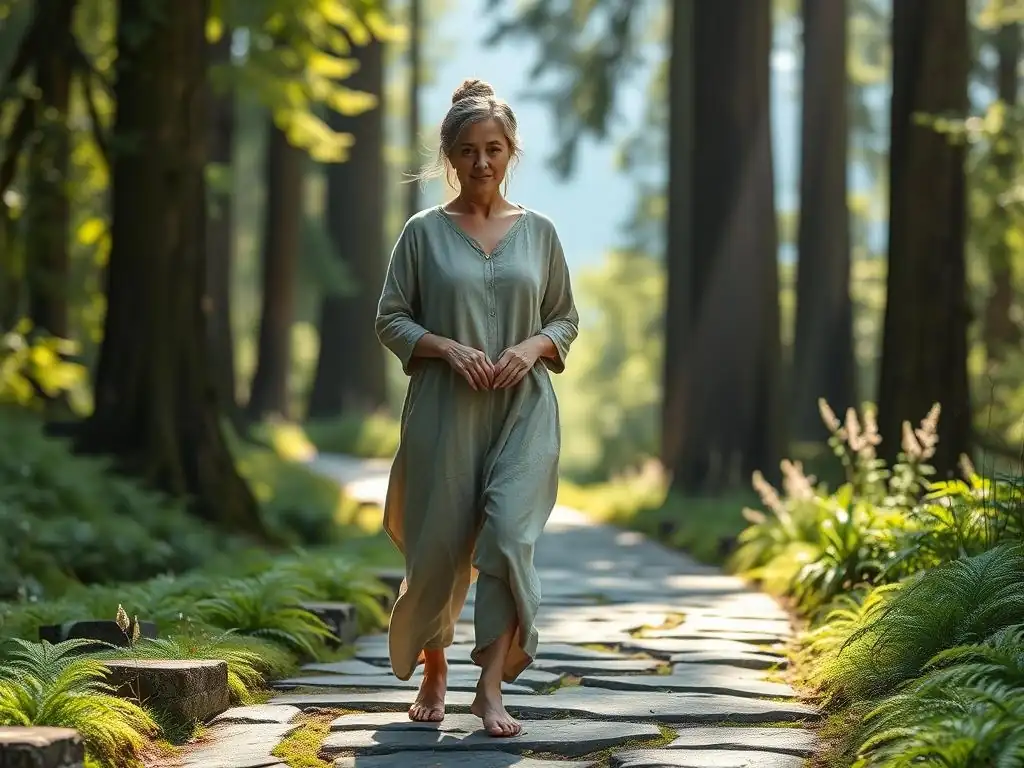
Welcome to Mind Care Guide, a sanctuary for your mental well-being.
Feeling overwhelmed? Like your thoughts are constantly racing? You're not alone. Discover the transformative power of mindful movement in our guide, " Walking Meditation Unveiled: Finding Profound Peace in Mindful Movement." Learn how this simple practice can dramatically reduce stress and anxiety, and begin your journey towards inner peace today. Curious to know how? Let's walk together...
- Walking Meditation Unveiled: Finding Profound Peace in Mindful Movement
- Preparing for Your Walking Meditation Practice
- The Step-by-Step Guide to Walking Meditation
- Advanced Techniques for Deeper Walking Meditation
- Troubleshooting Common Challenges in Walking Meditation
- Integrating Walking Meditation into Your Daily Life
- Scientific Evidence Supporting Walking Meditation for Anxiety Reduction
- Conclusion: Embrace the Path to Peace Through Mindful Walking
-
Frequently Asked Questions
- What is Walking Meditation and how does it differ from other forms of meditation?
- How can Walking Meditation reduce stress and anxiety, as suggested by Mind Care Guide?
- What are some practical tips for beginners who want to try Walking Meditation to alleviate stress?
- Can Walking Meditation be practiced anywhere, or are there specific environments that are more conducive to stress reduction?
- How often should I practice Walking Meditation to experience significant reductions in stress and anxiety, according to Mind Care Guide?
- Final Reflection: The Enduring Power of Walking Meditation
- Unlock Your Inner Peace: Start Walking Your Way to Serenity
Walking Meditation Unveiled: Finding Profound Peace in Mindful Movement
What is Walking Meditation? A Gentle Path to Inner Peace
Walking meditation is a form of mindfulness practice that involves paying deliberate attention to the physical experience of walking. Unlike a casual stroll or a brisk walk for exercise, the primary focus here is on the sensations, movements, and subtle details of putting one foot in front of the other.
It transforms a simple, everyday activity into an opportunity to anchor oneself in the present moment, fostering a sense of calm and awareness. This practice is accessible to most people, requiring no special equipment beyond comfortable shoes, and can be done almost anywhere, making it a versatile tool for cultivating inner peace.
The essence of walking meditation lies in shifting our attention from the usual stream of thoughts and worries to the physical reality of the body in motion. By focusing on the rhythm of steps, the feeling of the ground, and the movement of limbs, we create a powerful counterpoint to mental chatter. This mindful engagement helps to quiet the mind, detach from anxious rumination, and cultivate a state of focused relaxation. It's a practice that integrates the mind and body, demonstrating that mindfulness isn't confined to stillness but can be found and deepened within movement.
The Benefits of Walking Meditation: Reducing Stress and Anxiety
One of the most significant advantages of incorporating walking meditation into your routine is its profound impact on mental well-being, particularly its ability to help walking meditation reduce stress anxiety effectively. The combination of gentle physical activity and focused mindfulness works synergistically to calm the nervous system. As you walk mindfully, the rhythmic motion can have a soothing effect, while the act of paying attention to the present moment helps to interrupt cycles of worry and overthinking that fuel stress and anxiety. This dual action makes mindful walking a powerful technique for managing daily pressures and promoting emotional balance.
Furthermore, consistent practice of walking meditation can lead to measurable physiological changes that support stress and anxiety reduction. Regular engagement in mindful movement has been shown to lower levels of stress hormones like cortisol. It can also positively influence brain activity, potentially increasing activity in areas associated with calmness and emotional regulation.
Many individuals who practice mindful walking report feeling more grounded, less reactive to stressors, and experiencing a greater sense of control over their anxious thoughts. This makes walking meditation a valuable, accessible strategy for anyone seeking practical ways to enhance their mental resilience and find relief from the burdens of stress and anxiety.
Walking Meditation vs. Sitting Meditation: Key Differences
While both walking and sitting meditation share the common goal of cultivating mindfulness and present moment awareness, they differ fundamentally in their approach and the sensations they emphasize. Sitting meditation typically involves finding a still, upright posture and focusing on the breath or another anchor while minimizing physical movement. The challenge often lies in maintaining stillness and observing thoughts without being carried away, working directly with the mind's tendency to wander when the body is inactive.
Walking meditation, conversely, uses the act of movement itself as the primary anchor for awareness. Instead of stillness, the focus is on the dynamic sensations of walking – the lifting and placing of feet, the swing of arms, the feeling of the ground. This active engagement can be particularly beneficial for individuals who find sitting still challenging or who experience restlessness.
It offers a different pathway to mindfulness, demonstrating that presence can be cultivated not just in quiet contemplation but also within the flow of everyday activity. Both forms are valuable and can complement each other, offering different avenues for exploring the mind-body connection and deepening one's mindfulness practice.
Preparing for Your Walking Meditation Practice
Finding the Right Environment for Mindful Walking
Choosing an appropriate environment is crucial for a fulfilling walking meditation practice. Ideally, you want a place where you can walk relatively undisturbed, allowing you to focus on your internal experience without excessive external distractions. A quiet park path, a peaceful garden, a less-trafficked sidewalk in your neighborhood, or even a long hallway indoors can serve as suitable locations.
The key is to find a space where you feel safe and comfortable enough to slow down your pace and turn your attention inward. While nature settings can be particularly calming, any consistent path where you won't constantly encounter obstacles or feel self-conscious can work.
Consider the length and terrain of your chosen path. For beginners, a short, flat, and familiar route is often best to minimize potential distractions from navigating difficult ground or worrying about getting lost. Aim for a path that allows you to walk for at least 10-20 minutes without interruption. While total silence isn't necessary, try to avoid overly noisy or chaotic environments that might make focusing difficult. The right environment supports your intention to be present with each step, enhancing the effectiveness of your walking meditation for reducing stress and anxiety.
Setting Intentions for Your Walking Meditation Session
Before beginning your walking meditation, taking a moment to set a clear intention can significantly enhance the practice. An intention serves as a gentle guide for your mind during the walk. It could be as simple as intending to "be present with each step," "notice the sensations of walking," or specifically, "use this walk to release stress and anxiety." Setting an intention helps to focus your mind from the outset and reminds you of the purpose of your practice, especially when distractions arise.
Your intention doesn't need to be rigid; it's a soft focus rather than a strict rule. For example, if your intention is to reduce anxiety, you might gently remind yourself of this purpose if you notice your mind racing with worries. This isn't about forcing the anxiety away, but acknowledging it and gently redirecting your attention back to the physical act of walking with the intention of cultivating calm. Taking even 30 seconds before you start to quietly state or think your intention can help ground you and prepare your mind for mindful movement.
Comfortable Attire and Footwear for Walking Meditation
Physical comfort is paramount in any meditation practice, and walking meditation is no exception. Wearing loose, comfortable clothing that doesn't restrict your movement is essential. Avoid tight waistbands, constricting tops, or anything that might cause irritation or distraction as you walk. Layers can be helpful depending on the weather, allowing you to adjust as needed to maintain a comfortable body temperature throughout your session. The goal is to minimize physical discomfort so you can fully focus on the sensations of walking and cultivate a state of ease.
Equally important are your shoes. Choose footwear that is supportive, well-fitting, and comfortable for walking. Sneakers or comfortable walking shoes are usually ideal. Avoid shoes that pinch, rub, or are unstable, as physical pain or awkwardness will inevitably pull your attention away from the practice. The right footwear allows you to fully feel the contact between your feet and the ground, which is a key element of the walking meditation practice. Ensuring your physical comfort sets a solid foundation for a focused and beneficial mindful walk aimed at helping walking meditation reduce stress anxiety.
The Step-by-Step Guide to Walking Meditation
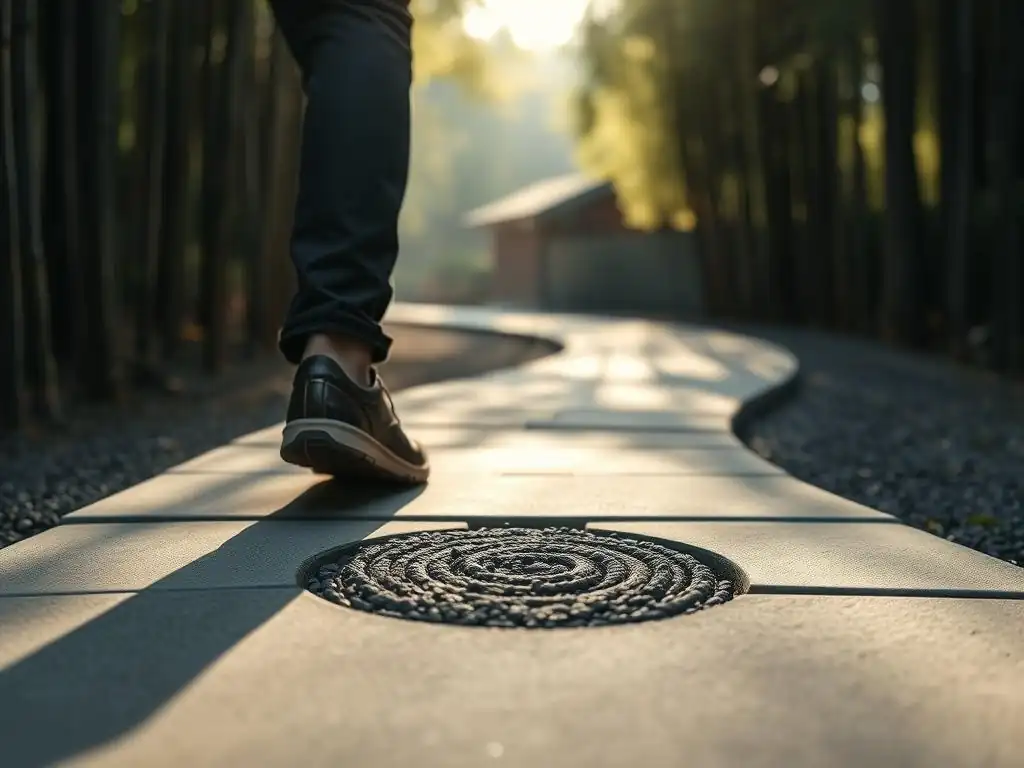
Step 1: Establishing a Mindful Posture
Begin by standing at the start of your chosen path. Allow yourself a few moments to simply stand still and arrive in the present moment. Feel the weight of your body on your feet and the contact with the ground. Let your shoulders relax and your arms hang comfortably at your sides. Your gaze can be directed slightly downward, perhaps a few feet in front of you, to help minimize visual distractions, but keep your head upright and your neck relaxed.
Take a few deep breaths, inhaling and exhaling slowly, allowing your body to settle. This initial pause helps transition from whatever you were doing before to the state of mindful presence. It's a signal to your mind and body that you are beginning a different kind of activity – one of deliberate awareness. This standing posture sets the stage for bringing mindfulness into motion, preparing you to use walking meditation to reduce stress and anxiety.
Step 2: Focusing on the Sensation of Walking
Once you feel ready, begin to walk at a slower pace than you normally would. Bring your full attention to the physical sensations involved in the act of walking. There's no destination to reach, just the experience of the journey itself, step by step.
Noticing the Heel-to-Toe Movement
As you lift one foot, notice the sensation of the heel leaving the ground, the ball of the foot lifting, and the toes pushing off. Then, as you place the foot back down, observe the heel making contact first, followed by the sole, and finally the toes. Break down the movement into these distinct phases, paying close attention to the subtle shifts in pressure and balance.
Feeling the Ground Beneath Your Feet
Become acutely aware of the feeling of the ground through your shoes. Notice the texture, the firmness, the slight variations in the surface. Feel the pressure as your weight shifts from one foot to the other. This tactile connection serves as a powerful anchor to the present moment, grounding your awareness literally and figuratively.
Step 3: Bringing Awareness to Your Breath While Walking
While the primary focus is on the sensations of walking, you can also gently bring awareness to your breath. Notice the rhythm of your breathing as you walk. You might find that your breath naturally synchronizes with your steps – perhaps two or three steps per inhale and the same per exhale. There's no need to control or change your breath; simply observe its natural flow within the context of your movement.
Allow the breath to serve as a secondary anchor, complementing the sensations in your feet and legs. If your mind wanders, the feeling of your breath can be another gentle reminder to return to the present moment. This integrated awareness of both movement and breath deepens the meditative quality of the walk, enhancing its potential to help walking meditation reduce stress anxiety.
Step 4: Acknowledging and Releasing Distracting Thoughts
It is inevitable that your mind will wander during walking meditation. Thoughts about the past, future, to-do lists, or worries will arise. This is not a failure of the practice; it is simply the nature of the mind. The key is how you respond to these distractions.
Returning to the Present Moment
When you notice your mind has wandered, gently acknowledge the thought without judgment. Recognize that you are thinking, then compassionately guide your attention back to your chosen anchor – the sensations of walking, the feeling of your feet on the ground, or your breath. There's no need to engage with the thought or analyze it; simply observe its presence and then release it, returning your focus to the physical experience of the present moment. This repeated process of noticing wandering and gently returning trains the mind in presence and non-reactivity.
Step 5: Expanding Awareness to Your Surroundings
Once you feel comfortable focusing on the internal sensations of walking and managing distractions, you can gradually expand your awareness to include your external surroundings. This is not about getting lost in the scenery, but about noticing the sights, sounds, and smells around you with a sense of open, non-judgmental awareness, while still maintaining your primary focus on the act of walking.
Notice the colors of the leaves, the sound of birdsong, the feel of the air on your skin, or the scent of rain. Integrate these sensory experiences into your awareness while continuing to feel your feet on the ground. This expanded awareness connects you more fully with the world around you, demonstrating that mindfulness can encompass both internal experience and external reality, further enhancing the capacity of walking meditation to reduce stress and anxiety by fostering a broader, more inclusive sense of presence.
Advanced Techniques for Deeper Walking Meditation
Varying Your Pace: Slow and Deliberate Walking
Once you are comfortable with the basic practice, experimenting with your pace can deepen your walking meditation. Extremely slow walking, sometimes called "creeping," allows for a more minute examination of the sensations involved in lifting and placing each foot. By moving at a glacial pace, you can feel the subtle shifts in weight, the engagement of different muscles, and the precise moment of contact with the ground in exquisite detail. This heightened awareness can reveal layers of physical experience often missed in faster paces.
Conversely, you might explore a slightly brisker mindful walk, while still maintaining attention on the sensations. The key is that the pace remains deliberate and serves the purpose of mindfulness, not exercise or speed. Varying the pace helps to keep the practice fresh and can reveal different aspects of the mind-body connection. It challenges your ability to stay present in different speeds of movement, reinforcing the core skill of using walking meditation to reduce stress anxiety regardless of external conditions.
Incorporating Nature into Your Walking Meditation
Walking meditation in nature can be particularly powerful for reducing stress and anxiety. Natural environments often have a calming effect on the nervous system, and integrating mindful walking with the sensory richness of nature amplifies this benefit. As you walk, bring mindful awareness to the sights, sounds, and smells of the natural world around you. Notice the texture of tree bark, the patterns of light and shadow, the calls of insects or birds, the scent of damp earth or blooming flowers.
Allow these sensory inputs to deepen your connection to the present moment and to the larger ecosystem. Walking mindfully outdoors can foster a sense of awe and interconnectedness, which has been shown to reduce feelings of stress and promote emotional well-being. Even a small patch of green space or a few trees along a city street can offer opportunities to weave nature awareness into your mindful walk.
Walking Meditation with a Mantra or Affirmation
Adding a mantra or affirmation can provide an additional layer of focus and intention to your walking meditation. A mantra is typically a word or phrase repeated silently or softly to help quiet the mind and maintain focus. It could be a simple sound like "Om" or a phrase like "peace" or "calm." You can synchronize the repetition of the mantra with your steps or your breath, finding a rhythm that feels natural.
Alternatively, you might use an affirmation, which is a positive statement related to your intention, such as "I am walking in peace" or "With each step, I release anxiety." Repeating an affirmation silently as you walk reinforces positive states of mind and can be particularly helpful if you are using walking meditation to reduce stress anxiety related to specific worries. Choose a mantra or affirmation that resonates with you and use it gently as an anchor whenever your mind drifts.
Troubleshooting Common Challenges in Walking Meditation

Dealing with Physical Discomfort During Walking Meditation
It's possible to experience physical discomfort during walking meditation, especially if you are unaccustomed to slower paces or longer durations. This could manifest as aches, stiffness, or restlessness. When discomfort arises, first, assess if it's a sign of potential injury requiring you to stop or modify your walk. If it's minor discomfort, acknowledge it with curiosity rather than aversion.
Bring mindful awareness to the sensation itself – its location, intensity, and quality. Breathe into the discomfort, and see if simply observing it without judgment changes your relationship to it. You can also gently shift your posture or adjust your pace slightly. The practice isn't about ignoring discomfort, but learning to be present with it and respond skillfully, which is a valuable lesson for managing stress and anxiety in daily life.
Overcoming Mind-Wandering and Distractions
Mind-wandering is perhaps the most common challenge in any meditation practice, including walking meditation. It's important to remember that a wandering mind is not a failure; it's simply what minds do. The practice lies in recognizing when the mind has wandered and gently bringing it back to the present moment. Don't judge yourself for getting distracted; greet the realization with kindness.
Develop the habit of noticing when your attention has drifted into thoughts, plans, or worries. As soon as you realize your mind is somewhere else, acknowledge where it went without getting caught up in the content, and then compassionately redirect your attention back to your anchor – the sensations of walking, your breath, or your mantra. Each time you notice and return, you are strengthening the muscle of attention and reinforcing your ability to use walking meditation to reduce stress anxiety by staying grounded in the present.
Finding Time for Walking Meditation in a Busy Schedule
Integrating walking meditation into a busy daily routine can feel challenging, but it doesn't require large blocks of time. Even short, mindful walks can be beneficial. Start small, perhaps with just 5-10 minutes. Look for existing opportunities in your day where you are already walking, such as commuting, walking to a meeting, or going out for lunch, and intentionally bring mindfulness to those moments.
Consider scheduling short mindful walks into your calendar, treating them with the same importance as other appointments. A 15-minute mindful walk during a break can be far more restorative than scrolling through a phone. Remember that consistency is more important than duration. Even a few minutes of mindful walking each day can accumulate significant benefits for managing stress and anxiety over time.
Integrating Walking Meditation into Your Daily Life
Short Walking Meditation Breaks Throughout the Day
Finding opportunities for brief walking meditation sessions can significantly enhance your overall sense of calm and presence. Instead of reaching for your phone during a break, step outside or find a quiet hallway and take a mindful walk for just 5-10 minutes. Focus on the sensations of walking, allowing the rhythmic movement to break the cycle of mental activity and ground you in your body.
These short, intentional breaks can act as mini-resets, interrupting stress patterns and bringing fresh awareness to your state of mind and body. Even a brief mindful walk around your office or home can shift your perspective, reduce tension, and help you return to your tasks with greater clarity and focus, reinforcing the benefits of using walking meditation to reduce stress anxiety throughout your day.
Using Walking Meditation to Reduce Anxiety Before Stressful Events
Walking meditation can be a powerful tool for managing anxiety in the lead-up to stressful situations. Before a presentation, a difficult conversation, or a challenging task, take a few minutes to walk mindfully. Focus intensely on the physical sensations of walking, allowing the rhythmic motion and the connection to the ground to soothe your nervous system and anchor you in the present moment.
This practice helps to interrupt the cycle of anticipatory worry that often fuels anxiety. By focusing on the concrete reality of walking, you create a space between yourself and the anxious thoughts about the future. Even a short 5-minute mindful walk can help dissipate some of the physical tension associated with anxiety and promote a sense of calm readiness.
Combining Walking Meditation with Other Mindfulness Practices
Walking meditation can be effectively combined with other mindfulness techniques to create a more holistic practice. For example, you might begin your day with a 10-minute sitting meditation to cultivate stillness, then follow it with a 15-minute walking meditation to bring that mindfulness into movement. You could also integrate mindful breathing exercises into your walk or use body scan techniques to become more aware of physical sensations while moving.
Exploring different combinations allows you to discover what works best for you in managing stress and anxiety. Combining practices can deepen your overall capacity for mindfulness, making it a more flexible and integrated part of your life. Whether paired with yoga, mindful eating, or loving-kindness meditation, walking meditation offers a dynamic way to cultivate presence and peace.
Scientific Evidence Supporting Walking Meditation for Anxiety Reduction
Studies on the Effectiveness of Walking Meditation
Research into the benefits of walking meditation, often grouped under broader studies of mindfulness-based interventions and the effects of walking, indicates positive outcomes for mental health. While specific studies focusing solely on "walking meditation" as a distinct category might be fewer than those on sitting meditation, findings from related areas provide strong support.
For instance, studies on mindfulness-based stress reduction (MBSR) programs, which often include mindful movement like walking, have consistently shown significant reductions in self-reported stress, anxiety, and depression levels among participants. One analysis of MBSR studies found that participants typically reported a 30-40% decrease in psychological distress symptoms after completing an 8-week program that incorporated mindful walking.
Furthermore, research specifically examining the effects of moderate physical activity, such as walking, on mental health has demonstrated clear benefits. A study published in the Journal of Affective Disorders found that regular walking significantly reduced symptoms of anxiety in participants. When this physical activity is combined with a mindful focus, as in walking meditation, the psychological benefits are likely amplified, leveraging both the physiological effects of exercise and the mental training of mindfulness to create a potent strategy for helping walking meditation reduce stress anxiety.
How Walking Meditation Impacts Brain Activity and Stress Hormones
The practice of walking meditation influences both brain function and the body's stress response system. Neuroimaging studies of mindfulness practices, including mindful movement, have shown changes in brain activity. Regular mindfulness practice is associated with increased activity in the prefrontal cortex, the area of the brain responsible for executive functions like attention, decision-making, and emotional regulation.
Simultaneously, there can be a decrease in activity in the amygdala, the brain's fear center, which is often overactive in individuals experiencing high levels of stress and anxiety. This shift towards greater prefrontal control and reduced amygdala reactivity provides a neurological basis for the calming effects of mindful practices.
From a physiological perspective, mindful walking can help regulate the body's production of stress hormones. Chronic stress leads to elevated levels of cortisol, which can have detrimental effects on both physical and mental health.
Engaging in mindful physical activity like walking meditation has been shown to help lower cortisol levels over time. The rhythmic nature of walking combined with the calming focus of mindfulness appears to signal to the nervous system that it is safe to move out of a "fight or flight" state and into a more relaxed "rest and digest" state, thereby directly contributing to the capacity of walking meditation to reduce stress anxiety.
Conclusion: Embrace the Path to Peace Through Mindful Walking
The Lasting Benefits of Walking Meditation for Mental Wellbeing
Integrating walking meditation into your life offers a sustainable path towards improved mental well-being and a significant reduction in stress and anxiety. By transforming the simple act of walking into a mindful practice, you cultivate present moment awareness, a crucial skill for navigating the challenges of modern life. Regular mindful walking helps to quiet the incessant mental chatter, providing respite from worry and overthinking. Over time, this practice strengthens your ability to observe thoughts and emotions without getting swept away by them, fostering greater emotional resilience.
The physical movement combined with the mental focus provides a unique synergy that calms the nervous system, lowers stress hormone levels, and promotes a sense of groundedness. Consistent practice can lead to a more positive outlook, increased self-compassion, and a deeper connection with yourself and the world around you. The accessibility and adaptability of walking meditation make it an invaluable tool for anyone seeking practical, effective ways to enhance their mental health and experience more peace in their daily life.
Further Resources for Exploring Walking Meditation and Mindfulness
To deepen your understanding and practice of walking meditation and mindfulness, numerous resources are available. Many books and online guides offer detailed instructions and insights into various mindfulness techniques, including mindful movement. Exploring the works of prominent mindfulness teachers can provide valuable perspectives and exercises.
Additionally, mindfulness centers and meditation groups in your local community or online often offer guided walking meditation sessions or courses that incorporate this practice. Engaging with experienced teachers or a community can provide support, guidance, and a deeper exploration of the principles behind using walking meditation to reduce stress anxiety and cultivate overall well-being. Exploring these resources can help you establish a consistent and enriching mindful walking practice.
Frequently Asked Questions
What is Walking Meditation and how does it differ from other forms of meditation?
Walking meditation is a form of meditation that involves mindful walking. Unlike seated meditation, it uses movement as the focal point, grounding you in the present moment through the sensation of each step.
How can Walking Meditation reduce stress and anxiety, as suggested by Mind Care Guide?
Walking meditation reduces stress and anxiety by shifting your focus from anxious thoughts to the present moment. The rhythmic movement and mindful awareness of your body create a calming effect on the nervous system.
What are some practical tips for beginners who want to try Walking Meditation to alleviate stress?
Start with short sessions, perhaps 10-15 minutes, and focus on the sensation of your feet making contact with the ground. Avoid distractions and gently redirect your attention back to your steps if your mind wanders.
Can Walking Meditation be practiced anywhere, or are there specific environments that are more conducive to stress reduction?
Walking meditation can be practiced virtually anywhere, but quiet and natural settings are often preferred for deeper relaxation. However, even walking down a city street can be beneficial with focused awareness.
How often should I practice Walking Meditation to experience significant reductions in stress and anxiety, according to Mind Care Guide?
Consistency is key. Aim for daily practice, even for short periods, to experience the cumulative benefits of reduced stress and anxiety. Regular Walking Meditation helps to cultivate a mindful mindset over time.
Final Reflection: The Enduring Power of Walking Meditation
The simple act of walking, when infused with mindful awareness, offers a potent antidote to the pervasive stress and anxiety of modern life. This isn't just a fleeting trend; it's a rediscovery of an ancient practice perfectly suited to address the challenges of our fast-paced world. The ability to find calm amidst the chaos, to cultivate inner peace through something as accessible as a walk, is a powerful tool we can all utilize.
The impact of walking meditation extends far beyond the individual. It's a practice that fosters a deeper connection with oneself and the surrounding environment, promoting a sense of groundedness often missing in our increasingly disconnected society. The mind is everything. What you think you become.
– Buddha. This quote perfectly encapsulates the transformative power of mindful walking, highlighting how cultivating a peaceful mind through this practice can ripple outwards, influencing our interactions and our overall well-being. The quiet revolution of mindful movement is subtly reshaping our relationship with stress and anxiety, offering a path towards a more peaceful and present existence.
Now, consider your own life. Where can you incorporate the principles of walking meditation? Perhaps it's a mindful stroll during your lunch break, a deliberate walk in nature, or even a conscious awareness of your steps as you move through your daily routine. I invite you to experiment, to find the rhythm and pace that resonates with you, and to experience the profound peace that awaits you on the path of mindful walking. Embrace the simplicity, embrace the stillness, and embrace the transformative power of mindful movement.
Unlock Your Inner Peace: Start Walking Your Way to Serenity
Thanks for taking the time to explore the power of walking meditation with us! We hope you've gained a deeper understanding of how mindful movement can transform your well-being. Now it's time to put your newfound knowledge into practice.
Here's how to begin your journey towards inner peace:
- Begin your first mindful walk today. Even 10 minutes can make a difference. Focus on your breath, the feeling of your feet on the ground, and the sensations around you.
- Share your walking meditation experience! Let us know what you discover in the comments below. Inspire others to join you on this path.
- Consider joining a local walking group or exploring guided meditations specifically designed for walking. It can add a new dimension to your practice.
What small step will you take today to cultivate more peace and presence in your life?