
The Science of Absorption: Getting the Most Out of Vitamins for Depression

Welcome to Mind Care Guide, your sanctuary for understanding and nurturing mental well-being.
Are you searching for ways to enhance your mood and combat feelings of depression? We understand that navigating mental health can be challenging, and we're here to help. Dive into our comprehensive guide, starting with a crucial question: Are you getting the most out of your vitamins? Explore the science of Vitamins for Depression Absorption and unlock the potential for improved mental wellness. Discover the key factors that influence how your body utilizes these vital nutrients and learn practical strategies to maximize their benefits. Ready to unlock a brighter, healthier you?
The Science of Absorption: Getting the Most Out of Vitamins for Depression
- Understanding Vitamin Absorption for Depression Treatment: A Mind Care Guide
- Why Vitamin Absorption Matters in Depression Management
- Maximizing Vitamin Absorption for Depression: A Step-by-Step Guide
- Real-World Examples: Vitamin Absorption Success Stories for Depression
- Conclusion: Taking Control of Vitamin Absorption for a Brighter Mood.
-
Frequently Asked Questions
- How does depression affect the absorption of vitamins?
- Which vitamins are most commonly affected by poor absorption in individuals with depression?
- What can be done to improve vitamin absorption when dealing with depression?
- Is it safe to self-prescribe high doses of vitamins to combat depression, even with absorption issues?
- Beyond supplements, what dietary changes can support better vitamin absorption for depression?
- Final Reflection: Unlocking the Potential: Vitamins and the Path to Mental Wellbeing
- Unlock Your Vitamin Powerhouse: Boost Your Mood Naturally
Understanding Vitamin Absorption for Depression Treatment: A Mind Care Guide
Navigating the path to improved mental well-being often involves exploring various avenues, and for some, nutritional support, including vitamins, plays a role. When considering vitamins for depression absorption, understanding how your body processes these vital nutrients is paramount. It's not just about taking a pill; it's about ensuring your body can effectively absorb and utilize the vitamins to potentially impact mood and neurological function. This guide delves into the scientific principles behind vitamin absorption and how optimizing this process can enhance the potential benefits of vitamins for depression.
The journey of a vitamin from ingestion to cellular utilization is complex, involving dissolution, transport across the intestinal lining, and distribution throughout the body. Factors like the form of the vitamin, your digestive health, and even what you eat alongside supplements can significantly influence how much of that vitamin actually reaches your bloodstream and, eventually, your brain. For individuals exploring nutritional support for depression, maximizing vitamins for depression absorption is a critical step that can make a real difference in potential outcomes, ensuring that the effort and resources invested in supplementation yield tangible benefits.
Why Vitamin Absorption Matters in Depression Management
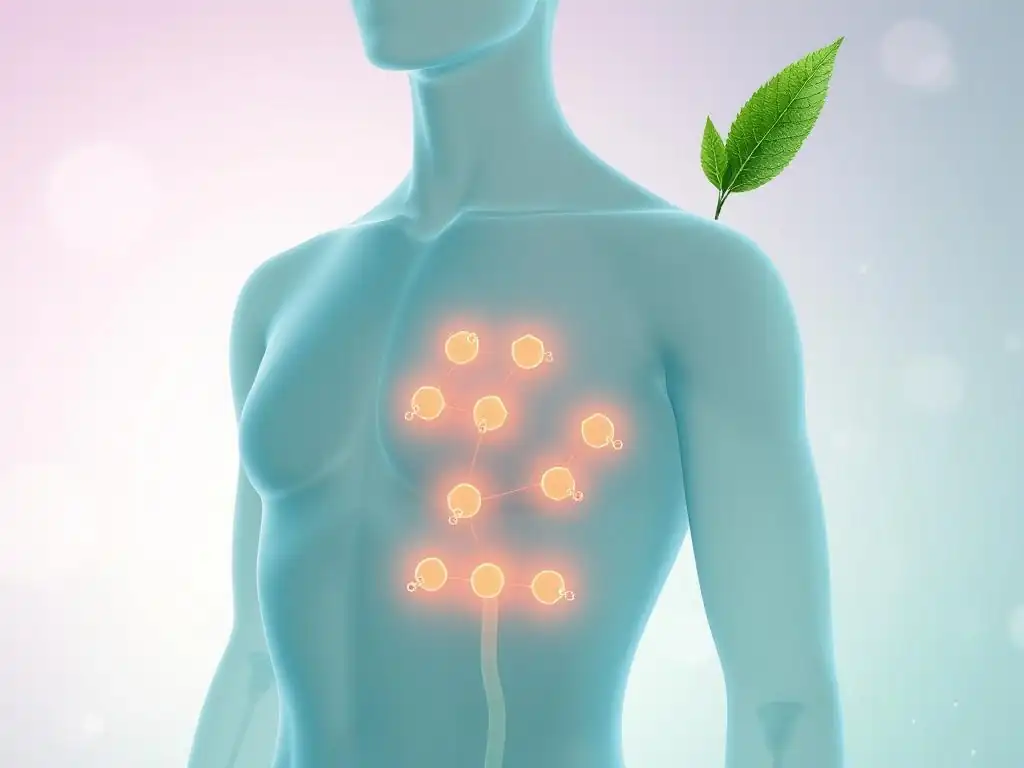
Effective vitamin absorption is a cornerstone of nutritional support for mental health. When vitamins are poorly absorbed, the body doesn't receive the necessary building blocks or cofactors required for optimal brain function and neurotransmitter synthesis, processes often implicated in depression. Focusing on vitamins for depression absorption helps ensure that the nutrients intended to support mood and mental clarity actually get where they need to go, potentially improving the efficacy of supplementation as part of a broader management strategy.
Beyond simply getting nutrients into the bloodstream, efficient absorption minimizes waste and ensures that the body's metabolic pathways, including those related to energy production and stress response, are adequately supported. This is particularly relevant for B vitamins, Vitamin D, and Omega-3 fatty acids, which are frequently discussed in the context of mood regulation. Prioritizing vitamins for depression absorption means addressing potential roadblocks in the digestive process, allowing the body to harness the full potential of these nutrients to support mental well-being.
The Gut-Brain Connection: Linking Absorption to Mental Health
The gut and the brain are intimately connected through a complex bidirectional communication system involving nerves, hormones, and the immune system. This "gut-brain axis" significantly influences mood, cognition, and behavior. Vitamin absorption primarily occurs in the gut, meaning that the health of your digestive system directly impacts the availability of nutrients essential for brain function. Poor gut health, such as dysbiosis (an imbalance of gut bacteria) or inflammation, can impair the absorption of key vitamins and minerals, potentially exacerbating nutrient deficiencies linked to depression.
Research highlights how disruptions in the gut microbiome can alter neurotransmitter production and influence systemic inflammation, both of which are implicated in depressive states. For instance, some gut bacteria produce neurotransmitters like serotonin and GABA, which play crucial roles in mood regulation.
Ensuring optimal vitamins for depression absorption relies heavily on maintaining a healthy gut environment, as a compromised gut not only hinders nutrient uptake but can also directly contribute to the physiological underpinnings of depression through its link with the brain. Focusing on gut health is therefore a vital strategy for maximizing the benefits of nutritional support for mental well-being.
Vitamin Deficiencies and Their Impact on Mood: The Science Behind It
Numerous studies have linked specific vitamin deficiencies to an increased risk or severity of depressive symptoms. For example, deficiencies in B vitamins, particularly B12, folate (B9), and B6, are often observed in individuals with depression. These vitamins are critical for the synthesis of neurotransmitters like serotonin, dopamine, and norepinephrine, which are crucial for mood regulation. A deficiency means these vital chemical messengers cannot be produced efficiently, potentially contributing to feelings of sadness, fatigue, and lack of motivation often associated with depression.
Vitamin D deficiency is also strongly correlated with depression in many populations. Vitamin D receptors are found in areas of the brain linked to depression, and adequate levels are thought to influence neurotransmitter activity and reduce inflammation. Studies have shown that individuals with low vitamin D levels are significantly more likely to experience depressive episodes.
While correlation doesn't always equal causation, ensuring sufficient levels of these vitamins through adequate absorption of vitamins for depression absorption from diet and supplements is a logical step in a comprehensive approach to managing depressive symptoms. The science underscores the importance of not just taking vitamins, but ensuring the body can effectively use them.
Maximizing Vitamin Absorption for Depression: A Step-by-Step Guide
Optimizing your body's ability to absorb vitamins is a proactive way to enhance the potential benefits of nutritional support for depression. This process involves making informed choices about the types of vitamins you take, nurturing your digestive system, understanding how different nutrients interact, and identifying potential inhibitors. By focusing on vitamins for depression absorption, you can help ensure that the nutrients you consume are effectively utilized by your body and brain, potentially leading to better mood regulation and overall mental well-being.
This guide outlines practical steps based on scientific principles to help you maximize vitamin absorption. From selecting bioavailable forms of nutrients to supporting gut health and strategic timing, each step plays a role in the overall absorption process. Implementing these strategies can make a significant difference in how your body responds to nutritional interventions, making the pursuit of optimal vitamins for depression absorption a valuable part of your mental health journey.
Step 1: Choosing the Right Vitamin Forms for Optimal Absorption
Not all forms of a vitamin are created equal in terms of how well the body can absorb and utilize them. The chemical structure of a vitamin supplement can significantly impact its bioavailability – the proportion of a nutrient that is absorbed from the diet and used for normal body functions. For individuals seeking to improve mood and address potential deficiencies linked to depression, selecting highly bioavailable forms of vitamins for depression absorption is a critical first step to ensure the body can readily access and use the nutrients provided.
This careful selection is particularly important for vitamins that are commonly deficient in individuals with depression, such as B vitamins and Vitamin C. Choosing a form known for better absorption can mean the difference between minimal impact and a noticeable improvement in nutrient status. Understanding the differences between various vitamin forms allows for a more targeted and effective approach to nutritional supplementation aimed at supporting mental well-being through enhanced vitamins for depression absorption.
Understanding Bioavailability: Methylated B Vitamins vs. Cyanocobalamin
Bioavailability refers to the rate and extent to which a nutrient is absorbed and becomes available at the site of action. For B vitamins, particularly B12 and folate, this concept is highly relevant to mood support. Traditional supplements often contain forms like cyanocobalamin (a synthetic form of B12) or folic acid (a synthetic form of folate). While these forms can be converted by the body into their active counterparts (methylcobalamin and methylfolate, respectively), this conversion process can be inefficient in some individuals due to genetic variations (like MTHFR gene polymorphisms) or other factors.
Methylated forms, such as methylcobalamin and L-methylfolate, are already in the active form the body can directly use. This bypasses the conversion step, potentially leading to better absorption and utilization, especially for individuals with impaired conversion abilities. For those focusing on vitamins for depression absorption, choosing methylated B vitamins may offer a more effective way to ensure these crucial nutrients are available to support neurotransmitter synthesis and brain function compared to their synthetic counterparts.
Liposomal Vitamin C: Enhanced Absorption for Mood Support
Vitamin C is a powerful antioxidant that plays a role in neurotransmitter synthesis and stress response, making its adequate absorption relevant for mood support. Traditional oral Vitamin C supplements (like ascorbic acid) have absorption limitations; as the dose increases, the percentage absorbed decreases, and excess is often excreted, sometimes causing digestive upset. This means that taking very high doses doesn't necessarily translate to significantly higher levels in the bloodstream.
Liposomal encapsulation is a technology where the vitamin is encased within tiny lipid (fat) bubbles called liposomes. These liposomes can protect the vitamin from degradation in the digestive tract and facilitate its transport across the intestinal wall and into the bloodstream more efficiently than conventional forms. Studies suggest liposomal delivery can significantly increase the bioavailability of Vitamin C. For individuals aiming for optimal vitamins for depression absorption, particularly for nutrients like Vitamin C, liposomal forms represent an advanced method to potentially achieve higher cellular levels without digestive issues.
Step 2: Optimizing Your Gut Health for Improved Nutrient Uptake
The health of your gut microbiome – the trillions of bacteria and other microbes residing in your digestive tract – is intricately linked to nutrient absorption. A diverse and balanced gut microbiome is essential for breaking down food, synthesizing certain vitamins (like K and some B vitamins), and maintaining the integrity of the intestinal lining. When the gut microbiome is imbalanced (dysbiosis), or if there is inflammation or damage to the intestinal wall, the ability to absorb vitamins and minerals can be significantly compromised, directly impacting the effectiveness of vitamins for depression absorption.
Improving gut health involves dietary changes, such as increasing fiber intake from fruits, vegetables, and whole grains, which serve as prebiotics to nourish beneficial bacteria. It may also involve targeted interventions like probiotics or digestive enzymes, depending on individual needs. Addressing underlying gut issues is a foundational step for anyone looking to maximize the benefits of nutritional supplements, as a healthy gut is the gateway through which vitamins must pass to reach the rest of the body and support mental well-being.
Probiotics and Prebiotics: Cultivating a Healthy Gut Microbiome for Better Absorption
Probiotics are live beneficial bacteria, while prebiotics are non-digestible fibers that feed these bacteria. Together, they help cultivate a balanced and diverse gut microbiome. A healthy microbial community supports digestion and nutrient absorption in several ways. Certain probiotic strains can help break down complex carbohydrates and fibers, making more nutrients available for absorption. They also help maintain the integrity of the gut barrier, reducing inflammation and "leaky gut," which can impair absorption.
Furthermore, a balanced microbiome can influence the pH levels in the gut, which affects the solubility and absorption of certain minerals and vitamins. By fostering a healthy gut environment through the use of probiotics and prebiotics, individuals can create more favorable conditions for the absorption of a wide range of nutrients, including vitamins for depression absorption. This foundational step in gut health can significantly enhance the effectiveness of any vitamin regimen aimed at supporting mood.
Digestive Enzymes: Breaking Down Nutrients for Enhanced Assimilation
Digestive enzymes are proteins that break down food into smaller molecules that can be absorbed into the bloodstream. Enzymes like proteases break down proteins, amylases break down carbohydrates, and lipases break down fats. While the body naturally produces these enzymes, factors like aging, stress, or certain medical conditions can lead to enzyme deficiencies or reduced activity. When food is not properly broken down, nutrients remain trapped and cannot be absorbed efficiently.
Supplementing with digestive enzymes can assist the body's natural processes, ensuring that food components, including the matrix containing vitamins and minerals, are adequately digested. This facilitates the release of nutrients, making them more accessible for absorption across the intestinal lining. For individuals with digestive difficulties or those seeking to optimize vitamins for depression absorption from both food and supplements, enzyme support can be a valuable strategy to enhance the assimilation of vital nutrients necessary for brain function and mood regulation.
Step 3: Timing and Combining Vitamins for Synergistic Effects
The timing of vitamin intake and how different vitamins and minerals are combined can influence their absorption and utilization. Some nutrients compete for absorption pathways, while others enhance each other's uptake. Understanding these interactions allows for strategic planning of supplement intake to maximize benefits. This careful consideration of timing and synergy is another layer in optimizing vitamins for depression absorption, ensuring that the nutrients work together efficiently within the body.
For example, fat-soluble vitamins (A, D, E, K) are best absorbed when taken with a meal containing fat, as dietary fat is required for their transport. Water-soluble vitamins (B vitamins, C) are generally absorbed on an empty stomach or with a light meal, but some B vitamins are better absorbed when taken together. Planning when and how to take vitamins based on these interactions can significantly improve their absorption rates and overall effectiveness in supporting mood and mental health.
Vitamin D and K2: A Powerful Combination for Bone Health and Mood
While Vitamin D is widely recognized for its role in bone health and its link to mood, its absorption and utilization are enhanced by Vitamin K2. Vitamin D helps the body absorb calcium, but Vitamin K2 helps direct that calcium to the bones and teeth, preventing it from accumulating in soft tissues like arteries. Emerging research also suggests a synergistic relationship in other physiological processes, potentially including neurological function.
Taking Vitamin D and K2 together may not directly increase the absorption of Vitamin D from the gut, but it enhances its utilization and safety profile within the body, making the absorbed Vitamin D more effective for its various roles, potentially including mood regulation. For individuals focusing on vitamins for depression absorption, ensuring adequate levels of both D and K2 means the Vitamin D that is absorbed can be used more effectively by the body, contributing more significantly to overall health and potentially mood.
Iron and Vitamin C: Boosting Iron Absorption for Energy and Mood
Iron deficiency is a common cause of fatigue and can sometimes overlap with symptoms of depression. Iron absorption from plant-based sources (non-heme iron) is significantly enhanced when consumed with Vitamin C. Vitamin C helps convert non-heme iron into a form that is more easily absorbed by the intestinal cells. This interaction is particularly important for vegetarians and vegans who rely heavily on plant-based iron sources.
Taking an iron supplement or consuming iron-rich foods alongside a source of Vitamin C can dramatically increase the amount of iron absorbed. For individuals addressing potential iron deficiency as part of their strategy for improving energy levels and mood, pairing iron with Vitamin C is a simple yet effective way to optimize the absorption of this critical mineral. This specific interaction highlights how strategically combining nutrients can directly impact the effectiveness of vitamins for depression absorption and overall nutrient status.
Step 4: Addressing Absorption Inhibitors: What to Avoid
Certain substances can interfere with the absorption of vitamins and minerals. These inhibitors can be found in foods, beverages, or even medications. Being aware of these inhibitors and taking steps to minimize their impact is crucial for maximizing vitamins for depression absorption and ensuring that your body is getting the full benefit from your diet and supplements. Avoiding or limiting consumption of these substances around the time you take vitamins can significantly improve uptake.
Common inhibitors include compounds found in certain plant foods, like phytic acid and oxalates, as well as substances in coffee and tea, and components in some medications. Understanding these interactions allows you to make informed choices about when and how you consume vitamins and other nutrients, reducing the likelihood of impaired absorption and promoting better overall nutrient status to support mental well-being.
The Impact of Certain Medications on Vitamin Absorption
Many common medications can interfere with the absorption of specific vitamins and minerals. For example, proton pump inhibitors and other antacids, used to reduce stomach acid, can impair the absorption of Vitamin B12, iron, and magnesium, as stomach acid is needed to release these nutrients from food and supplements. Metformin, a common diabetes medication, can also lower Vitamin B12 levels. Certain antibiotics can disrupt the gut microbiome, affecting the synthesis and absorption of B vitamins and Vitamin K.
Laxatives, especially stimulant types, can speed up transit time through the gut, reducing the opportunity for nutrient absorption. Even seemingly innocuous medications can have an impact. If you are taking medication regularly and are concerned about potential nutrient deficiencies or optimizing vitamins for depression absorption, discussing this with a healthcare provider or pharmacist is essential. They can advise on potential interactions and strategies to mitigate them, such as timing supplements separately from medications or suggesting alternative forms.
Phytic Acid and Oxalates: Reducing Their Impact on Mineral Absorption
Phytic acid (phytate) is found in grains, legumes, seeds, and nuts. It can bind to minerals like iron, zinc, calcium, and magnesium in the digestive tract, forming insoluble complexes that are not easily absorbed. Oxalates are found in leafy greens, rhubarb, nuts, and chocolate and can bind to calcium and iron, similarly reducing their absorption. While these compounds have some potential health benefits, high intake can be problematic for mineral status, impacting the absorption of minerals essential for neurological function and mood.
Traditional food preparation methods like soaking, sprouting, fermenting, and cooking can significantly reduce the phytic acid and oxalate content of foods, improving mineral bioavailability. For example, soaking beans overnight before cooking can reduce phytate content by up to 50%. While these compounds primarily affect minerals, optimal mineral balance is often synergistic with vitamin function. Minimizing their impact on mineral absorption contributes to overall nutrient availability, indirectly supporting the effectiveness of vitamins for depression absorption.
Real-World Examples: Vitamin Absorption Success Stories for Depression
While individual responses vary, optimizing vitamin absorption can play a crucial role in improving nutrient status, which in turn may help alleviate symptoms of depression for some individuals. These examples illustrate how targeted approaches to enhancing absorption, often as part of a broader treatment plan, can contribute to positive outcomes. They underscore the principle that focusing on vitamins for depression absorption is a practical step in leveraging nutritional science for mental well-being.
These case studies, representative of common scenarios observed in clinical practice and nutritional science, highlight the importance of identifying specific deficiencies and implementing strategies to ensure the body can effectively utilize the nutrients provided. They serve as encouraging reminders that paying attention to the science of absorption can yield tangible benefits in the journey toward improved mood and resilience.
Case Study 1: Optimizing Vitamin D Absorption for Improved Mood
A 45-year-old individual experiencing persistent low mood and fatigue was found to have significantly low Vitamin D levels, measuring approximately 15 ng/mL (below the generally recommended range of 30-60 ng/mL). Standard Vitamin D supplementation (e.g., 1000-2000 IU daily) initially showed slow improvement in blood levels and mood symptoms. Upon investigation, it was noted that the individual had mild digestive issues and rarely consumed dietary fats alongside their supplement.
A strategy was implemented to improve vitamins for depression absorption. The individual was advised to take their Vitamin D supplement (increased to 4000 IU daily, a common therapeutic dose for deficiency) with their largest meal containing healthy fats, such as avocado or nuts. They also incorporated a probiotic supplement to support gut health. Over three months, their Vitamin D levels rose to 45 ng/mL, and they reported a noticeable improvement in energy levels and a reduction in the intensity of depressive feelings, illustrating how optimizing absorption can enhance the effectiveness of supplementation.
Case Study 2: Enhanced B Vitamin Absorption for Depression Symptom Relief
A 30-year-old individual with treatment-resistant depression and a history of stress-related digestive upset had been taking a standard B-complex vitamin for several months with limited perceived benefit. Genetic testing indicated a reduced capacity to convert folic acid to its active form, L-methylfolate. This suggested that poor utilization, potentially compounded by absorption issues related to gut stress, might be limiting the impact of the supplement on neurotransmitter synthesis.
The approach was shifted to focus on enhancing vitamins for depression absorption and utilization. The B-complex was replaced with one containing methylated forms (methylcobalamin, L-methylfolate, and P-5-P for B6). Additionally, digestive enzyme support was added to their regimen to aid nutrient breakdown. Within two months, the individual reported feeling more mentally clear and experienced a modest but significant reduction in the severity of their depressive symptoms, suggesting that addressing both the form of the vitamin and digestive capacity improved the absorption and effectiveness of the B vitamins.
Conclusion: Taking Control of Vitamin Absorption for a Brighter Mood.
Understanding and optimizing vitamin absorption is a powerful, often overlooked, strategy in supporting mental well-being, particularly for individuals exploring nutritional approaches for depression. It moves beyond simply consuming vitamins to ensuring your body can efficiently process and utilize these essential nutrients. By focusing on vitamins for depression absorption, you take proactive steps to enhance the bioavailability of supplements and nutrients from food, potentially improving their impact on mood, energy, and overall brain function.
Implementing strategies such as choosing bioavailable vitamin forms, nurturing gut health, combining nutrients wisely, and avoiding inhibitors can make a tangible difference. While vitamins are not a standalone cure for depression, maximizing their absorption ensures that if nutritional deficiencies are contributing factors, they are effectively addressed. Taking control of your vitamins for depression absorption is an empowering step on the path toward achieving better nutrient status and supporting your journey toward a brighter, more resilient mood.
Frequently Asked Questions
How does depression affect the absorption of vitamins?
Depression can lead to poor gut health and inflammation, both of which can impair the body's ability to effectively absorb essential vitamins and nutrients. This creates a cycle where nutrient deficiencies worsen depressive symptoms.
Which vitamins are most commonly affected by poor absorption in individuals with depression?
Vitamins crucial for mood regulation, such as vitamin D, B vitamins (especially B12 and folate), and magnesium, are frequently found to be poorly absorbed in individuals struggling with depression.
What can be done to improve vitamin absorption when dealing with depression?
Focus on improving gut health through a balanced diet rich in fiber and probiotics. Consider supplement forms that are easily absorbed, such as methylated B vitamins or liposomal vitamin D.
Is it safe to self-prescribe high doses of vitamins to combat depression, even with absorption issues?
No, it's generally not recommended to self-prescribe high doses. Consulting with a healthcare professional is crucial to determine appropriate dosages and rule out any potential interactions with medications or underlying health conditions.
Beyond supplements, what dietary changes can support better vitamin absorption for depression?
Prioritize a diet rich in whole, unprocessed foods, including fruits, vegetables, and lean proteins. Minimize processed foods, sugar, and alcohol, as these can negatively impact gut health and nutrient absorption.
Final Reflection: Unlocking the Potential: Vitamins and the Path to Mental Wellbeing
The science of vitamin absorption isn't just a niche topic; it's the key that unlocks the potential of nutritional support for depression. Understanding how our bodies process these vital nutrients directly impacts the effectiveness of any treatment plan, highlighting the critical link between diet, supplementation, and mental health. Ignoring this crucial aspect means potentially leaving significant therapeutic gains on the table.
The ongoing conversation surrounding mental health and its multifaceted treatment approaches underscores the importance of exploring all avenues for support. We've seen a growing recognition of the gut-brain connection and the role of nutrition in overall wellbeing, yet the specifics of vitamin absorption often remain overlooked. The body is a complex ecosystem, and what we put into it profoundly impacts how it functions.
This quote encapsulates the essence of our exploration, reminding us that optimizing vitamin uptake isn't just about taking pills; it's about fostering a holistic approach to mental wellness.
Now, consider your own journey towards better mental health. Are you actively considering the absorption rates of the vitamins you consume? Are you working with a healthcare professional to ensure you're getting the most out of your chosen supplements and dietary choices? This isn't just about treating symptoms; it's about empowering yourself with knowledge to proactively support your wellbeing. Take the time to understand your body's unique needs, and explore the science behind effective vitamin absorption. Your mental health deserves this level of care and attention.
Unlock Your Vitamin Powerhouse: Boost Your Mood Naturally
Thanks for taking the time to explore the science behind vitamin absorption and its impact on depression! We hope you gained valuable insights into optimizing your well-being. Ready to put this knowledge into practice?
- Prioritize your vitamin D: Schedule a blood test to check your levels and discuss supplementation with your doctor if needed. This is the most impactful step you can take based on the article's findings.
- Experiment with mindful eating: Pay close attention to your diet and consider incorporating foods rich in B vitamins and other mood-boosting nutrients. This enhances absorption and overall wellness.
- Share your journey: Connect with others in our community forum and share your experiences with vitamin optimization. Let's learn and grow together!
What’s one small change you can make today to boost your vitamin intake and support your mental health?