
Understanding the Past: Lessons from Medieval Approaches to Mental Wellbeing


Welcome to Mind Care Guide.
Feeling overwhelmed? Believe it or not, navigating mental wellbeing isn't a modern challenge. Delve into our exploration of Medieval mental wellbeing strategies and discover surprisingly insightful approaches to inner peace from centuries past. Perhaps, within their wisdom, we can find echoes of solutions for today. Curious? Let's journey back in time together...
Understanding the Past: Lessons from Medieval Approaches to Mental Wellbeing
- Introduction: Exploring Medieval Mental Wellbeing Strategies
- Medieval Understanding of Mental Health: Beliefs and Practices
- Medieval Mental Wellbeing Strategies: Practical Approaches
- Comparing Medieval and Modern Mental Health Approaches
- Lessons from the Past: What Can We Learn from Medieval Approaches?
- Medieval Coping Mechanisms for Stress and Anxiety
- Challenging Misconceptions About Medieval Mental Health
- Conclusion: Integrating Historical Insights into Modern Mental Wellbeing Practices
-
Frequently Asked Questions
- How did medieval societies view mental illness, and how did that perception impact treatment approaches?
- What were some common medieval strategies for promoting mental wellbeing, beyond religious practices?
- Were there any specific medicinal herbs or natural remedies used in medieval times to address mental health concerns?
- How did the concept of "community" contribute to mental wellbeing in the medieval period?
- Can modern society learn anything valuable from medieval approaches to mental wellbeing?
- Final Reflection: Echoes of the Medieval Mind: Finding Wellbeing in the Modern Age
- Unlock Your Inner Resilience: Practical Steps to Wellbeing
Introduction: Exploring Medieval Mental Wellbeing Strategies
The Enduring Relevance of Historical Perspectives on Mental Health
Examining historical perspectives on mental health offers invaluable insights into the human experience across time. Understanding how past societies perceived, explained, and responded to mental distress provides crucial context for our modern approaches. It highlights the long, complex evolution of therapeutic practices and societal attitudes. For instance, studying periods like the Middle Ages helps us see that struggles with anxiety, depression, and other conditions are not unique to our era, but have manifested differently based on prevailing worldviews, scientific understanding (or lack thereof), and available resources.
Historical inquiry allows us to appreciate the progress made in diagnosis, treatment, and reducing stigma, while also prompting us to consider potential wisdom or practices that may have been lost or overlooked. By looking back, we can gain a deeper empathy for those who suffered in the past without the benefit of modern science and support systems. Furthermore, studying Medieval mental wellbeing strategies helps us understand the roots of some long-held beliefs and practices, and how societal structures, such as the Church or community networks, played a significant role in individual and collective well-being.
Mind Care Guide: Bridging the Gap Between Past and Present Wellbeing
At Mind Care Guide, we believe that a comprehensive understanding of mental wellbeing involves acknowledging its rich and varied history. By exploring how people in the Middle Ages navigated their inner worlds and sought solace or healing, we can draw parallels and contrasts with contemporary challenges and Medieval mental wellbeing strategies. This historical lens enriches our appreciation for the multifaceted nature of mental health.
Our aim is to connect these historical insights with modern resources and information. Understanding the context of past beliefs, such as the influence of humoral theory or religious explanations for distress, helps demystify some historical practices and highlights the shift towards biological and psychological models. By presenting information on topics like Medieval mental wellbeing strategies alongside modern therapeutic approaches, we hope to foster a more holistic and informed perspective on mental health, encouraging readers to consider the enduring aspects of human resilience and the continuous quest for inner peace across centuries.
Medieval Understanding of Mental Health: Beliefs and Practices
The Medieval Mind: A Worldview Influencing Mental Health Perceptions
The dominant worldview in the Middle Ages was profoundly shaped by Christian theology, classical philosophy (particularly that of Aristotle, mediated through figures like Thomas Aquinas), and a deep connection to the natural world, often seen as a reflection of divine order. This worldview heavily influenced perceptions of illness, including mental distress.
Conditions that we might now classify as mental disorders were often interpreted through spiritual, moral, or humoral lenses rather than purely medical ones. For example, intense despair could be seen as a spiritual failing (acedia), while erratic behavior might be attributed to demonic influence or an imbalance of the body's humors.
This integrated view meant that there wasn't a clear separation between physical health, mental state, and spiritual condition. A person's mental state was considered intrinsically linked to their moral standing, their relationship with God, and the physical state of their body. This holistic, albeit often misinformed, understanding meant that Medieval mental wellbeing strategies often targeted multiple aspects of a person's life, involving religious practices, physical interventions, and social support within the community or religious institutions.
Religious Explanations for Mental Distress in the Middle Ages
Religious explanations were central to understanding many forms of suffering, including mental distress, during the Middle Ages. Conditions like psychosis, severe depression, or epilepsy were frequently attributed to demonic possession as described in biblical texts and theological writings. This belief led to practices focused on exorcism, prayer, and the use of holy relics or blessed objects to expel the perceived evil influence. While seemingly harsh by modern standards, these practices were often carried out with the intention of healing the individual by addressing the perceived root cause.
Alternatively, mental distress could be viewed as a divine trial or punishment for sin. This perspective encouraged introspection, confession, penance, and prayer as ways to alleviate suffering by seeking forgiveness and restoring one's relationship with God. Monasteries, convents, and churches served as important centers for spiritual counsel and refuge for those experiencing mental anguish. These religious institutions played a significant role in offering Medieval mental wellbeing strategies centered around faith, community, and a structured spiritual life.
Humoral Theory and its Impact on Medieval Mental Health Treatments
Alongside religious explanations, the prevailing medical framework in the Middle Ages was the humoral theory, inherited from ancient Greek physicians like Hippocrates and Galen. This theory posited that the body was composed of four basic humors: blood, phlegm, yellow bile (choler), and black bile (melancholy). Health was believed to depend on the proper balance of these humors, while illness resulted from an imbalance. Specific mental states were associated with particular humors; for example, an excess of black bile was thought to cause melancholy (depression), while too much yellow bile was linked to choleric temperaments (anger/irritability).
Treatments based on humoral theory aimed to restore balance. These Medieval mental wellbeing strategies included dietary changes (certain foods were believed to increase or decrease specific humors), purgatives (like laxatives or emetics) to expel excess humors, and bloodletting, which involved opening a vein to drain blood, believed to reduce an excess of blood or other humors. While invasive and often ineffective or harmful from a modern perspective, these practices were based on the best available medical understanding of the time and were applied with the intention of restoring physical and mental equilibrium.
Medieval Mental Wellbeing Strategies: Practical Approaches

Monasteries and Hospitals: Centers for Care and Reflection
Monasteries and religious houses served as significant centers for care and refuge during the Middle Ages, sometimes offering a form of asylum for those suffering from various ailments, including mental distress. While not dedicated psychiatric hospitals in the modern sense, these institutions provided a structured environment, routine, spiritual guidance, and basic sustenance. Individuals might seek temporary or permanent residence, finding peace through prayer, contemplation, manual labor, and community life. The emphasis was often on spiritual healing and finding solace through faith.
Early hospitals, often founded by religious orders, also sometimes admitted individuals with mental health issues, alongside those with physical illnesses. Records from institutions like the Hôtel-Dieu in Paris or St. Bartholomew's Hospital in London occasionally mention the care of the "insane," though the nature of this care varied greatly. It often involved restraint or segregation for those deemed dangerous, but could also include more compassionate approaches based on Christian charity, providing food, shelter, and spiritual comfort. These institutions represented some of the earliest formal Medieval mental wellbeing strategies outside of family or community care.
The Role of Faith and Spirituality in Medieval Mental Wellbeing
Faith and spirituality were cornerstones of Medieval mental wellbeing strategies. For many, navigating the challenges of life, including mental suffering, was deeply intertwined with their religious beliefs. Prayer was a primary coping mechanism, offering a direct channel for expressing distress, seeking comfort, and finding hope. Confession provided an opportunity to unburden oneself of guilt and receive spiritual guidance and absolution, which could alleviate significant psychological distress.
Pilgrimages to holy sites were also undertaken for various reasons, including seeking miraculous cures for physical and mental ailments. These journeys involved physical effort, social interaction with fellow pilgrims, and a powerful sense of purpose and devotion. Seeking the intercession of saints known for healing, such as St. Dymphna (patron saint of those with mental and neurological disorders), was another common practice. These deeply ingrained spiritual Medieval mental wellbeing strategies provided a framework for understanding suffering, finding meaning, and accessing support within the religious community.
Herbal Remedies and Bloodletting for Mental Ailments
Medieval medical practitioners, including physicians, apothecaries, and folk healers, utilized a range of physical interventions as Medieval mental wellbeing strategies, often based on humoral theory. Herbal medicine was widely practiced, with plants believed to have specific properties to balance humors or soothe symptoms. For example, valerian was used for anxiety and sleeplessness, while poppy was used for pain relief and sedation. Mandrake root, despite its toxicity, was also sometimes used, often with significant risks. These remedies were prepared as infusions, poultices, or consumed directly.
Bloodletting was another prevalent medical practice, believed to drain excess humors and restore balance. It was applied for a wide variety of conditions, including those perceived as mental imbalances. The specific vein chosen or the amount of blood drawn might vary depending on the diagnosed humoral imbalance. Similarly, purges (using laxatives or emetics) were employed to expel perceived harmful substances or excess humors. While these interventions were often invasive and lacked scientific basis, they were standard Medieval mental wellbeing strategies aimed at addressing the perceived physical causes of mental distress.
Comparing Medieval and Modern Mental Health Approaches
Similarities in Recognizing Distress and Seeking Help
Despite the vast differences in understanding and treatment, there are notable similarities between Medieval and modern approaches to mental health, particularly in the recognition of distress and the impulse to seek help. People in the Middle Ages clearly experienced states analogous to modern depression (melancholy), anxiety, and forms of psychosis, even if their labels and explanations differed. Texts from the period describe symptoms like persistent sadness, irrational fears, hallucinations, and disrupted behavior.
Furthermore, individuals experiencing such distress actively sought help, reflecting a fundamental human need for relief and support. The sources of help differed – clergy, physicians, family, community, healers, or religious institutions – but the act of seeking aid was present. This shared human experience of suffering and the desire for healing or solace underscores a continuous thread throughout history, highlighting that the core challenge of mental distress is not new, even if our tools for addressing it have evolved dramatically from Medieval mental wellbeing strategies.
Key Differences: Stigma, Treatment Options, and Understanding
The differences between Medieval and modern mental health approaches are profound. Stigma existed in both eras, but its nature differed. In the Middle Ages, stigma might stem from beliefs about demonic possession, divine punishment, or moral failing, leading to fear, isolation, or even persecution. While modern stigma can also be severe, it often stems from misunderstanding, fear of difference, or societal prejudice rather than theological explanations.
Treatment options represent the most significant divergence. Medieval Medieval mental wellbeing strategies were limited to spiritual interventions, humoral-based physical treatments, and basic care within institutions or the community. There was no understanding of neurochemistry, genetics, or the complex psychological factors we recognize today. Modern treatment encompasses evidence-based psychotherapies (like CBT, DBT), psychopharmacology (medications targeting neurotransmitters), advanced diagnostic tools, and a wide range of specialized support services, a stark contrast to the often rudimentary and sometimes harmful practices of the past.
Trepanning and Modern Neurosurgery: A Comparison
Trepanning, the practice of drilling a hole into the skull, is an ancient surgical procedure that predates the Middle Ages but was occasionally practiced during this period, though its specific use for mental illness in Medieval Europe is debated and likely rare compared to other applications like treating head injuries. If used for perceived mental issues, it was likely based on beliefs about releasing evil spirits or relieving pressure, without any understanding of brain function or sterile technique. This procedure was extremely dangerous, often resulting in infection or death.
In contrast, modern neurosurgery involves highly precise, sterile procedures performed by trained specialists using advanced imaging and tools. While neurosurgery is sometimes used for conditions that can impact mental state (e.g., removing brain tumors causing personality changes, or certain procedures for severe epilepsy or OCD in rare cases), it is not a treatment for primary mental disorders like depression or schizophrenia. The comparison highlights the monumental leap in anatomical and physiological understanding, surgical technique, and the ethical considerations that distinguish modern medical practice from the often speculative and perilous interventions of the past, including some Medieval mental wellbeing strategies.
Lessons from the Past: What Can We Learn from Medieval Approaches?
One valuable lesson from studying Medieval mental wellbeing strategies is the significant role played by community support and social connection. In a time before formal mental healthcare systems, individuals often relied heavily on their families, neighbors, and religious communities for support. While this support was not always adequate or understanding, the fundamental structure of Medieval society, with its strong local ties and emphasis on collective life (whether in villages, guilds, or religious orders), meant that people were rarely completely isolated.
This contrasts with aspects of modern life where individualism can sometimes lead to social fragmentation and isolation, exacerbating mental health challenges. The Medieval emphasis on belonging and mutual aid, even within limited means and understanding, reminds us of the enduring human need for connection. Integrating community support, peer networks, and fostering strong social bonds are vital components of comprehensive modern mental wellbeing strategies, echoing a principle that was, by necessity, central in the Middle Ages.
The Power of Holistic Approaches: Body, Mind, and Spirit
Medieval approaches, though scientifically inaccurate, often adopted a holistic view, recognizing the interconnectedness of the body, mind, and spirit. Treatments aimed to address physical imbalances (humoral theory), spiritual state (prayer, penance), and sometimes environmental factors (rest, diet). While their understanding of these connections was flawed, the Medieval mental wellbeing strategies did not typically compartmentalize illness as strictly as some modern medical models might.
This historical perspective encourages us to consider the benefits of integrating various aspects of care in contemporary mental health. Modern holistic approaches, such as mindfulness practices, incorporating physical exercise, nutrition, social engagement, and addressing spiritual or existential concerns alongside traditional therapy and medication, resonate with the Medieval idea that well-being is multifaceted. Learning from the past's integrated (if misinformed) view can inspire more comprehensive and person-centered modern approaches to mental health.
The Value of Simple Practices: Reflection, Nature, and Meaning
Many Medieval mental wellbeing strategies involved simple, accessible practices deeply integrated into daily life. Reflection through prayer and contemplation was central, offering a way to process thoughts and emotions. Engaging with nature, whether through agricultural work, gathering herbs, or simply experiencing the changing seasons, was an inherent part of life and likely provided grounding and solace. Finding meaning through faith, work, and contribution to the community provided a sense of purpose that is crucial for mental wellbeing.
These simple practices – reflection, connection with nature, and finding meaning – remain highly relevant and beneficial today. Mindfulness and meditation are modern forms of reflection. Spending time outdoors is widely recognized for its positive impact on mood. Engaging in meaningful work, hobbies, and relationships contributes significantly to psychological well-being. The enduring value of these basic Medieval mental wellbeing strategies reminds us that complex solutions are not always necessary and that incorporating simple, intentional practices into our lives can significantly support mental health.
Medieval Coping Mechanisms for Stress and Anxiety
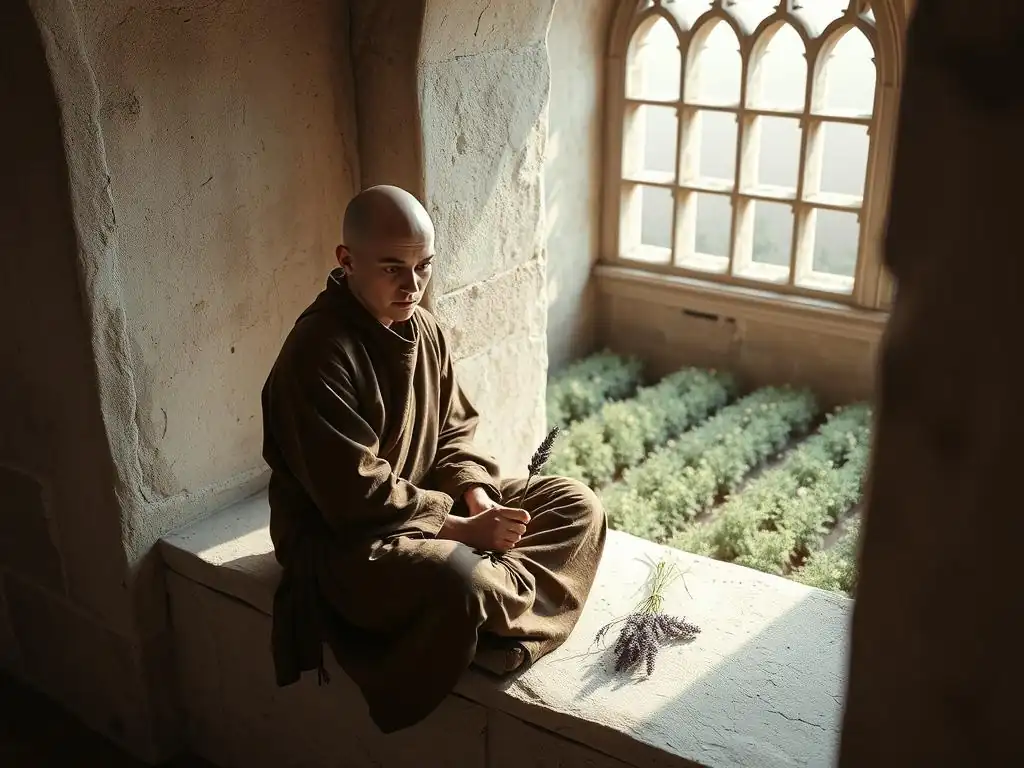
Practical Strategies for Managing Daily Life Challenges
Beyond formal treatments, people in the Middle Ages employed various practical strategies to cope with the inherent stresses and anxieties of daily life, which included threats of famine, disease, violence, and harsh living conditions. These Medieval mental wellbeing strategies were often embedded within the social and economic fabric of the time. Engaging in regular, often physically demanding, work provided structure and a sense of accomplishment. Participation in community activities, festivals, and communal labor fostered social bonds and mutual support, helping individuals feel less alone in their struggles.
Seeking counsel from trusted figures, such as village elders, priests, or family members, was a common way to process difficulties and find practical solutions or emotional support. Storytelling, music, and communal gatherings offered forms of distraction, entertainment, and emotional release. While not always labeled as mental health strategies, these everyday practices served as vital coping mechanisms for managing stress and building resilience within the context of Medieval life.
Pilgrimages for Stress Reduction
Pilgrimages were multifaceted journeys with significant potential as Medieval mental wellbeing strategies for managing stress and anxiety. While primarily undertaken for religious devotion, penance, or seeking divine intervention, the act of pilgrimage itself offered numerous psychological benefits. Leaving behind the familiar stresses of home and work, the pilgrim embarked on a journey with a clear purpose. The physical act of walking, often over long distances, provided a release for pent-up energy and tension.
Pilgrimages also fostered a strong sense of camaraderie among fellow travelers, providing social support and shared experience. Encountering new places and people offered distraction and broadened perspectives. The destination, a holy site, represented hope, healing, and spiritual renewal, providing a powerful psychological anchor for those seeking relief from suffering, including mental distress. This combination of physical activity, social connection, purpose, and hope made pilgrimages a potent, albeit religiously framed, coping mechanism.
Prayer and Meditation for Anxiety Management
Prayer and various forms of meditation were central Medieval mental wellbeing strategies for managing anxiety and finding inner peace. For individuals living in a deeply religious society, prayer offered a direct way to express fears, worries, and anxieties to a higher power, seeking comfort, strength, and intervention. The act of repetitive prayer, such as reciting psalms or the rosary, could function as a form of calming ritual, focusing the mind away from anxious thoughts.
Monastic traditions, in particular, developed sophisticated practices of meditation and contemplative prayer (like Lectio Divina), aimed at achieving spiritual insight and inner tranquility. While distinct from modern secular mindfulness or meditation, these practices involved focused attention, reflection, and a deliberate effort to quiet the mind and connect with the divine. For many in the Middle Ages, these spiritual disciplines provided essential tools for navigating the turbulent waters of anxiety and finding a sense of peace and acceptance.
Challenging Misconceptions About Medieval Mental Health
Debunking Myths: Medieval Mental Health Care Was Not Always Cruel
A common misconception is that Medieval approaches to mental health were solely characterized by cruelty, torture, and indiscriminate confinement. While harsh conditions and lack of understanding certainly existed, portraying the entire era as uniformly barbaric is inaccurate. Care for the mentally distressed was often rooted in Christian charity, particularly within religious institutions. Monasteries and hospitals sometimes offered shelter and basic care, viewing it as a religious duty to aid the suffering.
Furthermore, many individuals experiencing mental distress remained within their families and communities, receiving care and support from loved ones and neighbors, albeit with varying degrees of understanding and acceptance. While some practices like restraint were used, particularly for individuals deemed dangerous, the widespread institutionalization and systematic abuse often depicted in popular culture is not fully representative of the complex reality. Medieval mental wellbeing strategies varied greatly depending on social class, location, the nature of the perceived illness, and the specific beliefs held by those providing care.
The Nuances of Medieval Beliefs and Practices
Understanding Medieval mental health requires appreciating the nuances of their beliefs and practices. Explanations for distress were not monolithic; demonic possession coexisted with humoral theories, and folk beliefs often blended with learned medicine. This meant that responses could range from exorcism and prayer to herbal remedies, dietary changes, or even surgical interventions like trepanning (though its frequency and purpose for mental illness are debated).
Moreover, the application of these Medieval mental wellbeing strategies was not always consistent or standardized. Practices varied between regions, social classes, and the type of healer or institution involved. A wealthy individual might consult a university-trained physician relying on humoral theory, while a poor villager might turn to a local wise woman or priest. Recognizing this diversity and the interplay of different belief systems provides a more accurate and less simplistic view of how mental distress was perceived and addressed in the Middle Ages.
Recognizing the Progress and Limitations of Medieval Understanding
It is crucial to acknowledge both the limitations and, within their context, the progress of Medieval understanding of mental health. The primary limitation was the lack of a scientific understanding of the brain and psychological processes. Theories like humoral imbalance or demonic influence, while logical within their worldviews, did not accurately reflect the biological or psychological roots of mental disorders. This limited the effectiveness and safety of many Medieval mental wellbeing strategies.
However, within the constraints of their knowledge, Medieval society did attempt to provide care, explanation, and support. The development of early hospitals and the role of monasteries, the integration of spiritual and physical practices, and the reliance on community networks represented efforts, albeit imperfect, to address suffering. Recognizing this allows us to appreciate the significant advancements made since the Middle Ages in scientific understanding, diagnosis, and the development of effective treatments, while also learning from the historical emphasis on community and holistic well-being that informed some Medieval mental wellbeing strategies.
Conclusion: Integrating Historical Insights into Modern Mental Wellbeing Practices
The Ongoing Evolution of Mental Health Care
The history of mental health care is a narrative of continuous evolution, marked by shifts in understanding, belief, and practice. From the spiritual and humoral explanations of the Middle Ages to the rise of asylum systems, the development of psychoanalysis, the advent of psychopharmacology, and the modern emphasis on community care and integrated approaches, our methods for addressing mental distress have transformed dramatically. This historical journey underscores that our current understanding and treatments are not static but are part of an ongoing process of discovery and refinement.
Studying Medieval mental wellbeing strategies highlights how societal values, scientific knowledge, and available resources shape approaches to mental health. It reminds us that progress is often incremental and that even well-intentioned practices can be limited by the knowledge of their time. Recognizing this ongoing evolution encourages humility about our current knowledge and openness to future developments in understanding and supporting mental wellbeing.
Interdisciplinary Approaches to Historical Mental Health Research
Understanding Medieval mental wellbeing strategies is best achieved through interdisciplinary research. Historians examine texts, records, and societal structures. Archaeologists uncover physical evidence of hospitals or care settings. Medical historians analyze past medical theories and practices. Psychologists and psychiatrists can offer insights into how historical descriptions of symptoms might relate to modern diagnostic categories, while also emphasizing the cultural context.
Combining these perspectives provides a richer, more nuanced picture than any single discipline could offer. It allows us to move beyond simplistic myths and appreciate the complexity of Medieval attitudes and attempts at care. This interdisciplinary approach not only deepens our understanding of the past but also informs our present, encouraging a more integrated view of mental health that considers historical context, cultural factors, and the interplay of mind, body, and environment, echoing the unintended holism found in some Medieval mental wellbeing strategies.
Promoting a More Compassionate and Informed Approach to Mental Wellbeing
Exploring the history of Medieval mental wellbeing strategies, with all their limitations and unexpected insights, ultimately serves to promote a more compassionate and informed approach to mental wellbeing today. Understanding the struggles and beliefs of people in the past fosters empathy, highlighting the enduring human vulnerability to mental distress and the universal desire for relief and healing. It also encourages us to be critical of simplistic narratives about mental illness, both historical and contemporary.
By learning from the past, we can better appreciate the progress made in reducing stigma (though much work remains), improving diagnosis, and developing effective treatments. We can also be reminded of the value of community, simple practices, and holistic perspectives that were sometimes central to Medieval mental wellbeing strategies. Integrating these historical insights into modern discourse helps create a more informed public, encourages a less judgmental attitude towards those experiencing mental health challenges, and supports the ongoing effort to build a more compassionate and effective system of care for everyone.
Frequently Asked Questions
How did medieval societies view mental illness, and how did that perception impact treatment approaches?
Medieval societies often attributed mental illness to spiritual causes like demonic possession or divine punishment. This led to treatments involving exorcism, prayer, and religious rituals.
What were some common medieval strategies for promoting mental wellbeing, beyond religious practices?
Beyond religion, medieval strategies included communal living, physical labor, and connection with nature. These fostered social support, stress reduction, and a sense of purpose.
Were there any specific medicinal herbs or natural remedies used in medieval times to address mental health concerns?
Yes, certain herbs like St. John's Wort and lavender were used for their calming and mood-boosting properties. These remedies were often administered by apothecaries or healers.
How did the concept of "community" contribute to mental wellbeing in the medieval period?
Strong community bonds provided social support and a sense of belonging, crucial for coping with stress and isolation. This interconnectedness acted as a buffer against mental distress.
Can modern society learn anything valuable from medieval approaches to mental wellbeing?
Absolutely! The emphasis on community, nature, and meaningful activity offers valuable insights for modern mental health strategies. Reconnecting with these elements can enhance overall well-being.
Final Reflection: Echoes of the Medieval Mind: Finding Wellbeing in the Modern Age
The enduring wisdom of medieval approaches to mental wellbeing offers a powerful counterpoint to the frenetic pace of modern life. We often assume that mental health strategies are a purely modern invention, yet a closer examination of medieval practices reveals a surprising depth of understanding about the interconnectedness of mind, body, and spirit. These historical insights, far from being relics of a bygone era, provide a valuable framework for navigating the challenges of the 21st century.
The emphasis on community, nature, and spiritual practices found in medieval approaches resonates deeply with contemporary movements towards mindfulness, holistic wellbeing, and a reconnection with the natural world. These seemingly simple strategies – spending time in nature, engaging in creative pursuits, fostering strong social connections – were not merely diversions but integral components of a holistic approach to mental wellbeing. As the poet William Wordsworth eloquently stated, Nature never did betray the heart that loved her.
This sentiment, expressed centuries ago, continues to hold profound truth in our increasingly technology-driven world.
Consider the lessons learned from this exploration of medieval mental wellbeing strategies. How can you incorporate these ancient practices into your own life? Perhaps it's a daily walk in nature, a commitment to creative expression, or a conscious effort to nurture your relationships. The path to wellbeing is not a destination, but a journey of self-discovery, and the wisdom of the past can illuminate the way forward. Embrace the echoes of the medieval mind, and discover the enduring power of these timeless strategies to enhance your own mental and emotional health.
Unlock Your Inner Resilience: Practical Steps to Wellbeing
Thanks for taking the time to explore medieval approaches to mental wellbeing! We hope you found insightful ways to connect with your inner strength and resilience. Now, let's put these historical perspectives into action:
- Cultivate a mindful practice: Start a daily journal to reflect on your emotions and identify patterns. Even 5 minutes of quiet reflection can make a significant difference. This is your primary step toward integrating these ancient wisdoms.
- Engage with your community: Share this article with someone who might benefit from these historical insights. Starting a conversation is a powerful way to promote mental health awareness.
- Explore creative outlets: Try a new craft, write poetry, or simply spend time in nature. Re-discovering creative expression is a potent tool for emotional processing and self-discovery.
What unique practice will you begin today to nurture your inner resilience?