
Pranayama Power: Breathing Techniques for Mental Clarity

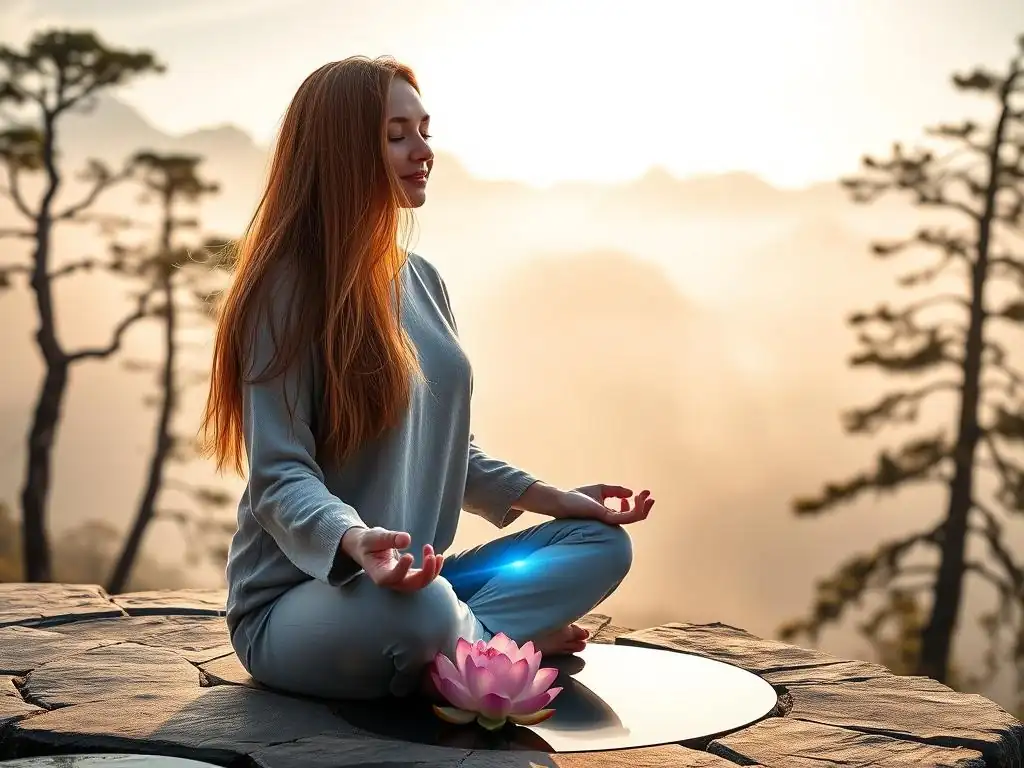
Welcome to Mind Care Guide, a sanctuary for your mental well-being. Feeling overwhelmed by anxiety? You're not alone. Discover how the ancient practice of Pranayama can be a powerful tool for finding calm and clarity in the chaos. Could simple breathing techniques truly unlock inner peace? Explore our comprehensive guide to "Pranayama for anxiety relief" and begin your journey toward a more balanced and peaceful you.
Pranayama Power: Breathing Techniques for Mental Clarity
- Introduction to Pranayama and Mental Well-being
- Key Pranayama Techniques for Anxiety and Stress
- Pranayama for Specific Anxiety-Related Conditions
- Integrating Pranayama into Your Daily Life
- Precautions and Considerations for Pranayama Practice
- Advanced Pranayama Techniques
- Conclusion: Empowering Mental Clarity Through Pranayama
-
Frequently Asked Questions
- What is Pranayama, and how can it help with anxiety?
- How does Pranayama differ from regular deep breathing exercises for anxiety?
- Which Pranayama techniques are most effective for relieving anxiety according to Mind Care Guide?
- How often should I practice Pranayama to experience anxiety relief?
- Are there any precautions I should take before starting Pranayama, especially if I have underlying health conditions?
- Final Reflection: The Breath as a Bridge to Calm
- Unlock Your Inner Calm: Breathe Your Way to Clarity
Introduction to Pranayama and Mental Well-being
Understanding Pranayama: The Science of Breath Control
Pranayama is a core component of yoga, extending beyond physical postures (asana). It is the practice of conscious breath control, derived from the Sanskrit words "prana" (life force or vital energy) and "ayama" (extension, expansion, or control). Ancient yogic texts, such as the Hatha Yoga Pradipika, describe Pranayama as a powerful tool for purifying the subtle energy channels (nadis) and calming the mind. The practice involves various techniques for regulating the inhalation, exhalation, and retention of breath, influencing not just respiratory function but also physiological and psychological states.
Modern science is increasingly validating the profound effects of Pranayama. Research indicates that controlled breathing techniques can directly impact the autonomic nervous system (ANS), which governs involuntary bodily functions like heart rate, digestion, and stress response. By consciously manipulating the breath, individuals can shift the balance from the sympathetic nervous system (responsible for the "fight or flight" response often heightened in anxiety) towards the parasympathetic nervous system (responsible for the "rest and digest" state). This physiological shift is key to understanding how Pranayama contributes to mental well-being and serves as a powerful tool for Pranayama for anxiety relief.
The Link Between Breath, Mind, and Anxiety Reduction
The connection between breath and mental state is bidirectional and deeply ingrained in human physiology. When we experience stress, fear, or anxiety, our breathing typically becomes shallow, rapid, and irregular, often confined to the chest. This pattern signals the brain that there might be danger, further activating the stress response and creating a feedback loop that intensifies feelings of anxiety. Conversely, when we feel calm and relaxed, our breathing is naturally slower, deeper, and more rhythmic, engaging the diaphragm.
Consciously altering your breath through Pranayama techniques can interrupt this negative feedback loop. By deliberately slowing down and deepening the breath, you send signals of safety and calm to the brain. This activates the vagus nerve, a major component of the parasympathetic nervous system, which helps to lower heart rate, reduce blood pressure, and decrease the release of stress hormones like cortisol. This physiological calming effect directly translates into reduced feelings of anxiety, improved emotional regulation, and greater mental clarity. Practicing Pranayama for anxiety relief leverages this fundamental mind-body connection.
Pranayama for Anxiety Relief: An Overview
Pranayama offers a practical and accessible pathway to managing anxiety by providing tools to regulate the nervous system and quiet the mental chatter often associated with anxious states. Unlike some other therapeutic approaches that might focus solely on cognitive restructuring, Pranayama addresses the physiological manifestations of anxiety, such as rapid heart rate, shortness of breath, and muscle tension, alongside the mental component. Regular practice can build resilience to stress, reduce the frequency and intensity of anxious episodes, and enhance overall emotional stability.
Various Pranayama techniques target different aspects of anxiety. Some, like Diaphragmatic Breathing, are foundational for calming the nervous system and can provide immediate relief during moments of panic or heightened stress. Others, such as Nadi Shodhana, aim to balance energy channels and promote overall mental equilibrium, beneficial for long-term anxiety management. Incorporating Pranayama for anxiety relief into a daily routine can empower individuals with a powerful self-regulation tool, fostering a sense of control and presence even amidst challenging situations.
Key Pranayama Techniques for Anxiety and Stress
Diaphragmatic Breathing (Belly Breathing) for Calming the Nervous System
Diaphragmatic breathing, often called belly breathing, is a fundamental Pranayama technique that emphasizes the use of the diaphragm, a large, dome-shaped muscle located at the base of the chest cavity. This type of breathing is natural in infants and during sleep but is often lost in adults due to stress, poor posture, and sedentary lifestyles, leading to shallow chest breathing. Engaging the diaphragm allows for deeper inhalations, bringing more oxygen into the lungs and promoting a more efficient exchange of gases.
The primary benefit of diaphragmatic breathing for anxiety lies in its direct influence on the autonomic nervous system. By promoting slow, deep inhalations and complete exhalations, this technique activates the parasympathetic nervous system. This activation counteracts the "fight or flight" response triggered by anxiety, leading to a cascade of calming physiological effects. It helps to lower heart rate, reduce blood pressure, relax muscle tension, and decrease the levels of stress hormones circulating in the body. Mastering this basic technique is often the first step in using Pranayama for anxiety relief.
How to Practice Diaphragmatic Breathing for Anxiety
Practicing diaphragmatic breathing is straightforward and can be done anywhere, anytime you feel anxious or stressed. Start by finding a comfortable position, either sitting upright with a straight spine or lying on your back with knees bent. Place one hand on your chest and the other on your abdomen, just below the rib cage. The hand on your chest should remain relatively still throughout the exercise, while the hand on your abdomen should rise and fall with each breath.
Gently inhale deeply through your nose, allowing your abdomen to expand like a balloon. Feel the hand on your belly rise as you fill your lungs from the bottom up. Your chest should move minimally. Exhale slowly and completely through your mouth, gently contracting your abdominal muscles to push the air out.
Feel the hand on your belly fall back towards your spine. Aim for smooth, continuous breaths, perhaps counting silently to four during the inhale and six during the exhale. Repeat this process for several minutes, focusing solely on the sensation of your breath moving in and out of your abdomen. Consistent practice enhances its effectiveness as a tool for Pranayama for anxiety relief.
Benefits of Diaphragmatic Breathing for Mental Clarity
Beyond its immediate calming effects on the nervous system, regular practice of diaphragmatic breathing offers numerous long-term benefits for mental clarity and overall well-being. By reducing the chronic physiological stress response, it helps decrease generalized feelings of tension and worry that often cloud the mind. The increased oxygen intake supports brain function, potentially improving focus, concentration, and cognitive performance.
Furthermore, the practice itself serves as a form of mindfulness. By directing attention to the breath and the physical sensations in the abdomen, it pulls the mind away from anxious thoughts about the past or future and anchors it in the present moment. This present-moment awareness is a powerful antidote to rumination, a common feature of anxiety disorders. Over time, incorporating diaphragmatic breathing into your routine can cultivate a greater sense of inner peace, emotional resilience, and a clearer, more focused mind, significantly contributing to Pranayama for anxiety relief.
Ujjayi Breath (Ocean Breath) for Focus and Relaxation
Ujjayi breath, often translated as "victorious breath" or "ocean breath," is characterized by a gentle constriction in the back of the throat during both inhalation and exhalation, creating a soft, oceanic sound. This technique is widely used in dynamic yoga practices like Vinyasa and Ashtanga but is also a powerful standalone Pranayama for anxiety relief and mental focus. The subtle friction created in the throat helps to slow down the breath, making it longer and more controlled.
The calming effect of Ujjayi breath stems from its rhythmic nature and the gentle internal sound it produces. The prolonged exhalation characteristic of Ujjayi further stimulates the parasympathetic nervous system, promoting relaxation. The continuous sound also acts as an anchor for the mind, similar to a mantra, helping to draw awareness inward and quiet distracting thoughts. This makes it particularly effective for enhancing concentration during meditation or yoga practice, and for finding a sense of calm amidst mental turbulence.
Performing Ujjayi Breath: A Step-by-Step Guide
To practice Ujjayi breath, find a comfortable seated position with a straight spine. Close your eyes gently. Begin by breathing normally for a few moments to settle in. Then, slightly constrict the back of your throat, as if you were trying to fog up a mirror with your breath, but keep your mouth closed. Inhale slowly and deeply through your nose, maintaining this gentle constriction. You should hear a soft, whispering sound in your throat.
Exhale slowly and completely through your nose, maintaining the same gentle constriction in the throat. The sound should be audible but not forced or strained, resembling the sound of ocean waves or a gentle snore. Continue this rhythmic breathing, ensuring the inhale and exhale are smooth and controlled. Focus on the sound and the sensation of the breath moving in and out. Start with a few minutes and gradually increase the duration as you become more comfortable. Consistent practice of Ujjayi breath strengthens its impact as a technique for Pranayama for anxiety relief.
Ujjayi Breath and its Impact on Anxiety
Regular practice of Ujjayi breath can have a significant positive impact on managing anxiety. The slow, deliberate rhythm of the breath helps to regulate heart rate variability, an indicator of the body's ability to handle stress. By extending the exhalation, Ujjayi activates the parasympathetic nervous system more effectively than normal breathing, promoting a deeper state of relaxation. This sustained calming signal helps to quiet the anxious mind and reduce the physical symptoms of stress.
Furthermore, the focused attention required to maintain the Ujjayi sound and constriction acts as a powerful tool for mindfulness. It provides the mind with a specific point of focus, diverting attention away from anxious thoughts and worries. This redirection of mental energy can help to break cycles of rumination and bring a sense of presence and calm. Incorporating Ujjayi breath into your routine, especially during stressful moments, can be an effective strategy for Pranayama for anxiety relief, offering a steady anchor amidst emotional storms.
Nadi Shodhana Pranayama (Alternate Nostril Breathing) for Balance
Nadi Shodhana, meaning "channel purification," is a gentle yet powerful Pranayama technique that involves breathing alternately through the left and right nostrils. According to yogic philosophy, this practice balances the ida (lunar, cooling, feminine) and pingala (solar, heating, masculine) nadis, or energy channels, which are said to correspond to the left and right sides of the brain and the parasympathetic and sympathetic nervous systems, respectively. By balancing these energies, Nadi Shodhana promotes harmony within the mind and body.
Scientifically, Nadi Shodhana has been shown to impact brain hemisphere activity and autonomic nervous system balance. Studies suggest that breathing through the right nostril primarily stimulates the sympathetic nervous system, while breathing through the left nostril stimulates the parasympathetic nervous system. Alternate nostril breathing helps to regulate this balance, leading to a state of greater equilibrium. This makes it an excellent technique for reducing overall stress, calming the nervous system, and promoting mental clarity, making it highly effective as Pranayama for anxiety relief.
Nadi Shodhana Technique: Balancing the Nervous System
To practice Nadi Shodhana, sit comfortably with a straight spine. Bring your right hand up towards your face. Close your right nostril with your right thumb. Exhale completely through your left nostril. Inhale slowly and deeply through your left nostril. Close your left nostril with your right ring and little fingers, releasing the thumb from the right nostril. Exhale slowly and completely through your right nostril.
Inhale slowly and deeply through your right nostril. Close your right nostril with your thumb, releasing the ring and little fingers from the left nostril. Exhale slowly and completely through your left nostril. This completes one cycle. Continue alternating the breath between nostrils, always inhaling through the nostril you just exhaled from. Maintain a smooth, even rhythm for both inhalations and exhalations. Practice for 5-10 minutes. This technique provides a structured approach to using Pranayama for anxiety relief by actively balancing physiological responses.
How Alternate Nostril Breathing Reduces Anxiety
The balancing effect of Nadi Shodhana directly addresses the physiological imbalances often associated with anxiety. Anxiety is frequently linked to an overactive sympathetic nervous system. By alternating between activating the parasympathetic (left nostril) and sympathetic (right nostril) pathways in a controlled manner, Nadi Shodhana helps to regulate the autonomic nervous system, reducing the dominance of the stress response. This leads to decreased heart rate, lower blood pressure, and a reduction in the physical sensations of anxiety.
Mentally, the focused attention required to perform the alternate nostril sequence acts as a meditative practice. It requires concentration on the breath and the movement of the hand, drawing the mind away from anxious thoughts and worries. This focused awareness promotes a state of calm presence. Regular practice of Nadi Shodhana can help to create a more stable emotional baseline, making individuals less reactive to stressors and improving their ability to manage anxious feelings when they arise. It is a powerful method of using Pranayama for anxiety relief by promoting internal harmony.
Bhramari Pranayama (Humming Bee Breath) for Stress Reduction
Bhramari Pranayama, or Humming Bee Breath, is a soothing technique that involves making a low-pitched humming sound during the exhalation while keeping the ears closed. The vibration and sound produced during this practice have a profoundly calming effect on the nervous system. It is a relatively simple technique that can be practiced almost anywhere and is particularly effective for quieting a busy mind and reducing immediate stress and tension.
The therapeutic benefits of Bhramari are attributed to the vibrations created in the head and chest, which are believed to have a calming effect on the brain. The prolonged exhalation and the gentle pressure applied to the ears also stimulate the vagus nerve, further enhancing the parasympathetic response. Studies have indicated that Bhramari can help to lower blood pressure, reduce respiratory rate, and decrease symptoms of stress and anxiety. Its gentle nature makes it accessible even for those new to Pranayama for anxiety relief.
Practicing Bhramari Pranayama: The Humming Technique
To practice Bhramari Pranayama, sit comfortably with a straight spine. Close your eyes. You can either rest your hands on your knees or use Shanmukhi Mudra, where you gently close your ears with your thumbs, eyes with your index fingers, nostrils with your middle fingers, and mouth corners with your ring and little fingers (though simply closing the ears is sufficient for the basic practice).
Inhale deeply through your nose. As you exhale slowly and steadily through your nose, make a continuous, low-pitched humming sound, like the buzzing of a bee. Keep your mouth closed throughout the exhalation. Focus on the vibration and sound resonating in your head and chest. Once the exhalation is complete, inhale again and repeat the humming sound on the next exhalation. Practice for 5-10 rounds, allowing yourself to fully immerse in the soothing vibrations. This simple yet powerful technique is a valuable addition to your practice of Pranayama for anxiety relief.
Stress Relief and Anxiety Management with Bhramari
Bhramari Pranayama is particularly effective for providing quick relief from stress and anxiety due to its immediate impact on the nervous system. The humming sound and vibration create a calming internal environment that helps to quiet mental chatter and reduce the intensity of anxious thoughts. It provides a focal point for the mind, diverting attention away from external stressors and internal worries.
Beyond immediate relief, regular practice of Bhramari can contribute to long-term anxiety management. By consistently activating the parasympathetic nervous system, it helps to lower the body's baseline stress levels. It can be particularly helpful in reducing feelings of overwhelm, frustration, and agitation. Incorporating Bhramari into your daily routine, especially before stressful events or at bedtime, can significantly enhance your capacity for stress relief and serve as a comforting practice for Pranayama for anxiety relief.
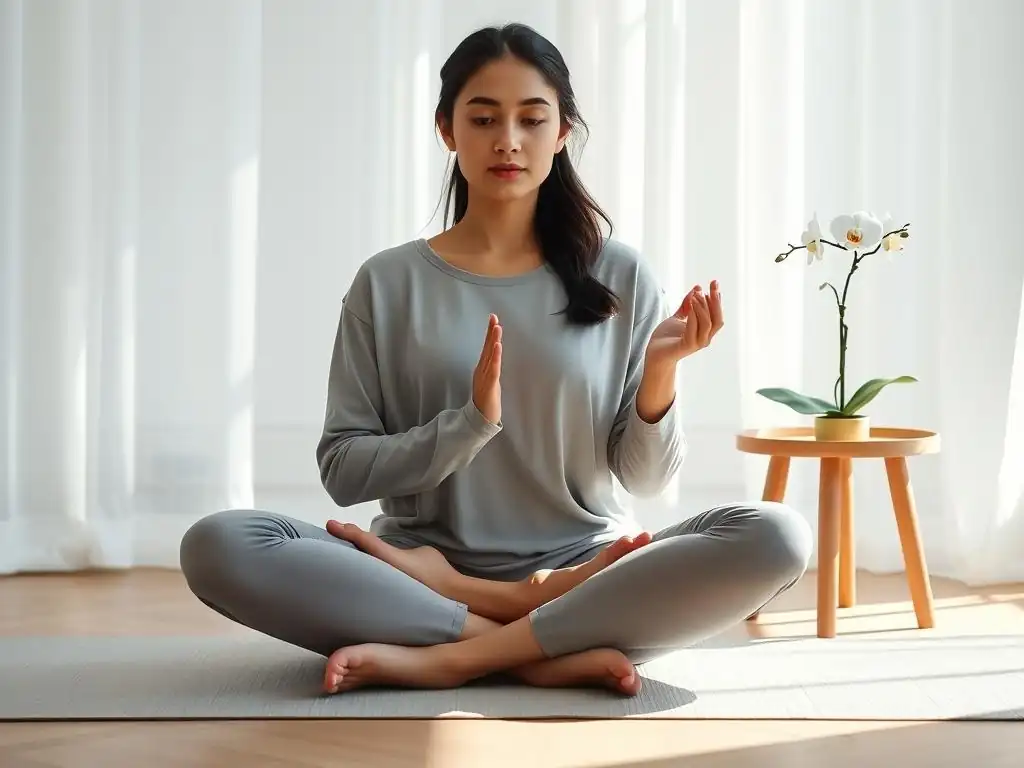
Pranayama for Panic Attacks: Techniques for Immediate Relief
During a panic attack, the sympathetic nervous system is in overdrive, leading to intense physical symptoms like rapid heart rate, shortness of breath, chest pain, and dizziness. Breathing becomes shallow and fast, often triggering hyperventilation, which can worsen the panic. The key to using Pranayama for panic attacks is to interrupt this cycle by immediately engaging the parasympathetic nervous system and regaining control of the breath.
Techniques like Diaphragmatic Breathing (Belly Breathing) are invaluable in these moments. By consciously slowing down and deepening the breath, focusing on expanding the abdomen on the inhale and contracting on the exhale, you send a powerful signal to the brain that you are safe. This helps to regulate heart rate and breathing rhythm, counteracting the physiological symptoms of panic.
Another effective technique is simple paced breathing, such as inhaling for a count of four and exhaling for a count of six or eight, focusing solely on the counting and the breath. Having one or two go-to techniques for immediate Pranayama for anxiety relief during a panic attack can make a significant difference.
Social anxiety involves intense fear and self-consciousness in social interactions, often leading to avoidance behaviors and significant distress. Physical symptoms like blushing, sweating, trembling, and rapid heart rate are common, often triggered by anticipation or actual exposure to social situations. Pranayama can help manage both the physiological and psychological aspects of social anxiety.
Practicing calming techniques like Ujjayi breath or Nadi Shodhana before entering a social situation can help to lower baseline anxiety levels and promote a sense of calm presence. During the situation itself, subtle diaphragmatic breathing can be practiced discreetly to manage rising anxiety. The focus required for these techniques also helps to shift attention away from self-scrutiny and anxious thoughts, allowing for greater presence and engagement in the interaction. Regular practice builds confidence in one's ability to manage anxiety in challenging environments, enhancing the effectiveness of Pranayama for anxiety relief in social contexts.
Pranayama for Generalized Anxiety Disorder (GAD): Long-Term Management
Generalized Anxiety Disorder (GAD) is characterized by persistent and excessive worry about various aspects of life, often accompanied by symptoms like restlessness, fatigue, difficulty concentrating, irritability, muscle tension, and sleep disturbances. Managing GAD requires a consistent, multifaceted approach, and Pranayama can be a powerful tool for long-term management.
Regular, consistent practice of Pranayama techniques like Nadi Shodhana, Ujjayi breath, and Diaphragmatic breathing helps to regulate the autonomic nervous system over time, reducing chronic stress levels and promoting a more stable emotional state. Pranayama cultivates mindfulness, which helps individuals become more aware of their anxious thought patterns without getting swept away by them. By incorporating a daily Pranayama routine, individuals with GAD can build resilience to stress, reduce the frequency and intensity of worries, improve sleep quality, and cultivate a greater sense of inner peace, demonstrating the long-term benefits of Pranayama for anxiety relief.
Integrating Pranayama into Your Daily Life
Creating a Pranayama Practice for Anxiety Relief
Integrating Pranayama into your daily life requires intention and consistency, much like any new habit. Start small. Even 5-10 minutes of dedicated practice each day can yield significant benefits for anxiety relief. Choose a time that works best for you – perhaps first thing in the morning to set a calm tone for the day, during a lunch break to de-stress, or in the evening to unwind before sleep. Find a quiet, comfortable space where you won't be interrupted.
Begin with one or two techniques that resonate with you, such as Diaphragmatic Breathing or Nadi Shodhana. As you become more comfortable, you can explore other techniques like Ujjayi or Bhramari. Consider using an app or following guided audio/video sessions initially to help you learn the techniques correctly and maintain consistency. The key is to make it a non-negotiable part of your routine, viewing it as essential self-care for managing your mental well-being and leveraging Pranayama for anxiety relief effectively.
Tips for Staying Consistent with Your Breathing Exercises
Consistency is crucial for experiencing the full benefits of Pranayama for anxiety relief. Life happens, and it's easy to let the practice slide. Here are some tips to help you stay on track:
- Schedule it: Treat your Pranayama time like any other important appointment. Put it in your calendar.
- Start Small: If 10 minutes feels daunting, commit to just 3-5 minutes. Even a short session is beneficial.
- Stack Habits: Link your Pranayama practice to an existing habit, like before your morning coffee or after brushing your teeth.
- Be Flexible: On busy days, a few minutes of mindful breathing while waiting in line or during a commute is better than skipping entirely.
- Track Your Progress: Note how you feel before and after your practice in a journal. Seeing the positive impact can be highly motivating.
- Practice with Others: Join a yoga class or find an online community. Practicing with others can provide accountability and support.
- Be Patient and Kind: Some days will be easier than others. If you miss a session, don't dwell on it; just pick up where you left off the next day.
Combining Pranayama with Other Mental Wellness Practices
Pranayama is most effective when integrated into a broader approach to mental wellness. It complements other practices beautifully. For example, combining Pranayama with mindfulness meditation can deepen your ability to stay present and observe thoughts without judgment. Practicing Pranayama before or after physical exercise, like yoga or walking, can enhance the calming and stress-reducing effects of movement.
Nutrition, adequate sleep, and social connection are also vital components of mental health. Pranayama can support these areas – for instance, by reducing stress that might interfere with sleep or healthy eating choices. Consider how breathing techniques can fit into your existing self-care routine. Perhaps a few rounds of Bhramari before bed to improve sleep, or Nadi Shodhana in the afternoon to combat the "mid-day slump." By weaving Pranayama into your overall wellness strategy, you create a more robust system for managing anxiety and promoting mental clarity. This holistic approach maximizes the benefits of Pranayama for anxiety relief.
Precautions and Considerations for Pranayama Practice
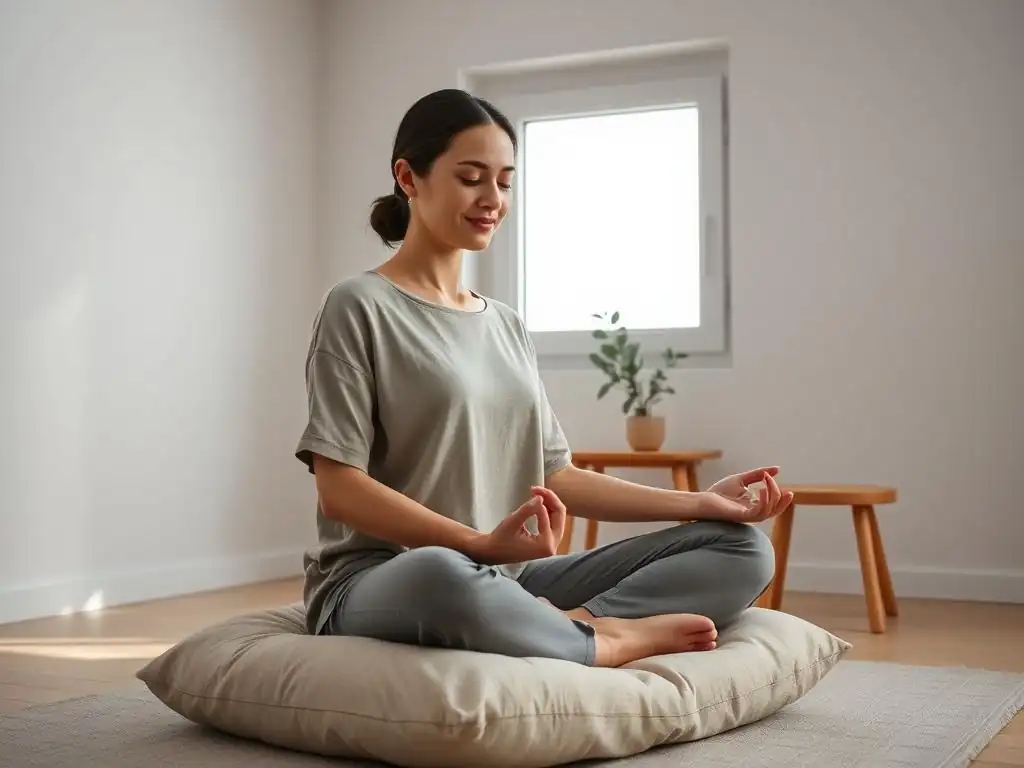
Contraindications and Safety Guidelines for Breathing Exercises
While Pranayama is generally safe and beneficial, certain techniques may not be suitable for everyone, and it's important to be aware of potential contraindications. Individuals with severe heart conditions, high or low blood pressure, respiratory issues like asthma or COPD, or a history of panic attacks should approach certain vigorous or breath-holding techniques with caution or avoid them altogether. Techniques involving forceful exhalations or prolonged breath retention (like Kapalabhati or Kumbhaka) might be contraindicated or require modification.
It is crucial to listen to your body and never strain or force the breath. If you feel dizzy, lightheaded, or experience any discomfort, stop the practice immediately and return to natural breathing. Pregnant women should consult with a healthcare provider and a qualified instructor before practicing Pranayama, as certain techniques need modification or avoidance. Always practice in a well-ventilated space. When starting Pranayama for anxiety relief, it's best to begin with gentle techniques like Diaphragmatic Breathing or Nadi Shodhana.
When to Seek Guidance from a Qualified Yoga Instructor
Learning Pranayama from a qualified and experienced yoga instructor or therapist specializing in breathwork is highly recommended, especially if you have pre-existing health conditions or are dealing with significant anxiety. An instructor can assess your individual needs, guide you through the techniques correctly, and offer modifications based on your health status and comfort level.
They can also help you understand the nuances of each breath technique and its energetic effects, ensuring you practice safely and effectively. For individuals using Pranayama for anxiety relief as a therapeutic tool, an instructor can help tailor the practice to your specific symptoms and challenges. While many resources are available online, personalized guidance ensures that you are practicing in a way that supports your well-being and avoids potential harm or exacerbation of symptoms.
Listening to Your Body: Adjusting Pranayama to Your Needs
One of the most important principles in Pranayama is ahimsa (non-harming), which includes being kind and attentive to your own body. Your capacity for breath control may vary from day to day depending on your energy levels, stress, and physical health. It's essential to practice with awareness and adjust the techniques to match your current state.
If you feel tired, choose a calming practice like Bhramari or slow Diaphragmatic Breathing. If you feel restless and need grounding, Nadi Shodhana might be helpful. Avoid pushing yourself into discomfort or trying to achieve perfect ratios or durations from the outset. The goal is not performance but cultivating a mindful connection with your breath and body. Pay attention to how different techniques make you feel and notice any subtle shifts in your energy and mental state. This attunement is key to a sustainable and beneficial Pranayama practice for anxiety relief.
Advanced Pranayama Techniques
Kapalabhati (Skull Shining Breath) for Energizing the Mind
Kapalabhati, often translated as "skull shining breath," is a cleansing and energizing Pranayama technique characterized by short, forceful exhalations followed by passive inhalations. It is considered a kriya (cleansing practice) in some traditions due to its rapid nature and potential to clear the nasal passages and lungs. Unlike the calming techniques discussed earlier, Kapalabhati is stimulating and is often practiced in the morning or before meditation to awaken the mind and body.
The forceful exhalations in Kapalabhati engage the abdominal muscles and create heat in the body. This vigorous pumping action is said to increase oxygen supply, improve circulation, and stimulate the brain, leading to increased alertness and mental clarity. While not a primary technique for reducing anxiety during an acute episode, regular, appropriate practice can build resilience and improve overall energy levels, which can indirectly support mental well-being.
However, due to its stimulating nature, it should be approached with caution, especially by individuals with high blood pressure, heart conditions, or active anxiety symptoms. It is generally not recommended as a direct Pranayama for anxiety relief during heightened states.
Sheetali Pranayama (Cooling Breath) for Reducing Body Heat and Anxiety
Sheetali Pranayama, or Cooling Breath, is a technique specifically designed to cool the body and calm the mind. It involves breathing through a curled tongue (or pursed lips if you cannot curl your tongue) and exhaling through the nose. This practice is particularly beneficial in warm climates, during hot flashes, or whenever you feel overheated, agitated, or stressed.
The cooling effect of Sheetali comes from drawing air over the moist surface of the tongue or through the narrow opening of the lips, which cools the air before it enters the lungs. This physiological cooling helps to reduce body temperature and has a calming effect on the nervous system, counteracting feelings of heat, irritation, and anxiety. It is a gentle and accessible technique that can provide welcome relief when anxiety manifests with feelings of overheating or restlessness. Sheetali is a valuable tool for Pranayama for anxiety relief when cooling and calming are needed.
Conclusion: Empowering Mental Clarity Through Pranayama
The Lasting Benefits of Pranayama for Anxiety Relief
Pranayama offers a powerful, accessible, and scientifically supported approach to managing anxiety and cultivating mental clarity. Unlike quick fixes, consistent Pranayama practice provides lasting benefits by retraining the nervous system, reducing chronic stress levels, and fostering a deeper connection with the present moment. Regular engagement with techniques like Diaphragmatic Breathing, Ujjayi, Nadi Shodhana, and Bhramari can significantly reduce the frequency and intensity of anxious feelings, improve emotional regulation, and enhance overall resilience to life's stressors.
Beyond simply reducing anxiety symptoms, Pranayama empowers individuals by giving them a tangible tool for self-regulation. It cultivates a sense of agency and control over one's internal state, which is incredibly valuable when dealing with the often overwhelming nature of anxiety. Over time, this practice helps to quiet the incessant mental chatter, improve focus and concentration, and create a foundation for greater inner peace and mental clarity. The cumulative effect of dedicated Pranayama for anxiety relief is a calmer, more stable, and more present way of being.
Embracing Breathwork for a Calmer, More Focused Mind
Embracing breathwork through Pranayama is an invitation to tap into the innate power of your breath to heal and regulate your mind. It is a journey of self-discovery, learning to listen to your body and breath, and using this connection to navigate the challenges of anxiety. Starting a Pranayama practice doesn't require special equipment or a lot of time; it simply requires your willingness to pause and breathe consciously.
Whether you dedicate a specific time each day for a formal practice or simply integrate mindful breathing moments throughout your day, the consistent effort will yield rewards. As you become more comfortable with the techniques, you'll find yourself naturally turning to your breath during moments of stress or anxiety. Pranayama is a gentle yet profound path towards a calmer, more focused, and more resilient mind, proving itself as an invaluable practice for Pranayama for anxiety relief and overall well-being.
Frequently Asked Questions
What is Pranayama, and how can it help with anxiety?
Pranayama is a yogic practice involving controlled breathing techniques. It can help with anxiety by regulating the nervous system and promoting relaxation.
How does Pranayama differ from regular deep breathing exercises for anxiety?
While deep breathing is beneficial, Pranayama incorporates specific patterns and ratios of breath control. This targeted approach can have a deeper impact on mental clarity and anxiety relief.
Which Pranayama techniques are most effective for relieving anxiety according to Mind Care Guide?
Mind Care Guide suggests techniques like Bhramari (Bee Breath) and Nadi Shodhana (Alternate Nostril Breathing). These practices are known for their calming effects and ability to reduce stress.
How often should I practice Pranayama to experience anxiety relief?
Consistency is key; aim for at least 10-15 minutes of Pranayama daily. Regular practice will help you experience sustained benefits for managing anxiety.
Are there any precautions I should take before starting Pranayama, especially if I have underlying health conditions?
Consult with a healthcare professional before starting any new breathing exercises, especially if you have pre-existing respiratory or heart conditions. They can advise on safe and effective practices.
Final Reflection: The Breath as a Bridge to Calm
The power of pranayama extends far beyond mere physical exercise; it's a potent tool for navigating the anxieties of modern life. In a world increasingly characterized by relentless demands and information overload, the ability to find inner stillness and clarity is not a luxury, but a necessity. This article explored various pranayama techniques, demonstrating their efficacy in calming the nervous system and fostering a sense of groundedness. The techniques presented offer a practical pathway to managing stress and anxiety, empowering individuals to take control of their mental well-being.
The impact of pranayama on the cultural landscape is subtly but profoundly felt. More and more people are seeking holistic approaches to mental health, moving beyond solely pharmaceutical solutions. This shift reflects a growing awareness of the mind-body connection and a desire for self-empowerment. The ancient wisdom embedded within pranayama is finding its place in contemporary wellness practices, offering a tangible and accessible path to inner peace. The breath is the bridge between the body and the mind.
This simple yet powerful statement encapsulates the essence of pranayama's transformative potential.
You now hold the key to unlocking a deeper connection with your breath, a tool that can be utilized anytime, anywhere. Consider incorporating even just a few minutes of pranayama practice into your daily routine. Experiment with the techniques discussed, finding what resonates most with you.
Notice the subtle shifts in your energy, your mood, your ability to cope with stress. This is not just about anxiety relief; it's about cultivating a resilient and peaceful mind, capable of navigating the challenges of life with grace and clarity. Embrace the power of your breath; it's a journey of self-discovery waiting to begin.
Unlock Your Inner Calm: Breathe Your Way to Clarity
Thanks for taking the time to explore the power of pranayama! We hope you gained valuable insights into how breathwork can transform your mental well-being. Ready to take the next step?
- Begin your daily pranayama practice: Start with just 5 minutes of the technique that resonated most with you from the article. Consistency is key!
- Share your experience: Tell us (or a friend!) about your initial experience with pranayama. What did you notice? What surprised you?
- Explore other breathing techniques: Dive deeper into the world of breathwork by researching variations of the practices mentioned. You might discover your new favorite way to de-stress!
Ready to experience the transformative power of conscious breathing? What small step will you take today to cultivate more mental clarity?