
Fighting Inflammation for Better Mood: An AntiInflammatory Food Guide


Welcome to Mind Care Guide, a sanctuary dedicated to nurturing your mental well-being. Are you feeling the subtle, yet persistent, drag of a low mood? Could the answer lie not just in your mind, but also on your plate? Delve into our comprehensive guide and discover how an antiinflammatory diet for mood can be a powerful ally in your journey towards a brighter, more balanced you. Let's explore the fascinating connection between food and mood, together.
- Antiinflammatory Diet for Mood: A Mind Care Guide
- The Antiinflammatory Diet for Mood: A Comprehensive Guide
-
Top Antiinflammatory Foods to Improve Your Mood
- Fruits Rich in Antioxidants: Berries, Cherries, and Grapes
- Vegetables Packed with Nutrients: Leafy Greens, Broccoli, and Bell Peppers
- Healthy Fats for Brain Health: Omega-3 Fatty Acids from Salmon and Chia Seeds
- Spices with Antiinflammatory Properties: Turmeric, Ginger, and Garlic
- Probiotic-Rich Foods for a Healthy Gut: Yogurt, Kefir, and Sauerkraut
- Foods to Avoid on an Antiinflammatory Diet for Mood
- Creating Your Antiinflammatory Meal Plan for Better Mood
- Lifestyle Factors to Complement Your Antiinflammatory Diet
- Tracking Your Progress: Monitoring Your Mood and Inflammation Levels
- Maintaining an Antiinflammatory Diet Long-Term
- Conclusion: Embrace an Antiinflammatory Diet for a Happier, Healthier You
- Frequently Asked Questions
- Final Reflection: Nourishing Our Mood Through an Anti-Inflammatory Diet
- Unleash Your Inner Sunshine: Nourish Your Mood Naturally
Antiinflammatory Diet for Mood: A Mind Care Guide
How Inflammation Affects Mental Health
Chronic, low-grade inflammation in the body has emerged as a significant factor potentially contributing to mental health challenges, including depression and anxiety. Research indicates that inflammatory molecules, known as cytokines (such as IL-6 and TNF-alpha), can signal the brain and disrupt various processes crucial for mood regulation. These processes include neurotransmitter metabolism, neuroendocrine function, and neurogenesis (the creation of new brain cells). Elevated levels of these inflammatory markers have been observed in studies involving individuals diagnosed with major depressive disorder, often correlating with the severity of their symptoms.
Furthermore, inflammation can impact the brain's structure and function. It can increase the permeability of the blood-brain barrier, allowing more inflammatory substances to enter the brain tissue. This neuroinflammation can impair the function of glial cells, which support neurons, and even damage neuronal pathways involved in mood, motivation, and cognitive function. For instance, inflammation can interfere with the synthesis and signaling of serotonin and dopamine, two neurotransmitters critically linked to feelings of well-being and pleasure. Addressing inflammation through lifestyle, including an antiinflammatory diet for mood, is gaining traction as a complementary strategy in mental wellness.
The Gut-Brain Axis and Inflammation's Role
The gut-brain axis is a complex bidirectional communication system linking the central nervous system (brain) and the enteric nervous system (gut). This connection involves neural, hormonal, and immunological pathways, with the gut microbiome playing a pivotal role. The trillions of microorganisms residing in the gut influence inflammation throughout the body, including low-grade systemic inflammation that can impact the brain. An imbalanced gut microbiome, known as dysbiosis, can lead to increased production of inflammatory compounds and compromise the integrity of the gut lining, potentially causing a "leaky gut."
When the gut lining is compromised, substances that should remain within the gut can pass into the bloodstream, triggering a systemic inflammatory response. This inflammation can then travel via the bloodstream or signal the brain through the vagus nerve, a major nerve connecting the gut and the brain. Studies suggest that gut dysbiosis and the resulting inflammation are more prevalent in individuals with mood disorders. Cultivating a healthy gut microbiome through an antiinflammatory diet for mood, rich in fiber and beneficial bacteria, can help reduce systemic inflammation and positively influence brain function and emotional state.
Identifying Inflammation in Your Body: Key Symptoms
Recognizing the signs of chronic inflammation can be challenging, as symptoms are often non-specific and can overlap with other conditions. However, being aware of potential indicators can prompt you to consider lifestyle changes, including adopting an antiinflammatory diet for mood. Common physical symptoms include persistent fatigue that isn't relieved by rest, joint pain or stiffness, unexplained digestive issues like bloating or irregular bowel movements, and skin problems such as eczema or psoriasis flare-ups.
Beyond physical manifestations, chronic inflammation can also present with mental and emotional symptoms. These might include persistent low mood, increased anxiety, difficulty concentrating ("brain fog"), irritability, and changes in sleep patterns. While these symptoms can stem from many causes, their presence alongside physical indicators of inflammation suggests a potential link. Consulting with a healthcare professional is essential for diagnosis and treatment, but understanding these signs can empower you to explore supportive strategies like implementing an antiinflammatory diet for mood as part of your overall wellness plan.
The Antiinflammatory Diet for Mood: A Comprehensive Guide
What is an Antiinflammatory Diet?
An antiinflammatory diet is not a strict, short-term eating plan but rather a dietary pattern focused on consuming foods known to reduce inflammation in the body while limiting those that tend to promote it. It emphasizes whole, unprocessed foods rich in antioxidants, omega-3 fatty acids, and fiber. This way of eating aims to lower levels of inflammatory markers circulating in the bloodstream, which, as discussed, can have positive implications for overall health, including mental well-being and mood regulation.
This dietary approach is often compared to the Mediterranean diet, which is widely recognized for its anti-inflammatory properties and associated health benefits, including a lower risk of chronic diseases and potentially improved mood. The core principle is to shift away from modern Western dietary patterns often high in refined sugars, unhealthy fats, and processed ingredients, towards a nutrient-dense intake that supports the body's natural ability to manage inflammation. Adopting an antiinflammatory diet for mood is a sustainable lifestyle change focused on long-term health benefits.
Key Principles of an Antiinflammatory Eating Plan
Adopting an antiinflammatory diet for mood involves several core principles. Firstly, prioritize foods rich in antioxidants, which help neutralize harmful free radicals that can trigger inflammation. This means filling your plate with colorful fruits and vegetables. Secondly, focus on sources of healthy fats, particularly omega-3 fatty acids found in fatty fish, flaxseeds, and walnuts, which have potent anti-inflammatory effects. Conversely, limit saturated and trans fats, often found in processed foods and animal products.
Thirdly, increase your fiber intake through whole grains, legumes, fruits, and vegetables. Fiber supports a healthy gut microbiome, which in turn helps regulate inflammation via the gut-brain axis. Fourthly, choose lean protein sources and limit red and processed meats, which can be pro-inflammatory for some individuals. Finally, minimize your consumption of refined sugars and highly processed foods, as these are major drivers of systemic inflammation. These principles form the foundation of an effective antiinflammatory diet for mood.
Antiinflammatory Foods and Their Mood-Boosting Benefits
Incorporating specific antiinflammatory foods into your daily meals is key to supporting better mood. Foods like fatty fish (salmon, mackerel) provide omega-3s that are vital for brain structure and function and can reduce inflammatory markers like C-reactive protein (CRP). Berries (blueberries, strawberries) are packed with anthocyanins, powerful antioxidants that protect brain cells from inflammatory damage. Leafy greens (spinach, kale) offer vitamins, minerals, and antioxidants that combat inflammation and support neurotransmitter production.
Spices such as turmeric, containing curcumin, have well-documented anti-inflammatory properties and are being studied for their potential antidepressant effects. Ginger is another potent anti-inflammatory spice that can aid digestion and reduce inflammatory signaling. Fermented foods like yogurt, kefir, and sauerkraut provide probiotics that enhance gut health, thereby supporting the gut-brain axis and potentially improving mood by reducing gut-derived inflammation. Focusing on these foods is central to implementing an antiinflammatory diet for mood.
Top Antiinflammatory Foods to Improve Your Mood
Fruits Rich in Antioxidants: Berries, Cherries, and Grapes
Berries are superstars in an antiinflammatory diet for mood due to their exceptionally high levels of antioxidants, particularly anthocyanins, which give them their vibrant colors. Studies show that regular consumption of berries can help lower inflammatory markers and improve cognitive function. For example, a serving of blueberries (about 1 cup) contains approximately 10-20 grams of anthocyanins, alongside Vitamin C and Vitamin K, all contributing to their anti-inflammatory power. Including a variety of berries like blueberries, raspberries, and strawberries in your diet provides a broad spectrum of these beneficial compounds.
Cherries, especially tart cherries, are another excellent source of anthocyanins and other phenolic compounds with significant anti-inflammatory activity. Research suggests that consuming tart cherry juice or whole cherries can help reduce muscle soreness and inflammation after exercise, indicating their systemic anti-inflammatory effects. Grapes, particularly red and purple varieties, contain resveratrol, an antioxidant compound that has been studied for its potential to reduce inflammation and support brain health. Aim for at least 2-3 servings of these antioxidant-rich fruits daily as part of your antiinflammatory diet for mood.
Vegetables Packed with Nutrients: Leafy Greens, Broccoli, and Bell Peppers
Leafy green vegetables such as spinach, kale, and collard greens are nutrient powerhouses essential for an antiinflammatory diet for mood. They are rich in vitamins A, C, and K, as well as potent antioxidants and phytochemicals that combat inflammation. For instance, kale contains high levels of sulforaphane, a compound known for its anti-inflammatory and detoxifying properties.
A single cup of cooked spinach provides over 800% of the daily recommended intake of Vitamin K, which plays a role in regulating inflammation. Incorporating at least 2-3 cups of leafy greens daily in salads, smoothies, or cooked dishes significantly boosts your anti-inflammatory intake.
Broccoli and other cruciferous vegetables like cauliflower and Brussels sprouts are also excellent choices. They contain sulforaphane and other glucosinolates that are converted into anti-inflammatory compounds in the body. Studies suggest that increased consumption of cruciferous vegetables is associated with lower levels of inflammatory markers. Bell peppers, especially red and yellow varieties, are exceptionally high in Vitamin C, a powerful antioxidant that helps protect cells from inflammatory damage. One medium red bell pepper can provide over 150% of the daily value for Vitamin C. Including a colorful array of these vegetables supports an antiinflammatory diet for mood.
Healthy Fats for Brain Health: Omega-3 Fatty Acids from Salmon and Chia Seeds
Omega-3 fatty acids, particularly EPA (eicosapentaenoic acid) and DHA (docosahexaenoic acid), are crucial components of cell membranes, especially in the brain, and possess significant anti-inflammatory properties. They work by reducing the production of inflammatory substances and promoting the synthesis of anti-inflammatory compounds. Fatty fish like salmon, mackerel, sardines, and anchovies are the richest dietary sources of EPA and DHA.
Regular consumption, such as 2-3 servings per week, is strongly associated with lower levels of inflammatory markers and improved mood outcomes in some studies. For example, a 3-ounce serving of wild-caught salmon can contain over 1,500 mg of combined EPA and DHA.
For individuals who do not eat fish, plant-based sources of omega-3s, such as flaxseeds, chia seeds, and walnuts, provide alpha-linolenic acid (ALA). While ALA needs to be converted into EPA and DHA in the body (a process that can be inefficient), these seeds and nuts still contribute healthy fats and fiber to an antiinflammatory diet for mood. A tablespoon of chia seeds contains about 2.5 grams of ALA. Incorporating these healthy fats daily is vital for supporting brain health and reducing inflammation, making them integral to an antiinflammatory diet for mood.
Spices with Antiinflammatory Properties: Turmeric, Ginger, and Garlic
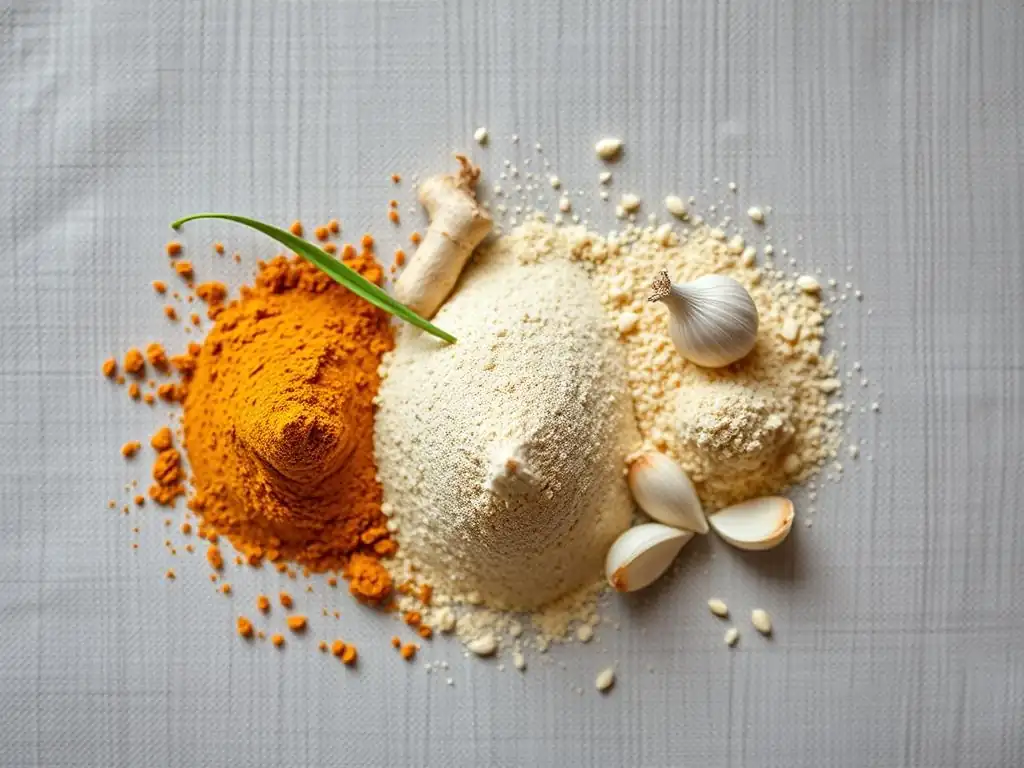
Certain spices have been used for centuries in traditional medicine for their potent anti-inflammatory effects and are valuable additions to an antiinflammatory diet for mood. Turmeric, a bright yellow spice common in Indian cuisine, contains curcumin, its primary active compound. Curcumin is a powerful antioxidant and anti-inflammatory agent that research suggests can inhibit multiple molecules known to play a role in inflammation.
While the bioavailability of curcumin can be low, consuming it with black pepper (which contains piperine) can significantly enhance its absorption. Adding a teaspoon of turmeric to curries, soups, or smoothies is a simple way to incorporate this spice.
Ginger is another root spice with strong anti-inflammatory and antioxidant properties, attributed to compounds like gingerols. Ginger can help reduce inflammation in the digestive tract and has been shown to alleviate symptoms of inflammatory conditions. It can be used fresh or dried in teas, stir-fries, or baked goods.
Garlic, a staple in many cuisines, contains sulfur compounds like allicin, which have demonstrated anti-inflammatory effects. Regular consumption of garlic is linked to lower levels of inflammatory markers and supports immune function. Using fresh garlic generously in cooking not only adds flavor but also contributes to the antiinflammatory benefits of your diet, supporting an antiinflammatory diet for mood.
Probiotic-Rich Foods for a Healthy Gut: Yogurt, Kefir, and Sauerkraut
Maintaining a healthy gut microbiome is fundamental to reducing systemic inflammation and supporting the gut-brain axis, making probiotic-rich foods important for an antiinflammatory diet for mood. Probiotics are beneficial live bacteria that, when consumed in adequate amounts, confer a health benefit to the host. They help maintain a balanced microbial community in the gut, which is crucial for proper digestion, nutrient absorption, and immune function. A diverse and healthy gut flora can reduce the production of inflammatory substances in the gut and strengthen the gut barrier, preventing "leaky gut."
Fermented foods are excellent natural sources of probiotics. Yogurt with live and active cultures is a widely available option; look for labels indicating live cultures. Kefir, a fermented milk drink, typically contains a wider variety of beneficial bacteria and yeasts than yogurt.
Non-dairy options like sauerkraut (fermented cabbage), kimchi (fermented vegetables), miso, and tempeh also provide probiotics, along with fiber and other nutrients. Including a serving or two of these fermented foods daily can help populate your gut with beneficial bacteria, supporting gut health and potentially improving mood by reducing inflammation, a key benefit of an antiinflammatory diet for mood.
Foods to Avoid on an Antiinflammatory Diet for Mood
Processed Foods and Their Inflammatory Effects
Highly processed foods are significant contributors to chronic inflammation and should be limited or avoided on an antiinflammatory diet for mood. These foods often contain a combination of refined sugars, unhealthy fats (like trans fats and excessive omega-6 fatty acids), artificial ingredients, and additives. Examples include packaged snacks, sugary cereals, processed meats (sausages, bacon), frozen meals, and fast food. The industrial processing methods strip away beneficial nutrients like fiber and antioxidants while concentrating inflammatory components.
Consumption of these foods can lead to spikes in blood sugar, increase oxidative stress, and alter the gut microbiome in ways that promote inflammation. For instance, diets high in processed foods are often low in fiber, which is essential for feeding beneficial gut bacteria that produce anti-inflammatory compounds. Studies consistently link high consumption of processed foods to increased levels of inflammatory markers like CRP. Reducing your intake of processed foods is one of the most impactful steps you can take to lower inflammation and support your mental well-being through an antiinflammatory diet for mood.
Sugary Drinks and Their Impact on Mental Well-being
Sugary drinks, including sodas, fruit juices with added sugar, and sweetened teas, are major culprits in driving inflammation and negatively impacting mood. They provide large amounts of rapidly absorbed sugar (often high-fructose corn syrup) without any beneficial fiber or nutrients. This leads to rapid spikes in blood glucose and insulin levels, which can trigger inflammatory responses in the body. Regular consumption of sugary drinks is associated with increased risk of chronic diseases linked to inflammation, such as type 2 diabetes and cardiovascular disease.
Beyond the physical effects, the inflammatory cascade triggered by high sugar intake can also affect brain function and mood. Studies have shown a correlation between high consumption of sugary drinks and an increased risk of depression. The sugar crash that often follows a blood sugar spike can also lead to feelings of fatigue and irritability, negatively impacting emotional stability. Replacing sugary drinks with water, unsweetened tea, or infused water is a simple yet effective step towards an antiinflammatory diet for mood.
Refined Carbohydrates and Inflammation
Refined carbohydrates, such as white bread, white rice, pasta made from refined flour, and pastries, have been stripped of their fiber and many nutrients during processing. Similar to sugary drinks, they are quickly digested and absorbed, causing rapid increases in blood sugar and insulin levels. These glycemic spikes contribute to systemic inflammation over time. Unlike complex carbohydrates found in whole grains, fruits, and vegetables, refined carbs lack the fiber needed to slow sugar absorption and support a healthy gut microbiome.
Diets high in refined carbohydrates are linked to higher levels of inflammatory markers. For example, consuming a meal high in refined carbs can lead to a more significant inflammatory response compared to a meal with the same calorie count but composed of whole, unprocessed foods. Choosing whole grain options (like brown rice, whole wheat bread, and oats) or other complex carbohydrate sources like legumes and starchy vegetables is essential for an antiinflammatory diet for mood. These foods provide sustained energy, fiber, and nutrients that help manage blood sugar and reduce inflammation.
Excessive Alcohol Consumption and Mood
While moderate consumption of certain types of alcohol (like red wine) is sometimes discussed in the context of antioxidants, excessive alcohol intake is unequivocally pro-inflammatory and detrimental to both physical and mental health. Alcohol can damage the gut lining, leading to increased permeability ("leaky gut"), and disrupt the balance of the gut microbiome, both of which promote systemic inflammation. The liver also processes alcohol, and excessive intake can lead to liver inflammation.
Chronic inflammation induced by excessive alcohol consumption can significantly impact brain function and contribute to mood disorders. Alcohol is a central nervous system depressant and can worsen symptoms of depression and anxiety over time, despite potentially offering temporary relief. It also disrupts sleep patterns, further impacting mood and inflammation levels. Limiting alcohol intake, especially heavy or binge drinking, is a crucial component of an antiinflammatory lifestyle and essential for supporting mental well-being alongside an antiinflammatory diet for mood.
Artificial Sweeteners and Food Colorings to Watch Out For
The impact of artificial sweeteners and food colorings on inflammation and mental health is an area of ongoing research, but some studies suggest potential negative effects. Certain artificial sweeteners, while calorie-free, may still influence the gut microbiome in ways that promote inflammation and dysbiosis. Changes in gut bacteria composition have been linked to altered mood and inflammatory responses via the gut-brain axis. For example, some studies in animal models have shown that certain artificial sweeteners can negatively impact gut bacteria.
Similarly, some artificial food colorings have been associated with increased inflammation and behavioral issues in sensitive individuals, particularly children. While the evidence is not as robust as that linking sugar and processed foods to inflammation, opting for whole, unprocessed foods naturally free from these additives is consistent with the principles of an antiinflammatory diet for mood. Prioritizing natural sweetness from fruits or using natural sweeteners like stevia or small amounts of maple syrup or honey in moderation is generally preferred over artificial alternatives when focusing on reducing inflammation.
Creating Your Antiinflammatory Meal Plan for Better Mood
Sample Antiinflammatory Meal Plan: A Week of Delicious and Healthy Meals
Creating a meal plan can simplify adopting an antiinflammatory diet for mood. Here is a sample structure focusing on anti-inflammatory foods:
- Monday:
- Breakfast: Oatmeal with berries, chia seeds, and walnuts.
- Lunch: Large salad with leafy greens, grilled salmon or chickpeas, bell peppers, cucumber, and an olive oil/lemon dressing.
- Dinner: Baked chicken or lentil stew with turmeric and ginger, served with quinoa and steamed broccoli.
- Tuesday:
- Breakfast: Smoothie with spinach, banana, plant-based milk, flaxseeds, and a scoop of protein powder (optional).
- Lunch: Leftover lentil stew.
- Dinner: Stir-fry with plenty of colorful vegetables (broccoli, bell peppers, snap peas), lean protein (shrimp or tofu), ginger, garlic, and a moderate amount of soy sauce, served with brown rice.
- Wednesday:
- Breakfast: Scrambled eggs with spinach and mushrooms, a side of avocado.
- Lunch: Tuna (packed in water or olive oil) salad with celery and onion, served on lettuce wraps or whole-grain crackers.
- Dinner: Roasted chicken breast or black bean burgers with roasted sweet potatoes and asparagus.
- Thursday:
- Breakfast: Yogurt (dairy or non-dairy) with berries and a sprinkle of nuts/seeds.
- Lunch: Leftover roasted chicken or black bean burgers.
- Dinner: Salmon with roasted root vegetables (carrots, parsnips) and a side of kale salad.
- Friday:
- Breakfast: Whole-grain toast with avocado and a sprinkle of chia seeds.
- Lunch: Hummus and vegetable wrap on a whole-grain tortilla with a side of cherry tomatoes.
- Dinner: Homemade pizza on a whole-wheat crust with plenty of vegetables (mushrooms, peppers, onions) and moderate cheese.
- Saturday:
- Breakfast: Berry and spinach smoothie.
- Lunch: Large mixed green salad with hard-boiled eggs, avocado, and an anti-inflammatory dressing.
- Dinner: Lean steak or portobello mushrooms grilled with herbs, served with a large mixed green salad.
- Sunday:
- Breakfast: Whole-grain pancakes topped with berries and a dollop of yogurt.
- Lunch: Leftover grilled steak or mushrooms.
- Dinner: Roasted turkey breast or chickpea curry with brown rice.
This sample demonstrates variety while focusing on whole, unprocessed foods rich in anti-inflammatory compounds, providing a practical approach to an antiinflammatory diet for mood.
Antiinflammatory Recipes for Breakfast, Lunch, and Dinner
Incorporating anti-inflammatory ingredients into delicious meals doesn't have to be complicated. Here are simple ideas:
- Breakfast: Anti-Inflammatory Berry Smoothie
- Ingredients: 1 cup frozen mixed berries, 1 handful spinach, 1 tablespoon chia seeds, 1 tablespoon almond butter, 1 cup unsweetened almond milk (or other plant milk), 1/2 teaspoon ground ginger or turmeric (optional).
- Combine all ingredients in a blender and blend until smooth. This recipe is packed with antioxidants, omega-3s, and fiber.
- Lunch: Quick Salmon & Avocado Salad
- Ingredients: 3-4 oz canned salmon (packed in water or olive oil), 1/2 avocado diced, 1/4 cup chopped celery, 1 tablespoon chopped red onion, 1 tablespoon fresh lemon juice, salt and pepper to taste, mixed greens.
- Gently mix salmon, avocado, celery, red onion, lemon juice, salt, and pepper. Serve over a bed of mixed greens. This offers excellent omega-3s and healthy fats.
- Dinner: Turmeric Lentil Soup
- Ingredients: 1 tablespoon olive oil, 1 chopped onion, 2 cloves minced garlic, 1 inch fresh ginger grated, 1 teaspoon ground turmeric, 1/2 teaspoon ground cumin, 1 cup red or green lentils (rinsed), 4 cups vegetable or chicken broth, 1 cup chopped carrots, 1 cup chopped celery, salt and pepper to taste.
- Heat olive oil in a pot over medium heat. Add onion and cook until softened (about 5 mins). Add garlic, ginger, turmeric, and cumin; cook for 1 minute until fragrant. Stir in lentils, broth, carrots, and celery. Bring to a boil, then reduce heat and simmer for 25-30 minutes, or until lentils are tender. Season with salt and pepper. This hearty soup is full of fiber, plant protein, and anti-inflammatory spices, perfect for an antiinflammatory diet for mood.
These recipes highlight how easy it is to combine key anti-inflammatory ingredients into daily meals, making the antiinflammatory diet for mood accessible and enjoyable.
Tips for Incorporating Antiinflammatory Foods into Your Daily Diet
Making lasting dietary changes can feel daunting, but incorporating antiinflammatory foods can be done gradually and strategically. Start small by adding one new anti-inflammatory food to your plate each day or swapping one pro-inflammatory item for an anti-inflammatory one. For instance, switch from white toast to whole-grain toast, or add a handful of spinach to your morning smoothie. Batch cooking can also be a lifesaver; prepare a large batch of lentil soup or roast a tray of vegetables at the beginning of the week for easy meals or snacks.
Keep anti-inflammatory ingredients readily available. Stock your pantry with staples like oats, brown rice, quinoa, lentils, canned beans, nuts, and seeds. Fill your fridge with fresh fruits (especially berries), leafy greens, and colorful vegetables. Use anti-inflammatory spices like turmeric, ginger, and garlic liberally in your cooking. When shopping, focus on the perimeter of the grocery store where fresh produce, lean proteins, and dairy/alternatives are typically located, and limit time in the aisles packed with processed goods. These practical tips make adhering to an antiinflammatory diet for mood much simpler.
Tailoring Your Diet to Address Specific Deficiencies
While a general antiinflammatory diet for mood provides a broad range of nutrients, it's important to consider if you have any specific nutrient deficiencies that could be impacting your inflammation levels or mood. Common deficiencies linked to mental health include Vitamin D, B vitamins (especially B12 and folate), magnesium, and zinc. For example, Vitamin D deficiency is prevalent globally, with estimates suggesting around 1 billion people may have inadequate levels. Low Vitamin D is associated with increased inflammation and a higher risk of depression.
If you suspect a deficiency or have been diagnosed with one, work with a healthcare professional or a registered dietitian. They can recommend targeted dietary adjustments or appropriate supplementation. For instance, increasing intake of fatty fish, fortified foods, and safe sun exposure can boost Vitamin D. Consuming more leafy greens, legumes, and nuts can help with magnesium and folate. Tailoring your antiinflammatory diet for mood based on individual needs ensures you're getting the specific nutrients required to support both physical and mental well-being.
Lifestyle Factors to Complement Your Antiinflammatory Diet

The Importance of Exercise in Reducing Inflammation
Regular physical activity is a powerful tool in the fight against inflammation and a crucial complement to an antiinflammatory diet for mood. Exercise helps reduce levels of pro-inflammatory markers in the body and promotes the production of anti-inflammatory compounds. It also helps maintain a healthy body weight, and excess body fat, particularly visceral fat around the abdomen, is known to produce inflammatory substances. Even moderate exercise, such as brisk walking for 30 minutes most days of the week, can have significant anti-inflammatory effects.
A study published in the journal Brain, Behavior, and Immunity found that a single session of 20 minutes of moderate-intensity exercise could stimulate the immune system to produce anti-inflammatory responses. Consistent exercise also improves circulation, helps manage blood sugar levels, and reduces stress, all of which contribute to lowering inflammation. Finding an activity you enjoy, whether it's walking, swimming, cycling, or dancing, and incorporating it regularly into your routine enhances the benefits of an antiinflammatory diet for mood.
Stress Management Techniques for Mental Well-being
Chronic stress is a major contributor to systemic inflammation and can significantly impact mood. When you are stressed, your body releases hormones like cortisol, which, while helpful in acute situations, can promote inflammation when elevated long-term. High levels of stress hormones can disrupt the gut barrier, increase inflammatory cytokine production, and negatively affect neurotransmitter balance. Therefore, integrating effective stress management techniques is essential alongside an antiinflammatory diet for mood.
Practices such as mindfulness meditation, deep breathing exercises, yoga, spending time in nature, or engaging in hobbies can help lower stress hormone levels and activate the body's relaxation response. For example, studies on mindfulness meditation have shown reductions in inflammatory markers like CRP. Finding what works for you and making stress reduction a priority can amplify the positive effects of your antiinflammatory diet for mood on your overall mental and physical health.
Prioritizing Sleep for Optimal Brain Function
Adequate and quality sleep is fundamental for both physical recovery and optimal brain function, and insufficient sleep is strongly linked to increased inflammation. During sleep, the body performs essential repair processes and regulates inflammatory responses. Chronic sleep deprivation, defined as consistently getting less than 7-9 hours of sleep per night for most adults, leads to elevated levels of inflammatory cytokines. This sleep-induced inflammation can negatively impact mood, cognitive function, and increase the risk of chronic diseases.
Poor sleep can also disrupt the gut microbiome and increase stress hormone levels, creating a vicious cycle of inflammation and poor health. Prioritizing sleep hygiene is therefore critical. This includes maintaining a consistent sleep schedule, creating a relaxing bedtime routine, ensuring your bedroom is dark, quiet, and cool, and avoiding caffeine and alcohol before bed. Getting enough restful sleep supports your body's natural ability to manage inflammation and enhances the benefits you receive from an antiinflammatory diet for mood.
Humans are social beings, and strong social connections have been shown to have a protective effect against both physical and mental health issues, including reducing inflammation. Loneliness and social isolation, conversely, are associated with increased levels of inflammatory markers. Positive social interactions can buffer the effects of stress, provide emotional support, and promote overall well-being, all of which contribute to a healthier inflammatory profile.
Engaging in meaningful relationships, spending time with loved ones, participating in community activities, or joining support groups can all help foster a sense of belonging and reduce feelings of isolation. Research suggests that individuals with strong social support networks tend to have lower levels of stress hormones and inflammatory cytokines compared to those who are socially isolated. Nurturing your social connections is a powerful, often overlooked, component of a holistic approach to reducing inflammation and supporting mental well-being alongside an antiinflammatory diet for mood.
Tracking Your Progress: Monitoring Your Mood and Inflammation Levels
Using a Mood Journal to Track Your Emotional State
Tracking your mood can be an incredibly insightful way to understand the impact of lifestyle changes, such as implementing an antiinflammatory diet for mood. A mood journal allows you to record your emotional state daily, noting feelings, energy levels, sleep quality, and any physical symptoms. Crucially, you can also log your food intake and exercise for the day. Over time, reviewing these entries can reveal patterns and help you identify potential correlations between the foods you eat (or avoid) and how you feel.
For example, you might notice that on days you consistently follow your antiinflammatory diet for mood, your energy levels are higher, and your anxiety is lower. Conversely, consuming pro-inflammatory foods might coincide with increased irritability or fatigue. There are many journaling apps and physical notebooks available for this purpose. Aim to make a brief entry each day, focusing on consistency rather than perfection. This personal data can be a powerful motivator and provide valuable information to share with healthcare providers.
Consulting with a Physician or Registered Dietitian
While adopting an antiinflammatory diet for mood is generally safe and beneficial, consulting with healthcare professionals is highly recommended, especially if you have existing health conditions or are taking medications. A physician can help rule out other potential causes for your symptoms and may recommend blood tests to measure inflammatory markers like C-reactive protein (CRP) or erythrocyte sedimentation rate (ESR). Tracking these markers before and after implementing dietary changes can provide objective data on the diet's effectiveness in reducing systemic inflammation.
A registered dietitian specializing in inflammatory conditions or mental health nutrition can provide personalized guidance on creating and adhering to an antiinflammatory diet for mood. They can help you identify potential nutrient gaps, address food sensitivities or allergies, and develop a sustainable meal plan tailored to your preferences and lifestyle. Working with a professional ensures you are meeting your nutritional needs while effectively using diet as a tool to support your mental and physical health.
Considering Supplements like Vitamin D and Magnesium
While the focus of an antiinflammatory diet for mood is on obtaining nutrients from whole foods, certain supplements may be considered to address specific deficiencies or provide additional anti-inflammatory support. Vitamin D is a common example; deficiency is widespread, and supplementation is often necessary, especially in regions with limited sunlight. Studies show Vitamin D plays a role in immune regulation and reducing inflammation, and deficiency is linked to increased risk of depression.
Magnesium is another mineral crucial for numerous bodily functions, including nerve and muscle function, blood sugar control, and blood pressure regulation. It also has anti-inflammatory properties. Many people do not consume enough magnesium through diet alone, and deficiency is associated with increased inflammation and symptoms of anxiety and depression.
Other supplements sometimes considered include Omega-3 fatty acid supplements (especially if dietary intake of fatty fish is low) and probiotics. However, it is crucial to consult with a healthcare professional before starting any new supplements to determine the appropriate dosage and ensure they do not interact with existing medications, complementing your antiinflammatory diet for mood safely.
Maintaining an Antiinflammatory Diet Long-Term
Overcoming Challenges and Staying Committed
Adopting an antiinflammatory diet for mood is a lifestyle change, not a temporary fix, and like any significant change, it comes with challenges. Social situations involving food, cravings for familiar comfort foods (often pro-inflammatory), and the perceived effort of meal planning and preparation can make long-term adherence difficult. It's important to be prepared for these challenges and develop strategies to overcome them.
Focus on progress, not perfection. If you have a meal that doesn't align perfectly with the diet, don't view it as a failure; simply get back on track at your next meal. Find ways to adapt your favorite recipes to be more anti-inflammatory, substituting ingredients like refined grains or unhealthy fats.
Plan ahead for social events, perhaps offering to bring an anti-inflammatory dish. Identify your personal triggers for unhealthy eating and develop alternative coping mechanisms that support your well-being. Reminding yourself of the positive impact an antiinflammatory diet for mood has on your energy, mood, and overall health can be a powerful motivator to stay committed.
Adapting Your Diet to Different Seasons and Lifestyles
An antiinflammatory diet for mood should be flexible enough to fit into your life, regardless of the season or your personal circumstances. Eating seasonally can make the diet more enjoyable and often more affordable, as produce is freshest and most abundant. In summer, focus on berries, leafy greens, and fresh vegetables. In winter, root vegetables, citrus fruits, and warming spices like ginger and turmeric can take center stage.
Consider your lifestyle when planning. If you have limited time, rely on quick recipes, batch cooking, and simple preparations like roasted vegetables or grilled proteins. If you travel frequently, research anti-inflammatory options available in restaurants or pack your own snacks. The key is to find sustainable ways to incorporate anti-inflammatory principles into your daily routine, making the antiinflammatory diet for mood a natural and integrated part of your life rather than a restrictive burden.
Joining Online Communities for Continued Support
Connecting with others who are also following an antiinflammatory diet or focusing on holistic mental wellness can provide invaluable support and motivation for long-term adherence. Online communities, forums, and social media groups dedicated to anti-inflammatory eating, mental health nutrition, or specific dietary patterns like the Mediterranean diet offer platforms to share experiences, ask questions, find recipes, and celebrate successes.
Engaging with a community can provide a sense of accountability and reduce feelings of isolation that can sometimes accompany dietary changes. You can learn from others' challenges and solutions, discover new anti-inflammatory foods or preparation methods, and receive encouragement when you face difficulties. This shared journey can strengthen your resolve and help you maintain your commitment to an antiinflammatory diet for mood for the long haul.
Conclusion: Embrace an Antiinflammatory Diet for a Happier, Healthier You
Frequently Asked Questions
What is an anti-inflammatory diet?
An anti-inflammatory diet focuses on consuming foods that can help reduce inflammation in the body, potentially leading to improved mood and overall mental well-being.
How can an anti-inflammatory diet affect mood?
By incorporating anti-inflammatory foods, individuals may experience reduced symptoms of depression and anxiety, leading to an overall better mood.
What are some key foods to include in an anti-inflammatory diet?
Foods such as fruits, vegetables, whole grains, and healthy fats like olive oil are essential. These foods provide antioxidants and other nutrients that combat inflammation.
Are there any foods to avoid on an anti-inflammatory diet?
Yes, it's advisable to limit or avoid foods high in sugar, refined carbs, and saturated fats, as these can contribute to increased inflammation and negatively impact mood.
How long does it take to see the effects of an anti-inflammatory diet on mood?
While individual responses may vary, many people report noticing positive changes in their mood and mental clarity within weeks of adopting an anti-inflammatory diet.
Final Reflection: Nourishing Our Mood Through an Anti-Inflammatory Diet
The connection between our physical health and mental well-being has never been clearer; adopting an anti-inflammatory diet for mood is not just a trend but a vital step towards holistic health. As we navigate through the complexities of modern life, the importance of what we consume cannot be overstated. The foods we choose to nourish our bodies can significantly impact our emotional states, reinforcing the idea that we have the power to influence our mood through mindful eating.
Culture and society are increasingly recognizing the profound link between diet and mental health. The ongoing dialogue surrounding mental wellness emphasizes that we are not merely passive recipients of our emotions; instead, we can actively cultivate a better mood through our dietary choices. As we embrace this understanding, we find ourselves empowered to make decisions that resonate with our well-being. Let food be thy medicine and medicine be thy food.
– Hippocrates. This timeless wisdom serves as a reminder that the journey to emotional stability begins on our plates.
As you reflect on the insights shared in this article, I invite you to take a moment to consider your own relationship with food. How can you incorporate more anti-inflammatory foods into your diet to enhance your mood and overall well-being? Each small change can lead to significant improvements in your emotional health. Embrace the opportunity to nourish your body and mind, and remember that every meal is a chance to invest in your happiness and vitality.
Unleash Your Inner Sunshine: Nourish Your Mood Naturally
Thanks for taking the time to explore the power of anti-inflammatory foods for a better mood! We hope you found valuable insights to help you feel your best. Now it's time to put that knowledge into action.
- Prioritize your plate: Start incorporating at least three new anti-inflammatory foods into your diet this week. Think vibrant fruits, colorful veggies, and healthy fats—your taste buds (and mood) will thank you!
- Share your journey: Inspire others by sharing your favorite anti-inflammatory recipes or tips on social media using #MindCareMoodBoost. Let's build a community of wellness together!
- Dive deeper: Explore our other articles on MindCareGuide.org for even more tips on natural mood boosting strategies!
What's one small change you can make today to brighten your mood through better nutrition?