
MindBody Harmony: Cultivating Inner Peace with Qigong Practice

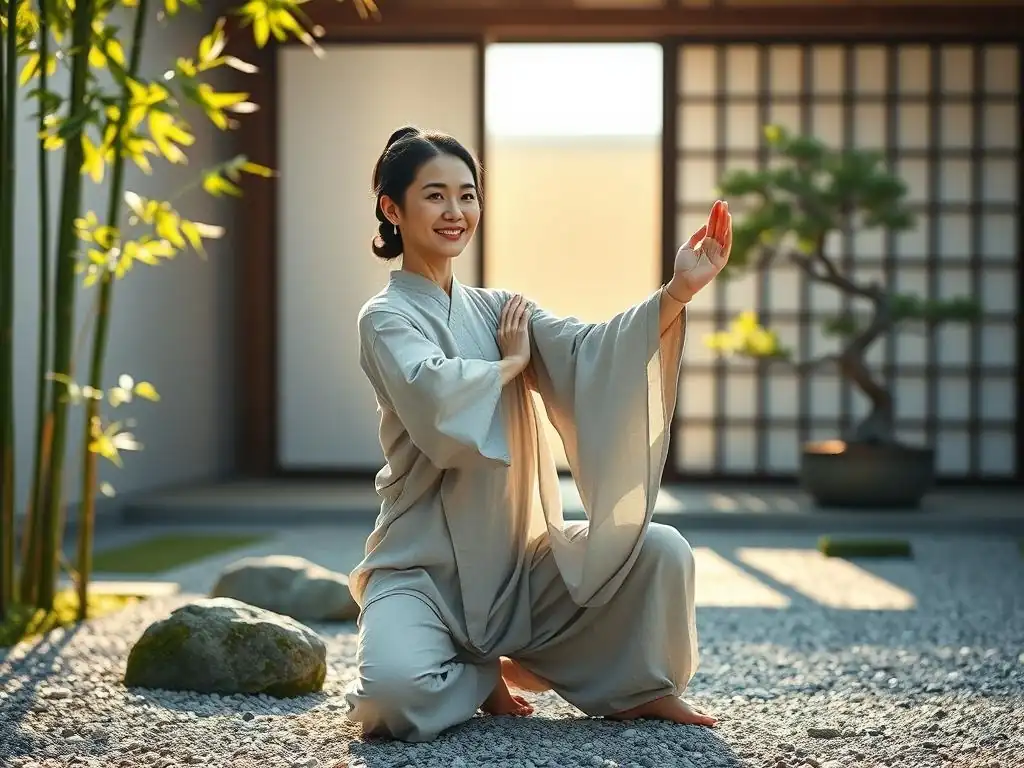
Welcome to Mind Care Guide.
Feeling overwhelmed by anxiety's grip? You're not alone. At Mind Care Guide, we understand the challenges you face. Embark on a journey to inner peace and discover the transformative power of Qigong practice for anxiety relief. Could this ancient art be the key to unlocking a calmer, more centered you? Read on to explore how mindful movement and breath can help you reclaim your well-being.
MindBody Harmony: Cultivating Inner Peace with Qigong Practice
- Introduction to Qigong for Mental Well-being
- Understanding Anxiety and the Role of Qigong
- Qigong Practice for Anxiety Relief: A Step-by-Step Guide
- Integrating Qigong into Your Daily Routine for Sustained Anxiety Management
- Qigong Styles and Techniques for Specific Anxiety Types
- Tips for Maximizing the Effectiveness of Qigong for Anxiety
- The Science Behind Qigong and Anxiety Reduction
- Potential Challenges and How to Overcome Them
- Conclusion: Embracing Qigong for a Path to Inner Peace and Anxiety Relief
-
Frequently Asked Questions
- What is Qigong and how can it contribute to mental well-being?
- How does Qigong practice specifically help with anxiety relief?
- How often should I practice Qigong for noticeable anxiety relief?
- Are there different types of Qigong exercises suitable for managing anxiety?
- Where can I find resources and guidance to start my Qigong practice for anxiety relief?
- Final Reflection: Finding Stillness in a Restless World
- Unlock Your Inner Calm: Start Your Qigong Journey Today!
Introduction to Qigong for Mental Well-being
What is Qigong and Its Benefits for Mental Health?
Qigong is an ancient Chinese mind-body practice that integrates gentle movement, focused intention, and coordinated breathing. Its name translates roughly to "cultivating energy" or "working with life force," referring to the vital energy, known as Qi (pronounced 'chee'), believed to flow through the body. Unlike strenuous exercise, Qigong is typically slow, fluid, and meditative, making it accessible to people of varying physical abilities. Its core principle is to harmonize the body, mind, and spirit, promoting health and well-being.
The benefits of Qigong practice for mental health are increasingly recognized in modern wellness circles. Regular engagement can lead to significant reductions in stress, tension, and irritability. Many practitioners report improved mood states, enhanced focus, and a greater sense of calm and centeredness. By fostering a deeper connection with the body and breath, Qigong helps individuals become more aware of their internal states, which is a crucial step in managing emotional challenges. This makes Qigong practice a valuable tool for cultivating inner peace and supporting overall mental well-being.
Qigong's Ancient Roots and Modern Applications for Stress Reduction
Qigong's history stretches back thousands of years in China, deeply intertwined with traditional Chinese medicine (TCM), philosophy, and martial arts. Originally developed for health maintenance, longevity, and spiritual cultivation, its practices evolved over centuries, giving rise to numerous styles and forms. The foundational understanding in TCM is that illness, including mental distress like anxiety, can result from imbalances or blockages in the body's Qi flow. Qigong was thus devised as a method to regulate and enhance this vital energy, restoring harmony.
In contemporary times, Qigong has found widespread application beyond its traditional context, particularly as a potent method for stress reduction. It is practiced globally in diverse settings, from parks and community centers to clinical environments and corporate wellness programs. Its gentle nature and emphasis on self-regulation make it an ideal complementary practice for managing the pressures of modern life. The growing body of research exploring the physiological and psychological effects of Qigong practice further solidifies its standing as an effective approach for alleviating stress and fostering resilience against anxiety.
Understanding Anxiety and the Role of Qigong
Exploring the Connection Between Anxiety and Energy Flow (Qi)
In the framework of traditional Chinese medicine, anxiety is often understood as a manifestation of disharmony within the body's intricate network of energy pathways, or meridians. Specifically, it can be linked to stagnant or deficient Qi, particularly involving organ systems like the Heart, Spleen, or Kidneys, which are associated with emotional balance, thought processes, and foundational energy. Stagnant Qi can create feelings of being stuck, tense, or agitated, while deficient Qi might lead to worry, fatigue, or a sense of being overwhelmed. This energetic imbalance can disrupt the natural flow necessary for mental clarity and emotional stability.
When Qi flow is constricted or irregular, it can physically manifest as the common symptoms of anxiety, such as shallow breathing, muscle tightness, palpitations, digestive issues, and restlessness. Mentally, this imbalance contributes to racing thoughts, excessive worry, and difficulty concentrating. Qigong practice aims to address these root energetic imbalances by gently moving the body, coordinating breath, and focusing the mind. This process helps to clear blockages, replenish deficient energy, and smooth the overall flow of Qi, thereby directly influencing the physical and mental states associated with anxiety.
How Qigong Addresses Physical and Mental Symptoms of Anxiety
Qigong provides a multi-faceted approach to mitigating both the physical and mental symptoms of anxiety. Physically, the slow, deliberate movements help to release chronic muscle tension, particularly in areas like the shoulders, neck, and jaw, which are common repositories for stress and worry. The coordinated breathwork, often emphasizing deep abdominal breathing, calms the nervous system, lowers heart rate, and promotes a sense of relaxation throughout the body. This conscious regulation of breath and movement directly counteracts the physiological "fight or flight" response often triggered by anxiety.
Mentally, the meditative aspect of Qigong practice cultivates mindfulness and present moment awareness. By focusing on the sensations in the body and the rhythm of the breath, practitioners are gently guided away from anxious thought loops and future-oriented worries. This shift in attention helps to quiet the racing mind and foster a sense of inner stillness. The repetitive, flowing nature of the movements can also be deeply grounding, providing a stable anchor amidst mental turbulence. Through consistent Qigong practice, individuals can build resilience, improving their ability to manage anxious thoughts and feelings with greater ease and acceptance.
Qigong Practice for Anxiety Relief: A Step-by-Step Guide
Preparing for Your Qigong Practice: Setting the Stage for Calm
Creating a conducive environment is key when beginning your Qigong practice for anxiety relief. Find a quiet space where you won't be interrupted for the duration of your session, whether it's just 10 minutes or longer. Ensure the area is well-ventilated and comfortable, allowing you enough room to move freely without bumping into furniture. Wearing loose, comfortable clothing that doesn't restrict your movement or breathing is also essential. Soft, flat shoes or bare feet are ideal for maintaining good contact with the ground and promoting a sense of grounding.
Before you begin the movements, take a moment to arrive fully in the space. Stand or sit comfortably, close your eyes gently, and take a few deep breaths. Allow yourself to release any tension you might be holding. Set a gentle intention for your practice – perhaps simply to be present, to cultivate calm, or to move with ease. Approach the practice with kindness and non-judgment towards yourself. This preparation phase helps transition your mind from external distractions to internal awareness, setting a peaceful foundation for the Qigong practice itself.
Foundational Qigong Movements for Calming the Mind
Foundational Qigong movements are designed to be simple, accessible, and effective at promoting relaxation and regulating energy. These basic exercises often involve gentle swaying, stretching, and simple weight shifts coordinated with the breath. Their simplicity allows beginners to focus on the core principles of Qigong – mindful movement, breath awareness, and cultivating a sense of internal flow – without being overwhelmed by complex choreography. These movements are chosen specifically for their calming effects, helping to release physical tension and quiet mental chatter.
The primary goal of these foundational practices is to establish a connection between the body and the breath, encouraging deeper relaxation and improved circulation. As you move slowly and deliberately, you become more aware of your body's sensations and where you might be holding tension. The gentle movements help to loosen joints and muscles, facilitating a smoother flow of Qi. Consistent practice of these basic forms provides a stable base from which to explore more complex techniques and deepens your capacity for self-regulation, making them essential components of any Qigong practice aimed at anxiety relief.
The Importance of Breathwork in Qigong for Anxiety
Breath is the cornerstone of Qigong practice, particularly when addressing anxiety. In states of anxiety, breathing often becomes shallow, rapid, and held high in the chest. This hyperventilation can exacerbate feelings of panic and physiological distress. Qigong emphasizes slow, deep, and often abdominal breathing (diaphragmatic breathing), where the abdomen expands on the inhale and contracts on the exhale. This type of breathing directly stimulates the vagus nerve, a key component of the parasympathetic nervous system, which is responsible for the body's "rest and digest" state.
Coordinating this deep, calm breath with gentle movements amplifies its therapeutic effect. The movements often guide the breath naturally, encouraging longer inhales and exhales. This conscious control over the breath provides an immediate anchor for the mind, pulling focus away from anxious thoughts and into the present moment. Over time, consistent Qigong breathwork trains the nervous system to favor a calmer state, making it easier to regulate physiological responses during moments of stress or anxiety. Mastering Qigong breathwork is arguably one of the most powerful aspects of Qigong practice for significant anxiety relief.
Simple Qigong Exercises to Reduce Stress and Promote Relaxation
A classic simple Qigong exercise beneficial for stress and relaxation is "Raising and Lowering the Arms." Stand with feet parallel, shoulder-width apart. As you inhale deeply, slowly raise your arms forward and up to shoulder height, palms facing down. As you exhale, slowly lower your arms back down to your sides, allowing your knees to soften slightly. Repeat this motion for several minutes, coordinating the gentle, flowing movement with your slow, steady breath. This exercise is simple yet profoundly grounding, calming the mind and releasing tension in the shoulders and chest.
Another fundamental exercise is "Cloud Hands," which cultivates fluidity and balance while promoting a centered state. Stand with feet parallel. Shift your weight onto one foot while turning your waist and bringing the opposite hand up in front of your chest, palm facing inward, as if holding a cloud. The other hand mirrors the movement lower down.
As you shift weight to the other foot, smoothly transition the hands and waist turn. This continuous, circular motion, synchronized with your breath, encourages a calm, meditative state and improves coordination. Practicing these simple Qigong exercises regularly can significantly contribute to daily anxiety relief.
Advanced Qigong Techniques for Deeper Anxiety Relief: Eight Brocades Qigong
As you become comfortable with foundational movements, exploring more structured forms like the Eight Brocades (Ba Duan Jin) can offer deeper benefits for anxiety relief. This sequence consists of eight distinct exercises, each designed to target specific organ systems and meridians according to TCM principles, promoting overall health and balanced energy flow. The movements are slightly more complex than basic exercises but remain accessible and are highly regarded for their efficacy in regulating the body's internal environment and calming the spirit.
Practicing the Eight Brocades involves a specific sequence of movements like "Supporting the Heavens," "Drawing the Bow to Shoot the Eagle," and "Shaking the Head and Tail to Quell the Fire." Each movement has a particular focus, such as strengthening the core, opening the chest, or releasing tension in the spine.
Learning and performing this sequence requires sustained focus and mindful attention, which in itself acts as a powerful antidote to a scattered, anxious mind. The holistic nature of the Eight Brocades, working on multiple physical and energetic levels, makes it a potent form of Qigong practice for profound anxiety relief and long-term well-being.
Integrating Qigong into Your Daily Routine for Sustained Anxiety Management
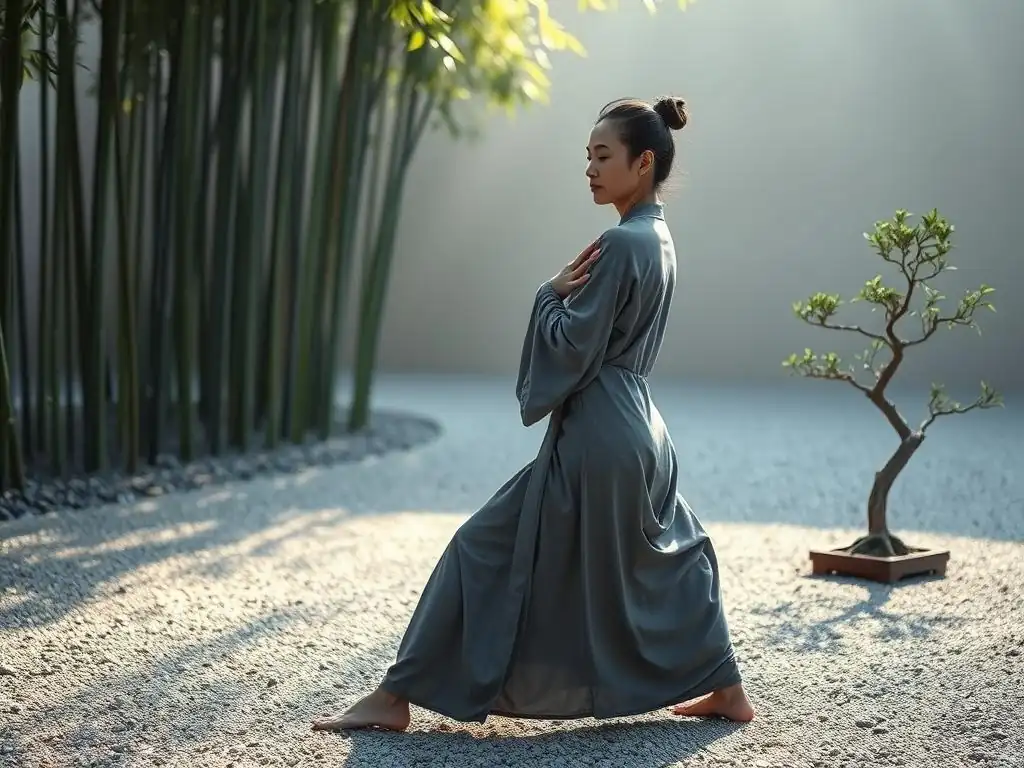
Creating a Consistent Qigong Practice Schedule
Consistency is paramount for harnessing the full benefits of Qigong practice for anxiety relief. Even short, regular sessions are more effective than sporadic long ones. Aim to incorporate Qigong into your daily or near-daily routine, perhaps dedicating 10-20 minutes each morning to start the day with calm, or practicing in the evening to unwind before sleep. Finding a time that works reliably within your schedule is crucial for building a sustainable habit.
Consider starting small – even just 5-10 minutes of focused breathing and a few simple movements can make a difference. As you experience the calming effects, you may feel motivated to extend your practice time. Treating your Qigong session as a non-negotiable appointment with yourself can help maintain discipline. Whether you choose to practice at sunrise, during a lunch break, or before bed, establishing a rhythm for your Qigong practice is key to cultivating sustained anxiety relief and building resilience over time.
Combining Qigong with Other Anxiety Relief Strategies: Meditation and Mindfulness
Qigong practice integrates beautifully with other established anxiety relief strategies like meditation and mindfulness. All three emphasize present moment awareness, breath control, and cultivating a non-judgmental attitude towards one's internal experience. Practicing Qigong can serve as an active form of meditation, where the body's movement becomes the anchor for attention, helping to quiet the restless mind.
Alternatively, a short Qigong session can be an excellent preparation for seated meditation, releasing physical tension and settling the energy, making it easier to sit still and focus. Mindfulness principles, such as observing thoughts and sensations without getting carried away by them, can be applied during Qigong movements, deepening the meditative aspect of the practice. Combining Qigong practice with regular mindfulness or meditation enhances overall self-awareness and emotional regulation skills, creating a robust toolkit for managing anxiety effectively.
The Benefits of Long-Term Qigong Practice for Emotional Regulation
Committing to long-term Qigong practice yields cumulative benefits for emotional regulation and resilience. Beyond immediate anxiety relief, consistent engagement helps to retrain the nervous system, promoting a baseline state of calm rather than reactivity. Practitioners often report feeling less easily overwhelmed by stressors and developing a greater capacity to navigate challenging emotions without getting stuck in negative loops.
Over months and years, Qigong helps cultivate a deeper sense of self-awareness and connection to one's inner resources. This allows individuals to recognize the early signs of rising anxiety and employ coping strategies learned through practice, such as focused breathing or gentle movement, before symptoms escalate. The sustained practice fosters a sense of empowerment and self-efficacy in managing one's mental and emotional health, leading to more stable moods and improved overall emotional well-being. Long-term Qigong practice provides a stable foundation for navigating life's ups and downs with greater equanimity.
Qigong Styles and Techniques for Specific Anxiety Types
Qigong for Generalized Anxiety Disorder (GAD)
For individuals experiencing Generalized Anxiety Disorder (GAD), characterized by persistent and excessive worry about various things, Qigong practices that promote grounding, stability, and smooth, continuous energy flow are particularly beneficial. Styles like the Eight Brocades (Ba Duan Jin) or simpler forms focusing on rooting and centering movements can help counteract the feeling of being scattered or overwhelmed by worries. Movements that gently open the chest and shoulders can also help release tension often held in these areas due to chronic worry.
Techniques that emphasize deep, abdominal breathing throughout the entire practice are crucial for GAD, as they help regulate the nervous system and reduce the physiological symptoms of chronic stress. Exercises involving slow, deliberate weight shifts and maintaining a stable posture cultivate a sense of internal security and presence, anchoring the mind away from future-oriented "what-ifs." Consistent Qigong practice focused on these principles provides a reliable method for managing the pervasive nature of GAD symptoms.
Social anxiety often manifests with physical symptoms like blushing, sweating, trembling, and a feeling of being closed off or exposed. Qigong techniques that help to open the body, particularly the chest and upper back, can be very helpful. Movements that encourage an upright posture and a sense of expansion can physically and energetically counter feelings of shrinking or wanting to hide. Practices that build confidence and a strong, rooted stance can also empower individuals facing social fears.
Additionally, Qigong breathwork that focuses on calming the racing heart and regulating nervous energy is essential for social anxiety. Simple movements performed before or during potentially anxiety-provoking social situations can help ground the individual and reduce physical tension. Developing a consistent Qigong practice helps build internal resources and a sense of self-acceptance, gradually reducing the intensity of fear associated with social interactions.
Qigong for Panic Disorder
Panic attacks are sudden episodes of intense fear accompanied by severe physical symptoms. For individuals with panic disorder, Qigong can be a powerful tool for both preventing attacks and managing them when they occur. Techniques that focus on immediate calming, such as deep, slow abdominal breathing, are critical. Learning to regulate the breath during moments of rising panic can help abort or reduce the severity of an attack.
Grounding exercises, such as standing firmly with awareness in the feet and feeling connected to the earth, can provide a sense of stability during moments of extreme fear. Simple, repetitive movements can act as a focus point, distracting the mind from escalating panic thoughts. Consistent Qigong practice builds resilience in the nervous system, potentially reducing the frequency and intensity of panic attacks over time by fostering a greater sense of control and self-regulation.
Tips for Maximizing the Effectiveness of Qigong for Anxiety
Finding a Qualified Qigong Instructor
While many basic Qigong exercises can be learned from books or videos, finding a qualified instructor can significantly enhance your Qigong practice for anxiety relief. An experienced teacher can provide personalized guidance on posture, alignment, and the subtle energetic principles behind the movements. They can correct form that might be hindering energy flow and help you understand how specific exercises relate to your personal anxiety patterns.
A good instructor can also offer modifications for any physical limitations you may have, ensuring the practice is safe and effective. Learning in a class or with an instructor can also provide motivation and a sense of community, which can be supportive for individuals dealing with anxiety. Look for instructors certified by reputable Qigong or Tai Chi organizations, or those with extensive experience and a teaching lineage.
Listening to Your Body and Avoiding Overexertion
Qigong is a practice of gentle cultivation, not strenuous effort. To maximize its effectiveness for anxiety relief, it is crucial to listen to your body and avoid pushing yourself too hard. The movements should feel comfortable and flowing, not strained or painful. If you experience discomfort, modify the movement or rest. The goal is to relax and release tension, not create more.
Pay attention to how your body feels during and after practice. Notice subtle shifts in energy, tension, or emotional state. This mindful awareness is integral to Qigong. Practicing with patience and compassion for your physical and emotional state allows the deeper benefits of anxiety relief to unfold naturally. Remember that consistency and gentle effort are far more valuable than trying to achieve perfect form or pushing through discomfort.
Combining Qigong with a Healthy Lifestyle for Optimal Results
Qigong practice is most effective for anxiety relief when integrated into a broader healthy lifestyle. While Qigong itself is powerful, supporting your overall well-being through other means amplifies its benefits. Ensuring adequate sleep, maintaining a balanced diet, engaging in other forms of moderate physical activity, and managing substance use can all contribute to a more stable nervous system and reduce baseline anxiety levels.
Additionally, incorporating other stress-management techniques like spending time in nature, journaling, or connecting with supportive friends and family complements the effects of Qigong. If your anxiety is severe, combining Qigong practice with professional support, such as therapy or counseling, can provide a comprehensive approach to healing and long-term management. Qigong is a powerful piece of the puzzle, but it fits best within a holistic picture of health.
The Science Behind Qigong and Anxiety Reduction
Research Studies on the Effects of Qigong on Mental Health
Scientific research is increasingly exploring the mechanisms and effects of Qigong practice on mental health, including anxiety. Numerous studies, ranging from small trials to larger systematic reviews and meta-analyses, suggest positive outcomes. For instance, a meta-analysis published around 2017 reviewing data from multiple studies indicated that Qigong interventions could lead to moderate improvements in anxiety symptoms across various populations. Another review in 2019 highlighted Qigong's potential benefits for reducing stress and improving mood in healthy adults and clinical populations alike.
While research is ongoing and the quality of studies varies, the consistent trend suggests that regular Qigong practice can be an effective complementary therapy for anxiety. Studies often measure outcomes using standardized psychological scales for anxiety, stress, and depression, as well as physiological markers. The cumulative evidence indicates that Qigong's combination of movement, breath, and mindfulness has a measurable impact on psychological distress.
How Qigong Influences the Nervous System and Stress Response
One of the primary ways Qigong practice helps reduce anxiety is through its influence on the autonomic nervous system (ANS). The ANS regulates involuntary bodily functions and has two main branches: the sympathetic (responsible for the "fight or flight" response) and the parasympathetic (responsible for the "rest and digest" state). Anxiety activates the sympathetic nervous system, leading to increased heart rate, rapid breathing, and muscle tension.
Qigong's slow, rhythmic movements and deep, controlled breathing actively engage the parasympathetic nervous system. This counteracts the sympathetic activation, promoting a state of calm and relaxation. Research using measures like Heart Rate Variability (HRV), which reflects the balance between sympathetic and parasympathetic activity, has shown that Qigong practice can increase HRV, indicating improved regulation and resilience to stress. Additionally, studies have explored Qigong's potential impact on stress hormones like cortisol, finding that regular practice may help lower elevated levels associated with chronic stress and anxiety.
Potential Challenges and How to Overcome Them
Common Difficulties When Starting Qigong
Embarking on Qigong practice for anxiety relief might present a few initial challenges. One common difficulty is feeling awkward or self-conscious with the slow, deliberate movements, especially if you're used to faster forms of exercise. Another challenge can be the mind's resistance to slowing down and focusing; anxious thoughts may feel even more prominent when you try to quiet the mind. Impatience with perceived slow progress is also frequent, as the benefits of Qigong often unfold gradually.
Overcoming these challenges requires patience and a gentle attitude. Recognize that feeling awkward is normal when learning something new. Practice in a private space initially if needed, or join a beginner-friendly class where everyone is learning. When the mind wanders, gently guide your attention back to your breath or the movement, without self-criticism. Celebrate small victories, like feeling slightly calmer after a session or noticing a moment of reduced tension. Consistency, not perfection, is the goal.
Adapting Qigong Practices to Your Physical Limitations
Qigong is highly adaptable, making it accessible even with physical limitations, which is important for ensuring everyone seeking anxiety relief can participate. If standing for extended periods is difficult, many Qigong forms and exercises can be performed while seated in a chair. The focus remains on the breath, gentle movement, and intention, which are effective regardless of posture.
For those with balance issues, practicing near a wall or using a chair for support during standing movements can provide stability. If certain movements cause pain or discomfort, modify them or omit them entirely, focusing on the breath and the movements you can comfortably perform. A qualified instructor can be invaluable in helping you adapt practices safely. The essence of Qigong practice for anxiety relief lies in the mindful connection of body, breath, and spirit, which can be achieved through various modifications tailored to individual needs.
Conclusion: Embracing Qigong for a Path to Inner Peace and Anxiety Relief
Qigong practice offers a profound and accessible path towards cultivating inner peace and achieving significant anxiety relief. By harmonizing the body, mind, and spirit through gentle movement, conscious breathing, and focused intention, Qigong addresses the physical and energetic roots of anxiety. Its ancient wisdom, supported by modern research, provides a powerful tool for regulating the nervous system, releasing tension, and quieting the anxious mind.
Integrating Qigong into your daily life, even for short periods, can build resilience, improve emotional regulation, and foster a greater sense of calm and centeredness. Whether you explore foundational exercises, delve into forms like the Eight Brocades, or adapt practices to suit your needs, consistent Qigong practice empowers you to take an active role in managing your mental well-being. Embrace this gentle yet potent practice as a valuable ally on your journey to a more peaceful and balanced life, finding lasting anxiety relief and cultivating enduring inner harmony.
Frequently Asked Questions
What is Qigong and how can it contribute to mental well-being?
Qigong is an ancient Chinese practice that involves coordinating posture, breathing, and meditation. It can promote mental well-being by reducing stress and improving focus.
How does Qigong practice specifically help with anxiety relief?
Qigong techniques encourage deep, mindful breathing which helps regulate the nervous system. This can lead to a reduction in anxiety symptoms and a greater sense of calm.
How often should I practice Qigong for noticeable anxiety relief?
While individual results vary, practicing Qigong for at least 15-20 minutes several times a week is often recommended. Consistency is key to experiencing lasting benefits.
Are there different types of Qigong exercises suitable for managing anxiety?
Yes, there are various forms. Practices focusing on gentle movements and breathwork are particularly effective for anxiety. Seek guidance from a qualified instructor to find the best fit.
Where can I find resources and guidance to start my Qigong practice for anxiety relief?
Mind Care Guide offers resources, including articles and potential links to qualified instructors. You can also find online classes and workshops focused on Qigong for mental health.
Final Reflection: Finding Stillness in a Restless World
The pursuit of inner peace is no longer a luxury, but a necessity in our increasingly frenetic world. The pervasive anxiety and stress of modern life demand proactive strategies for self-care, and the ancient practice of Qigong offers a powerful, accessible pathway to cultivate calm and resilience. This article explored the profound connection between mind and body, demonstrating how Qigong's gentle movements and mindful breathing can effectively alleviate anxiety and promote overall well-being.
The impact of Qigong extends far beyond individual stress reduction; it offers a tangible antidote to the pervasive disconnect many feel from their bodies and inner selves. The practice fosters a deeper awareness of bodily sensations, promoting a sense of groundedness and presence often lost in the whirlwind of daily life. As Lao Tzu wisely observed, Knowing others is intelligence; knowing yourself is true wisdom. Mastering others is strength; mastering yourself is true power.
Qigong, in its essence, is a journey of self-mastery, a path toward cultivating both inner strength and profound peace.
Consider how the gentle movements and mindful breathing techniques discussed in this article can be integrated into your daily routine. Perhaps start with just five minutes of Qigong each morning, focusing on the breath and the subtle sensations in your body. Don't underestimate the transformative power of this small act of self-care. By nurturing your mind-body connection through Qigong, you are not only alleviating anxiety but also cultivating a deeper sense of self-awareness, resilience, and lasting inner peace. Embrace the journey, and discover the tranquility that awaits within.
Unlock Your Inner Calm: Start Your Qigong Journey Today!
Thanks for taking the time to explore the world of Qigong and its incredible benefits for mind-body harmony. We hope you found this exploration insightful and inspiring! Now it's time to translate that newfound knowledge into practice.
- Begin your daily Qigong routine: Even 10 minutes a day can make a significant difference in reducing stress and improving your overall well-being. Start small, be consistent, and feel the positive effects unfold.
- Share your Qigong experience: Connect with others on their journey. Share your thoughts, challenges, and triumphs with our Mind Care Guide community (instructions on how to find it available in the comments section)!
- Explore further resources: Discover additional Qigong exercises and meditative techniques on our website – you'll find links in the comments below.
Ready to embark on this transformative journey towards inner peace? What simple step will you take today to nurture your mind-body connection?