
Sleep Trackers & Depression: Finding Restful Nights and Brighter Days Through Data


Welcome to Mind Care Guide, your compassionate companion on the path to mental well-being.
Feeling overwhelmed by the weight of depression and the frustration of sleepless nights? You're not alone. Our latest article, " Sleep Trackers & Depression: Finding Restful Nights and Brighter Days Through Data," delves into how wearable technology can offer surprising insights and actionable strategies for managing your mental health. Discover how harnessing the power of sleep trackers depression management advice can help you reclaim your nights and brighten your days. Curious to learn more about this connection? Let's explore together...
Sleep Trackers & Depression: Finding Restful Nights and Brighter Days Through Data
- The Vicious Cycle: How Poor Sleep Exacerbates Depression Symptoms
- Sleep Trackers for Depression Management: A Data-Driven Approach
-
Choosing the Right Sleep Tracker for Depression Relief: Key Features to Consider
- Accuracy of Sleep Stage Detection: REM, Deep Sleep, and Light Sleep
- Heart Rate Variability (HRV) Monitoring: A Window into Stress Levels
- Built-in Sleep Analysis and Insights: Data Interpretation for Actionable Steps
- Integration with Mental Health Apps: Connecting with Mindfulness and Therapy Platforms
- Comfort and Wearability: Finding a Tracker You'll Actually Use
- Recommended Sleep Trackers for Depression: Reviews and Comparisons
-
Using Sleep Tracker Data to Improve Sleep and Manage Depression Symptoms
- Identifying Sleep Patterns and Triggers: Recognizing What Impacts Your Sleep
- Implementing Sleep Hygiene Strategies Based on Data: Creating a Restful Environment
- Sharing Data with Your Therapist or Doctor: Collaborative Treatment Planning
- Tracking Progress and Adjusting Strategies: Continuous Improvement
-
Beyond Sleep Trackers: Complementary Strategies for Depression and Sleep
- Cognitive Behavioral Therapy for Insomnia (CBT-I): Addressing Underlying Sleep Issues
- Mindfulness and Meditation Techniques: Reducing Stress and Improving Sleep Quality
- The Role of Diet and Exercise in Sleep and Mental Health
- When to Seek Professional Help: Recognizing the Need for Medical Intervention
- The Future of Sleep Tracking and Mental Health: Emerging Technologies
- Conclusion: Embracing Data for Restful Nights and Brighter Days
-
Frequently Asked Questions
- How can sleep trackers help with depression management?
- Are sleep trackers a substitute for professional mental health treatment?
- What types of data do sleep trackers typically collect, and how is that data relevant to depression?
- Is the data from sleep trackers always accurate, and how should I interpret the results?
- What are some other strategies, besides using sleep trackers, to improve sleep quality and manage depression?
- Final Reflection: Unlocking the Power of Sleep in Mental Wellness
- Unlock Your Restful Potential: Take Charge of Your Sleep & Wellbeing
The Vicious Cycle: How Poor Sleep Exacerbates Depression Symptoms
Understanding the Link Between Sleep Deprivation and Mental Health
Research consistently shows a strong bidirectional relationship between sleep problems and mental health conditions, particularly depression. Poor sleep isn't merely a symptom of depression; it can actively worsen it and even contribute to its onset. Studies indicate that individuals with chronic insomnia have a significantly higher risk of developing depression compared to those who sleep well.
For instance, a large-scale study published in Sleep found that people with persistent insomnia were nearly ten times more likely to develop depression over the next three years. This connection highlights why understanding and addressing sleep issues is a crucial part of any comprehensive approach to managing depression.
The biological mechanisms underpinning this link are complex. Sleep deprivation disrupts neurotransmitter systems in the brain, including serotonin and dopamine, which play vital roles in mood regulation. It also increases levels of stress hormones like cortisol, which can further impair mood and cognitive function. Furthermore, lack of sleep can reduce prefrontal cortex activity, the part of the brain responsible for executive functions, decision-making, and emotional regulation, potentially leading to increased negative thinking and difficulty coping with challenges – common hallmarks of depression. Effective sleep trackers depression management advice often begins with recognizing this deep connection.
Identifying Depression Symptoms Impacting Sleep Quality
Depression can manifest in various ways that directly interfere with sleep patterns. Insomnia, characterized by difficulty falling asleep or staying asleep, is perhaps the most common sleep disturbance reported by individuals with depression. They might lie awake for hours at night, their minds racing with worries or negative thoughts, or they may wake up frequently during the night, unable to return to sleep. This fragmented or insufficient sleep prevents the body and mind from undergoing necessary restorative processes.
Another significant sleep symptom linked to depression is hypersomnia, or excessive daytime sleepiness and prolonged nighttime sleep. While less common than insomnia, it can be equally debilitating, leading to low energy, difficulty concentrating, and social withdrawal. Some individuals with depression also experience delayed sleep phase disorder, where they fall asleep and wake up much later than conventional times, or irregular sleep-wake rhythms, where their sleep schedule is inconsistent. Recognizing these specific patterns is a key step, and using sleep trackers can provide valuable data on these disruptions, informing effective sleep trackers depression management advice.
Case Study: Sleep Disturbances and Increased Anxiety in a Young Adult
Consider the case of "Sarah," a 24-year-old marketing professional experiencing symptoms of depression and heightened anxiety. Initially, Sarah noticed she was taking over an hour to fall asleep most nights and would frequently wake up around 3 or 4 AM, unable to fall back asleep. This pattern, which had persisted for several months, resulted in her getting only 4-5 hours of fragmented sleep on average, far below the recommended 7-9 hours for her age group. The lack of sleep left her feeling perpetually exhausted, irritable, and unable to concentrate at work.
As her sleep worsened, Sarah reported a significant increase in her anxiety levels. She found herself worrying excessively about her job performance and social interactions, ruminating on negative thoughts during her sleepless nights. This cyclical pattern of poor sleep fueling anxiety and anxiety making sleep more difficult became a major challenge. Using a basic sleep tracker initially helped her visualize just how little sleep she was getting and the fragmented nature of it, providing concrete evidence of the problem that she could discuss with her therapist, forming the basis for initial sleep trackers depression management advice.
Sleep Trackers for Depression Management: A Data-Driven Approach
Can Sleep Trackers Help with Depression? Exploring the Potential
Sleep trackers offer a unique way to gain objective insight into sleep patterns, which can be incredibly valuable for individuals managing depression. While they cannot cure depression or sleep disorders, they can serve as powerful tools within a broader treatment plan. By monitoring sleep duration, quality, and consistency, these devices provide data that users might not otherwise have access to, moving beyond subjective feelings of tiredness to concrete metrics. This data can help individuals identify specific sleep problems, such as insufficient total sleep time, excessive wakefulness during the night, or inconsistent bedtimes and wake-up times.
The potential benefit lies in empowering individuals with information. Understanding their sleep habits through data can reduce feelings of helplessness and provide a starting point for making positive changes. For someone with depression struggling with motivation, seeing tangible data showing improvement in sleep duration after implementing a new bedtime routine can be highly encouraging. Furthermore, this data can facilitate more productive conversations with healthcare professionals, enabling personalized sleep trackers depression management advice tailored to objective sleep patterns.
Setting Realistic Expectations: Sleep Trackers as Part of a Holistic Approach
It's crucial to approach sleep trackers with realistic expectations. They are monitoring tools, not medical diagnostic devices or standalone treatments for depression. Relying solely on a sleep tracker without addressing the underlying depression or seeking professional help for significant sleep disorders like chronic insomnia or sleep apnea would be ineffective. Sleep trackers provide data; interpreting that data and using it to inform behavioral changes or medical interventions is where the real impact lies.
Effective management of depression and sleep issues typically requires a multi-faceted approach. This often includes therapy (such as CBT or CBT-I), medication (if prescribed by a doctor), lifestyle adjustments (diet, exercise), and potentially other complementary strategies like mindfulness. A sleep tracker fits into this picture as a supportive tool, providing objective feedback on how these various interventions are impacting sleep. Think of it as a valuable piece of the puzzle, offering data to guide decisions and track progress within a comprehensive sleep trackers depression management advice strategy.
Why Wearable Tech Matters for Mental Wellness
Wearable technology, including sleep trackers, is increasingly recognized for its potential role in mental wellness. Beyond just tracking sleep, many modern wearables offer features like heart rate monitoring, heart rate variability (HRV) tracking, activity levels, and even guided breathing exercises. These metrics provide a more holistic view of a person's physiological state, which is intimately connected to mental well-being. For example, consistent high resting heart rate or low HRV can be indicators of stress or poor recovery, common issues exacerbated by or contributing to depression.
The passive, continuous data collection offered by wearable tech provides longitudinal insights that are difficult to obtain otherwise. Instead of relying on a user's potentially biased or forgetful recall of how they slept or felt, the device provides a continuous stream of data. This objective information can help individuals and their clinicians identify patterns, understand triggers, and assess the effectiveness of interventions over time. Integrating wearable tech into mental wellness strategies offers a proactive and data-informed way to monitor physiological signals related to stress, mood, and sleep, enhancing the potential for effective sleep trackers depression management advice.
Choosing the Right Sleep Tracker for Depression Relief: Key Features to Consider
Accuracy of Sleep Stage Detection: REM, Deep Sleep, and Light Sleep
While no consumer sleep tracker can perfectly replicate the accuracy of a clinical polysomnography (PSG) study performed in a lab, the ability to reasonably estimate sleep stages (REM, deep, and light sleep) is a valuable feature. Different sleep stages are crucial for different restorative processes. Deep sleep is important for physical recovery and growth, while REM sleep is strongly linked to emotional regulation, memory consolidation, and cognitive function – areas often impacted by depression. Tracking these stages can provide insights into sleep quality beyond just total duration.
A tracker's accuracy in differentiating between these stages varies significantly between models and technologies (wrist-based vs. ring vs. headband). Devices that primarily rely on actigraphy (movement) may struggle to distinguish between light sleep and wakefulness or accurately identify REM sleep. More advanced trackers often incorporate heart rate data and variability, and sometimes even body temperature, to improve their algorithms for sleep stage detection. While not perfect, data showing consistent patterns of low deep sleep or fragmented REM sleep can be a useful indicator to discuss with a healthcare provider when seeking sleep trackers depression management advice.
Heart Rate Variability (HRV) Monitoring: A Window into Stress Levels
Heart Rate Variability (HRV) is a metric that measures the variation in time between heartbeats. It's considered a good indicator of the activity of the autonomic nervous system (ANS), which controls involuntary bodily functions like heart rate, breathing, and digestion. A higher HRV generally indicates a more resilient ANS and better ability to handle stress, while a lower HRV is often associated with stress, fatigue, illness, and can be observed in individuals with depression. Tracking HRV can provide a passive, objective measure of physiological stress and recovery.
Monitoring HRV over time can help individuals identify periods of increased stress or poor recovery that might be impacting their mood and sleep. For example, seeing a consistent drop in HRV during a particularly stressful week could explain why sleep quality deteriorated. Conversely, observing an increase in HRV after implementing stress-reducing techniques or making positive lifestyle changes can serve as positive reinforcement. This data point, when viewed alongside sleep metrics, offers a more comprehensive picture of the body's state and can inform personalized sleep trackers depression management advice.
Built-in Sleep Analysis and Insights: Data Interpretation for Actionable Steps
Collecting data is only the first step; understanding what that data means and how to use it is crucial for making meaningful changes. Many sleep trackers come with companion apps that provide built-in analysis and insights. These features can translate raw data on sleep duration, stages, and wake-ups into easy-to-understand summaries, scores, or personalized recommendations. For someone struggling with depression, interpreting complex graphs of sleep architecture might be overwhelming; clear, actionable insights are far more beneficial.
Look for trackers that offer features like a daily "sleep score" that summarizes overall sleep quality, or insights that highlight specific patterns, such as "you tend to wake up most frequently between 3 AM and 4 AM" or "your deep sleep was significantly lower last night." Some apps even provide personalized tips based on your data, such as suggesting an earlier bedtime if you consistently get insufficient sleep. These analytical tools help bridge the gap between data collection and practical application, making it easier to use the tracker's information for effective sleep trackers depression management advice.
Integration with Mental Health Apps: Connecting with Mindfulness and Therapy Platforms
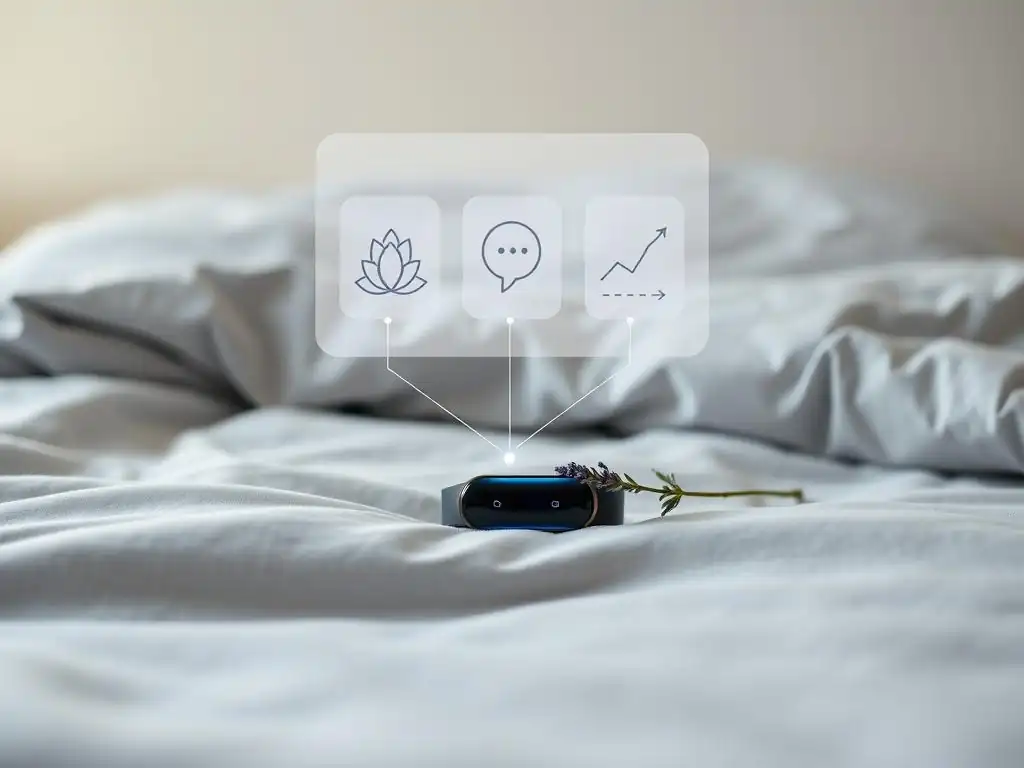
The connection between physical health data and mental well-being is becoming increasingly recognized. Some advanced sleep trackers and wearable platforms offer integration with mental health apps, such as mindfulness and meditation guides, mood tracking journals, or even platforms for connecting with therapists. This integration allows users to see how their physiological data, like sleep patterns or HRV, correlates with their reported mood or mental state captured in other apps.
For example, a user might see that on days they practiced a guided meditation (tracked in a mindfulness app), their sleep quality score (from the sleep tracker) was higher, or their HRV improved. This cross-referencing can help individuals identify coping strategies or activities that positively impact both their mental state and their sleep. Seamless integration makes it easier to use the tracker's data within the broader context of mental health management, providing a more connected approach to sleep trackers depression management advice.
Comfort and Wearability: Finding a Tracker You'll Actually Use
Perhaps the most practical, yet essential, feature to consider is the device's comfort and wearability, especially during sleep. The most sophisticated tracker with the most accurate data is useless if it's uncomfortable to wear every night. Sleep tracking requires consistent use to identify meaningful patterns over time. Devices come in various forms: wristbands, watches, rings, or even clips that attach to clothing or pillows.
Consider your personal preferences and habits. Do you find wearing something on your wrist distracting while sleeping? A ring or a device that clips to your pillow might be a better fit. Is the device bulky or lightweight?
Does the material feel comfortable against your skin? Battery life is also a key aspect of wearability – a device that needs charging every night is less likely to be used consistently than one that lasts several days. Choosing a tracker you find comfortable and easy to incorporate into your routine is fundamental for sustained use and deriving long-term sleep trackers depression management advice from the data.
Recommended Sleep Trackers for Depression: Reviews and Comparisons
Fitbit Inspire 3: Entry-Level Tracking with Comprehensive Insights
The Fitbit Inspire 3 is a popular entry-level fitness tracker that includes robust sleep tracking features, making it an accessible option for those exploring sleep trackers depression management advice. It tracks total sleep time, time awake, restlessness, and provides a daily sleep score based on duration, quality, and restoration. The companion app breaks down sleep into stages (Light, Deep, REM) and shows how your night compares to the average for your age group and gender.
Beyond basic tracking, the Inspire 3 offers personalized insights and guidance within the Fitbit app, including recommendations for improving sleep habits. It also monitors resting heart rate and provides basic activity tracking, contributing to a broader picture of your health. While not the most advanced device for detailed physiological metrics like HRV (though premium subscription offers some advanced sleep analysis), its ease of use, comfortable design, and comprehensive sleep analysis make it a solid starting point for understanding sleep patterns impacted by depression. Price: [Approximate Price Range: $90 - $100]
Garmin Venu 3: Advanced Metrics and Body Battery Monitoring
The Garmin Venu 3 is a more advanced smartwatch that goes beyond basic sleep tracking, offering metrics particularly relevant for understanding stress and recovery, which are often intertwined with depression. Its sleep tracking includes duration, stages (Light, Deep, REM), and wakefulness, with detailed insights in the Garmin Connect app. A key feature is the "Sleep Score" and "Sleep Coaching," which provide personalized recommendations based on your sleep data.
Crucially for mental wellness, the Venu 3 tracks Heart Rate Variability (HRV Status) during the night, providing insights into your body's recovery and stress levels. It also features "Body Battery," a metric estimating your energy levels throughout the day based on activity, stress, and sleep data. Low Body Battery and poor HRV status can correlate with increased feelings of fatigue and stress often experienced in depression. These advanced metrics offer a deeper understanding of physiological state, enhancing the potential for personalized sleep trackers depression management advice. Price: [Approximate Price Range: $400 - $450]
Apple Watch Series 9: Comprehensive Health Tracking with Mental Wellness Apps
The Apple Watch Series 9 is a versatile smartwatch offering extensive health monitoring features, including detailed sleep tracking. It automatically tracks sleep duration and identifies sleep stages (Core, Deep, REM) within the native Sleep app on the iPhone. Users can set sleep goals and schedules, and the watch provides insights into consistency over time. Its integration within the Apple ecosystem allows for seamless connection with a wide range of third-party health and mental wellness apps.
Beyond sleep, the Apple Watch measures resting heart rate, walking heart rate, and offers an ECG app to check for signs of atrial fibrillation (though not directly related to sleep/depression, it's part of its health suite). For mental wellness, it includes a Mindfulness app with guided meditations and breathing exercises, and the ability to log your mood.
The watch's integration capabilities mean data can potentially be shared with apps focused on CBT, mood tracking, or therapy platforms (where supported), making it a powerful tool for a holistic approach to sleep trackers depression management advice. Price: [Approximate Price Range: $400 - $500]
Oura Ring Gen3: Deep Dive into Sleep and Recovery
The Oura Ring Gen3 takes a different form factor, worn on the finger, and is specifically designed for detailed sleep and recovery tracking. It measures sleep duration, stages (Light, Deep, REM), and wakefulness with high accuracy (often considered among the most accurate consumer sleep trackers). Its algorithm provides three daily scores: Sleep Score, Activity Score, and Readiness Score, with the Readiness Score being particularly useful as it incorporates sleep, HRV, body temperature, and activity to indicate your body's capacity for the day.
The Oura Ring excels in providing detailed insights into sleep patterns and recovery metrics like Heart Rate Variability (HRV) and resting heart rate trends, measured continuously overnight. It also tracks body temperature deviation, which can indicate illness or stress. The app provides personalized guidance based on these metrics, suggesting rest days or encouraging activity based on your recovery state. Its focus on detailed sleep and recovery data makes it a strong contender for individuals seeking in-depth physiological insights to inform their sleep trackers depression management advice. Price: [Approximate Price Range: $300 - $350 + Monthly Membership]
Using Sleep Tracker Data to Improve Sleep and Manage Depression Symptoms
Identifying Sleep Patterns and Triggers: Recognizing What Impacts Your Sleep
Once you start consistently using a sleep tracker, the first step is to analyze the data it collects to identify your unique sleep patterns. Look for trends over several weeks or months rather than focusing on a single night's data. Are you consistently getting less than 6 hours of sleep? Is your sleep very fragmented with frequent wake-ups? Do you notice specific days of the week where your sleep is worse? The data can reveal issues like inconsistent bedtimes, prolonged periods of wakefulness during the night, or insufficient time spent in restorative sleep stages.
Beyond just identifying patterns, try to correlate the sleep data with your daily activities, mood, and lifestyle choices. Did your sleep quality drop significantly after a late-night meal, consuming alcohol, or experiencing a particularly stressful day at work? Did your sleep improve on days you exercised or practiced mindfulness? By cross-referencing your sleep metrics with your daily experiences (perhaps logged in a separate journal or mental health app), you can start to pinpoint triggers that negatively impact your sleep and, consequently, your mood. This analytical process is fundamental to applying sleep trackers depression management advice effectively.
Implementing Sleep Hygiene Strategies Based on Data: Creating a Restful Environment
The data from your sleep tracker provides objective evidence that can guide the implementation of targeted sleep hygiene strategies. If your tracker shows you consistently take a long time to fall asleep, you might focus on creating a more relaxing bedtime routine an hour before bed, avoiding screens, or ensuring your bedroom is dark, quiet, and cool (ideally between 60-67°F or 15-19°C). If the data indicates frequent wakefulness, you might consider strategies like getting out of bed if you can't sleep after 20 minutes and returning only when sleepy, or reducing fluid intake before bed.
Seeing data that your sleep is inconsistent might prompt you to establish a regular bedtime and wake-up time, even on weekends, as consistency is a cornerstone of good sleep hygiene. If your deep sleep is consistently low, you might focus on optimizing your sleep environment and ensuring sufficient total sleep time, as deep sleep tends to occur more in the first half of the night. Using the tracker data to inform which sleep hygiene principles to prioritize makes your efforts more targeted and potentially more effective for sleep trackers depression management advice.
The objective data provided by a sleep tracker can be an invaluable tool for healthcare professionals involved in your depression management. Subjective reports of sleep can be unreliable, as individuals may underestimate or overestimate the severity of their sleep problems. Bringing your sleep tracker data to appointments provides your therapist or doctor with concrete information about your sleep duration, quality, and consistency over time.
This data can help inform their assessment, guide treatment decisions, and track the effectiveness of interventions. For example, a therapist using Cognitive Behavioral Therapy for Insomnia (CBT-I) can use your sleep log (often informed by tracker data) to identify specific targets for behavioral change. A doctor prescribing medication might use the data to see how it impacts your sleep patterns or whether sleep improves as depression symptoms lessen. Sharing this data fosters a more collaborative and data-driven approach to developing personalized sleep trackers depression management advice.
Tracking Progress and Adjusting Strategies: Continuous Improvement
Sleep and depression management are often non-linear processes, and what works initially might need adjustment over time. A sleep tracker allows you to continuously monitor your progress and see how changes you implement impact your sleep metrics. After implementing a new sleep hygiene strategy, like avoiding caffeine after noon, you can look at your sleep data over the following weeks to see if your time awake during the night decreases or your sleep efficiency improves.
If you start a new medication or therapy, the sleep tracker data can provide objective feedback on whether your sleep is improving alongside your mood. This continuous feedback loop is essential for refining your approach. If a particular strategy isn't yielding positive results according to the data, you can discuss this with your healthcare provider and adjust your plan. This iterative process of tracking, analyzing, implementing, and adjusting based on data is key to leveraging sleep trackers for long-term sleep trackers depression management advice and overall well-being.
Beyond Sleep Trackers: Complementary Strategies for Depression and Sleep

Cognitive Behavioral Therapy for Insomnia (CBT-I): Addressing Underlying Sleep Issues
Cognitive Behavioral Therapy for Insomnia (CBT-I) is widely recognized as the most effective non-pharmacological treatment for chronic insomnia, a condition frequently co-occurring with depression. Unlike medication, CBT-I addresses the underlying thoughts and behaviors that contribute to sleep problems. It typically involves working with a therapist over several sessions to identify and change negative thought patterns about sleep (cognitive component) and modify behaviors that interfere with sleep (behavioral component).
Key components of CBT-I often include stimulus control (associating the bed only with sleep), sleep restriction (temporarily reducing time in bed to increase sleep drive), relaxation techniques, and challenging unhelpful beliefs about sleep. Research shows that CBT-I is highly effective, often leading to sustained improvements in sleep quality. For individuals with depression struggling significantly with insomnia, incorporating CBT-I alongside their depression treatment and potentially using a sleep tracker to monitor progress can be a powerful combination for comprehensive sleep trackers depression management advice.
Mindfulness and Meditation Techniques: Reducing Stress and Improving Sleep Quality
Mindfulness and meditation practices can be valuable tools for managing both depression symptoms and sleep difficulties. Mindfulness involves paying attention to the present moment without judgment, which can help individuals detach from ruminative thoughts that often keep them awake at night. Regular meditation practice has been shown to reduce stress, lower cortisol levels, and calm the nervous system, creating a more conducive physiological state for sleep.
Techniques such as body scans, guided imagery, or simple focused breathing exercises can be incorporated into a bedtime routine to promote relaxation and ease the transition into sleep. Even short periods of mindfulness during the day can help reduce overall stress levels, which in turn can positively impact sleep quality. Many mental health and sleep apps offer guided mindfulness sessions specifically designed for sleep, providing accessible tools that complement the data insights gained from sleep trackers, enhancing overall sleep trackers depression management advice.
The Role of Diet and Exercise in Sleep and Mental Health
Lifestyle factors like diet and exercise have a significant impact on both sleep and mental well-being. Regular physical activity is a well-established mood booster and can improve sleep quality, particularly by increasing the amount of deep sleep. Aiming for moderate-intensity exercise most days of the week can be beneficial, though it's generally advised to avoid vigorous exercise close to bedtime, as it can be stimulating. Even a brisk walk can make a difference.
Dietary choices also play a role. Avoiding caffeine and alcohol, especially in the hours before bed, is crucial, as both can disrupt sleep architecture. Limiting heavy meals and excessive fluids close to bedtime can also prevent sleep disturbances. Ensuring a balanced diet rich in nutrients supports overall physical and mental health, creating a foundation for better sleep and resilience against depression symptoms. Integrating healthy eating and regular exercise with sleep tracking offers a holistic approach to sleep trackers depression management advice.
When to Seek Professional Help: Recognizing the Need for Medical Intervention
While sleep trackers and lifestyle adjustments can be helpful tools, it is essential to recognize when professional medical intervention is necessary. If you are experiencing persistent symptoms of depression or severe, chronic sleep problems that significantly impact your daily functioning, consulting a healthcare provider is crucial. This could be a primary care physician, a psychiatrist, or a sleep specialist.
A doctor can accurately diagnose depression and any underlying sleep disorders (like sleep apnea or restless legs syndrome) that a sleep tracker might hint at but cannot confirm. They can discuss treatment options, including medication, therapy, or referrals to specialists. Combining professional medical guidance with the data insights from a sleep tracker allows for the most effective and personalized sleep trackers depression management advice and care plan. Don't hesitate to seek help if you feel overwhelmed or your symptoms are not improving with self-management strategies.
The Future of Sleep Tracking and Mental Health: Emerging Technologies
Advanced Sleep Analysis: AI-Powered Insights for Personalized Recommendations
The field of sleep tracking is continuously evolving, with a strong focus on improving accuracy and the depth of insights provided. Future generations of sleep trackers are likely to leverage more sophisticated algorithms and artificial intelligence (AI) to provide even more personalized and actionable sleep analysis. Instead of just presenting data, AI could analyze complex patterns across sleep stages, HRV, body temperature, and potentially even environmental factors (like bedroom temperature or noise, if integrated) to identify subtle issues and offer highly tailored recommendations.
Imagine an AI-powered sleep tracker app that notices a correlation between your low deep sleep on certain nights and your activity levels the previous day, then suggests an optimal time window for exercise to maximize restorative sleep. Or an app that analyzes your sleep patterns alongside your mood logs and suggests specific mindfulness exercises that have historically correlated with better sleep for you. These advanced insights could make sleep trackers even more powerful tools for personalized sleep trackers depression management advice.
Brainwave Sensing Headbands: Potential for Targeted Sleep Improvement
Beyond wrist-based trackers and rings, emerging technologies like brainwave sensing headbands are entering the consumer market. These devices use electroencephalography (EEG) sensors, similar to those used in clinical sleep studies, to measure brain activity directly. While currently more expensive and potentially less comfortable for everyday use, they hold the promise of providing highly accurate data on sleep stages, including precise measurements of deep sleep and REM sleep, and even potentially identifying specific sleep patterns associated with certain conditions.
Some brainwave headbands are being developed not just for monitoring but also for intervention, using audio tones or neurofeedback techniques to potentially enhance deep sleep or help users fall asleep faster. While still a developing area for consumer devices, these technologies represent a significant leap in the potential for wearable tech to offer targeted interventions for sleep improvement. As these technologies become more refined and accessible, they could offer new avenues for highly personalized sleep trackers depression management advice by directly addressing brain activity during sleep.
Conclusion: Embracing Data for Restful Nights and Brighter Days
Sleep is a fundamental pillar of health, and its intricate connection with depression cannot be overstated. Poor sleep exacerbates symptoms, while improving sleep quality can significantly contribute to better mood and overall well-being. Sleep trackers offer a valuable, data-driven approach to understanding your personal sleep landscape, moving beyond subjective feelings to objective metrics. While not a cure, they are powerful tools within a holistic strategy for managing depression and finding more restful nights.
By choosing a tracker with relevant features like accurate sleep stage detection, HRV monitoring, and helpful app insights, you gain valuable data that can illuminate patterns and triggers impacting your sleep. Using this information to implement targeted sleep hygiene strategies, track your progress, and collaborate with healthcare professionals empowers you to take active steps towards improvement. Combined with evidence-based practices like CBT-I, mindfulness, healthy lifestyle choices, and professional support, leveraging sleep tracker data forms a key part of effective sleep trackers depression management advice, paving the way for not just better sleep, but brighter days ahead.
Frequently Asked Questions
How can sleep trackers help with depression management?
Sleep trackers can provide valuable data about your sleep patterns, helping you identify potential sleep disturbances that may be contributing to or exacerbating your depression. This information empowers you to make informed decisions about improving your sleep.
Are sleep trackers a substitute for professional mental health treatment?
No, sleep trackers are not a replacement for professional help. They should be used as a supplementary tool to track sleep patterns and inform discussions with your therapist or doctor, but not as the sole solution.
What types of data do sleep trackers typically collect, and how is that data relevant to depression?
They usually track sleep duration, sleep stages (light, deep, REM), and sleep disturbances like awakenings. These factors are strongly linked to mood regulation and can reveal potential issues that impact depression symptoms.
Is the data from sleep trackers always accurate, and how should I interpret the results?
While sleep trackers can be useful, they aren't always perfectly accurate. It's important to view the data as estimates and correlate it with your subjective experience. Discuss any concerning results with a healthcare professional for proper interpretation.
What are some other strategies, besides using sleep trackers, to improve sleep quality and manage depression?
Implementing good sleep hygiene practices like maintaining a consistent sleep schedule, creating a relaxing bedtime routine, and ensuring a dark, quiet sleep environment are crucial. Therapy and medication, as prescribed by a doctor, are also vital components of depression management.
Final Reflection: Unlocking the Power of Sleep in Mental Wellness
The pervasive nature of depression underscores the critical need for effective management strategies, and the data-driven insights offered by sleep trackers are emerging as a powerful tool in this fight. Understanding and improving sleep quality isn't just about getting more rest; it's about fostering a holistic approach to mental well-being, significantly impacting mood regulation and overall mental health.
The journey to better mental health is deeply personal, and the impact of sleep on this journey is often underestimated. Sleep trackers offer a window into our sleep patterns, revealing hidden connections between sleep disturbances and depressive symptoms. This data empowers individuals to take proactive steps towards improved mental health, fostering a sense of agency and control. Sleep is the golden chain that ties health and our bodies together.
- Thomas Dekker. This quote highlights the fundamental role sleep plays, a role often overlooked until its absence is keenly felt. The ability to track and understand this vital aspect of our lives, through technology like sleep trackers, is a significant step forward in managing depression.
Now, consider your own sleep habits. Are you consistently getting enough restorative sleep? Do you notice patterns between your sleep quality and your mood? Take the time to reflect on this, and if you identify areas for improvement, explore the potential benefits of using a sleep tracker. Don't hesitate to seek professional help if you're struggling with depression; these tools are meant to complement, not replace, professional guidance. By embracing a proactive approach to sleep and mental health, you are investing in a brighter, more restful future for yourself.
Unlock Your Restful Potential: Take Charge of Your Sleep & Wellbeing
Thanks for taking the time to explore the connection between sleep trackers and managing depression with us here at Mind Care Guide. We hope you found valuable insights into improving your sleep quality and overall mental health. Now it's time to put this knowledge into action!
- Start tracking your sleep tonight! Even a few nights of data can reveal patterns you might not have noticed. This is your first step towards understanding your sleep and identifying potential areas for improvement.
- Share your experience! Do you use a sleep tracker? What insights have you gained? Let's build a supportive community by sharing your stories and tips in the comments below.
- Explore relaxation techniques mentioned in the article. Choose one that resonates with you and try it out for a week to see how it impacts your sleep and mood.
Ready to take control of your sleep and rediscover the joy of waking up feeling refreshed? What small step will you take today to prioritize your rest and wellbeing?