
Stress Relief Through Movement: The Science of Yoga for Mind

Welcome to Mind Care Guide, a sanctuary for your mental well-being.
Feeling overwhelmed? You're not alone. We understand the weight of stress, and we're here to help you find pathways to calm. Are you searching for natural, effective ways to manage daily pressures? Dive into our guide on Yoga for stress reduction, exploring how gentle movement and mindful breathing can unlock a profound sense of peace. Discover the science behind this ancient practice and begin your journey towards a more balanced and resilient you.
- Yoga for Stress Reduction: Finding Calm Through Movement
- Understanding the Science of Stress and the Body's Response
- Yoga for Stress Reduction: A Mind-Body Approach
- Specific Yoga Poses for Stress Relief: A Practical Guide
- Breathing Techniques (Pranayama) in Yoga for Stress Management
- Meditation and Mindfulness in Yoga for Stress Reduction
- Creating a Yoga Practice for Stress Relief: A Step-by-Step Guide
- The Benefits of Yoga Beyond Stress Reduction: Improved Mental Well-being
- Precautions and Modifications for Yoga Practice
- Further Resources for Yoga and Stress Management
- Conclusion: Embracing Yoga for a Calmer, More Balanced Life
-
Frequently Asked Questions
- What is Yoga for Stress Reduction, and how does it relate to overall mental well-being?
- How does Yoga for Stress Reduction differ from other forms of exercise when it comes to stress relief?
- What are some specific Yoga for Stress Reduction poses or techniques that are particularly effective for alleviating stress?
- How often should I practice Yoga for Stress Reduction to experience noticeable benefits in my stress levels?
- Where can I find reliable resources or qualified instructors to learn more about Yoga for Stress Reduction?
- Final Reflection: Finding Stillness in the Storm of Stress
- Unleash Your Inner Calm: Start Your Yoga Journey Today!
Yoga for Stress Reduction: Finding Calm Through Movement
The American Psychological Association's Approach to Yoga for Mental Health
The American Psychological Association (APA) acknowledges the growing body of evidence supporting mind-body practices, including yoga, as valuable tools for managing stress and improving mental well-being. Their resources often highlight how techniques like yoga can complement traditional therapeutic approaches by addressing the physical manifestations of psychological distress. The APA emphasizes that integrating physical activity, mindfulness, and breathwork, core components of yoga, can have a profound impact on the nervous system, helping individuals regulate their stress response more effectively.
Furthermore, the APA points to research suggesting that regular engagement in yoga for stress reduction can lead to measurable physiological changes, such as reduced heart rate and blood pressure, which are often elevated during periods of chronic stress. They advocate for personalized approaches to mental health care, recognizing that practices like yoga offer accessible and empowering ways for individuals to actively participate in their own healing journey and build resilience against daily stressors.
Understanding the Science of Stress and the Body's Response
The Physiology of Stress: How the Body Reacts
When faced with a perceived threat, the body initiates a complex physiological response known as the "fight or flight" response, orchestrated by the sympathetic nervous system. This involves the rapid release of stress hormones like adrenaline and cortisol from the adrenal glands. Adrenaline prepares the body for immediate action by increasing heart rate, raising blood pressure, and diverting blood flow to muscles, while cortisol provides sustained energy by increasing glucose in the bloodstream and suppressing non-essential functions like digestion and immune response.
This acute stress response is vital for survival in dangerous situations, but modern life often triggers this system repeatedly due to psychological stressors like work pressure, financial worries, or relationship issues, without the opportunity for physical resolution. Chronic activation of the hypothalamic-pituitary-adrenal (HPA) axis, the body's main stress response system, leads to persistently high levels of cortisol. This prolonged exposure can disrupt numerous bodily processes, setting the stage for various health problems.
The Impact of Chronic Stress on Mental Well-being
Persistent, unmanaged stress significantly impacts mental well-being, contributing to or exacerbating conditions such as anxiety disorders, depression, and sleep disturbances. The constant state of alert depletes mental and emotional resources, leading to feelings of overwhelm, irritability, and difficulty concentrating. Chronic stress can alter brain structure and function, particularly affecting areas involved in mood regulation, decision-making, and memory, like the prefrontal cortex and hippocampus.
Moreover, the emotional toll of chronic stress can manifest as feelings of hopelessness, detachment, and a loss of interest in activities once enjoyed. It can impair coping mechanisms, making individuals more vulnerable to negative thought patterns and unhealthy behaviors. Addressing chronic stress is therefore not just about feeling better physically, but is crucial for maintaining cognitive function, emotional stability, and overall psychological health, highlighting the need for effective strategies like yoga for stress reduction.
Yoga for Stress Reduction: A Mind-Body Approach
Connecting Mind and Body Through Yoga Practice
Yoga is fundamentally a mind-body discipline that emphasizes the interconnectedness of our physical state and mental experience. Through the deliberate performance of postures (asanas), conscious regulation of breath (pranayama), and focused attention (meditation/mindfulness), practitioners learn to become more aware of bodily sensations, emotional states, and thought patterns without judgment. This heightened interoceptive awareness is key to stress reduction.
By intentionally moving and breathing, yoga helps release physical tension often held in the body as a result of stress. This physical release can lead to a corresponding mental and emotional unwinding. The practice encourages being present in the moment, shifting focus away from worrying about the past or future, which are common sources of stress and anxiety. This integration of physical movement with mindful awareness makes yoga a powerful tool for managing the body's stress response.
How Yoga Asanas (Postures) Reduce Stress
Yoga postures, or asanas, contribute to stress reduction through a combination of physical and neurological effects. Holding and moving through poses helps to release muscular tension, particularly in areas like the shoulders, neck, and hips, where stress is often stored. This physical release can alleviate feelings of tightness and discomfort associated with anxiety. Specific postures can also stimulate the parasympathetic nervous system, the body's "rest and digest" system, counteracting the effects of the sympathetic "fight or flight" response.
Furthermore, the physical exertion and stretching involved in yoga practice can reduce levels of stress hormones like cortisol and increase the production of endorphins, natural mood elevators. The focus required to maintain balance and form in poses also draws attention away from stressful thoughts, promoting a sense of calm and mental clarity. Consistent practice builds resilience, making the body and mind better equipped to handle future stressors, reinforcing the benefits of yoga for stress reduction.
Specific Yoga Poses for Stress Relief: A Practical Guide
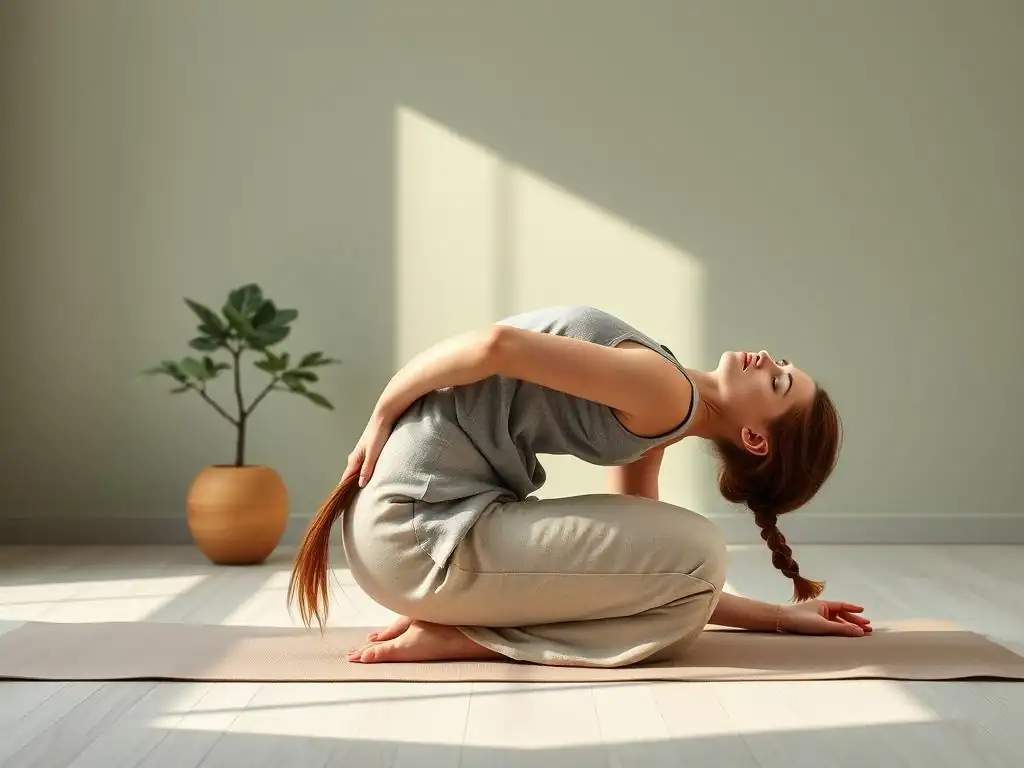
Gentle Yoga Poses for Anxiety and Relaxation
Gentle yoga poses are particularly effective for calming the nervous system and promoting a sense of peace. They are accessible to most individuals, regardless of experience level or physical condition, making them ideal for immediate stress relief. These poses emphasize comfort, stillness, and deep breathing, allowing the body and mind to enter a state of relaxation.
Incorporating these gentle postures into a routine, especially before sleep or during moments of heightened anxiety, can significantly reduce feelings of tension and overwhelm. They provide a safe space to connect with the breath and body, fostering a sense of grounding and security when feeling stressed or anxious.
Child's Pose (Balasana): Grounding and Calming
Child's Pose is a deeply comforting and restorative posture that encourages surrender and relaxation. Kneeling with the knees wide or together, the torso folds forward over the thighs, and the forehead rests on the mat or a prop. The arms can extend forward or rest alongside the body. This pose gently stretches the back and hips while allowing the body to feel supported and grounded.
Holding Child's Pose for several minutes, focusing on slow, deep breaths, helps to quiet the mind and release tension from the back and shoulders. It provides a sense of retreat and safety, making it an excellent pose for reducing feelings of anxiety and promoting a sense of calm and introspection. It's a fundamental pose in yoga for stress reduction sequences.
Corpse Pose (Savasana): Deep Relaxation and Stress Reduction
Savasana, or Corpse Pose, is arguably one of the most important poses for stress reduction, despite its apparent simplicity. Lying flat on the back with arms and legs gently extended, palms facing up, the goal is complete physical and mental relaxation. The body is still, and the mind is encouraged to observe thoughts without engaging with them.
This pose allows the nervous system to integrate the benefits of the practice and enter a state of deep rest, which is crucial for stress recovery. Just 5-10 minutes in Savasana can significantly lower heart rate and blood pressure, reduce muscle tension, and calm the mind. It teaches the body how to relax deeply, a skill often lost in chronic stress, making it indispensable for effective yoga for stress reduction.
More Active Yoga Poses for Releasing Tension
While gentle poses promote relaxation, more active postures can help release pent-up physical and emotional tension through movement and mindful effort. These poses build strength and focus, providing a different pathway to stress relief by allowing the body to work through energy blockages.
These poses require more engagement and can be invigorating while still promoting a sense of calm focus. They demonstrate how active movement, when combined with breath and awareness, can be a powerful method for processing and releasing stress held within the body.
Warrior II (Virabhadrasana II): Building Strength and Confidence
Warrior II is a strong, grounding standing pose that builds physical strength and mental focus. With feet wide apart, one foot turned out and the other slightly in, the front knee is bent directly over the ankle, and arms extend out to the sides parallel to the floor, gaze over the front hand. This pose requires engagement of the legs, core, and arms.
Holding Warrior II builds heat and strength, which can help release frustration and tension. The expansive nature of the pose can also promote feelings of empowerment and confidence, counteracting feelings of helplessness often associated with stress. The focus required to maintain the pose distracts the mind from worries, anchoring attention firmly in the present moment, contributing to stress reduction through active presence.
Standing Forward Bend (Uttanasana): Relieving Headaches and Calming the Mind
Standing Forward Bend is a pose that involves folding the torso over the legs, allowing the head to hang heavy. From a standing position, hinge at the hips and let the upper body release downwards. The knees can be bent significantly, especially for tight hamstrings. This inversion gently stretches the back of the legs and the spine.
Allowing the head to hang below the heart in Uttanasana can help to calm the nervous system and increase blood flow to the head, which can be beneficial for relieving tension headaches often caused by stress. The act of folding forward can also feel introspective and soothing, encouraging a release of physical and mental tension. It's a simple yet effective pose for quick stress relief.
Breathing Techniques (Pranayama) in Yoga for Stress Management
The Importance of Breath Control in Yoga
In yoga, breath is considered the link between the mind and body, a direct pathway to influencing the nervous system. Pranayama, the practice of controlling the breath, is therefore a fundamental component of yoga for stress reduction. Conscious breathing techniques can override the body's stress response, which is often characterized by shallow, rapid breathing.
By intentionally slowing down and deepening the breath, practitioners can activate the parasympathetic nervous system, promoting relaxation, reducing heart rate, and lowering blood pressure. Pranayama practices cultivate mindfulness and present moment awareness, diverting attention away from stressful thoughts and fostering a sense of calm control over one's physiological state.
Diaphragmatic Breathing (Belly Breathing) for Calming the Nervous System
Diaphragmatic breathing, often called belly breathing, is a simple yet powerful technique for activating the relaxation response. Instead of breathing shallowly into the chest, this technique focuses on expanding the belly as you inhale, allowing the diaphragm to fully descend, and contracting the belly as you exhale.
Practicing diaphragmatic breathing stimulates the vagus nerve, a key component of the parasympathetic nervous system. This stimulation sends a signal to the brain that the body is safe and can relax, effectively counteracting the "fight or flight" response. Regular practice can lower baseline stress levels and provide an immediate tool for calming down during moments of acute stress or anxiety. It's a cornerstone technique in yoga for stress reduction.
Alternate Nostril Breathing (Nadi Shodhana) for Balancing Energy
Nadi Shodhana Pranayama is a balancing breathing technique performed by alternating the breath between the left and right nostrils using the fingers to close one nostril at a time. It is often practiced sitting comfortably with a straight spine.
This technique is believed to harmonize the left and right hemispheres of the brain and balance the body's energy channels, leading to a sense of calm and mental clarity. It can be particularly effective for reducing anxiety, soothing a restless mind, and preparing for meditation. Many find it helps to alleviate stress-induced insomnia and improve focus, highlighting its value within yoga for stress reduction practices.
Meditation and Mindfulness in Yoga for Stress Reduction
Cultivating Present Moment Awareness Through Yoga
Mindfulness, the practice of paying attention to the present moment without judgment, is an intrinsic part of yoga. While moving through poses or practicing breathwork, practitioners are encouraged to focus on physical sensations, the rhythm of the breath, and the thoughts and emotions that arise. This focus anchors the mind in the here and now, reducing rumination on past problems or future worries, which are major sources of stress.
This cultivation of present moment awareness through yoga provides a mental refuge from the often overwhelming demands of modern life. By regularly training the mind to observe rather than react, individuals develop a greater capacity to notice stress triggers, understand their personal stress patterns, and respond to challenges with more composure and less reactivity. This mindful approach is central to yoga's effectiveness in stress reduction.
Guided Meditation for Stress and Anxiety Relief
Guided meditation, often incorporated at the end of a yoga class or practiced independently, involves being led through a relaxation or mindfulness exercise by an instructor or recording. The guidance helps focus the mind, making it easier to relax and let go of stressful thoughts. Techniques can include body scans, visualization, or simply focusing on guided breathing.
These meditations are specifically designed to calm the nervous system and reduce feelings of anxiety. They provide a structured way to enter a state of deep relaxation, offering respite from the constant mental chatter associated with stress. Regular engagement with guided meditation enhances the overall benefits of yoga for stress reduction, providing a powerful tool for mental and emotional regulation.
The Benefits of Regular Meditation for Long-Term Stress Management
Consistent meditation practice, as cultivated within a yoga routine or separately, yields significant long-term benefits for stress management. Research indicates that regular meditation can lead to structural and functional changes in the brain, such as increased gray matter density in areas associated with learning, memory, and emotional regulation, while potentially decreasing density in the amygdala, the brain's fear center.
Over time, this can result in a reduced biological reactivity to stress, a greater ability to recover from stressful experiences, and an overall improvement in emotional resilience. Individuals who meditate regularly often report lower levels of perceived stress, improved mood, and enhanced ability to cope with life's challenges. This sustained impact underscores the profound role of meditation, often integrated into yoga for stress reduction, in promoting lasting mental well-being.
Creating a Yoga Practice for Stress Relief: A Step-by-Step Guide
Setting Intentions for Your Yoga Practice
Beginning your yoga journey for stress reduction starts with setting a clear intention. What do you hope to gain from your practice? Is it to feel calmer, more grounded, or to release physical tension? Having a specific goal helps focus your efforts and makes the practice more meaningful. Your intention can be as simple as "to breathe deeply" or "to be present."
Setting an intention before you begin helps to shift your mindset from doing yoga as just physical exercise to engaging in a holistic practice aimed at well-being. It allows you to approach each session with purpose, making it a dedicated time for self-care and stress management. Revisit your intention often, especially when motivation wanes, to remind yourself why you started practicing yoga for stress reduction.
Choosing the Right Yoga Style for Your Needs
With many styles of yoga available, selecting the right one for stress reduction depends on your personal preferences and physical condition. Gentle Hatha or Restorative yoga are excellent choices if you seek deep relaxation and slow, deliberate movements. Vinyasa or Flow yoga can be beneficial if you prefer a more dynamic practice to release energy and build heat, as long as the pace feels calming rather than overwhelming.
Yin yoga, which involves holding passive stretches for longer periods, can target deep connective tissues and promote profound release, both physically and emotionally. Trying different styles through introductory classes or online resources can help you find the approach that resonates most with you and best supports your goal of using yoga for stress reduction.
Integrating Yoga into Your Daily Routine for Lasting Stress Reduction
Consistency is key to reaping the full benefits of yoga for stress reduction. Find ways to weave practice into your daily or weekly schedule, even if it's just for 10-15 minutes. This could be a short series of stretches and breathing exercises in the morning, a mid-day break for a few calming poses, or a longer practice in the evening to unwind.
Consider what time of day feels most accessible and beneficial for you. A morning practice might energize you and set a calm tone, while an evening practice can help release the day's tension and prepare you for sleep. Making yoga a regular habit, rather than an occasional activity, builds cumulative benefits and strengthens your resilience against stress over time.
The Benefits of Yoga Beyond Stress Reduction: Improved Mental Well-being
Yoga for Anxiety Management
Beyond its direct impact on stress, yoga has shown significant promise in helping manage anxiety symptoms. The combination of focused breathwork, physical postures that release tension, and mindfulness techniques helps to calm the racing thoughts and physical restlessness often associated with anxiety. Regular practice can reduce the frequency and intensity of panic attacks and generalized worry.
By teaching individuals how to regulate their breathing and observe anxious thoughts without getting swept away by them, yoga provides practical tools for coping in the moment. Many studies and anecdotal reports highlight how consistent yoga practice leads to a greater sense of control and empowerment over anxiety, complementing other therapeutic interventions.
Yoga for Depression and Mood Regulation
Yoga can also be a valuable adjunct therapy for individuals experiencing depression and difficulty with mood regulation. The physical activity component can boost energy levels and improve mood by increasing endorphins. The mindful aspect helps counter negative thought patterns and encourages a more positive self-perception.
Furthermore, the sense of community found in group yoga classes can combat feelings of isolation often associated with depression. By connecting mind, body, and breath, yoga helps individuals reconnect with themselves and cultivate feelings of self-compassion and acceptance, contributing to improved emotional resilience and overall mental health.
Yoga for Improved Sleep Quality
Stress and anxiety are major contributors to sleep problems, including difficulty falling asleep and staying asleep. Yoga's ability to reduce stress and calm the nervous system directly translates into improved sleep quality. Gentle evening practices, focusing on relaxation poses and breathwork, signal to the body that it's time to rest.
Techniques like diaphragmatic breathing and guided relaxation, commonly used in yoga for stress reduction, are also effective tools for preparing the mind and body for sleep. Regular yoga practitioners often report falling asleep faster, experiencing fewer nighttime awakenings, and feeling more rested upon waking, demonstrating yoga's holistic benefits for mental and physical restoration.
Precautions and Modifications for Yoga Practice
Listening to Your Body and Avoiding Injury
While yoga is generally safe, it is crucial to listen attentively to your body and respect its limits to avoid injury. Yoga is not about pushing yourself into painful positions, but about exploring sensations and finding a balance between effort and ease. Pain is a signal to back off or modify a pose.
Pay attention to alignment cues and do not force your body into shapes it is not ready for. It is better to practice a modified version of a pose correctly and safely than to risk injury attempting an advanced variation. Cultivating this mindful awareness of your body's signals is itself a form of stress reduction, promoting self-care and acceptance.
Modifications for Beginners and Individuals with Physical Limitations
Yoga is adaptable to almost everyone, regardless of age, fitness level, or physical limitations. Modifications using props like blocks, blankets, straps, and chairs can make poses more accessible, provide support, and reduce strain. Beginners should consider starting with classes specifically designed for newcomers or working with an instructor knowledgeable in modifications.
Individuals with pre-existing health conditions, injuries, or physical limitations should inform their instructor and discuss potential modifications. Many poses can be adapted to be done seated or with extra support, ensuring that the benefits of yoga for stress reduction are available to a wide range of people.
Consulting with a Healthcare Professional Before Starting Yoga
Before starting any new exercise program, including yoga, it is advisable to consult with a healthcare professional, especially if you have any underlying health conditions, injuries, or are pregnant. They can provide personalized advice based on your medical history and current health status.
While yoga is beneficial for many, it is not a substitute for medical or psychological treatment. If you are managing significant mental health challenges, discuss with your doctor or therapist how yoga can complement your existing treatment plan. This ensures that you approach yoga for stress reduction safely and effectively as part of a comprehensive wellness strategy.
Further Resources for Yoga and Stress Management
Articles on the American Psychological Association Website
The American Psychological Association (APA) website offers numerous articles and resources related to stress management, mindfulness, and the mind-body connection. Searching their site can provide access to research summaries, expert opinions, and practical advice on utilizing techniques like yoga to improve psychological health.
Their resources often provide insights into the scientific basis behind stress reduction techniques and offer guidance on integrating them into daily life. Exploring the APA's publications can deepen your understanding of how practices like yoga contribute to overall mental well-being from a psychological perspective.
Links to External Resources: Yoga Alliance, Yoga Journal
Organizations like the Yoga Alliance and publications such as Yoga Journal serve as valuable external resources for those interested in deepening their yoga practice and understanding. The Yoga Alliance provides directories of registered yoga teachers and schools, offering a way to find qualified instruction.
Yoga Journal offers articles on various yoga styles, poses, philosophy, and health benefits, including many pieces specifically on using yoga for stress reduction and mental health. These resources can provide inspiration, practical tips, and information about workshops or retreats that can further support your journey.
Conclusion: Embracing Yoga for a Calmer, More Balanced Life
Embracing yoga for stress reduction is a powerful step towards cultivating a calmer, more balanced life. By integrating physical postures, conscious breathing, and mindful awareness, yoga offers a holistic approach to managing the physiological and psychological impacts of stress. It provides practical tools to navigate daily pressures with greater ease and resilience.
Regular practice not only helps to alleviate immediate stress symptoms but also builds a foundation for long-term mental well-being, positively impacting anxiety, mood, and sleep. As you continue your yoga journey, remember to practice with patience, self-compassion, and consistency, allowing the profound benefits of this ancient discipline to unfold in your life.
Frequently Asked Questions
What is Yoga for Stress Reduction, and how does it relate to overall mental well-being?
Yoga for stress reduction is a practice that uses physical postures, breathing techniques, and meditation to calm the nervous system and promote mental clarity. It's a key component of mental well-being by helping to manage stress responses.
How does Yoga for Stress Reduction differ from other forms of exercise when it comes to stress relief?
Unlike some exercises focused on high-intensity activity, Yoga for Stress Reduction emphasizes mind-body connection and relaxation. This allows for a more holistic approach to managing stress and promoting emotional balance.
What are some specific Yoga for Stress Reduction poses or techniques that are particularly effective for alleviating stress?
Poses like child's pose, corpse pose (Savasana), and alternate nostril breathing (Nadi Shodhana) are known for their calming effects. These techniques help to reduce cortisol levels and promote relaxation.
How often should I practice Yoga for Stress Reduction to experience noticeable benefits in my stress levels?
Even short, regular sessions of Yoga for Stress Reduction, such as 15-30 minutes several times a week, can significantly reduce stress. Consistency is key for long-term benefits.
Where can I find reliable resources or qualified instructors to learn more about Yoga for Stress Reduction?
Look for certified yoga instructors with experience in stress management and therapeutic yoga. Websites like Yoga Alliance or local studios can help you find qualified professionals.
Final Reflection: Finding Stillness in the Storm of Stress
The pervasive nature of stress in modern life demands effective coping mechanisms, and the ancient practice of yoga offers a powerful, scientifically-backed solution. Its ability to calm the nervous system, improve flexibility, and cultivate mindfulness isn't just a trendy wellness practice; it's a vital tool for navigating the complexities of the 21st century. We've explored the physiological and psychological benefits, from reducing cortisol levels to enhancing emotional regulation, demonstrating yoga's profound impact on overall well-being.
The exploration of yoga's stress-relieving properties has been deeply personal for me. Witnessing firsthand the transformative power of consistent practice – the shift from anxious energy to a sense of grounded calm – has reinforced the importance of integrating mindful movement into daily life. Yoga is not about touching your toes, it's about what you learn on the way down.
This quote perfectly encapsulates the journey of self-discovery and resilience that yoga fosters, extending far beyond the physical postures. It's a journey of self-acceptance and inner peace, qualities increasingly crucial in our fast-paced world.
Consider the ways in which you currently manage stress. Are they sustainable? Are they truly nurturing your mind and body? I invite you to explore the potential of yoga as a pathway to a more balanced and resilient you. Even a few minutes of mindful movement each day can make a significant difference. Start small, be patient with yourself, and discover the transformative power of finding stillness within the storm of stress. Your journey towards a calmer, more centered self begins now.
Unleash Your Inner Calm: Start Your Yoga Journey Today!
Thank you for taking the time to explore the powerful connection between movement and stress relief. We hope you gained valuable insights into the science behind yoga's calming effects! Now it's time to put that knowledge into practice.
Here's how to begin your journey to a calmer, more centered you:
- Begin with a short, guided yoga flow. Even 10 minutes can make a significant difference in your stress levels. There are many free videos available online to suit every level.
- Share your experience! Let us know on our social media what you discovered during your first session. We love hearing about your Mind Care journey.
- Consider joining a local yoga class to connect with a supportive community and learn from experienced instructors.
Ready to experience the transformative power of yoga for yourself? What simple step will you take today to prioritize your mental wellbeing?