
Improve Your Digestion: The MindBody Connection in Meditation's Physical Benefits


Welcome to Mind Care Guide, your sanctuary for cultivating inner peace and well-being. Feeling the gut-wrenching anxiety of digestive issues? It's more common than you think. But what if I told you there's a powerful, accessible tool that could offer relief? Explore our guide on Meditation for Digestive Health and discover how harnessing the mind-body connection can soothe your system and bring you back to a state of calm. Let's embark on this journey to a healthier, happier you, together.
- Improve Digestion: Meditation's Physical Benefits Through the Mind-Body Connection
- Understanding the Gut-Brain Axis: Meditation's Impact on Digestive Function
- Meditation Techniques for Digestive Health
- Physical Benefits of Meditation on the Digestive System
- Scientific Evidence: Research on Meditation and Digestive Disorders
- Integrating Meditation into Daily Life for Digestive Wellness
- Holistic Approaches to Digestive Wellness
- Conclusion: Harnessing the Mind-Body Connection for Digestive Health with Meditation
-
Frequently Asked Questions
- What is the connection between meditation and digestive health?
- How does meditation reduce digestive problems?
- What types of meditation are most effective for improving digestion?
- How often should I meditate to see benefits for my digestion?
- Are there any risks associated with using meditation for digestive health?
- Final Reflection: Cultivating Inner Peace, Outer Wellbeing
- Unleash Your Inner Calm: Cultivate Digestive Harmony
Improve Digestion: Meditation's Physical Benefits Through the Mind-Body Connection
For many, digestive discomfort is a persistent challenge, often intertwined with stress and anxiety. While diet and lifestyle play significant roles, the profound connection between our minds and our guts is increasingly recognized as crucial for digestive wellness. This is where practices like meditation for digestive health offer a powerful avenue for relief and improvement, leveraging the intricate communication highway between the brain and the digestive system.
Understanding this mind-body link is the first step towards harnessing non-pharmacological approaches for gut health. Meditation, traditionally viewed as a mental exercise, has tangible physiological effects that can directly impact the digestive process, offering a holistic path toward greater comfort and function. It's not just about managing stress about digestive issues; it's about influencing the physiological mechanisms behind them.
Understanding the Gut-Brain Axis: Meditation's Impact on Digestive Function
The gut-brain axis is a bidirectional communication system linking the central nervous system (brain and spinal cord) and the enteric nervous system (the nervous system of the gut). This complex network involves neural pathways, hormones, and the immune system, constantly exchanging information. Our emotional state and stress levels directly influence gut function, and conversely, the state of our gut can impact our mood and cognitive function.
When we experience stress, the brain signals the gut, often leading to changes in motility, secretion of digestive juices, and even altering the gut microbiome. This intricate connection explains why stressful situations can trigger symptoms like nausea, diarrhea, or constipation. Meditation for digestive health works by influencing this axis, promoting a state of calm that sends soothing signals back to the gut.
The Vagus Nerve: A Key Regulator of the Gut-Brain Communication
The vagus nerve is the primary component of the parasympathetic nervous system and serves as a major communication line in the gut-brain axis. Extending from the brainstem down to the abdomen, it influences critical functions like heart rate, breathing, and, importantly, digestion. A well-functioning vagus nerve helps regulate gut motility, reduce inflammation, and support the health of the gut lining.
Chronic stress or anxiety can impair vagal tone, essentially dampening the nerve's ability to send calming signals to the gut. This can contribute to digestive problems. Research, such as studies exploring the impact of mindfulness practices, suggests that regular meditation can improve vagal tone, leading to more balanced gut function. For instance, some studies using heart rate variability (HRV) as a proxy for vagal tone have indicated that meditation practices can lead to increases in HRV, correlating with enhanced parasympathetic activity and potentially improved digestive regulation.
Stress and Digestion: Anxiety's Negative Effects on Gut Motility and Inflammation
The body's response to stress involves activating the sympathetic nervous system, often called the "fight or flight" response. This state diverts resources away from non-essential functions like digestion. Hormones like cortisol are released, which can alter gut permeability (leading to "leaky gut"), increase inflammation, and disrupt the balance of gut bacteria.
Anxiety and chronic stress are well-known triggers for functional gastrointestinal disorders such as Irritable Bowel Syndrome (IBS) and can exacerbate symptoms in inflammatory bowel diseases (IBD) like Crohn's disease and ulcerative colitis. The increased gut sensitivity and altered motility experienced during stress can manifest as pain, bloating, diarrhea, or constipation. Engaging in meditation for digestive health helps to activate the parasympathetic nervous system, counteracting the effects of stress hormones and promoting a state conducive to healthy digestion.
Meditation Techniques for Digestive Health

Several meditation techniques can be particularly beneficial for supporting digestive wellness. While the core principle often involves focusing attention and cultivating awareness, different methods emphasize slightly different approaches that can target specific aspects of the mind-body connection relevant to gut function. Consistency in practice is often more important than the specific technique chosen initially.
Integrating meditation for digestive health into your routine doesn't require hours of practice. Even short, focused sessions can begin to yield positive effects. The key is finding a technique that resonates with you and practicing it regularly to build resilience against stress and foster a calmer internal environment.
Mindfulness Meditation: Enhancing Awareness of Digestive Processes
Mindfulness meditation involves paying attention to the present moment without judgment. When applied to digestive health, this can mean bringing non-judgmental awareness to bodily sensations, including those within the gut. This practice helps individuals become more attuned to their body's signals, recognizing early signs of discomfort or triggers.
Beyond simple awareness, mindfulness helps to detach from the anxious thoughts that often accompany digestive issues ("What if it gets worse?"). By observing these thoughts without getting caught up in them, the stress response can be reduced, which in turn can calm the gut. Studies on mindfulness-based interventions for conditions like IBS have shown improvements in symptom severity and quality of life, suggesting that increased bodily awareness and reduced reactivity to symptoms play a significant role.
Guided Meditation for Gut Health: Visualization for Relaxation and Gut Healing
Guided meditation involves following a facilitator's voice, often incorporating visualization or specific instructions to promote relaxation. For digestive health, guided meditations might include imagery of the digestive tract functioning smoothly, visualizing tension releasing from the abdomen, or focusing on soothing light or warmth in the gut area.
This technique can be particularly effective for individuals who find it difficult to quiet their minds on their own. The visualizations can help bypass anxious thought patterns and directly engage the mind-body connection in a positive way, promoting a sense of calm and potentially reducing gut spasms or discomfort associated with stress. Many apps and online resources offer guided meditations specifically tailored for stress reduction and physical relaxation, which indirectly support meditation for digestive health.
Diaphragmatic Breathing: Activating the Parasympathetic Nervous System for Improved Digestion
Diaphragmatic breathing, or deep belly breathing, is a simple yet powerful technique that directly influences the autonomic nervous system. By engaging the diaphragm, we stimulate the vagus nerve and promote the activation of the parasympathetic nervous system, the body's "rest and digest" state.
Practicing deep, slow breaths sends signals to the brain that it is safe to relax, counteracting the "fight or flight" response. This shift in the nervous system helps regulate gut motility, decrease muscle tension in the abdomen, and improve blood flow to the digestive organs. Incorporating just a few minutes of diaphragmatic breathing before meals or during moments of digestive discomfort can provide immediate relief and contribute to long-term improvements in digestive function, complementing a broader practice of meditation for digestive health.
Physical Benefits of Meditation on the Digestive System
Regular meditation practice extends beyond stress reduction, offering direct physiological benefits to the digestive system. By fostering a state of calm and influencing the gut-brain axis, meditation can help alleviate common digestive complaints and support the management of more chronic conditions. These benefits stem from the body's ability to shift from a stressed state to a relaxed state, where digestion can function optimally.
The cumulative effect of consistent meditation for digestive health can lead to a significant reduction in the frequency and severity of symptoms, improving overall quality of life. It empowers individuals by providing them with a tool to actively participate in managing their own well-being.
Reducing Inflammation: Calming the Gut in Inflammatory Bowel Disease
Inflammation is a key factor in conditions like Irritable Bowel Syndrome (IBS) and is the hallmark of Inflammatory Bowel Diseases (IBD) such as Crohn's disease and ulcerative colitis. Stress is known to exacerbate this inflammation by influencing the immune system and increasing gut permeability.
Meditation has been shown to reduce inflammatory markers in the body, such as C-reactive protein (CRP) and pro-inflammatory cytokines. By calming the stress response and potentially influencing the gut microbiome, meditation can help dampen the inflammatory cascade in the gut. While meditation is not a cure for IBD, studies and anecdotal evidence suggest it can be a valuable complementary therapy to help manage symptoms and reduce flare-ups, contributing to the benefits of meditation for digestive health.
Improving Gut Motility: Alleviating Constipation Through Relaxation
Gut motility refers to the movement of food through the digestive tract. Stress can disrupt this process, either speeding it up (leading to diarrhea) or slowing it down (leading to constipation). The "fight or flight" response can inhibit the muscular contractions necessary for efficient movement of waste.
Meditation helps activate the parasympathetic nervous system, which is responsible for stimulating peristalsis – the wave-like muscle contractions that move food along. By promoting relaxation, meditation can help restore regular gut motility. Individuals struggling with stress-related constipation often find that incorporating relaxation techniques like meditation for digestive health helps to alleviate symptoms and promote more regular bowel movements.
Reducing Bloating and Gas: Promoting Digestive Comfort
Bloating and gas are common and often uncomfortable digestive symptoms, frequently exacerbated by stress and anxiety. Stress can lead to shallow breathing (reducing oxygen supply to the gut), altered gut motility (causing fermentation and gas buildup), and increased gut sensitivity (making normal gas feel more uncomfortable).
Meditation, particularly techniques involving deep breathing, can help reduce abdominal tension and improve the efficiency of digestion. By calming the nervous system, meditation can decrease gut spasms and normalize transit time, reducing the likelihood of excessive gas production and trapping. Practicing meditation for digestive health can lead to a significant reduction in the frequency and severity of bloating and gas, contributing to greater daily comfort.
Scientific Evidence: Research on Meditation and Digestive Disorders
While the concept of the mind-body connection is ancient, scientific research is increasingly validating the physiological effects of meditation, particularly concerning digestive disorders. Studies have explored the impact of various meditation practices on symptoms, quality of life, and even physiological markers in conditions like Irritable Bowel Syndrome (IBS) and functional gastrointestinal disorders.
This growing body of evidence provides support for integrating practices like meditation for digestive health into conventional treatment plans. The findings highlight the potential for non-pharmacological interventions to address the often intertwined physical and psychological aspects of chronic digestive conditions.
Studies on Meditation and Irritable Bowel Syndrome (IBS) Symptom Management
Irritable Bowel Syndrome is a functional disorder characterized by abdominal pain, bloating, gas, diarrhea, and/or constipation. Stress is a major trigger for IBS symptoms. Numerous studies have investigated the impact of meditation and mindfulness-based interventions on IBS.
Research consistently shows that meditation can significantly reduce the severity of IBS symptoms, including pain, bloating, and altered bowel habits. For example, some studies have reported symptom reduction rates ranging from 20% to 40% in participants practicing mindfulness meditation regularly. Participants often report improvements in quality of life, reduced anxiety and depression associated with IBS, and increased coping ability. This research strongly supports the use of meditation for digestive health in managing IBS.
Research on Mindfulness-Based Stress Reduction (MBSR) and Functional Gastrointestinal Disorders
Mindfulness-Based Stress Reduction (MBSR) is an intensive eight-week program that includes formal meditation practices, gentle yoga, and mindful awareness exercises. It has been widely studied for its effects on stress and chronic health conditions, including functional gastrointestinal disorders (FGIDs) like functional dyspepsia and IBS.
Studies on MBSR for FGIDs have demonstrated significant reductions in symptom severity and psychological distress. Participants in MBSR programs have shown improvements in pain, bloating, and overall digestive comfort compared to control groups. Research suggests that MBSR helps by reducing stress reactivity, altering pain perception, and improving emotional regulation, all of which positively impact gut function. This provides strong evidence that structured meditation practices like those in MBSR can be effective components of a treatment plan for meditation for digestive health.
Integrating Meditation into Daily Life for Digestive Wellness
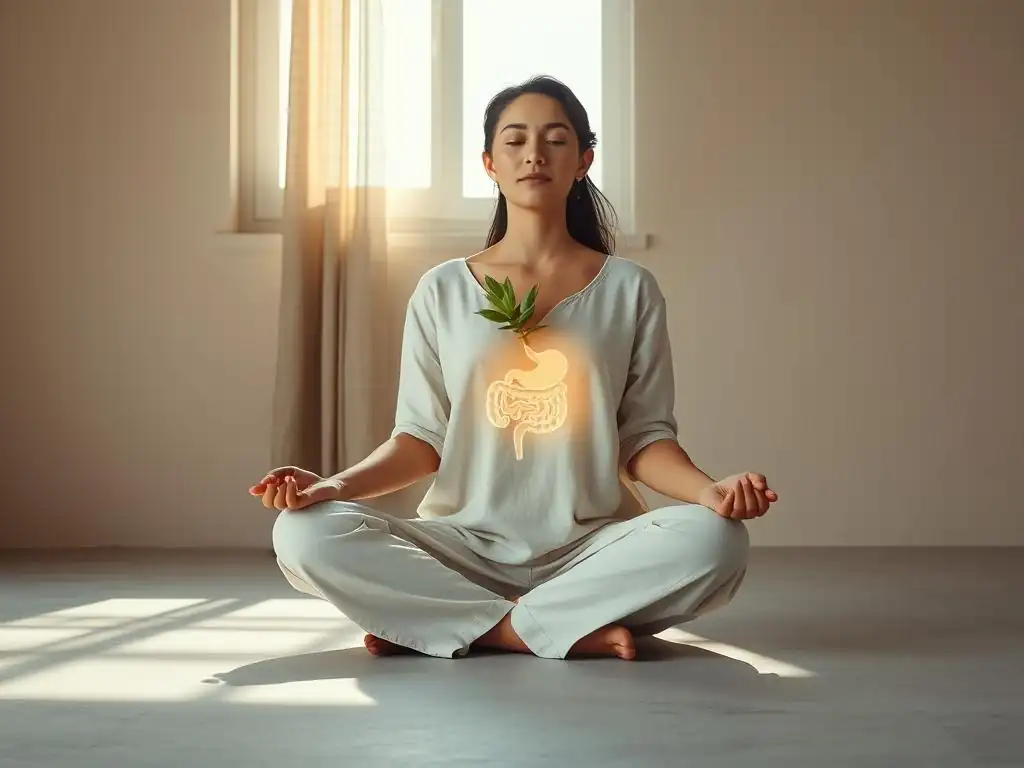
Making meditation a consistent part of your routine is key to reaping its benefits for digestive health. It's not about becoming a meditation expert overnight, but rather building a sustainable practice that fits into your lifestyle. Starting small and gradually increasing the duration or frequency can make it feel less daunting.
Think of integrating meditation for digestive health as adding another tool to your wellness kit, alongside healthy eating and exercise. Consistency is more impactful than occasional long sessions. Finding a time and place that works for you will increase the likelihood of sticking with it.
Starting Small: Gradual Implementation of Meditation for Gut Health
If you're new to meditation, begin with short sessions. Even 5-10 minutes per day can be beneficial. You could start with a simple focus on your breath or a short guided meditation. Trying to jump into 30-minute sessions might feel overwhelming and lead to discouragement.
- Begin with 5 minutes daily.
- Choose a specific time (e.g., morning upon waking, before bed).
- Focus on your breath entering and leaving your nostrils or abdomen.
- Don't worry about thoughts; simply notice them and gently return your attention to your breath.
- Gradually increase the duration by a few minutes each week.
This gradual approach makes building a habit of meditation for digestive health more manageable and sustainable over time.
Creating a Calming Environment: Optimizing Your Meditation Practice
While you can meditate anywhere, creating a dedicated space can help signal to your mind and body that it's time to relax and focus. Find a quiet spot where you are less likely to be interrupted.
Consider:
- Choosing a comfortable seat or lying down position.
- Ensuring the temperature is comfortable.
- Minimizing distractions (turning off notifications, letting others know you need quiet time).
- Using soft lighting or closing your eyes.
- Perhaps incorporating calming scents like lavender if you find them helpful (though not essential).
A calming environment helps facilitate the relaxation response, enhancing the effectiveness of your meditation for digestive health practice.
Combining Meditation with a Gut-Healthy Diet and Regular Exercise
Meditation is a powerful tool, but it works best as part of a holistic approach to digestive wellness. Combining meditation for digestive health with other healthy habits amplifies the benefits.
- Diet: Focus on a balanced diet rich in fiber from fruits, vegetables, and whole grains. Include fermented foods (like yogurt, sauerkraut, kimchi) and sources of prebiotics to support a healthy gut microbiome. Limit processed foods, excessive sugar, and artificial sweeteners, which can negatively impact gut health.
- Exercise: Regular physical activity promotes healthy gut motility and helps manage stress. Aim for a combination of aerobic exercise and strength training. Even moderate activities like walking or yoga can be beneficial for digestion and stress reduction.
Integrating these pillars – diet, exercise, and meditation for digestive health – creates a comprehensive strategy for nurturing both your mind and your gut.
Holistic Approaches to Digestive Wellness
Achieving optimal digestive health often requires addressing multiple factors beyond just food intake. The state of our gut is influenced by our lifestyle, stress levels, physical activity, and the complex ecosystem of microorganisms living within us. Adopting a holistic perspective means considering how all these elements interact.
Meditation for digestive health fits perfectly within this framework, addressing the crucial mind-body link. When combined with conscious choices about what we eat, how we move, and how we support our gut microbiome, the potential for long-term digestive wellness is significantly enhanced.
The Role of Diet: Fiber, Fermented Foods, and the Gut Microbiome
Diet is fundamental to digestive health. Fiber adds bulk to stool and feeds beneficial gut bacteria. Soluble fiber (found in oats, beans, apples) dissolves in water and forms a gel, aiding digestion, while insoluble fiber (in whole grains, vegetables) adds bulk. Aiming for the recommended 25-30 grams of fiber daily is crucial.
Fermented foods are natural sources of probiotics, beneficial bacteria that contribute to a balanced gut microbiome. Examples include yogurt with live and active cultures, kefir, sauerkraut, kimchi, and kombucha. A diverse and healthy gut microbiome is linked to improved digestion, nutrient absorption, and even mood regulation. Paying attention to diet complements the benefits of meditation for digestive health by providing the gut with the necessary fuel and beneficial microbes.
The Importance of Exercise: Movement for Motility and Stress Reduction
Regular physical activity has a direct impact on gut function. Exercise stimulates peristalsis, helping to move food through the digestive tract more efficiently and preventing constipation. It also improves blood flow to the digestive organs.
Beyond its physical effects on motility, exercise is a powerful stress reliever. Engaging in physical activity reduces cortisol levels and helps release endorphins, which have mood-boosting effects. Since stress significantly impacts digestion, using exercise as a tool for stress management supports the goals of meditation for digestive health. Finding enjoyable ways to move your body consistently is a vital part of a holistic digestive wellness plan.
Probiotics and Prebiotics: Supporting a Healthy Gut Microbiome
The gut microbiome, the community of bacteria, viruses, fungi, and other microbes in our digestive tract, plays a critical role in digestion, immune function, and overall health. An imbalance (dysbiosis) can contribute to digestive issues.
Probiotics are live beneficial bacteria that can be consumed through food or supplements to support a healthy microbial balance. Prebiotics are non-digestible fibers that act as food for these beneficial bacteria, helping them thrive. Incorporating sources of prebiotics (like garlic, onions, bananas, oats) and considering a probiotic supplement (after consulting with a healthcare provider) can help nurture a healthy gut environment. Supporting the gut microbiome synergizes with practices like meditation for digestive health, as a healthy gut can send calming signals back to the brain.
Conclusion: Harnessing the Mind-Body Connection for Digestive Health with Meditation
Digestive wellness is deeply intertwined with our mental and emotional state. The intricate communication along the gut-brain axis means that stress, anxiety, and even our thought patterns can profoundly impact how our digestive system functions. Recognizing this powerful mind-body connection opens up new avenues for finding relief from common and chronic digestive issues.
Meditation for digestive health offers a scientifically supported and accessible approach to influencing this connection positively. By calming the nervous system, reducing stress hormones, improving vagal tone, and fostering greater body awareness, regular meditation practice can lead to tangible improvements in symptoms like pain, bloating, constipation, and inflammation.
Integrating meditation techniques, even for just a few minutes daily, alongside a gut-healthy diet and regular exercise, provides a holistic and empowering path toward enhanced digestive comfort and overall well-being. Embracing the power of the mind to heal and support the body is a crucial step on the journey to lasting digestive health.
Frequently Asked Questions
What is the connection between meditation and digestive health?
Meditation can help reduce stress and anxiety, which are known triggers for digestive issues like Irritable Bowel Syndrome (IBS). By calming the mind, meditation can indirectly improve digestive function.
How does meditation reduce digestive problems?
Meditation activates the parasympathetic nervous system, also known as the "rest and digest" system. This promotes optimal digestive function by increasing blood flow to the digestive organs and reducing inflammation.
What types of meditation are most effective for improving digestion?
Mindfulness meditation, focused breathing exercises, and body scan meditations are particularly helpful. These techniques help you become more aware of your body's sensations and reduce tension that can contribute to digestive discomfort.
How often should I meditate to see benefits for my digestion?
Aim for at least 10-15 minutes of meditation per day, several times a week. Consistency is key to experiencing the long-term benefits for both your mental and digestive well-being.
Are there any risks associated with using meditation for digestive health?
Meditation is generally safe, but individuals with severe anxiety or mental health conditions should consult with a healthcare professional before starting. It's also important to remember that meditation is a complementary therapy and not a replacement for medical treatment.
Final Reflection: Cultivating Inner Peace, Outer Wellbeing
The inextricable link between mental wellbeing and digestive health is no longer a fringe concept; it's a fundamental truth impacting millions. Understanding this connection, as explored throughout this article, is crucial in navigating the complexities of modern life and its often detrimental effects on our gut. The rising prevalence of digestive disorders underscores the urgent need for holistic approaches, placing practices like meditation at the forefront of preventative and supportive care.
The profound influence of stress on our digestive system is undeniable, a fact I've personally experienced and witnessed in countless others. The constant pressure of daily life often manifests as gut issues, highlighting the importance of incorporating stress-reducing techniques into our routines. The gut is our second brain,
a phrase often repeated, truly encapsulates the deep interconnectedness between our minds and bodies. This understanding shifts the focus from simply treating symptoms to addressing the root causes of digestive discomfort, emphasizing the power of mindful practices like meditation to foster both physical and mental resilience.
Now, consider your own relationship with stress and your digestive health. What steps can you take today to cultivate a more mindful approach to your wellbeing? Perhaps it's incorporating a daily meditation practice, even for just five minutes, or simply taking a few deep breaths throughout the day to center yourself. The journey towards improved digestion begins with a commitment to nurturing both your mind and body. Embrace the power of this connection, and discover the transformative potential of inner peace on your overall health and happiness.
Unleash Your Inner Calm: Cultivate Digestive Harmony
Thanks for taking the time to explore the powerful connection between mind and gut! You've learned how meditation can significantly improve your digestion – now it's time to put that knowledge into practice.
Here's how to start your journey towards better digestive health:
- Begin a daily meditation practice: Even 5-10 minutes a day can make a noticeable difference. Start with guided meditations focusing on breathwork and body awareness.
- Share your experience: Tell a friend or family member about your journey with meditation and digestion. Their support might inspire you to continue.
- Track your progress: Keep a journal noting how you feel physically and mentally after each meditation session. This self-reflection is key to understanding what works best for you.
Ready to discover the transformative power of mindful digestion? What small step will you take today to cultivate more inner peace and better gut health?