
From Restlessness to Relaxation: The Journey with Mindfulness for Anxiety

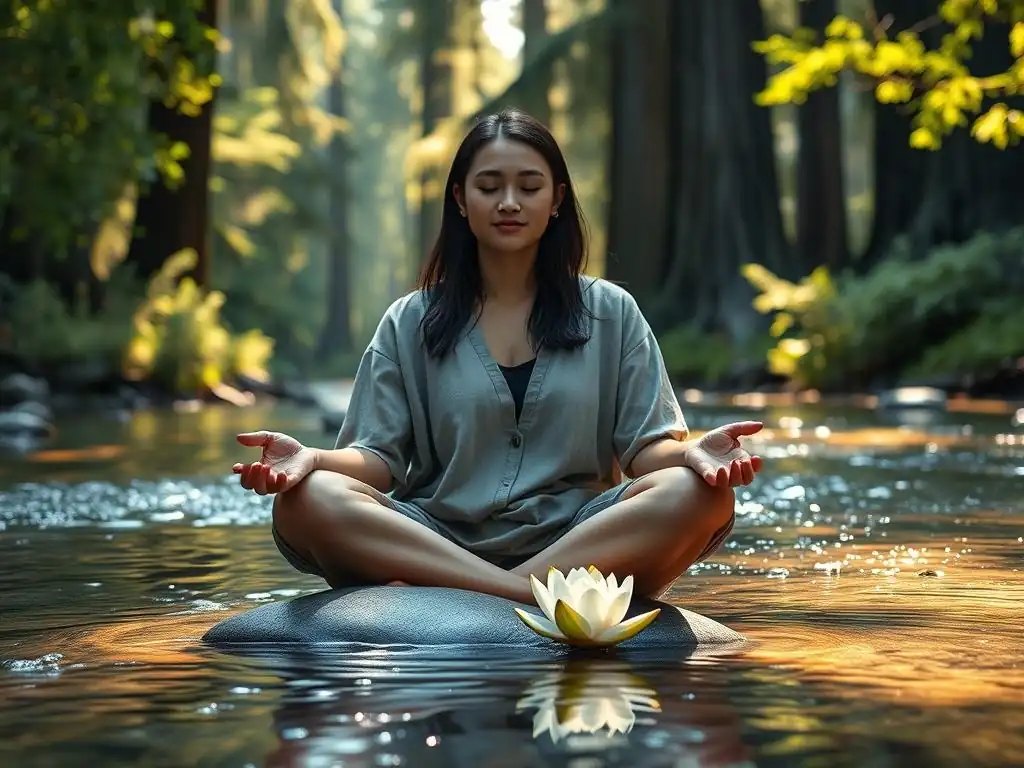
Welcome to Mind Care Guide, your sanctuary for navigating the complexities of mental well-being. Feeling overwhelmed by anxiety? You're not alone, and there's hope. Discover how mindfulness can offer a powerful path to reduce anxiety symptoms and find lasting peace. Intrigued? Let's begin your journey from restlessness to relaxation.
From Restlessness to Relaxation: The Journey with Mindfulness for Anxiety
- Understanding Anxiety and the Power of Mindfulness
-
The Practice of Mindfulness for Anxiety Reduction
- Getting Started with Mindfulness Meditation: A Beginner's Guide
- Breathing Exercises for Anxiety: Cultivating Calmness Through Breath
- Body Scan Meditation: Releasing Tension and Promoting Relaxation
- Mindful Walking: Connecting with the Present Moment Through Movement
- Incorporating Mindfulness into Daily Life: Practical Tips and Techniques
- Mindfulness Techniques for Managing Specific Anxiety Symptoms
- Benefits of Regular Mindfulness Practice for Anxiety
- Overcoming Challenges in Your Mindfulness Journey for Anxiety Relief
- Mindfulness vs. Other Anxiety Treatments: A Comparative Overview
- Resources for Learning More About Mindfulness and Anxiety
- Conclusion: Embracing Mindfulness for a Calmer, More Peaceful Life
-
Frequently Asked Questions
- How does mindfulness specifically help with anxiety symptoms?
- Can mindfulness completely eliminate anxiety?
- How long does it take to see results from practicing mindfulness for anxiety?
- What are some simple mindfulness exercises I can start with today?
- Is mindfulness right for everyone with anxiety? Are there any potential downsides?
- Final Reflection: Finding Stillness in a Restless World
- Unlock Your Inner Calm: Start Your Mindfulness Journey Today!
Understanding Anxiety and the Power of Mindfulness
Defining Anxiety: Recognizing the Symptoms and Impact
Anxiety is a complex emotional state characterized by feelings of worry, nervousness, or unease, often about an imminent event or something with an uncertain outcome. While a normal response to stress, excessive or persistent anxiety can significantly disrupt daily life. Symptoms can manifest both psychologically and physically. Psychological symptoms include constant worrying, difficulty concentrating, irritability, and feeling restless or on edge.
Physical symptoms are equally varied, encompassing a racing heart, sweating, trembling, shortness of breath, muscle tension, and fatigue. The impact of chronic anxiety is profound, affecting relationships, work or school performance, and overall quality of life. It can make simple tasks feel overwhelming and trap individuals in a cycle of fear and avoidance.
The prevalence of anxiety disorders is substantial globally. For instance, in the United States alone, anxiety disorders are among the most common mental health concerns, affecting roughly 19.1% of the adult population each year. This translates to tens of millions of people grappling with its challenging symptoms. Understanding these symptoms is the first step toward seeking effective strategies, and many individuals find that exploring how mindfulness reduce anxiety symptoms offers a path toward managing these difficulties. The pervasive nature of anxiety highlights the critical need for accessible and effective coping mechanisms, making approaches like mindfulness increasingly relevant.
The Science Behind Mindfulness: How it Affects the Brain and Body
Mindfulness, often defined as paying attention to the present moment without judgment, has a tangible impact on the brain and body, which helps explain its effectiveness in managing anxiety. Neuroscientific studies using fMRI scans have provided compelling evidence. Research has shown that regular mindfulness practice can decrease the activity in the amygdala, often referred to as the brain's fear center. This area is highly active during anxious states, triggering the body's fight-or-flight response. By reducing amygdala activity, mindfulness helps dampen the initial alarm signal associated with stressors.
Furthermore, mindfulness has been linked to increased gray matter density in areas of the brain associated with learning, memory, emotion regulation, and self-referential processing, such as the prefrontal cortex and hippocampus. For example, an 8-week study conducted by Massachusetts General Hospital researchers found that participants who completed a mindfulness-based stress reduction program showed significant increases in gray matter in the hippocampus and a decrease in gray matter in the amygdala.
These structural changes support improved emotional regulation and a reduced reactivity to stress. By cultivating present-moment awareness, individuals can learn to observe anxious thoughts and feelings without getting swept away by them, fundamentally changing how the brain processes stress and contributing to how mindfulness reduce anxiety symptoms over time.
Mindfulness as a Tool for Anxiety Relief: An Introduction
Mindfulness serves as a powerful tool for anxiety relief by shifting focus from worrying about the future or dwelling on the past to engaging fully with the present moment. Anxiety often thrives on hypothetical scenarios and what-if thinking, pulling individuals away from reality. Mindfulness counteracts this by training the mind to anchor itself in the here and now.
This simple yet profound practice helps interrupt the cycle of anxious thoughts and reduces their emotional intensity. It's not about eliminating anxious feelings entirely, but rather about developing a different relationship with them – observing them with curiosity and acceptance rather than fear and resistance.
The regular application of mindfulness techniques helps build a greater tolerance for uncomfortable sensations and emotions, including those associated with anxiety. For instance, someone experiencing physical symptoms like a racing heart due to anxiety can learn through mindfulness to observe the sensation without immediately panicking. This non-judgmental observation creates space between the stimulus (the sensation) and the reaction (panic), allowing for a more considered response.
This ability to respond rather than react is central to how mindfulness reduce anxiety symptoms. By practicing simple exercises like mindful breathing or a body scan, individuals can cultivate a sense of calm and stability, even amidst internal turmoil, making mindfulness an accessible and effective strategy for daily management.
The Practice of Mindfulness for Anxiety Reduction
Getting Started with Mindfulness Meditation: A Beginner's Guide
Embarking on a mindfulness meditation practice doesn't require special equipment or extensive training; it simply requires a willingness to pay attention. For beginners, starting small is key. Even just 5-10 minutes a day can yield benefits. Find a quiet place where you won't be disturbed. You can sit on a cushion on the floor or on a chair, ensuring your spine is relatively straight but not stiff.
Close your eyes gently or soften your gaze. The most common starting point is focusing on your breath. Notice the sensation of air entering and leaving your nostrils or the rise and fall of your abdomen. Your mind will inevitably wander – this is completely normal. The practice isn't about having an empty mind, but about noticing when your mind has wandered and gently bringing your attention back to your breath, without judgment.
Consistency is more important than duration when you're learning how mindfulness reduce anxiety symptoms through meditation. Aim to practice daily, perhaps at the same time each day to build a routine. Don't get discouraged by difficult sessions; some days the mind will be more restless than others.
Each time you notice your mind wandering and bring it back, you are strengthening the 'muscle' of attention and awareness. Think of it as training a puppy – it takes patience and repetition. There are many guided meditations available through apps or websites that can be helpful for beginners, providing instructions and gentle guidance through the process, making the initial steps feel less daunting.
Breathing Exercises for Anxiety: Cultivating Calmness Through Breath
Breathing exercises are a cornerstone of mindfulness for anxiety relief, offering an immediate way to soothe the nervous system. When we are anxious, our breath often becomes shallow and rapid, which can exacerbate feelings of panic and stress. Consciously slowing down and deepening the breath activates the parasympathetic nervous system, which is responsible for the body's "rest and digest" state, counteracting the "fight or flight" response triggered by anxiety.
A simple and effective technique is diaphragmatic breathing, also known as belly breathing. Sit or lie down comfortably and place one hand on your chest and the other on your abdomen, just below your rib cage.
Inhale slowly and deeply through your nose, feeling your abdomen rise as you fill your lungs with air. The hand on your chest should remain relatively still. Exhale slowly through your mouth, gently pursing your lips as if blowing out a candle, feeling your abdomen fall. Aim to make your exhale slightly longer than your inhale.
For example, you might inhale for a count of four and exhale for a count of six. Practicing this for just a few minutes can significantly lower heart rate and blood pressure, providing immediate relief from acute anxiety symptoms. Another popular technique is the 4-7-8 method: inhale for 4 counts, hold for 7 counts, and exhale for 8 counts. These exercises are portable and can be used anytime, anywhere, offering an accessible way to tap into the calming power of breath and demonstrating how mindfulness reduce anxiety symptoms in the moment.
Body Scan Meditation: Releasing Tension and Promoting Relaxation
The body scan meditation is a powerful technique for cultivating present-moment awareness and releasing physical tension, which is often held unconsciously as a symptom of anxiety. This practice involves systematically bringing your attention to different parts of your body, noticing any sensations without trying to change them. Find a comfortable position, typically lying down or sitting. Close your eyes and take a few deep breaths to settle yourself. Then, bring your awareness to your toes. Simply notice any sensations there – tingling, warmth, coolness, pressure, or lack of sensation. There's no need to judge or analyze; just observe.
Slowly, move your awareness up through your body: your feet, ankles, calves, knees, thighs, hips, and so on, all the way up to the crown of your head. As you focus on each area, you may notice areas of tension. Without forcing anything, simply acknowledge the tension and, if possible, invite a softening on the exhale. For instance, if you notice tightness in your shoulders, gently breathe into that area and imagine the tension releasing as you breathe out.
This practice helps you become more attuned to your body's signals, recognizing where anxiety manifests physically. Regularly practicing the body scan can help you identify and release chronic tension, promoting a sense of relaxation and demonstrating how mindfulness reduce anxiety symptoms by addressing their physical manifestations. Many find that consistent body scanning helps them become aware of tension before it escalates into more severe physical discomfort associated with anxiety.
Mindful Walking: Connecting with the Present Moment Through Movement
Mindful walking is a way to integrate mindfulness into physical activity, offering a dynamic practice for reducing anxiety. It involves bringing your full attention to the experience of walking. You can practice this indoors or outdoors, walking at your normal pace or a slower, more deliberate one. Begin by noticing the sensations in your feet as they make contact with the ground. Feel the weight shifting from one foot to the other. Pay attention to the movement of your legs, the swing of your arms, and the rhythm of your breath as you walk.
As with seated meditation, your mind will likely wander. When you notice yourself getting caught up in thoughts about the past or future – common triggers for anxiety – gently guide your attention back to the physical sensations of walking. You can also expand your awareness to include the sights, sounds, and smells around you, noticing them without getting lost in them. For example, observe the colors of the leaves, the sound of birdsong, or the feeling of the breeze on your skin.
Mindful walking helps ground you in the present moment, providing a moving anchor away from anxious rumination. It can be particularly helpful for individuals who find sitting still challenging, offering an active way to practice mindfulness reduce anxiety symptoms while incorporating gentle exercise. Even a 10-15 minute mindful walk can significantly shift your state of mind from anxious agitation to calm presence.
Incorporating Mindfulness into Daily Life: Practical Tips and Techniques
Bringing mindfulness into daily life extends the benefits beyond formal meditation sessions, making it a continuous practice for managing anxiety. This involves intentionally bringing mindful awareness to everyday activities. Simple acts like washing dishes, brushing your teeth, or eating a meal can become opportunities for mindfulness.
For instance, when washing dishes, pay attention to the temperature of the water, the feel of the soap, the sounds, and the sight of the clean dishes. When eating, notice the colors, smells, textures, and tastes of your food, chewing slowly and savoring each bite. These moments, often rushed or done on autopilot, become anchors to the present.
Another practical technique is setting mindful anchors throughout your day. You could decide that every time you open a door, you take one mindful breath before stepping through. Or, whenever your phone rings, you take a conscious pause before answering. These small, intentional moments interrupt automatic pilot mode and remind you to check in with your present experience.
Using cues from your environment can also help; maybe the sight of a tree outside your window reminds you to take a mindful moment. Integrating these practices helps weave mindfulness into the fabric of your day, providing regular opportunities to step out of anxious thought patterns and reinforcing how mindfulness reduce anxiety symptoms through consistent, subtle shifts in awareness. Even micro-moments of mindfulness, lasting just 30 seconds, can accumulate throughout the day to create a significant impact on your overall state of mind.
Mindfulness Techniques for Managing Specific Anxiety Symptoms
Using Mindfulness to Reduce Worry and Rumination
Worry and rumination – the repetitive dwelling on negative thoughts or problems – are hallmarks of anxiety. Mindfulness offers specific techniques to interrupt these cycles by changing your relationship with your thoughts. Instead of getting caught up in the content of anxious thoughts ("What if this terrible thing happens? "), mindfulness teaches you to notice the process of thinking itself.
A useful technique is called "noticing thoughts." When you become aware of a worried thought, mentally label it as "thinking" or "worrying" and then gently return your attention to your chosen anchor, like the breath. This simple act of labeling creates distance from the thought, preventing you from getting entangled in its narrative.
Another approach involves viewing thoughts as transient events, like clouds passing in the sky. Imagine your thoughts floating by, observing them without judgment or attachment. You can acknowledge their presence ("Ah, there's a thought about my upcoming presentation") but resist the urge to analyze or engage with them.
This practice weakens the power that anxious thoughts hold over you. Research, such as studies published in journals like Emotion, has shown that mindfulness practice can reduce the tendency to ruminate and decrease self-referential negative thinking. By consistently applying these techniques, individuals learn that thoughts are just thoughts, not necessarily reality, which fundamentally changes how mindfulness reduce anxiety symptoms driven by excessive worry.
Mindfulness for Panic Attacks: Grounding Techniques and Strategies
Panic attacks are intense episodes of fear accompanied by severe physical symptoms like rapid heartbeat, shortness of breath, dizziness, and a feeling of losing control. During a panic attack, the mind races, and the body feels overwhelmed. Mindfulness grounding techniques can be incredibly helpful in bringing you back to the present moment and anchoring you when you feel like you're spinning out of control. One effective technique is the 5-4-3-2-1 method. As a panic attack begins, quickly engage your senses:
- 5: Acknowledge five things you can see. Look around and notice objects, colors, shapes.
- 4: Acknowledge four things you can touch. Feel the texture of your clothes, a nearby surface, your own hands.
- 3: Acknowledge three things you can hear. Listen for sounds near and far.
- 2: Acknowledge two things you can smell. Notice any scents around you.
- 1: Acknowledge one thing you can taste. This could be the lingering taste from a drink or simply the taste in your mouth.
This exercise rapidly pulls your attention away from the fearful thoughts and physical sensations of panic and firmly plants you in your immediate environment. Another strategy is focusing intensely on a single anchor, like the breath, counting inhales and exhales, or focusing on the sensation of your feet on the ground. While challenging during a full-blown panic attack, consistent mindfulness practice builds the capacity to apply these grounding techniques more effectively, demonstrating how mindfulness reduce anxiety symptoms during intense episodes by providing concrete anchors to reality.
Social anxiety involves intense fear and self-consciousness in social situations, often driven by worries about being judged or scrutinized by others. Mindfulness can help individuals navigate social anxiety by shifting focus from internal self-criticism and external fears to present-moment awareness. During social interactions, the socially anxious mind is often preoccupied with predicting negative outcomes or replaying perceived missteps. Mindful awareness encourages turning attention outward to the conversation and the people you're interacting with, or inward to simply notice the physical sensations and thoughts arising without judgment.
For example, instead of getting lost in the thought "They think I sound stupid," mindful awareness encourages you to notice the physical sensation in your stomach or the thought itself, label it "thinking," and then gently redirect your attention back to the conversation happening in front of you. Practicing mindful listening, where you focus fully on what the other person is saying without planning your response, can also help.
Furthermore, body scan techniques can help individuals become aware of and release physical tension held in social situations, such as clenched jaws or tight shoulders. Over time, consistent practice helps individuals observe anxious thoughts and feelings about social situations without automatically believing or reacting to them, building resilience and showing how mindfulness reduce anxiety symptoms in social contexts by fostering presence and acceptance.
Studies have indicated that mindfulness-based programs can lead to significant reductions in social anxiety symptoms, sometimes comparable to cognitive behavioral therapy.
Managing Physical Symptoms of Anxiety with Mindfulness
Anxiety often manifests strongly in the body, causing symptoms like muscle tension, headaches, stomachaches, trembling, and a racing heart. While these sensations can be frightening and contribute to a cycle of fear, mindfulness provides a way to approach them with less reactivity. Instead of fighting against or fearing these physical symptoms, mindfulness encourages observing them with curiosity and acceptance. Techniques like the body scan meditation are particularly useful here, training you to notice physical sensations without immediately labeling them as "bad" or dangerous.
When experiencing a physical symptom like a racing heart, instead of panicking about what it might mean, you can mindfully observe the sensation: notice the rhythm, the intensity, the location. Breathe into the sensation, acknowledging its presence without adding layers of fear or judgment. This non-reactive observation can help de-escalate the physical response and prevent it from triggering a full-blown panic attack.
Learning to tolerate uncomfortable physical sensations through mindful exposure builds confidence and reduces the fear of the symptoms themselves. This practice directly illustrates how mindfulness reduce anxiety symptoms by interrupting the fear-sensation-fear cycle that often perpetuates physical discomfort. Regular practice helps individuals become more comfortable with the natural ebb and flow of physical sensations, reducing their power to trigger anxiety.
Benefits of Regular Mindfulness Practice for Anxiety
Long-Term Anxiety Relief Through Consistent Mindfulness
The benefits of mindfulness for anxiety are cumulative and most pronounced with regular, consistent practice. While single mindful moments can offer temporary relief, establishing mindfulness as a habit leads to more sustained changes in how you experience and respond to anxiety. Over time, the neural pathways in the brain associated with fear and reactivity weaken, while those linked to calm, focus, and emotional regulation strengthen. This isn't a quick fix, but rather a process of retraining the brain and nervous system.
Studies have demonstrated significant long-term reductions in generalized anxiety disorder symptoms through consistent mindfulness practice. For example, research on Mindfulness-Based Stress Reduction (MBSR) programs, typically involving 8 weeks of training, has shown participants reporting lasting decreases in anxiety levels months, and even years, after completing the program. This suggests that the skills learned become integrated into daily life, fundamentally altering the individual's baseline anxiety level and their ability to cope with stressors. By making mindfulness a regular part of your routine, you build resilience against future anxious episodes and solidify how mindfulness reduce anxiety symptoms over the long haul.
Improved Emotional Regulation and Resilience
Mindfulness practice significantly enhances emotional regulation, which is crucial for managing anxiety. Emotional regulation is the ability to understand and manage your emotional responses. Anxiety often involves feeling overwhelmed by intense emotions. Mindfulness teaches you to observe emotions without being consumed by them. Instead of immediately reacting to fear or worry, you learn to notice the emotion arising, acknowledge it ("Here is fear"), and choose how to respond, rather than being driven by an automatic reaction.
This practice builds emotional resilience – the capacity to recover quickly from difficulties. By becoming less reactive to challenging emotions, you are better equipped to navigate stressful situations without getting derailed by intense anxiety. You learn that emotions are temporary states, not defining characteristics.
This detachment allows for a more balanced perspective, reducing the intensity and duration of anxious feelings. Developing this skill is a key way that mindfulness reduce anxiety symptoms, empowering individuals to face emotional challenges with greater stability and confidence. The ability to pause and observe before reacting creates space for wiser responses, improving overall emotional well-being.
Enhanced Self-Awareness and Acceptance
A core benefit of mindfulness for anxiety is the cultivation of enhanced self-awareness and acceptance. Mindfulness involves turning attention inward to observe thoughts, feelings, and bodily sensations with curiosity and without judgment. This process helps individuals become more aware of their internal landscape – recognizing triggers for anxiety, identifying patterns of anxious thinking, and noticing how anxiety manifests physically in their unique experience. This deeper understanding is the first step towards effective management.
Equally important is the development of self-acceptance. Anxiety often comes with self-criticism and judgment ("I shouldn't feel this way," "I'm not handling this well"). Mindfulness encourages a non-judgmental stance towards oneself and one's experiences. It teaches you to accept that experiencing anxiety is part of the human condition and that it's okay to feel difficult emotions.
This acceptance doesn't mean resignation; it means acknowledging your present reality without fighting it. This compassionate self-awareness reduces the secondary suffering that often accompanies anxiety – the distress about being distressed. By fostering acceptance, mindfulness helps dismantle the self-judgment that fuels anxiety, illustrating how mindfulness reduce anxiety symptoms by promoting a kinder, more understanding relationship with oneself.
Increased Focus and Concentration
Anxiety often impairs focus and concentration, making it difficult to perform tasks, learn new information, or even engage fully in conversations. The anxious mind is frequently distracted by worries about the future or ruminations about the past. Mindfulness directly addresses this by training the ability to focus attention on the present moment. Meditation exercises, particularly focus-based techniques like concentrating on the breath, are essentially workouts for your attention span.
Each time you notice your mind has wandered and gently bring it back to your chosen anchor, you are strengthening the neural circuits responsible for focus and attention. Over time, this practice improves your ability to sustain attention on a single task or object, reducing the mental clutter caused by anxious thoughts.
Improved concentration can lead to greater productivity, better performance in various areas of life, and a reduced sense of being overwhelmed – a common feeling with anxiety. This enhanced cognitive control is a significant way that mindfulness reduce anxiety symptoms and their impact on daily functioning, allowing individuals to engage more fully with their activities rather than being pulled away by internal distractions.
Overcoming Challenges in Your Mindfulness Journey for Anxiety Relief
Addressing Common Obstacles: Acknowledging and Working Through Frustration
Beginning a mindfulness practice for anxiety can present challenges, and encountering obstacles is a normal part of the journey. One of the most common frustrations is the perception that "I'm doing it wrong" or "My mind is too busy." It's easy to feel discouraged when your mind constantly wanders or when you don't immediately feel calm.
It's important to understand that mindfulness is a practice, not a destination, and the goal is not to stop thinking or eliminate anxiety instantly. The practice is about noticing what is happening in your mind and body, including the wandering thoughts and the feelings of frustration, without judgment.
When frustration arises, acknowledge it mindfully. You can internally say, "Ah, here is frustration." Breathe into it without trying to push it away. Remember that noticing your mind has wandered is a success, not a failure – it means you are aware. Reframe these moments as opportunities to practice patience and self-compassion.
If you feel your mind is too busy, simply acknowledge the busyness and gently return to your anchor, perhaps the breath or the sensations in your feet. Don't compare your experience to others' or to some idealized notion of a calm mind. Working through these frustrations with acceptance is a powerful aspect of how mindfulness reduce anxiety symptoms, teaching resilience in the face of internal difficulty. Recognize that progress is often gradual and non-linear.
Maintaining Consistency: Building a Sustainable Mindfulness Practice
Consistency is key to reaping the benefits of mindfulness for anxiety, but maintaining a regular practice can be challenging amidst busy lives and fluctuating motivation. Building a sustainable habit requires intention and strategy. One effective approach is to start small and gradually increase duration.
Committing to just 5-10 minutes daily is more sustainable than aiming for 30 minutes and quickly feeling overwhelmed. Find a specific time of day that works best for you, whether it's first thing in the morning, during your lunch break, or before bed, and try to stick to it. Linking your practice to an existing habit, like brushing your teeth or having your morning coffee, can also help make it automatic.
Another strategy is to be flexible and compassionate with yourself. There will be days when you miss your practice, and that's okay. Don't let a missed day turn into a missed week. Simply acknowledge it without self-criticism and recommit to practicing the next day.
Utilize reminders, whether it's setting an alarm on your phone or placing a visual cue in your environment. Exploring different types of mindfulness practice – seated meditation, walking meditation, mindful movement, or informal daily mindfulness – can also help keep things interesting and allow you to find what resonates most with you. Remember that even short moments of mindfulness throughout the day contribute to your overall well-being and reinforce how mindfulness reduce anxiety symptoms over time. Focus on building a gentle, consistent rhythm rather than striving for perfection.
Seeking Guidance and Support: Finding Qualified Mindfulness Instructors
While many resources are available for self-guided mindfulness practice, seeking guidance from qualified instructors or joining a mindfulness group can significantly enhance your journey, especially when using mindfulness to address anxiety. Instructors can provide personalized guidance, clarify doubts, offer support in navigating challenges, and ensure you are practicing techniques safely and effectively. Learning in a structured environment, such as an 8-week MBSR or MBCT (Mindfulness-Based Cognitive Therapy) course, provides a comprehensive foundation and the opportunity to learn alongside others.
Qualified instructors often have undergone rigorous training and certification processes, ensuring they have the depth of understanding and experience to guide individuals, including those dealing with mental health challenges like anxiety. They can offer insights into specific techniques for managing difficult emotions or physical symptoms that you might not gain from books or apps alone. Practicing in a group setting can also provide a sense of community and shared experience, reducing feelings of isolation that often accompany anxiety.
While self-help resources are valuable, professional guidance offers a level of support and expertise that can deepen your practice and optimize how mindfulness reduce anxiety symptoms in a safe and informed manner. Look for instructors certified by recognized mindfulness training bodies.
Mindfulness vs. Other Anxiety Treatments: A Comparative Overview
Mindfulness and Therapy: Complementary Approaches
Mindfulness and therapy, particularly cognitive behavioral therapy (CBT) or acceptance and commitment therapy (ACT), are often highly complementary approaches for managing anxiety. Therapy provides a structured framework for understanding the root causes of anxiety, identifying negative thought patterns, and developing coping strategies. Mindfulness, on the other hand, cultivates the skill of present-moment awareness and non-judgmental observation, which can significantly enhance the effectiveness of therapeutic techniques.
For example, in CBT, individuals learn to identify and challenge anxious thoughts. Mindfulness can help by increasing awareness of these thoughts as they arise, making them easier to catch and work with. In ACT, mindfulness is a core component, teaching individuals to accept difficult thoughts and feelings rather than fighting them, and to stay present while pursuing valued actions.
Many therapists now integrate mindfulness techniques into their practice, recognizing that the ability to observe thoughts and emotions mindfully strengthens the individual's capacity to apply therapeutic strategies. Combining therapy with mindfulness often leads to more profound and lasting results in managing anxiety, illustrating how mindfulness reduce anxiety symptoms not in isolation, but as part of a broader therapeutic strategy.
Mindfulness and Medication: Understanding the Role of Each
Mindfulness and medication for anxiety serve different purposes and can often be used together as part of a comprehensive treatment plan. Medication, such as anti-anxiety drugs or antidepressants, works by altering brain chemistry to reduce the severity of symptoms. It can be essential for individuals experiencing severe or debilitating anxiety, providing a level of relief that allows them to engage in other forms of treatment, like therapy or mindfulness practice.
Mindfulness, however, addresses anxiety through psychological and behavioral changes. It teaches coping skills, promotes self-awareness, and fosters a different relationship with anxious thoughts and feelings. It doesn't change brain chemistry in the same way medication does but influences brain function and structure over time through regular practice.
For some individuals with milder anxiety, mindfulness alone may be sufficient. For others, particularly those with moderate to severe anxiety, medication might be necessary to manage acute symptoms, while mindfulness provides long-term coping strategies and helps prevent relapse. It is crucial to consult with a healthcare professional to determine the most appropriate treatment plan, which may involve medication, therapy, mindfulness, or a combination, acknowledging that how mindfulness reduce anxiety symptoms can be enhanced when integrated with other medical approaches.
The Importance of Personalized Treatment Plans
Given the variety of factors contributing to anxiety and the range of available interventions, the most effective approach is often a personalized treatment plan developed in consultation with healthcare professionals. Anxiety is a complex condition, and what works well for one person may not be the best fit for another. A personalized plan considers the specific type and severity of anxiety, co-occurring conditions (like depression or other medical issues), individual preferences, lifestyle, and available resources.
A doctor or mental health professional can assess your specific needs and recommend a combination of strategies, which might include therapy (like CBT or exposure therapy), medication, lifestyle changes (exercise, diet, sleep), and mindfulness practice. They can help determine how mindfulness fits into your overall plan – whether as a primary tool, a supplementary practice alongside therapy, or a way to enhance the effects of medication.
Tailoring the approach ensures that you receive the most effective and appropriate care, maximizing the potential for how mindfulness reduce anxiety symptoms when integrated strategically within a broader, individualized strategy for well-being. Regularly reviewing and adjusting the plan with your healthcare provider is also important as your needs evolve.
Resources for Learning More About Mindfulness and Anxiety
Recommended Books and Articles on Mindfulness for Anxiety
For those looking to deepen their understanding and practice of mindfulness for anxiety, numerous valuable resources are available in print and online. Books offer in-depth exploration of mindfulness principles and techniques, often providing guided practices and insights into the science behind the approach.
Popular and highly recommended titles include "Full Catastrophe Living" by Jon Kabat-Zinn, the foundational text for MBSR, which details the program's structure and philosophy. Another widely regarded book is "Mindfulness: An Eight-Week Plan for Finding Peace in a Frantic World" by Mark Williams and Danny Penman, which adapts MBCT principles for a general audience and includes guided meditations.
Numerous articles in scientific journals and reputable health websites also provide valuable information. Searching databases for research on "mindfulness and anxiety reduction" or "mindfulness-based interventions for anxiety" can yield studies detailing effectiveness and specific applications. Articles from organizations like the American Psychological Association or reputable mental health foundations often summarize current research and provide practical tips. These resources offer accessible ways to learn more about how mindfulness reduce anxiety symptoms and integrate practice into your life, providing both theoretical understanding and practical guidance.
Online Mindfulness Courses and Apps for Anxiety Management
In the digital age, online mindfulness courses and mobile applications offer convenient and accessible ways to learn and practice mindfulness for anxiety relief. Many established mindfulness programs, like MBSR and MBCT, are now available in online formats, providing structured, multi-week courses led by experienced instructors through video lessons, guided meditations, and readings. These courses often replicate the content and progression of in-person programs, making them a viable option for those who cannot attend local classes.
Mindfulness apps, such as Calm, Headspace, Insight Timer, and Ten Percent Happier, provide a wealth of resources, including guided meditations of varying lengths, breathing exercises, body scans, and thematic courses specifically focused on managing anxiety, stress, and sleep problems. Many apps offer beginner-friendly introductions and allow users to track their progress.
While apps can be a great starting point and support for daily practice, it's beneficial to choose apps developed by experienced mindfulness teachers or organizations with a foundation in evidence-based practices. These digital tools provide flexible ways to incorporate mindfulness reduce anxiety symptoms into a busy schedule, offering guidance literally at your fingertips.
Finding Mindfulness Teachers and Groups in Your Area
Connecting with local mindfulness teachers and groups can provide invaluable support and structure for your practice, especially when addressing anxiety. Learning in person allows for direct interaction with a qualified instructor who can provide personalized feedback, answer questions, and guide you through techniques in real-time. Many communities have mindfulness centers, meditation groups, or yoga studios that offer classes and workshops on mindfulness.
Searching online directories provided by mindfulness training organizations (like the Center for Mindfulness in Medicine, Health Care, and Society or the Institute for Mindfulness-Based Approaches) can help you find certified instructors and programs in your geographical area. Attending a local group provides the opportunity to practice in a supportive community environment, which can be particularly beneficial for individuals dealing with anxiety, reducing feelings of isolation and providing a sense of shared journey.
Practicing with others can also deepen your understanding and commitment. Finding a qualified teacher ensures that you are learning techniques safely and effectively, maximizing the potential for how mindfulness reduce anxiety symptoms through informed and guided practice.
Conclusion: Embracing Mindfulness for a Calmer, More Peaceful Life
The journey from the restlessness of anxiety to a state of relaxation and peace is profoundly supported by the practice of mindfulness. As we have explored, mindfulness is not a passive activity but an active training of the mind and body to be present, aware, and less reactive to the internal and external triggers of anxiety. From understanding the science behind its impact on the brain to implementing practical techniques like mindful breathing, body scans, and mindful walking, mindfulness offers a comprehensive set of tools for navigating the challenges of anxiety.
Regular practice cultivates long-term benefits, including enhanced emotional regulation, greater resilience, improved self-awareness, and increased focus. While challenges may arise, acknowledging and working through them with patience and self-compassion is part of the growth process. Whether used independently or in conjunction with therapy and medication, mindfulness stands as an evidence-based approach that can significantly reduce anxiety symptoms and improve overall well-being. Embracing mindfulness is an investment in your mental health, offering a path toward living a calmer, more peaceful, and fulfilling life, grounded in the present moment.
Frequently Asked Questions
How does mindfulness specifically help with anxiety symptoms?
Mindfulness helps by teaching you to focus on the present moment without judgment. This allows you to observe anxious thoughts and feelings without getting carried away by them, ultimately reducing their power.
Can mindfulness completely eliminate anxiety?
While mindfulness can significantly reduce anxiety symptoms, it's unlikely to eliminate anxiety entirely. It's a tool for management, not a cure, and often works best alongside other therapies.
How long does it take to see results from practicing mindfulness for anxiety?
The timeline varies, but many people experience noticeable improvements within a few weeks of consistent practice. Remember that regularity is key for developing mindfulness skills.
What are some simple mindfulness exercises I can start with today?
Try focusing on your breath for a few minutes, paying attention to the sensation of each inhale and exhale. Another option is a mindful body scan, noticing sensations throughout your body without judgment.
Is mindfulness right for everyone with anxiety? Are there any potential downsides?
Mindfulness is generally safe, but it might not be suitable for everyone, especially those experiencing severe mental distress. It's always best to consult with a mental health professional before starting any new treatment, to ensure it aligns with your specific needs.
Final Reflection: Finding Stillness in a Restless World
The pervasive anxiety of modern life demands a powerful antidote, and mindfulness offers a potent path towards lasting calm. The journey from restless unease to a place of centered relaxation, as explored in this article, is not a quick fix, but a transformative practice with profound implications for our mental and emotional well-being. The techniques discussed—from mindful breathing to body scans—are not merely exercises, but tools for reclaiming control amidst the chaos of daily stressors.
The impact of mindfulness on our cultural landscape is undeniable, moving from a niche practice to a widely recognized approach to stress management. Its increasing integration into therapeutic settings, workplaces, and even educational institutions underscores its growing significance. The ability to cultivate inner peace in a world obsessed with productivity and external validation is a revolutionary act. The present moment is filled with joy and happiness. If you are attentive, you will see it.
– Thich Nhat Hanh. This quote encapsulates the core message: finding peace isn't about escaping reality, but about fully inhabiting the present moment, with all its complexities and beauty.
You now hold the key to unlocking a calmer, more centered you. This isn't about achieving perfect serenity; it's about cultivating a mindful awareness that allows you to navigate life's challenges with greater grace and resilience. Begin with small steps—a few minutes of mindful breathing each day, a conscious effort to savor a meal, or simply pausing to appreciate the beauty around you. Embrace the journey, and allow the practice of mindfulness to gently unravel the knots of anxiety, revealing the peace that resides within. The path to relaxation begins with a single, mindful breath.
Unlock Your Inner Calm: Start Your Mindfulness Journey Today!
Thanks for taking the time to explore the power of mindfulness in managing anxiety. We hope you gained valuable insights into finding peace amidst the chaos. Now, let's turn those insights into action!
- Begin your personalized mindfulness practice: Start with just 5 minutes a day, focusing on your breath or a guided meditation. Even small steps make a big difference.
- Share your experience: Let's build a supportive community! Share your thoughts and experiences with mindfulness in the comments below. What resonates most with you?
- Explore additional resources: Delve deeper into the world of mindfulness by researching guided meditation apps or joining a local mindfulness group.
Ready to embrace a calmer, more centered you? What simple step will you take towards incorporating mindfulness into your daily life?