
Your Guide to EvidenceBacked Natural Supplements for Calming Anxiety


Welcome to Mind Care Guide, your compassionate companion on the journey to mental well-being. Feeling overwhelmed by anxiety? You're not alone. We understand the search for relief can be daunting. Dive into our guide, "Your Guide to EvidenceBacked Natural Supplements for Calming Anxiety," to discover how natural supplements can calm anxiety and explore evidence-based options that might just be the key to unlocking a calmer, more centered you. Curious to learn more? Let's explore together.
Evidence-Based Natural Supplements for Anxiety Relief
- Understanding Anxiety and the Role of Natural Supplements
-
Top Evidence-Based Natural Supplements to Calm Anxiety
- Magnesium for Anxiety: Dosage, Benefits, and Product Recommendations
- L-Theanine: Promoting Relaxation and Reducing Stress
- Ashwagandha: An Adaptogen for Stress and Anxiety Management
- Omega-3 Fatty Acids: Supporting Brain Health and Reducing Anxiety Symptoms
- Passionflower: A Gentle Herb for Calming Nervousness and Insomnia
- Combining Natural Supplements for Synergistic Anxiety Relief
- Lifestyle Changes to Enhance the Effects of Natural Supplements for Anxiety
- Real-Life Examples: How Natural Supplements Have Helped Others Calm Anxiety
- Navigating the World of Natural Supplements: Tips for Choosing Quality Products
- Conclusion: Empowering Yourself with Evidence-Based Natural Supplements for Anxiety
-
Frequently Asked Questions
- What are natural supplements and how can they help with anxiety?
- Are natural supplements a substitute for traditional anxiety treatments like therapy or medication?
- Which natural supplements have the most scientific evidence supporting their use for anxiety?
- Are there any potential side effects or risks associated with taking natural supplements for anxiety?
- How do I choose the right natural supplement for my anxiety?
- Final Reflection: Finding Calm in the Chaos of Modern Life
- Unlock Your Inner Calm: Next Steps to Anxiety Relief
Understanding Anxiety and the Role of Natural Supplements
What is Anxiety and Why Consider Natural Remedies?
Anxiety is a common human emotion characterized by feelings of worry, nervousness, or unease. While occasional anxiety is a normal part of life, persistent or excessive anxiety can become a significant challenge, impacting daily activities, relationships, and overall quality of life. Millions of people worldwide experience anxiety disorders, which are among the most prevalent mental health conditions. Symptoms can range from physical manifestations like a racing heart and shortness of breath to psychological effects such as intrusive thoughts and difficulty concentrating. Finding effective ways to manage these symptoms is crucial for improving well-being.
Many individuals explore various options for anxiety relief, including therapy, lifestyle changes, and medication. Alongside these approaches, there is growing interest in natural methods. The appeal of natural supplements to calm anxiety often stems from a desire for non-pharmacological options or a complementary approach to conventional treatments. People seek ways to support their mental health using substances derived from nature, hoping for fewer side effects compared to some prescription medications. This has led to increased attention on evidence-backed natural supplements that may offer support in managing anxiety symptoms.
The Importance of Evidence-Based Approaches to Anxiety Relief
When considering options for managing anxiety, especially when exploring natural supplements, relying on evidence-based information is paramount. This means looking for interventions supported by scientific research, such as clinical trials and studies. The effectiveness and safety of natural supplements can vary greatly, and without a foundation in evidence, individuals risk using products that are ineffective, potentially harmful, or that interact negatively with other treatments. An evidence-based approach helps distinguish between anecdotal claims and interventions that have demonstrated a measurable impact on anxiety symptoms in controlled settings.
Furthermore, understanding the evidence behind natural supplements for anxiety allows individuals to make informed decisions about their health. It provides insight into how a supplement might work, what dosage is typically studied, potential side effects, and who might benefit most. While research on natural remedies is continually evolving, focusing on compounds with a solid body of evidence, such as those that have shown promise in reducing cortisol levels or influencing neurotransmitter activity, offers a more reliable path towards finding natural supplements to calm anxiety effectively and safely.
Natural Supplements vs. Prescription Medications for Anxiety: A Comparative Overview
Comparing natural supplements and prescription medications for anxiety involves understanding their different mechanisms, regulatory landscapes, and potential impacts. Prescription anti-anxiety medications, such as benzodiazepines or selective serotonin reuptake inhibitors (SSRIs), are powerful tools often prescribed for moderate to severe anxiety disorders. They work by directly targeting specific neurotransmitter systems in the brain to rapidly reduce symptoms. These medications are rigorously tested through clinical trials and approved by regulatory bodies, but they can also come with significant side effects, including dependence, withdrawal symptoms, or other adverse reactions, and often require careful medical supervision.
Natural supplements for calming anxiety, on the other hand, are typically regulated as food products rather than drugs. This means they undergo less stringent testing for efficacy and safety before reaching the market. Their mechanisms of action are often more subtle or act through different pathways, such as modulating stress hormones, supporting nutrient deficiencies, or promoting relaxation indirectly.
While generally perceived as having fewer or milder side effects than prescription drugs, natural supplements can still cause adverse reactions, interact with medications, and their potency and purity can vary between products. The choice between or combination of natural supplements and prescription medication should always be a carefully considered decision made in consultation with a healthcare provider, weighing the severity of symptoms, potential benefits, risks, and individual health profile.
Top Evidence-Based Natural Supplements to Calm Anxiety
Magnesium for Anxiety: Dosage, Benefits, and Product Recommendations
Magnesium is an essential mineral involved in hundreds of biochemical reactions in the body, many of which are critical for brain function and mood regulation. Research suggests that magnesium plays a role in the activity of the hypothalamic-pituitary-adrenal (HPA) axis, which is central to the body's stress response. It can also influence neurotransmitters like GABA (gamma-aminobutyric acid), which is known for its calming effects.
Studies have indicated that magnesium deficiency, which is estimated to affect a significant portion of the population (some sources suggest over 50% of adults in certain regions don't meet the recommended daily intake), may be linked to increased anxiety and stress. Supplementing with magnesium is explored as a way to correct potential deficiencies and support the nervous system.
The benefits of magnesium for anxiety are thought to arise from its ability to modulate stress pathways and support neurotransmitter balance. Various forms of magnesium exist, with different absorption rates and potential effects. For anxiety, forms like magnesium glycinate or magnesium taurate are often recommended due to their higher bioavailability and lower likelihood of causing digestive upset compared to forms like magnesium oxide.
Typical dosages explored in studies or recommended for anxiety support range from 200 mg to 400 mg per day of elemental magnesium, often taken in divided doses. It's important to note that while some studies show promise, more large-scale research is needed to definitively establish magnesium's efficacy as a standalone treatment for clinical anxiety disorders.
Magnesium Glycinate: A Highly Absorbable Form for Anxiety Reduction
Magnesium glycinate is a chelated form of magnesium, meaning magnesium is bound to glycine, an amino acid. This binding enhances its absorption in the gut and reduces the common side effect of diarrhea often associated with other magnesium forms. Glycine itself is a calming neurotransmitter in the brain, which may offer additional synergistic benefits for anxiety relief. Due to its excellent bioavailability and gentle effect on the digestive system, magnesium glycinate is frequently recommended by healthcare practitioners and preferred by individuals seeking natural supplements to calm anxiety without gastrointestinal distress.
Studies on magnesium glycinate specifically for anxiety are limited, but the general research on magnesium's role in stress and anxiety, combined with glycinate's superior absorption profile, makes it a popular choice. The typical dosage for this form when targeting anxiety is often around 200-400 mg of elemental magnesium daily, though individual needs can vary.
It's often suggested to start with a lower dose and gradually increase to assess tolerance and effectiveness. While direct comparative studies between magnesium glycinate and other forms for anxiety are scarce, its favorable absorption makes it a practical option for ensuring the body can utilize the mineral effectively.
Thorne Research Magnesium Bisglycinate Review: Pros, Cons, and Who It's Best For
Thorne Research is a brand known for its high-quality supplements and focus on bioavailability. Their Magnesium Bisglycinate product uses magnesium bound to two glycine molecules, which is another term for magnesium glycinate. Users often report that this product is well-tolerated and effective for promoting relaxation and reducing muscle tension, which can be related to anxiety symptoms. A key pro highlighted by users is its perceived purity and the brand's reputation for rigorous testing, which can be reassuring when seeking natural supplements to calm anxiety.
Potential cons might include a higher price point compared to some other magnesium supplements on the market. Additionally, while many find it calming, individual responses to any supplement can vary, and it may not produce a noticeable effect for everyone. This product is likely best for individuals who prioritize supplement quality and purity, have experienced digestive issues with other forms of magnesium, or are looking for a highly absorbable magnesium option specifically for relaxation and anxiety support. It's a premium option in the magnesium glycinate category.
Thorne Research Magnesium Bisglycinate vs. Natural Calm: A Head-to-Head Comparison for Calming Anxiety
Comparing Thorne Research Magnesium Bisglycinate and Natural Calm involves looking at different forms of magnesium and their intended use. Thorne's product primarily uses magnesium bisglycinate, focusing on high absorption and potential synergistic effects with glycine for targeted relaxation. Natural Calm, on the other hand, uses magnesium citrate in a powder form that fizzes when mixed with water, creating a solution that is also generally well-absorbed. Magnesium citrate is known for its osmotic effect, which can help with constipation, though this effect is less pronounced in the lower doses typically used for anxiety.
For individuals specifically targeting anxiety and seeking a form less likely to cause digestive issues, Thorne's magnesium bisglycinate might be preferred due to its specific chelated form designed for high absorption without the laxative effect. Natural Calm's magnesium citrate, while also absorbable, is often used by individuals who might experience mild constipation alongside anxiety or who prefer a drinkable supplement format. Both can potentially help calm anxiety by increasing magnesium levels, but the choice might depend on individual tolerance, preference for form (capsule vs. powder drink), and whether any mild laxative effect is desired or to be avoided.
L-Theanine: Promoting Relaxation and Reducing Stress
L-Theanine is an amino acid naturally found in tea leaves, particularly green tea. It is widely studied for its effects on brain function, specifically its ability to promote relaxation without causing drowsiness. Unlike stimulants, L-Theanine is known to influence brain wave activity, increasing alpha waves, which are associated with a state of relaxed alertness. This makes it a popular choice for individuals seeking to manage stress and anxiety while maintaining focus and cognitive function.
The calming effects of L-Theanine are attributed to several mechanisms. It is believed to increase the levels of calming neurotransmitters like GABA, serotonin, and dopamine in the brain. It may also block the binding of excitatory neurotransmitters like glutamate to certain receptors. Furthermore, L-Theanine has been shown to reduce levels of stress hormones like cortisol. These combined effects contribute to a reduction in feelings of stress and anxiety, promoting a sense of calm and improved mood. Studies have shown that L-Theanine can help reduce subjective stress responses and improve attention in stressful situations.
How L-Theanine Works to Calm the Mind
L-Theanine exerts its calming effects primarily by influencing neurotransmitter activity and brain wave patterns. Upon ingestion, it can cross the blood-brain barrier. Once in the brain, it interacts with key neurochemicals. It is known to increase the production of GABA, the primary inhibitory neurotransmitter in the central nervous system, which helps to quiet nervous activity. Simultaneously, it can increase levels of serotonin and dopamine, neurotransmitters that play roles in mood, sleep, and emotion.
Beyond influencing neurotransmitters, L-Theanine has a notable effect on brain electrical activity. Research using electroencephalograms (EEGs) has demonstrated that L-Theanine supplementation can lead to an increase in alpha brain waves, particularly in the posterior regions of the brain. Alpha waves are characteristic of a relaxed, yet alert state, similar to that experienced during meditation or focused relaxation. This shift in brain wave activity, coupled with the modulation of calming neurotransmitters, provides a plausible explanation for why many people find L-Theanine to be effective in promoting relaxation and reducing feelings of stress and anxiety.
L-Theanine Dosage and Timing for Optimal Anxiety Relief
The optimal dosage of L-Theanine for anxiety relief can vary depending on individual needs and the desired effect. Studies have typically used dosages ranging from 100 mg to 400 mg per day. Many people find that a dose of 100 mg or 200 mg is sufficient to promote a sense of calm.
Higher doses may be used for more pronounced effects or in situations of acute stress, but it's generally recommended to start with a lower dose to assess tolerance. Unlike some supplements that require accumulation in the body, the effects of L-Theanine can often be felt within 30 to 60 minutes after ingestion.
Timing of L-Theanine supplementation can also be important. For general anxiety support throughout the day, doses can be taken as needed or divided throughout the day. If anxiety is particularly problematic in the morning, taking a dose upon waking might be helpful. For those whose anxiety interferes with sleep, taking L-Theanine about 30 minutes to an hour before bedtime may help promote relaxation conducive to sleep, as it calms the mind without causing sedation. Experimenting with dosage and timing can help individuals find the most effective way to use this natural supplement to calm anxiety.
Suntheanine vs. Regular L-Theanine: Is There a Difference?
Suntheanine is a patented, branded form of L-Theanine that is produced through a proprietary fermentation process. This process is designed to yield 100% pure L-isomer of theanine, which is the form naturally found in green tea and is considered the active form responsible for the calming effects. "Regular" or generic L-Theanine supplements, while also containing L-Theanine, may sometimes contain a mixture of the L-isomer and the D-isomer, or other impurities, depending on the manufacturing process. The D-isomer is not believed to have the same psychoactive effects as the L-isomer.
The key difference claimed for Suntheanine is its purity and guaranteed composition of 100% L-Theanine, backed by research specifically conducted on the Suntheanine ingredient itself. This provides a level of assurance regarding consistency and effectiveness that might not always be present with generic L-Theanine products, where the ratio of L- to D-theanine might not be specified or tested as rigorously. For individuals seeking reliable effects from natural supplements to calm anxiety, choosing a branded, tested form like Suntheanine may offer greater confidence in the product's quality and potential benefits.
Doctor's Best L-Theanine Review: Effective Anxiety Relief?
Doctor's Best L-Theanine is a popular supplement that often uses Suntheanine as its active ingredient, leveraging the benefits of this patented form. Users of Doctor's Best L-Theanine frequently report positive experiences, noting a reduction in feelings of stress and a promotion of calm focus without drowsiness. Many find it helpful for managing everyday anxiety, improving concentration, and supporting relaxation before sleep. The use of Suntheanine is typically highlighted as a major pro, suggesting a commitment to using a well-researched ingredient.
Potential cons could include individual variability in response – what works well for one person may not have the same effect on another. While generally well-tolerated, a small number of users might experience mild side effects, though these are uncommon with L-Theanine. Based on user feedback and the use of a reputable ingredient like Suntheanine, Doctor's Best L-Theanine appears to be considered an effective option by many seeking natural supplements to calm anxiety, particularly for those looking for a reliable and non-drowsy way to manage stress and promote relaxation.
Ashwagandha: An Adaptogen for Stress and Anxiety Management
Ashwagandha (Withania somnifera) is an ancient medicinal herb classified as an adaptogen. Adaptogens are a group of herbs and mushrooms believed to help the body resist various stressors, whether physical, chemical, or biological. Ashwagandha has been a staple in Ayurvedic medicine for centuries, traditionally used to improve resilience, reduce stress, and promote overall well-being. In modern times, it has gained significant attention for its potential benefits in managing stress and anxiety, supported by a growing body of scientific research.
The primary mechanism by which ashwagandha is thought to help with anxiety relates to its influence on the body's stress response system, particularly the HPA axis and cortisol levels. Chronic stress leads to elevated cortisol, which can have detrimental effects on physical and mental health, including exacerbating anxiety. Ashwagandha root extracts contain compounds called withanolides, which are believed to be the main active ingredients responsible for its adaptogenic properties. Studies have demonstrated that ashwagandha supplementation can significantly reduce cortisol levels and improve subjective measures of stress and anxiety.
Ashwagandha's Role in Reducing Cortisol Levels
One of the most well-documented effects of ashwagandha is its ability to help regulate cortisol, often referred to as the primary stress hormone. In response to stress, the HPA axis signals the adrenal glands to release cortisol. While essential for the fight-or-flight response, chronically elevated cortisol levels can disrupt various bodily functions and contribute to symptoms of anxiety, depression, and other health issues. Ashwagandha is thought to modulate the activity of the HPA axis, helping to dampen the stress response and lower excessive cortisol production.
Several clinical trials have investigated ashwagandha's impact on cortisol. For example, one study published in the Indian Journal of Psychological Medicine found that participants receiving a high-concentration full-spectrum ashwagandha root extract experienced a significant reduction in serum cortisol levels (an average decrease of around 32%) compared to a placebo group after 60 days. Participants also reported significant reductions in scores on stress and anxiety scales. This evidence supports ashwagandha's potential as a natural supplement to calm anxiety by targeting the physiological stress response mediated by cortisol.
Different Types of Ashwagandha Extracts: KSM-66 vs. Sensoril
When choosing an ashwagandha supplement, you'll often encounter specific branded extracts like KSM-66 and Sensoril. These are two of the most popular and well-researched ashwagandha root extracts available. KSM-66 is a full-spectrum extract derived solely from the ashwagandha root using a unique process that aims to retain the natural balance of constituents found in the root. It is standardized to a high concentration of withanolides (typically >5%). KSM-66 has been studied in numerous clinical trials for stress, anxiety, memory, and strength.
Sensoril is another proprietary ashwagandha extract, but it is derived from both the root and the leaves of the ashwagandha plant. It is standardized to a higher concentration of certain bioactive compounds, including both withanolide glycosides and oligosaccharides (typically >10% withanolide glycosides). Sensoril is also backed by clinical studies demonstrating its effectiveness in reducing stress, anxiety, and fatigue. While both KSM-66 and Sensoril are considered high-quality, evidence-based extracts for calming anxiety, they differ in their source material (root only vs. root and leaf) and standardization, which may result in slight differences in their specific effects or potency.
Ashwagandha Dosage and Potential Side Effects
The appropriate dosage of ashwagandha for anxiety relief varies depending on the specific extract used and the concentration of withanolides. For KSM-66 and Sensoril extracts, common dosages in clinical studies range from 300 mg to 600 mg per day. Some studies use higher doses, but starting with the lower end of this range is often recommended. Ashwagandha is typically taken daily for several weeks or months to experience its full adaptogenic effects, as it works by helping the body adapt over time rather than providing immediate relief.
Ashwagandha is generally considered safe for most healthy adults when taken at recommended doses. However, some individuals may experience mild side effects, such as digestive upset (like stomach discomfort or diarrhea), drowsiness, or in rare cases, liver issues. People with certain medical conditions, such as autoimmune diseases (like Hashimoto's thyroiditis, lupus, or rheumatoid arthritis) or thyroid disorders, should exercise caution and consult their doctor before taking ashwagandha, as it may stimulate thyroid hormone production or the immune system. Pregnant and breastfeeding women should also avoid ashwagandha due to a lack of safety data.
Gaia Herbs Ashwagandha Root Review: Quality and Effectiveness
Gaia Herbs is a well-regarded brand in the herbal supplement market, known for its commitment to organic farming and rigorous testing of its products. Their Ashwagandha Root supplement is often standardized to a certain level of withanolides, aiming for consistency in potency. Users frequently report that Gaia Herbs Ashwagandha helps them feel calmer, more resilient to stress, and experience improved sleep quality, which are all beneficial effects for managing anxiety. The liquid phyto-caps format is also preferred by some for perceived faster absorption.
Pros commonly mentioned include the brand's reputation for quality, transparency in sourcing, and the effectiveness reported by many users in reducing stress and supporting a sense of calm. A potential con might be the cost, as high-quality herbal extracts can be more expensive. Also, as with any herbal supplement, individual responses can vary. Based on feedback and the brand's quality standards, Gaia Herbs Ashwagandha Root appears to be a solid option for individuals seeking a reliable, evidence-backed natural supplement to calm anxiety and support overall stress management, particularly for those who value organic and ethically sourced ingredients.
Omega-3 Fatty Acids: Supporting Brain Health and Reducing Anxiety Symptoms
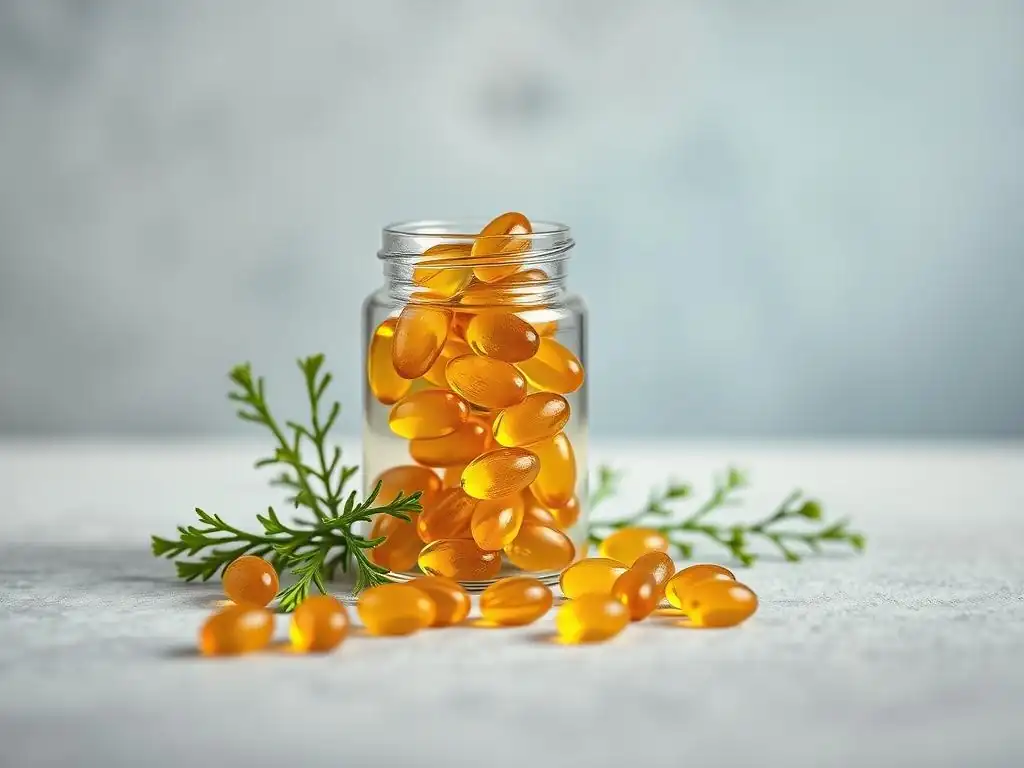
Omega-3 fatty acids, particularly eicosapentaenoic acid (EPA) and docosahexaenoic acid (DHA), are polyunsaturated fats that are essential for human health, playing crucial roles in brain structure and function. While widely recognized for their benefits for heart health, a growing body of research suggests that omega-3s also have significant effects on mental well-being, including potentially helping to reduce symptoms of anxiety and depression. Our bodies cannot produce these fats efficiently, so we must obtain them through diet (fatty fish, flaxseeds, walnuts) or supplementation.
The link between omega-3s and mental health is thought to involve several mechanisms. Omega-3s are integral components of cell membranes in the brain, affecting membrane fluidity and cell signaling. They also have anti-inflammatory properties; chronic low-grade inflammation has been implicated in various mental health conditions, including anxiety. Furthermore, omega-3s may influence neurotransmitter systems and support the production of brain-derived neurotrophic factor (BDNF), a protein important for neuronal growth and survival. Supplementing with omega-3s, particularly those rich in EPA, is explored as a strategy to support brain health and potentially mitigate anxiety symptoms.
The Link Between Omega-3s and Mental Wellbeing
The brain is exceptionally rich in lipids, with omega-3 fatty acids, especially DHA, being major structural components of neuronal cell membranes. This structural role is vital for maintaining the fluidity and function of these membranes, which is essential for efficient communication between brain cells. Beyond structure, omega-3s influence a range of processes crucial for mental health. They modulate inflammatory pathways, potentially reducing neuroinflammation that could contribute to mood disorders.
Furthermore, omega-3s are believed to impact neurotransmitter systems, including those involving serotonin and dopamine, which are key players in mood regulation. Studies have found associations between lower levels of omega-3s and a higher incidence of mood disorders, including anxiety. Clinical trials investigating omega-3 supplementation for anxiety have shown mixed results, but some meta-analyses suggest a modest benefit, particularly with higher doses or specific ratios of EPA to DHA. This evidence supports the idea that ensuring adequate omega-3 intake is a valuable part of a holistic approach to supporting mental well-being and potentially helping natural supplements calm anxiety.
EPA vs. DHA: Which Omega-3 is More Effective for Anxiety?
While both EPA and DHA are important omega-3 fatty acids found in fish oil, research suggests that EPA may play a more significant role in mood regulation and the reduction of anxiety symptoms compared to DHA. Studies investigating the effects of omega-3 supplementation on depression and anxiety often find that formulations with a higher ratio of EPA to DHA, or those providing primarily EPA, show more consistent positive results. The exact reasons for EPA's potentially greater impact on mood are still being researched, but it may relate to its specific metabolic pathways and anti-inflammatory effects.
For individuals specifically seeking omega-3s to help manage anxiety, looking for supplements that provide a substantial amount of EPA, or have a higher EPA:DHA ratio (e.g., 2:1 or even 3:1 EPA to DHA), might be a more targeted approach. While DHA is crucial for brain structure and development, especially in early life, EPA seems to have a more direct impact on modulating mood and anxiety symptoms in adults.
Typical dosages explored in studies showing benefits for mood range from 1000 mg to 2000 mg per day of combined EPA and DHA, with a focus on ensuring adequate EPA intake within that total.
Choosing a High-Quality Omega-3 Supplement: What to Look For
Selecting a high-quality omega-3 supplement is essential to ensure purity, potency, and effectiveness. Fish oil supplements can be susceptible to oxidation, which can reduce their effectiveness and potentially lead to harmful compounds. Look for supplements that specify the amounts of EPA and DHA per serving, not just the total fish oil amount. A high-quality product will provide a significant concentration of these active fatty acids.
Consider supplements that have undergone third-party testing for purity and contaminants like heavy metals (mercury, lead), PCBs, and dioxins. Certifications from organizations like IFOS (International Fish Oil Standards) or GOED (Global Organization for EPA and DHA Omega-3s) indicate that the product meets strict standards for purity and potency. Also, check for the form of omega-3s; triglycerides are generally considered more absorbable than ethyl esters.
Freshness is key, so check the expiration date and consider products stored away from heat and light. Choosing a reputable brand that prioritizes quality and transparency is vital when using omega-3s as natural supplements to calm anxiety.
Nordic Naturals Ultimate Omega Review: Purity and Potency
Nordic Naturals is a highly respected brand in the omega-3 market, known for its commitment to purity, freshness, and potency. Their Ultimate Omega product is one of their most popular offerings, providing a high concentration of both EPA and DHA in the triglyceride form, which is considered highly absorbable. Ultimate Omega typically offers a balanced ratio of EPA and DHA, though Nordic Naturals also offers products with higher EPA concentrations for targeted needs. Users often praise the lack of fishy aftertaste or burps, a common issue with lower-quality fish oils.
Pros include the brand's consistent high ratings from third-party testing organizations like IFOS, guaranteeing purity and potency. The triglyceride form is a significant advantage for absorption. The taste is often cited as neutral or pleasant, making it easier to take consistently.
Cons might include the price point, as high-quality omega-3s are generally more expensive. While effective for overall brain health and potentially helpful for mood, individuals seeking a very high-EPA formulation might need to look at other specific products offered by the brand. Overall, Nordic Naturals Ultimate Omega is widely considered a top-tier option for those seeking a pure, potent, and effective omega-3 supplement to support general brain health and potentially help calm anxiety symptoms.
Passionflower: A Gentle Herb for Calming Nervousness and Insomnia
Passionflower (Passiflora incarnata) is a climbing vine native to the Americas that has been traditionally used as a calming herb for anxiety, insomnia, and nervousness. Its use for these purposes is supported by some scientific evidence, suggesting it may have anxiolytic (anxiety-reducing) and sedative properties. Various preparations of passionflower, including teas, tinctures, and capsules made from the aerial parts of the plant, are used as natural remedies.
The mechanisms by which passionflower exerts its calming effects are not fully understood but are thought to involve the modulation of GABA activity in the brain. Some compounds found in passionflower, such as flavonoids and alkaloids, may interact with GABA receptors or inhibit the breakdown of GABA, thereby increasing the amount of this calming neurotransmitter available. This increased GABA activity could help reduce nervous excitability and promote relaxation, making passionflower a potential natural supplement to calm anxiety, particularly when associated with restlessness or difficulty sleeping.
Passionflower's Anxiolytic Properties
Research into passionflower's anxiolytic effects has yielded promising results, particularly in studies comparing it to certain conventional anti-anxiety medications for generalized anxiety symptoms. One study, for example, compared passionflower extract to oxazepam, a benzodiazepine medication, in patients with generalized anxiety disorder. The study found that passionflower was similarly effective in reducing anxiety symptoms as measured by a standard anxiety scale, although it took longer to show effects. Notably, the passionflower group reported fewer instances of impaired job performance compared to the oxazepam group, suggesting a potential benefit in terms of side effects.
Another area of research focuses on passionflower's use before medical procedures to reduce pre-procedure anxiety. Several studies have shown that passionflower can significantly reduce anxiety levels in patients undergoing dental procedures or surgery compared to a placebo. These findings suggest that passionflower possesses genuine anxiety-reducing properties, possibly through its influence on GABAergic systems, making it a valuable option among natural supplements to calm anxiety, especially for situational or mild to moderate symptoms.
Passionflower for Sleep-Related Anxiety
Anxiety and insomnia often go hand in hand. Worry and racing thoughts can make it difficult to fall asleep or stay asleep, while sleep deprivation can exacerbate anxiety symptoms, creating a vicious cycle. Passionflower's traditional use as a mild sedative and its potential to increase GABA activity make it a candidate for addressing anxiety that interferes with sleep. By promoting relaxation and reducing nervous tension, it may help quiet the mind and prepare the body for rest.
While direct studies specifically on passionflower for sleep-related anxiety are limited, research on its effects on sleep quality and general anxiety supports its potential benefit. Some studies have shown that consuming passionflower tea or extract can improve sleep quality and reduce sleep disturbances in individuals with mild insomnia or anxiety. For those whose primary anxiety symptom is difficulty falling asleep due to excessive worrying, passionflower may offer gentle support as a natural supplement to calm anxiety and promote more restful sleep. It is often considered a milder alternative to stronger sedatives.
Nature's Way Passion Flower Review: Does it Really Work?
Nature's Way is a widely available brand known for its extensive line of herbal supplements. Their Passion Flower product typically contains dried aerial parts of the Passiflora incarnata plant in capsule form. User reviews for Nature's Way Passion Flower are generally positive, with many individuals reporting a noticeable calming effect and improvement in sleep quality or reduced restlessness associated with anxiety. Users often find it helpful for taking the edge off mild anxiety or helping them relax in the evening.
Pros highlighted by users include its accessibility, affordability, and the perceived gentle nature of its effects compared to some other calming supplements. Many report that it helps quiet their racing thoughts and promotes a sense of calm without causing significant drowsiness during the day (at typical doses).
A potential con is that, as a whole herb product rather than a standardized extract, the potency might vary slightly between batches, and some individuals with more severe anxiety may find its effects too mild. However, for those seeking a gentle, natural supplement to calm anxiety, nervousness, or sleep-related restlessness, Nature's Way Passion Flower is often considered a reliable and effective option based on user experiences.
Combining Natural Supplements for Synergistic Anxiety Relief
Creating a Personalized Anxiety Relief Protocol
Managing anxiety is often most effective when approached holistically, addressing multiple factors that contribute to symptoms. For many, this involves combining different strategies, and this principle can also apply to natural supplements. Instead of relying on a single supplement, some individuals may find that a combination of evidence-backed natural supplements to calm anxiety offers synergistic benefits, potentially addressing different aspects of anxiety through various mechanisms. For example, combining a supplement that modulates stress hormones (like ashwagandha) with one that enhances calming neurotransmitters (like L-Theanine or magnesium) might provide broader support.
Creating a personalized anxiety relief protocol involves identifying your specific anxiety symptoms, triggers, and overall health profile. Are your symptoms primarily physical tension, racing thoughts, difficulty sleeping, or a general sense of unease? Based on this, you can research which natural supplements are most likely to target those specific issues according to the available evidence. For instance, if sleep-related anxiety is a major concern, passionflower or magnesium glycinate might be key components.
If stress resilience is needed, ashwagandha could be central. Starting with one or two supplements and observing their effects before adding others is a cautious approach. Dosage and timing should also be tailored to individual needs and response.
The Importance of Consulting with a Healthcare Professional
While natural supplements are often perceived as inherently safe, it is critically important to consult with a healthcare professional before starting any new supplement regimen, especially when seeking natural supplements to calm anxiety. This is true even for seemingly gentle options. A doctor or a qualified mental health professional can help assess your specific anxiety symptoms, determine if there are underlying medical conditions contributing to your anxiety, and discuss whether natural supplements are an appropriate option for you, either alone or as a complement to other treatments.
Consulting a professional is vital for several reasons. They can provide guidance on appropriate dosages based on your individual needs and the specific product you choose. They can also advise on potential interactions between natural supplements and any prescription medications you are currently taking for anxiety or other health conditions. Furthermore, they can help monitor your progress, assess the effectiveness of the supplements, and adjust your protocol as needed. Relying solely on self-diagnosis and self-treatment with natural supplements without professional guidance can be ineffective or even harmful.
Potential Interactions Between Natural Supplements and Medications
A significant concern when using natural supplements for anxiety, particularly if you are also taking prescription medications, is the potential for interactions. Even natural substances can affect how medications are absorbed, metabolized, or eliminated by the body, potentially altering their effectiveness or increasing the risk of side effects. For example, some natural supplements that promote relaxation or cause drowsiness (like passionflower, magnesium, or even higher doses of L-Theanine) could potentially enhance the effects of sedative medications or anti-anxiety drugs, leading to excessive drowsiness or impairment.
Conversely, some supplements might interfere with the intended action of medications. For instance, certain herbs could affect serotonin levels, potentially posing a risk for serotonin syndrome if combined with SSRI medications. It is crucial to inform your doctor or pharmacist about all supplements you are taking, including vitamins, minerals, and herbs, to identify any potential interactions. They have access to databases and clinical knowledge about potential risks and can provide guidance on safe combinations or adjustments needed to your treatment plan. Never assume a natural supplement is safe to combine with medication without professional advice.
Lifestyle Changes to Enhance the Effects of Natural Supplements for Anxiety
The Role of Diet in Managing Anxiety
Nutrition plays a significant role in both physical and mental health. What we eat can directly impact brain function, neurotransmitter balance, inflammation levels, and overall stress resilience, all of which are relevant to managing anxiety. While natural supplements can help calm anxiety, their effectiveness can be significantly enhanced by adopting a nutrient-dense, balanced diet. Focusing on whole foods provides the necessary building blocks for healthy brain function.
A diet rich in fruits, vegetables, whole grains, lean proteins, and healthy fats (like those found in fatty fish, nuts, and seeds) provides essential vitamins, minerals, and antioxidants. For example, B vitamins are crucial for neurotransmitter production, magnesium is involved in stress response, and antioxidants help protect brain cells from damage. Limiting processed foods, excessive sugar, and caffeine can also be beneficial, as these can sometimes exacerbate anxiety symptoms for sensitive individuals.
Ensuring adequate hydration is also simple yet important. Adopting a brain-healthy diet creates a supportive internal environment that can amplify the benefits of natural supplements to calm anxiety.
Exercise and Mindfulness for Anxiety Reduction
Physical activity and mindfulness practices are two powerful, evidence-based lifestyle interventions that can significantly reduce anxiety and complement the use of natural supplements. Regular exercise has been shown to reduce stress hormones like cortisol and increase endorphins, which are natural mood boosters. Engaging in activities you enjoy, whether it's brisk walking, yoga, swimming, or dancing, can help alleviate physical tension associated with anxiety and provide a healthy distraction from worries. Aiming for at least 30 minutes of moderate-intensity exercise most days of the week is a common recommendation.
Mindfulness techniques, such as meditation, deep breathing exercises, and mindful movement, involve focusing on the present moment without judgment. This practice can help train the mind to observe anxious thoughts without getting swept away by them, reducing the intensity and frequency of worry. Regular mindfulness practice has been shown to alter brain structure and function in ways that enhance emotional regulation and reduce reactivity to stress. Incorporating daily mindfulness into your routine alongside using natural supplements can provide a synergistic approach to calming anxiety by addressing both the physiological and psychological components.
The Importance of Sleep Hygiene for Mental Wellbeing
Adequate and restful sleep is fundamental to mental health, and poor sleep is strongly linked to increased anxiety. Sleep deprivation can disrupt mood regulation, impair cognitive function, and heighten the body's stress response. Conversely, chronic anxiety often interferes with the ability to fall or stay asleep, creating a challenging cycle. Prioritizing sleep hygiene – healthy sleep habits – is therefore a critical component of any anxiety management plan and can significantly enhance the effectiveness of natural supplements aimed at calming anxiety and supporting relaxation.
Establishing a consistent sleep schedule, even on weekends, helps regulate your body's internal clock. Creating a relaxing bedtime routine, ensuring your bedroom is dark, quiet, and cool, and avoiding screens, caffeine, and heavy meals close to bedtime are all key elements of good sleep hygiene. If anxiety keeps you awake, techniques like journaling your worries before bed or using relaxation exercises can be helpful. Addressing sleep issues through these practices, potentially supported by natural supplements known for their calming or sleep-supportive properties (like magnesium, L-Theanine, or passionflower), provides a powerful foundation for overall mental well-being and anxiety reduction.
Real-Life Examples: How Natural Supplements Have Helped Others Calm Anxiety

Case Study 1: Sarah and the Benefits of Magnesium and L-Theanine
Sarah, a 35-year-old marketing manager, struggled with generalized anxiety that manifested as constant worrying, muscle tension, and occasional restlessness, making it hard to relax in the evenings. While she practiced yoga and tried meditation, she still felt a persistent underlying nervousness. She was hesitant to try prescription medication and decided to explore natural options after discussing them with her doctor. Based on her symptoms of muscle tension and restlessness, her doctor suggested she consider magnesium glycinate, and she also read about L-Theanine for calming racing thoughts.
Sarah started taking 200 mg of magnesium glycinate in the morning and another 200 mg in the evening. She also began taking 100 mg of L-Theanine in the late afternoon when her anxiety often peaked. After about two weeks, Sarah noticed a significant reduction in her physical tension; her shoulders felt less tight, and her jaw wasn't clenched as often.
She also found that the L-Theanine helped quiet her mind in the evenings, making it easier to transition from work mode to relaxation. While the supplements didn't eliminate her anxiety entirely, she felt a tangible reduction in its intensity, describing it as "taking the volume down" on her worries, allowing her other coping strategies like yoga to be more effective. This combination of natural supplements helped calm anxiety symptoms that had been particularly bothersome for her.
Case Study 2: David and the Positive Impact of Ashwagandha
David, a 48-year-old small business owner, was experiencing significant stress due to work pressures, which was leading to increased irritability, fatigue, and a pervasive sense of being overwhelmed – classic signs of chronic stress often intertwined with anxiety. He felt constantly on edge and found it difficult to bounce back from challenges. He learned about adaptogens and decided to try ashwagandha, hoping it could help his body better cope with the stress load.
After researching different extracts, David chose a supplement containing 500 mg of KSM-66 ashwagandha extract, which he took daily with breakfast. It took a few weeks for him to notice a difference, which is typical for adaptogens. However, after about a month, David realized he wasn't reacting as strongly to stressful situations at work. He felt more resilient, less irritable, and the constant feeling of being overwhelmed had lessened.
His energy levels also improved slightly. He described feeling a sense of inner calm he hadn't experienced in months. While the work stress hadn't disappeared, ashwagandha seemed to help his body and mind handle it more effectively, demonstrating how natural supplements can calm anxiety by improving stress resilience. David continued taking ashwagandha as part of his daily routine, alongside prioritizing breaks and delegating tasks, which further enhanced his sense of control and reduced his anxiety.
Understanding Third-Party Certifications
When seeking natural supplements to calm anxiety, the market can be overwhelming, with varying levels of quality and purity. One crucial way to navigate this is by looking for third-party certifications. These certifications mean that an independent organization has tested the supplement to verify its contents, purity, and potency. Common third-party certifiers for dietary supplements include NSF International, USP (United States Pharmacopeia), and ConsumerLab.com (which provides test results directly to consumers).
A certification from one of these bodies provides assurance that the product contains the ingredients listed on the label in the amounts specified, is free from harmful levels of contaminants (like heavy metals, pesticides, or microbes), and was manufactured according to good manufacturing practices (GMPs). Seeing a seal from NSF or USP on a product label indicates it meets these rigorous standards. ConsumerLab.com offers detailed reports on specific products they have tested. Relying on supplements that have undergone third-party testing adds an extra layer of confidence in their quality and safety when using natural supplements to calm anxiety.
Reading Supplement Labels and Ingredient Lists
Understanding how to read supplement labels is essential for making informed choices. Don't just look at the front of the bottle; turn it over and examine the Supplement Facts panel and the ingredients list carefully. The Supplement Facts panel will list the active ingredients, the amount per serving, and the number of servings per container. Pay close attention to the form of the ingredient (e.g., magnesium glycinate vs. oxide, L-Theanine vs. Suntheanine, ashwagandha extract standardized to withanolides vs. plain powder) and the amount of the active compound, not just the total weight of the plant material.
The ingredients list will show all components of the supplement, including inactive ingredients like fillers, binders, or capsules. Ideally, you want a product with minimal unnecessary additives. Check for potential allergens if you have sensitivities. For herbal extracts, look for standardization information, which indicates that the product contains a guaranteed amount of the key active compound (e.g., "standardized to 5% withanolides"). By carefully reviewing labels, you can better compare products and ensure you are getting a supplement that provides the specific form and dosage of the natural ingredient you are seeking to calm anxiety.
Avoiding Common Pitfalls When Buying Natural Supplements for Anxiety
Navigating the supplement market requires awareness of common pitfalls. One major pitfall is falling for exaggerated claims or testimonials that seem too good to be true; remember that supplements are not intended to diagnose, treat, cure, or prevent any disease, including anxiety disorders. Another pitfall is assuming that "natural" automatically means "safe" or "effective." As discussed, natural supplements can have side effects and interactions, and their efficacy varies.
Buying from disreputable sources, such as unknown online vendors with unusually low prices, can also be risky, as product quality, purity, and even authenticity may be compromised. Lack of third-party testing is another red flag. Finally, starting multiple new supplements at once makes it difficult to determine which ones are working or causing any side effects. It's better to introduce new natural supplements to calm anxiety one at a time to observe their individual effects. Doing your research, choosing reputable brands, looking for quality certifications, and consulting a healthcare professional are key steps to avoiding these common mistakes.
Conclusion: Empowering Yourself with Evidence-Based Natural Supplements for Anxiety
Taking Control of Your Mental Well-being
Anxiety can feel overwhelming, but it's important to remember that there are many effective strategies available for managing it. Taking proactive steps towards improving your mental well-being is a powerful act of self-care. This includes exploring all available options, from therapy and lifestyle adjustments to potentially incorporating evidence-backed natural supplements to calm anxiety. By understanding the potential benefits and limitations of different approaches, you empower yourself to make informed decisions that align with your individual needs and preferences.
Integrating natural supplements into a comprehensive anxiety management plan, when done thoughtfully and with professional guidance, can provide valuable support. Supplements like magnesium, L-Theanine, ashwagandha, omega-3s, and passionflower have shown promise in research for their ability to influence stress response, neurotransmitter activity, and overall relaxation. They offer potential avenues for relief for those seeking complementary or alternative options. Remember that managing anxiety is a journey, and finding what works best for you may involve some trial and error, patience, and a commitment to holistic self-care practices.
Where to Find Reliable Information and Support
As you explore natural supplements to calm anxiety and other strategies, it is crucial to rely on reliable sources of information. Reputable websites from health organizations, academic institutions, and government health bodies (like the National Institutes of Health or the Mayo Clinic) often provide evidence-based information on mental health and dietary supplements. Peer-reviewed scientific journals are the primary source of research findings, though these can be complex to interpret.
Consulting with qualified healthcare professionals, such as doctors, psychiatrists, therapists, or registered dietitians with expertise in mental health and supplements, is perhaps the most important step. They can provide personalized advice based on your specific situation. Additionally, mental health advocacy groups and support organizations offer valuable resources, information, and community support. By seeking information from trusted sources and building a support system, you can confidently navigate your path towards managing anxiety and improving your overall mental well-being.
Frequently Asked Questions
What are natural supplements and how can they help with anxiety?
Natural supplements are substances derived from natural sources like plants or minerals, believed to help manage anxiety symptoms. They may work by influencing neurotransmitter levels or reducing stress hormones.
Are natural supplements a substitute for traditional anxiety treatments like therapy or medication?
No, natural supplements should not be seen as a substitute for traditional treatments. They can be used as a complementary approach, but it's crucial to consult with a healthcare professional for personalized care.
Which natural supplements have the most scientific evidence supporting their use for anxiety?
Supplements like L-theanine, magnesium, and chamomile have shown some promise in clinical studies for reducing anxiety. Research is ongoing, but these are considered to have stronger evidence than others.
Are there any potential side effects or risks associated with taking natural supplements for anxiety?
Yes, like any substance, natural supplements can have side effects. It's important to be aware of potential interactions with medications and discuss any concerns with a doctor. Allergic reactions are also possible.
How do I choose the right natural supplement for my anxiety?
Choosing the right supplement requires careful consideration and professional guidance. Consult with a doctor or qualified healthcare provider to assess your individual needs and determine the most appropriate and safe option for you.
Final Reflection: Finding Calm in the Chaos of Modern Life
The relentless pace of modern life leaves many of us grappling with anxiety, seeking solace in natural solutions. The search for effective, evidence-backed alternatives to traditional pharmaceuticals is more urgent than ever, and the demand for natural anxiety relief continues to grow exponentially. This reflects a broader societal shift towards holistic wellness and a deeper understanding of the mind-body connection.
This exploration into the world of natural supplements for anxiety has been a journey of discovery, not only for the research involved but also in understanding the profound impact these remedies can have on individuals struggling with this pervasive condition. The sheer number of options available can be overwhelming, but understanding the science behind their efficacy empowers informed choices. The body is your temple. Keep it pure and clean for the soul to reside in.
– B.K.S. Iyengar. This quote highlights the interconnectedness of physical and mental well-being, a cornerstone of the natural approach to anxiety management.
Now, it's your turn. Consider the information presented in this guide. Which supplement resonates most with your individual needs and lifestyle? Remember, consulting with a healthcare professional before starting any new supplement regimen is crucial. Take the time to prioritize your mental health, explore the options available, and embark on a journey towards a calmer, more balanced you. Your well-being is an investment worth making.
Unlock Your Inner Calm: Next Steps to Anxiety Relief
Thanks for taking the time to explore natural ways to manage anxiety! You've now armed yourself with evidence-based knowledge to take control of your well-being. Ready to put this new understanding into practice?
- Prioritize one supplement: From the article, choose the supplement that resonates most with you and your needs. Start with a small, recommended dose and track how you feel.
- Share your journey: Connect with others on social media and share your experiences with natural anxiety management. Inspire others to explore this path! What positive changes have you already noticed?
- Explore mindful breathing: Even without supplements, integrating mindful breathing techniques into your daily routine can significantly reduce anxiety levels. Try a 5-minute session today – you might be surprised at the results.
Ready to start your journey towards a calmer, more centered you? What small step will you take today?