
Choosing Your Path: Finding the Right Tai Chi Style for Your Mental Goals

Welcome to Mind Care Guide.
Feeling overwhelmed? You're not alone. We understand the journey to mental well-being can feel daunting, but you've already taken the first step. Here, we offer compassionate guidance and practical resources to help you navigate your path. Curious about the potential of ancient practices? Dive into our exploration of Tai chi mental health benefits and discover how this gentle art can unlock a new dimension of calm and focus in your life. Let's explore how finding the right Tai Chi style could be your next step towards a more balanced and peaceful you.
Choosing Your Path: Finding the Right Tai Chi Style for Your Mental Goals
- Introduction: Unlocking Tai Chi's Mental Health Benefits
- Understanding the Diverse Styles of Tai Chi
- Matching Tai Chi Styles to Specific Mental Health Goals
- Factors to Consider When Choosing a Tai Chi Style
- Getting Started with Tai Chi for Mental Well-being
- Conclusion: Embracing Tai Chi for a Healthier Mind
-
Frequently Asked Questions
- What specific mental health benefits can Tai Chi provide?
- How does the style of Tai Chi affect its mental health benefits?
- Is Tai Chi suitable for everyone, regardless of their mental health condition?
- How often should I practice Tai Chi to experience mental health improvements?
- Where can I find qualified Tai Chi instructors to guide my practice?
- Final Reflection: The Mindful Path to Wellbeing Through Tai Chi
- Unlock Your Inner Peace: Take the Next Step on Your Tai Chi Journey
Introduction: Unlocking Tai Chi's Mental Health Benefits
Tai Chi: A Gentle Path to Mental Well-being
Tai Chi Chuan, often simply called Tai Chi, is an ancient Chinese martial art that has evolved into a gentle form of exercise widely practiced for its significant health benefits. While its origins lie in self-defense, its slow, flowing movements, deep breathing, and meditative aspects make it a powerful tool for cultivating inner peace and improving mental well-being.
Unlike high-impact activities, Tai Chi is accessible to people of almost any age and physical condition, offering a mindful movement practice that calms the nervous system and reduces the physiological responses associated with stress. The focus on present moment awareness during practice helps quiet the incessant chatter of the mind, providing a valuable respite from daily worries.
The integration of physical movement with mental focus is central to Tai Chi's effectiveness for mental health. Practitioners learn to coordinate breath with movement, creating a moving meditation that enhances body awareness and promotes relaxation. This holistic approach addresses the mind-body connection, recognizing that mental and physical health are deeply intertwined.
The numerous Tai chi mental health benefits range from reduced anxiety and improved mood to enhanced cognitive function and greater emotional resilience. Engaging in regular Tai Chi practice provides a structured yet gentle way to navigate the complexities of modern life, offering a sanctuary of calm and a pathway to greater mental clarity.
Why Choose Tai Chi for Mental Health?
Choosing Tai Chi as a modality for mental health offers a unique combination of physical activity, mindfulness, and relaxation techniques. Scientific studies have increasingly supported the anecdotal evidence of its positive impact. For instance, research published in journals like the Journal of the American Geriatrics Society has shown that Tai Chi can significantly reduce symptoms of depression and anxiety, sometimes comparable to the effects of moderate-intensity exercise. Another study involving adults with moderate depression found that a 12-week Tai Chi program led to a notable decrease in depressive symptoms and improved quality of life markers.
Beyond clinical outcomes, the appeal of Tai Chi lies in its accessibility and non-competitive nature. It doesn't require special equipment or a high level of fitness to begin. The emphasis is on internal experience and gradual progress, fostering patience and self-compassion—qualities beneficial for anyone navigating mental health challenges.
The practice cultivates a sense of grounding and stability, helping individuals feel more centered and less overwhelmed by emotional turbulence. Exploring the various Tai chi mental health benefits reveals a versatile practice suitable for managing a range of conditions, from everyday stress to more persistent issues like chronic anxiety or low mood.
Understanding the Diverse Styles of Tai Chi
Yang Style: The Most Popular and Accessible Form
Yang style Tai Chi is arguably the most widely practiced style globally, known for its expansive, slow, and graceful movements. Developed by Yang Luchan in the 19th century, it was later refined by his descendants, particularly Yang Chengfu, whose "large frame" form is the most common version today. The movements are characterized by their gentle, continuous flow, requiring stability and balance but avoiding sudden or forceful actions.
This accessibility makes it an excellent starting point for beginners, including those with limited mobility or chronic conditions. The focus is on relaxation, proper alignment, and coordinating breath with movement, creating a meditative flow that is both calming and physically beneficial.
The popularity of Yang style stems from its gentle nature and ease of learning the basic principles. Classes are widely available, and instructional materials are abundant. The emphasis on smooth transitions and a steady rhythm encourages practitioners to slow down and become more attuned to their bodies and breath. This style's focus on relaxation and internal energy cultivation makes it particularly effective for reducing tension and promoting a sense of calm. Many people find the repetitive, flowing nature of Yang style deeply soothing, providing a reliable method for de-stressing and finding a moment of peace in their day.
Yang Style Benefits for Mental Clarity and Stress Relief
The deliberate, slow pace of Yang style Tai Chi directly addresses the physiological symptoms of stress. By focusing on deep, diaphragmatic breathing and coordinating it with the movements, practitioners activate the parasympathetic nervous system, which helps counteract the "fight or flight" response. This leads to a reduction in stress hormones like cortisol and promotes a state of relaxation. The mental focus required to learn and perform the sequences also acts as a form of moving meditation, diverting attention away from worrying thoughts and promoting mindfulness.
Regular practice of Yang style has been shown to improve mental clarity. The concentration needed to remember the sequence of movements and maintain proper posture helps sharpen focus and cognitive function. For someone experiencing mental fog or difficulty concentrating due to stress or anxiety, the structured yet gentle demands of Yang style can provide a pathway back to clearer thinking.
The sense of accomplishment gained from learning the forms also contributes positively to self-esteem and confidence, further supporting mental well-being. These Tai chi mental health benefits, particularly stress relief and enhanced clarity, make Yang style a preferred choice for many.
Chen Style: The Original and More Dynamic Form
Chen style is the oldest form of Tai Chi, originating in the Chen village in the 17th century. It is characterized by a greater variety of movements compared to Yang style, including both slow, soft sections and bursts of power (fa jin), as well as jumping, sweeping, and more complex footwork. It incorporates spirals (chan si gong - silk reeling) and alternating fast and slow movements, making it physically more demanding and dynamic. While it retains the core principles of relaxation, breathing, and mind-body coordination, its martial applications are more evident in its structure and execution.
Due to its complexity and dynamic nature, Chen style is often considered more challenging for beginners than Yang style. However, its varied pace and powerful elements can be very engaging. The practice builds significant physical strength and flexibility. The transitions between soft and explosive movements require a high degree of coordination and mental presence. While perhaps less immediately soothing than Yang style for some, the physical intensity and mental challenge can be incredibly grounding and invigorating, offering a different path to cultivating resilience.
Chen Style Benefits for Mental Resilience and Focus
The dynamic nature of Chen style Tai Chi, with its shifts between gentle flow and explosive power, challenges both the body and the mind in unique ways. Navigating these transitions requires intense focus and presence, helping to train the mind to stay centered amidst change and challenge. This practice of maintaining mental composure during physically demanding sequences directly translates to improved mental resilience in daily life, helping individuals better cope with unexpected stressors and emotional fluctuations. The physical exertion also releases endorphins, contributing to improved mood.
Furthermore, the intricate movements and coordination required in Chen style significantly enhance concentration and cognitive function. Learning the complex patterns and executing them with precision demands sustained attention and memory recall. This mental workout can sharpen focus, improve problem-solving skills, and increase mental agility. For individuals seeking to improve their ability to concentrate or develop greater mental fortitude, the demanding yet rewarding practice of Chen style offers substantial Tai chi mental health benefits related to focus and resilience.
Wu Style: Known for its Gentle, Slow Movements
Wu style Tai Chi, developed by Wu Quanyou and his son Wu Jianquan, is known for its subtle, small-frame movements. It emphasizes internal energy flow, balance, and sensitivity. The postures are often higher than in Yang style, and the movements are typically performed very slowly and deliberately, with a focus on precision and alignment. The weight distribution is often shifted more subtly, and the movements are compact, requiring fine-tuned balance and control. This style is particularly noted for its emphasis on 'neutralizing' force, highlighting the internal, yielding aspect of Tai Chi.
Due to its gentle and compact nature, Wu style is often recommended for older adults or those with significant balance issues or physical limitations. The minimal range of motion reduces stress on joints while still providing the benefits of mindful movement and weight-bearing exercise. The focus on internal sensation and subtle adjustments makes it a deeply introspective practice, encouraging practitioners to become highly aware of their body's internal state and energy flow.
Wu Style Benefits for Anxiety Reduction and Emotional Balance
The extremely slow and precise movements of Wu style Tai Chi are profoundly calming. The deliberate pace requires complete focus on the present moment and the subtle sensations within the body, effectively drawing attention away from anxious thoughts and worries. This intense focus on internal awareness acts as a powerful anchor, grounding the practitioner and reducing the mental space for rumination. The gentle, flowing nature of the movements, combined with deep breathing, further promotes relaxation and helps to quiet an overactive nervous system, offering significant Tai chi mental health benefits for anxiety.
Wu style's emphasis on balance, both physical and energetic, extends to promoting emotional balance. By cultivating a deep sense of stability and centeredness through the practice, individuals can develop greater equilibrium in their emotional responses. The introspective nature of the style encourages self-awareness, helping practitioners recognize and process emotions without being overwhelmed by them. The gentle, yielding movements can also foster a sense of acceptance and non-resistance, valuable qualities for managing emotional turbulence and cultivating a more stable inner state.
Sun Style: Featuring Qigong and Fluid Transitions
Sun style Tai Chi, founded by Sun Lutang, integrates elements from other martial arts, including Baguazhang and Xingyiquan, and is known for its unique 'opening and closing' hand movements and a distinctive footwork called 'follow-step'. This style is characterized by agile steps, smooth transitions, and a strong emphasis on Qigong principles, particularly the cultivation and circulation of Qi (vital energy). The movements are fluid and continuous, often performed in a higher stance than other styles, making it relatively accessible.
A key feature of Sun style is its focus on health and vitality, incorporating specific Qigong exercises within the forms. The 'opening and closing' movements are believed to facilitate the flow of Qi through the body, promoting overall well-being. The agile footwork allows for quick adjustments and smooth transitions between postures, contributing to a sense of lightness and fluidity in the practice. This combination of gentle movement, Qigong elements, and fluid transitions makes Sun style particularly beneficial for enhancing vitality and lifting spirits.
Sun Style Benefits for Depression and Improved Mood
Sun style Tai Chi's emphasis on Qigong and energy circulation can be particularly beneficial for individuals experiencing depression or low mood. The 'opening and closing' movements are thought to help release stagnant energy and promote a more positive flow, which can counteract feelings of lethargy and apathy often associated with depression. The gentle yet continuous movement provides a form of low-impact physical activity that can boost energy levels and release mood-lifting endorphins, contributing to the many Tai chi mental health benefits.
The light, agile footwork and fluid transitions in Sun style can also foster a sense of ease and buoyancy, counteracting the heavy, bogged-down feeling often present in depression. The practice encourages a sense of vitality and movement, helping to break cycles of inactivity. Furthermore, the integration of Qigong focuses on cultivating inner warmth and energy, which can be profoundly uplifting. The combination of physical activity, energy work, and mindful movement makes Sun style a supportive practice for improving mood and fostering a more positive outlook.
Matching Tai Chi Styles to Specific Mental Health Goals
Tai Chi for Stress Reduction and Anxiety Relief
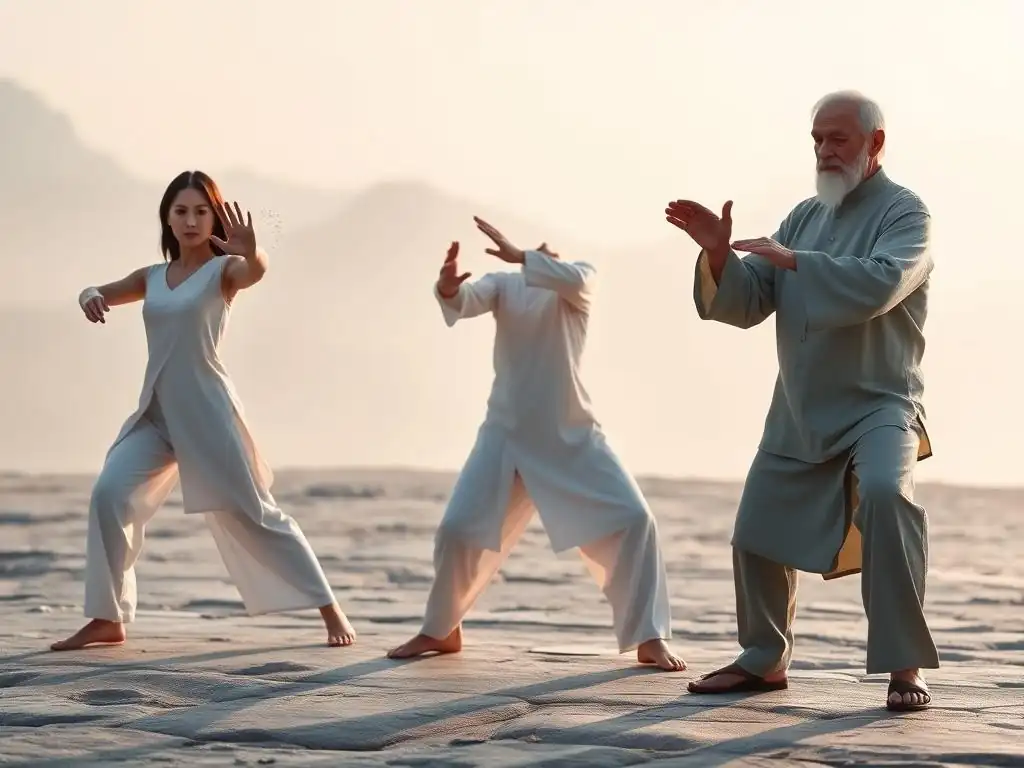
Stress and anxiety are pervasive challenges in modern life, often manifesting as physical tension, racing thoughts, and emotional unease. Tai Chi offers a practical, non-pharmacological approach to managing these symptoms. The core principles of deep breathing, slow movement, and mindfulness inherent in most Tai Chi styles work together to calm the nervous system. By engaging the parasympathetic nervous system, Tai Chi helps lower heart rate, blood pressure, and muscle tension, effectively reducing the physiological markers of stress. The focus required during practice also provides a mental escape from worries, anchoring the mind in the present moment.
Studies have shown significant reductions in self-reported stress and anxiety levels among regular Tai Chi practitioners. For example, a meta-analysis of multiple studies indicated that Tai Chi practice was associated with moderate improvements in anxiety scores. The repetitive, flowing nature of the movements can be deeply soothing, acting like a moving meditation that quiets the mind. For individuals seeking a gentle yet effective way to unwind and find peace amidst daily pressures, Tai Chi offers a holistic solution that addresses both the mental and physical aspects of stress and anxiety.
Best Tai Chi Styles for Anxiety: Yang and Wu
While many Tai Chi styles offer stress and anxiety relief, Yang style and Wu style are often particularly recommended due to their emphasis on slow, gentle, and continuous movements. Yang style's large, expansive forms promote relaxation and deep breathing, making it very accessible for beginners experiencing high stress levels. The focus on fluid transitions and a steady pace helps to calm a restless mind and release physical tension held in the body. Its widespread availability also makes it an easy entry point into practice.
Wu style, with its even slower and more subtle movements, offers an intensely calming experience. The focus on internal awareness and precise, small adjustments requires deep concentration, which can be incredibly grounding for an anxious mind. The gentle nature of the movements reduces any potential physical stress, allowing practitioners to fully immerse themselves in the meditative aspect of the practice. For those seeking a very quiet, introspective form of Tai Chi specifically aimed at calming the nervous system, Wu style can be exceptionally effective in providing Tai chi mental health benefits related to anxiety reduction.
Breathing Techniques in Tai Chi for Calming the Mind
Integral to all Tai Chi styles are specific breathing techniques, primarily abdominal or diaphragmatic breathing. This involves breathing deeply into the belly rather than shallowly into the chest. This type of breathing stimulates the vagus nerve, which plays a key role in regulating the parasympathetic nervous system, promoting relaxation and reducing the body's stress response. Coordinating this deep, slow breathing with the gentle movements of Tai Chi enhances its calming effect, creating a powerful synergy that soothes both the body and the mind.
During Tai Chi practice, the instructor will guide students to synchronize their inhalations and exhalations with specific movements. For instance, expanding movements might coincide with inhalation, while contracting or yielding movements might coincide with exhalation. This conscious control and coordination of breath helps to regulate the nervous system, lower heart rate, and reduce muscle tension. Mastering these breathing techniques within the Tai Chi framework provides practitioners with a portable tool they can use outside of class whenever they feel anxious or stressed, offering immediate relief and contributing significantly to the overall Tai chi mental health benefits.
Tai Chi for Improving Focus and Concentration
Difficulty with focus and concentration can stem from various factors, including stress, anxiety, depression, or simply the demands of a distracting modern environment. Tai Chi practice requires sustained mental attention to remember sequences, coordinate movements with breath, and maintain proper posture and balance. This inherent demand for focus acts as a training ground for the mind, helping to improve concentration skills not just during practice but also in daily life. The moving meditation aspect helps to quiet internal distractions and train the mind to stay present.
Regular engagement in Tai Chi has been linked to improved cognitive function, including enhanced attention span and working memory. The complex coordination required stimulates various areas of the brain. For example, studies have shown that older adults practicing Tai Chi demonstrated improvements in cognitive test scores related to attention and executive function compared to control groups. The practice cultivates a state of relaxed alertness, which is ideal for focused mental activity.
Enhancing Cognitive Function with Chen Style Tai Chi
Chen style Tai Chi, with its more complex movements, varied pace, and integration of explosive power (fa jin), can be particularly effective for challenging and enhancing cognitive function. Learning and executing the intricate sequences requires significant mental effort, memory recall, and the ability to quickly adapt to changing rhythms. The transitions between slow, deliberate movements and sudden bursts of energy demand intense focus and coordination, providing a rigorous workout for the brain.
Navigating the complexity of Chen style helps to build mental agility and the ability to concentrate under dynamic conditions. The need to coordinate breath, movement, and internal energy (Qi) in a constantly changing flow sharpens attention and improves mind-body connection. For individuals seeking to actively challenge their cognitive abilities while gaining physical benefits, Chen style offers a stimulating practice that directly contributes to improved focus and mental sharpness among the many Tai chi mental health benefits.
Mindfulness and Meditation in Tai Chi Practice
At its heart, Tai Chi is a form of moving meditation. While performing the sequences, practitioners are encouraged to pay close attention to their body's sensations, their breath, and the flow of movement. This cultivation of present moment awareness is the essence of mindfulness. Unlike seated meditation, which can be challenging for restless minds, the gentle, continuous movement in Tai Chi provides an anchor for attention, making it easier for many people to enter a meditative state.
The mindful aspect of Tai Chi helps to train the mind to observe thoughts and feelings without judgment, a core skill in managing anxiety and depression. By focusing on the physical act of moving, the constant stream of worrying or negative thoughts is naturally diminished. This practice of being fully present in the body and the movement helps to reduce mental rumination and cultivate a sense of calm detachment from internal noise. Integrating mindfulness and meditation into movement is a key mechanism through which Tai Chi provides its profound Tai chi mental health benefits.
Tai Chi for Managing Depression and Boosting Mood
Depression often involves feelings of low energy, apathy, and disconnection. Tai Chi offers a gentle yet effective way to counteract these symptoms. The physical activity, even at a low intensity, helps to release endorphins, which have natural mood-lifting effects. Furthermore, the structured nature of practice provides a sense of routine and accomplishment, which can be particularly helpful for individuals struggling with motivation. The emphasis on connecting with the body and breath helps to alleviate feelings of dissociation and encourages a sense of being grounded and present.
Engaging in Tai Chi also provides opportunities for social interaction, especially in group classes, which can combat the isolation often associated with depression. Studies have shown that Tai Chi can lead to significant improvements in depressive symptoms. For example, some research indicates that regular Tai Chi practice can reduce symptom severity by a notable percentage in certain populations, sometimes comparable to the effects of exercise alone or even some forms of therapy, highlighting the significant Tai chi mental health benefits.
Sun Style Tai Chi: Promoting Emotional Upliftment
Sun style Tai Chi, with its emphasis on Qigong and smooth, agile movements, is particularly well-suited for addressing the symptoms of depression and boosting mood. The 'opening and closing' movements and focus on cultivating and circulating Qi are designed to enhance vitality and promote a sense of inner warmth and energy. This can directly counteract the feelings of lethargy and stagnation often experienced in depression. The fluid, continuous nature of the movements encourages a sense of flow and ease, which can lift spirits and promote a more positive emotional state.
The relatively higher stance and agile footwork of Sun style make it accessible while still providing beneficial physical activity that releases endorphins. The integration of specific Qigong exercises within the forms further enhances the practice's ability to improve energy levels and emotional well-being. For someone seeking a Tai Chi style that feels invigorating and focuses on vitalizing the body and spirit, Sun style offers a powerful approach to managing depressive symptoms and promoting emotional upliftment, contributing greatly to the overall Tai chi mental health benefits.
The Role of Movement and Social Connection in Tai Chi for Depression
Physical movement is a well-documented strategy for managing depression, and Tai Chi provides this in a gentle, accessible form. Engaging in regular physical activity helps regulate neurotransmitters like serotonin and norepinephrine, which play a role in mood regulation. The structured movements provide a sense of purpose and routine, which can be difficult to establish when experiencing depression. Simply getting the body moving helps to break cycles of inactivity and low energy.
Beyond the physical benefits, participating in Tai Chi classes offers valuable social connection. Group classes provide a supportive environment where individuals can interact with others who share a common interest. This sense of community can combat feelings of isolation and provide a source of encouragement and motivation. Sharing the practice with others fosters a sense of belonging, which is a crucial factor in recovery and maintaining mental well-being. The combination of mindful movement and social engagement makes Tai Chi a holistic intervention for depression, leveraging multiple pathways to achieve significant Tai chi mental health benefits.
Tai Chi for Enhancing Emotional Balance and Stability
Emotional balance involves the ability to recognize, understand, and manage one's emotions effectively. Tai Chi practice cultivates this skill through its emphasis on self-awareness, mindfulness, and the mind-body connection. By regularly tuning into internal sensations and emotional states during practice, individuals become more attuned to their emotional landscape without judgment. The gentle, yielding nature of many Tai Chi movements can also foster a sense of acceptance and non-resistance towards difficult emotions, helping practitioners navigate them with greater ease.
The physical stability and balance cultivated through Tai Chi directly mirror and support emotional stability. As practitioners become more grounded and centered in their bodies, they often find themselves feeling more centered emotionally as well. The ability to maintain composure through challenging physical postures or transitions translates into a greater capacity to remain calm and balanced when facing emotional challenges in life. This cultivation of inner equilibrium is a profound and lasting Tai chi mental health benefit.
Finding Inner Peace Through Tai Chi Practice
The slow, deliberate pace and meditative quality of Tai Chi practice naturally lead to a state of inner peace. By focusing on the breath and movement, the constant mental chatter that often fuels anxiety and restlessness is quieted. The practice provides a dedicated time and space to disconnect from external pressures and internal worries, allowing the mind to settle. This regular return to a state of calm and presence helps to build resilience against the stressors of daily life.
Achieving a state of flow during Tai Chi, where the movements feel effortless and the mind is fully engaged in the present moment, is deeply restorative. This state is similar to that achieved in seated meditation but is accessed through physical movement. The sense of tranquility and centeredness cultivated during practice extends beyond the class, helping individuals carry a greater sense of peace into their daily activities. This deep sense of inner peace is one of the most cherished Tai chi mental health benefits reported by long-term practitioners.
Cultivating Self-Awareness and Emotional Regulation Through Tai Chi
Tai Chi is a powerful tool for cultivating self-awareness. The practice encourages practitioners to pay close attention to their physical sensations, energy levels, and emotional states without judgment. This increased awareness helps individuals recognize patterns in their emotional responses and triggers. For example, someone might notice that their shoulders tense up when they feel anxious, or that their breath becomes shallow when they are stressed. Recognizing these physical manifestations of emotion is the first step towards managing them.
Building on this self-awareness, Tai Chi helps develop skills in emotional regulation. The practice teaches patience, persistence, and the ability to stay present even when movements are challenging or frustrating. This translates into a greater capacity to tolerate uncomfortable emotions without being overwhelmed by them. By practicing gentle, yielding movements, individuals learn to respond to internal and external pressures with flexibility rather than rigidity. This ability to observe and navigate emotions with greater ease and acceptance is a significant Tai chi mental health benefit, fostering long-term emotional stability.
Factors to Consider When Choosing a Tai Chi Style
Physical Limitations and Abilities
When selecting a Tai Chi style for mental health, it is crucial to consider your current physical condition, limitations, and abilities. Some styles are more physically demanding than others. For instance, Chen style involves lower stances, more dynamic movements, and bursts of power, which might not be suitable for someone with severe joint issues or significant mobility limitations. Yang style, with its higher stances and gentle, expansive movements, is generally more accessible for beginners and those with physical constraints.
Wu style, known for its very slow, subtle movements and often higher postures, is particularly well-suited for individuals with balance problems or those seeking a very low-impact practice. Sun style, with its agile footwork but often higher stances, offers a balance between gentleness and mobility. It is essential to choose a style that feels physically comfortable and sustainable for you, as consistency is key to reaping the Tai chi mental health benefits. Consulting with a healthcare provider before starting any new exercise program, including Tai Chi, is always recommended, especially if you have pre-existing health conditions.
Personal Preferences and Interests
Your personal preferences and interests also play a significant role in choosing the right Tai Chi style. Do you prefer a practice that is very slow and meditative, or do you find a more dynamic and physically challenging form more engaging? Are you drawn to the historical and martial aspects of Tai Chi, or are you primarily interested in its health and wellness benefits? Understanding what resonates with you will help you find a style you are more likely to stick with over the long term.
Consider trying introductory classes or watching videos of different styles to get a feel for their pace, movements, and overall energy. Some people are drawn to the graceful flow of Yang style, while others might find the power and complexity of Chen style more captivating.
The gentle subtlety of Wu style might appeal to some, while the fluid transitions and Qigong elements of Sun style might attract others. Choosing a style that genuinely interests you will make the practice more enjoyable and sustainable, maximizing its positive impact on your mental well-being and helping you achieve the desired Tai chi mental health benefits.
Finding a Qualified Tai Chi Instructor
Finding a qualified and experienced Tai Chi instructor is paramount to a safe and effective practice. A good instructor not only teaches the movements correctly but also embodies the principles of Tai Chi, fostering a supportive and encouraging learning environment. Look for instructors who have dedicated years to their own practice and training, preferably under recognized masters. While certifications exist, experience and lineage are often strong indicators of an instructor's depth of knowledge.
A qualified instructor can properly guide you through the forms, correct your posture and alignment, and explain the underlying principles of the style. They can also offer modifications for physical limitations and help you understand how the physical movements relate to the mental and energetic aspects of Tai Chi. Don't hesitate to ask about their background, training, and teaching philosophy. A good instructor will prioritize safety, patience, and the individual needs of their students, helping you unlock the full potential of Tai chi mental health benefits.
Importance of Experience and Certification
While Tai Chi is generally safe, incorrect practice can potentially lead to physical strain or injury. An experienced instructor possesses a deep understanding of body mechanics, energy flow, and the nuances of the specific style they teach. They can identify and correct subtle errors in posture or movement that a beginner might not even be aware of, preventing potential issues down the line. Years of personal practice allow them to teach from embodied knowledge, providing insights that go beyond simply demonstrating movements.
Certification from recognized Tai Chi organizations can indicate that an instructor has met certain standards of knowledge and teaching ability. However, certification alone is not a guarantee of quality. It is often best to look for a combination of formal training, significant personal practice time, and positive testimonials from students. Observing a class or talking to current students can provide valuable insight into an instructor's teaching style and effectiveness. Prioritizing an instructor's experience and commitment to the art ensures you receive quality guidance on your journey towards better mental well-being through Tai Chi.
Assessing Teaching Style and Philosophy
Beyond technical proficiency, an instructor's teaching style and philosophy are crucial for creating a positive learning experience. Do they teach with patience and clarity? Are they approachable and willing to answer questions? Do they emphasize the health and mental well-being aspects of Tai Chi, or is their focus primarily on martial applications? Since your goal is likely to improve mental health, finding an instructor who understands and values the therapeutic benefits of Tai Chi is important.
Some instructors teach in a very traditional, disciplined manner, while others may have a more relaxed or modern approach. Consider what kind of learning environment you thrive in. A good instructor will create a safe and supportive space where you feel comfortable learning and making mistakes.
Their philosophy should align with your goals for practicing Tai Chi for mental health – focusing on relaxation, mindfulness, and gentle progress rather than performance. Taking the time to find an instructor whose style and philosophy resonate with you will greatly enhance your practice and maximize the Tai chi mental health benefits you gain.
Getting Started with Tai Chi for Mental Well-being
Preparing for Your First Tai Chi Class
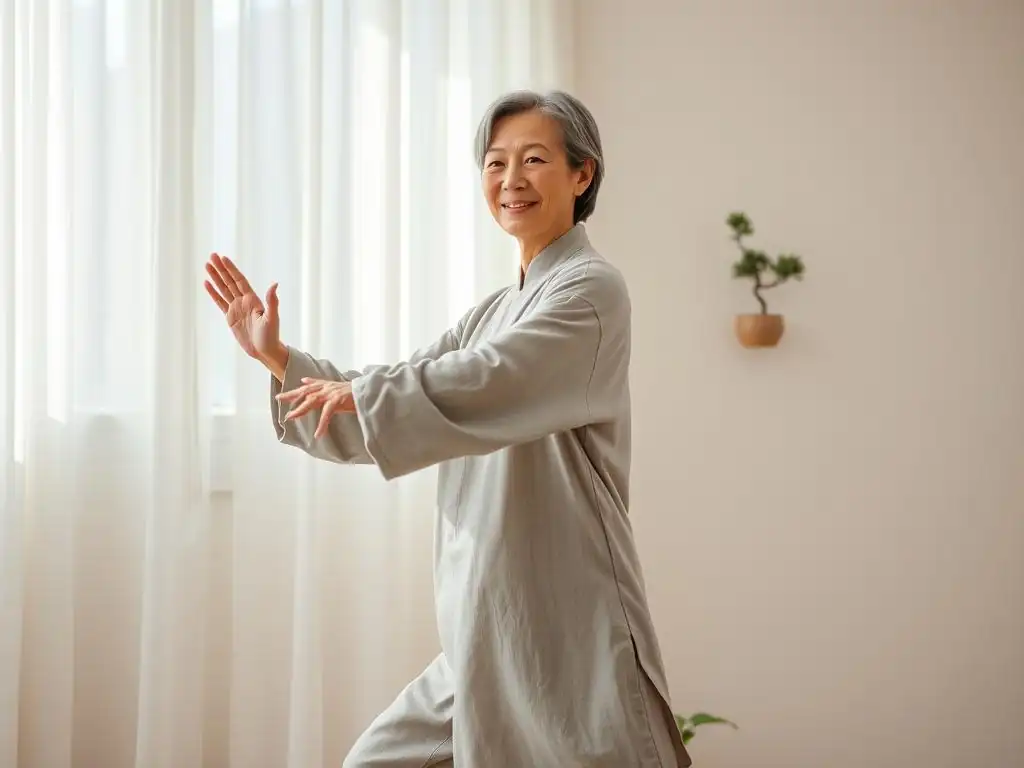
Taking the first step towards trying Tai Chi is an exciting move for your mental well-being. Preparation is simple. Wear comfortable, loose-fitting clothing that allows for a full range of motion. Avoid tight waistbands or restrictive fabrics. Choose comfortable, flat-soled shoes that provide good support and allow you to feel the ground beneath your feet – sneakers or specific Tai Chi shoes are ideal. Some people prefer to practice barefoot, but check if this is permitted or recommended in your chosen class environment.
Arrive a few minutes early to introduce yourself to the instructor and let them know you are new and perhaps mention your interest in the Tai chi mental health benefits. This allows them to offer specific guidance or modifications if needed. Be prepared to listen attentively and follow instructions carefully. Don't worry about getting the movements perfectly right on your first try; Tai Chi is a practice of gradual learning and refinement. The focus in the beginning is simply on experiencing the movements, breath, and finding a comfortable rhythm.
Setting Realistic Goals and Expectations
As with any new practice, setting realistic goals and expectations is important when starting Tai Chi for mental well-being. You won't likely master the forms or experience profound shifts in anxiety or mood after just one class. Tai Chi is a cumulative practice; its benefits unfold gradually with consistent effort. Set a simple goal for the first few weeks, such as attending class regularly or practicing a few movements at home for a short period each day.
Understand that learning the movements takes time and patience. Don't compare yourself to more experienced practitioners. Focus on your own journey and the internal experience of the practice – how your body feels, your breath, and your state of mind during and after class. Acknowledge small improvements, whether it's feeling slightly more relaxed, noticing a moment of calm, or simply remembering a few more movements. Celebrating these small wins helps maintain motivation and reinforces the positive impact Tai Chi is beginning to have on your mental health.
Maintaining Consistency and Patience
Consistency is the single most important factor in realizing the full Tai chi mental health benefits. Aim to practice regularly, whether it's attending classes a few times a week or incorporating short home practice sessions into your daily routine. Even short, consistent practice sessions are more beneficial than infrequent long ones. Try to integrate Tai Chi into your schedule as a non-negotiable part of your self-care routine.
Patience is equally crucial. Learning Tai Chi is a journey, not a race. There will be days when movements feel awkward or your mind feels restless. Approach these moments with self-compassion and persistence. Understand that progress comes in waves. Embrace the process of continuous learning and refinement. The mental and emotional benefits deepen over time as the practice becomes more ingrained in your body and mind. Trust in the process, stay consistent, and allow the gentle power of Tai Chi to gradually transform your mental landscape.
Conclusion: Embracing Tai Chi for a Healthier Mind
The Long-Term Mental Health Benefits of Regular Tai Chi Practice
Committing to regular Tai Chi practice offers a wealth of long-term mental health benefits that extend far beyond temporary stress relief. Over time, practitioners often experience a sustained reduction in anxiety and depressive symptoms, improved mood stability, and enhanced emotional regulation. The consistent cultivation of mindfulness and self-awareness leads to a greater capacity to navigate life's challenges with equanimity and resilience. Chronic stress levels decrease, leading to improvements in sleep quality and overall well-being.
Furthermore, the cognitive benefits of Tai Chi continue to develop with consistent practice, including sharper focus, improved memory, and enhanced executive function. The physical aspects of the practice, such as improved balance, flexibility, and strength, contribute to a greater sense of physical confidence and independence, which positively impacts mental health, particularly in older adults. The community aspect of group classes fosters a sense of belonging and social support, crucial for long-term mental wellness. These cumulative effects make Tai Chi a powerful and sustainable tool for nurturing a healthier mind throughout life.
Tai Chi: A Sustainable Path to Mental Wellness
Tai Chi offers a sustainable and holistic path to mental wellness because it integrates physical, mental, and emotional components into a single practice. It is low-impact and adaptable, making it accessible across different life stages and physical conditions. Unlike fads or quick fixes, Tai Chi is an ancient discipline refined over centuries, offering a deep and meaningful engagement with one's self. Its emphasis on internal cultivation means that the benefits deepen over time, providing ongoing support for mental health.
By providing tools for stress reduction, emotional regulation, and cognitive enhancement, Tai Chi empowers individuals to take an active role in managing their mental well-being. It is a practice that can be done anywhere, anytime, once the basics are learned, offering a readily available resource for finding calm and balance. Embracing Tai Chi means choosing a gentle yet powerful method for cultivating inner peace, resilience, and clarity – a truly sustainable investment in a healthier, happier mind. The journey of exploring the numerous Tai chi mental health benefits is one of continuous growth and self-discovery.
Frequently Asked Questions
What specific mental health benefits can Tai Chi provide?
Tai Chi offers a range of mental health benefits, including reduced stress and anxiety, improved mood, and enhanced cognitive function such as focus and memory. It promotes a sense of calm and well-being.
How does the style of Tai Chi affect its mental health benefits?
Different Tai Chi styles emphasize varying aspects. Some, like Yang style, are slower and more meditative, promoting relaxation. Others, like Chen style, are more dynamic, potentially boosting energy and focus. Choosing a style that resonates with your personal goals is crucial.
Is Tai Chi suitable for everyone, regardless of their mental health condition?
While Tai Chi is generally safe, it's essential to consult with a healthcare professional before starting, especially if you have pre-existing mental or physical health conditions. They can advise on whether Tai Chi is appropriate and if any modifications are needed.
How often should I practice Tai Chi to experience mental health improvements?
Consistency is key. Aim for at least 2-3 sessions per week, lasting 30-60 minutes each. Even shorter, regular practices can lead to noticeable improvements in mood and stress levels.
Where can I find qualified Tai Chi instructors to guide my practice?
Look for instructors certified by recognized Tai Chi organizations or those with extensive experience and a strong understanding of Tai Chi principles. Check online directories or local community centers. Consider attending a trial class to see if the instructor and style are a good fit.
Final Reflection: The Mindful Path to Wellbeing Through Tai Chi
The pursuit of mental wellbeing is a journey, not a destination, and Tai Chi offers a unique and accessible pathway. Its gentle movements and meditative focus are not merely physical exercises; they are tools for cultivating inner peace and resilience in our increasingly demanding world. The styles explored in this article – each with its own nuanced approach – highlight the diverse ways Tai Chi can address specific mental health needs.
The profound impact of Tai Chi on mental wellbeing is undeniable, weaving its way into the fabric of our lives through stress reduction, improved focus, and a deeper connection to the present moment. It's more than just a physical practice; it's a philosophy of mindful movement that fosters a sense of calm and centeredness. As Bruce Lee once said, Knowing is not enough; we must apply. Willing is not enough; we must do.
This perfectly encapsulates the essence of Tai Chi's transformative power – its effectiveness lies not just in understanding its benefits, but in actively engaging with the practice.
Now, consider your own journey. Which aspects of Tai Chi resonate most deeply with your personal goals? Perhaps you're drawn to the flowing grace of Yang style, the invigorating energy of Chen style, or the meditative stillness of Wu style. Regardless of your choice, remember that the most important step is to begin. Embrace the process, allow yourself to be present in each movement, and discover the unique path to mental wellbeing that Tai Chi offers you. Your journey towards a calmer, more centered self begins with a single, mindful step.
Unlock Your Inner Peace: Take the Next Step on Your Tai Chi Journey
Thanks for exploring the world of Tai Chi with Mind Care Guide! We hope you found valuable insights into choosing the style that best aligns with your mental well-being goals. Now, it's time to put that knowledge into practice.
- Find a local Tai Chi class: This is the most important step! Search online for instructors offering the style you're most drawn to. Many offer introductory sessions.
- Share your experience: Tell your friends about your newfound interest! The support of others can be incredibly beneficial on your Tai Chi journey.
- Explore online resources: Deepen your understanding by reading more about your chosen Tai Chi style—you might discover even more benefits than you initially anticipated!
What specific aspect of Tai Chi are you most excited to experience, and why is it crucial for your mental well-being goals? Let's discuss in the comments!