
The Intergenerational Impact of EcoAnxiety: Passing Fears Down


Welcome to Mind Care Guide, a sanctuary for your mental well-being.
Are you feeling overwhelmed by the weight of climate change, and worried about passing that anxiety onto your children? You're not alone. In this article, we delve into the challenging topic of ecoanxiety inheritance strategies families can use to navigate these turbulent times. Discover practical tools and empathetic guidance to protect your family's mental health and foster resilience in the face of environmental anxieties. Let's explore how we can collectively build a brighter, healthier future – for ourselves and generations to come.
- The Intergenerational Impact of EcoAnxiety: Passing Fears Down | Mind Care Guide
- Identifying EcoAnxiety Inheritance Patterns in Families
- EcoAnxiety Inheritance Strategies Families: Breaking the Cycle
- Practical EcoAnxiety Management Techniques for Families
- Fostering Resilience in the Face of Climate Change: A Family Approach
- Resources and Support for Families Dealing with EcoAnxiety
- Ecoanxiety Inheritance: A Call to Action for Mindful Parenting
- Conclusion: Navigating EcoAnxiety Together
-
Frequently Asked Questions
- What is ecoanxiety and how does it relate to intergenerational trauma?
- How can parents unintentionally contribute to ecoanxiety in their children?
- What are some practical "ecoanxiety inheritance strategies" families can use?
- How can families balance acknowledging the severity of the climate crisis with fostering resilience in children?
- Where can families find resources and support to address ecoanxiety effectively?
- Final Reflection: The Legacy of Eco-Anxiety: Shaping a Sustainable Future
- Uncover Your Family's Eco-Resilience: Start the Healing Now
The Intergenerational Impact of EcoAnxiety: Passing Fears Down | Mind Care Guide
What is EcoAnxiety? Defining Climate Change Anxiety
EcoAnxiety, also known as climate anxiety or ecological grief, is a chronic fear of environmental doom. It's not merely worry about climate change; it's a profound psychological distress related to the observed or anticipated effects of climate change and environmental degradation. This anxiety can manifest in various ways, including feelings of sadness, anger, guilt, helplessness, and even panic attacks, stemming from concerns about the future of the planet and its inhabitants. It is increasingly recognized as a legitimate mental health concern, particularly among those who are acutely aware of or directly impacted by environmental crises.
Unlike general stress, eco-anxiety is specifically tied to environmental threats like rising sea levels, extreme weather events, biodiversity loss, and pollution. Research, such as studies published in the Lancet Planetary Health, highlights that a significant portion of young people globally report experiencing moderate to extreme eco-anxiety.
For instance, a 2021 survey involving 10,000 young people across ten countries found that nearly 60% were very or extremely worried about climate change, and over 45% reported that their feelings about climate change negatively affected their daily lives. This points to a widespread and impactful form of anxiety that is distinct from general worries.
The Rising Prevalence of EcoAnxiety in Younger Generations
Younger generations, often referred to as Generation Z and Millennials, are reporting higher levels of eco-anxiety than older demographics. This heightened concern is attributed to their increased exposure to information about climate change through social media, education, and witnessing the growing frequency and intensity of climate-related events. They recognize that they will live through the most significant impacts of climate change, leading to a sense of injustice and betrayal regarding the state of the planet they are inheriting. This demographic is also often at the forefront of climate activism, which, while empowering, can also be emotionally taxing.
Studies consistently show this trend. A report by the American Psychological Association in 2020 noted that more than two-thirds of Americans reported at least a little eco-anxiety, but younger adults (18-34) were significantly more likely to report feeling its effects. This generation has grown up with climate change as a constant backdrop to their lives, witnessing melting glaciers, devastating wildfires, and increasingly unpredictable weather patterns. Their future feels directly threatened, fueling a pervasive sense of worry about their ability to have stable lives, families, or careers on a warming planet.
How EcoAnxiety Can Be Passed Down Through Generations: A Generational Cycle
EcoAnxiety isn't just an individual experience; it can become an intergenerational phenomenon, influencing family dynamics and potentially shaping the emotional landscape of children. Parents and caregivers who experience eco-anxiety may, consciously or unconsciously, transmit their fears and concerns about the environment to their children. This transmission isn't necessarily intentional; it can occur through daily conversations, reactions to news events, lifestyle choices driven by environmental concerns, and even non-verbal cues conveying worry or hopelessness about the future. Children are highly attuned to their parents' emotional states and interpretations of the world.
This process creates a generational cycle where environmental concerns, tinged with anxiety and pessimism, become part of the family narrative. If parents express overwhelming despair about climate change without offering coping strategies or hope, children may internalize these fears, developing their own forms of eco-anxiety. Conversely, if parents model healthy ways of processing these concerns and engaging with environmental issues, they can help build resilience in their children. Understanding these dynamics is crucial for developing effective ecoanxiety inheritance strategies families can use to foster healthier emotional responses to the climate crisis.
Identifying EcoAnxiety Inheritance Patterns in Families
Recognizing Signs of EcoAnxiety in Children and Adolescents
Identifying eco-anxiety in children and adolescents can be challenging, as it may manifest differently than in adults. Younger children might express their fears through play, drawings depicting environmental destruction, or asking repetitive questions about natural disasters or endangered animals. They might also show increased separation anxiety or difficulty sleeping after hearing about environmental news.
Adolescents, on the other hand, may exhibit symptoms more akin to general anxiety or depression, such as irritability, withdrawal from social activities, academic difficulties, or expressions of hopelessness about the future. Some might become overly preoccupied with environmental issues, while others may try to avoid the topic altogether.
Specific signs might include excessive worry about future environmental events (like floods or droughts), distress over news related to climate change, nightmares about environmental disasters, or feeling guilty about their own environmental footprint. For example, a child might become distressed about using plastic or worry excessively about animals losing their habitats after watching a documentary. They might also express anger towards older generations or policymakers they perceive as not doing enough. Paying attention to these behaviors and listening empathetically when children express environmental concerns is the first step in addressing potential eco-anxiety inheritance.
The Role of Parental Anxiety in Shaping Children's Environmental Perceptions
Parents' own levels of eco-anxiety and how they express them significantly influence their children's perceptions of environmental threats and their emotional responses. Children learn how to interpret and react to the world by observing their primary caregivers. If a parent constantly expresses overwhelming fear, doom, or helplessness regarding climate change, a child is likely to absorb and internalize these feelings. This can lead to the child developing a similar sense of dread and powerlessness, contributing to the eco-anxiety inheritance pattern within the family.
Conversely, parents who acknowledge the reality of environmental challenges but also model resilience, proactive engagement, and hope can help their children develop a more balanced perspective. For instance, a parent who expresses concern about extreme weather but also talks about community preparedness and adaptation strategies offers a different lesson than one who only focuses on impending disaster. Research suggests that children of anxious parents are more likely to develop anxiety themselves, and this principle extends to specific anxieties like eco-anxiety. Therefore, parents managing their own climate-related fears is a critical component of effective ecoanxiety inheritance strategies families can implement.
Family Communication Patterns and Their Influence on EcoAnxiety Levels
The way families communicate about climate change and environmental issues profoundly impacts how eco-anxiety is experienced and potentially transmitted. Open, honest, and age-appropriate conversations can help children process complex information and feel supported in their concerns. When families avoid the topic, or when discussions are filled with fear and negativity without space for questions or processing, children may feel isolated in their worries or develop an exaggerated sense of threat based on unspoken anxieties. A family environment where emotions are validated and challenges are discussed constructively fosters emotional resilience.
Families where members feel safe to express vulnerability and concern about the environment are better equipped to navigate eco-anxiety together. For example, holding family discussions about climate news, allowing everyone to share their feelings, and collaboratively brainstorming actions can turn a source of anxiety into an opportunity for connection and empowerment. In contrast, suppressing conversations or dismissing a child's environmental fears can inadvertently amplify their anxiety. Developing positive family communication patterns is a cornerstone of successful ecoanxiety inheritance strategies families can employ to break the cycle of fear.
EcoAnxiety Inheritance Strategies Families: Breaking the Cycle
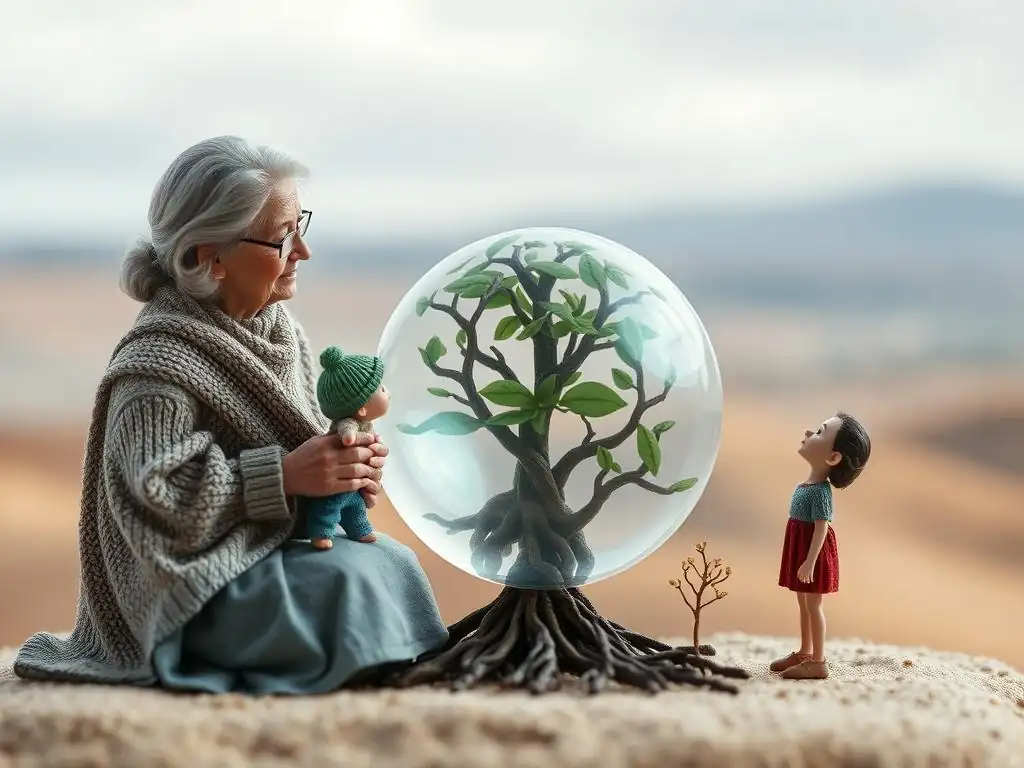
Open Communication About Climate Change: Fostering Healthy Dialogue
One of the most vital ecoanxiety inheritance strategies families can adopt is establishing open and honest communication about climate change. This means talking about environmental issues in an age-appropriate manner, acknowledging the realities of the challenges without resorting to alarmism. It involves creating a safe space where children feel comfortable asking questions, expressing their fears and concerns, and sharing their feelings without judgment. Regularly checking in with children about how they feel about environmental news or events is crucial.
Healthy dialogue also involves listening actively and validating their emotions. Phrases like "It's understandable to feel worried about that" can help children feel heard and understood. Parents can share their own feelings in a measured way, demonstrating that it's okay to feel concerned while also modeling coping mechanisms. This approach helps demystify the topic, reduces the sense of a terrifying unknown, and builds trust, which are key elements in mitigating the negative effects of passing down eco-anxiety.
Modeling Positive Coping Mechanisms for EcoAnxiety
Another essential strategy among ecoanxiety inheritance strategies families can utilize is for parents and caregivers to model positive coping mechanisms. Children learn how to manage difficult emotions by observing the adults in their lives. If parents react to climate news with panic or despair, children may adopt similar reactions. Instead, parents can demonstrate healthy ways to process eco-anxiety, such as practicing mindfulness, engaging in physical activity, spending time in nature, or talking to friends and family about their feelings.
Modeling also includes showing children how to channel anxiety into constructive action. This could involve participating in local environmental initiatives, making sustainable choices at home, or advocating for change. For example, a parent who is worried about plastic pollution might involve their child in a beach clean-up or in finding ways to reduce plastic use at home, turning anxiety into empowered action. Showing children that they can make a difference, no matter how small, combats feelings of helplessness and is a powerful tool against ecoanxiety inheritance.
Empowering Children with Environmental Action: Building Agency and Hope
Empowering children to take environmental action is a powerful antidote to the helplessness that often accompanies eco-anxiety. When children feel they have agency and can contribute positively to addressing climate change, it reduces feelings of passive victimhood and fosters hope. This doesn't mean burdening them with the responsibility of solving the climate crisis, but rather involving them in age-appropriate activities that make a tangible difference. These activities are core ecoanxiety inheritance strategies families can integrate into daily life.
Examples include starting a family recycling program, planting a garden, conserving energy at home, participating in local conservation projects, or writing letters to local representatives about environmental issues. These actions provide a sense of purpose and control, reinforcing the idea that collective and individual efforts matter. Celebrating small wins and focusing on the positive impact of their actions further strengthens their sense of agency and builds resilience against the overwhelming nature of climate concerns.
Practical EcoAnxiety Management Techniques for Families
Mindfulness and Grounding Exercises for Anxiety Relief
Incorporating mindfulness and grounding exercises into family routines can be highly effective ecoanxiety inheritance strategies families can use for managing anxiety, including eco-anxiety. Mindfulness involves paying attention to the present moment without judgment, which can help individuals detach from overwhelming worries about the future. Simple practices, like mindful breathing exercises (e.g., taking five deep breaths together), can be done anywhere, anytime, providing immediate relief during moments of heightened anxiety.
Grounding techniques help bring focus back to the present moment by engaging the senses. For example, the "5-4-3-2-1" method involves identifying five things you can see, four things you can touch, three things you can hear, two things you can smell, and one thing you can taste. Practicing these techniques together as a family can create shared moments of calm and equip everyone with tools to manage anxious feelings when they arise, making them valuable components of ecoanxiety inheritance strategies families can rely on.
Connecting with Nature: Rebuilding a Sense of Connection and Wonder
Spending time in nature is a powerful antidote to eco-anxiety and a fundamental part of ecoanxiety inheritance strategies families should prioritize. While concerns about the environment can lead to fear, connecting with nature fosters a sense of wonder, appreciation, and interconnectedness with the natural world. Engaging with nature can reduce stress, improve mood, and build a foundation of care and respect for the environment that motivates positive action rather than paralyzing fear.
Family activities like hiking, exploring local parks, gardening, birdwatching, or simply spending time outdoors can help rebuild this connection. Encourage children to observe the beauty and resilience of nature. Learning about local ecosystems and participating in conservation efforts in their own community can turn abstract fears into concrete, positive experiences. This connection fosters a sense of stewardship and hope, countering the narrative of irreversible loss often associated with climate change discussions.
Seeking Professional Support: When to Consider Therapy for EcoAnxiety
While many families can manage eco-anxiety through communication and coping strategies, there are times when seeking professional support is necessary. If eco-anxiety is significantly impacting a family member's daily life, causing persistent distress, interfering with sleep or appetite, or leading to feelings of hopelessness or depression, it may be time to consult a mental health professional. This is a crucial, though often overlooked, part of comprehensive ecoanxiety inheritance strategies families might need.
Therapists can provide tools and techniques for managing anxiety, processing difficult emotions related to climate change, and developing healthy coping mechanisms. Some therapists specialize in climate-aware therapy, which specifically addresses the psychological impact of the ecological crisis. Seeking help is a sign of strength and a proactive step in protecting the mental well-being of individual family members and the family unit as a whole, preventing the deeper embedding of eco-anxiety inheritance patterns.
Fostering Resilience in the Face of Climate Change: A Family Approach
Building a Strong Family Support System
A strong family support system is paramount in fostering resilience against eco-anxiety and is a core element of successful ecoanxiety inheritance strategies families can cultivate. Knowing they are not alone in their feelings and that they have a safe space to express concerns and receive empathy from loved ones can significantly buffer the psychological impact of climate change worries. Family members can support each other by actively listening, offering encouragement, and validating feelings.
Creating rituals or regular check-ins where family members can share their thoughts and feelings about the world, including environmental concerns, strengthens these bonds. Engaging in activities together that promote well-being, whether it's cooking healthy meals, exercising, or pursuing hobbies, also builds collective resilience. A family that faces challenges together, supporting one another emotionally, is better equipped to navigate the anxieties associated with climate change.
Focusing on Sustainable Living and Reducing Environmental Impact
Taking concrete steps as a family to live more sustainably and reduce their environmental impact can be incredibly empowering and is a key component of ecoanxiety inheritance strategies families can implement. Action combats helplessness. When families actively work towards solutions, it shifts the focus from passive worry to active participation in creating a better future. This doesn't require drastic, overnight changes but rather a commitment to making conscious choices together.
Examples include reducing energy consumption at home, minimizing waste through recycling and composting, choosing sustainable transportation when possible, making conscious consumer choices, and supporting local and ethical businesses. These actions, when undertaken collectively, provide a sense of purpose and demonstrate to children that they can be part of the solution. Learning about the impact of their actions and celebrating progress reinforces positive environmental behaviors and reduces anxiety stemming from feeling powerless.
Cultivating Optimism and Hope for the Future
While acknowledging the severity of climate change is important, cultivating a sense of optimism and hope is essential for managing eco-anxiety and is a vital part of ecoanxiety inheritance strategies families should nurture. This doesn't mean ignoring the challenges but focusing on the progress being made, the resilience of communities, and the potential for innovation and collective action. Highlight stories of positive change, environmental successes, and the dedication of people working towards solutions.
Discussing potential positive future scenarios, exploring emerging green technologies, and learning about global efforts to address climate change can balance the often-negative news cycle. Encourage critical thinking about media portrayals of climate change, helping children understand that while the challenges are real, there are also many reasons for hope. Focusing on building a desirable future, rather than just avoiding a catastrophic one, can be a powerful motivator and anxiety reducer.
Resources and Support for Families Dealing with EcoAnxiety

Books, Articles, and Websites on EcoAnxiety and Climate Change
Accessing reliable information and resources is crucial for families navigating eco-anxiety. Numerous books, articles, and websites offer insights into the psychological aspects of climate change, coping strategies, and ways to talk to children about these issues. Resources like the American Psychological Association's reports on climate change and mental health, or books aimed at helping parents discuss climate change with kids, can provide valuable guidance.
Websites dedicated to climate psychology or environmental education often feature articles and toolkits for families. Reading together or discussing information from reputable sources can facilitate understanding and open dialogue within the family. Exploring these resources together can be a proactive step in developing informed ecoanxiety inheritance strategies families can use to build resilience.
Organizations Offering Support and Education on Environmental Issues
Connecting with organizations focused on environmental education, conservation, or climate action can provide families with support, information, and opportunities for engagement. Many non-profits offer programs for children and families, providing hands-on experiences with nature, workshops on sustainability, and opportunities to participate in community projects.
Examples might include local conservation groups, environmental education centers, or national organizations focused on climate solutions. Engaging with these groups can provide a sense of community, reduce feelings of isolation, and offer concrete avenues for action, reinforcing the idea that collective efforts are making a difference. These connections are integral ecoanxiety inheritance strategies families can leverage for positive engagement.
Finding a Therapist Specializing in EcoAnxiety and Climate Distress
For families or individuals struggling significantly with eco-anxiety, finding a therapist who specializes in climate-aware therapy or has experience with environmental distress can be highly beneficial. These professionals understand the unique nature of eco-anxiety and can provide tailored support. They can help individuals process complex emotions, develop coping mechanisms, and build resilience in the face of ongoing environmental concerns.
Professional organizations related to psychology and mental health often have directories of therapists who specialize in specific areas, including climate psychology. Seeking out a therapist who understands the context of eco-anxiety ensures that family members receive appropriate and empathetic care, which is a key part of comprehensive ecoanxiety inheritance strategies families should consider when needed.
Ecoanxiety Inheritance: A Call to Action for Mindful Parenting
Creating a Safe and Supportive Environment for Children's Environmental Concerns
Mindful parenting in the age of eco-anxiety involves creating a safe and supportive environment where children feel comfortable expressing their environmental concerns without fear of being dismissed or overwhelmed. This means actively listening to their worries, validating their feelings, and responding with empathy and honesty. It's about acknowledging the reality of the challenges while also providing reassurance and hope.
Parents can establish regular "check-in" times to discuss climate change or other environmental topics that might be on their children's minds. Using age-appropriate language and avoiding overly frightening narratives is crucial. The goal is to foster open communication and emotional safety, which are fundamental ecoanxiety inheritance strategies families can use to prevent the transmission of debilitating fear.
Embracing Sustainable Practices as a Family
Embracing sustainable practices as a family is not just about reducing environmental impact; it's also a powerful way to model proactive behavior and reduce eco-anxiety. When sustainable living becomes a normal, integrated part of family life, it demonstrates a commitment to the planet and provides concrete actions that counter feelings of helplessness. These practices are tangible ecoanxiety inheritance strategies families can live by.
This could involve simple habits like conserving water and energy, reducing waste, choosing reusable items, or supporting local food systems. Involving children in these practices, explaining the "why" behind them, and celebrating their contributions reinforces their role as environmental stewards. These shared activities build a sense of collective purpose and empower children to feel they are part of the solution.
Empowering Future Generations to Be Climate Leaders
Ultimately, addressing eco-anxiety inheritance is about empowering future generations to face environmental challenges with resilience, knowledge, and agency. This involves educating them about climate science in an accessible way, fostering critical thinking skills, and encouraging them to become active participants in creating a sustainable future. Supporting their interests in environmental issues and providing opportunities for them to get involved can turn anxiety into motivation.
Whether it's through school projects, youth environmental groups, or family-led initiatives, empowering children to be climate leaders builds their confidence and capacity to effect change. It shifts the narrative from one of passive inheritance of problems to one of active participation in solutions. This focus on empowerment is one of the most effective ecoanxiety inheritance strategies families can employ to foster hope and resilience in their children.
The intergenerational impact of eco-anxiety is a growing concern, highlighting how climate fears can be passed down within families. Recognizing the signs of eco-anxiety in children, understanding the influence of parental anxiety, and examining family communication patterns are crucial first steps. By implementing effective ecoanxiety inheritance strategies families can adopt, such as fostering open communication, modeling positive coping, and empowering children through action, families can help break the cycle of fear.
Building a strong family support system, embracing sustainable living, and cultivating hope are vital for fostering resilience. While managing eco-anxiety requires conscious effort, navigating these challenges together as a family, and seeking professional support when needed, can equip future generations to face environmental issues with greater resilience and a sense of agency.
Frequently Asked Questions
What is ecoanxiety and how does it relate to intergenerational trauma?
Ecoanxiety is the distress caused by the climate crisis and environmental threats. It relates to intergenerational trauma as anxieties and fears can be passed down through families, influencing how future generations perceive and react to environmental issues.
How can parents unintentionally contribute to ecoanxiety in their children?
Parents can unintentionally contribute by expressing excessive worry or sharing overly negative narratives about the environment without offering solutions or hope. This can create a sense of helplessness in children.
What are some practical "ecoanxiety inheritance strategies" families can use?
Families can adopt strategies like open communication about environmental concerns, focusing on positive actions they can take together (e.g., reducing waste, planting trees), and seeking professional guidance if needed.
How can families balance acknowledging the severity of the climate crisis with fostering resilience in children?
Balancing requires acknowledging the reality of climate change while emphasizing agency and hope. Focus on practical solutions, encourage community involvement, and promote a sense of empowerment.
Where can families find resources and support to address ecoanxiety effectively?
Families can find support through mental health professionals specializing in ecoanxiety, environmental organizations offering educational programs, and online support groups dedicated to climate-related mental health.
Final Reflection: The Legacy of Eco-Anxiety: Shaping a Sustainable Future
The escalating climate crisis isn't just an environmental problem; it's a deeply human one, manifesting as eco-anxiety that's tragically passed down through generations. This inherited burden of fear and uncertainty demands immediate attention, not just for the sake of our planet, but for the well-being of families and communities worldwide. We must actively confront this inherited anxiety to build a more resilient and hopeful future.
The weight of environmental destruction, witnessed firsthand by parents and grandparents, profoundly shapes the worldview of their children. This intergenerational trauma, fueled by inaction and a lack of systemic change, creates a cycle of fear that can be crippling. The future is not something we enter. The future is something we create.
This quote, while optimistic, highlights the crucial role we all play in actively shaping a sustainable future, rather than passively inheriting a damaged one. We must break the cycle of inherited eco-anxiety by fostering open dialogue, promoting sustainable practices, and advocating for meaningful policy changes.
You, the reader, hold the key to transforming this inherited anxiety into empowered action. Consider how your own experiences with environmental concerns have shaped your perspective, and how you can actively contribute to a more sustainable future for your children and grandchildren. Engage in conversations about climate change, support environmentally conscious businesses, and advocate for policies that prioritize planetary health. Let's collectively rewrite the narrative, replacing inherited fear with a legacy of hope, resilience, and sustainable living.
Uncover Your Family's Eco-Resilience: Start the Healing Now
Thanks for taking the time to explore the complex issue of eco-anxiety and its intergenerational impact. You've gained valuable insights into understanding and addressing these pervasive anxieties. Now, let's move from understanding to action.
- Prioritize a family conversation about eco-anxiety. Openly discuss your shared concerns and brainstorm practical solutions, focusing on manageable steps you can take together. This is the core action we urge you to take.
- Explore eco-conscious family activities. From planting a tree to volunteering for a local environmental group, engaging in collective action can foster connection and a sense of hope.
- Share this article with someone you think could benefit from it. Let's spread awareness and encourage open dialogue about this important topic.
What small, yet meaningful step can you take today to nurture your family's eco-emotional wellbeing?