
Your First Look at Mindfulness: An Essential Introduction

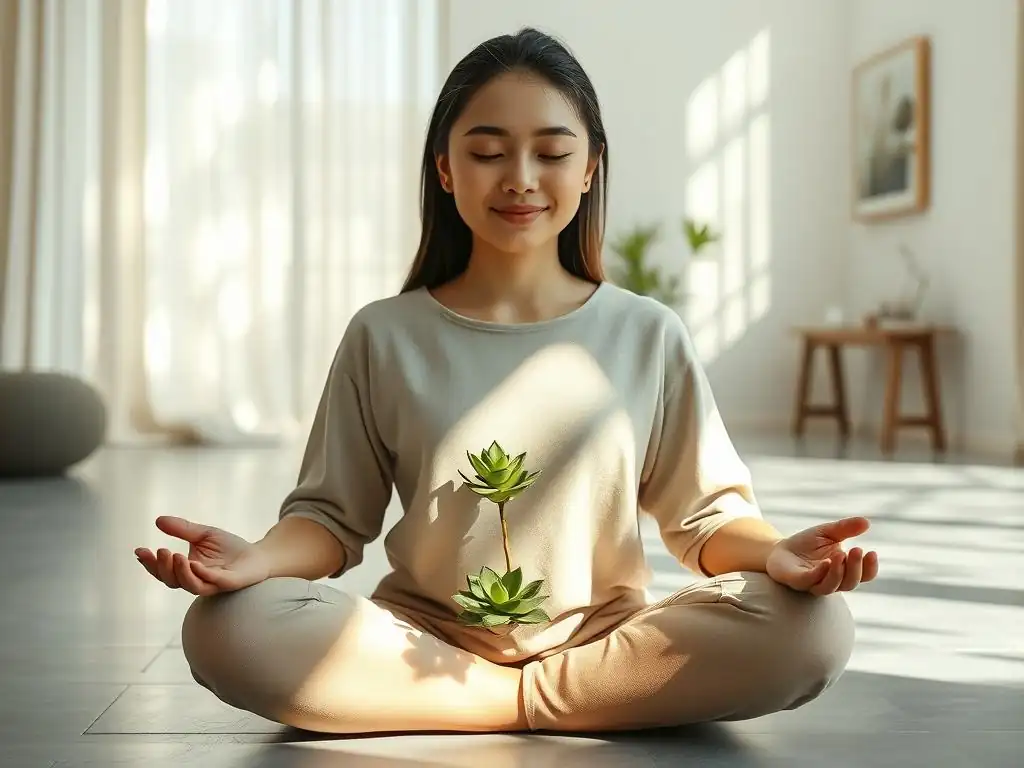
Welcome to Mind Care Guide, a safe space to explore the path to mental well-being.
Feeling overwhelmed by anxiety and stress? You're not alone. In this article, we'll delve into mindfulness for reducing anxiety stress, offering a practical introduction to techniques that can help you reclaim calm and find a sense of centeredness. Are you ready to discover how mindfulness can transform your relationship with stress and unlock a more peaceful you? Let's begin.
Your First Look at Mindfulness: An Essential Introduction
- What is Meditation? A Beginner's Guide to Inner Peace
- Understanding the Core Principles of Meditation
- Meditation for Stress Reduction and Emotional Balance: How it Works
- Practical Meditation Techniques for Daily Life
- Incorporating Meditation into Your Routine: A Step-by-Step Approach
- Benefits of Meditation: Beyond Stress Relief
- Addressing Common Challenges in Meditation Practice
- Resources for Further Meditation Exploration
- Meditation: A Pathway to Lasting Inner Peace
-
Frequently Asked Questions
- What exactly is mindfulness and how does it relate to mental well-being?
- How can mindfulness specifically help in reducing anxiety and stress, as highlighted in this guide?
- Is mindfulness difficult to learn, and how long does it typically take to see noticeable benefits?
- What are some practical exercises or techniques I can use to begin practicing mindfulness today?
- Where can I find additional resources and support if I want to deepen my mindfulness practice?
- Final Reflection: Cultivating Inner Peace in a Frantic World
- Unlock Your Inner Calm: Start Your Mindfulness Journey Today!
What is Meditation? A Beginner's Guide to Inner Peace
Meditation is a practice where an individual uses a technique, such as mindfulness, or focusing the mind on a particular object, thought, or activity, to train attention and awareness, and achieve a mentally clear and emotionally calm state. It's not about stopping thoughts, but about changing your relationship with them, observing them without judgment as they arise and pass. This ancient practice, found in various cultures and traditions, offers a pathway to understanding one's inner landscape and fostering a sense of tranquility amidst life's inevitable challenges.
For beginners, meditation might seem daunting, conjuring images of hours spent in uncomfortable silence. However, the essence of meditation is surprisingly simple: it's about showing up consistently for a few minutes each day to observe your present experience. Starting with short sessions, perhaps just 5 or 10 minutes, can build a foundation for a regular practice. The goal isn't to achieve a state of perfect calm immediately, but to cultivate awareness and patience with your own mind, laying the groundwork for lasting inner peace.
Understanding the Core Principles of Meditation
Defining Meditation: Focusing the Mind
At its heart, meditation involves intentionally focusing the mind on a specific object or sensation. This could be the natural rhythm of your breath, bodily sensations, sounds, or even a specific word or phrase (a mantra). The purpose of this focus is not to block out other thoughts, but rather to provide an anchor for your attention. When the mind inevitably wanders – which it will, constantly – the practice is simply to notice where it has gone and gently guide it back to the chosen object of focus, without self-criticism.
This process of repeatedly bringing the attention back is the fundamental 'workout' for the mind in meditation. It strengthens your capacity for concentration and also builds awareness of your thought patterns. You begin to see how easily the mind gets caught up in worries, plans, or memories, and you learn to observe these mental events from a distance, rather than being swept away by them. This detachment is crucial for developing emotional regulation and reducing reactivity.
The Importance of Consistent Practice
Like learning any new skill, the benefits of meditation accumulate with consistent practice. While a single session can offer moments of calm, the transformative effects on stress levels and emotional balance are realized through regularity. Committing to a daily practice, even for a short duration, is far more impactful than occasional long sessions. Think of it like physical exercise; sporadic intense workouts are less effective for long-term fitness than regular, moderate activity.
Consistency helps to rewire the brain over time, a phenomenon known as neuroplasticity. Studies, such as those conducted at institutions like Harvard University, have indicated that regular meditation can lead to measurable changes in brain structure, including increased gray matter density in areas associated with learning, memory, and emotional regulation, such as the hippocampus, and decreased gray matter in the amygdala, the brain's fear center. This underscores why showing up on your cushion, chair, or mat consistently is key to unlocking meditation's deeper benefits for mental well-being.
Cultivating Inner Stillness: A Key Meditation Skill
Inner stillness in meditation doesn't mean the absence of thoughts or feelings; it means developing a stable and calm presence amidst the mind's activity. It's the ability to rest in awareness, observing the constant flow of thoughts, emotions, and sensations without getting entangled or reactive. Instead of fighting against mental noise, you learn to allow it to be, creating a space between yourself and your internal experiences. This cultivated stillness provides a foundation for greater peace and resilience.
This skill is particularly beneficial for addressing the anxious mind. When you can observe anxious thoughts without immediately believing or reacting to them, their power diminishes. You recognize them as transient mental events, not absolute truths. Cultivating this inner stillness through practices like meditation allows you to navigate challenging emotions with more ease and less distress, fostering a sense of calm that is not dependent on external circumstances.
Meditation for Stress Reduction and Emotional Balance: How it Works
The Science Behind Meditation and Mental Well-being
Meditation has a tangible impact on the body's stress response system. When we experience stress, our sympathetic nervous system kicks in, triggering the release of hormones like cortisol and adrenaline, leading to increased heart rate, blood pressure, and muscle tension – the 'fight or flight' response. Regular meditation practice helps to activate the parasympathetic nervous system, promoting the 'rest and digest' state. This counteracts the stress response, leading to lower levels of stress hormones, reduced inflammation, and a calmer physiological state.
Research published in journals like Health Psychology has shown significant reductions in perceived stress and levels of cortisol in individuals who practice meditation regularly. For example, a study on mindfulness-based stress reduction (MBSR) participants found a significant decrease in cortisol levels compared to a control group. This scientific evidence supports the anecdotal reports of meditation helping individuals manage chronic stress and improve their overall mental well-being.
Reducing Mental Clutter with Meditation
Our minds are often filled with a constant stream of thoughts – worries about the future, ruminations on the past, to-do lists, judgments, and random musings. This 'mental clutter' can be exhausting and is a significant contributor to stress and anxiety. Meditation provides a method for observing this stream without getting caught up in it. By focusing attention on a single point, like the breath, you create a space from the incessant noise.
Through consistent practice, you train your mind to become less reactive to these thoughts. You learn to observe them as simply thoughts, not facts or commands. This ability to step back from the mental chatter reduces the feeling of being overwhelmed by your own mind. It's like clearing out a messy room; you don't necessarily empty it completely, but you organize it so you can find what you need and move around more freely, leading to a clearer, less stressed mental state.
How Meditation Impacts Brain Activity
Neuroimaging studies have revealed that meditation practice can alter brain activity and structure. One notable impact is on the amygdala, the brain region responsible for processing fear and emotional responses, including anxiety. Long-term meditators often show reduced activity and even structural changes (like decreased gray matter volume) in the amygdala, suggesting a diminished reactivity to stressors.
Simultaneously, meditation can increase activity and connectivity in areas of the prefrontal cortex, which are involved in executive functions like attention, decision-making, and emotional regulation. This shift in brain activity supports greater emotional control, improved focus, and a more balanced response to challenging situations. The brain becomes more adept at managing stress and maintaining a state of calm, contributing significantly to improved mental well-being and helping with mindfulness for reducing anxiety stress.
Practical Meditation Techniques for Daily Life
Simple Breath Awareness Meditation
Breath awareness meditation is one of the most accessible and fundamental techniques. It simply involves focusing your attention on the sensation of your breath as it enters and leaves your body. You can sit comfortably, close your eyes if you wish, and simply observe the natural rhythm of your breathing – the rise and fall of your abdomen or chest, the feeling of air moving through your nostrils or mouth. There's no need to control or change the breath, just notice it.
When your mind wanders, which it inevitably will, the practice is gently bringing your attention back to the breath. This isn't a failure; it's the core exercise of meditation. Each time you notice your mind has drifted and guide it back, you are strengthening your muscle of attention and building awareness of your thought patterns. This technique can be practiced anywhere, anytime, for just a few minutes, making it a powerful tool for finding calm in the midst of a busy day.
Loving-Kindness Meditation for Cultivating Compassion
Loving-Kindness Meditation, also known as Metta Bhavana, is a practice focused on cultivating feelings of warmth, friendliness, and compassion towards oneself and others. It typically involves silently repeating phrases that express good wishes, starting with oneself, then extending to loved ones, neutral people, difficult people, and finally, all beings. Phrases might include, "May I be happy," "May I be healthy," "May I be free from suffering," or "May you be happy," etc.
This practice can be particularly helpful in reducing feelings of anger, resentment, and isolation, while fostering positive emotional states. By intentionally directing kindness outwards, you also cultivate a sense of inner warmth and acceptance. While it may feel awkward or insincere at first, consistent practice can genuinely shift your emotional landscape, promoting empathy and connection, which are vital components of mental well-being.
Walking Meditation: Finding Stillness in Movement
Meditation doesn't always require sitting still. Walking meditation is a practice where you bring mindful awareness to the physical sensations of walking. This can be done indoors or outdoors, over a short distance. The focus is typically on the sensations in your feet and legs as you lift, move, and place each foot. You can also be aware of the rhythm of your steps, the movement of your body, and the contact with the ground.
This technique allows you to integrate mindfulness into everyday activities. It helps you become more present in your body and surroundings, transforming a simple walk into an opportunity for meditation. It can be a great alternative for those who find sitting meditation challenging due to restlessness. By paying attention to the physical experience of walking, you ground yourself in the present moment, reducing rumination and fostering a sense of peace while in motion.
Incorporating Meditation into Your Routine: A Step-by-Step Approach
Starting Small: Short Meditation Sessions
One of the biggest barriers to starting meditation is the misconception that you need to dedicate long periods to the practice. For beginners, starting small is key to building a sustainable habit. Aim for just 5 to 10 minutes per day. This duration is much less intimidating and easier to fit into a busy schedule. Even these short sessions can offer noticeable benefits in terms of reduced stress and increased focus.
Think of these initial short sessions as planting a seed. The goal is simply to show up consistently. Don't worry about whether you're "doing it right" or if your mind is quiet. The act of sitting down, setting the intention, and bringing your attention back when it wanders is the practice itself. As you become more comfortable, you can gradually increase the duration, but starting small makes the habit feel achievable and less like a chore.
Creating a Dedicated Meditation Space
Having a specific place designated for meditation can help reinforce the habit and create a sense of ritual. This space doesn't need to be elaborate; a quiet corner in your home with a comfortable cushion or chair is sufficient. The important thing is that it's a place where you feel comfortable and are less likely to be interrupted. Setting up this space signals to your brain that it's time to shift gears and engage in your practice.
Keeping the space tidy and free from clutter can also help create a calming environment conducive to meditation. While you can meditate anywhere, having a dedicated spot minimizes excuses and makes it easier to transition into a meditative state. It becomes a sanctuary for self-care and reflection, reinforcing the importance of the practice in your daily life.
Integrating Meditation into the Morning Routine
Incorporating meditation into your morning routine can set a positive tone for the entire day. Before the demands of work, family, and the outside world begin, taking a few minutes to sit quietly can help you feel more grounded, centered, and prepared to handle whatever comes your way. It provides a moment of calm reflection before the day's busyness takes hold.
Waking up just 10-15 minutes earlier can often provide enough time for a short meditation session. Placing your cushion or chair where you'll see it immediately after waking up can serve as a visual reminder. Making meditation the first thing you do, even before checking your phone, can help establish it as a priority and a non-negotiable part of your day, contributing significantly to using meditation for reducing anxiety stress throughout the day.
Benefits of Meditation: Beyond Stress Relief
Improved Sleep Quality
Many individuals struggle with sleep issues, often due to a racing mind filled with worries and anxieties. Meditation can significantly improve sleep quality by calming the nervous system and reducing the mental chatter that keeps people awake. By practicing meditation, especially before bed, you can lower your heart rate, relax muscle tension, and quiet the stream of thoughts that interfere with falling asleep.
Studies have indicated that regular meditation practice can help alleviate symptoms of insomnia. A meta-analysis of studies found that mindfulness-based interventions, which often include meditation, showed moderate improvements in sleep quality for participants with sleep disturbances. Learning to observe thoughts without judgment through meditation can also help you detach from worries that might otherwise prevent you from drifting off, promoting a more restful night.
Enhanced Creativity
A cluttered and stressed mind often stifles creativity. Meditation can enhance creativity by clearing mental blocks, increasing focus, and promoting a state of relaxed awareness where new ideas can emerge more freely. By quieting the internal critic and reducing the tendency to overthink, meditation allows for a more open and receptive mental state conducive to creative thinking.
Research suggests that meditation can increase divergent thinking, the ability to generate multiple creative solutions to a problem. By reducing stress and improving emotional regulation, meditation creates the mental space necessary for exploration and innovation. When the mind is less preoccupied with anxiety and rumination, it is more available to connect disparate ideas and perceive novel possibilities.
Increased Self-Awareness
Meditation is fundamentally a practice of self-awareness. By paying attention to your thoughts, emotions, and bodily sensations without judgment, you gain a deeper understanding of your inner landscape. You begin to recognize your patterns of thinking, your emotional triggers, and your habitual reactions to different situations. This increased awareness is the first step towards making conscious choices rather than being driven by unconscious impulses.
This heightened self-awareness allows you to respond to challenges with greater insight and wisdom. You can identify when you are feeling stressed or anxious sooner and apply calming techniques learned through meditation. It also fosters a greater sense of self-compassion and acceptance, as you learn to observe your imperfections and struggles without harsh self-criticism, which is a key aspect of mindfulness for reducing anxiety stress.
Addressing Common Challenges in Meditation Practice
Dealing with Distractions
One of the most common challenges in meditation is dealing with a wandering mind. It's easy to feel discouraged when your thoughts constantly pull you away from your object of focus. However, distraction is not a sign of failure; it's a natural function of the mind. The practice isn't about having no thoughts, but about noticing when your mind has wandered and gently bringing it back.
When you notice your mind has drifted, simply acknowledge it without judgment. You can even label the thought ("planning," "worrying," "remembering") before gently redirecting your attention back to your breath or chosen anchor. Each time you do this, you are strengthening your ability to focus and developing patience with your own mental processes. It's the repetitive act of returning that builds the meditative muscle.
Overcoming Restlessness
Physical and mental restlessness can make sitting still for meditation feel challenging, especially for beginners or those experiencing high levels of stress or anxiety. You might feel an urge to fidget, move, or simply get up and do something else. It's important to acknowledge these feelings without immediately acting on them.
Try to bring awareness to the sensation of restlessness itself. Where do you feel it in your body? What does it feel like? Sometimes simply observing the sensation without trying to make it go away can lessen its intensity. If the restlessness is overwhelming, it's okay to gently adjust your posture, or even try a walking meditation instead. Be compassionate with yourself; some days will be easier than others. The goal is to cultivate patience and acceptance of your present experience, rather than fighting against it.
Finding the Right Type of Meditation
Just as there are different types of exercise, there are various forms of meditation. Not every technique will resonate with everyone. Some people find breath awareness grounding, while others prefer the active engagement of walking meditation or the emotional focus of loving-kindness practice. If one technique doesn't feel right, explore others.
Experiment with guided meditations (available through apps or online), silent sitting, body scan meditation, or even movement-based practices like mindful yoga. Finding a technique that you enjoy and feel comfortable with will make it much easier to maintain a consistent practice. Don't be afraid to explore and see what resonates most with you and supports your goal of using meditation for reducing anxiety stress.
Resources for Further Meditation Exploration
Guided Meditation Apps [Insight Timer, Calm]
Guided meditation apps are excellent tools for beginners and experienced practitioners alike. Apps like Insight Timer offer thousands of free guided meditations from various teachers, covering different techniques and durations, often specifically tailored for topics like stress, anxiety, and sleep. They also include timers for unguided practice and community features.
Calm is another popular app known for its high-quality guided meditations, sleep stories, calming music, and masterclasses. While it requires a subscription for full access, its content is professionally produced and highly effective for relaxation and building a meditation habit. These apps provide structure and support, making it easier to start and maintain a regular meditation practice.
Meditation Centers and Teachers
Connecting with a meditation center or teacher can provide invaluable support and guidance, especially if you're looking to deepen your practice or learn specific traditions. Centers often offer classes, workshops, retreats, and community sitting groups. Learning from an experienced teacher can help you understand the nuances of meditation and address challenges you might encounter.
Many centers now offer online classes and resources, making them accessible regardless of your location. Engaging with a teacher or community can provide motivation, accountability, and a deeper understanding of the principles behind meditation, enriching your personal journey towards inner peace and effective mindfulness for reducing anxiety stress.
Books and Articles on Meditation Techniques and Benefits
For those who prefer to learn through reading, there is a wealth of books and articles available on meditation. Classic texts like "Mindfulness in Plain English" by Henepola Gunaratana offer clear, practical instructions for beginning a mindfulness meditation practice. Other books delve into the scientific research behind meditation, its philosophical underpinnings, or specific techniques like Vipassana or Zen meditation.
Online resources, such as articles from reputable health websites or mindfulness organizations, can also provide valuable information, tips, and guidance. Reading can complement your practice, deepen your understanding, and keep you motivated on your journey. Look for resources that are clear, practical, and align with your interests and goals.
Meditation: A Pathway to Lasting Inner Peace
The Long-Term Impact of Consistent Meditation Practice
Committing to meditation practice over the long term can have profound and lasting impacts on your mental and emotional well-being. Beyond temporary stress relief, consistent practice can lead to more fundamental changes in how you perceive and react to the world. You may find yourself becoming less reactive to stressors, more resilient in the face of adversity, and experiencing a greater sense of calm and contentment in daily life.
Over months and years, the cumulative effect of regularly training your attention and cultivating awareness can reshape your relationship with your thoughts and emotions. You develop the capacity to navigate challenging internal states with greater ease and wisdom. This sustained effort helps solidify the benefits of meditation for reducing anxiety stress, transforming it from a temporary fix into a fundamental shift in your way of being.
Cultivating a Meditative Lifestyle
The goal of meditation practice isn't just to find peace on the cushion, but to integrate the principles of mindfulness and awareness into all aspects of your life. A meditative lifestyle means approaching everyday activities – eating, walking, working, communicating – with the same non-judgmental awareness you cultivate during formal practice. It's about being fully present in each moment, rather than constantly being lost in thought.
This involves paying attention to simple things, like the taste of your food or the sensations of showering. It also means bringing awareness to your interactions with others and your responses to challenging situations. Cultivating a meditative lifestyle enhances your appreciation for life, improves your relationships, and provides a continuous source of peace and grounding, solidifying the power of meditation as a tool for mental well-being and helping with mindfulness for reducing anxiety stress in every moment.
Frequently Asked Questions
What exactly is mindfulness and how does it relate to mental well-being?
Mindfulness is the practice of paying attention to the present moment without judgment. It's a core component of mental well-being by helping us manage thoughts and emotions more effectively. It allows us to be present and engaged with what's happening around us.
How can mindfulness specifically help in reducing anxiety and stress, as highlighted in this guide?
Mindfulness helps reduce anxiety and stress by interrupting the cycle of rumination and worry. It teaches us to observe our thoughts and feelings without getting carried away, thus decreasing the intensity of stressful reactions. This allows us to respond, rather than react.
Is mindfulness difficult to learn, and how long does it typically take to see noticeable benefits?
Mindfulness is relatively simple to learn, but requires consistent practice. While individual experiences vary, many people report experiencing noticeable benefits within a few weeks of regular practice. Start with short sessions and gradually increase the duration.
What are some practical exercises or techniques I can use to begin practicing mindfulness today?
Begin with simple exercises like mindful breathing, focusing on the sensation of each breath. You can also try body scan meditations, paying attention to sensations in different parts of your body. Another exercise is mindful walking, paying attention to the feeling of your feet on the ground.
Where can I find additional resources and support if I want to deepen my mindfulness practice?
Mind Care Guide offers a wealth of information and resources on mindfulness and mental well-being. Look for guided meditations, articles, and support groups on the website. Consider seeking guidance from a qualified mindfulness teacher or therapist.
Final Reflection: Cultivating Inner Peace in a Frantic World
The pursuit of mindfulness isn't a fleeting trend; it's a vital tool for navigating the anxieties and stresses of modern life. In a world saturated with constant demands and information overload, the ability to find calm amidst the chaos is not a luxury, but a necessity. This article has explored the foundational principles of mindfulness, offering practical steps to cultivate a more peaceful and present existence. The techniques discussed – from mindful breathing to body scans – are not merely theoretical exercises; they are powerful tools readily available to anyone seeking relief from the pervasive pressures of daily life.
The impact of mindfulness on our collective well-being is undeniable. It's reshaping how we approach stress management, shifting the focus from external solutions to internal resources. The present moment is filled with joy and happiness. If you are attentive, you will see it.
– Thich Nhat Hanh. This quote beautifully encapsulates the core message: peace isn't something to be found in the future or the past, but cultivated in the here and now, through the practice of mindfulness. The growing body of research supporting its efficacy in reducing anxiety and stress further underscores its transformative power.
Now, consider how you can integrate these practices into your own life. Start small; even a few minutes of mindful breathing each day can make a significant difference. Don't be discouraged by moments of distraction – they are a natural part of the process. Embrace the journey, and allow the gentle art of mindfulness to guide you towards a more peaceful, present, and fulfilling life. The path to inner calm begins with a single, mindful breath.
Unlock Your Inner Calm: Start Your Mindfulness Journey Today!
Thanks for taking the time to explore the world of mindfulness with us! We hope this introduction provided you with valuable insights and a fresh perspective on inner peace. Ready to take the next step?
- Begin your daily mindfulness practice: Start with just 5 minutes of focused breathing each day. You'll be surprised at the difference it makes!
- Share this article with someone you think could benefit from learning about mindfulness. Let's spread the calm!
- Explore our website for more resources and guided meditations to deepen your practice.
What small step will you take today to cultivate more mindfulness in your life?