
Soothe Anxiety: Gentle Mindfulness Techniques for Relief

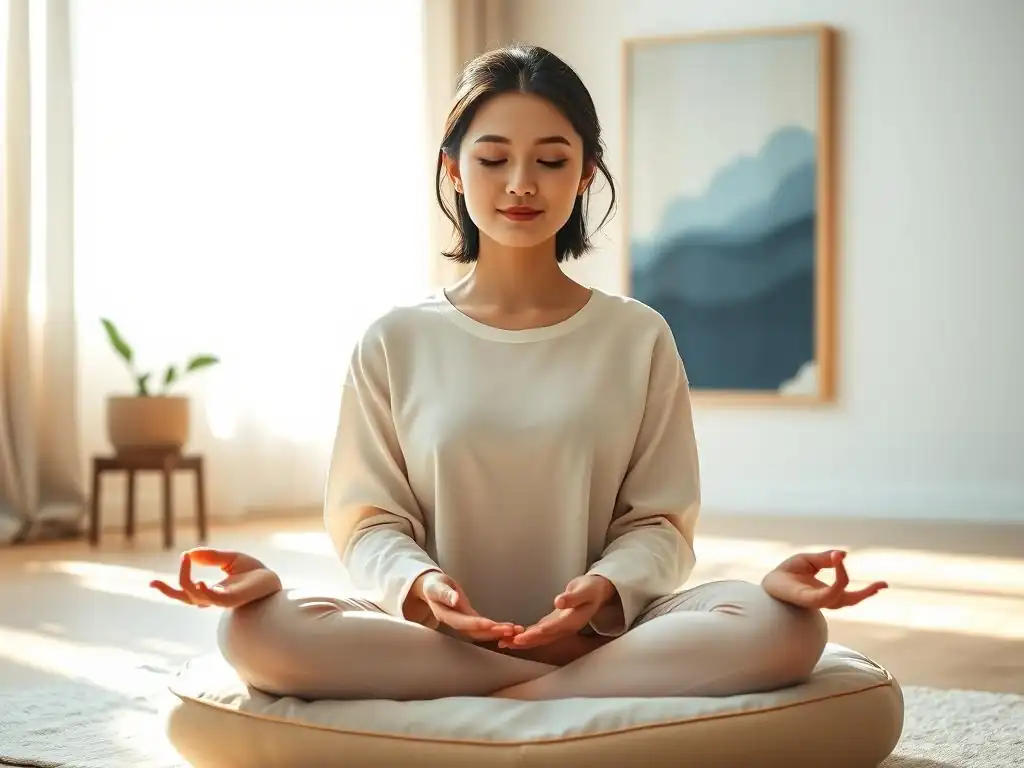
Welcome to Mind Care Guide, a sanctuary for your mental well-being.
Are you feeling overwhelmed by anxiety? You're not alone. We understand the weight that anxiety can carry, and we're here to offer a gentle path towards finding peace. In this article, we'll explore how mindfulness can reduce anxiety symptoms, offering practical techniques you can integrate into your daily life. Curious about how to quiet the storm within? Dive in and discover the power of presence.
Soothe Anxiety: Gentle Mindfulness Techniques for Relief
- Understanding Anxiety and the Power of Mindfulness
- Gentle Mindfulness Techniques to Reduce Anxiety Symptoms
- Integrating Mindfulness into Your Daily Life for Long-Term Anxiety Management
- Advanced Mindfulness Techniques for Anxiety
- Mindfulness and Anxiety: Frequently Asked Questions
- Resources for Further Exploration of Mindfulness and Anxiety
-
Frequently Asked Questions
- How does mindfulness help reduce anxiety symptoms?
- What are some simple mindfulness techniques I can use daily to manage my anxiety?
- How long does it typically take to see a noticeable reduction in anxiety symptoms through mindfulness practice?
- Is mindfulness a replacement for traditional anxiety treatments like therapy or medication?
- Where can I find resources and support for learning and practicing mindfulness for anxiety relief?
- Final Reflection: Finding Stillness in a Restless World
- Unwind Your Mind: Start Your Mindfulness Journey Now!
Understanding Anxiety and the Power of Mindfulness
What is Anxiety and How Does it Affect You?
Anxiety is a natural human response to stress, characterized by feelings of worry, nervousness, or unease about something with an uncertain outcome. While a certain level of anxiety can be helpful – motivating us to prepare or avoid danger – excessive or persistent anxiety can become debilitating. It can manifest in various ways, including racing thoughts, restlessness, difficulty concentrating, and physical symptoms like a rapid heartbeat, sweating, muscle tension, and digestive issues. Chronic anxiety can significantly impact daily life, affecting relationships, work, sleep, and overall well-being.
Living with anxiety often feels like being trapped in a cycle of 'what ifs,' constantly anticipating the worst. This state of heightened alert keeps the nervous system activated, preventing relaxation and peace of mind. The impact extends beyond the psychological, leading to fatigue, irritability, and even contributing to long-term health problems. Understanding that anxiety is often rooted in anticipating future threats, rather than responding to present reality, is the first step towards finding effective coping strategies like mindfulness reduce anxiety symptoms.
The Science Behind Mindfulness for Anxiety Reduction
Research into the effects of mindfulness on the brain has provided compelling evidence for its effectiveness in reducing anxiety symptoms. Studies using fMRI scans show that regular mindfulness practice can lead to structural and functional changes in areas of the brain associated with anxiety and stress regulation. For instance, the amygdala, often referred to as the brain's fear center, tends to show decreased activity in individuals who practice mindfulness consistently. Concurrently, the prefrontal cortex, responsible for higher-level functions like decision-making and emotional regulation, can show increased activity and connectivity.
Furthermore, mindfulness helps regulate the body's stress response system, primarily involving the hypothalamic-pituitary-adrenal (HPA) axis. By cultivating present moment awareness and non-reactivity, mindfulness can lower levels of stress hormones like cortisol. A study published in Health Psychology found that participation in an 8-week mindfulness program led to significant reductions in cortisol levels and self-reported stress and anxiety compared to control groups. This scientific backing reinforces the idea that mindfulness reduce anxiety symptoms not just subjectively, but through measurable physiological changes.
Benefits of Using Mindfulness Practices to Manage Anxiety
Integrating mindfulness reduce anxiety symptoms offers a multitude of benefits beyond simply feeling calmer in the moment. One primary advantage is the development of greater emotional resilience. By learning to observe thoughts and feelings without immediate judgment or reaction, individuals can create space between an anxious thought and their response to it. This reduces the likelihood of getting swept away by negative thought spirals, a common feature of anxiety.
Another significant benefit is improved self-awareness. Mindfulness helps you recognize the early signs of anxiety building in your body and mind, allowing you to intervene with coping strategies sooner. This proactive approach is far more effective than waiting until anxiety becomes overwhelming. Over time, consistent mindfulness practice can lead to a general decrease in the frequency and intensity of anxious episodes, improve sleep quality often disrupted by worry, and enhance overall emotional balance, making it a powerful tool for long-term anxiety management.
Gentle Mindfulness Techniques to Reduce Anxiety Symptoms
Deep Breathing Exercises for Immediate Anxiety Relief
When anxiety strikes, your breath often becomes shallow and rapid, reinforcing the body's stress response. Deep breathing exercises are simple yet powerful tools that can immediately activate the parasympathetic nervous system, counteracting the fight-or-flight response and helping to soothe anxiety. These techniques are accessible anytime, anywhere, providing a quick anchor to the present moment.
Focusing on your breath redirects attention away from anxious thoughts and provides a physical sensation to ground you. By consciously slowing and deepening the breath, you signal to your brain that you are safe, allowing your heart rate to decrease and muscles to relax. Practicing deep breathing regularly also builds your capacity to manage stress and anxiety over time, making it easier to return to a calm state when faced with triggers.
Diaphragmatic Breathing: A Step-by-Step Guide
Diaphragmatic breathing, also known as belly breathing, is a fundamental technique for calming the nervous system. It involves engaging the diaphragm, a large muscle located below the lungs, which leads to deeper, more efficient breaths. Here is a simple guide:
- Find a comfortable position, either sitting or lying down.
- Place one hand on your upper chest and the other hand on your belly, just below your rib cage.
- Inhale slowly and deeply through your nose, feeling your belly rise against your hand. The hand on your chest should remain relatively still.
- Exhale slowly through pursed lips, gently contracting your abdominal muscles to push the air out. Feel your belly fall.
- Repeat this process for several minutes, focusing solely on the sensation of your breath entering and leaving your body and the movement of your belly. Aim for 6-10 slow breaths per minute.
Practicing this technique for just 5-10 minutes a few times a day can significantly impact your stress levels and help mindfulness reduce anxiety symptoms. The key is to practice when you're not anxious, so it becomes a natural response when you need it most.
Box Breathing for Calming the Nervous System
Box breathing, also known as square breathing, is another effective technique used by everyone from Navy SEALs to people managing daily stress. It follows a simple four-count pattern that helps regulate breath and calm the mind, making it excellent for immediate anxiety relief. The steps are as follows:
- Sit comfortably with your back straight.
- Exhale completely, pushing all the air out of your lungs.
- Inhale slowly through your nose for a count of four.
- Hold your breath for a count of four.
- Exhale slowly through your mouth for a count of four.
- Hold your breath (with empty lungs) for a count of four.
- Repeat the cycle.
Visualize drawing a box as you breathe: inhale up one side, hold across the top, exhale down the other side, and hold across the bottom. This rhythmic pattern provides a mental focus that distracts from anxious thoughts and helps reset your breathing pattern, offering a tangible way that mindfulness reduce anxiety symptoms quickly.
Body Scan Meditation for Anxiety Awareness
A body scan meditation is a practice where you systematically bring your attention to different parts of your body, noticing physical sensations without judgment. This technique helps ground you in the present moment and cultivate a greater awareness of how anxiety manifests physically. Often, anxiety holds tension in specific areas like the shoulders, jaw, or stomach, and a body scan can help you identify and gently release this tension.
By shifting focus from racing thoughts to physical sensations, the body scan interrupts the cycle of worry. It teaches you to simply notice what is happening in your body without needing to change or fix it immediately. This non-judgmental awareness is key to developing a healthier relationship with physical discomfort and anxiety symptoms, recognizing them as temporary states rather than overwhelming threats.
How to Perform a Body Scan Meditation
Performing a body scan is a simple process that can be done lying down or sitting comfortably. Follow these steps:
- Find a quiet place where you won't be disturbed. Lie down on your back or sit in a comfortable chair with your feet flat on the floor.
- Close your eyes gently if that feels comfortable.
- Bring your awareness to your breath for a few moments, simply noticing the inhale and exhale.
- Shift your attention to your feet. Notice any sensations there – warmth, coolness, tingling, pressure. There's no need to change anything, just observe.
- Slowly move your attention up through your body, section by section: ankles, lower legs, knees, thighs, hips, torso, back, shoulders, arms, hands, neck, face, and finally the top of your head.
- As you focus on each area, simply observe any sensations present. If your mind wanders, gently guide it back to the part of the body you are focusing on.
- When you reach the top of your head, take a moment to notice your body as a whole.
- Gently open your eyes when you are ready.
This practice, even for 10-15 minutes, can significantly reduce physical tension associated with anxiety and enhance the way mindfulness reduce anxiety symptoms by improving body awareness.
Noticing Sensations Without Judgment
A crucial aspect of the body scan, and mindfulness in general, is cultivating non-judgmental awareness. As you scan your body, you might notice areas of pain, tension, or discomfort – sensations often amplified by anxiety. The practice is not about making these sensations disappear, but about observing them with curiosity and acceptance.
When you notice a sensation, simply acknowledge it: "Ah, there is tension in my shoulders." Avoid labeling it as "good" or "bad," or getting caught up in thoughts about why it's there or how you wish it weren't. This radical acceptance of present experience, even uncomfortable sensations linked to anxiety, is incredibly liberating and weakens the power these sensations have over you. It's a core way that mindfulness reduce anxiety symptoms by changing your relationship with physical discomfort.
Mindful Walking for Reducing Anxiety and Stress
Mindful walking is a practice that combines the physical benefits of walking with the mental benefits of mindfulness. It's an opportunity to step away from ruminating thoughts and engage with the present moment through your senses and the physical act of walking. Unlike walking for exercise or transportation, the goal of mindful walking is simply to be present with the experience of walking itself.
This technique can be particularly helpful when feeling restless or agitated due to anxiety, providing a gentle way to move energy through the body while simultaneously calming the mind. Even a short mindful walk, perhaps 10-15 minutes, can shift your perspective and reduce the intensity of anxious feelings, demonstrating another practical application of how mindfulness reduce anxiety symptoms.
Finding a Quiet Space for Mindful Walking
While mindful walking can theoretically be done anywhere, starting in a relatively quiet and safe space can make it easier to focus. This could be a peaceful park, a quiet street in your neighborhood, a garden, or even a long hallway indoors if outdoor access is limited. The goal is to minimize distractions so you can fully immerse yourself in the sensory experience of walking.
Choose a pace that feels comfortable – not too fast, not too slow. The intention is not to get somewhere quickly, but to simply be with each step. If walking outdoors, notice the environment around you, but primarily keep your focus directed inward towards your physical sensations and the immediate surroundings you are moving through.
Paying Attention to Each Step and Sensory Input
During a mindful walk, bring your attention to the physical sensations of walking. Notice the feeling of your feet touching the ground, the shifting of your weight, the movement of your legs and arms. Pay attention to the rhythm of your steps. Beyond the physical act, engage your other senses:
- Sight: Notice colors, shapes, light, and shadow around you without labeling or analyzing.
- Sound: Listen to the sounds of your footsteps, birds chirping, wind blowing, distant traffic – simply hear them without judgment.
- Smell: Notice any scents in the air – flowers, damp earth, rain.
- Touch: Feel the air on your skin, the texture of the ground beneath your feet.
Whenever your mind wanders into thoughts about the past or future (which it will), gently acknowledge the thought and guide your attention back to the sensations of walking. This repeated act of returning to the present moment is the core practice that helps mindfulness reduce anxiety symptoms during this activity.
Guided Mindfulness Meditations for Anxiety
For many beginners, or even experienced practitioners, guided meditations can be incredibly helpful, especially when feeling overwhelmed by anxiety. A guide's voice can provide structure, gentle instructions, and reassurance, making it easier to stay present and focused. Guided meditations specifically designed for anxiety often incorporate themes of self-compassion, grounding, and acceptance.
These meditations are readily available through various platforms and can range in length from just a few minutes to 30 minutes or more. They offer a supportive way to explore different mindfulness techniques and find what resonates most with you, providing a structured path for how mindfulness reduce anxiety symptoms through dedicated practice.
Using Apps and Online Resources for Guided Meditations
The digital age has made guided mindfulness meditations incredibly accessible. Numerous smartphone apps are dedicated to mindfulness and meditation, offering extensive libraries of guided practices for anxiety, stress, sleep, and more. Popular apps often have free basic content, with subscription options unlocking larger libraries.
Beyond apps, many websites, YouTube channels, and streaming platforms offer free guided meditations led by experienced teachers. Look for resources from reputable mindfulness centers or certified instructors. The convenience of having these resources at your fingertips means you can find a guided meditation to fit into almost any part of your day, making consistent practice easier and reinforcing how mindfulness reduce anxiety symptoms over time.
Choosing the Right Meditation for Your Needs
With the abundance of guided meditations available, it's helpful to consider what you need in the moment. If you're experiencing acute anxiety, a shorter, grounding meditation focusing on the breath or body might be most effective. If you're looking to cultivate a broader sense of calm, a longer body scan or a meditation focused on observing thoughts might be beneficial.
Experiment with different guides and styles to find voices and approaches that feel comforting and supportive. Some meditations might use visualizations, while others focus purely on breath or body sensations. Pay attention to how you feel during and after the meditation. The "right" meditation is simply the one that helps you connect with the present moment and offers some relief from anxiety in that instance.
Integrating Mindfulness into Your Daily Life for Long-Term Anxiety Management
Establishing a Daily Mindfulness Practice
While using mindfulness techniques during moments of high anxiety is helpful, the true power of mindfulness reduce anxiety symptoms significantly over the long term lies in establishing a regular, consistent practice. Even dedicating just 5-10 minutes each day can build your 'mindfulness muscle,' making it easier to access that state of calm and presence when you need it most. Think of it like training for a marathon – consistent effort over time yields the best results.
Finding a specific time and place for your practice can help make it a habit. This could be first thing in the morning, during a lunch break, or before bed. Consistency is more important than duration, especially when starting out. A short daily practice is far more beneficial than occasional long sessions. This routine trains your brain to be less reactive to anxious triggers and builds your capacity for presence and calm.
Mindful Moments Throughout the Day: Mindful Eating, Mindful Commuting, and Mindful Communication
Formal meditation isn't the only way to practice mindfulness. You can weave 'mindful moments' into everyday activities, transforming routine tasks into opportunities for presence and reducing anxiety symptoms throughout your day. Consider these examples:
- Mindful Eating: Pay attention to the colors, smells, textures, and tastes of your food. Chew slowly and notice the sensations in your mouth and body as you eat.
- Mindful Commuting: Instead of rushing or getting frustrated in traffic, notice the sights and sounds around you. Feel the sensation of sitting or standing.
- Mindful Communication: When talking with someone, focus entirely on listening to their words and observing their non-verbal cues, rather than planning your response or getting distracted by other thoughts.
These small moments of intentional presence add up, helping you stay grounded and less susceptible to getting caught in anxious thought loops throughout the day. They are practical ways that mindfulness reduce anxiety symptoms without requiring dedicated practice time.
Overcoming Challenges and Maintaining Consistency
Establishing a new habit, especially a mindfulness practice when dealing with anxiety, comes with challenges. It's common to feel like your mind is too busy, to get frustrated with distractions, or to feel like you're "not doing it right." These are normal experiences, not failures. The practice is simply noticing when your mind wanders and gently guiding it back.
If you miss a day (or several), don't judge yourself. Simply start again. Be flexible with your practice – some days you might do a guided meditation, other days just a few minutes of conscious breathing. Find what works for you and be kind to yourself in the process. Connecting with a community or using accountability tools like tracking apps can also help maintain consistency and reinforce how mindfulness reduce anxiety symptoms through sustained effort.
Advanced Mindfulness Techniques for Anxiety
Loving-Kindness Meditation for Self-Compassion and Anxiety Relief
Loving-kindness meditation, or Metta meditation, is a practice focused on cultivating feelings of warmth, compassion, and kindness towards oneself and others. While not a technique for suppressing anxiety, it can profoundly impact your relationship with it by fostering acceptance and reducing self-criticism, which often fuels anxiety.
The practice typically involves silently repeating phrases directed first towards yourself ("May I be happy, may I be healthy, may I be free from suffering"), then towards loved ones, neutral persons, difficult persons, and finally all beings. This cultivation of compassion, particularly towards oneself, can significantly soften the harsh inner dialogue often present with anxiety and is a powerful way mindfulness reduce anxiety symptoms rooted in self-judgment.
Observing Thoughts Without Getting Carried Away: Cognitive Defusion and Labeling Thoughts
Anxiety often involves getting entangled in anxious thoughts, believing them to be absolute truths or urgent demands. Cognitive defusion is a technique from Acceptance and Commitment Therapy (ACT) that involves learning to see thoughts as just thoughts – mental events passing through the mind – rather than facts.
Techniques include:
- Saying thoughts aloud in a funny voice: This can create distance from the thought's content.
- Adding "I'm having the thought that..." before a thought: E.g., instead of "I'm going to fail," say "I'm having the thought that I'm going to fail."
- Labeling thoughts: Simply noticing the type of thought, e.g., "Ah, a worry thought," or "Planning thought."
These simple acts of noticing and labeling, rather than analyzing or arguing with thoughts, weaken their power and help mindfulness reduce anxiety symptoms by preventing rumination.
Dealing with Difficult Emotions Mindfully: RAIN Technique and Acceptance
Anxiety often comes with a cascade of difficult emotions like fear, panic, sadness, or frustration. Trying to push these emotions away or fight them often makes them stronger. Mindfulness teaches us to approach difficult emotions with acceptance and curiosity. The RAIN technique is a helpful framework for this:
- Recognize: Acknowledge the emotion is present.
- Allow: Let the emotion be there without trying to fix or change it.
- Investigate: Explore the sensations, thoughts, and feelings associated with the emotion with gentle curiosity.
- Non-identify: Remember that you are not the emotion; it is a temporary state you are experiencing.
This approach, rooted in acceptance, is counter-intuitive but highly effective. By allowing difficult emotions space, they often lose their intensity and pass more quickly. This mindful acceptance is a profound way that mindfulness reduce anxiety symptoms by changing your relationship with internal discomfort.
Mindfulness and Anxiety: Frequently Asked Questions

Can Mindfulness Completely Cure Anxiety?
Mindfulness is a powerful tool for managing anxiety, but it is generally not considered a "cure" in the sense of eliminating anxiety entirely. Anxiety is a natural human emotion, and experiencing it occasionally is normal. However, regular mindfulness practice can significantly reduce the frequency, intensity, and duration of anxiety symptoms. It helps you develop coping skills, change your relationship with anxious thoughts and feelings, and build resilience, leading to a much improved quality of life for individuals with chronic anxiety.
For many, mindfulness becomes a vital part of a comprehensive approach to managing anxiety, often used alongside therapy (like CBT or ACT) and sometimes medication, depending on the severity and nature of the anxiety disorder. The goal isn't to never feel anxiety, but to learn how to navigate it more effectively and reduce its disruptive impact.
How Long Does It Take to See Results from Mindfulness Practice?
The timeline for seeing results from mindfulness practice varies greatly from person to person and depends on factors like the severity of anxiety, the consistency of practice, and the specific techniques used. Some individuals report feeling a sense of calm or clarity after just a single guided meditation or deep breathing exercise.
However, more significant and lasting reductions in anxiety symptoms are typically observed with consistent daily practice over several weeks or months. Many studies on mindfulness-based interventions (like MBSR or MBCT) show significant improvements in participants after completing an 8-week program, with benefits often continuing and even increasing over time with ongoing practice. Committing to a regular practice for at least 8-12 weeks is often recommended to experience its full potential for helping mindfulness reduce anxiety symptoms.
What if I Can't Focus During Mindfulness Meditation?
It is completely normal and expected for your mind to wander during mindfulness meditation. In fact, the practice isn't about stopping thoughts; it's about noticing when your mind has wandered and gently bringing your attention back to your chosen anchor (like the breath or body sensations). The act of noticing the wandering and returning is the practice itself.
If you find your mind is extremely busy, try shorter practice sessions (even 3-5 minutes), use a guided meditation that resonates with you, or focus on a more concrete anchor like body sensations or sounds. Be patient and compassionate with yourself. There's no "failing" at mindfulness; there's only practicing. Each time you notice your mind has wandered and gently bring it back, you strengthen your capacity for present moment awareness, which is the core mechanism by which mindfulness reduce anxiety symptoms.
Resources for Further Exploration of Mindfulness and Anxiety
Books on Mindfulness and Anxiety Management
Many excellent books offer deeper insights into mindfulness and practical guidance for using it to manage anxiety. These resources can provide a more comprehensive understanding of the principles behind the practice and offer specific exercises and meditations. Some highly regarded titles include:
- Full Catastrophe Living by Jon Kabat-Zinn (the foundational text on Mindfulness-Based Stress Reduction)
- Mindfulness: An Eight-Week Plan for Finding Peace in a Frantic World by Mark Williams and Danny Penman (based on MBCT principles)
- The Mindful Way Through Anxiety by Susan M. Orsillo and Lizabeth Roemer (specifically focused on anxiety)
- Dare: The Courage to Face Your Anxiety and Live in Freedom by Barry McDonagh (incorporates mindfulness-like principles of acceptance and non-resistance)
Exploring these books can provide structured learning and support for your journey towards using mindfulness reduce anxiety symptoms.
Mindfulness Retreats and Workshops: Local Retreat Centers and Online Programs
Participating in a mindfulness retreat or workshop can offer an immersive experience to deepen your practice and understanding. These programs provide dedicated time away from daily distractions to focus solely on mindfulness, often under the guidance of experienced teachers.
Look for local mindfulness centers or meditation communities that offer introductory workshops or longer retreats (ranging from a day to several days). Many reputable organizations also offer online mindfulness courses and virtual retreats, providing accessibility for those who cannot attend in person. These structured programs can be particularly beneficial for learning foundational skills and connecting with others on a similar path, enhancing your ability to use mindfulness reduce anxiety symptoms.
Online Communities and Support Groups for Anxiety Relief
Connecting with others who are also practicing mindfulness or managing anxiety can provide valuable support, shared experiences, and a sense of community. Many online forums, social media groups, and dedicated platforms exist where people discuss their experiences with anxiety and how mindfulness practices have helped them.
While these communities are not a substitute for professional medical or therapeutic advice, they can offer encouragement, practical tips, and the comfort of knowing you are not alone in your struggles. Sharing your journey and learning from others' experiences can reinforce your commitment to practice and highlight the diverse ways mindfulness reduce anxiety symptoms in real life.
Frequently Asked Questions
How does mindfulness help reduce anxiety symptoms?
Mindfulness helps reduce anxiety by training your mind to focus on the present moment. This reduces dwelling on past worries and future anxieties, thereby lessening overall anxiety symptoms.
What are some simple mindfulness techniques I can use daily to manage my anxiety?
Simple techniques include focused breathing exercises, body scan meditations, and paying attention to your sensory experiences like tasting your food or feeling the sun on your skin.
How long does it typically take to see a noticeable reduction in anxiety symptoms through mindfulness practice?
The timeframe varies, but consistent practice (even just 5-10 minutes daily) can lead to noticeable improvements in anxiety management within a few weeks.
Is mindfulness a replacement for traditional anxiety treatments like therapy or medication?
No, mindfulness is often used as a complementary therapy. It can enhance the effectiveness of traditional treatments but shouldn't be considered a replacement without consulting a healthcare professional.
Where can I find resources and support for learning and practicing mindfulness for anxiety relief?
"Mind Care Guide" offers a comprehensive guide to mental well-being. Also, explore guided meditation apps and local mindfulness workshops for support and resources.
Final Reflection: Finding Stillness in a Restless World
The pervasive anxiety of modern life demands accessible tools for coping, and gentle mindfulness practices offer a powerful antidote. The techniques explored in this article – from mindful breathing to body scans – are not just fleeting trends; they are fundamental skills for navigating the relentless pressures of our daily lives and cultivating a sense of inner peace. These are not quick fixes, but rather pathways to a more resilient and balanced self.
The impact of mindfulness on our collective well-being is undeniable. It's no longer a niche practice, but a growing movement recognized for its ability to reduce stress, improve focus, and foster emotional regulation. Mindfulness isn't about escaping life, it's about finding freedom within it.
This quote encapsulates the essence of this article's message: mindfulness isn't about ignoring our anxieties, but about learning to relate to them with kindness and awareness, ultimately transforming our experience of them. The shift in societal understanding, from viewing anxiety as a weakness to recognizing it as a common human experience requiring compassionate self-care, is a testament to the growing influence of mindfulness.
Now, consider how you can integrate these practices into your own life. Start small; even a few minutes of mindful breathing each day can make a significant difference. Don't judge your progress; simply observe your thoughts and feelings without judgment. Remember, the journey towards inner peace is a personal one, and every step you take, no matter how small, is a victory. Embrace the stillness, nurture your mind, and discover the transformative power of gentle mindfulness.
Unwind Your Mind: Start Your Mindfulness Journey Now!
Thanks for taking the time to explore gentle mindfulness techniques with us! We hope you've discovered some valuable tools to manage anxiety. Ready to integrate these practices into your daily life?
- Prioritize your well-being: Begin with just 5 minutes of mindful breathing today. Even a short practice can make a difference.
- Share this article with a friend who might benefit from these simple yet powerful techniques. Let's spread the calm!
- Try experimenting with a new mindfulness exercise from the article – perhaps the body scan or guided imagery. Which one resonated most with you?
What small step will you take today to cultivate more peace and calm in your life?