
Ace That Exam: Using Mindfulness to Manage Test Stress for Students


Welcome to Mind Care Guide, a sanctuary for your mental well-being.
Feeling overwhelmed by test anxiety? You're not alone. We understand the pressure students face. But what if there was a way to navigate that stress, not just endure it? Discover how the power of mindfulness can be your secret weapon to reduce test anxiety and unlock your full potential. Curious to learn more? Let's explore how you can ace that exam, not just survive it.
Ace That Exam: Using Mindfulness to Manage Test Stress for Students
- Understanding Test Anxiety and Its Impact on Students
- Mindfulness for Test Anxiety: A Powerful Tool for Students
- Practical Mindfulness Techniques to Reduce Test Anxiety
- Incorporating Mindfulness into Your Study Routine
- Mindfulness Before, During, and After the Exam
- Overcoming Challenges and Maintaining a Mindfulness Practice
- Long-Term Benefits of Mindfulness Beyond Exams
-
Frequently Asked Questions
- How can mindfulness specifically help with test anxiety?
- What are some easy mindfulness exercises I can do right before a test?
- How often should I practice mindfulness to see a reduction in test anxiety?
- Is mindfulness a substitute for other forms of anxiety treatment, like therapy?
- Where can I find resources to learn more about mindfulness for test anxiety?
- Final Reflection: Cultivating Calm Amidst the Chaos of Exams
- Unleash Your Exam Potential: Mindful Strategies for Success
Understanding Test Anxiety and Its Impact on Students
Defining Test Anxiety: More Than Just Nerves
Test anxiety is a psychological condition characterized by extreme stress, worry, and fear experienced before, during, or after taking an exam or test. It's significantly different from the normal nervousness that many students feel, which can sometimes even be a positive motivator. For students with test anxiety, the fear can be so overwhelming that it interferes with their ability to perform, recall information, and demonstrate what they have learned. This isn't just about feeling a bit jittery; it can manifest as intense panic, dread, and a persistent fear of failure that overshadows the actual test content.
Studies suggest that a considerable portion of the student population struggles with test anxiety. While exact figures vary, estimates often indicate that between 10% and 40% of students experience moderate to high levels of test anxiety. This can lead to a vicious cycle: the fear of performing poorly can cause poor performance, which then reinforces the anxiety for future tests. Recognizing test anxiety as a distinct challenge, rather than just a character flaw or lack of preparation, is the first step towards managing it effectively, and strategies like using mindfulness reduce test anxiety by addressing its root causes.
The Physical and Mental Symptoms of Exam Stress
The physical manifestations of exam stress and test anxiety can be quite disruptive. Students might experience a racing heart, sweaty palms, shortness of breath, nausea, headaches, or even panic attacks. Some report feeling lightheaded or dizzy, while others might have muscle tension, particularly in the neck and shoulders. These symptoms are the body's "fight or flight" response kicking in, interpreting the exam situation as a threat. When this response is triggered intensely and inappropriately, it can make focusing on the test material nearly impossible.
Beyond the physical, the mental and emotional symptoms are equally debilitating. These include persistent worry, negative self-talk ("I'm going to fail," "I'm not smart enough"), difficulty concentrating, memory blanks (even on information they know well), irritability, and feelings of hopelessness. Students might ruminate excessively about potential negative outcomes or compare themselves unfavorably to peers. This mental clutter consumes cognitive resources that should be directed towards the exam, severely hindering performance. Learning how mindfulness reduce test anxiety helps quiet this internal noise.
How Test Anxiety Affects Academic Performance
The impact of test anxiety on academic performance is significant and well-documented. When a student's cognitive capacity is consumed by worry and fear, there is less mental bandwidth available for critical thinking, problem-solving, and memory retrieval. This can lead to lower scores than the student's actual knowledge level would predict. For instance, a student might study for hours and understand the material thoroughly, but during the exam, the anxiety-induced memory block causes them to forget key facts or formulas.
Furthermore, chronic test anxiety can lead to avoidance behaviors. Students might procrastinate studying, skip classes, or even drop courses to avoid the stressful testing situation. Over time, this can affect their overall academic progress, GPA, and even their confidence in pursuing higher education or specific career paths. Addressing this challenge is crucial for academic success and overall well-being, and integrating mindfulness reduce test anxiety strategies offers a promising path forward for students.
Mindfulness for Test Anxiety: A Powerful Tool for Students
What is Mindfulness and How Can It Help with Exam Stress?
Mindfulness is the practice of intentionally bringing one's attention to the present moment without judgment. It involves observing your thoughts, feelings, bodily sensations, and the environment with an attitude of acceptance and curiosity, rather than getting caught up in rumination or worry. For students facing exam stress, mindfulness offers a way to step out of the cycle of anxious thoughts about the future or regrets about the past and ground themselves in the here and now.
By practicing mindfulness, students can learn to recognize the onset of anxious feelings or thoughts without immediately reacting to them or being overwhelmed by them. Instead of thinking, "Oh no, I'm feeling anxious, this means I'm going to fail," a mindful student might observe, "I notice my heart is racing and I'm having a thought about failing." This small shift in perspective creates space to choose a different response, reducing the intensity of the emotional reaction and the physical symptoms. This is how mindfulness reduce test anxiety – by changing the relationship with stressful thoughts and feelings.
The Science Behind Mindfulness and Anxiety Reduction
Scientific research provides robust support for the effectiveness of mindfulness in reducing anxiety, including test anxiety. Studies using fMRI scans have shown that regular mindfulness practice can lead to structural and functional changes in the brain. Specifically, it can decrease activity in the amygdala, the brain's fear center, and increase activity in the prefrontal cortex, which is involved in higher-order thinking, decision-making, and emotional regulation. This means the brain becomes less reactive to perceived threats (like an exam) and better able to manage emotional responses.
Furthermore, mindfulness practice has been shown to reduce levels of cortisol, the primary stress hormone. Chronic stress and elevated cortisol can impair cognitive functions like memory and concentration, precisely the skills needed for exams. By lowering cortisol, mindfulness helps preserve these functions. Research published in journals like Health Psychology and Mindfulness consistently demonstrates that incorporating mindfulness reduce test anxiety levels in student populations, leading to self-reported decreases in stress and improvements in academic performance metrics for some students.
Benefits of Mindfulness for Students Facing Exam Pressure
The benefits of using mindfulness reduce test anxiety extend far beyond just managing pre-exam jitters. For students, developing a mindfulness practice can lead to improved focus and concentration, essential for effective studying and test-taking. By training the mind to stay present, students can resist distractions and engage more deeply with their study materials. This enhanced focus can make study sessions more efficient and productive.
Another significant benefit is improved emotional regulation. Mindfulness helps students become more aware of their emotions and learn to respond to them in a balanced way, rather than being overwhelmed. This resilience is invaluable when encountering challenging questions or moments of panic during an exam. Additionally, regular practice can foster a greater sense of self-compassion, helping students cope with setbacks or less-than-perfect results without harsh self-criticism. Ultimately, integrating mindfulness reduce test anxiety while also building valuable life skills.
Practical Mindfulness Techniques to Reduce Test Anxiety
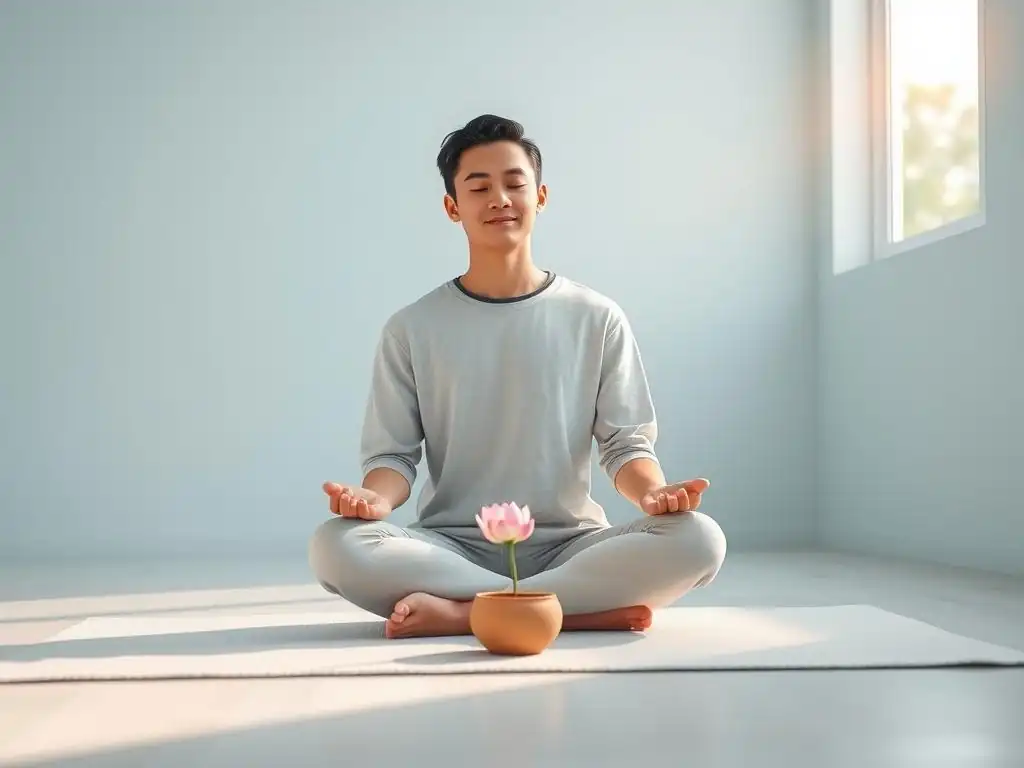
Breathing Exercises for Immediate Stress Relief
Breathing exercises are one of the most accessible and immediate ways to apply mindfulness reduce test anxiety. Focusing on the breath anchors you to the present moment and activates the body's relaxation response. Even just a few minutes of mindful breathing can slow a racing heart and calm a churning mind before or during a stressful situation.
Regular practice of these techniques makes them more effective when you need them most. They don't require any special equipment or location, making them perfect for use right before walking into an exam room or even discreetly during the test itself if permitted. Mastering a few simple breathing methods provides a powerful tool in your arsenal against test stress.
The 4-7-8 Breathing Technique
The 4-7-8 breathing technique, popularized by Dr. Andrew Weil, is a simple yet powerful method for calming the nervous system. It acts as a natural tranquilizer for the nervous system, helping to quickly reduce feelings of stress and anxiety. Practicing it regularly, even when not anxious, makes it easier to use effectively when needed.
The steps are as follows:
- Exhale completely through your mouth, making a whoosh sound.
- Close your mouth and inhale quietly through your nose for a count of 4.
- Hold your breath for a count of 7.
- Exhale completely through your mouth, making a whoosh sound, for a count of 8.
- Repeat the cycle for four breaths.
This technique helps to slow down the heart rate and focus the mind away from anxious thoughts by concentrating on the counts. It's particularly useful right before an exam begins.
Diaphragmatic Breathing for Calming the Nervous System
Diaphragmatic breathing, also known as belly breathing, is a technique that encourages full oxygen exchange and can slow the heart rate and lower blood pressure. It engages the diaphragm, a large muscle located at the base of the lungs, instead of relying on shallow chest breaths often associated with stress.
To practice diaphragmatic breathing:
- Find a comfortable position, sitting or lying down.
- Place one hand on your chest and the other on your belly, just below your rib cage.
- Inhale slowly through your nose, feeling your belly rise against your hand. Your chest should remain relatively still.
- Exhale slowly through pursed lips, feeling your belly fall. Gently press on your belly to ensure a full exhalation.
- Repeat for several minutes, focusing on the sensation of your belly rising and falling with each breath.
This technique signals to your body that it is safe and relaxed, counteracting the stress response. Incorporating this into your study breaks or pre-exam routine can significantly help mindfulness reduce test anxiety.
Mindfulness Meditation for Focused Attention
Mindfulness meditation involves dedicating a set period to practice being present, often focusing on the breath, bodily sensations, or sounds. Regular meditation trains the mind to be less reactive to distractions and more capable of sustained focus, which is invaluable for students.
Even short meditation sessions (5-10 minutes) can build this mental muscle over time. Integrating meditation into your daily or weekly routine, not just before exams, strengthens your overall capacity to handle stress and maintain focus. Using mindfulness reduce test anxiety is more effective when mindfulness is a consistent practice.
Guided Meditation for Exam Preparation
Guided meditations are audio or video recordings that lead you through a mindfulness practice. They are particularly helpful for beginners or when you find it difficult to focus on your own. Many guided meditations are specifically designed for students, focusing on themes like reducing anxiety, increasing focus, or building confidence.
You can find guided meditations on various apps and websites. Listening to one before a study session can help you focus, or before an exam to calm nerves. For example, a guided meditation might ask you to focus on your breath, then gently bring your attention back whenever your mind wanders to worries about the exam. This repeated practice of returning focus strengthens your ability to concentrate under pressure.
Body Scan Meditation for Relaxation
A body scan meditation involves systematically bringing your attention to different parts of your body, noticing any sensations without judgment. This practice helps to increase body awareness and release physical tension that often accompanies test anxiety. It also trains your mind to stay present and observe sensations, rather than getting lost in anxious thoughts.
To do a body scan:
- Lie down or sit comfortably.
- Close your eyes if you wish.
- Bring your attention to your toes, noticing any sensations (tingling, warmth, pressure).
- Slowly move your attention up your body – feet, ankles, lower legs, knees, etc. – spending a few moments on each area.
- Notice any tension and consciously try to soften and release it on the exhale.
- Continue scanning up through your torso, arms, neck, and head.
- End by simply resting in awareness of your body as a whole.
This practice not only promotes relaxation but also helps you become more attuned to the physical signs of stress, allowing you to address them sooner. Using body scan meditation helps mindfulness reduce test anxiety by addressing its physical component.
Visualization Techniques for Building Confidence
Visualization is a powerful mental tool that involves creating vivid mental images of desired outcomes or calming environments. It can help shift your mindset from fear and worry to confidence and capability, directly counteracting negative self-talk associated with test anxiety.
By mentally rehearsing success or finding a place of calm, you are training your brain to associate exams with positive experiences or states of mind, rather than just panic. This can significantly boost your confidence and preparedness.
Visualizing Success on Exam Day
This technique involves creating a detailed mental movie of yourself successfully navigating the exam day. It's not just about seeing yourself getting a perfect score, but about the process.
Imagine:
- Waking up feeling calm and prepared.
- Having a focused study session or review.
- Walking confidently into the exam room.
- Feeling centered and calm as you read the first question.
- Accessing information easily from your memory.
- Handling challenging questions with patience and problem-solving skills.
- Finishing the exam feeling a sense of accomplishment and relief.
Engage all your senses in this visualization. What do you see, hear, feel? The more realistic and detailed the visualization, the more effectively it can build confidence and help mindfulness reduce test anxiety by replacing fear with positive expectation.
Creating a Mental Sanctuary for Stress Relief
A mental sanctuary is an imagined safe and peaceful place you can retreat to in your mind when feeling overwhelmed. This technique provides an immediate escape from stressful thoughts and feelings, allowing you to regain composure.
Choose or create a place that feels completely safe and relaxing to you. It could be a beach, a forest, a cozy room, or anywhere you feel at peace.
- Close your eyes and imagine this place in detail.
- What does it look like? What colors, textures, natural elements are there?
- What sounds do you hear? Gentle waves, birds singing, silence?
- What smells are present? Salt air, pine needles, fresh rain?
- How does your body feel in this place? Relaxed, light, grounded?
Spend a few minutes immersing yourself in this sanctuary. Practice visiting it regularly so it becomes a readily accessible refuge when you need to find calm during stressful moments, helping mindfulness reduce test anxiety by offering a mental escape hatch.
Mindful Movement and Stretching for Releasing Tension
Test anxiety often manifests as physical tension held in the body. Mindful movement and stretching provide a way to release this tension, connect with your physical self, and bring awareness to your body in a non-judgmental way.
You don't need to be a yoga expert or dedicate hours to this. Even short periods of conscious movement can make a difference. Integrating mindful movement helps mindfulness reduce test anxiety by addressing the physical component of stress.
Simple Yoga Poses for Stress Reduction
Certain gentle yoga poses can be very effective in releasing tension and promoting relaxation. Poses that focus on stretching the back, shoulders, and neck, where students often hold stress from sitting and studying, are particularly beneficial.
Examples of simple poses:
- Child's Pose: Kneel on the floor, bring your big toes to touch, and sit back on your heels. Fold forward, resting your torso on your thighs and your forehead on the mat or floor. Stretch your arms forward or rest them alongside your body. This pose is grounding and calming.
- Cat-Cow Stretch: On your hands and knees, inhale as you drop your belly and lift your chest and tailbone (Cow pose). Exhale as you round your spine and tuck your chin (Cat pose). Repeat several times to loosen the spine and connect breath with movement.
- Seated Forward Bend: Sit with your legs extended forward. Inhale to lengthen your spine, then exhale as you fold forward from the hips, reaching towards your feet (it's okay if you can't reach them). This stretches the hamstrings and calms the mind.
Practice these poses mindfully, paying attention to the sensations in your body with each breath.
Mindful Walking to Clear the Mind
Mindful walking is simply walking with awareness. Instead of rushing or letting your mind wander to worries, you pay attention to the physical sensations of walking and the environment around you. This can be a great way to take a break from studying and clear your head.
To practice mindful walking:
- Find a quiet place to walk, indoors or outdoors.
- Begin walking at a comfortable pace.
- Bring your attention to the sensation of your feet touching the ground. Notice the lifting of one foot, the swing forward, the placing down, the transfer of weight.
- Pay attention to your breath as you walk.
- Expand your awareness to include the movement of your legs, arms, and the rest of your body.
- Notice the sights, sounds, and smells around you without getting lost in thought about them. If your mind wanders, gently bring your attention back to your steps or breath.
Even a 10-15 minute mindful walk can help reduce stress, improve mood, and increase focus, making it easier to return to studying with a clearer mind. This active form of meditation helps mindfulness reduce test anxiety by breaking the cycle of sedentary worry.
Incorporating Mindfulness into Your Study Routine
Scheduling Mindfulness Breaks During Study Sessions
Integrating short mindfulness breaks into your study schedule is a strategic way to enhance focus, reduce burnout, and ultimately improve learning. Instead of pushing through hours of studying until exhaustion or frustration sets in, planned mindfulness breaks can act as mental resets. For instance, after 50-60 minutes of focused study, take 5-10 minutes for a mindful activity.
These breaks don't need to be long. They could involve a few minutes of mindful breathing, a quick body scan, a short guided meditation, or a mindful walk around the room. The key is to step away from the material and actively practice being present. Students who incorporate these breaks often report feeling more refreshed, less overwhelmed, and better able to concentrate when they return to their studies. This consistent practice helps mindfulness reduce test anxiety by building resilience over time.
Creating a Mindful Study Environment
Your physical study environment can significantly impact your ability to focus and manage stress. Creating a space that is conducive to mindfulness involves minimizing distractions and making the area comfortable and calming. This doesn't require a complete room makeover, but rather thoughtful adjustments.
Consider these aspects:
- Declutter: A cluttered space can lead to a cluttered mind. Spend a few minutes tidying your study area before you begin.
- Minimize distractions: Turn off notifications on your phone and computer. Close unnecessary tabs on your browser. Inform others you need uninterrupted time.
- Comfort: Ensure your seating is comfortable and your lighting is adequate.
- Sensory elements: Some students find calming music (instrumental), essential oils (like lavender), or a small plant helpful in creating a peaceful atmosphere.
Approaching your study space mindfully means paying attention to how the environment affects you and making conscious choices to support focus and calm. A mindful environment supports the practice of mindfulness reduce test anxiety during study time.
Using Mindfulness to Improve Focus and Concentration
Mindfulness is fundamentally a practice in directing and maintaining attention. This skill is directly transferable to improving focus and concentration during study sessions. By training your mind to stay present, you become better at recognizing when your attention has wandered (to worries about the exam, social media, etc.) and gently bringing it back to the material.
One simple technique is mindful studying itself. As you read a textbook or review notes, try to fully engage with the words and concepts. If you notice your mind drifting, acknowledge the thought without judgment ("Ah, my mind is thinking about the test again") and gently redirect your attention back to the page. It's like exercising a muscle; the more you practice bringing your focus back, the stronger your concentration becomes. This deliberate application of mindfulness reduce test anxiety by making study time more effective and less frustrating.
Mindfulness Before, During, and After the Exam

Pre-Exam Mindfulness Rituals for Calmness
Establishing a pre-exam mindfulness ritual can be incredibly effective in managing anxiety and entering the exam room with a calmer, more focused mindset. This ritual should be something you can do in the hours or minutes leading up to the test. Consistency is key, so practice it before practice tests or quizzes too.
Your ritual might include:
- A short mindful breathing exercise (like 4-7-8 breathing) for 5 minutes.
- Listening to a calming guided meditation for 10-15 minutes.
- A brief mindful walk.
- A quick body scan to release physical tension.
- Reviewing positive affirmations or visualizations of success.
The goal is not to eliminate all nerves, but to reduce their intensity and ground yourself in the present moment. Engaging in these practices signals to your body and mind that you are taking care of yourself, helping mindfulness reduce test anxiety right when it's peaking.
Mindfulness Techniques to Use During the Exam
It's possible and often beneficial to use mindfulness techniques discreetly during the exam itself, especially if you feel panic or your mind goes blank. These techniques are designed to be quick and unobtrusive, helping you regain composure and focus.
Remember, the goal is to interrupt the anxiety spiral, not to get distracted from the test. A few seconds of mindful practice can save you minutes of panicked confusion. Using mindfulness reduce test anxiety in the moment is a powerful skill.
Staying Present and Focused
If you find your mind racing ahead to future consequences or dwelling on a difficult question you just encountered, gently bring your attention back to the current question you are working on. Notice the words on the page, the task at hand. If you feel overwhelmed, take a single mindful breath. Inhale, exhale, and return your focus to the exam. This simple act of returning to the present moment can break the cycle of escalating anxiety.
Practice this during timed practice tests. Whenever you feel stressed, pause for one mindful breath and refocus. This trains you to use the technique under pressure.
Managing Panic and Negative Thoughts
If you feel a wave of panic rising or negative thoughts flooding your mind ("I can't do this," "I'm running out of time"), acknowledge them without judgment. You can mentally say, "I notice I'm having a panic feeling" or "I notice a thought about failing." Then, gently shift your attention to a grounding technique.
Focus on the sensation of your feet on the floor, the chair beneath you, or the pen in your hand. Take a few slow, conscious breaths, focusing only on the inhale and exhale. Remind yourself that this feeling is temporary and you can return to the task. This mindful pause helps interrupt the panic response and regain control. This is a key way that mindfulness reduce test anxiety when you need it most.
Post-Exam Mindfulness for Processing Results
The period after an exam can also be stressful, filled with anticipation about results or rumination about performance. Mindfulness can help you navigate this time with greater ease and self-compassion.
Instead of immediately dissecting every potential mistake or comparing answers with classmates in a way that fuels anxiety, take some time to simply be. Acknowledge the effort you put in. Whatever the outcome, practicing mindfulness can help you process it constructively and maintain perspective.
Letting Go of Perfectionism
Test anxiety is often fueled by perfectionism and the fear of not being good enough. After an exam, mindfulness can help you observe thoughts about perfectionism without getting caught up in them. Notice if you are engaging in harsh self-criticism or dwelling on minor errors.
Acknowledge these thoughts ("I'm having a thought that I should have done better") but gently release the need to fixate on them. Focus instead on the present moment – maybe taking a relaxing walk, spending time with friends, or engaging in a hobby. Consciously shift your focus away from the urge to replay the exam endlessly or predict the worst outcome.
Practicing Self-Compassion
Self-compassion is a core component of mindfulness and is vital after a stressful exam experience, regardless of the outcome. Instead of being critical, treat yourself with the same kindness and understanding you would offer a friend who was struggling.
Acknowledge that taking exams is difficult and that it's okay to feel stressed or disappointed. Remind yourself that your worth is not defined by your test scores. You can place a hand over your heart and offer yourself kind words: "This is difficult," "May I be kind to myself," "May I accept this experience." This practice helps heal the emotional toll of test anxiety and prepares you to learn from the experience without excessive self-blame.
Overcoming Challenges and Maintaining a Mindfulness Practice
Common Obstacles to Mindfulness for Students
While the benefits of using mindfulness reduce test anxiety are clear, students often face challenges when trying to establish and maintain a practice. One common obstacle is a perceived lack of time due to demanding academic schedules, extracurricular activities, and social commitments. Finding even 5-10 minutes a day can feel impossible. Another hurdle is the restless or busy mind, which can make meditation feel frustrating ("I can't clear my mind! ").
Skepticism or a belief that mindfulness is "not for them" can also be a barrier. Students might feel self-conscious about trying it or doubt its effectiveness. Additionally, inconsistent practice is common; it's easy to try mindfulness a few times, not see immediate dramatic results, and give up. Recognizing these common challenges is the first step to overcoming them and successfully using mindfulness reduce test anxiety long-term.
Tips for Staying Consistent with Your Practice
Building a consistent mindfulness practice requires intention and strategy, much like building any new habit. Start small; even 2-3 minutes a day is better than nothing. Try linking your practice to an existing habit, such as meditating for five minutes immediately after brushing your teeth or before starting your study session.
Schedule your mindfulness time in your calendar as you would a class or meeting. Experiment with different types of practice (breathing, body scan, walking, guided) to find what resonates most with you. Don't strive for perfection; the goal isn't to stop thinking, but to notice when your mind wanders and gently bring it back. Be patient and compassionate with yourself, acknowledging that some days will be easier than others. Remembering why you started – to help mindfulness reduce test anxiety – can also be a powerful motivator.
Resources for Further Mindfulness Training and Support
Many resources are available to help students deepen their mindfulness practice and find support for anxiety. University counseling centers often offer workshops on stress management and mindfulness, sometimes including free guided meditation sessions. Many offer one-on-one counseling where you can discuss anxiety and coping strategies.
Numerous reputable apps provide guided meditations and courses specifically designed for stress and anxiety reduction. Some popular options include Headspace, Calm, Ten Percent Happier, and Insight Timer (which has a vast library of free guided meditations). Books on mindfulness and self-compassion can also provide deeper understanding and practical exercises. Exploring these resources can provide structure and support as you work to make mindfulness reduce test anxiety a consistent part of your life.
Long-Term Benefits of Mindfulness Beyond Exams
Mindfulness for Overall Mental Well-Being
While the immediate goal might be to use mindfulness reduce test anxiety for exams, the practice offers profound long-term benefits for overall mental well-being. Regular mindfulness cultivation can lead to reduced levels of general stress, depression, and anxiety in daily life, not just around academic pressure points. By becoming more aware of your thoughts and emotions without getting swept away by them, you build emotional resilience and gain a greater sense of control over your internal experience.
Mindfulness also fosters a greater appreciation for the present moment, enhancing feelings of gratitude and contentment. It can improve sleep quality, boost immune function, and even help manage chronic pain. Essentially, it equips you with tools to navigate life's inevitable challenges with greater ease and less reactivity, creating a more stable and positive emotional baseline.
Developing Resilience and Emotional Intelligence
Mindfulness practice is a powerful way to develop resilience, the ability to bounce back from adversity. By learning to observe difficult thoughts and feelings without judgment and recognizing their transient nature, you become less likely to be overwhelmed by setbacks. You develop the capacity to face challenges with greater acceptance and adaptability, rather than avoidance or resistance.
Simultaneously, mindfulness enhances emotional intelligence. It increases your self-awareness – your ability to recognize and understand your own emotions. This improved understanding extends to empathy, helping you better perceive and relate to the emotions of others. These skills are crucial not only for managing test anxiety but for navigating relationships, handling workplace stress, and leading a fulfilling life. Cultivating these qualities through mindfulness reduce test anxiety and prepares you for future challenges.
Building a Foundation for a Calmer, More Focused Life
Committing to mindfulness, even in small ways, lays the groundwork for a calmer, more focused existence extending far beyond your academic career. The skills learned – paying attention, non-judgment, self-compassion, present moment awareness – are universal life skills. They help you manage stress in future jobs, navigate personal challenges, and connect more deeply with others.
By using mindfulness reduce test anxiety during your student years, you are not just preparing for exams; you are investing in your long-term mental and emotional health. You are building a foundation of inner strength and awareness that will serve you in countless situations, allowing you to approach life's challenges with greater clarity, resilience, and peace.
Frequently Asked Questions
How can mindfulness specifically help with test anxiety?
Mindfulness techniques help you focus on the present moment rather than dwelling on worries about the future. This reduces overthinking and allows you to approach the test with a clearer mind.
What are some easy mindfulness exercises I can do right before a test?
Try a simple breathing exercise, focusing on the sensation of each inhale and exhale. You can also do a quick body scan, noticing any tension and consciously releasing it. These techniques create calm awareness.
How often should I practice mindfulness to see a reduction in test anxiety?
Regular practice is key! Aim for daily mindfulness exercises, even just for a few minutes. Consistent practice will build resilience and help you manage anxiety in high-pressure situations.
Is mindfulness a substitute for other forms of anxiety treatment, like therapy?
Mindfulness can be a valuable tool, but it's not always a substitute for professional help. If your test anxiety is severe or debilitating, consider seeking therapy or counseling in addition to mindfulness practices.
Where can I find resources to learn more about mindfulness for test anxiety?
The Mind Care Guide website offers resources. Look for guided meditations and articles specifically focused on mindfulness techniques for managing stress and anxiety, especially related to academic performance.
Final Reflection: Cultivating Calm Amidst the Chaos of Exams
The pervasive pressure of academic testing is a modern reality, impacting students of all ages. The techniques discussed in this article – incorporating mindfulness practices into exam preparation and performance – offer a powerful antidote to the debilitating effects of test anxiety. This isn't just about achieving higher scores; it's about fostering a healthier, more resilient relationship with learning itself.
The impact of mindfulness extends far beyond the exam hall; it cultivates a mindset of self-awareness and emotional regulation that benefits all aspects of life. This ability to manage stress and focus attention is a valuable skill, applicable not only to academic pursuits but also to navigating the complexities of personal relationships, professional challenges, and the ever-increasing demands of modern society. The mind is everything. What you think you become.
– Buddha. This quote perfectly encapsulates the transformative power of mindful practice, highlighting how our internal state directly influences our external experiences.
Now, consider how you can integrate these mindfulness techniques into your own life. Perhaps start with just five minutes of daily meditation, focusing on your breath and letting go of anxious thoughts. Experiment with different mindfulness exercises – body scans, mindful walking, or even simply paying close attention to the sensations of eating a meal. Remember, the journey towards a calmer, more focused mind is a personal one. Embrace the process, be patient with yourself, and discover the profound benefits of cultivating inner peace, not just for exams, but for life itself.
Unleash Your Exam Potential: Mindful Strategies for Success
Thank you for taking the time to explore mindful techniques for conquering exam stress! We hope you found practical strategies to help you perform your best. Now, let's put that knowledge into action.
- Prioritize a mindful practice: Schedule even 5 minutes daily for deep breathing or meditation before your next exam. This will significantly help ground you and reduce anxiety.
- Share your newfound strategies: Discuss these techniques with a friend or classmate facing similar challenges. Supporting each other can create a powerful study environment.
- Challenge your inner critic: After your next exam, reflect on your experience. Identify and challenge any negative self-talk. What positive self-affirmations can you use instead?
Ready to experience the transformative power of mindfulness during your next test?