
Gut Dysbiosis and Its Mental Fallout: When Your Gut Bacteria Are Out of Balance

Welcome to Mind Care Guide, your sanctuary for nurturing mental well-being. Are you feeling the subtle, yet persistent, effects of imbalance? Perhaps you haven't considered that the answer might lie within your very gut. Intrigued? Delve into our exploration of the gut bacteria mental health balance and discover how restoring harmony in your microbiome could be the key to unlocking a healthier, happier you. Let's uncover the profound connection together...
Gut Dysbiosis and Mental Health: The Impact of Microbial Imbalance
- Introduction: The Gut-Brain Axis and Mental Well-being
- Gut Dysbiosis Defined: Imbalance and Its Consequences
- Mental Health Implications of Gut Dysbiosis
- Recognizing the Symptoms of Gut Dysbiosis
- Diagnosing Gut Dysbiosis: Assessment Methods
- Strategies for Restoring Gut Health and Improving Mental Well-being
- Long-Term Management of Gut Health for Sustained Mental Well-being
- Conclusion: Optimizing Gut Health for Improved Mental Resilience
-
Frequently Asked Questions
- What is gut dysbiosis and how does it relate to mental health?
- How can an imbalance in gut bacteria affect my mental state?
- What are some common symptoms of gut dysbiosis that might indicate a potential impact on my mental well-being?
- How can I improve my gut bacteria mental health balance?
- What resources are available to help me understand and address the connection between my gut bacteria and mental health challenges?
- Final Reflection: Reclaiming Mental Wellness Through Gut Harmony
- Unlock Your Gut-Brain Connection: Take Charge of Your Mental Well-being
Introduction: The Gut-Brain Axis and Mental Well-being
The Bidirectional Communication Between the Gut and the Brain
The gut and the brain are in constant, dynamic conversation, linked by a complex network known as the gut-brain axis. This intricate communication system involves neural, hormonal, and immunological pathways. For instance, the vagus nerve, the longest cranial nerve, serves as a direct neural highway, transmitting signals from the gut to the brain and vice versa. Studies have shown that stimulating the vagus nerve can influence mood and anxiety levels, highlighting its crucial role in this axis.
Beyond the nervous system, chemical messengers play a vital part. Gut cells produce hormones and peptides that can travel through the bloodstream and affect brain function. Similarly, the brain can influence gut motility and secretion through the autonomic nervous system. This constant feedback loop means that the state of your gut health can profoundly impact your mental state, and conversely, stress and emotional factors can affect your digestive system, underscoring the importance of maintaining a healthy gut bacteria mental health balance.
The Gut Microbiota's Influence on Neurotransmitters and Brain Function
The trillions of microorganisms residing in the gut, collectively known as the gut microbiota, are central players in the gut-brain axis. These bacteria, fungi, and viruses influence brain function and mental well-being in numerous ways, including the production of neurotransmitters. Remarkable findings indicate that gut bacteria can produce significant amounts of serotonin, a neurotransmitter crucial for mood, sleep, and appetite, with estimates suggesting that up to 90% of the body's serotonin is synthesized in the gut.
Furthermore, gut microbes can produce other neuroactive compounds like gamma-aminobutyric acid (GABA), which has calming effects, and short-chain fatty acids (SCFAs) such as butyrate, propionate, and acetate. SCFAs are produced when gut bacteria ferment dietary fiber. Butyrate, in particular, serves as a primary energy source for colon cells but also has neuroprotective effects and can influence brain function and behavior. The composition and activity of these gut inhabitants are therefore fundamental to achieving a healthy gut bacteria mental health balance.
Gut Dysbiosis Defined: Imbalance and Its Consequences
Characteristics of a Healthy and Diverse Gut Microbiome
A healthy gut microbiome is characterized by high diversity and a balance of different microbial species, with beneficial bacteria dominating over potentially harmful ones. Imagine a vibrant ecosystem where many different types of organisms coexist and perform various functions essential for the environment's health. In the gut, this diversity is crucial for functions like digesting food, synthesizing vitamins (such as K and some B vitamins), training the immune system, and protecting against pathogens.
A diverse microbiome is more resilient to disturbances and performs a wider range of metabolic activities beneficial to the host. Key beneficial groups often include Bifidobacteria and Lactobacilli. These bacteria contribute to gut barrier integrity, ferment fiber into beneficial SCFAs, and interact favorably with the immune system. A robust and diverse microbial community is the foundation for a healthy gut bacteria mental health balance.
Factors Contributing to Gut Dysbiosis: Diet, Antibiotics, and Stress
Gut dysbiosis occurs when this delicate balance is disrupted, leading to a reduction in beneficial bacteria, an increase in potentially harmful microbes, or a decrease in overall diversity. This imbalance can be triggered by various factors. A diet high in processed foods, sugar, and unhealthy fats, and low in fiber, is a major culprit. This kind of diet starves beneficial fiber-loving bacteria while promoting the growth of less desirable species.
Antibiotics, while essential for treating bacterial infections, can indiscriminately kill both harmful and beneficial bacteria, often leading to a significant reduction in diversity and potentially long-term shifts in microbial composition. Chronic stress also plays a significant role; the stress hormones released by the brain can directly alter gut motility, permeability, and the composition of the gut microbiota. Other factors include lack of sleep, excessive alcohol consumption, infections, and certain medical conditions, all of which can perturb the crucial gut bacteria mental health balance.
Mental Health Implications of Gut Dysbiosis
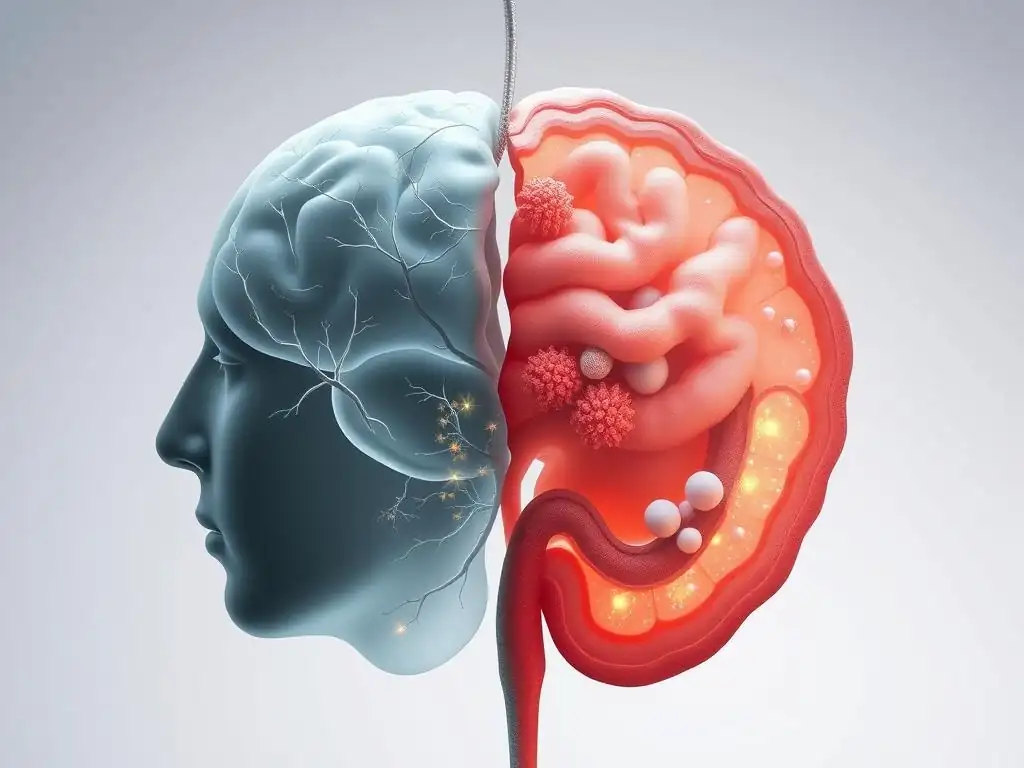
Anxiety Disorders and Gut Microbiome Composition
Growing evidence links gut dysbiosis to anxiety disorders. Research in both animal models and human studies suggests that specific microbial profiles are associated with increased anxiety-like behaviors and symptoms. For example, studies have shown that individuals with anxiety often exhibit lower levels of certain Lactobacillus and Bifidobacterium species compared to healthy controls.
The mechanisms behind this link are complex. Dysbiosis can lead to increased gut permeability, allowing bacterial products to enter the bloodstream and trigger systemic inflammation, which is known to affect brain function and mood. Furthermore, alterations in microbial composition can impact the production of neurotransmitters like GABA, which helps regulate anxiety. Restoring a healthy gut bacteria mental health balance may therefore be a promising avenue for managing anxiety symptoms.
Depression and the Role of Gut-Derived Metabolites
The connection between gut dysbiosis and depression is also well-established in scientific literature. Studies comparing the gut microbiota of depressed individuals to healthy controls often reveal distinct differences, such as reduced diversity and altered ratios of specific bacterial phyla like Firmicutes and Bacteroidetes. Certain gut microbes or their metabolites may directly influence brain circuits involved in mood regulation.
For instance, some bacteria produce compounds that can either promote or reduce inflammation, a key factor implicated in depression. SCFAs produced by beneficial bacteria, particularly butyrate, have anti-inflammatory properties and can support brain health. Conversely, dysbiosis can lead to increased production of pro-inflammatory molecules or a reduction in beneficial metabolites, contributing to depressive symptoms. Addressing gut microbial balance is increasingly seen as a potential strategy to support mental well-being and improve gut bacteria mental health balance.
Cognitive Impairment and the Gut-Brain Connection
Beyond mood disorders, gut dysbiosis has been linked to cognitive function and conditions like brain fog and even neurodegenerative diseases. The gut-brain axis plays a critical role in maintaining cognitive health throughout life. A balanced gut microbiome contributes to the production of neurotrophic factors, such as brain-derived neurotrophic factor (BDNF), which are essential for neuronal growth, survival, and plasticity – processes vital for learning and memory.
Dysbiosis can impair cognitive function through various pathways, including inflammation, oxidative stress, and the production of neurotoxic metabolites. Studies have shown that altering the gut microbiota in animal models can influence learning and memory performance. While research in humans is ongoing, the evidence suggests that maintaining a healthy gut bacteria mental health balance could play a supportive role in preserving cognitive function and mitigating decline.
Inflammation as a Mediator in Gut-Brain Interactions
Inflammation is a critical link in the gut-brain axis, often acting as a mediator between gut dysbiosis and mental health issues. When the gut barrier is compromised (often referred to as "leaky gut") due to dysbiosis, bacterial components like lipopolysaccharide (LPS) can cross into the bloodstream. LPS is a potent trigger for the immune system, leading to systemic inflammation.
This chronic, low-grade inflammation can directly impact the brain, affecting neurotransmitter systems, disrupting neurogenesis, and impairing neuronal function. Inflammatory markers are often elevated in individuals with depression and anxiety. By contributing to or reducing systemic inflammation, the gut microbiome significantly influences brain health and mental state, underscoring how central the gut bacteria mental health balance is to overall well-being.
Recognizing the Symptoms of Gut Dysbiosis
Gastrointestinal Symptoms: Bloating, Constipation, and Diarrhea
The most common and direct indicators of gut dysbiosis are gastrointestinal symptoms. These arise because the microbial imbalance directly affects digestive processes, gut motility, and the integrity of the gut lining. Symptoms can vary widely depending on the specific nature of the dysbiosis, but they often include persistent bloating, which may be due to excessive gas production by certain bacteria.
Changes in bowel habits are also very common. This can manifest as chronic constipation, where waste moves too slowly through the digestive tract, often associated with certain microbial profiles. Conversely, dysbiosis can also lead to chronic diarrhea, indicating rapid transit and often an overgrowth of certain bacteria or a lack of beneficial ones. Abdominal pain and discomfort are frequently reported alongside these issues, signaling that the gut ecosystem is out of balance.
Psychological Symptoms: Mood Swings, Irritability, and Fatigue
While less immediately obvious than digestive issues, psychological symptoms are strongly associated with gut dysbiosis due to the gut-brain axis connection. Individuals with microbial imbalances often report experiencing significant mood swings or increased irritability. This might be linked to altered neurotransmitter production or systemic inflammation impacting brain regions involved in emotional regulation.
Persistent fatigue is another common complaint. Dysbiosis can impair nutrient absorption, contribute to inflammation, and potentially disrupt sleep patterns, all of which can lead to feeling constantly tired or lacking energy. While these symptoms can have many causes, their presence alongside gastrointestinal issues should prompt consideration of the gut's role in the overall gut bacteria mental health balance.
Systemic Symptoms: Skin Issues, Allergies, and Autoimmune Reactions
The impact of gut dysbiosis extends beyond the digestive tract and brain, influencing systemic health and contributing to symptoms in other parts of the body. Skin conditions like eczema, acne, and psoriasis are increasingly linked to gut health. The gut microbiome plays a role in immune regulation, and dysbiosis can contribute to inflammatory skin responses. For example, studies have shown altered gut microbial profiles in individuals with psoriasis.
Allergies and sensitivities can also be exacerbated by gut dysbiosis. A healthy gut barrier is crucial for preventing undigested food particles and microbial products from entering the bloodstream and triggering immune responses. When the barrier is compromised, sensitivities can increase. Furthermore, there is a growing body of research suggesting a link between gut dysbiosis and the development or exacerbation of autoimmune conditions, where the body mistakenly attacks its own tissues. This highlights how widespread the effects of an imbalanced gut bacteria mental health balance can be.
Diagnosing Gut Dysbiosis: Assessment Methods
Comprehensive Stool Analysis for Microbial Profiling
Comprehensive stool analysis is one of the primary methods used to assess the state of the gut microbiome and identify dysbiosis. This laboratory test examines a stool sample to provide a detailed profile of the bacteria, fungi, and parasites present in the gut. It can quantify levels of beneficial bacteria, identify potential pathogens or opportunistic microbes, and assess markers of inflammation, digestion, and absorption.
These tests can offer insights into microbial diversity, the presence of specific species linked to health or disease, and the balance between different microbial groups. While stool tests provide a snapshot of the microbes in the lower gut, they offer valuable information about the overall microbial landscape and can help pinpoint specific imbalances contributing to symptoms and affecting the gut bacteria mental health balance.
Breath Tests for Detecting Small Intestinal Bacterial Overgrowth (SIBO)
Breath tests are commonly used to diagnose Small Intestinal Bacterial Overgrowth (SIBO), a specific type of dysbiosis where there is an excessive amount of bacteria in the small intestine, a part of the gut that should typically have relatively low bacterial counts. SIBO can cause significant digestive symptoms like bloating, pain, diarrhea, or constipation, and is frequently associated with conditions like Irritable Bowel Syndrome (IBS).
The test involves consuming a substrate (usually lactulose or glucose), which is then fermented by bacteria in the small intestine, producing hydrogen and/or methane gas. These gases are absorbed into the bloodstream and exhaled in the breath. Elevated levels of hydrogen or methane in breath samples collected over several hours indicate bacterial overgrowth in the small intestine. Diagnosing SIBO is crucial because it requires targeted treatment distinct from general gut dysbiosis strategies, and it can significantly impact the gut bacteria mental health balance.
Strategies for Restoring Gut Health and Improving Mental Well-being
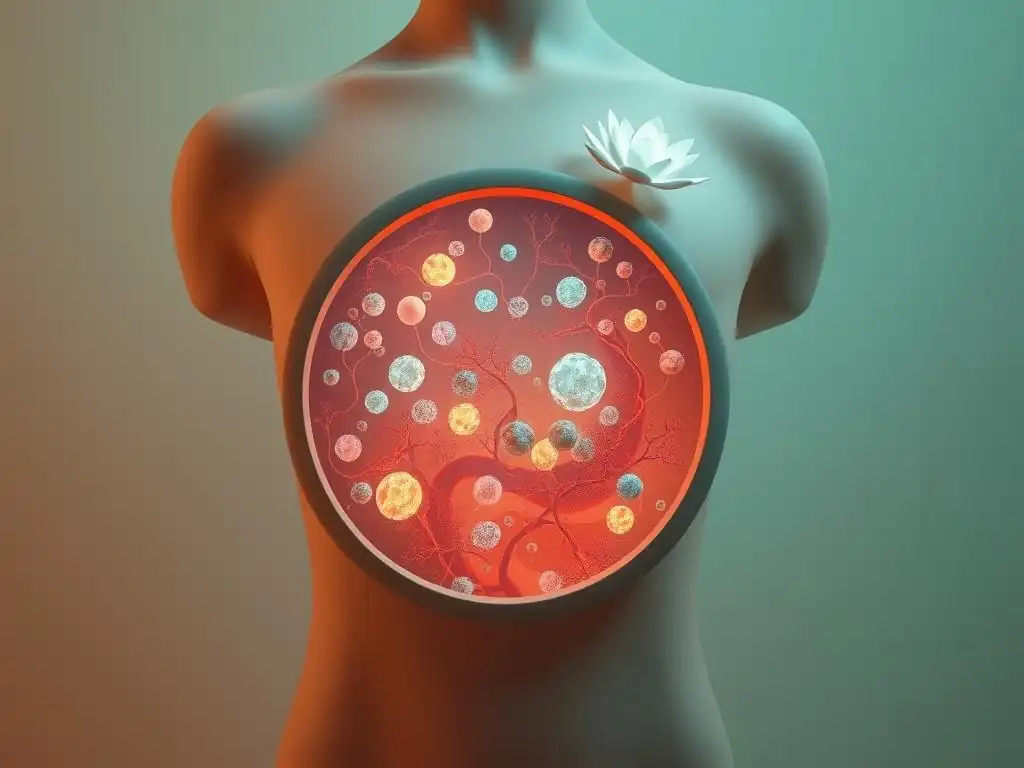
Dietary Approaches to Modulate the Gut Microbiome
Diet is arguably the most powerful tool for shaping the gut microbiome. A diet rich in diverse plant fibers from fruits, vegetables, legumes, and whole grains provides the necessary fuel for beneficial bacteria to thrive. Aiming for a wide variety of plant foods, perhaps striving for over 30 different types per week, can significantly increase microbial diversity. Reducing intake of processed foods, sugar, and unhealthy fats is equally important, as these can promote the growth of less beneficial microbes and contribute to inflammation.
Consuming prebiotic-rich foods like garlic, onions, leeks, asparagus, bananas, and oats specifically feeds beneficial gut bacteria. Incorporating fermented foods like yogurt (with live and active cultures), kefir, sauerkraut, kimchi, and kombucha can also introduce beneficial microbes directly into the gut. These dietary shifts are fundamental steps towards restoring a healthy gut bacteria mental health balance.
Probiotic Supplementation: Selecting the Right Strains
Probiotic supplements introduce live beneficial bacteria or yeasts into the gut. While diet is primary, probiotics can be a targeted approach, especially after disruptions like antibiotic use or when specific microbial imbalances are suspected. However, not all probiotics are created equal; the effects are strain-specific. For instance, certain Lactobacillus and Bifidobacterium strains have been studied for their potential benefits on mood and anxiety.
Choosing a multi-strain probiotic with clinically researched strains relevant to your symptoms is often recommended. It's important to remember that probiotics are transient and need to be taken consistently to exert effects. Consulting with a healthcare professional knowledgeable in gut health can help guide the selection of appropriate strains and dosages to support your gut bacteria mental health balance goals.
Prebiotic Consumption: Feeding Beneficial Bacteria
Prebiotics are non-digestible fibers that selectively feed beneficial bacteria already residing in the gut. Think of them as fertilizer for your beneficial microbes. By providing this food source, prebiotics help beneficial bacteria grow and flourish, increasing their numbers and activity. This, in turn, leads to increased production of beneficial metabolites like SCFAs.
Excellent sources of prebiotics include inulin (found in chicory root, garlic, onions), fructans (found in wheat, onions, garlic, leeks), galacto-oligosaccharides (GOS) (found in legumes), and beta-glucans (found in oats and barley). Incorporating a variety of these foods into your daily diet is a highly effective way to support a healthy and diverse microbiome, contributing significantly to a robust gut bacteria mental health balance.
The Role of Fermented Foods in Promoting Gut Diversity
Fermented foods have been part of human diets for centuries and are made through a process where microorganisms convert carbohydrates into other compounds, often resulting in the production of beneficial bacteria and yeasts. Foods like yogurt, kefir, sauerkraut, kimchi, tempeh, and kombucha contain live and active cultures that can transiently populate the gut and interact with the existing microbiota.
While the number and diversity of microbes in fermented foods can vary, regular consumption is associated with increased gut microbial diversity in some studies. For example, research has shown that consuming fermented foods daily can lead to a more diverse gut microbiome over time compared to consuming high-fiber foods alone, although fiber remains critical. Including a variety of fermented foods can be a delicious way to support your gut health and enhance your gut bacteria mental health balance.
Lifestyle Modifications for Gut-Brain Harmony
Beyond diet, lifestyle factors significantly influence the gut microbiome and the gut-brain axis. Managing stress is paramount. Chronic stress negatively impacts gut motility, permeability, and microbial composition. Finding effective ways to reduce and manage stress is crucial for both gut health and mental well-being.
Regular physical activity is another key lifestyle factor. Exercise has been shown to positively influence gut microbial diversity and function. Studies suggest that active individuals tend to have a more diverse gut microbiome compared to sedentary individuals. Prioritizing sleep is also vital, as sleep disruption can negatively impact gut health. These lifestyle adjustments work synergistically with dietary changes to foster a healthy gut bacteria mental health balance.
Stress Reduction Techniques: Mindfulness and Meditation
Chronic stress is a known disruptor of the gut microbiome and can exacerbate symptoms of dysbiosis and related mental health issues. Implementing stress reduction techniques is therefore a critical component of restoring gut-brain harmony. Practices like mindfulness meditation, deep breathing exercises, and yoga have been shown to activate the parasympathetic nervous system, often referred to as the "rest and digest" system.
Activating the parasympathetic nervous system can improve gut motility, reduce inflammation, and positively influence the gut microbiota composition. Even short periods of daily practice, such as 10-15 minutes of meditation, can make a difference in managing stress levels and supporting a more balanced gut environment, thereby contributing to a better gut bacteria mental health balance. Finding techniques that resonate with you and incorporating them regularly into your routine is key.
Physical Activity and Its Impact on Gut Microbiota
Engaging in regular physical activity is not only beneficial for physical health but also has a profound impact on the gut microbiome. Exercise appears to increase the diversity of gut bacteria and promote the growth of beneficial species, particularly those that produce SCFAs like butyrate. For example, studies comparing athletes to sedentary individuals often show higher microbial diversity and different microbial profiles in the athletes.
The mechanisms behind this effect are still being explored, but they may involve changes in gut transit time, increased blood flow to the gut, and alterations in bile acid metabolism. Aiming for moderate-intensity exercise most days of the week, such as brisk walking, jogging, cycling, or swimming, can contribute to a healthier gut ecosystem. Integrating physical activity into your lifestyle is a proactive step towards improving your gut bacteria mental health balance.
Medical Interventions for Severe Gut Dysbiosis
In cases of severe or persistent gut dysbiosis that do not respond adequately to dietary and lifestyle changes, medical interventions may be necessary. These are typically administered under the guidance of a healthcare professional, often a gastroenterologist or a doctor specializing in gut health. The approach depends on the specific diagnosis, such as SIBO or a particular pathogenic infection.
These interventions can range from targeted antibiotic therapies to more complex procedures like Fecal Microbiota Transplantation (FMT). The goal is to directly address the microbial imbalance, remove problematic microbes, and facilitate the re-establishment of a healthier microbial community. Medical intervention is usually considered when symptoms are debilitating or underlying conditions require direct treatment to restore gut bacteria mental health balance.
Targeted Antibiotics for Specific Pathogens
When gut dysbiosis is caused by an overgrowth of specific harmful bacteria or a diagnosed infection (like C. difficile or SIBO), targeted antibiotic therapy may be prescribed. Unlike broad-spectrum antibiotics that kill a wide range of bacteria, targeted antibiotics are chosen based on the suspected or identified pathogens. For example, Rifaximin is an antibiotic commonly used to treat SIBO because it acts primarily in the gut and has minimal systemic absorption.
While antibiotics can disrupt the gut microbiome, in cases of pathogenic overgrowth, they are necessary to clear the infection or reduce the problematic bacterial load. Following a course of targeted antibiotics, it is often recommended to implement strategies to help rebuild beneficial gut bacteria, such as consuming probiotics and prebiotics, to support the restoration of a healthy gut bacteria mental health balance.
Fecal Microbiota Transplantation (FMT): Considerations and Applications
Fecal Microbiota Transplantation (FMT) is a medical procedure that involves transferring stool from a healthy donor into the gastrointestinal tract of a recipient. The goal is to introduce a diverse and healthy microbial community to replace a severely disrupted one. FMT has shown remarkable success in treating recurrent Clostridioides difficile infection (CDI), a severe form of gut dysbiosis often triggered by antibiotic use.
Research is exploring the potential application of FMT for other conditions associated with gut dysbiosis, including inflammatory bowel disease and, in some experimental contexts, certain neurological or psychiatric conditions. However, FMT is a complex procedure with potential risks and is not a widely available or approved treatment for mental health conditions outside of research settings. It represents a powerful, albeit still developing, tool in the effort to restore severe gut bacteria mental health balance.
Long-Term Management of Gut Health for Sustained Mental Well-being
Maintaining Gut Microbiome Diversity Through Diet and Lifestyle
Sustaining a healthy gut bacteria mental health balance is not a one-time fix but an ongoing commitment to supportive diet and lifestyle choices. The most effective long-term strategy is consistently nourishing your gut microbes through your daily food intake. Prioritizing a diet rich in diverse plant fibers, including fruits, vegetables, legumes, nuts, seeds, and whole grains, provides the continuous fuel needed for beneficial bacteria.
Regularly incorporating prebiotic-rich foods and a variety of fermented foods helps maintain microbial diversity and resilience. Coupled with dietary habits, consistent lifestyle practices like stress management, regular physical activity, adequate sleep, and avoiding unnecessary antibiotics or other gut-disrupting substances are crucial for preserving the beneficial microbial ecosystem and supporting sustained mental well-being.
Regular Monitoring and Early Intervention for Dysbiosis
Maintaining long-term gut health also involves paying attention to your body's signals and seeking early intervention if symptoms suggestive of dysbiosis reappear. Symptoms like persistent bloating, changes in bowel habits, unexplained fatigue, or shifts in mood could indicate that the gut microbial balance is becoming disrupted again.
Working with a healthcare provider knowledgeable in gut health can be beneficial for periodic assessment, especially if you have a history of gut issues. Early detection and intervention, whether through dietary adjustments, targeted supplementation, or other therapies, can prevent minor imbalances from escalating into more significant dysbiosis, thus protecting your gut bacteria mental health balance and overall health.
Conclusion: Optimizing Gut Health for Improved Mental Resilience
Personalized Approaches to Gut Health for Mental Well-being
The intricate connection between the gut microbiome and mental health highlights a powerful avenue for enhancing mental resilience. Recognizing that the gut-brain axis is bidirectional means that caring for your gut can be a direct pathway to supporting your mental state. While general dietary and lifestyle recommendations provide a strong foundation, the optimal approach to fostering a healthy gut bacteria mental health balance is often personalized.
Individual responses to foods, probiotics, and lifestyle interventions can vary significantly based on genetics, existing microbial composition, health status, and environmental factors. Working with a healthcare professional, potentially utilizing tools like comprehensive stool analysis (though not a perfect science), can help tailor strategies to your specific needs and microbial profile, leading to more effective and sustainable improvements in both gut health and mental well-being.
Future Research: Exploring Novel Therapeutic Targets
The field of the gut-brain axis is rapidly evolving, with ongoing research continually uncovering new insights into how gut microbes influence brain function and mental health. Scientists are actively exploring novel therapeutic targets based on this connection. This includes investigating specific probiotic strains or consortia for their psychobiotic effects (beneficial effects on mental health), identifying specific prebiotics that selectively nourish beneficial microbes linked to mood, and developing postbiotic interventions (using beneficial microbial metabolites).
Further research is also delving into the potential of FMT for conditions beyond CDI and exploring how diet and lifestyle interventions exert their effects at a molecular level. As our understanding deepens, more precise and effective strategies for leveraging the gut bacteria mental health balance to prevent and manage mental health challenges are likely to emerge, offering hope for innovative future treatments.
Frequently Asked Questions
What is gut dysbiosis and how does it relate to mental health?
Gut dysbiosis refers to an imbalance in the gut's microbial community. This imbalance can disrupt the gut-brain axis, potentially leading to or worsening mental health conditions.
How can an imbalance in gut bacteria affect my mental state?
An unhealthy gut microbiome can lead to increased inflammation, reduced production of crucial neurotransmitters (like serotonin), and impaired nutrient absorption. All of these factors can contribute to anxiety, depression, and other mental health issues.
What are some common symptoms of gut dysbiosis that might indicate a potential impact on my mental well-being?
Common symptoms include digestive issues like bloating, gas, and constipation, alongside potential mental health symptoms such as mood swings, anxiety, and difficulty concentrating.
How can I improve my gut bacteria mental health balance?
Dietary changes, such as increasing fiber intake and consuming fermented foods, are crucial. Probiotic supplements can also help restore a healthy gut microbiome and potentially benefit mental well-being.
What resources are available to help me understand and address the connection between my gut bacteria and mental health challenges?
The Mind Care Guide offers information, support, and resources related to gut health and its influence on mental well-being. Consult with a healthcare professional for personalized advice and treatment options.
Final Reflection: Reclaiming Mental Wellness Through Gut Harmony
The intricate connection between our gut microbiome and mental health is no longer a fringe theory; it's a rapidly expanding field of research with profound implications for how we understand and treat mental illness. The evidence presented throughout this article strongly suggests that restoring gut bacterial balance—a state of gut dysbiosis—is crucial for achieving optimal mental well-being. This isn't just about digestive health; it's about unlocking a pathway to a healthier, happier mind.
The exploration of this gut-brain axis has profoundly shifted my understanding of mental health, moving beyond a purely neurological perspective to encompass the complex interplay of our internal ecosystems. The impact of this understanding is far-reaching, influencing not only medical treatments but also our daily choices regarding diet and lifestyle. As Dr. Emeran Mayer eloquently stated, The gut is not just a digestive organ; it's a major endocrine and immune organ that communicates extensively with the brain.
This quote encapsulates the revolutionary shift in our understanding of the body's interconnectedness and the vital role of gut health in overall well-being.
Now, consider your own relationship with your gut. Are you nourishing it with the diverse range of foods it needs to thrive? Are you prioritizing stress management techniques that support a healthy microbiome? This article is not just an informative piece; it's a call to action. Take the time to reflect on your gut health and make conscious choices to support the intricate balance within. By nurturing your gut microbiome, you are not only investing in your digestive health but also cultivating a foundation for improved mental clarity, emotional resilience, and a more vibrant life.
Unlock Your Gut-Brain Connection: Take Charge of Your Mental Well-being
Thanks for exploring the fascinating world of the gut-brain axis! You've learned how crucial gut health is to your mental well-being. Now it's time to put that knowledge into action.
Here's how you can start nurturing a happier, healthier gut and mind:
- Prioritize a diverse diet rich in prebiotics and probiotics. This is your primary step towards restoring gut balance. Think fermented foods, colorful vegetables, and whole grains.
- Track your mood alongside dietary changes. This unexpected step will help you discover personal patterns and further personalize your gut-health journey.
- Share your insights – and any challenges you encounter – in the comments below! Connecting with others can significantly boost your support network.
Ready to discover the transformative power of a balanced gut microbiome? What small dietary change will you implement today to boost your gut health and improve your mental clarity?