
The Role of ShortChain Fatty Acids (SCFAs) in the GutBrain Axis and Mental Health

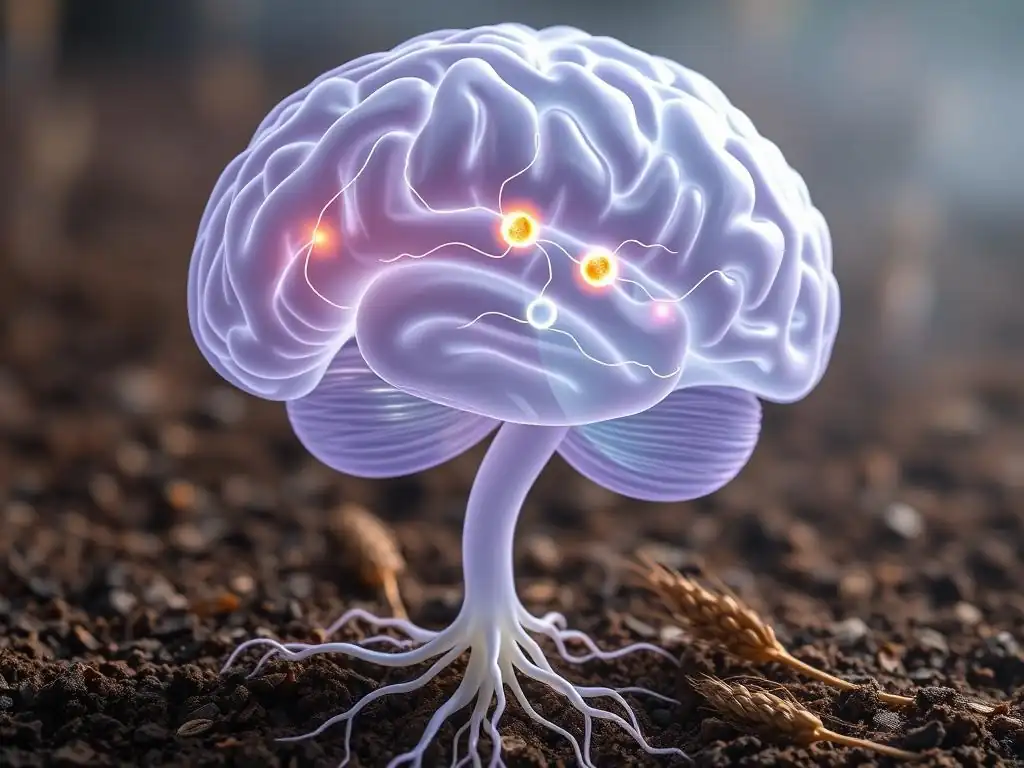
Welcome to Mind Care Guide, a sanctuary dedicated to nurturing your mental well-being. Feeling lost in the complexities of mental health? You're not alone. Did you know the key to a calmer mind might lie closer than you think? Explore with us the fascinating connection between your gut and your brain, and discover how SCFAs improve mental health. Could these tiny molecules be the missing piece in your journey to a happier, healthier you? Let's unravel the science together.
How SCFAs Improve Mental Health: Mechanisms of Action
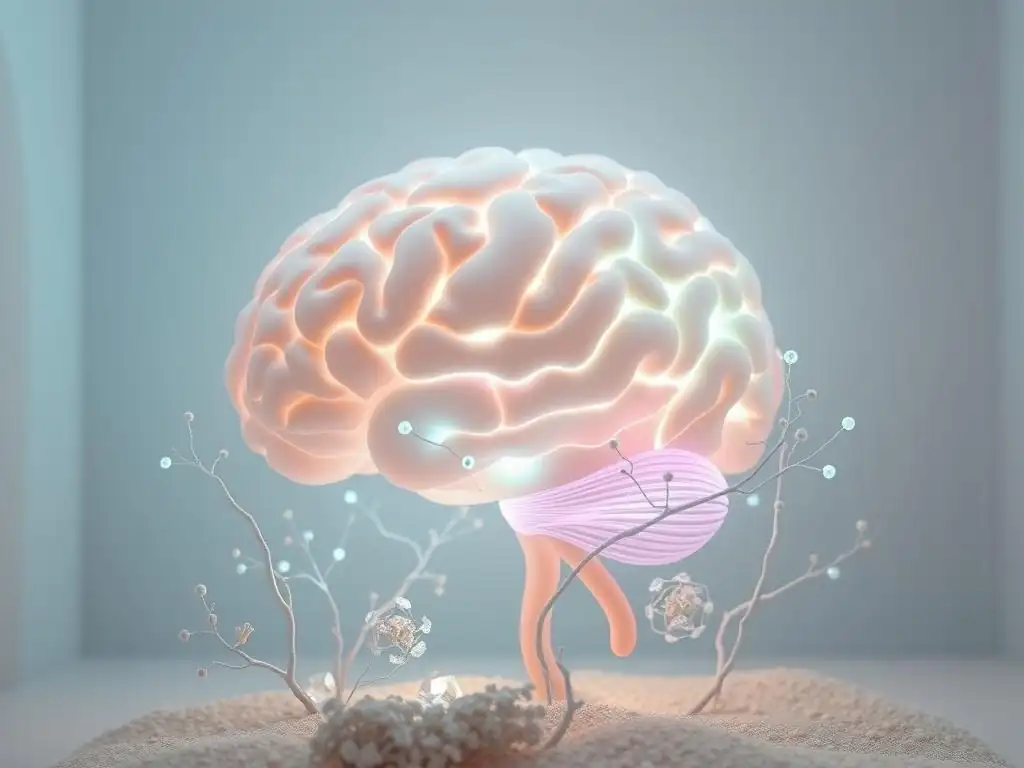
The connection between the gut and the brain is increasingly recognized as fundamental to overall well-being, and short-chain fatty acids (SCFAs) produced by gut bacteria are key mediators in this intricate relationship. These powerful metabolites exert influence through various pathways, demonstrating how SCFAs improve mental health by directly impacting brain function, reducing systemic inflammation, and fortifying the vital gut barrier. Understanding these mechanisms provides insight into the profound influence of our microbial inhabitants on our psychological state.
The mechanisms by which SCFAs improve mental health are multifaceted, involving direct interaction with neural pathways, modulation of the immune system, and structural support for the gut lining. This section explores the specific ways these beneficial molecules contribute to a healthier mind, highlighting their roles in neurotransmitter synthesis, anti-inflammatory processes, gut barrier integrity, and immune regulation, all of which are critical for optimal brain function and emotional resilience.
SCFAs and Neurotransmitter Production: Serotonin, Dopamine, and GABA
SCFAs play a significant role in influencing the levels and activity of key neurotransmitters that regulate mood, anxiety, and stress responses. For instance, the gut is responsible for producing approximately 90% of the body's serotonin, a neurotransmitter crucial for mood regulation, sleep, and appetite. SCFAs, particularly butyrate and propionate, can affect the availability of tryptophan, an amino acid precursor to serotonin, and modulate the expression of genes involved in serotonin synthesis and transport within the gut.
Beyond serotonin, SCFAs also impact other crucial neurotransmitters. They can influence the production of gamma-aminobutyric acid (GABA), the primary inhibitory neurotransmitter in the central nervous system, which helps calm nerve activity and reduce anxiety. Studies suggest that SCFAs can modulate GABAergic signaling, potentially contributing to a more balanced and less anxious state. While the direct impact on dopamine synthesis is less clear, SCFAs' influence on gut-brain communication and inflammation can indirectly affect dopaminergic pathways, which are vital for motivation, reward, and executive function, further illustrating how SCFAs improve mental health.
SCFAs Reduce Inflammation in the Brain and Gut
Chronic low-grade inflammation is strongly implicated in the development and exacerbation of various mental health conditions, including depression and anxiety. SCFAs, especially butyrate, are potent anti-inflammatory compounds that work both locally in the gut and systemically throughout the body, including the brain. They achieve this by inhibiting the activity of pro-inflammatory signaling pathways, such as the NF-κB pathway, which is central to initiating inflammatory responses.
Furthermore, SCFAs can promote the production of anti-inflammatory cytokines and influence the differentiation of immune cells towards a more regulatory phenotype. For example, butyrate can induce the differentiation of regulatory T cells (Tregs), which help suppress excessive immune responses and maintain tolerance. By dampening inflammatory cascades in the gut and preventing inflammatory molecules from reaching the brain, SCFAs contribute to a less neuroinflammatory environment, a critical factor in explaining how SCFAs improve mental health outcomes.
SCFAs Enhance Gut Barrier Function and Reduce Leaky Gut
The integrity of the intestinal barrier is paramount for preventing the translocation of harmful substances, such as bacterial toxins (like lipopolysaccharide - LPS), from the gut lumen into the bloodstream. An impaired gut barrier, often referred to as "leaky gut," allows these substances to enter circulation, triggering systemic inflammation that can cross the blood-brain barrier and negatively impact brain function. SCFAs, particularly butyrate, serve as the primary energy source for the colonocytes, the cells lining the colon.
This crucial energy supply supports the growth, repair, and overall health of the intestinal epithelium. Butyrate specifically helps maintain the tight junctions between epithelial cells, which are the seals that prevent unwanted substances from passing through. By nourishing these cells and fortifying the barrier, SCFAs significantly reduce intestinal permeability, thereby limiting the exposure of the body and brain to inflammatory triggers originating from the gut. This protective effect is a key mechanism by which SCFAs improve mental health by reducing systemic inflammation linked to psychological distress.
SCFAs Modulate the Immune System and Its Impact on Brain Health
The gut microbiome and the immune system are in constant communication, and SCFAs act as crucial messengers in this dialogue. SCFAs can directly interact with immune cells in the gut-associated lymphoid tissue (GALT), which represents a significant portion of the body's immune system. They can influence immune cell development, maturation, and function, promoting a balanced immune response.
Beyond the gut, SCFAs can enter the bloodstream and influence immune cells throughout the body, including those that interact with the brain, such as microglia. Microglia are the resident immune cells of the central nervous system, and their overactivation is linked to neuroinflammation and neurodegenerative processes implicated in mental health disorders. SCFAs have been shown to modulate microglial activity, shifting them towards a less inflammatory state and potentially protecting against neuroinflammation, highlighting another pathway through which SCFAs improve mental health by influencing immune-brain interactions.
Frequently Asked Questions
What are Short-Chain Fatty Acids (SCFAs) and why are they important?
SCFAs are produced when gut bacteria ferment dietary fiber. They are crucial for gut health and have far-reaching effects, including influencing mental well-being through the gut-brain axis.
How do SCFAs impact the Gut-Brain Axis?
SCFAs can directly influence the brain by entering the bloodstream and interacting with brain cells. They also indirectly impact the brain by modulating inflammation and neurotransmitter production in the gut.
What types of mental health conditions might be influenced by SCFAs?
Emerging research suggests SCFAs may play a role in conditions like anxiety, depression, and even neurodevelopmental disorders due to their impact on brain function and inflammation.
How can I increase SCFA production in my gut?
The primary way to boost SCFA production is to consume a diet rich in fiber. This includes eating plenty of fruits, vegetables, whole grains, and legumes, which provide the necessary fuel for gut bacteria.
Are there any risks associated with trying to increase SCFA production?
While generally safe, drastically increasing fiber intake suddenly can lead to digestive discomfort like bloating and gas. It's best to increase fiber gradually and stay well-hydrated to avoid these issues.
Final Reflection: Unlocking the Mind-Gut Connection Through SCFAs
The burgeoning field of gut-brain axis research is revealing a profound connection between our gut microbiome and mental well-being, and short-chain fatty acids (SCFAs) are emerging as key players in this intricate relationship. The evidence presented strongly suggests that manipulating SCFA production through dietary changes and lifestyle modifications holds significant potential for improving mental health outcomes, offering a novel avenue for therapeutic intervention beyond traditional approaches.
The impact of this research extends far beyond the scientific community. Understanding the role of SCFAs in mental health is crucial for shifting societal perceptions of mental illness, moving away from purely pharmaceutical solutions towards a more holistic and preventative approach. The gut is the second brain,
a phrase often used, highlights the undeniable link between our digestive health and our mental state. This understanding empowers individuals to take proactive steps towards improving their mental health through dietary choices and lifestyle adjustments, fostering a sense of agency and control over their well-being.
Consider the implications of this research on your own life. What dietary changes could you implement to increase your SCFA production? Could incorporating more fiber-rich foods, fermented products, or prebiotics into your diet contribute to improved mental clarity, reduced anxiety, or enhanced mood? Take the time to reflect on your gut health and its potential impact on your mental well-being. The journey towards better mental health begins with understanding the intricate connection between your gut and your brain, and SCFAs are a crucial piece of that puzzle.
Unlock Your Gut-Brain Connection: Nourish Your Mind
Thanks for taking the time to explore the fascinating world of SCFAs and their impact on mental well-being! You've now learned how these powerful compounds can influence your brain health. Ready to put this knowledge into action?
- Prioritize prebiotic-rich foods: Start incorporating foods like asparagus, bananas, and oats into your diet to naturally boost SCFA production. This is the most direct way to leverage the information you've just learned.
- Share this knowledge: Spread the word about the gut-brain connection! Discuss this article with friends and family who might benefit from learning about SCFAs.
- Explore further: Dive deeper into the research by searching for "SCFA and mental health" online to uncover more about this exciting field.
What simple dietary change will you make today to support your gut and brain health?