
The Vagus Nerve: Connecting Body and Brain Chemistry for Wellbeing

Welcome to Mind Care Guide.
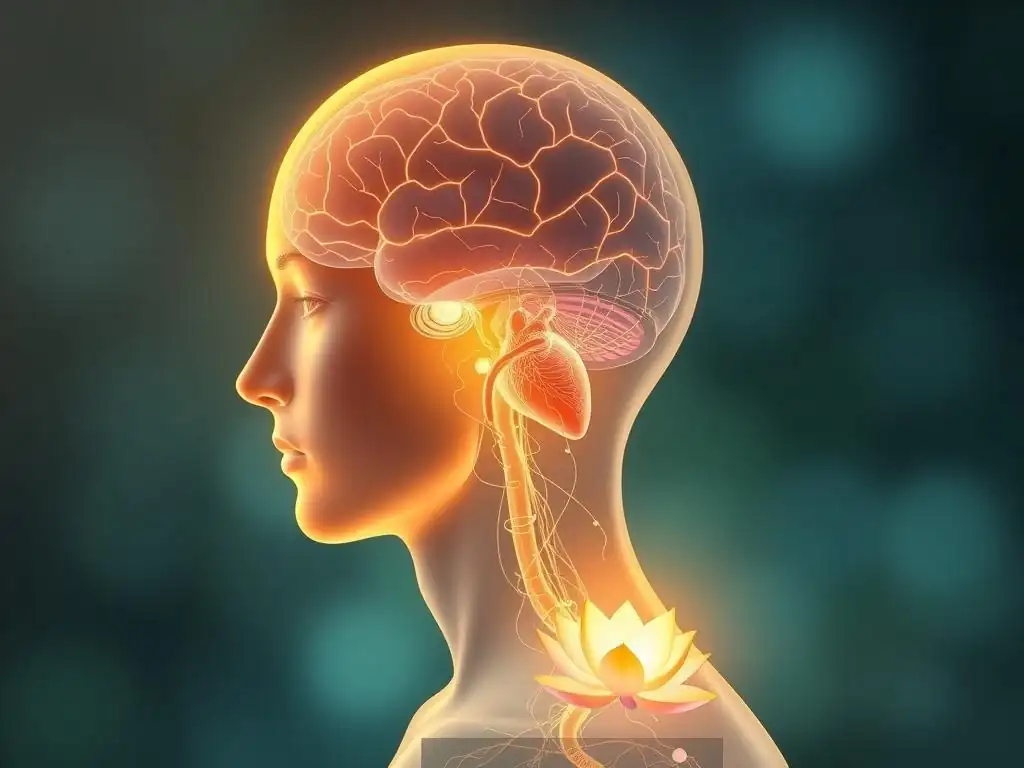
Feeling disconnected from your inner peace? Perhaps the key lies within a single, powerful nerve. We understand the struggle, the yearning for a more balanced state of mind. This isn't just about coping; it's about understanding the intricate connection between your body and brain. Delve into the fascinating world of neuroscience as we explore how harnessing the power of the vagus nerve can be a game-changer for your mental wellbeing. Discover practical techniques and insightful information to unlock your natural capacity for resilience and find a path towards lasting calm. Are you ready to activate your potential?
The Vagus Nerve: Connecting Body and Brain Chemistry for Wellbeing - A Mind Care Guide
- Introduction to the Vagus Nerve and Mental Wellbeing
- The Neuroscience of the Vagus Nerve: How It Works
- Vagus Nerve Dysfunction: Impact on Mental Health
- Activating Your Vagus Nerve for Improved Mental Wellbeing
- Vagus Nerve Stimulation Therapies: Exploring Medical Interventions
- Measuring Vagal Tone: Tools and Techniques
- The Future of Vagus Nerve Research and Mental Health Treatments
- Conclusion: Harnessing the Power of the Vagus Nerve for a Healthier Mind
-
Frequently Asked Questions
- What is the vagus nerve and how is it related to mental wellbeing?
- How does vagal nerve stimulation impact mental health conditions like anxiety and depression?
- What are some simple exercises or techniques I can use to stimulate my vagus nerve?
- How can a healthy gut microbiome influence vagus nerve function and mental health?
- Where can I find more comprehensive information and support for improving my vagus nerve function for mental wellbeing?
- Final Reflection: Unraveling the Vagus Nerve's Path to Wellbeing
- Unlock Your Inner Calm: Nurture Your Vagus Nerve Today
Introduction to the Vagus Nerve and Mental Wellbeing
Understanding the Vagus Nerve's Role in Mind-Body Connection
The vagus nerve, often referred to as the body's superhighway, is the longest cranial nerve, extending from the brainstem down through the neck and into the chest and abdomen. It plays a crucial role in the parasympathetic nervous system, often dubbed the "rest and digest" system. This intricate nerve acts as a primary communication channel, transmitting signals between the brain and numerous internal organs, including the heart, lungs, and gut. This constant two-way dialogue is fundamental to the concept of the mind-body connection, influencing everything from heart rate and digestion to mood and immune response.
Understanding this connection is vital for appreciating the vagus nerve's impact on overall wellbeing. The nerve fibers carry information from the organs to the brain (afferent fibers, about 80% of the total) and from the brain to the organs (efferent fibers, about 20%). This means that signals originating in the gut, for example, can directly influence brain activity and emotional states, and vice versa. This complex feedback loop highlights how physical sensations and physiological states are intimately linked with our psychological experiences, forming the basis of vagus nerve mental wellbeing.
Why the Vagus Nerve Matters for Mental Health
The vagus nerve is increasingly recognized as a key player in regulating emotional states and stress responses. Its influence on neurotransmitter release, particularly acetylcholine, and its role in modulating inflammation make it profoundly relevant to mental health conditions. A well-functioning vagus nerve helps the body shift from a state of stress (sympathetic activation) to a state of calm and recovery (parasympathetic activation), promoting resilience.
Research indicates a strong correlation between vagal nerve function and susceptibility to various mental health challenges. For instance, studies have shown that individuals with lower vagal tone (an indicator of vagus nerve activity) may be more vulnerable to stress, anxiety, and depression. By influencing heart rate variability, gut motility, and the release of calming neurotransmitters, the vagus nerve directly impacts the physiological underpinnings of emotional regulation, making its health paramount for optimal vagus nerve mental wellbeing.
The Neuroscience of the Vagus Nerve: How It Works
The Vagus Nerve: A Key Component of the Autonomic Nervous System
The vagus nerve is the principal nerve of the parasympathetic branch of the autonomic nervous system (ANS). The ANS controls involuntary bodily functions such as heart rate, digestion, respiration, and blood pressure. It operates largely outside of conscious control and is divided into two main branches: the sympathetic nervous system (responsible for the "fight or flight" response) and the parasympathetic nervous system ("rest and digest"). The vagus nerve is the main driver of the parasympathetic response, working in opposition to the sympathetic system to maintain homeostasis.
When the body perceives a threat, the sympathetic system kicks in, increasing heart rate, diverting blood flow to muscles, and preparing for action. Once the threat passes, the parasympathetic system, largely mediated by the vagus nerve, takes over to restore calm. It slows heart rate, lowers blood pressure, stimulates digestion, and promotes relaxation. This dynamic interplay between the sympathetic and parasympathetic systems, heavily influenced by the vagus nerve, is essential for adapting to stress and maintaining physiological and emotional balance, which is critical for vagus nerve mental wellbeing.
Vagal Tone: Measuring and Understanding Its Impact
Vagal tone is essentially a measure of the activity of the vagus nerve. Higher vagal tone indicates stronger vagus nerve activity and a more robust parasympathetic response. Individuals with high vagal tone tend to recover more quickly from stress, exhibit better emotional regulation, and generally report higher levels of wellbeing. Conversely, low vagal tone is associated with reduced resilience to stress, increased inflammation, and a higher risk of various physical and mental health issues, including anxiety and depression.
Measuring vagal tone is most commonly done by assessing Heart Rate Variability (HRV). HRV refers to the natural variation in the time intervals between consecutive heartbeats. A higher HRV indicates that the heart is adapting efficiently to different situations, reflecting strong vagus nerve influence. Lower HRV suggests reduced adaptability and lower vagal tone. Research consistently links higher HRV (and thus higher vagal tone) with improved mood, reduced anxiety, and greater emotional stability, underscoring its significance for vagus nerve mental wellbeing.
Vagus Nerve Stimulation and Acetylcholine Release
One of the primary ways the vagus nerve exerts its calming effects is through the release of acetylcholine, a key neurotransmitter. Acetylcholine is the main neurotransmitter of the parasympathetic nervous system. When the vagus nerve is stimulated, it releases acetylcholine at its nerve endings in various organs, including the heart, where it slows heart rate, and in the gut, where it promotes digestion.
Beyond its effects on peripheral organs, acetylcholine also plays a significant role in the brain, particularly in areas involved in learning, memory, and attention. Moreover, acetylcholine has anti-inflammatory properties. Vagus nerve stimulation leads to the release of acetylcholine which can inhibit the release of pro-inflammatory cytokines like TNF-α in the spleen and other organs. This anti-inflammatory pathway is crucial because chronic inflammation is increasingly implicated in the development and exacerbation of mental health conditions. Thus, activating the vagus nerve promotes both physiological calm and reduces inflammation through acetylcholine, supporting overall vagus nerve mental wellbeing.
Vagus Nerve Dysfunction: Impact on Mental Health

The Link Between Low Vagal Tone and Mental Illnesses
A growing body of evidence points to a strong association between low vagal tone and an increased susceptibility to mental health disorders. Individuals with reduced vagus nerve activity often struggle with regulating their stress response. Their bodies may remain in a sympathetic "fight or flight" state for longer periods, making them more vulnerable to the physiological and psychological effects of chronic stress. This persistent state of heightened arousal can contribute to feelings of anxiety, irritability, and difficulty relaxing.
Studies have shown that people diagnosed with conditions like generalized anxiety disorder, panic disorder, and major depressive disorder frequently exhibit lower measures of vagal tone compared to healthy controls. For example, research on HRV consistently finds lower HRV in individuals with depression, suggesting impaired vagal regulation. This indicates that assessing and potentially improving vagal tone could be a valuable approach in understanding and addressing the physiological underpinnings of these conditions, contributing to better vagus nerve mental wellbeing outcomes.
Vagus Nerve and Anxiety Disorders: Exploring the Connection
The vagus nerve plays a critical role in regulating the body's response to perceived threats. In anxiety disorders, the sympathetic nervous system is often overactive, leading to symptoms like rapid heart rate, shortness of breath, and muscle tension. The vagus nerve's role is to counterbalance this by activating the parasympathetic system and promoting relaxation. However, if vagal tone is low, this calming response may be insufficient.
This imbalance can lead to a vicious cycle: heightened anxiety triggers sympathetic activation, and a weak vagal response fails to restore calm, perpetuating the anxious state. Furthermore, the vagus nerve's afferent fibers transmit information from the gut and other organs to the brain. Dysregulation in these signals, potentially due to low vagal tone, could contribute to the subjective experience of anxiety. Research is actively exploring how enhancing vagal activity through various methods might help modulate the physiological and psychological symptoms associated with anxiety disorders, fostering vagus nerve mental wellbeing.
Vagus Nerve and Depression: Understanding the Pathway
The connection between the vagus nerve and depression is multifaceted, involving neurotransmitter systems, inflammation, and the gut-brain axis. As mentioned, individuals with depression often show lower HRV, indicative of reduced vagal tone. This reduced activity can impair the body's ability to recover from stress, a known risk factor and exacerbating element in depression.
Moreover, the vagus nerve influences the release of neurotransmitters like serotonin and norepinephrine, which are implicated in mood regulation. While traditional antidepressant medications often target the reuptake of these neurotransmitters, stimulating the vagus nerve offers an alternative pathway to modulate their activity. The anti-inflammatory effects mediated by acetylcholine released by the vagus nerve are also relevant, as chronic low-grade inflammation is increasingly linked to the pathophysiology of depression. This complex interplay highlights the vagus nerve as a promising target for therapeutic interventions aiming to improve vagus nerve mental wellbeing in individuals with depression.
Vagus Nerve and Gut-Brain Axis: The Role of Inflammation
The gut-brain axis is a bidirectional communication system linking the central nervous system with the enteric nervous system (the nervous system of the gut). The vagus nerve is a major anatomical and functional component of this axis. Gut microbes produce various metabolites, some of which can influence gut function and even reach the bloodstream or directly stimulate vagal nerve endings in the gut wall. These signals are then transmitted via the vagus nerve to the brain, influencing mood, behavior, and cognitive function.
Dysbiosis (an imbalance in gut microbiota) or gut inflammation can send distress signals to the brain via the vagus nerve, potentially contributing to symptoms of anxiety and depression. For example, studies in animals have shown that certain probiotics can influence behavior and even vagal nerve activity. Conversely, chronic stress transmitted from the brain via the vagus nerve can negatively impact gut motility and the gut microbiome. This intricate connection underscores how the health of our gut, mediated in part by the vagus nerve, is intrinsically linked to our mental state and overall vagus nerve mental wellbeing.
Activating Your Vagus Nerve for Improved Mental Wellbeing
Simple Exercises to Stimulate the Vagus Nerve
Fortunately, there are several accessible, non-invasive techniques that individuals can practice to stimulate their vagus nerve and potentially improve vagal tone. These methods leverage the nerve's connection to various bodily functions that are under some degree of voluntary control. Regular practice of these exercises can help strengthen the vagus nerve's ability to promote relaxation and resilience.
Incorporating these simple exercises into a daily routine can be a powerful step towards enhancing vagus nerve mental wellbeing. While individual results may vary, consistent effort in stimulating the vagus nerve through these natural methods can contribute to a greater sense of calm, improved emotional regulation, and enhanced overall resilience to stress.
Deep Breathing Techniques for Vagal Tone
One of the most direct ways to stimulate the vagus nerve is through controlled, deep breathing, particularly slow, diaphragmatic breathing. The vagus nerve is connected to the diaphragm and the respiratory system, and breathing deeply and slowly activates its parasympathetic response. Techniques like box breathing (inhaling for a count, holding for a count, exhaling for a count, holding for a count) or 4-7-8 breathing (inhale for 4, hold for 7, exhale for 8) are particularly effective.
When you exhale slowly and for a longer duration than your inhale, it signals the vagus nerve to slow down your heart rate and initiate the relaxation response. Practicing deep, slow breathing for just a few minutes daily can help train the vagus nerve to be more responsive, leading to a higher resting vagal tone over time. For example, a study published in Frontiers in Human Neuroscience found that slow-paced breathing significantly increased HRV, indicating improved vagal tone. This simple yet powerful technique is a cornerstone for enhancing vagus nerve mental wellbeing.
Cold Exposure Therapy and the Vagus Nerve
Exposure to cold, such as taking a cold shower, splashing cold water on your face, or taking a cold plunge, can stimulate the vagus nerve. The "mammalian dive reflex," triggered by cold water exposure, particularly on the face and neck, causes a significant drop in heart rate mediated by the vagus nerve. While initially uncomfortable, regular cold exposure can lead to a more sustained increase in vagal tone over time.
Starting with short durations, like a 30-second cold rinse at the end of a shower, can be a gentle way to introduce this practice. As you become more accustomed, you can gradually increase the time or try colder temperatures. Research suggests that regular cold exposure can improve autonomic nervous system balance and reduce inflammation, both linked to vagal nerve activity and important factors for vagus nerve mental wellbeing.
Meditation and Mindfulness Practices for Vagal Stimulation
Meditation and mindfulness practices, which often incorporate focused breathing and body awareness, have been shown to increase vagal tone. These practices cultivate a state of relaxed attention, reducing the activity of the sympathetic nervous system and promoting parasympathetic dominance. By focusing on the breath and bodily sensations, individuals can directly influence the physiological pathways mediated by the vagus nerve.
Consistent meditation practice has been associated with higher resting HRV, indicating improved vagal tone. For example, a study in Psychosomatic Medicine found that long-term meditators had significantly higher HRV compared to non-meditators. Practices like loving-kindness meditation, which involves cultivating feelings of warmth and compassion, have also been specifically linked to increases in vagal tone. Incorporating regular meditation or mindfulness into your routine can be a powerful strategy for nurturing vagus nerve mental wellbeing.
Lifestyle Changes to Support Vagus Nerve Function
Beyond specific exercises, broader lifestyle choices significantly impact vagus nerve health and activity. A holistic approach that addresses diet, sleep, and social connection can create a supportive environment for optimal vagal function. These daily habits contribute to the overall resilience and adaptability of the nervous system.
Making conscious choices in these areas can have a cumulative positive effect on vagal tone, reinforcing the benefits gained from direct stimulation exercises. Integrating these lifestyle changes into your routine is a sustainable way to support your vagus nerve mental wellbeing in the long term.
Diet and Nutrition for a Healthy Vagus Nerve
The gut-brain axis highlights the importance of diet for vagus nerve health. A diet rich in fiber, probiotics, and prebiotics supports a healthy gut microbiome, which in turn sends positive signals to the brain via the vagus nerve. Fermented foods like yogurt, kefir, sauerkraut, and kimchi contain beneficial bacteria that can influence gut health and potentially vagal activity.
Omega-3 fatty acids, found in fatty fish, flaxseeds, and walnuts, are known for their anti-inflammatory properties and have been shown to increase HRV, suggesting a positive impact on vagal tone. Conversely, diets high in processed foods, sugar, and unhealthy fats can disrupt the gut microbiome and promote inflammation, potentially negatively impacting vagus nerve function. Prioritizing nutrient-dense foods is essential for supporting both gut health and vagus nerve mental wellbeing.
The Importance of Sleep for Vagal Health
Adequate and quality sleep is crucial for the proper functioning of the autonomic nervous system, including the vagus nerve. During sleep, the body repairs and restores itself, and the parasympathetic nervous system is typically dominant, promoting relaxation and lowering heart rate and blood pressure. Chronic sleep deprivation or poor sleep quality can disrupt this balance, leading to increased sympathetic activity and reduced vagal tone.
Studies have shown that sleep deprivation can decrease HRV, indicating impaired vagal regulation. Aiming for 7-9 hours of quality sleep per night is vital. Establishing a regular sleep schedule, creating a relaxing bedtime routine, and ensuring a dark, quiet, and cool sleep environment can significantly improve sleep quality and, consequently, support healthy vagus nerve function and overall vagus nerve mental wellbeing.
Social Connection and the Vagus Nerve: Building Strong Relationships
Positive social interactions and strong relationships have been linked to higher vagal tone. When we feel safe, connected, and supported, the vagus nerve is more active, promoting feelings of calm and trust. Activities like laughing, singing, and engaging in meaningful conversations can stimulate the vagus nerve. The release of oxytocin, often called the "bonding hormone," during social connection is also thought to influence vagal activity positively.
Conversely, social isolation and loneliness can contribute to chronic stress and lower vagal tone. Making time for loved ones, participating in community activities, or even engaging in acts of kindness can activate the vagus nerve's social engagement system. Fostering positive social connections is not just good for our emotional state; it appears to have a direct physiological benefit by supporting vagus nerve mental wellbeing.
Vagus Nerve Stimulation Therapies: Exploring Medical Interventions
Non-Invasive Vagus Nerve Stimulation (nVNS)
Beyond lifestyle modifications, medical science has developed technologies to directly stimulate the vagus nerve for therapeutic purposes. Non-invasive Vagus Nerve Stimulation (nVNS) involves using external devices to deliver electrical pulses to the vagus nerve, typically through the skin surface. One common method involves stimulating the auricular branch of the vagus nerve, located in the ear.
These devices, often handheld, are placed on specific points of the ear or neck and deliver a mild electrical current. nVNS is being explored and used for various conditions, including cluster headaches and migraines, and research is ongoing into its potential applications for mental health conditions like depression and anxiety. Compared to invasive methods, nVNS offers a lower-risk, more accessible option for directly targeting the vagus nerve to influence brain activity and potentially improve vagus nerve mental wellbeing.
Invasive Vagus Nerve Stimulation (VNS) for Treatment-Resistant Depression
Invasive Vagus Nerve Stimulation (VNS) is a more established medical procedure, primarily approved by the FDA for the treatment of refractory epilepsy and, in some regions, for treatment-resistant depression (TRD). This involves surgically implanting a small pulse generator under the skin in the chest, similar to a pacemaker. An electrode wire is then threaded under the skin and connected to the left vagus nerve in the neck.
The device is programmed to deliver regular electrical pulses to the vagus nerve throughout the day. Unlike lifestyle techniques that enhance intrinsic vagal tone, VNS provides direct, scheduled stimulation. For TRD, VNS is typically used as an adjunctive therapy, meaning it is used in combination with other treatments like antidepressant medication and psychotherapy. Studies have shown that VNS can lead to significant improvements in mood and reduction in depressive symptoms in a subset of patients who haven't responded to other treatments, offering hope for severe cases of depression and contributing to vagus nerve mental wellbeing recovery.
Benefits and Risks of VNS Therapy
VNS therapy, particularly the invasive form, offers potential benefits for individuals with severe, treatment-resistant conditions. For TRD, clinical trials have shown that a significant percentage of patients experience a sustained reduction in depressive symptoms over time, often after several months of treatment. Some studies report remission rates in a portion of the TRD population receiving VNS that are higher than those typically seen with medication alone in this group. The primary benefit is the potential for long-term relief from debilitating symptoms when other treatments have failed.
However, VNS is a surgical procedure and carries inherent risks, including infection at the implant site, pain, and potential nerve damage. Side effects related to stimulation can include voice changes (hoarseness), cough, shortness of breath, and neck pain, although these are often manageable by adjusting stimulation settings. The decision to pursue VNS is significant and involves careful consideration of these benefits and risks, typically reserved for individuals with severe conditions who have not responded to multiple conventional therapies, underscoring its role as a last resort for complex vagus nerve mental wellbeing challenges.
Measuring Vagal Tone: Tools and Techniques
Heart Rate Variability (HRV) as an Indicator of Vagal Function
As previously mentioned, Heart Rate Variability (HRV) is the most widely used non-invasive measure of vagal tone. It quantifies the beat-to-beat changes in heart rate. A higher HRV reflects greater flexibility and adaptability of the autonomic nervous system, primarily driven by stronger vagus nerve influence. This variability allows the heart to respond quickly to physiological demands and emotional states, indicating a healthy balance between the sympathetic and parasympathetic systems.
HRV can be measured using various devices, from medical-grade ECG machines to consumer-grade heart rate monitors and smartphone apps paired with sensors. While medical devices provide the most accurate readings, consumer devices can offer a useful approximation for tracking trends over time. Analyzing HRV involves complex algorithms that calculate different metrics (e.g., RMSSD, SDNN), but the general principle is that higher values typically indicate better vagal tone and autonomic health, providing a quantifiable marker for assessing vagus nerve mental wellbeing status.
Understanding HRV Biofeedback and Its Benefits
HRV biofeedback is a technique that teaches individuals to consciously regulate their breathing and physiological state to increase their HRV. Using real-time feedback from an HRV monitor, individuals learn which breathing patterns and mental states lead to greater heart rate variability. The goal is to train the body to increase vagal tone voluntarily, particularly during stressful situations.
Regular HRV biofeedback training has been shown in studies to improve vagal tone, reduce symptoms of anxiety and depression, and enhance resilience to stress. For example, a meta-analysis published in Applied Psychophysiology and Biofeedback found that HRV biofeedback training was effective in reducing symptoms of anxiety and depression. By providing immediate feedback, biofeedback empowers individuals to see the direct impact of their efforts on their autonomic nervous system, making it a powerful tool for improving vagus nerve mental wellbeing.
Other Methods for Assessing Vagal Nerve Activity
While HRV is the most common method, other techniques exist to assess vagal nerve activity, although they are often more complex or less accessible. Respiratory Sinus Arrhythmia (RSA) is closely related to HRV and refers to the natural increase in heart rate during inhalation and decrease during exhalation, a phenomenon largely mediated by the vagus nerve. Measuring RSA provides another index of vagal cardiac control.
Other methods can include assessing vagal reflexes, such as the baroreflex sensitivity, which involves monitoring changes in heart rate in response to blood pressure fluctuations, a process significantly influenced by the vagus nerve. Electrophysiological recordings of nerve activity are possible but invasive and typically limited to research settings. For practical purposes in assessing vagus nerve mental wellbeing in clinical or personal contexts, HRV remains the most viable and widely used method.
The Future of Vagus Nerve Research and Mental Health Treatments
Ongoing Research into Vagus Nerve Stimulation for Various Conditions
Research into the therapeutic potential of vagus nerve stimulation is rapidly expanding beyond its current approved uses. Scientists are investigating its efficacy for a wide range of neurological and psychiatric conditions, including PTSD, chronic pain, inflammatory bowel disease, and even Alzheimer's disease. The vagus nerve's widespread influence on the brain, immune system, and gut makes it a compelling target for conditions with complex underlying mechanisms.
Clinical trials are currently underway exploring different nVNS devices and protocols for conditions like anxiety disorders, bipolar disorder, and even substance use disorders. The hope is that by modulating neural circuits and reducing inflammation via vagus nerve stimulation, these therapies could offer new treatment options for patients who do not respond well to conventional treatments. This ongoing research is crucial for unlocking the full potential of the vagus nerve for improving vagus nerve mental wellbeing across diverse populations.
The Potential of Personalized Vagus Nerve Therapies
As our understanding of the vagus nerve and its connection to individual differences grows, the concept of personalized vagus nerve therapies is gaining traction. Factors such as genetics, lifestyle, and the specific nature of a person's condition likely influence how their vagus nerve functions and how they might respond to stimulation or lifestyle interventions. Future research may focus on identifying biomarkers or individual profiles that predict responsiveness to different vagus nerve-targeting strategies.
For example, assessing an individual's baseline vagal tone (via HRV), gut microbiome composition, or inflammatory markers could help clinicians tailor specific lifestyle recommendations (e.g., diet, exercise, breathing techniques) or determine the most appropriate type and parameters for VNS or nVNS if necessary. This personalized approach aims to maximize the therapeutic benefit by matching the intervention to the individual's unique physiological and psychological profile, leading to more effective strategies for enhancing vagus nerve mental wellbeing.
Future of Vagus Nerve Research and its Impact on Mental Health Treatment
The future of vagus nerve research holds immense promise for transforming mental health treatment. As we gain a deeper understanding of the intricate pathways through which the vagus nerve influences brain chemistry, inflammation, and the gut-brain axis, new therapeutic targets and approaches will emerge. This could lead to the development of more precise and effective interventions, potentially with fewer side effects than some current treatments.
Beyond direct stimulation, research is exploring pharmacological agents that could selectively enhance vagal activity or mimic the effects of acetylcholine release mediated by the nerve. Furthermore, integrating vagus nerve assessment (like HRV monitoring) into routine clinical practice could provide valuable insights into a patient's physiological state and stress resilience, informing treatment plans. The growing focus on the vagus nerve signifies a paradigm shift towards treatments that leverage the body's intrinsic regulatory mechanisms to promote healing and achieve lasting vagus nerve mental wellbeing.
Conclusion: Harnessing the Power of the Vagus Nerve for a Healthier Mind
Key Takeaways on the Vagus Nerve and Mental Wellbeing
The vagus nerve is far more than just a cranial nerve; it is a vital link connecting our brain, body, and emotions. Its central role in the autonomic nervous system, its influence on inflammation and neurotransmitters, and its function within the gut-brain axis highlight its profound impact on our mental health. Maintaining healthy vagal tone is crucial for effective stress regulation, emotional resilience, and overall wellbeing.
Understanding the vagus nerve's function provides a powerful framework for appreciating the mind-body connection. Low vagal tone is associated with increased vulnerability to conditions like anxiety and depression, while higher vagal tone is linked to greater resilience and psychological health. Fortunately, individuals have agency in influencing their vagal tone through various natural methods and, in severe cases, through medical interventions, all contributing to improved vagus nerve mental wellbeing.
Empowering Yourself Through Vagus Nerve Activation
The knowledge about the vagus nerve empowers individuals to take an active role in managing their mental health. Simple, accessible practices like deep breathing, cold exposure, meditation, and mindful movement can directly stimulate the vagus nerve and build resilience over time. Complementing these with healthy lifestyle choices—prioritizing sleep, nurturing social connections, and maintaining a gut-friendly diet—creates a strong foundation for optimal vagal function.
By incorporating these strategies into daily life, you can actively work towards strengthening your vagus nerve, enhancing your body's natural ability to calm itself, regulate emotions, and respond effectively to stress. While medical interventions like VNS exist for severe cases, the power of daily habits in nurturing your vagus nerve mental wellbeing should not be underestimated. Taking steps to care for your vagus nerve is a tangible way to cultivate a healthier, more resilient mind.
Frequently Asked Questions
The vagus nerve is the longest cranial nerve connecting the brain to many major organs, influencing bodily functions like heart rate and digestion. It plays a crucial role in the gut-brain axis, impacting mental wellbeing through communication pathways that affect mood and stress responses.
How does vagal nerve stimulation impact mental health conditions like anxiety and depression?
Stimulating the vagus nerve can help regulate the nervous system, reducing the body's 'fight or flight' response. This can lead to decreased symptoms of anxiety and depression by promoting relaxation and emotional regulation.
What are some simple exercises or techniques I can use to stimulate my vagus nerve?
Several techniques can stimulate the vagus nerve, including deep breathing exercises, meditation, and cold water immersion. These practices promote relaxation and can help improve vagal tone over time.
How can a healthy gut microbiome influence vagus nerve function and mental health?
A balanced gut microbiome supports healthy vagus nerve function by producing neurotransmitters like serotonin that communicate with the brain. This gut-brain connection can positively impact mood, reduce anxiety, and improve overall mental wellbeing.
Where can I find more comprehensive information and support for improving my vagus nerve function for mental wellbeing?
Mind Care Guide offers a comprehensive guide to mental wellbeing, including resources on the vagus nerve. You can find information, support, and practical tips on our website to improve your mental health.
Final Reflection: Unraveling the Vagus Nerve's Path to Wellbeing
The intricate connection between our physical body and mental state, mediated by the vagus nerve, is no longer a niche scientific concept; it's a crucial understanding for navigating the complexities of modern life. Understanding this powerful pathway offers a tangible approach to cultivating resilience and enhancing our overall wellbeing, moving beyond simple symptom management to address the root causes of stress and anxiety.
The exploration of the vagus nerve's influence on mental wellbeing has profoundly impacted my own understanding of health and healing. It's shifted my perspective from a purely cognitive approach to mental health to one that embraces the holistic interconnectedness of mind and body. The body keeps the score,
as Bessel van der Kolk so aptly puts it, highlighting the profound impact of trauma and stress on our physical selves, an impact that the vagus nerve plays a central role in mediating. This understanding has empowered me to incorporate practices like mindful breathing and gentle movement into my daily routine, fostering a deeper connection with my body and a more regulated nervous system.
Now, it's your turn. Consider how you might integrate the knowledge of the vagus nerve into your own life. Explore practices like deep breathing, yoga, or spending time in nature – all of which can stimulate vagal activity and promote a sense of calm and centeredness. Remember, nurturing your body is not separate from nurturing your mind; they are inextricably linked, and the vagus nerve serves as the vital bridge between them. Embrace this connection, and embark on a journey towards a more balanced and fulfilling life.
Unlock Your Inner Calm: Nurture Your Vagus Nerve Today
Thanks for exploring the fascinating world of the vagus nerve and its impact on your wellbeing! You've now learned how to tap into a powerful pathway to better mental and physical health. Ready to take the next step?
- Prioritize one vagus nerve-stimulating activity this week: Whether it's deep breathing exercises, a mindful walk in nature, or engaging in a heart-felt conversation, choose one and commit to it.
- Share your experience: Let's build a community of well-being! Tell us about your chosen activity and how it made you feel in the comments below.
- Explore resources for further learning: Dive deeper into the research on vagus nerve stimulation – you might be surprised at what you discover!
What simple step will you take today to nurture your vagus nerve and enhance your overall wellbeing?