
Impulse Control Issues in Depression: Pinpointing the Prefrontal Cortex Connection

Welcome to Mind Care Guide.
Are you struggling with impulsive behaviors while navigating the complexities of depression? You're not alone. Many find that depression extends beyond sadness, impacting their ability to control impulses. In this article, we delve into the intricate relationship between depression, impulse control, and the prefrontal cortex, offering insights into the neuroscience behind these challenges. Curious to understand how this vital brain region plays a crucial role? Explore further to unlock a deeper understanding and discover potential pathways to regaining control.
-
Impulse Control Issues in Depression: Unveiling the Prefrontal Cortex Connection
- Introduction: Depression, Impulse Control, and the Brain
- Understanding Impulse Control and Its Importance
- Depression and Its Impact on Executive Function
- The Prefrontal Cortex: The Brain's Control Center
- The Connection: How Depression Affects the Prefrontal Cortex and Impulse Control
- Specific Impulse Control Problems Associated with Depression
- Neuroscience of Impulsivity in Depressed Patients: Research and Findings
- Diagnosing Impulse Control Problems in Depressed Individuals
- Treatment Options for Depression-Related Impulse Control Issues
- Strategies for Managing Impulsivity in Daily Life
- The Role of Early Intervention in Preventing Long-Term Problems
- Future Research Directions in Depression, Impulse Control, and the Prefrontal Cortex
- Conclusion: Reclaiming Control: Impulse Regulation and Mental Wellbeing in Depression
-
Frequently Asked Questions
- What is the connection between depression and impulse control issues?
- How does the prefrontal cortex relate to impulse control and depression?
- What types of impulse control problems might someone with depression experience?
- Can therapy help improve impulse control in individuals with depression?
- Are there medications that can address both depression and impulse control?
- Final Reflection: Reclaiming Control: The Prefrontal Cortex and the Path to Healing
- Unlock Your Brain's Potential: Take Control of Your Impulses
Impulse Control Issues in Depression: Unveiling the Prefrontal Cortex Connection
Introduction: Depression, Impulse Control, and the Brain
Depression is a complex mood disorder affecting millions worldwide, characterized by persistent sadness, loss of interest, and a range of physical and emotional problems. While commonly understood through its core emotional symptoms, depression also significantly impacts cognitive functions, including the ability to control impulses. This often overlooked aspect of depression can lead to behaviors that worsen the individual's condition and overall quality of life.
Understanding the intricate relationship between depression, impaired impulse control, and the underlying brain mechanisms, particularly within the prefrontal cortex, is crucial for effective diagnosis and treatment. This exploration delves into how changes in the brain, especially in the prefrontal cortex, contribute to difficulties with impulse control experienced by individuals living with depression.
The connection between depression impulse control prefrontal cortex function highlights a key area of neuroscience research. The prefrontal cortex, often referred to as the brain's executive control center, plays a vital role in regulating behavior, making decisions, and inhibiting impulsive actions. When depression affects this critical brain region, the capacity for effective impulse control can be compromised, leading to a variety of challenges. Addressing these issues requires not only treating the depressive symptoms but also understanding and supporting the neurobiological underpinnings of impulse dysregulation.
Understanding Impulse Control and Its Importance
Defining Impulse Control: What Does It Mean?
Impulse control refers to the ability to resist a sudden urge or desire to do something, especially something that is potentially harmful to oneself or others, or goes against long-term goals. It involves the capacity to pause, think about the consequences of an action, and choose a more appropriate or delayed response instead of acting immediately on an impulse.
This cognitive function is a cornerstone of self-regulation and is essential for navigating social interactions, making responsible decisions, and pursuing future rewards over immediate gratification. It's the internal brake system that helps us regulate our behavior in line with our values and goals.
Effective impulse control is not about suppressing all desires, but rather managing them constructively. It allows individuals to delay gratification, plan ahead, and consider the outcomes of their actions. For instance, resisting the urge to spend money impulsively to save for a larger purchase, or refraining from an angry outburst during a disagreement, are examples of successful impulse control in action. This regulatory process relies heavily on specific brain circuits, with the prefrontal cortex playing a starring role in overriding immediate urges originating from more primitive brain regions associated with emotion and reward.
The Role of Impulse Control in Daily Life and Mental Health
Impulse control is fundamental to successful daily functioning and overall mental well-being. It underpins our ability to maintain healthy relationships, perform effectively at work or school, manage finances, and make healthy lifestyle choices. Strong impulse control allows individuals to set goals and work towards them consistently, even when faced with distractions or temptations. Conversely, difficulties with impulse control can manifest in various maladaptive behaviors, such as excessive spending, substance misuse, reckless driving, or difficulty maintaining commitments.
In the context of mental health, impaired impulse control is a common feature across a spectrum of conditions, including but not limited to ADHD, bipolar disorder, and personality disorders. In depression, while not always the most prominent symptom, difficulties with impulse control can significantly exacerbate the condition. For example, impulsive decisions related to finances can lead to increased stress, or impulsive eating can contribute to physical health issues, both of which can worsen depressive symptoms. Understanding the link between impulse control in depression is therefore vital for developing comprehensive treatment strategies.
Depression and Its Impact on Executive Function
Depression's Cognitive Effects: Beyond Sadness
While sadness, hopelessness, and loss of interest are the hallmark emotional symptoms of depression, the disorder also profoundly impacts cognitive functions. Many individuals with depression report difficulties with concentration, memory problems, indecisiveness, and impaired problem-solving abilities. These cognitive impairments are not merely secondary effects of feeling low; they are integral symptoms of the disorder, often persisting even after mood symptoms begin to improve. These cognitive deficits significantly interfere with a person's ability to function effectively in daily life, impacting work, relationships, and self-care.
These cognitive symptoms collectively fall under the umbrella term of executive dysfunction. Executive functions are a set of higher-level cognitive processes controlled primarily by the prefrontal cortex. They include planning, organizing, prioritizing, initiating tasks, inhibiting impulses, and flexibly shifting between different thoughts or actions. The presence of executive dysfunction in depression highlights the disorder's impact on the brain's most sophisticated control systems, extending its reach far beyond just emotional regulation.
Executive Dysfunction in Depression: A Closer Look
Executive dysfunction in depression is characterized by difficulties in several key areas. Individuals may struggle to plan their day, find it hard to start or complete tasks, or have trouble staying organized. Decision-making can become agonizingly difficult, with individuals feeling paralyzed by choices or making poor choices impulsively. A critical component of this executive dysfunction is impaired inhibitory control – the ability to suppress inappropriate thoughts or actions. This is where the link to depression impulse control prefrontal cortex becomes particularly evident.
Research, including neuroimaging studies, consistently shows altered activity and structure in the prefrontal cortex in individuals with depression. This disruption in the prefrontal cortex directly impacts executive functions, including the ability to regulate impulses effectively. For instance, studies might show reduced activation in areas responsible for planning or increased activity in areas associated with processing negative emotions, making it harder for the prefrontal cortex to exert its top-down control over impulsive urges or negative rumination. Understanding these specific deficits is key to addressing the cognitive burden of depression.
The Prefrontal Cortex: The Brain's Control Center
Location and Function of the Prefrontal Cortex
The prefrontal cortex (PFC) is the most anterior part of the frontal lobe, located right behind the forehead. It is the last part of the brain to fully mature, with development continuing into the early to mid-twenties. This region is often considered the "CEO" of the brain due to its critical role in high-level cognitive functions. It is a vast and complex area, often subdivided into different regions such as the dorsolateral prefrontal cortex (DLPFC), ventromedial prefrontal cortex (VMPFC), and orbitofrontal cortex (OFC), each contributing uniquely to executive processes.
The functions of the prefrontal cortex are extensive and varied. It is involved in planning complex cognitive behaviors, personality expression, decision-making, moderating social behavior, and working towards goals. Crucially, it plays a central role in executive functions, including attention, working memory, cognitive flexibility, abstract thinking, and, most relevant to this discussion, inhibitory control and impulse regulation. It integrates information from other brain regions, including those involved in emotion and reward, to guide goal-directed behavior and override immediate, potentially detrimental impulses.
Prefrontal Cortex and Executive Functions: A Key Relationship
The relationship between the prefrontal cortex and executive functions is symbiotic; the PFC is the primary neural substrate supporting these complex cognitive abilities. Different areas within the prefrontal cortex are specialized for different aspects of executive function.
For example, the DLPFC is heavily involved in working memory, planning, and cognitive flexibility, allowing us to hold information in mind and manipulate it to solve problems or adapt to changing situations. The VMPFC and OFC are more involved in integrating emotional information and evaluating the potential rewards and punishments associated with different choices, playing a critical role in value-based decision-making and regulating social behavior.
Impairment in any of these prefrontal subregions can lead to specific deficits in executive functions. Damage or dysfunction in the PFC, whether due to injury, neurological conditions, or psychiatric disorders like depression, directly compromises the ability to plan, organize, remember, and control impulses. This highlights why disruptions in the prefrontal cortex and depression are so closely linked to the cognitive symptoms experienced by patients, including difficulties with impulse control. The integrity and proper functioning of the prefrontal cortex are absolutely essential for robust executive control.
The Connection: How Depression Affects the Prefrontal Cortex and Impulse Control
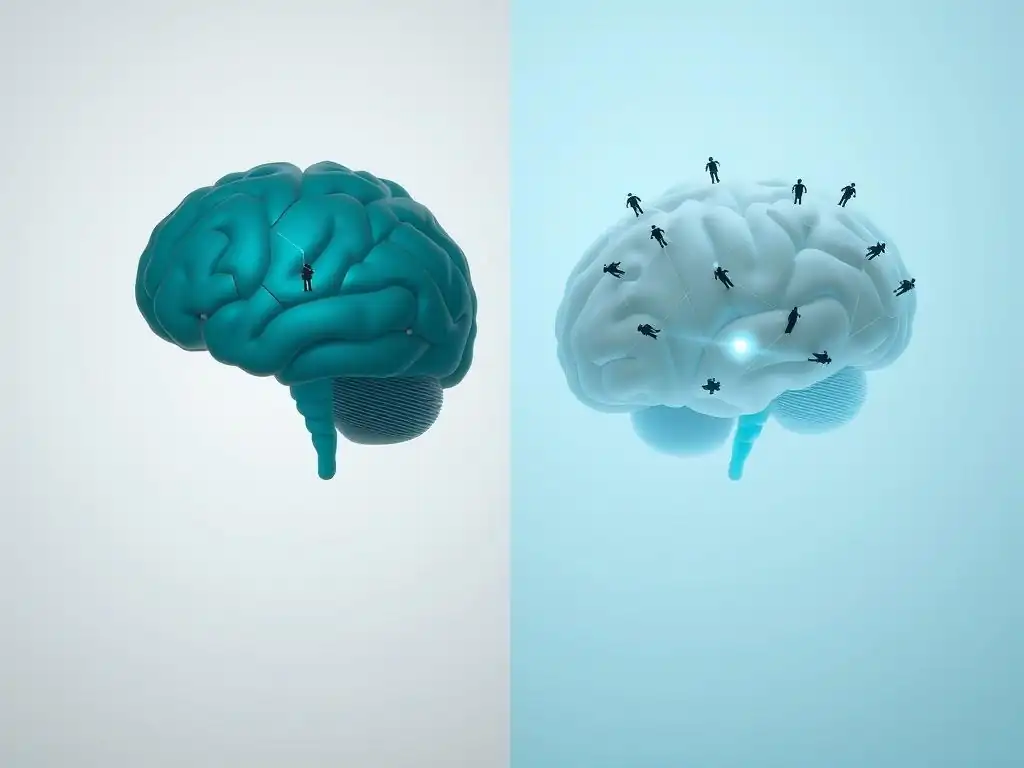
Depression's Impact on Prefrontal Cortex Activity
Numerous studies using neuroimaging techniques such as fMRI (functional magnetic resonance imaging) and PET (positron emission tomography) have provided compelling evidence of altered prefrontal cortex activity in individuals with depression. Findings often indicate reduced activity in certain areas of the PFC, particularly the dorsolateral and ventromedial regions, during tasks that require executive function, emotional regulation, or decision-making.
For instance, research might show decreased metabolic activity in the DLPFC, an area critical for planning and inhibitory control, in depressed patients compared to healthy controls. This decreased activity suggests that these brain regions are not functioning optimally, potentially impairing their ability to exert control over behavior.
Furthermore, studies have shown altered connectivity between the prefrontal cortex and other brain regions, including the amygdala (involved in processing emotions) and the striatum (involved in reward processing). This disrupted communication means the prefrontal cortex may receive inaccurate or overwhelming emotional and reward signals, making it harder to make rational decisions or inhibit impulsive reactions driven by negative mood or a search for immediate, albeit temporary, relief. The cumulative effect of these changes in prefrontal cortex activity and connectivity is a reduced capacity for the top-down control necessary for effective impulse regulation.
Neurotransmitters and Impulse Control: Serotonin, Dopamine, and Norepinephrine's Role
The proper functioning of the prefrontal cortex and its ability to regulate impulses is heavily reliant on the balance and activity of key neurotransmitters, including serotonin, dopamine, and norepinephrine. These neurochemicals are known to be dysregulated in depression, playing a central role in mood regulation. However, they also significantly influence prefrontal cortex function and circuitry involved in executive control and reward processing.
Serotonin, often targeted by antidepressant medications, is involved in mood, anxiety, and also impulse control. Lower levels of serotonin or dysfunction in serotonin pathways connecting to the prefrontal cortex have been associated with increased impulsivity and risk-taking behaviors. Dopamine is crucial for reward, motivation, and executive functions like working memory and cognitive flexibility, all mediated in part by the prefrontal cortex.
Dysregulation of dopamine in depression can impact motivation and goal-directed behavior, potentially leading to impulsive choices driven by a lack of foresight or anhedonia (inability to experience pleasure). Norepinephrine affects attention, arousal, and stress response, also influencing prefrontal cortex function and the ability to focus and inhibit distractions, which is important for impulse control. The complex interplay of these neurotransmitters within the prefrontal cortex circuitry provides a neurochemical basis for the observed difficulties with depression impulse control prefrontal cortex connections.
Specific Impulse Control Problems Associated with Depression
Increased Risk of Substance Use Disorder in Depressed Individuals
Individuals with depression are significantly more likely to develop substance use disorders compared to the general population. Epidemiological studies consistently report high rates of comorbidity, with estimates suggesting that people with depression are perhaps two to three times more likely to also experience a substance use disorder. This increased vulnerability can be linked, in part, to impaired impulse control. The intense emotional pain and hopelessness associated with depression can lead to a powerful urge to seek immediate relief. When prefrontal cortex function is compromised, the ability to inhibit the impulse to use substances as a coping mechanism is weakened.
Substance use provides a temporary escape from the emotional burden of depression, offering immediate (though ultimately harmful) gratification. For someone with impaired impulse control due to depression, resisting the urge to self-medicate with alcohol or drugs becomes a significant challenge. The weakened inhibitory control systems in the prefrontal cortex make it harder to pause, consider the long-term negative consequences of substance use, and choose healthier coping strategies. This creates a vicious cycle where substance use exacerbates depression, further impairing judgment and impulse control.
Compulsive Behaviors and Depression: Gambling, Shopping, and Eating Disorders
Beyond substance use, depression can also be associated with an increased likelihood of engaging in other compulsive behaviors, such as pathological gambling, compulsive shopping, and certain eating disorders (like binge eating disorder). While these behaviors have complex origins, impaired impulse control stemming from prefrontal cortex dysfunction in depression can play a contributing role. These activities can offer a temporary distraction, a sense of control, or a fleeting moment of pleasure that individuals with depression, experiencing anhedonia and emotional pain, may desperately seek.
For example, compulsive shopping might provide a brief lift in mood or a sense of excitement, while binge eating could be a way to numb painful emotions. The impulsive nature of these behaviors – the sudden urge to engage in the activity despite negative consequences – aligns with deficits in inhibitory control.
The prefrontal cortex's diminished capacity to regulate these urges, coupled with the emotional dysregulation of depression, makes individuals more susceptible to falling into patterns of compulsive behavior. Studies exploring the neural underpinnings of these comorbidities often point back to shared pathways involving reward circuitry and prefrontal control mechanisms.
Difficulty with Decision-Making and Planning Due to Impaired Impulse Control
Impaired impulse control in depression also contributes significantly to difficulties with decision-making and planning, core executive functions. Decision-making requires the ability to weigh options, consider consequences, and inhibit the impulse to make hasty or suboptimal choices. Planning involves setting goals, breaking them down into steps, and inhibiting distractions or competing urges. When the prefrontal cortex's ability to regulate impulses is compromised, these processes become challenging.
Individuals might struggle to make even simple decisions, feeling overwhelmed or paralyzed by the effort required. Alternatively, they might make impulsive decisions without adequate consideration, leading to negative outcomes. Planning becomes difficult as the ability to maintain focus on long-term goals and resist immediate urges to abandon the plan is diminished.
This difficulty with planning and decision-making further exacerbates the functional impairment experienced in depression, making it harder to manage daily responsibilities, pursue recovery goals, or maintain a sense of control over one's life. The intricate link between depression impulse control prefrontal cortex function directly impacts these fundamental aspects of daily life.
Neuroscience of Impulsivity in Depressed Patients: Research and Findings
Brain Imaging Studies: What They Reveal About the Prefrontal Cortex and Depression
Neuroimaging studies have been pivotal in uncovering the neural basis of depression impulse control prefrontal cortex dysfunction. Techniques like fMRI measure brain activity by detecting changes in blood flow, while structural MRI can assess brain volume and integrity. Studies consistently report structural and functional abnormalities in the prefrontal cortex of depressed individuals, particularly in areas involved in executive control and emotional regulation.
For example, some studies indicate reduced gray matter volume in certain prefrontal regions, such as the anterior cingulate cortex (ACC) or specific parts of the DLPFC, areas critical for decision-making and conflict monitoring. While the exact percentage varies across studies and populations, reductions of perhaps 5-10% in specific subregions have been reported in some chronic cases.
Functionally, fMRI studies often show decreased activation in the DLPFC during tasks requiring cognitive control or working memory in depressed patients. Conversely, some studies report increased activity in regions like the amygdala (involved in processing negative emotions) or the ventromedial prefrontal cortex (VMPFC) during emotional processing, suggesting a potential imbalance where emotional responses override rational control.
These findings support the hypothesis that impaired prefrontal function contributes to the difficulties with emotional regulation and impulse control observed in depression. Furthermore, research on connectivity shows disrupted communication pathways between the prefrontal cortex and limbic areas, hindering the PFC's ability to modulate emotional responses and impulsive urges originating from deeper brain structures.
Genetic Factors and Predisposition to Impulsivity in Depression
Genetic factors can also play a role in predisposing individuals to both depression and difficulties with impulsivity. Research has identified certain gene variations that may influence neurotransmitter systems (like serotonin or dopamine pathways) or affect the development and function of the prefrontal cortex. For instance, variations in genes related to serotonin transporters or dopamine receptors have been associated with altered emotional regulation, increased impulsivity, and a higher risk for mood disorders and substance use.
While no single gene causes depression or impulsivity, variations in multiple genes can increase an individual's vulnerability. These genetic predispositions interact with environmental factors (such as stress, trauma, or lifestyle) to shape brain development and function, including the structure and activity of the prefrontal cortex.
Understanding these genetic influences can provide insights into why some individuals with depression are more prone to impulse control issues than others, and may eventually help in developing more personalized treatment approaches. The interplay between genetic vulnerability, environmental factors, and resulting changes in the prefrontal cortex and depression pathways is a key area of ongoing research.
Diagnosing Impulse Control Problems in Depressed Individuals
Clinical Assessments and Psychological Testing
Diagnosing impulse control problems in depressed individuals requires a careful clinical assessment by a mental health professional. This typically involves a detailed interview covering the individual's history, symptoms, behaviors, and the impact of these issues on their life. Clinicians will inquire about specific behaviors such as excessive spending, substance use, gambling, risk-taking, or difficulties with decision-making and planning, distinguishing them from other symptoms of depression. It's important to assess the frequency, intensity, and consequences of these behaviors.
Psychological testing can also be a valuable tool. Standardized questionnaires and behavioral tasks designed to measure impulsivity and executive function can provide objective data. Examples include self-report scales assessing impulsive traits or behavioral tasks that require participants to inhibit a response (like the Go/No-Go task) or delay gratification. These assessments help quantify the severity of impulse control difficulties and identify specific areas of executive dysfunction, providing a clearer picture of how depression impulse control prefrontal cortex issues are manifesting in the individual's behavior.
Differentiating Impulsivity From Other Symptoms of Depression
It is crucial for clinicians to differentiate impulse control problems from other symptoms of depression that might superficially resemble them. For example, indecisiveness is a common symptom of depression, but it stems from difficulty processing information and making choices, whereas impulsive decisions are made without adequate processing or consideration of consequences. Similarly, low motivation or anhedonia might lead to neglecting responsibilities, but this differs from failing to complete a task due to an impulsive urge to switch activities or seek immediate pleasure.
Careful questioning helps distinguish these symptoms. A clinician might ask why a task wasn't completed – was it due to lack of energy and interest (anhedonia), or was it abandoned impulsively to do something more immediately stimulating? Understanding the underlying motivation and cognitive process behind the behavior is key. Recognizing that impulse control difficulties are distinct, yet often comorbid with other depressive symptoms, allows for a more accurate diagnosis and targeted treatment plan that addresses the specific challenges related to impulse control in depression.
Psychotherapy: Cognitive Behavioral Therapy (CBT) and Dialectical Behavior Therapy (DBT)
Psychotherapy is a cornerstone in treating both depression and associated impulse control issues. Cognitive Behavioral Therapy (CBT) is highly effective in identifying and challenging the negative thought patterns and maladaptive beliefs that contribute to depression and impulsive behaviors. CBT helps individuals recognize triggers for impulsive urges, evaluate the potential consequences of acting on those urges, and develop alternative, healthier coping strategies. By modifying distorted thinking and teaching behavioral skills, CBT empowers individuals to gain better control over their actions.
Dialectical Behavior Therapy (DBT), originally developed for individuals with borderline personality disorder who often experience severe difficulties with emotional regulation and impulsivity, has also shown promise in treating depression with prominent impulse control problems. DBT focuses on teaching skills in four core areas: mindfulness, distress tolerance, emotional regulation, and interpersonal effectiveness. These skills are directly applicable to managing impulsive urges and navigating difficult emotions without resorting to self-destructive behaviors.
DBT's emphasis on distress tolerance, for example, helps individuals learn to tolerate intense urges or difficult feelings without acting on them impulsively. Both CBT and DBT provide practical tools to strengthen the executive functions mediated by the prefrontal cortex, improving depression impulse control prefrontal cortex function through behavioral training.
Medication: Antidepressants and Their Effect on Impulse Control
Medication, primarily antidepressants, is a standard treatment for depression and can also indirectly help improve impulse control by alleviating core depressive symptoms and modulating neurotransmitter levels. Selective Serotonin Reuptake Inhibitors (SSRIs), for example, increase serotonin availability, which is known to influence both mood and impulsivity pathways, including those involving the prefrontal cortex. By improving mood and reducing the emotional distress that often fuels impulsive behaviors, antidepressants can make it easier for individuals to utilize the coping strategies learned in therapy.
While antidepressants primarily target mood, their impact on neurotransmitter systems can have a positive effect on prefrontal cortex function, potentially enhancing executive control. Some individuals may experience improvements in concentration, decision-making, and impulse regulation as their depression lifts. However, the effect on impulsivity can vary, and in some cases, certain medications might have different effects. A psychiatrist will carefully select medication based on the individual's specific symptoms, including the nature and severity of their impulse control issues, aiming to optimize the balance of neurotransmitters affecting prefrontal cortex and depression.
Brain Stimulation Techniques: rTMS and tDCS and their potential benefits
For individuals with treatment-resistant depression or significant cognitive deficits, including impulse control issues, brain stimulation techniques like repetitive Transcranial Magnetic Stimulation (rTMS) and transcranial Direct Current Stimulation (tDCS) offer potential therapeutic avenues. rTMS uses magnetic pulses to stimulate specific areas of the brain, typically targeting the dorsolateral prefrontal cortex (DLPFC), an area frequently underactive in depression and crucial for executive functions and impulse control. By stimulating the DLPFC, rTMS aims to restore normal activity in this region and its connections to other brain areas involved in mood and behavior regulation.
tDCS uses a low electrical current delivered through electrodes placed on the scalp to modulate neuronal activity in targeted brain regions, also often focusing on the prefrontal cortex. While less potent than rTMS, tDCS is non-invasive and can be administered more easily.
Both techniques are thought to work by influencing the excitability of neurons in the prefrontal cortex, potentially enhancing its ability to exert top-down control over impulsive urges and improve executive function. Research is ongoing to fully understand the mechanisms and optimize the use of these techniques for treating depression impulse control prefrontal cortex dysfunction, but they represent promising options for some patients.
Lifestyle Changes: Exercise, Diet, and Mindfulness for Improved Impulse Control
Alongside formal treatment, lifestyle changes can play a significant role in managing both depression and impulse control issues. Regular physical exercise has well-documented benefits for mood and cognitive function. It can increase blood flow to the brain, promote neurogenesis (growth of new neurons), and modulate neurotransmitter levels, all of which can support prefrontal cortex health and function. Engaging in exercise can also provide a healthy outlet for stress and emotional energy, reducing the likelihood of acting on impulsive urges.
A balanced diet rich in omega-3 fatty acids, antioxidants, and vitamins is essential for brain health and can support optimal cognitive function. Avoiding excessive sugar and processed foods can help maintain stable energy levels and mood, potentially reducing vulnerability to impulsive cravings or behaviors driven by blood sugar fluctuations. Mindfulness practices, such as meditation or yoga, cultivate present moment awareness and non-judgmental observation of thoughts and feelings, including urges.
By practicing mindfulness, individuals can learn to recognize impulsive urges without immediately acting on them, creating space to choose a more deliberate response. These lifestyle interventions complement clinical treatments by promoting overall brain health and strengthening the individual's capacity for self-regulation.
Strategies for Managing Impulsivity in Daily Life
Techniques for Delaying Gratification and Managing Urges
Learning specific techniques to delay gratification and manage urges is crucial for individuals struggling with impulse control in depression. One effective technique is the "surf the urge" strategy, which involves recognizing the urge as a temporary wave that will eventually pass, rather than a command that must be obeyed. This involves observing the physical sensations and thoughts associated with the urge without acting on them, understanding that the intensity will naturally decrease over time. Practicing mindfulness helps build this capacity to observe urges without immediately reacting.
Another technique is developing "if-then" plans (implementation intentions). For example, "If I feel the urge to compulsively shop when I see an online ad, then I will close the browser and call a friend." These pre-planned responses bypass the need for on-the-spot decision-making when faced with an urge, making it easier to enact a healthier alternative behavior. Setting clear, achievable goals and breaking them down into smaller steps can also help, providing a sense of progress and reducing the temptation to abandon efforts impulsively.
Building Self-Awareness and Identifying Triggers
Building self-awareness is a foundational step in managing impulsivity. This involves paying close attention to one's thoughts, feelings, and the situations that precede impulsive urges. Keeping a journal can be helpful in tracking episodes of impulsivity, noting the time, location, emotional state, accompanying thoughts, and the specific trigger. Common triggers might include stress, boredom, loneliness, specific places (like a shopping mall or bar), or particular emotional states (like feeling angry or anxious).
Identifying these triggers allows individuals to anticipate high-risk situations and plan coping strategies in advance. For instance, if boredom is a trigger for impulsive eating, planning engaging activities for downtime can help. If stress leads to impulsive spending, developing healthy stress-management techniques becomes a priority. Understanding the link between one's emotional state, potential triggers, and the resulting impulsive urges is essential for developing effective strategies that leverage the individual's capacity for self-control, supported by improved prefrontal cortex and depression management.
Creating a Supportive Environment and Seeking Social Support
Creating a supportive environment can significantly aid in managing impulsivity. This involves making conscious choices about one's surroundings and social circle to minimize exposure to triggers and maximize support for healthy behaviors. For example, if compulsive online shopping is an issue, unsubscribing from retail emails and deleting shopping apps can reduce temptation. If substance use is a risk, avoiding environments where substances are readily available and spending time with friends who support sobriety is crucial.
Seeking and accepting social support is equally vital. Sharing struggles with trusted friends, family members, or support groups provides accountability and encouragement. Knowing that others understand and are there to help can reduce feelings of isolation and strengthen resolve when faced with difficult urges. Social connection itself can buffer against stress and improve mood, indirectly supporting better impulse control. A supportive network can also help identify risky behaviors that the individual might not recognize themselves, providing gentle guidance and reinforcement for positive change.
The Role of Early Intervention in Preventing Long-Term Problems
Identifying Risk Factors for Impulsivity in Children and Adolescents
Identifying risk factors for impulsivity in children and adolescents, particularly those with emerging signs of depression or a family history of mood disorders, is crucial for early intervention. Risk factors can include a genetic predisposition to mood disorders or impulse control difficulties, exposure to early life stress or trauma, certain temperamental traits (like high novelty seeking or low frustration tolerance), and early signs of executive dysfunction. Difficulties with attention, poor planning skills, and trouble inhibiting inappropriate behaviors in childhood can be early indicators of potential challenges with impulse control later in life, especially when coupled with vulnerability to depression.
Assessing these risk factors allows for targeted interventions. Early screening for mood symptoms and executive function deficits in school or clinical settings can identify at-risk youth. Providing support for parents and educators to recognize these signs is also important. Understanding that the prefrontal cortex and depression link can begin to develop early in life underscores the importance of addressing potential issues proactively.
Promoting Healthy Coping Mechanisms and Emotional Regulation Skills
Early intervention should focus on promoting healthy coping mechanisms and developing emotional regulation skills in children and adolescents. Teaching children how to identify and label their emotions, understand what triggers them, and learn healthy ways to manage intense feelings (e.g., deep breathing, talking to a trusted adult, engaging in a calming activity) can build resilience. These skills are fundamental for developing effective self-regulation and impulse control.
Providing opportunities for children and adolescents to practice executive function skills through structured activities, games that require planning and inhibition, and support for academic organization can also be beneficial. Early access to mental health support for those showing signs of depression or anxiety can prevent the worsening of symptoms and the development of maladaptive coping behaviors fueled by impaired impulse control.
Fostering a supportive environment at home and school, where emotions are openly discussed and healthy coping is encouraged, lays the groundwork for better mental well-being and impulse regulation throughout life. Addressing the precursors to depression impulse control prefrontal cortex challenges early on can significantly alter developmental trajectories.
Future Research Directions in Depression, Impulse Control, and the Prefrontal Cortex
Investigating Novel Treatments and Interventions
Future research continues to explore novel treatments and interventions specifically targeting the depression impulse control prefrontal cortex connection. This includes developing new pharmacological agents that more precisely modulate neurotransmitter systems involved in prefrontal function and impulsivity, perhaps targeting specific receptor subtypes or pathways. Research into the potential of psychedelic-assisted therapy is also emerging, with preliminary findings suggesting these substances might induce neuroplastic changes in brain regions, including the prefrontal cortex, that could impact both mood and executive function.
Further investigation into optimizing brain stimulation techniques like rTMS and tDCS is ongoing. Researchers are exploring different stimulation protocols, targets within the prefrontal cortex, and combinations with psychotherapy to enhance their effectiveness in improving both depressive symptoms and impulse control. Additionally, the potential of neurofeedback, where individuals learn to regulate their own brain activity in specific regions like the prefrontal cortex, is being explored as a non-invasive approach to improve self-regulation and impulse control in depressed individuals.
Exploring the Long-Term Effects of Depression on Brain Function
Another critical area for future research is understanding the long-term effects of depression on brain function, particularly on the prefrontal cortex and its role in impulse control. Longitudinal studies following individuals over time are needed to determine whether changes in prefrontal structure and function observed during depressive episodes persist even during remission. Investigating whether recurrent depressive episodes lead to cumulative damage or more entrenched patterns of executive dysfunction is important for understanding the chronic nature of the disorder for many individuals.
Research also needs to explore whether successful treatment of depression can fully restore prefrontal cortex function and impulse control, or if residual deficits remain. Understanding these long-term trajectories is essential for developing interventions that not only alleviate acute symptoms but also promote sustained recovery and prevent relapse into both depression and problematic impulsive behaviors. Deeper insights into the enduring impact of depression impulse control prefrontal cortex changes will guide the development of more effective long-term management strategies.
Conclusion: Reclaiming Control: Impulse Regulation and Mental Wellbeing in Depression
Understanding the intricate link between depression impulse control prefrontal cortex function is vital for anyone affected by this challenging combination of symptoms. Depression is more than just a mood disorder; it significantly impacts cognitive processes, including the ability to regulate impulses, largely due to its effects on the prefrontal cortex – the brain's executive control center. Impaired impulse control in depression can manifest in various ways, from increased vulnerability to substance use and compulsive behaviors to difficulties with everyday decision-making and planning, significantly diminishing quality of life.
However, the science also offers hope. Research into the neuroscience of depression and impulsivity is continually revealing more about the underlying brain mechanisms, paving the way for more targeted and effective interventions. By addressing both the core depressive symptoms and the specific challenges related to impulse control through evidence-based psychotherapies like CBT and DBT, appropriate medication, and potentially brain stimulation techniques, individuals can learn to strengthen their capacity for self-regulation.
Coupled with supportive lifestyle changes and a focus on building self-awareness and healthy coping strategies, reclaiming control over impulsive urges is an achievable goal. Early intervention and a comprehensive approach that considers the brain's role in both mood and behavior are key to supporting long-term mental well-being for individuals navigating the complexities of depression and impulse control issues.
Frequently Asked Questions
What is the connection between depression and impulse control issues?
Depression can often disrupt the brain's executive functions, including impulse control. This disruption is often linked to changes in brain activity and function, particularly in areas associated with decision-making and emotional regulation.
How does the prefrontal cortex relate to impulse control and depression?
The prefrontal cortex is crucial for planning, decision-making, and impulse control. Depression can impair its function, leading to difficulties resisting urges and making sound judgments.
What types of impulse control problems might someone with depression experience?
Individuals with depression might struggle with compulsive behaviors, reckless spending, substance abuse, or even self-harm. These actions often serve as maladaptive coping mechanisms.
Can therapy help improve impulse control in individuals with depression?
Yes, therapies like cognitive behavioral therapy (CBT) and dialectical behavior therapy (DBT) can equip individuals with strategies to manage impulses and regulate emotions, addressing the underlying causes linked to depression.
Are there medications that can address both depression and impulse control?
Certain antidepressants, particularly selective serotonin reuptake inhibitors (SSRIs), can sometimes improve both mood and impulse control by regulating neurotransmitter levels in the brain.
Final Reflection: Reclaiming Control: The Prefrontal Cortex and the Path to Healing
The struggle with impulse control in depression is not merely a symptom; it's a crucial piece of the puzzle, directly linked to the prefrontal cortex's compromised function. Understanding this connection is vital in navigating the complexities of this debilitating illness, offering a pathway towards more effective treatment and a greater understanding of the lived experience of depression. This knowledge empowers individuals and clinicians alike to target interventions more precisely, fostering hope for a brighter future.
The impact of impaired prefrontal cortex function extends far beyond the individual, rippling outwards to affect relationships, careers, and overall societal well-being. The societal cost of untreated depression, including lost productivity and increased healthcare burdens, is staggering. The mind is its own place, and in itself can make a heaven of hell, a hell of heaven.
– John Milton. This quote highlights the internal struggle inherent in depression, a struggle often exacerbated by the inability to control impulses. Recognizing the neurological basis of this struggle allows for a more compassionate and effective approach to support and treatment.
Now, consider your own life. Have you witnessed the impact of impulsive behavior stemming from depression, either in yourself or someone you care about? Take a moment to reflect on the power of understanding the prefrontal cortex's role. This knowledge can be a catalyst for seeking professional help, practicing mindfulness techniques to strengthen self-regulation, or simply offering more empathetic support to those battling this complex illness. Let this understanding be your starting point on a journey towards reclaiming control, fostering resilience, and embracing a path toward healing and well-being.
Unlock Your Brain's Potential: Take Control of Your Impulses
Thanks for diving deep into the fascinating connection between depression and impulse control! You've now gained valuable insights into your prefrontal cortex and its role in managing your responses. Let's put this knowledge into action.
- Prioritize one small, achievable goal this week focused on improving impulse control. This could be anything from delaying gratification (e.g., waiting 15 minutes before making an online purchase) to practicing mindfulness for five minutes daily. This is your key step to building stronger neural pathways.
- Explore relaxation techniques like deep breathing or meditation to help calm your mind and improve focus. A calmer mind better regulates impulses.
- Share your experiences and tips with others in the comments below! Let's create a supportive community to tackle this together.
What small step will you take today to strengthen your prefrontal cortex and regain control over your impulses?