
Hidden in Plain Sight: Physical Symptoms of Depression in Older Adults


Welcome to Mind Care Guide, a space dedicated to nurturing your mental well-being. It's easy to overlook the subtle signs, especially as we age. But what if the aches and pains you're feeling are actually hidden cries for help? Dive into our latest article to uncover the often-missed depression symptoms in older adults and learn how to recognize them, offering a path to brighter days. Uncover the truth and empower yourself with knowledge.
- Hidden in Plain Sight: Physical Symptoms of Depression in Older Adults - A Mind Care Guide
- Depression Symptoms in Older Adults: Unmasking the Physical Manifestations
-
Common Physical Symptoms of Depression in Older Adults: A Detailed Look
- Persistent Fatigue and Low Energy Levels: More Than Just Aging
- Unexplained Aches and Pains: The Link Between Depression and Pain
- Changes in Appetite and Weight: Identifying Depression-Related Eating Issues
- Sleep Disturbances: Insomnia and Oversleeping in Depressed Seniors
- Digestive Problems: Depression's Impact on Gut Health
- Increased Irritability and Agitation: Physical Manifestations of Underlying Distress
- The Interplay Between Physical Health Conditions and Depression in Seniors
- Diagnosing Depression in Older Adults: Overcoming Challenges
- Treatment Options for Depression in Older Adults: Addressing Physical and Emotional Needs
- Supporting Older Adults with Depression: A Caregiver's Guide
- Preventing Depression in Older Adults: Promoting Mental and Physical Wellness
- Conclusion: Prioritizing Mental and Physical Health in Later Life
-
Frequently Asked Questions
- What are some common physical symptoms of depression in older adults that might be easily overlooked?
- Why is it important to recognize physical symptoms of depression in older adults?
- How can caregivers or family members differentiate between normal aging and depression-related physical symptoms?
- What resources are available for older adults and their families seeking help for depression?
- What are the potential consequences of leaving depression in older adults untreated?
- Final Reflection: Unmasking the Silent Suffering of Depression in Older Adults
- Unlock Deeper Understanding: Support Our Seniors
Why Depression in Older Adults is Often Overlooked
Depression in older adults frequently goes unrecognized and untreated, a significant challenge in geriatric mental health. One primary reason is that the typical presentation can differ markedly from depression in younger individuals. Instead of expressing profound sadness or hopelessness openly, seniors may complain more about physical ailments, lack of energy, or irritability. Healthcare providers and family members may mistakenly attribute these symptoms to the natural aging process or existing physical health conditions, inadvertently missing the underlying mood disorder.
Furthermore, older adults may be less likely to report emotional distress due to generational attitudes towards mental health, stigma, or a belief that feeling down is an inevitable part of getting older. This reluctance to discuss feelings, combined with healthcare appointments often focusing on pressing physical issues, means that opportunities to identify depression symptoms in older adults can be easily missed. Studies suggest that a significant percentage, potentially up to two-thirds, of older adults with clinically significant depressive symptoms do not receive adequate treatment, highlighting the scope of this oversight.
The Importance of Recognizing Depression Symptoms in Seniors
Accurately identifying depression symptoms in older adults is crucial because late-life depression is not a benign condition. It is associated with serious consequences, including increased risk of physical illness, functional decline, cognitive impairment, and even mortality. Undiagnosed depression can worsen outcomes for existing chronic conditions like heart disease, diabetes, and stroke, leading to longer hospital stays and slower recovery times.
Recognizing the signs, especially the less obvious physical manifestations, allows for timely intervention. Effective treatments are available that can significantly improve an older adult's quality of life, restore function, and reduce the risk of severe outcomes. Early detection and treatment can help seniors maintain independence, social connections, and overall well-being, demonstrating that depression is a treatable illness, not an unavoidable part of aging.
Depression Symptoms in Older Adults: Unmasking the Physical Manifestations
Atypical Depression Presentation in Late Life
Depression in older adults often presents atypically compared to the classic symptoms seen in younger populations. While persistent sadness is a hallmark of depression, seniors may experience less emotional distress and more physical complaints or changes in behavior. They might report feeling numb or empty rather than sad, or they may exhibit increased agitation or withdrawal instead of overt tearfulness. This shift in symptom profile contributes significantly to the difficulty in diagnosing depression symptoms in older adults.
This atypical presentation means that healthcare providers and caregivers must be vigilant and look beyond traditional emotional indicators. Physical symptoms, changes in daily habits, and subtle shifts in personality or energy levels can be the primary clues pointing towards underlying late-life depression. Understanding these varied presentations is the first step in effectively identifying and addressing depression in the senior population.
Common Physical Symptoms of Depression in Older Adults: A Detailed Look
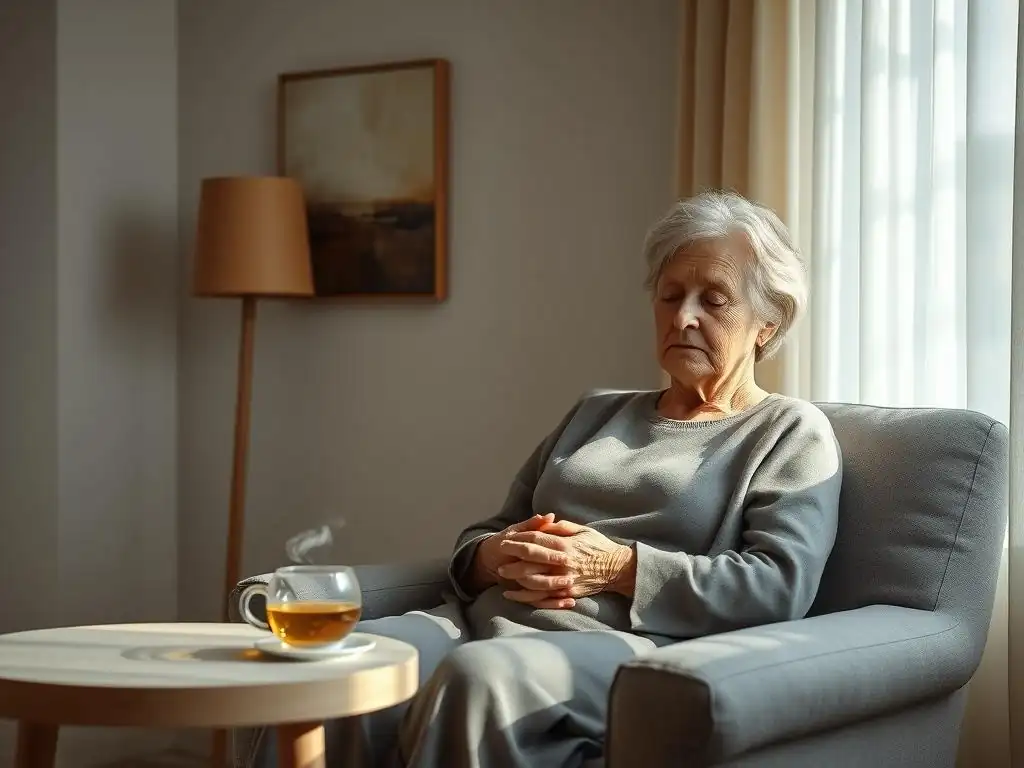
Persistent Fatigue and Low Energy Levels: More Than Just Aging
One of the most common physical manifestations of depression in older adults is persistent fatigue and a profound lack of energy. While some decrease in stamina might be expected with age or existing health conditions, depression-related fatigue is typically disproportionate and debilitating. Seniors experiencing this symptom often report feeling constantly drained, even after resting, and may find simple daily tasks like getting dressed or preparing a meal overwhelmingly difficult.
This fatigue is not merely tiredness; it's a pervasive lack of vital energy that impacts motivation and the ability to engage in activities. It can lead to social withdrawal, neglect of personal hygiene, and reduced participation in hobbies or social events. Studies indicate that fatigue is reported by over 70% of older adults diagnosed with depression, making it a critical physical symptom to investigate when assessing potential depression symptoms in older adults.
Unexplained Aches and Pains: The Link Between Depression and Pain
Older adults with depression often experience an increase in unexplained physical aches and pains that do not respond well to standard pain treatments. These can include headaches, back pain, joint pain, or generalized body discomfort. The link between depression and pain is complex; depression can lower the pain threshold, making existing pain conditions feel worse, and chronic pain itself is a significant risk factor for developing depression.
For many seniors, these physical complaints are the only symptoms they report, leading to multiple medical evaluations that fail to identify a physical cause. Recognizing that persistent, unexplained pain could be a somatic symptom of depression is vital. Research suggests that individuals with both chronic pain and depression report higher pain intensity and greater functional impairment than those with pain alone, emphasizing the need to screen for depression symptoms in older adults presenting with chronic pain.
Significant changes in appetite and body weight are well-documented physical symptoms of depression across all age groups, and this holds true for older adults. Depression can lead to a loss of interest in food, resulting in decreased appetite and unintended weight loss. Conversely, some individuals may experience an increase in appetite, particularly for comfort foods, leading to weight gain, though this is less common in older adults with depression.
A noticeable change in weight—such as losing or gaining more than 5% of body weight within a month without dieting—is a significant indicator. For seniors, weight loss due to poor appetite can lead to nutritional deficiencies and exacerbate existing health problems. Monitoring appetite changes and weight fluctuations is an important part of assessing potential depression symptoms in older adults.
Sleep Disturbances: Insomnia and Oversleeping in Depressed Seniors
Sleep problems are highly prevalent among older adults with depression. The most common sleep disturbance is insomnia, characterized by difficulty falling asleep, staying asleep, or early morning awakening. Seniors with depression may spend hours awake during the night, leading to exhaustion during the day. Less commonly, some older adults with depression may experience hypersomnia, sleeping excessively but still feeling unrefreshed.
Chronic sleep deprivation significantly impacts both physical and mental health, worsening depressive symptoms and increasing the risk of other health issues. Addressing sleep disturbances is a key component of treating depression in this population. Caregivers and healthcare providers should inquire specifically about sleep patterns when assessing for depression symptoms in older adults.
Digestive Problems: Depression's Impact on Gut Health
The gut-brain connection is increasingly understood, and depression can manifest physically through digestive issues. Older adults with depression may report symptoms like constipation, diarrhea, nausea, or abdominal cramps that lack a clear physical cause. These gastrointestinal complaints can be persistent and distressing, often leading to extensive medical workups before the possibility of depression is considered.
Stress and emotional distress directly impact gut motility and function, and chronic depression can disrupt the delicate balance of the digestive system. Recognizing that unexplained digestive problems could be somatic symptoms of depression is important for comprehensive assessment. While common in the general population, persistent or new-onset digestive issues in a senior should prompt consideration of depression symptoms in older adults.
Increased Irritability and Agitation: Physical Manifestations of Underlying Distress
While often seen as behavioral rather than purely physical, increased irritability and agitation are common expressions of internal distress in depressed older adults and can have physical correlates like muscle tension or restlessness. Instead of appearing sad or withdrawn, some seniors with depression may become easily frustrated, restless, or even hostile. They might pace, wring their hands, or display verbal outbursts that are out of character.
This agitation can be physically exhausting and difficult for caregivers to manage. It represents an inability to tolerate discomfort or frustration, often stemming from the underlying emotional pain of depression. Recognizing irritability and agitation as potential depression symptoms in older adults, rather than simply "grumpiness" or dementia-related behavior, is crucial for proper diagnosis.
The Interplay Between Physical Health Conditions and Depression in Seniors
Co-occurring Physical Illnesses and Depression: A Complex Relationship
Older adults frequently manage multiple chronic physical health conditions, such as cardiovascular disease, diabetes, arthritis, respiratory illnesses, and neurological disorders. The presence of these conditions significantly increases the risk of developing depression. It is estimated that the prevalence of depression is two to three times higher in older adults with chronic illnesses compared to their healthy peers. This complex relationship is bidirectional: physical illness can trigger depression, and depression can worsen the course and outcome of physical illness.
Managing the symptoms, limitations, and life changes associated with chronic illness can be emotionally taxing, contributing to the onset of depression. Conversely, depression can impact an individual's ability to manage their physical health effectively, leading to poorer adherence to medication regimens, reduced engagement in physical therapy, and unhealthy lifestyle choices. This makes identifying depression symptoms in older adults with co-occurring physical illnesses particularly challenging but also critically important for overall health management.
How Chronic Pain Can Exacerbate Depression Symptoms
Chronic pain is a pervasive issue among older adults and shares a significant overlap with depression. Living with persistent, debilitating pain can lead to reduced mobility, loss of independence, social isolation, and sleep disturbances—all factors that contribute to the development or worsening of depression. The constant physical discomfort and limitations imposed by chronic pain create a fertile ground for feelings of hopelessness, frustration, and despair, which are central to depression.
Furthermore, the neurobiological pathways involved in pain processing and mood regulation are interconnected. Chronic pain can alter brain chemistry in ways that mirror changes seen in depression. Treating only the pain without addressing the co-occurring depression, or vice versa, is often less effective. A comprehensive approach that targets both the physical pain and the depression symptoms in older adults is essential for improving outcomes and quality of life.
The Impact of Medication on Depression and Physical Well-being
Older adults often take multiple medications to manage their various health conditions, a situation known as polypharmacy. While necessary for physical health, these medications can sometimes contribute to or mimic symptoms of depression. Certain drugs, including some for blood pressure, pain, or neurological conditions, can have side effects like fatigue, lethargy, changes in appetite, or mood disturbances that overlap with depression symptoms in older adults.
Moreover, drug interactions between multiple medications can also impact mood and energy levels. It is crucial for healthcare providers assessing potential depression in seniors to conduct a thorough review of all medications the individual is taking. Adjusting dosages, switching medications, or simplifying complex drug regimens can sometimes alleviate symptoms that were initially attributed solely to depression, highlighting the importance of a holistic medical evaluation.
Diagnosing Depression in Older Adults: Overcoming Challenges
The Role of Physical Exams in Identifying Underlying Health Issues
Given the frequent overlap between physical health and depression in older adults, a comprehensive physical examination is a crucial first step in the diagnostic process. A thorough physical exam helps rule out medical conditions that might be causing or contributing to the symptoms. For example, thyroid problems, vitamin deficiencies (like B12), anemia, or side effects from medications can all mimic depression symptoms in older adults such as fatigue, changes in appetite, and low energy.
During the physical exam, the doctor can also assess for signs of chronic illnesses that are commonly associated with depression, such as heart disease or neurological conditions. Addressing these underlying physical health issues is often necessary for effective treatment of depression. This initial medical evaluation ensures that physical causes are identified and managed, preventing misdiagnosis of a medical problem as purely psychiatric.
Mental Health Assessments for Seniors: What to Expect
Following a physical evaluation, a mental health assessment is necessary to diagnose depression. This typically involves a detailed interview with the individual, and often with family members or caregivers, to gather information about symptoms, their duration, severity, and impact on daily life. Standardized screening tools specifically validated for older adults, such as the Geriatric Depression Scale (GDS), are frequently used to help identify potential depression symptoms in older adults.
The assessment will cover emotional state, changes in mood, interest in activities, sleep patterns, appetite, energy levels, concentration, feelings of guilt or worthlessness, and suicidal thoughts. It also explores the individual's medical history, medication use, social support, and recent life events. This comprehensive approach helps differentiate depression from other conditions with similar presentations, such as dementia or grief.
Distinguishing between depression symptoms in older adults and normal age-related physical decline or symptoms of other medical conditions is one of the most significant diagnostic challenges. For instance, reduced energy or physical limitations might be attributed to aging or arthritis, when they are exacerbated or primarily caused by depression. Similarly, changes in sleep or appetite might be seen as part of getting older.
Healthcare professionals use specific criteria, such as those outlined in the Diagnostic and Statistical Manual of Mental Disorders (DSM-5), to make a diagnosis. Key differentiators include the persistence and severity of symptoms, whether they represent a change from the individual's usual state, and whether they cause significant distress or impairment in social, occupational, or other important areas of functioning. While some decline is normal with age, the constellation of symptoms in depression typically goes beyond expected changes and significantly impacts quality of life.
Treatment Options for Depression in Older Adults: Addressing Physical and Emotional Needs

Antidepressant Medications: Considerations for Seniors
Antidepressant medications are a common and effective treatment for depression in older adults, but their use requires careful consideration. Due to age-related changes in metabolism and kidney function, seniors may process medications differently than younger adults, increasing the risk of side effects and drug interactions. Healthcare providers typically start with lower doses, often half the standard adult starting dose, and increase gradually while monitoring closely.
Selective serotonin reuptake inhibitors (SSRIs) are often the first choice due to a generally favorable side effect profile, though potential interactions with other medications must be evaluated. Tricyclic antidepressants (TCAs) and monoamine oxidase inhibitors (MAOIs) are used less frequently in older adults due to higher risk of side effects like dizziness, constipation, and cardiac issues. The choice of medication depends on the individual's specific symptoms, other health conditions, and current medications.
Psychotherapy and Counseling: Addressing the Root Causes of Depression
Psychotherapy, or talk therapy, is a highly effective treatment option for depression in older adults, either alone for mild to moderate depression or in combination with medication for more severe cases. Therapies such as Cognitive Behavioral Therapy (CBT), Interpersonal Therapy (IPT), and Problem-Solving Therapy (PST) have demonstrated efficacy in this population. CBT helps individuals identify and change negative thought patterns and behaviors contributing to depression.
IPT focuses on improving interpersonal relationships and social support, which can be particularly helpful for seniors dealing with loneliness or loss. PST equips individuals with skills to effectively cope with life stressors. Therapy provides a safe space for older adults to process feelings, develop coping strategies, and address underlying issues contributing to their depression symptoms in older adults. Studies show that psychotherapy can reduce relapse rates by up to 50% over the long term.
Physical Activity and Exercise: Boosting Mood and Physical Health
Regular physical activity is a powerful intervention for both the physical and emotional symptoms of depression in older adults. Exercise releases endorphins, which have mood-boosting effects, and can also improve sleep, energy levels, and appetite—addressing some of the key physical depression symptoms in older adults. Even moderate activity, like walking for 30 minutes a day, several times a week, can have a significant positive impact.
Encouraging seniors to engage in activities they enjoy, such as walking, swimming, gardening, or gentle exercise classes, can improve mood, reduce anxiety, and enhance overall physical well-being. Physical activity also provides opportunities for social interaction if done in a group setting, combating potential isolation. Healthcare providers should recommend tailored exercise plans, considering the individual's physical limitations and health conditions.
Beyond formal treatments, several lifestyle changes can significantly help manage depression symptoms in older adults. Improving sleep hygiene is crucial, as sleep disturbances are both a symptom and a contributor to depression. This involves establishing a regular sleep schedule, creating a relaxing bedtime routine, and ensuring the sleep environment is dark and quiet.
A balanced and nutritious diet supports overall health and can influence mood. Ensuring adequate intake of vitamins and minerals is important, especially given that depression can affect appetite. Finally, maintaining social connections and engaging in meaningful activities are vital for preventing and treating depression. Encouraging participation in social clubs, volunteer work, hobbies, or spending time with family and friends helps combat loneliness and provides a sense of purpose.
Supporting Older Adults with Depression: A Caregiver's Guide
Recognizing the Signs of Depression in Loved Ones
Caregivers play a critical role in identifying potential depression symptoms in older adults. Being aware of the less obvious signs, especially the physical ones discussed previously, is essential. Look for persistent changes in behavior, mood, or physical complaints that seem out of character or disproportionate to known medical conditions. This includes prolonged fatigue, unexplained aches, significant changes in eating habits or weight, sleep problems, increased irritability, or withdrawal from social activities.
Do not dismiss complaints as simply "getting old" or attribute everything to existing illnesses. Pay attention to subtle cues and trust your instincts if something feels off. Keeping a log of observed changes can be helpful when discussing concerns with a healthcare professional.
Encouraging Seniors to Seek Help and Treatment
Encouraging an older adult to seek help for depression requires patience, empathy, and understanding. Start by expressing your concern gently and non-judgmentally. Validate their feelings and acknowledge that what they are experiencing is difficult. Frame the conversation around getting help for the specific symptoms they are reporting, whether it's fatigue, pain, or difficulty sleeping, rather than immediately focusing on "depression" if that term carries stigma for them.
Offer practical assistance, such as helping them make an appointment, arranging transportation, or accompanying them to doctor's visits. Reassure them that depression is a treatable medical condition and that seeking help is a sign of strength, not weakness. Share information about treatment options in an accessible way, emphasizing that effective help is available to alleviate their depression symptoms in older adults.
Creating a Supportive and Understanding Environment
A supportive home environment is crucial for older adults recovering from depression. This involves creating a space where they feel safe, understood, and valued. Be patient and empathetic, recognizing that recovery takes time and may have setbacks. Encourage them gently to engage in activities they once enjoyed, but avoid pressuring them excessively.
Help maintain routines for sleep, meals, and activities, as structure can be beneficial. Celebrate small victories and acknowledge their efforts. Ensure they are taking medications as prescribed and attending therapy appointments. Your understanding and consistent support can make a significant difference in their journey towards recovery from depression symptoms in older adults.
Support Groups and Resources for Caregivers
Caring for an older adult with depression can be challenging and emotionally demanding. Caregivers need support too. Connecting with other caregivers through support groups can provide valuable emotional support, practical advice, and shared experiences. Organizations focused on mental health or aging often offer caregiver support programs.
Additionally, familiarize yourself with local and national resources for mental health in older adults. These resources can provide information about depression, treatment options, support services, and respite care. Taking care of your own well-being is also essential to avoid burnout and maintain your capacity to provide support.
Preventing Depression in Older Adults: Promoting Mental and Physical Wellness
Maintaining strong social connections is one of the most protective factors against depression in later life. Loneliness and social isolation are significant risk factors for depression symptoms in older adults. Encouraging seniors to stay connected with family and friends, participate in social activities, join clubs, or volunteer can provide a sense of belonging, purpose, and support.
Opportunities for meaningful social interaction counter feelings of isolation and provide emotional resilience. Facilitating access to transportation or technology (like video calls) can help bridge geographical distances and maintain connections. Prioritizing social engagement is a proactive step in preventing depression.
Maintaining a Healthy Lifestyle: Diet, Exercise, and Sleep
Promoting a healthy lifestyle encompassing balanced nutrition, regular physical activity, and adequate sleep is fundamental to both physical and mental wellness in older adults. A diet rich in fruits, vegetables, lean protein, and whole grains provides the necessary nutrients for brain health. Regular exercise, even moderate activity, has proven mood-boosting effects and helps manage stress.
Ensuring consistent, quality sleep is vital, as chronic sleep disturbances are strongly linked to depression. Encouraging healthy sleep habits, along with managing any underlying sleep disorders, can help prevent the onset or recurrence of depression symptoms in older adults.
Regular Check-ups and Mental Health Screenings
Regular medical check-ups are essential for monitoring physical health and identifying potential issues that could contribute to depression. These appointments also provide opportunities for healthcare providers to screen for depression. Many primary care physicians now routinely screen older patients for depression using validated questionnaires.
Encouraging open communication with healthcare providers about any physical or emotional changes is crucial. Seniors and their caregivers should feel comfortable discussing potential depression symptoms in older adults with their doctor. Early identification through regular screenings allows for prompt intervention and better outcomes.
Conclusion: Prioritizing Mental and Physical Health in Later Life
Depression in older adults is a serious, yet treatable, condition that often manifests through physical symptoms, making it difficult to recognize. Understanding these hidden signs—from persistent fatigue and unexplained pain to changes in appetite and sleep—is the first step in ensuring seniors receive the help they need. The complex interplay between physical health, medication, and mood underscores the need for a holistic approach to diagnosis and treatment.
Prioritizing both mental and physical well-being through regular medical check-ups, mental health screenings, healthy lifestyle choices, and maintaining strong social connections is key to preventing and managing depression symptoms in older adults. With timely recognition, appropriate treatment, and compassionate support from caregivers and healthcare professionals, older adults can navigate late-life depression and live fulfilling, healthy lives.
Frequently Asked Questions
What are some common physical symptoms of depression in older adults that might be easily overlooked?
Older adults experiencing depression may exhibit physical symptoms like persistent aches and pains, digestive problems, and chronic fatigue that are often mistaken for age-related issues or other medical conditions.
Why is it important to recognize physical symptoms of depression in older adults?
Recognizing these symptoms is crucial because depression can significantly impact their quality of life and overall health. Early detection allows for timely intervention and treatment, preventing further decline.
Caregivers should be aware of changes in behavior and mood alongside physical complaints. A sudden increase in physical ailments, combined with social withdrawal or loss of interest, warrants further investigation.
What resources are available for older adults and their families seeking help for depression?
Resources include mental health professionals, geriatric psychiatrists, and community-based support groups. Websites like Mind Care Guide also offer information and links to relevant organizations.
What are the potential consequences of leaving depression in older adults untreated?
Untreated depression can lead to increased risk of suicide, cognitive decline, and a higher likelihood of developing other chronic illnesses. It also significantly impacts their social connections and overall well-being.
Final Reflection: Unmasking the Silent Suffering of Depression in Older Adults
The pervasive nature of depression in older adults, often masked by physical ailments, demands immediate attention and a shift in how we perceive aging. Ignoring the subtle yet significant physical manifestations of this debilitating illness leaves countless individuals suffering needlessly, highlighting the urgent need for increased awareness and improved diagnostic practices. This silent epidemic impacts not only the individual but also their families and communities, demanding a collective response.
The insidious way depression can mimic common age-related physical complaints underscores the critical need for compassionate and thorough medical assessments. It's easy to dismiss aches, pains, and fatigue as simply "part of getting older," but these symptoms can be powerful indicators of underlying depression. This realization has profoundly impacted my understanding of the complexities of aging and the importance of holistic care. The best way to find yourself is to lose yourself in the service of others.
– Mahatma Gandhi – This quote resonates deeply, reminding us that caring for our aging population is not just a medical responsibility, but a collective act of empathy and service.
The journey towards understanding and addressing depression in older adults is far from over. You have a crucial role to play. Take the time to observe your loved ones, listen attentively to their concerns, and encourage open conversations about mental health. Don't dismiss physical complaints without a thorough investigation. By fostering a culture of understanding and seeking professional help when needed, we can help illuminate the hidden suffering and empower older adults to live healthier, happier lives. Let's work together to ensure that no one faces the silent struggle of depression alone.
Unlock Deeper Understanding: Support Our Seniors
Thanks for taking the time to learn about the often-overlooked physical symptoms of depression in older adults. You've gained valuable insights that can make a real difference. Now, let's turn knowledge into action:
- Reach out to a senior you care about. A simple phone call or visit could mean the world. Ask how they're truly feeling, both physically and emotionally. Listen attentively without judgment.
- Share this article with family, friends, or on your social media. Spreading awareness is crucial in combating the stigma surrounding depression.
- Consider joining or starting a local support group for caregivers of seniors. Connecting with others facing similar challenges can be incredibly powerful and provide valuable resources.
What small step will you take today to help improve the well-being of a senior in your life?