
BudgetFriendly Nature: How to Access the Outdoors for Free Mental Health Support


Welcome to Mind Care Guide, your companion on the journey to mental well-being. Are you feeling overwhelmed and searching for accessible support? Imagine the healing power of nature, freely available to soothe your mind and lift your spirits. This week, we explore Free Outdoor Mental Health Support, uncovering how you can harness the therapeutic benefits of the outdoors without breaking the bank. Ready to discover simple, effective, and nature-based strategies for a brighter, more balanced you? Let's begin.
- Introduction: Nature as a Mental Health Ally
- Discovering Free Outdoor Mental Wellness Opportunities
- Nature-Based Activities for Mental Health on a Budget
- Maximizing the Benefits of Free Outdoor Mental Wellness
- Addressing Challenges to Free Outdoor Space Access
- The Enduring Impact of Nature Access on Mental Health
- Resources for Free Outdoor Mental Health Programs and Activities
- Conclusion: Harnessing Nature's Gift for Mental Wellbeing
-
Frequently Asked Questions
- What are some examples of free outdoor activities that can improve my mental health?
- How can I find local parks and green spaces that offer mental health benefits?
- What are the benefits of spending time in nature for mental health?
- What if I live in an urban area with limited access to nature?
- Are there any free outdoor mental health support groups or programs available?
- Final Reflection: Reconnecting with Nature, Recharging Our Minds
- Unlock Your Nature Escape: Free Mental Wellness Awaits!
Introduction: Nature as a Mental Health Ally
The Profound Impact of Outdoor Access on Mental Health
Spending time in natural environments has a well-documented, profound impact on mental well-being. Research consistently shows that exposure to green spaces, forests, parks, and even views of nature from a window can significantly reduce symptoms of stress, anxiety, and depression. Studies, such as those conducted by environmental psychology researchers, often highlight physiological changes like decreased cortisol levels (the stress hormone) and lower heart rates observed in individuals after spending time outdoors compared to urban settings. This isn't just about relaxation; it's about measurable biological responses that contribute to improved mood and cognitive function.
Beyond stress reduction, connecting with nature fosters a sense of calm and perspective. It can interrupt rumination, the cycle of negative thoughts that often accompanies conditions like depression. Many people report feeling more present and mindful when surrounded by natural elements, which is a core component of many therapeutic practices. Accessing nature for free mental health support leverages these inherent benefits, providing a powerful, readily available tool for self-care and emotional regulation without requiring a professional setting or significant financial investment.
Removing Financial Obstacles to Nature Exposure
One of the significant barriers to mental health support is often cost. Therapy sessions, workshops, and even some self-care resources can be expensive, making them inaccessible for many. Nature, however, offers a vast, free resource for mental rejuvenation and support. Understanding how to access the outdoors for free mental health support is crucial for democratizing well-being. This means identifying and utilizing public lands, local parks, and community spaces that require no entry fee.
By highlighting free outdoor mental health support options, we empower individuals to take proactive steps for their well-being regardless of their financial situation. This article explores various avenues for accessing nature's healing power without cost, from urban parks to vast national forests, demonstrating that effective mental wellness strategies are not solely reserved for those who can afford paid services. It's about opening the door to nature's inherent therapeutic qualities for everyone.
Discovering Free Outdoor Mental Wellness Opportunities
Exploring State Parks and Local Green Spaces for Mental Rejuvenation
State parks and local green spaces are often the most accessible avenues for free outdoor mental health support, especially for those living outside major metropolitan areas. While some state parks may have parking fees, many offer free pedestrian or bicycle entry, and numerous local parks within cities and towns are entirely free to access. These areas typically feature trails for walking or hiking, open fields for relaxation, and natural beauty that provides a vital escape from the built environment.
These public lands are maintained by state or local governments and are intended for public use, offering a consistent and reliable source of nature exposure. Checking the website for your state's park service or your city's parks and recreation department can reveal a wealth of free resources, including trail maps, picnic areas, and often, quiet spots perfect for reflection or mindful walking. Utilizing these nearby green spaces is a practical way to integrate regular nature time into your routine for ongoing mental wellness.
Leveraging National Parks and Forests for Cost-Free Nature Therapy
While some popular National Parks charge entrance fees, many National Forests and less-visited National Parks or recreation areas offer free access, particularly for day use. National Forests, managed by the U.S. Forest Service, often have extensive trail systems and dispersed camping opportunities that are free of charge. These vast natural areas provide immersive experiences in wilderness settings, offering a profound sense of solitude and connection to the natural world, which can be incredibly therapeutic.
Exploring National Forests or fee-free National Parks requires some planning, especially regarding transportation and navigation, but the mental health benefits are substantial. The scale of these landscapes can put worries into perspective and the physical activity involved in hiking or exploring contributes positively to mood. Finding cost-free outdoor mental wellness experiences in these larger areas might involve researching specific park units or forest districts that waive entrance fees or focusing on trailheads accessible without passing through a fee station.
Community Gardens and Urban Sanctuaries: Readily Available Mental Health Resources
Even in densely populated urban environments, free outdoor mental health support can be found in community gardens and small urban sanctuaries. Community gardens, while sometimes requiring a small fee for a plot, often have open areas accessible to the public for walking or simply sitting and observing. These spaces bring nature into the city, offering vibrant plant life, the presence of birds and insects, and a sense of community connection, all of which can reduce stress and improve mood.
Urban sanctuaries, such as pocket parks, publicly accessible courtyards with greenery, or waterfront promenades with natural landscaping, serve as vital refuges. They may be small, but they offer a crucial break from the urban hustle. Spending even fifteen to twenty minutes in such a space can lower stress levels and provide a moment of peace. Searching for "public gardens near me" or "free parks in [your city]" can uncover these hidden gems, demonstrating that nature's healing power is accessible even without leaving the city limits.
Nature-Based Activities for Mental Health on a Budget
Mindful Hiking and Trail Walking: Connecting with Nature's Rhythm
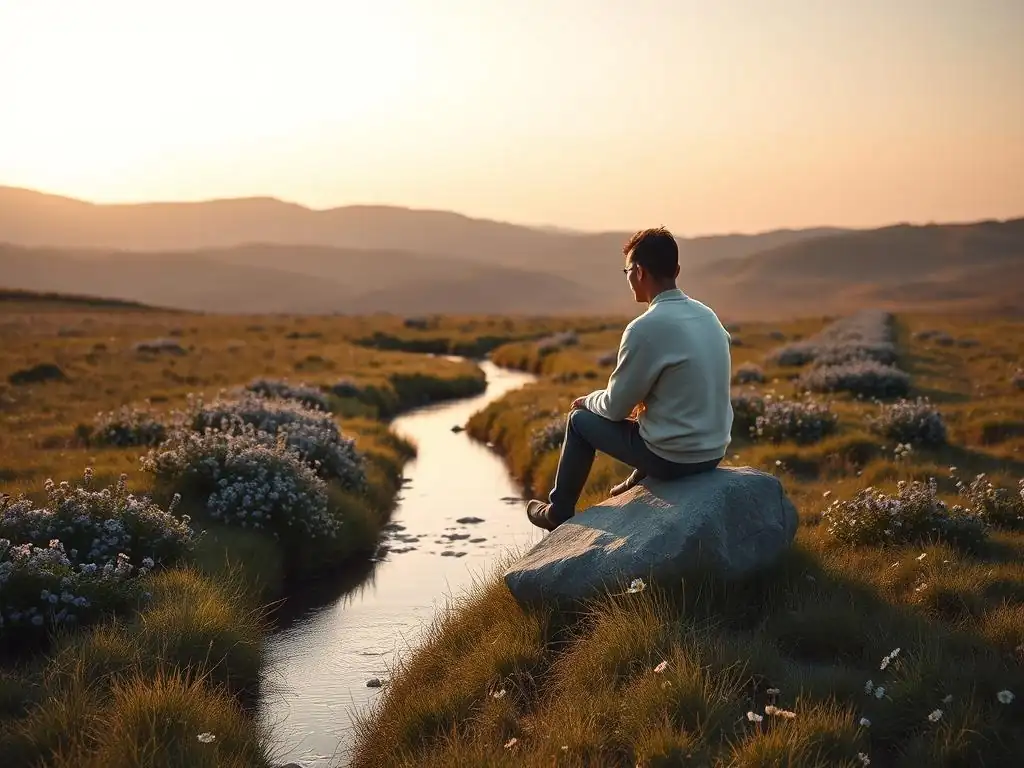
Mindful hiking and trail walking are perhaps the most accessible forms of free outdoor mental health support. It requires little more than comfortable shoes and a nearby trail. Instead of focusing solely on distance or speed, mindful walking involves engaging all your senses: noticing the scent of pine or damp earth, listening to birdsong or the rustle of leaves, observing the play of light and shadow, and feeling the texture of bark or a stone. This practice helps anchor you in the present moment, reducing anxiety about the future or regrets about the past.
Walking in nature has been shown to decrease activity in the subgenual prefrontal cortex, a brain region linked to negative rumination. A 2015 study published in PNAS found that participants who walked for 90 minutes in a natural environment reported lower levels of rumination and showed reduced neural activity in this area compared to those who walked in an urban setting. This simple, free activity offers a powerful way to quiet the mind and connect with nature's calming rhythm.
Nature Journaling and Sketching: Creative Expression for Stress Reduction
Combining time outdoors with creative expression like nature journaling or sketching offers another layer of free outdoor mental health support. You don't need to be an artist; the goal is observation and reflection. Bringing a simple notebook and pen or pencil allows you to record observations about the natural world – the shape of a leaf, the colors of a sunset, the behavior of a squirrel – and connect them to your internal landscape.
This practice encourages close attention to detail, shifting focus away from stressors. Writing down thoughts and feelings inspired by nature can also be a form of emotional processing. Studies on expressive writing suggest it can reduce psychological distress. Nature journaling provides a gentle, non-judgmental space for this, using the calming environment of the outdoors as a backdrop. It's a cost-free way to engage both your creative and reflective capacities for mental well-being.
Forest Immersion: A Free Mindfulness Practice in Natural Settings
Forest immersion, also known as Shinrin-yoku or "forest bathing," is a practice originating in Japan that involves spending time in a forest environment, consciously engaging your senses. It's not about hiking quickly, but rather about slow, deliberate presence among the trees. This is an inherently free outdoor mental health support activity, requiring only access to a wooded area. The practice involves breathing deeply, touching the leaves or bark, observing the intricate details of the forest floor, and simply being present.
Research has indicated that forest environments can lower blood pressure, reduce stress hormones, and improve immune function. This is partly attributed to inhaling phytoncides, airborne chemicals emitted by trees. While organized forest bathing sessions might cost money, the core practice of slow, mindful wandering in a forest is entirely free. It's a powerful way to ground yourself, reduce anxiety, and experience the restorative power of nature firsthand.
Outdoor Meditation and Breathwork: Cultivating Mental Clarity in Nature
Meditation and breathwork are ancient practices known for their mental health benefits, and doing them outdoors amplifies their effects, providing free outdoor mental health support. Finding a quiet spot in a park, by a stream, or under a tree offers a peaceful setting free from the distractions of indoor environments. The natural sounds – wind in the leaves, flowing water, birdsong – can serve as gentle anchors for your attention during meditation.
Practicing deep breathing exercises (breathwork) in fresh air can increase oxygen flow, calm the nervous system, and reduce feelings of panic or anxiety. Simply sitting quietly, focusing on your breath, and allowing yourself to be present in the natural environment for 10-20 minutes can significantly improve mood and mental clarity. This combination of proven mindfulness techniques with the inherent tranquility of nature is a highly effective and completely free strategy for mental wellness.
Maximizing the Benefits of Free Outdoor Mental Wellness
Establishing a Consistent Nature Routine for Sustained Mental Wellbeing
To truly benefit from free outdoor mental health support, consistency is key. Just like any other form of self-care, occasional exposure is good, but regular engagement yields deeper, more lasting results. Aiming for short, frequent bursts of nature time – perhaps a 15-minute walk in a local park during lunch break, or sitting outside for your morning coffee – can be more effective than infrequent, long trips.
Consider scheduling nature time like you would any other important appointment. It could be a walk around the block with trees visible, spending time in a backyard garden, or visiting a nearby green space several times a week. This regularity helps integrate nature's calming effects into your daily life, building resilience and providing ongoing support for your mental wellness journey.
Connecting with Nature: Group Hikes and Outdoor Activities
While solo time in nature is invaluable, connecting with others in an outdoor setting can provide additional layers of free outdoor mental health support. Many local hiking groups, nature clubs, or conservation organizations offer free guided walks or volunteer opportunities. These activities combine the benefits of nature exposure with social connection, which is another crucial factor for mental well-being.
Participating in group activities can combat feelings of isolation and provide a sense of belonging. Look for community bulletin boards, local library listings, or online groups focused on hiking, birdwatching, or nature appreciation in your area. These often host free events that allow you to explore new places and connect with like-minded individuals who also appreciate the power of the outdoors for mental health.
Cultivating Gratitude in Nature: Amplifying Positive Emotions
Nature offers countless opportunities to practice gratitude, a simple yet powerful exercise for boosting mental health. While spending time outdoors, take a moment to consciously appreciate the beauty around you: the intricate pattern of a spiderweb, the vibrant color of a flower, the strength of an ancient tree, the feeling of sun or rain on your skin. Actively noticing and being grateful for these elements shifts your focus towards the positive.
This practice can be integrated into any free outdoor mental health support activity, whether it's a walk, a quiet sit, or journaling. Keeping a mental or written list of things you are grateful for in nature can enhance feelings of contentment and reduce negative thought patterns. It's a simple, free technique that amplifies the positive emotional impact of being outdoors.
Addressing Challenges to Free Outdoor Space Access
One of the primary challenges in accessing free outdoor mental health support, especially for those in urban areas or without personal vehicles, is transportation. While local parks are often within walking distance, reaching larger state or national parks might require travel. Public transportation options to parks exist in some regions; research bus or train routes that go near park entrances or trailheads.
Alternatively, consider carpooling with friends or family who also wish to spend time outdoors. Many communities have ride-sharing groups focused on outdoor activities. While not always entirely free (gas costs), sharing rides significantly reduces the individual financial burden. Exploring parks accessible by bike is another option for those who enjoy cycling. Planning ahead and researching transit options can help overcome this barrier.
Prioritizing Safety During Solo Outdoor Pursuits
Safety is a critical consideration when accessing free outdoor mental health support alone. While solitude in nature can be healing, being unprepared can create anxiety. Before heading out, research the area: check trail conditions, weather forecasts, and typical wildlife. Inform a friend or family member of your plans, including where you are going and when you expect to return.
Carry essentials like water, a fully charged phone, and perhaps a basic first-aid kit, even for short trips. Stick to marked trails, especially in unfamiliar areas. Being prepared doesn't detract from the experience; it ensures that your time in nature is restorative and safe, allowing you to fully relax and benefit from the free mental health support it offers.
Adapting to Weather and Environmental Conditions
Nature is subject to changing weather and environmental conditions, which can pose challenges to accessing free outdoor mental health support. Extreme heat, cold, rain, snow, or even poor air quality can make spending time outdoors uncomfortable or unsafe. However, with adaptation, nature can still be accessed.
This might mean choosing different types of outdoor spaces depending on the weather – a covered pavilion in a park during light rain, a forest trail for shade on a hot day, or focusing on visual access from a warm, dry indoor space during severe weather. Dressing appropriately in layers is key for comfort in varying temperatures. Being flexible with your plans and having alternative nearby spots in mind allows you to consistently access nature's benefits regardless of the forecast.
The Enduring Impact of Nature Access on Mental Health
Cultivating Resilience and Alleviating Stress Through Nature
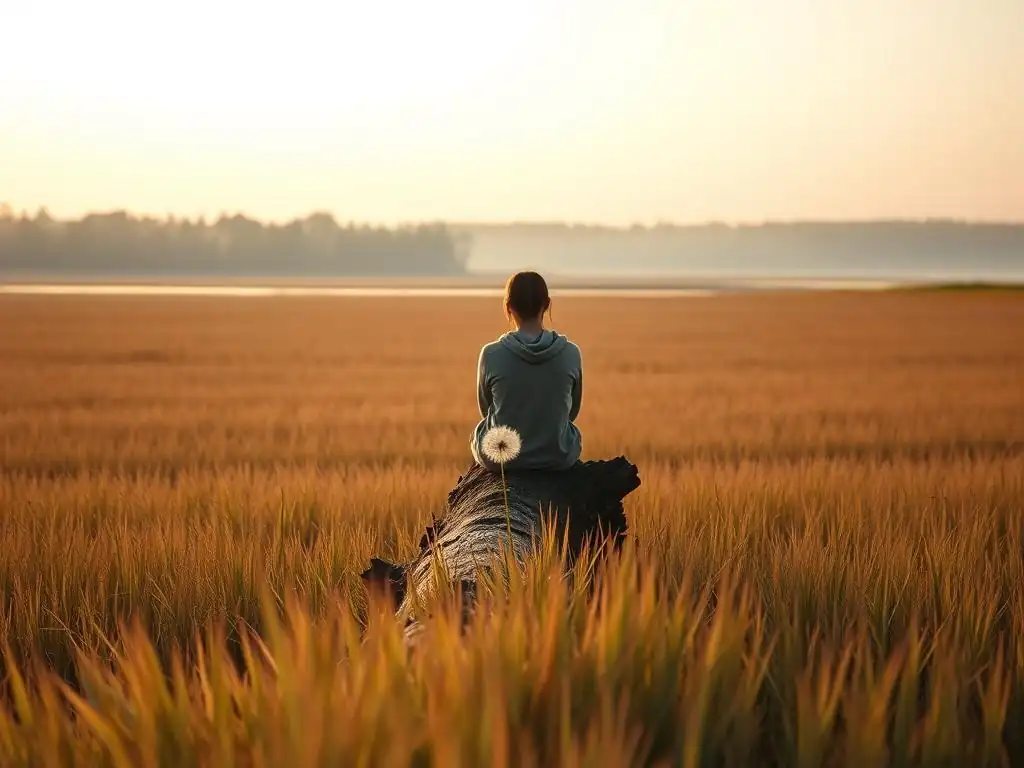
Regular access to nature, particularly free outdoor mental health support, plays a significant role in building psychological resilience. Resilience is the ability to bounce back from adversity, and exposure to nature seems to enhance this capacity. By providing a consistent source of calm and perspective, nature helps individuals manage stress more effectively and develop coping mechanisms.
The gentle challenges presented by being outdoors – navigating uneven terrain, adapting to weather, or simply being present without constant stimulation – can build confidence and a sense of capability. Over time, this repeated positive interaction with the natural world strengthens one's mental fortitude, making it easier to face life's challenges with greater equanimity.
Deepening Connection with the Natural World
Spending time outdoors fosters a deeper connection with the natural world, which has inherent mental health benefits. Recognizing our place within a larger ecosystem can reduce feelings of isolation and promote a sense of interconnectedness. This connection can inspire awe and wonder, emotions that have been linked to increased well-being and a reduction in self-focused thinking.
Engaging with nature through free outdoor mental health support activities encourages environmental stewardship. As people connect more deeply with local parks, forests, or even urban trees, they are more likely to care for and protect these vital green spaces. This sense of purpose and contribution can further enhance mental wellness, creating a positive feedback loop between personal well-being and environmental health.
Maintaining Mental Wellness Through Accessible Outdoor Activities
The beauty of free outdoor mental health support is its sustainability and accessibility. Unlike therapeutic interventions that may be time-limited or costly, nature is a perpetual resource. By incorporating accessible outdoor activities into a regular routine, individuals create a sustainable foundation for maintaining mental wellness over the long term.
Whether it's a daily walk in a park, weekly mindful moments by a lake, or regular visits to a nearby forest, these cost-free practices provide ongoing opportunities for stress reduction, emotional regulation, and positive engagement. Relying on nature as a form of free mental health support empowers individuals to take charge of their well-being using a resource that is readily available and inherently therapeutic.
Resources for Free Outdoor Mental Health Programs and Activities
State Park Websites and Local Conservation Organizations
State park websites are invaluable resources for finding free outdoor mental health support opportunities. They typically list all parks within the state, noting which have entrance fees and which offer free access or free pedestrian/bike entry. They also provide detailed trail maps, information on park amenities, and often, schedules for free guided nature walks or educational programs.
Local conservation organizations and land trusts often manage nature preserves that are free and open to the public. Their websites or local offices can provide information on these hidden gems, trail networks, and sometimes host free events like birdwatching walks or nature clean-up days, which combine community engagement with time outdoors.
Trail Maps and Outdoor Recreation Guides
Finding specific locations for free outdoor mental health support is made easier with trail maps and outdoor recreation guides. Websites and apps like AllTrails (which has free versions), local government parks departments, and non-profit hiking organizations often provide downloadable or printable maps of trail systems in parks and natural areas.
These resources detail trail lengths, difficulty levels, and access points, helping you plan your outdoor time effectively. Checking your local library for hiking guidebooks or contacting local outdoor retailers (even if you're not buying gear) can also yield valuable information on nearby free access points and trails suitable for various activity levels.
Conclusion: Harnessing Nature's Gift for Mental Wellbeing
Accessing free outdoor mental health support is a powerful, accessible, and sustainable strategy for enhancing mental well-being. From the smallest city park to vast national forests, nature offers a diverse range of environments that can lower stress, reduce anxiety, and improve mood without requiring financial resources. By utilizing public lands, engaging in simple nature-based activities like mindful walking or journaling, and establishing a consistent routine, individuals can harness nature's inherent healing power.
While challenges like transportation or weather exist, they can often be overcome with planning and adaptation. Embracing nature as a form of cost-free outdoor mental wellness is not just a temporary fix, but a pathway to cultivating resilience, deepening connection, and maintaining mental health for the long term. Nature is a generous ally in the journey towards well-being, available to everyone, everywhere.
Frequently Asked Questions
What are some examples of free outdoor activities that can improve my mental health?
Hiking, mindful walking, gardening in a community garden, and spending time in local parks are all free ways to connect with nature and boost your mental well-being. These activities promote stress reduction and improved mood.
How can I find local parks and green spaces that offer mental health benefits?
Check your city or county's website for a list of parks and trails. Many also offer free programs like guided nature walks or outdoor yoga. Online maps can also help you discover hidden gems.
What are the benefits of spending time in nature for mental health?
Nature has been shown to reduce stress hormones, improve mood, increase focus, and promote a sense of calm. Exposure to sunlight also helps regulate your circadian rhythm and boost vitamin D levels.
What if I live in an urban area with limited access to nature?
Look for small pockets of green space like community gardens, rooftop gardens, or even a single tree in a park. Even a short walk around your block can offer some mental health benefits.
Are there any free outdoor mental health support groups or programs available?
Some organizations offer free nature-based therapy sessions or support groups in parks. Check with local mental health agencies or community centers to see what free resources are available in your area.
Final Reflection: Reconnecting with Nature, Recharging Our Minds
The urgent need for accessible mental health support is undeniable, and the simple act of spending time in nature offers a powerful, often overlooked, solution. This article has explored the myriad ways we can access the restorative power of the outdoors without breaking the bank, highlighting the crucial link between environmental well-being and mental well-being. The benefits are clear: reduced stress, improved mood, and a renewed sense of connection to something larger than ourselves.
The impact of nature on our mental health is profound and far-reaching, shaping our individual experiences and influencing societal attitudes towards well-being. We've seen how easily accessible nature is, even in urban environments, and how this accessibility can democratize mental health support. This resonates deeply with me, as I've personally experienced the transformative power of a simple walk in the park. In every walk with nature, one receives far more than he seeks.
- John Muir. This quote perfectly encapsulates the unexpected gifts nature provides, gifts that are often far more valuable than any monetary investment.
Now, I invite you to consider your own relationship with the natural world. What small steps can you take today to incorporate more nature into your life? Perhaps it's a daily walk during your lunch break, a weekend hike in a nearby park, or simply sitting quietly to observe the beauty around you. Remember, the most impactful changes often begin with the smallest actions. Embrace the budget-friendly, readily available resource of nature, and discover the profound impact it can have on your mental and emotional well-being. Let's collectively prioritize and protect this invaluable, free resource for generations to come.
Unlock Your Nature Escape: Free Mental Wellness Awaits!
Thanks for taking the time to explore the power of nature for your mental well-being! We hope you discovered new ways to connect with the outdoors without breaking the bank. Now, it's time to put your newfound knowledge into action.
- Plan your first free nature adventure: Identify a local park, trail, or green space near you and schedule a visit this week. Even 30 minutes can make a difference!
- Share your experience: Tell us about your favorite free outdoor spot – inspire others to connect with nature, too!
- Challenge a friend to join you: Double the fun (and the mental health benefits!) by bringing along a friend or family member for your next nature escape.
Ready to experience the transformative power of free, accessible nature? What's your first step towards a more nature-rich and mentally fulfilling life?