
Social Hurdles: Helping Your Child with Mental Health Issues Connect with Peers

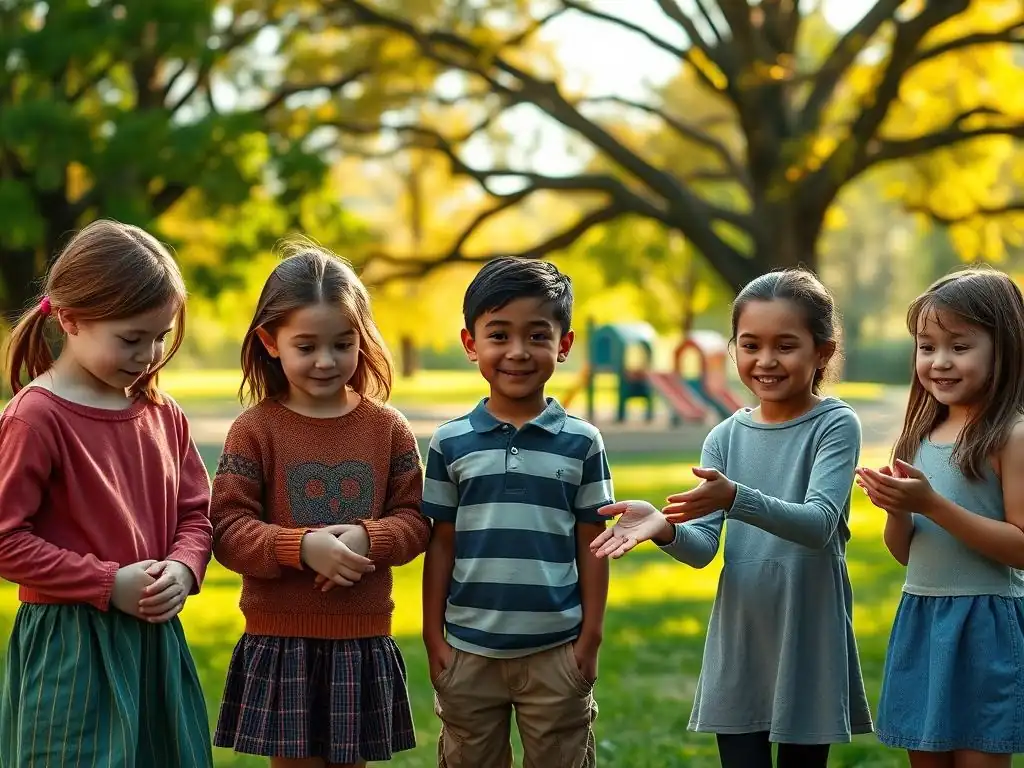
Welcome to Mind Care Guide, a safe space to navigate the complexities of mental well-being.
We understand that seeing your child struggle to connect with peers can be heartbreaking. Is your child facing social hurdles impacting their mental health? In this article, we'll delve into Child Peer Connection Mental Health, offering insights and practical strategies to help you support your child in building meaningful relationships and fostering a stronger sense of belonging. Let's explore how we can work together to nurture your child's social and emotional well-being...
- Social Connections: Supporting Children with Mental Health Challenges - Mind Care Guide
- Addressing Mental Health Challenges and Peer Connections
- Strategies to Foster Peer Connection
- Working with Professionals
- Addressing Bullying and Social Exclusion
- Building Resilience and Self-Esteem
- Long-Term Strategies for Social Well-being
- Resources for Parents
-
Frequently Asked Questions
- How does a child's ability to connect with peers impact their mental health?
- What are some common signs that a child is struggling to connect with peers and may need help?
- What role do parents play in fostering healthy peer connections for their children?
- What are some practical strategies parents can use to help their child overcome social hurdles and build stronger peer relationships?
- When should parents seek professional help for their child's social difficulties and potential mental health concerns related to peer connections?
- Final Reflection: Bridging the Gap: Fostering Connection for Children's Mental Wellbeing
- Unlock Your Child's Social Potential
Mental health conditions can significantly impact a child's ability to form and maintain healthy peer relationships. For a child struggling with anxiety, the simple act of joining a group at recess can feel overwhelming, leading to avoidance. A study published in the Journal of Abnormal Child Psychology indicated that children with internalizing disorders, such as anxiety and depression, are often perceived as less socially competent by their peers and are at higher risk of peer rejection.
This difficulty with social interaction isn't just about shyness; it stems from the core symptoms of their condition, making it harder to understand social cues, regulate emotions in group settings, or initiate conversations. Consequently, this can hinder a child peer connection mental health journey, creating a cycle where social difficulties exacerbate mental health symptoms, and vice versa.
Furthermore, externalizing disorders like ADHD can also create significant hurdles in peer relationships. Children with ADHD might interrupt frequently, struggle with impulse control, or have difficulty focusing on social interactions, leading to misunderstandings and frustration among peers. Research suggests that up to 50% of children with ADHD experience significant peer problems, including being actively disliked or neglected.
This lack of positive child peer connection mental health support can deprive them of crucial opportunities to learn social norms, develop empathy, and build a sense of belonging, all of which are vital for healthy emotional and psychological development. Addressing these underlying mental health challenges is paramount to fostering successful social connections for children.
Recognizing that a child's social difficulties stem from a mental health condition is the first crucial step towards providing effective support for their child peer connection mental health. Common conditions that significantly affect social interaction include anxiety disorders (like social anxiety or generalized anxiety), depressive disorders, Attention-Deficit/Hyperactivity Disorder (ADHD), and Autism Spectrum Disorder (ASD).
Each of these presents unique challenges to social engagement. For example, a child with social anxiety might physically withdraw from group activities, while a child with ADHD might struggle with the reciprocity of conversation, talking excessively about their own interests without noticing others' lack of engagement.
Observing patterns in a child's behavior within social contexts is key. Does the child consistently avoid situations involving peers? Do they struggle to understand jokes or sarcasm? Are they often involved in conflicts due to impulsivity or difficulty sharing? Are they frequently sad or withdrawn when peers are around? These observations, coupled with changes in mood, behavior, or academic performance, can signal an underlying mental health issue impacting their ability to form a healthy child peer connection mental health network. Consulting with a pediatrician or mental health professional is essential for accurate diagnosis and tailored support strategies.
Social isolation in children with mental health issues can manifest in various ways, extending beyond simply being alone sometimes. It often involves a lack of meaningful connections or a feeling of being excluded or misunderstood by peers. Signs might include spending excessive time alone, both in structured settings like school recess and during unstructured free time.
A child might express feelings of loneliness, sadness, or frustration regarding peer interactions, or they might stop talking about friends or social activities altogether. Physical symptoms like headaches or stomachaches that appear before social events can also be indicators of anxiety related to peer interaction.
Furthermore, changes in behavior or mood at home or school can signal social struggles. A child might become more withdrawn, irritable, or defiant if they are facing difficulties connecting with peers.
They might show a sudden disinterest in activities they once enjoyed, especially if those activities involved group participation. While some solitude is normal, persistent avoidance of social situations, lack of invitations from peers, or consistent negative experiences during social interactions are strong indicators that a child may be experiencing social isolation related to their mental health challenges and needs support to build a positive child peer connection mental health experience.
Addressing Mental Health Challenges and Peer Connections
Anxiety disorders are among the most significant barriers to a child's ability to form peer connections. Social anxiety, specifically, can make initiating conversations, joining games, or speaking in front of peers feel terrifying, leading to avoidance behaviors. A child might actively steer clear of birthday parties, group projects, or even the lunchroom, missing out on critical opportunities for social learning and connection. This avoidance, while temporarily reducing anxiety, reinforces the fear and prevents the child from discovering that social situations are often manageable and even enjoyable.
Supporting a child with anxiety in building social connections often involves a gradual, exposure-based approach, often guided by a therapist. This might start with small, low-pressure social interactions, like playing one-on-one with a trusted friend, before progressing to larger groups. Teaching coping mechanisms for anxiety, such as deep breathing or positive self-talk, can empower the child to manage anxious feelings in the moment. The goal is to help the child tolerate the discomfort of social situations long enough to experience positive interactions, thereby challenging their anxious beliefs and fostering a healthier child peer connection mental health outlook.
Depression in children can manifest as persistent sadness, loss of interest in activities, fatigue, and difficulty concentrating, all of which can profoundly impact their social life. A child experiencing depression may withdraw from friends, lack the energy or motivation to participate in social activities, or feel inadequate and unworthy of friendship. They might also misinterpret social cues negatively or struggle with irritability, leading to conflicts with peers. This social withdrawal can deepen feelings of isolation and loneliness, creating a vicious cycle that exacerbates the depression.
Helping a child with depression connect with peers requires patience and understanding. Encouraging participation in activities they once enjoyed, even for short periods, can be a starting point. Facilitating low-pressure social interactions, such as a quiet activity with one close friend, can be more manageable than large group settings. It's also crucial to address the underlying depression through therapy and potentially medication, as improving mood and energy levels is key to re-engaging socially. Supporting their child peer connection mental health means validating their feelings while gently encouraging steps towards reconnection.
Children with ADHD often face unique challenges in building and maintaining peer relationships due to core symptoms like impulsivity, hyperactivity, and inattention. They might struggle with turn-taking in games, interrupt conversations, have difficulty following social rules, or miss non-verbal cues. While often wanting to connect with peers, their behaviors can inadvertently lead to peer rejection or conflict. This can be incredibly frustrating for the child and impact their self-esteem and desire to engage in child peer connection mental health activities.
Strategies for supporting a child with ADHD in social situations often focus on explicitly teaching social skills and providing structure. This might involve breaking down complex social interactions into smaller steps, practicing specific skills like listening or sharing, and using positive reinforcement for successful social behaviors. Coaching the child before a social situation about what to expect and how to manage challenges, and debriefing after to discuss what went well and what was difficult, can be highly effective. Working with therapists or coaches specializing in ADHD can provide targeted support for developing these essential social competencies.
Autism Spectrum Disorder (ASD) is characterized by differences in social communication and interaction, as well as restricted or repetitive behaviors or interests. For children with ASD, understanding complex social rules, interpreting body language and tone of voice, and navigating the nuances of peer relationships can be particularly challenging. They may struggle to initiate or maintain conversations, prefer solitary play, or have intense interests that they find difficult to share in a way that resonates with peers. This can make forming a reciprocal child peer connection mental health network feel overwhelming.
Supporting a child with ASD in developing peer connections often involves explicit instruction in social skills, using visual aids, social stories, or role-playing to teach specific scenarios. Finding peers who share similar interests can be a great starting point for building connections based on common ground. Structured social groups or clubs designed for children with ASD can provide a safe and supportive environment to practice social skills.
Therapies like applied behavior analysis (ABA) or social skills groups can provide targeted support. The focus is on building understanding and skills in a way that is comfortable and effective for the individual child, respecting their unique way of interacting with the world.
Strategies to Foster Peer Connection

Creating a Supportive Home Environment
A supportive home environment is foundational for helping a child with mental health challenges build peer connections. This means creating a safe space where the child feels understood and accepted, regardless of their social difficulties. Parents can model positive social behaviors, demonstrate empathy, and openly discuss the importance of friendship and social skills in an age-appropriate way. It involves listening without judgment when the child expresses frustrations about peer interactions and validating their feelings.
Furthermore, managing the child's mental health at home is crucial. Ensuring they are following treatment plans, getting enough sleep, eating nutritious meals, and having opportunities for physical activity can all improve their capacity to engage socially. A calm and predictable home reduces stress, making the child more available emotionally and cognitively to navigate the complexities of social interactions outside the home. A strong parent-child relationship serves as a secure base from which the child can explore and take risks in building their child peer connection mental health network.
Actively seeking out and encouraging participation in social opportunities is vital, even when it feels challenging for the child. Start small and build gradually. For a child with social anxiety, this might mean arranging a short playdate with one familiar peer. For a child with ADHD, it might involve joining a structured activity group focused on a specific interest, where rules and expectations are clear.
Consider activities that align with the child's strengths and interests, as this can boost their confidence and provide natural common ground with peers. Joining a book club, a robotics team, a specific sports league, or an art class can offer low-pressure environments to interact with others who share passions. The goal isn't necessarily to have a large group of friends immediately, but to provide positive experiences of child peer connection mental health that gradually reduce anxiety and build confidence.
Explicitly teaching social skills is often necessary, especially for children whose mental health challenges interfere with their ability to learn these skills intuitively. Social skills are not innate for everyone; they are learned behaviors. This can involve breaking down skills like starting a conversation, listening actively, sharing, taking turns, handling disagreements, or understanding non-verbal cues into manageable steps.
Role-Playing Scenarios
Role-playing is a powerful tool for practicing social skills in a safe environment. Parents can act out common scenarios, such as asking someone to play, joining a group activity, or responding to teasing. This allows the child to practice different responses, understand potential outcomes, and build confidence before facing the situation in real life.
- Identify a specific social challenge the child faces.
- Choose a scenario that represents this challenge (e.g., joining a game).
- Act out the scenario with the child, taking turns playing different roles (the child, the peer).
- Discuss what felt comfortable or uncomfortable.
- Practice alternative responses.
- Repeat the scenario until the child feels more confident.
Teaching Communication Skills
Effective communication is at the heart of child peer connection mental health. This involves teaching both verbal and non-verbal skills. Verbal skills include speaking clearly, using an appropriate tone of voice, asking questions, and staying on topic. Non-verbal skills include making eye contact (to the extent comfortable for the child), understanding facial expressions, and recognizing body language.
Parents can model good communication and provide gentle coaching. For example, during a conversation, a parent might quietly prompt the child to ask a question about the other person or point out a non-verbal cue they might have missed. Using social stories or video modeling can also be effective ways to illustrate communication techniques.
Understanding Social Cues
Understanding social cues – the subtle signals people give through their tone of voice, facial expressions, body language, and context – is critical for navigating social interactions successfully. Children with certain mental health conditions, particularly ASD and sometimes ADHD, may struggle to interpret these cues accurately, leading to misunderstandings.
Teaching about social cues can involve explicitly discussing different emotions and how they look on faces, or how tone of voice changes the meaning of words. Pausing TV shows or movies to discuss what characters might be feeling based on their expressions or actions can be a helpful practice tool. Social skills groups often dedicate time to teaching and practicing the recognition and appropriate response to social cues, supporting a child peer connection mental health understanding.
Working with Professionals
The Role of Therapy
Therapy is often a cornerstone in helping children with mental health issues improve their peer connections. A therapist can provide a diagnosis, develop a treatment plan for the underlying condition (like anxiety, depression, or ADHD), and offer specific strategies for social skills development. Cognitive Behavioral Therapy (CBT), for instance, can help children identify and challenge negative thought patterns that hinder social interaction ("No one likes me," "I'll mess up").
Play therapy or group therapy can provide safe environments to practice social skills and work through social challenges. A therapist can also act as a liaison between parents and the school, helping to implement strategies that support the child's social integration in the classroom and playground. Professional guidance is invaluable in navigating the complexities of a child peer connection mental health journey.
Occupational therapists (OTs) can also play a significant role, particularly for children whose mental health or developmental differences impact their ability to process sensory information or regulate their emotions in social settings. OTs can help children develop self-regulation strategies to manage anxiety or sensory overload that might occur in busy social environments like a classroom or playground.
Furthermore, OTs can work on foundational skills that support social interaction, such as body awareness, motor planning (needed for coordinating play activities), and executive functions like planning and organization (useful in group tasks). By addressing these underlying areas, occupational therapy can indirectly but significantly support a child's capacity for positive child peer connection mental health experiences.
Connecting with Support Groups
Support groups, both for children and parents, can provide invaluable resources and a sense of community. For children, social skills groups led by professionals offer structured opportunities to practice interactions with peers who may share similar challenges. These groups provide a safe space to experiment with new behaviors and receive feedback.
For parents, connecting with other families navigating similar challenges can reduce feelings of isolation and provide a platform for sharing strategies, resources, and emotional support. Organizations focused on specific conditions (like anxiety, ADHD, or autism) often host local support groups or online forums. Hearing from others who understand the unique hurdles of supporting a child peer connection mental health journey can be incredibly empowering.
Recognizing and Responding to Bullying
Children with mental health challenges may be particularly vulnerable to bullying and social exclusion. It's vital for parents and caregivers to be vigilant in recognizing signs that a child is being bullied, which can include unexplained injuries, damaged belongings, changes in eating or sleeping habits, reluctance to go to school, or withdrawal from social activities. Bullying significantly harms a child peer connection mental health and overall well-being.
Responding requires a calm but firm approach. Assure your child that it is not their fault and that you are there to help. Gather details about what happened, who was involved, and where and when it occurred. Documenting incidents can be helpful when seeking support from the school or other authorities.
Empowering Your Child
Empowering your child involves teaching them strategies to respond to bullying and build resilience. This is not about fighting back physically, but about teaching them assertive communication skills, like saying "no," walking away, or seeking help from a trusted adult. Role-playing these responses can be helpful.
Building their confidence and self-esteem in other areas can also empower them to feel stronger and less affected by negative peer interactions. Teach them that their worth is not defined by how others treat them. Focusing on their strengths and positive qualities is essential for fostering a healthy child peer connection mental health perspective.
Seeking Help from School and Professionals
Schools have a responsibility to address bullying and create a safe environment for all students. If your child is being bullied, report it to the school administration, providing as much detail as possible. Work collaboratively with teachers, counselors, and administrators to develop a plan to ensure your child's safety and address the bullying behavior.
Involving mental health professionals is also crucial. A therapist can help your child process the emotional impact of bullying, develop coping strategies, and strengthen their resilience. They can also provide guidance on how to navigate social situations more effectively, reducing the likelihood of future victimization and supporting their child peer connection mental health.
Building Resilience and Self-Esteem
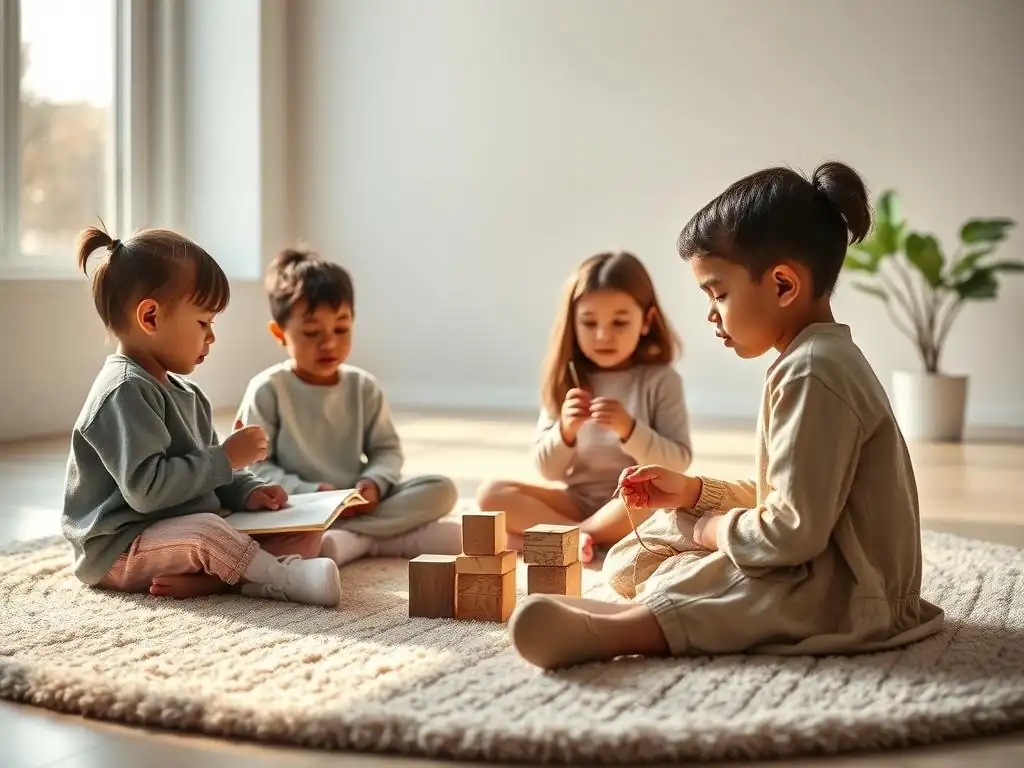
Fostering a Positive Self-Image
Building a positive self-image is fundamental to a child's ability to connect with peers. When a child feels good about themselves, they are more likely to approach social situations with confidence and are less vulnerable to negative peer feedback. This involves helping the child identify their strengths, talents, and positive qualities, independent of their social difficulties.
Parents can foster a positive self-image by providing consistent love and acceptance, offering genuine praise for effort and character (not just outcomes), and encouraging participation in activities where the child feels competent and successful. Discussing their mental health challenges in an age-appropriate way, emphasizing that it's a part of who they are but doesn't define their entire worth, is also important for their child peer connection mental health journey.
Acknowledge and celebrate all social successes, no matter how small they may seem. Did your child manage to say "hi" to a classmate? Did they participate in a group activity for five minutes longer than usual? Did they handle a difficult social situation using a new coping skill? These small steps are significant achievements on the path to improved child peer connection mental health.
Celebrating these victories reinforces positive social behaviors and motivates the child to continue trying. This could be a simple verbal affirmation, a high-five, or a special family activity. Focusing on progress rather than perfection helps the child feel encouraged and less overwhelmed by the challenges.
Encouraging Strengths and Interests
Encouraging your child to pursue their interests and develop their strengths provides valuable opportunities for positive social interaction and builds self-esteem. When a child is engaged in an activity they enjoy and are good at, they are likely to feel more confident and may naturally connect with others who share those interests.
Whether it's art, music, a specific sport, coding, or collecting, shared interests provide a natural starting point for conversation and connection. Joining clubs or groups related to these interests can be a less intimidating way for children with social challenges to interact with peers, fostering a positive child peer connection mental health experience based on common ground.
Ongoing Communication and Support
Maintaining open and ongoing communication with your child is crucial for their long-term social well-being. As children grow, their social landscapes change, and they will encounter new challenges. Creating a space where they feel comfortable talking about their friendships, difficulties, and feelings is vital.
Regularly check in with your child, asking open-ended questions about their day and how they feel about their social interactions. Continue to offer support, guidance, and validation. Let them know that navigating social relationships is a lifelong process and that you are there to help them every step of the way on their child peer connection mental health path.
Creating a Long-Term Plan
Supporting a child's peer connections when they have mental health challenges is not a short-term fix; it requires a long-term perspective. Work with professionals, the school, and your child to develop a comprehensive plan that addresses both the underlying mental health condition and the specific social skills deficits.
This plan should be reviewed and updated regularly as your child grows and their needs change. It might include ongoing therapy, participation in social skills groups, strategies for managing anxiety or other symptoms in social settings, and identifying future opportunities for social engagement, all aimed at fostering sustained child peer connection mental health.
Adapting Strategies
What works for a five-year-old's social development will differ from what works for a fifteen-year-old. Be prepared to adapt your strategies as your child matures and faces new social environments like middle school, high school, and beyond. Social dynamics become more complex in adolescence, involving different forms of communication (like social media) and peer group structures.
Stay informed about typical social development for your child's age group and be willing to adjust your approach. Continue to prioritize their mental health treatment and advocate for their social needs in different settings. The goal is to equip your child with the skills and resilience they need to build meaningful child peer connection mental health relationships throughout their life.
Resources for Parents
Books and Websites
Numerous resources are available to help parents understand and support their child's social development, particularly when mental health is a factor. Look for books on specific conditions like social anxiety in children, ADHD social skills, or understanding autism. Websites from reputable mental health organizations often provide articles, tip sheets, and guides for parents.
- The Invisible Boy by Trudy Ludwig (Picture book for discussing social isolation)
- The Social Skills Guidebook by Chris MacLeod (For older children/teens)
- Websites like Child Mind Institute or National Alliance on Mental Illness (NAMI) offer valuable information.
Organizations Providing Support
Several national and local organizations are dedicated to supporting individuals and families affected by mental health conditions. These organizations often provide information, resources, helplines, and support groups.
- NAMI (National Alliance on Mental Illness)
- CHADD (Children and Adults with Attention-Deficit/Hyperactivity Disorder)
- Anxiety & Depression Association of America (ADAA)
- Autism Speaks
Resources for Parents
Supporting a child with mental health challenges in building peer connections can be demanding. Remember to also seek support for yourself. Connecting with other parents, utilizing therapy if needed, and practicing self-care are essential for maintaining your own well-being so you can effectively support your child's child peer connection mental health journey.
Frequently Asked Questions
How does a child's ability to connect with peers impact their mental health?
Strong peer connections are vital for a child's development. Lack of connection can lead to feelings of isolation and loneliness, significantly impacting their mental well-being and increasing the risk of anxiety and depression.
What are some common signs that a child is struggling to connect with peers and may need help?
Signs include social withdrawal, difficulty making or keeping friends, complaints of being bullied, and expressing feelings of loneliness or being excluded. These can indicate underlying mental health issues.
What role do parents play in fostering healthy peer connections for their children?
Parents can actively support their children by creating opportunities for social interaction, teaching social skills, and providing a safe and supportive environment for them to discuss their feelings and experiences related to peers.
Encourage participation in extracurricular activities, role-play social situations, and help your child identify shared interests with potential friends. Addressing any underlying mental health challenges is also essential.
If social difficulties persist despite parental efforts, or if the child exhibits signs of significant distress, anxiety, or depression, seeking professional help from a therapist or counselor specializing in child peer connection mental health is recommended.
Final Reflection: Bridging the Gap: Fostering Connection for Children's Mental Wellbeing
The challenges children face in navigating mental health issues are amplified by a lack of meaningful peer connection. This isn't simply a matter of making friends; it's about fostering understanding, empathy, and a sense of belonging that can be crucial for recovery and overall well-being. The isolation often experienced can exacerbate existing difficulties, making the need for supportive peer relationships even more critical.
The impact of social connection on a child's mental health journey is profound and far-reaching. It shapes their self-esteem, resilience, and ability to cope with adversity. Witnessing the transformative power of peer support, where children find solace and strength in shared experiences, underscores the importance of actively fostering these connections. The single best predictor of a child's well-being is the quality of their relationships.
This quote highlights the fundamental role of connection in a child's overall development and mental health.
You, as a parent, educator, or concerned individual, now hold the power to make a difference. Consider the strategies discussed in this article – from facilitating inclusive activities to encouraging open communication and seeking professional guidance – and actively integrate them into your approach. Don't underestimate the ripple effect of your actions; by nurturing peer connections, you are not only supporting individual children but also building a more compassionate and understanding community for all. Let's work together to ensure every child has the opportunity to thrive, both mentally and socially.
Thanks for taking the time to learn more about supporting your child's mental health and social connections. We hope this article provided valuable insights and practical strategies. Now, let's empower your child to thrive!
- Prioritize one small, achievable social step this week. Is it joining a club, inviting a friend over, or simply engaging in a shared activity? Even a tiny step forward builds confidence.
- Share this article with other parents facing similar challenges. Let's build a supportive community where everyone feels understood and empowered.
- Consider exploring local resources for youth mental health support – you might be surprised at what's available in your community!
What small act of connection will you encourage your child to take this week?