
Wearable Peace: Biofeedback Devices You Can Use Anywhere for Anxiety


Welcome to Mind Care Guide, a sanctuary for your mental well-being.
Feeling overwhelmed by anxiety? You're not alone. We understand the struggle, and we're here to help you navigate it. In this article, we delve into a powerful technique that's gaining traction for its accessibility and effectiveness: biofeedback. Discover how harnessing the power of biofeedback reduces anxiety symptoms, and explore the world of wearable devices that put this transformative technology right at your fingertips. Curious to learn how you can reclaim control and find a sense of calm amidst the chaos? Let's begin...
Wearable Peace: Biofeedback Devices You Can Use Anywhere for Anxiety
- Introduction: Finding Calm with Wearable Biofeedback Technology
- Understanding Biofeedback: How It Lowers Anxiety
- Top Wearable Biofeedback Devices for Anxiety Relief: A Comparative Review
- Choosing the Right Biofeedback Device: Key Considerations
- Integrating Biofeedback into Your Daily Routine: Maximizing Anxiety Reduction
- Conclusion: Embracing Wearable Biofeedback for a Calmer, More Peaceful Life
-
Frequently Asked Questions
- What exactly is biofeedback, and how does it relate to anxiety?
- How do wearable biofeedback devices work to reduce anxiety?
- Are wearable biofeedback devices a replacement for traditional therapy or medication for anxiety?
- What are some specific examples of wearable biofeedback devices available for managing anxiety?
- How long does it typically take to see results using wearable biofeedback devices for anxiety?
- Final Reflection: The Quiet Revolution of Wearable Calm
- Unleash Your Inner Calm: Take Control of Your Anxiety Today!
Introduction: Finding Calm with Wearable Biofeedback Technology
In today's fast-paced world, managing anxiety has become a significant challenge for many. The constant demands and stressors of modern life can leave us feeling overwhelmed, affecting our physical and mental well-being. While traditional methods like therapy and medication are invaluable, many people are seeking complementary tools that offer immediate, accessible relief. This growing need has led to the rise of wearable technology designed to help individuals understand and regulate their body's stress response. These innovative devices, often utilizing biofeedback principles, offer a promising pathway to achieving a greater sense of calm and control, wherever you are.
Wearable biofeedback devices empower users by providing real-time data about their physiological state – such as heart rate, breathing patterns, or brain activity – which can change significantly when experiencing anxiety. By making these internal processes visible, these devices teach individuals how to consciously influence them.
This learned ability to modulate physiological responses can be a powerful tool for reducing the intensity and frequency of anxiety symptoms. The convenience of wearing these devices means that support for managing stress and anxiety is always within reach, offering a discreet and personal way to practice relaxation techniques and regain composure in challenging moments.
Understanding Biofeedback: How It Lowers Anxiety
What is Biofeedback and How Does it Work to Calm Nerves?
Biofeedback is a mind-body technique that involves using monitoring equipment to gain information about the body's involuntary functions, such as heart rate, muscle tension, or skin temperature. This information is then "fed back" to the user, often through visual or auditory cues on a screen or through a device.
The core principle is that by seeing or hearing this data in real-time, individuals can learn to consciously alter these functions. For instance, if a biofeedback device shows your heart rate increasing as you feel stressed, you can then experiment with different relaxation techniques, like deep breathing, and observe how your heart rate responds on the monitor.
Through repeated practice, the goal is to develop awareness and control over these physiological responses without needing the equipment. By learning to lower heart rate, relax muscles, or slow breathing, individuals can directly counteract the physical manifestations of anxiety. This process is essentially a form of physiological self-regulation. It shifts the focus from feeling helpless against anxiety's physical symptoms to actively participating in calming the body down. This learned skill can be incredibly empowering, enabling individuals to manage stressful situations more effectively and potentially reduce the overall impact of anxiety on their lives.
The Connection Between Stress, Physiology, and Biofeedback Reducing Anxiety Symptoms
Stress triggers a complex physiological response in the body, often referred to as the "fight or flight" response. This involves the release of stress hormones like cortisol and adrenaline, leading to increased heart rate, rapid breathing, muscle tension, and heightened sensory awareness. While useful in genuinely dangerous situations, this response can be easily activated by perceived threats or everyday stressors in individuals with anxiety, leading to chronic physical discomfort and exacerbating feelings of worry and fear. For example, someone with social anxiety might experience a racing heart and shortness of breath just thinking about a social event.
Biofeedback directly addresses this connection by providing users with immediate feedback on these physiological markers. By observing their own real-time data – perhaps seeing their rapid heart rate on a screen or feeling vibrations indicating shallow breathing – individuals gain concrete evidence of their body's stress state. They can then practice techniques learned through the device's guidance or their own training (like paced breathing or progressive muscle relaxation) and see how these actions visibly or tangibly impact their physiology.
This empowers them to interrupt the stress response cycle. Studies have shown that regular biofeedback practice can lead to significant reductions in reported anxiety levels, with some research indicating improvements comparable to certain relaxation therapies, by teaching the body and mind to return to a calmer state more efficiently. This is how biofeedback reduces anxiety symptoms at their physiological root.
Top Wearable Biofeedback Devices for Anxiety Relief: A Comparative Review

Muse 2: Brainwave Biofeedback for Enhanced Mindfulness
The Muse 2 is a popular brain-sensing headband designed primarily to improve meditation and mindfulness practice. It measures brain activity using electroencephalography (EEG) sensors placed on the forehead and behind the ears. During a guided meditation session, the device translates brainwave data into real-time audio feedback – often represented by weather sounds. Calm, focused brain states might be accompanied by peaceful bird sounds, while a wandering mind might trigger stormy weather sounds. This immediate feedback helps users recognize when their mind is distracted and gently guides them back to focus.
By providing objective data on brain activity, the Muse 2 helps users understand what a calm, focused brain state feels like and how to achieve it. Regular use can train the brain to enter these states more readily, which is directly beneficial for managing anxiety. Many users report that the gamified nature of the feedback makes meditation more accessible and engaging, leading to more consistent practice. While not a medical device, the principles of neurofeedback used by Muse aim to help users quiet mental chatter and improve emotional regulation, thereby contributing to a reduction in anxiety symptoms over time.
HeartMath Inner Balance Trainer: Heart Rate Variability (HRV) Biofeedback
The HeartMath Inner Balance Trainer is a small device that clips onto the earlobe or finger to measure heart rate variability (HRV). HRV is the natural variation in the time intervals between heartbeats, and it's considered a key indicator of the balance between the sympathetic ("fight or flight") and parasympathetic ("rest and digest") branches of the nervous system. Higher, more coherent HRV is generally associated with better stress resilience and emotional regulation, while lower, chaotic HRV can indicate stress, fatigue, or anxiety.
The Inner Balance system guides users through breathing exercises while displaying their HRV patterns in real-time on a connected app. The goal is to help users achieve a state of "coherence," where heart rhythms become smoother and more ordered, reflecting a balanced nervous system. By practicing coherence techniques, users learn to intentionally shift their physiological state away from stress and towards calm. Consistent practice with HRV biofeedback has been linked in studies to significant decreases in anxiety and improvements in emotional well-being, as individuals learn to regulate their physiological response to stressors effectively.
Spire Stone: Respiration Tracking for Calming Anxiety
The Spire Stone is a small, clip-on device that attaches to clothing, typically near the waistline. Its primary function is to track breathing patterns and provide real-time feedback when it detects changes associated with stress or tension, such as rapid or shallow breathing. The device vibrates gently to alert the user to these changes, prompting them to become aware of their breath. The accompanying app provides visual feedback on breath patterns and offers guided breathing exercises and mindfulness activities.
By making users aware of their breathing, the Spire Stone encourages them to consciously regulate this fundamental physiological process. Learning to slow down and deepen the breath is a highly effective technique for calming the nervous system and reducing the physical symptoms of anxiety, such as shortness of breath or chest tightness.
The device's passive monitoring and subtle notifications make it easy to integrate into daily life, offering gentle reminders to pause and breathe during stressful moments. While simpler than some other biofeedback devices, focusing on respiration provides a direct and accessible way to practice self-regulation and biofeedback reduces anxiety symptoms by targeting a key physiological marker.
- Alternative suggestion: Consider exploring other comprehensive stress & energy tracking options.
Apollo Neuro: Vibration Therapy for Stress and Anxiety Reduction
The Apollo Neuro is a wearable device worn on the wrist or ankle that uses touch therapy, specifically silent vibrations, to help the body recover from stress. Developed by neuroscientists and physicians, it delivers specific patterns of low-frequency sound waves (felt as gentle vibrations) that are designed to signal safety to the brain and body. These signals are intended to help balance the nervous system by increasing parasympathetic activity (rest and digest) and decreasing sympathetic activity (fight or flight).
Users can select different programs on the accompanying app, such as "Calm and Soothe" or "Relax and Unwind," which deliver distinct vibration patterns for set durations. The idea is that these tactile sensations influence the nervous system through the sense of touch, promoting a sense of security and relaxation.
While not traditional biofeedback in the sense of displaying real-time physiological data to the user for them to change, it is biofeedback in the sense that the body receives input (the vibrations) that aims to alter its physiological state (nervous system balance). Early studies and user reports suggest that consistent use can help reduce feelings of stress and anxiety, improve focus, and promote better sleep, by directly influencing the body's stress response pathways.
Choosing the Right Biofeedback Device: Key Considerations
Understanding Your Specific Anxiety Triggers and Needs
Selecting the most effective biofeedback device begins with understanding your unique experience of anxiety. What situations or thoughts typically trigger your anxiety? How does anxiety manifest physically for you – is it primarily a racing heart, shallow breathing, muscle tension, or racing thoughts? For example, someone whose anxiety primarily involves physical tension might benefit more from a device that tracks muscle activity (though wearable options are less common for this) or breathing, while someone struggling with incessant worry might find a brainwave device more helpful for improving focus and quieting the mind.
Consider what you hope to achieve with a biofeedback device. Are you looking for a tool to use during panic attacks, or something for daily stress management and long-term skill building?
If your goal is to improve your body's overall stress resilience, a device focusing on HRV might be particularly relevant. Take time to reflect on your personal anxiety patterns and how they impact your body; this self-awareness is crucial for identifying which type of biofeedback – whether it's related to brainwaves, heart rate, respiration, or even touch – is most likely to resonate with your specific needs and symptoms, thereby maximizing the potential for biofeedback reducing anxiety symptoms effectively for you.
Budget and Features: Finding the Best Value
Wearable biofeedback devices vary significantly in price, ranging from under one hundred dollars to several hundred dollars or more. Determine a realistic budget before you start shopping. While a higher price point often correlates with more advanced features, sophisticated sensors, or extensive app content (like guided meditations, detailed tracking, or personalized insights), a less expensive device might still offer the core biofeedback functionality you need. For instance, a device focused solely on breathing might be more affordable than one measuring multiple physiological signals like brain activity and heart rate.
Evaluate the features offered by different devices in relation to their cost. Does the app provide comprehensive tracking and progress reports? Are there guided exercises or training programs included? Is the data presented in a way that is easy for you to understand and act upon?
Some devices require subscriptions for full access to features, which is an ongoing cost to consider. Weigh the initial purchase price against the long-term value and the specific features that you believe will be most beneficial for your anxiety management journey. Finding the right balance ensures you invest in a tool that is both effective and financially sustainable.
Ease of Use and Portability: Integrating Biofeedback into Your Daily Life
For a biofeedback device to be effective in reducing anxiety symptoms, it needs to be used consistently. Therefore, ease of use and portability are critical factors. Consider how cumbersome the device is to wear and operate. Is it comfortable for extended periods? Is it discreet enough to use in public if needed? How easy is the setup process, and how intuitive is the accompanying mobile application? If a device feels like a chore to use or is too complex, it's less likely to become a regular part of your routine.
Think about where and when you anticipate using the device most often. If you want something you can wear throughout the day for passive monitoring and subtle prompts, a small clip-on or wristband might be ideal. If you plan to use it primarily during dedicated relaxation sessions at home, a headband or desktop unit might be acceptable.
The device's portability and how seamlessly it fits into your lifestyle directly impact how often you'll engage with it. A device that is easy to carry, quick to set up, and simple to operate increases the likelihood of consistent practice, which is key to learning how biofeedback reduces anxiety symptoms effectively over time.
Integrating Biofeedback into Your Daily Routine: Maximizing Anxiety Reduction
Setting Realistic Goals and Expectations
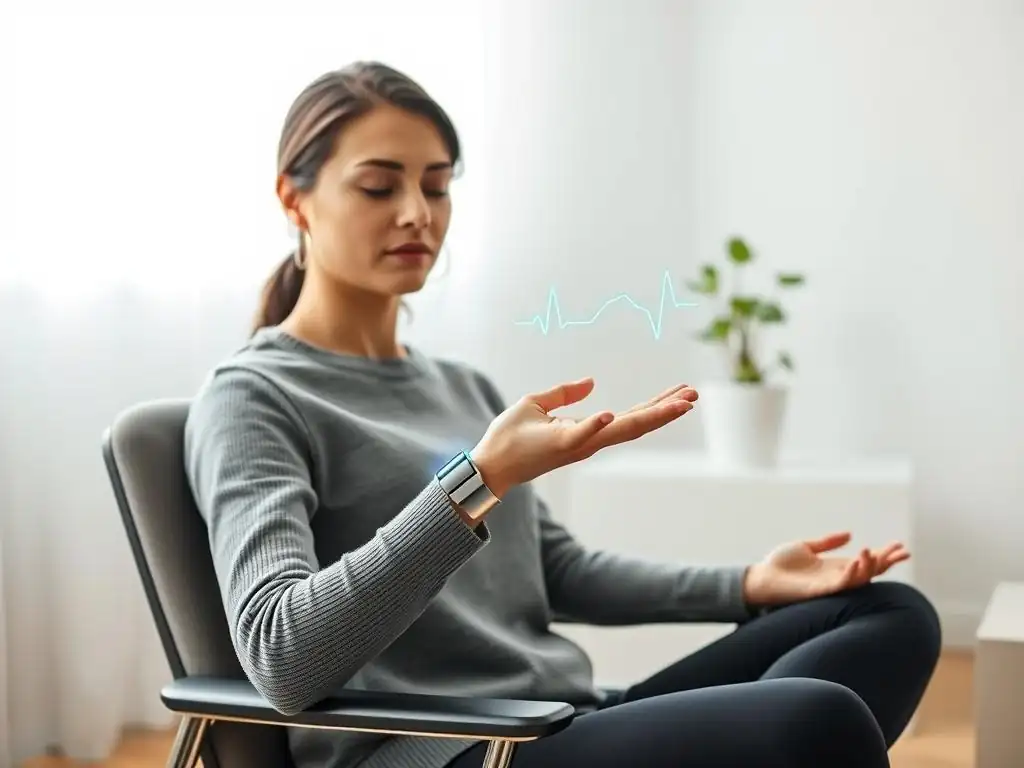
When incorporating a wearable biofeedback device into your routine, it's important to set realistic goals and expectations. Biofeedback is a skill that requires practice; it's not a magic cure for anxiety. You won't likely eliminate all anxiety overnight, but consistent use can teach you valuable self-regulation techniques that significantly reduce its impact. Start with small, achievable goals, such as using the device for a specific amount of time each day – perhaps 5-10 minutes initially. Focus on the process of practicing the techniques rather than solely on immediate symptom relief.
Understand that progress may not be linear. Some days might feel easier than others, and that's perfectly normal. Track your progress over time using the device's app or a personal journal.
Pay attention to subtle shifts in how you feel or react in stressful situations. Celebrate small victories, like noticing your breathing becoming calmer during a challenging moment because you were able to apply what you learned from the device. By setting realistic expectations and focusing on consistent practice, you build the foundation for long-term skill development and allow the principles of how biofeedback reduces anxiety symptoms to take root in your daily life.
Combining Biofeedback with Other Anxiety Management Techniques
Biofeedback is a powerful tool, but it is often most effective when used as part of a comprehensive anxiety management plan. Consider combining your biofeedback practice with other evidence-based techniques. Mindfulness meditation, for example, pairs exceptionally well with brainwave biofeedback devices like Muse, as both focus on present moment awareness and attention regulation. Breathing exercises learned through devices like HeartMath or Spire can be integrated into daily life even when you're not using the device, becoming a go-to strategy during moments of stress.
Cognitive Behavioral Therapy (CBT) or other forms of psychotherapy can help you address the underlying thought patterns and beliefs that contribute to anxiety, while biofeedback helps you manage the physical symptoms. Physical activity, ensuring adequate sleep (aiming for 7-9 hours nightly for most adults), and maintaining a balanced diet also play significant roles in overall mental well-being and can enhance the effects of biofeedback. By integrating your wearable biofeedback practice with other healthy habits and therapeutic approaches, you create a robust strategy that tackles anxiety from multiple angles, leading to more sustainable and profound reductions in anxiety symptoms.
Real-Life Examples: How Biofeedback Devices Have Helped Others Reduce Anxiety Symptoms
Many individuals have found significant relief from anxiety by incorporating wearable biofeedback into their lives. Consider the case of Sarah, a 35-year-old marketing executive who struggled with public speaking anxiety, experiencing intense heart palpitations and shortness of breath before presentations. After using an HRV biofeedback device for three months, practicing coherence breathing for 10 minutes daily, she reported a noticeable decrease in her pre-presentation physical symptoms. Her heart rate variability improved by approximately 20%, indicating a more balanced nervous system, and she felt more in control, allowing her to deliver presentations with greater confidence.
Another example is Mark, a college student dealing with generalized anxiety and difficulty concentrating. He began using a brainwave biofeedback headband during short meditation sessions. Initially, he found it difficult to quiet his mind, but the real-time audio feedback motivated him to stay focused.
After about six weeks of consistent practice (5-7 minutes most days), he noticed he was less easily distracted during lectures and experienced fewer intrusive anxious thoughts throughout the day. While not a complete cure, he felt the biofeedback helped him build the mental discipline needed to manage his racing thoughts more effectively, demonstrating how biofeedback reduces anxiety symptoms by training the mind. These real-life applications highlight the potential for wearable devices to empower individuals in their journey towards calmer lives.
Conclusion: Embracing Wearable Biofeedback for a Calmer, More Peaceful Life
Wearable biofeedback devices offer a tangible and accessible way to gain insight into your body's stress response and learn powerful self-regulation techniques. By providing real-time feedback on physiological signals like brain activity, heart rate variability, or breathing patterns, these devices empower you to actively participate in managing your anxiety. They transform abstract concepts of relaxation into observable, actionable data, making the process of calming your nervous system more concrete and achievable. Whether you struggle with specific triggers or generalized worry, there is likely a wearable biofeedback option that aligns with your needs and preferences.
Integrating biofeedback into your daily routine, alongside other healthy practices and potential therapeutic support, can significantly contribute to reducing anxiety symptoms and improving your overall well-being. It requires patience and practice, but the skill of physiological self-regulation gained through biofeedback is a valuable asset for navigating the challenges of modern life. Embracing wearable biofeedback technology represents a step towards a more informed, empowered, and ultimately, a calmer and more peaceful existence, putting the power to find peace quite literally at your fingertips or on your wrist.
Frequently Asked Questions
What exactly is biofeedback, and how does it relate to anxiety?
Biofeedback is a technique that teaches you to control some of your body's functions, like heart rate or muscle tension. It's used to help manage anxiety by providing real-time feedback so you can learn to consciously regulate these responses. This self-regulation can lead to a reduction in anxiety symptoms.
How do wearable biofeedback devices work to reduce anxiety?
Wearable devices monitor physiological signals like heart rate variability (HRV) or skin conductance. This data is then used to provide feedback, often through an app, guiding you through exercises to calm your nervous system. By practicing these techniques, you can learn to manage anxiety symptoms more effectively.
Are wearable biofeedback devices a replacement for traditional therapy or medication for anxiety?
No, wearable biofeedback devices are generally considered complementary tools. They can be helpful in conjunction with therapy and/or medication, but should not be seen as a sole replacement for professional mental health care. Always consult a healthcare professional for personalized treatment plans.
What are some specific examples of wearable biofeedback devices available for managing anxiety?
Examples include devices that track HRV and guide breathing exercises, or those that monitor muscle tension to help you relax. Popular options often include heart rate variability sensors and electrodermal activity (EDA) trackers. Researching the features and reviews of different devices is crucial.
How long does it typically take to see results using wearable biofeedback devices for anxiety?
The timeframe for seeing results varies depending on the individual and the consistency of use. Some people may experience immediate, short-term relief, while others may require several weeks or months of regular practice to see significant, lasting improvements in their anxiety levels. Consistency is key.
Final Reflection: The Quiet Revolution of Wearable Calm
The accessibility of biofeedback technology is rapidly changing how we manage anxiety, offering a powerful, personalized approach to mental wellness. No longer confined to clinical settings, these devices are democratizing access to tools that can significantly reduce the burden of anxiety symptoms, empowering individuals to take control of their mental health in their daily lives.
The shift towards self-managed mental wellness, facilitated by wearable biofeedback, is profoundly impacting our cultural understanding of anxiety. It's moving away from a solely medicalized perspective towards a more holistic and proactive approach. This is a crucial step in reducing the stigma associated with mental health struggles. The greatest weapon against stress is our ability to choose one thought over another.
– William James. This quote highlights the power of conscious awareness, a key element that biofeedback devices help cultivate, allowing us to actively shape our responses to anxiety-provoking situations.
Consider the potential impact of this technology. Imagine a future where anxiety is managed not just through medication or therapy, but also through readily available, personalized tools that promote self-regulation and resilience. This is not a utopian dream, but a tangible possibility within reach. You have the power to explore these tools, to learn about your body's responses to stress, and to cultivate a deeper understanding of your own inner landscape. Take the first step. Research the different devices available, experiment with techniques, and discover the path towards a calmer, more centered you.
Unleash Your Inner Calm: Take Control of Your Anxiety Today!
Thanks for taking the time to explore the world of wearable biofeedback with us! We hope you gained valuable insights into managing your anxiety in everyday life. Now, it's time to put that knowledge into action.
- Prioritize your wellbeing: Start a daily mindfulness practice using the techniques mentioned in the article, even if it's just for five minutes. This small step can make a big difference.
- Share your journey: Tell a friend or family member about your experience with biofeedback and invite them to join you on this path to greater calm. Supporting each other makes the journey even more powerful.
- Explore further: Research different biofeedback devices and find one that suits your lifestyle and budget. Consider what features are most important to you for long-term success.
Ready to experience the transformative power of mindful living? What simple step will you take today to prioritize your mental wellbeing?