
Your Personal Guide: Tailoring Mindfulness for Your Unique Emotional Needs


Welcome to Mind Care Guide, a sanctuary dedicated to nurturing your mental well-being.
Feeling overwhelmed by the complexities of your emotions? You're not alone. Dive into our comprehensive guide to unlocking the power of mindfulness for emotional wellbeing. Discover how tailored mindfulness practices can help you navigate life's challenges with greater ease and resilience. Let's begin your journey towards a calmer, more centered you.
Your Personal Guide: Tailoring Mindfulness for Your Unique Emotional Needs
- Understanding Mindfulness for Emotional Wellbeing
- Assessing Your Emotional Landscape: A Mindfulness Approach
- Tailoring Mindfulness Practices to Address Specific Emotional Needs
- Practical Mindfulness Exercises for Emotional Regulation
- Integrating Mindfulness into Your Daily Life for Sustained Emotional Health
- Resources for Further Exploration of Mindfulness and Emotional Wellbeing
-
Frequently Asked Questions
- How does Mindfulness for Emotional Wellbeing differ from general mindfulness practices?
- Can Mindfulness for Emotional Wellbeing help with specific mental health challenges like anxiety or depression?
- How do I know if Mindfulness for Emotional Wellbeing is right for me?
- Where can I find resources and support for practicing Mindfulness for Emotional Wellbeing?
- How long does it take to see results from practicing Mindfulness for Emotional Wellbeing?
- Final Reflection: Cultivating Inner Peace Through Personalized Mindfulness
- Unlock Your Inner Calm: Start Your Personalized Mindfulness Journey
Understanding Mindfulness for Emotional Wellbeing
What is Mindfulness and How Does it Impact Emotional Regulation?
Mindfulness is fundamentally the practice of paying attention to the present moment without judgment. It involves cultivating a deliberate awareness of your thoughts, feelings, bodily sensations, and surrounding environment as they arise, moment by moment. This seemingly simple act has profound implications for emotional regulation. By learning to observe emotions without immediately reacting to them, individuals gain space and clarity, allowing them to respond more skillfully rather than being swept away by intense feelings like anger, sadness, or anxiety. It helps to interrupt automatic negative thought loops and impulsive behaviors often triggered by difficult emotions.
The impact on emotional regulation stems from developing a non-reactive stance towards internal experiences. Instead of trying to suppress or avoid uncomfortable emotions, mindfulness encourages acknowledging their presence with curiosity and acceptance. This reduces the secondary suffering that often arises from fighting against our feelings. For example, someone practicing mindfulness might notice a wave of sadness without getting lost in self-pity or trying to distract themselves frantically. This allows the emotion to be processed more healthily, fostering greater emotional resilience and contributing significantly to overall mindfulness for emotional wellbeing.
The Science Behind Mindfulness and Emotional Health
Neuroscientific research has provided compelling evidence for how mindfulness practice alters brain structure and function, supporting improved emotional health. Studies using fMRI scans have shown that regular mindfulness meditation can lead to changes in areas of the brain associated with emotional processing and regulation. For instance, the amygdala, often referred to as the brain's fear center, tends to show reduced activity in response to negative stimuli after mindfulness training. This suggests a decreased reactivity to stressful or emotionally challenging situations.
Furthermore, mindfulness practice has been linked to increased gray matter density in areas like the prefrontal cortex, which is crucial for executive functions, including attention, decision-making, and emotional regulation. This shift strengthens the brain's capacity to manage emotions effectively. Research from institutions like Massachusetts General Hospital and Harvard University has documented these structural and functional changes after participation in programs like Mindfulness-Based Stress Reduction (MBSR). Participants often report significant reductions in symptoms of anxiety and depression, alongside physiological benefits such as lower levels of the stress hormone cortisol, underscoring the tangible benefits of mindfulness for emotional wellbeing.
Identifying Your Unique Emotional Needs for Personalized Mindfulness
Effective mindfulness for emotional wellbeing begins with understanding your personal emotional landscape. This involves honestly assessing how you typically experience and respond to emotions. Do you tend to suppress difficult feelings, leading to emotional numbness or eventual outbursts? Are you highly reactive, easily overwhelmed by intense emotions? Or perhaps you struggle with persistent low mood or chronic worry? Recognizing these patterns is the crucial first step in tailoring mindfulness practices to serve your specific needs. It's about identifying which emotions are most challenging for you and how they impact your daily life and relationships.
This self-discovery isn't about labeling emotions as "good" or "bad," but rather observing your habitual responses without judgment. For example, someone who experiences frequent frustration might notice they often clench their jaw and rush through tasks. Someone prone to sadness might observe a tendency to withdraw and ruminate on negative thoughts. By identifying these typical emotional states and your reactions to them, you can then select and adapt mindfulness techniques that specifically target these areas. This personalized approach makes your mindfulness practice more relevant, effective, and sustainable in fostering better emotional regulation and overall mindfulness for emotional wellbeing.
Assessing Your Emotional Landscape: A Mindfulness Approach
Recognizing and Labeling Your Emotions: The First Step to Mindfulness
Mindfulness practice cultivates the ability to pause and notice the presence of an emotion without immediately acting on it. The very act of recognizing and labeling an emotion – simply saying to yourself, "Ah, this is anger," or "This is sadness," or "This is joy" – creates a crucial space between the feeling and your reaction. This metacognitive awareness allows you to step back from being fully identified with the emotion and instead see it as a transient state passing through. This is a fundamental skill in developing mindfulness for emotional wellbeing.
This step is more powerful than it might seem. Research indicates that merely labeling an emotion can decrease activity in the amygdala, the brain region associated with intense emotional reactions. It helps to engage the prefrontal cortex, which is involved in rational thought and regulation. Instead of being consumed by a feeling, you are observing it. This practice, sometimes called "affect labeling," helps to dampen the intensity of the emotion and provides an opportunity to choose a response rather than react automatically. It's like acknowledging the weather outside rather than being lost in the storm.
Exploring Common Emotional Challenges and Their Impact on Wellbeing
Emotional challenges are a universal part of the human experience, but their impact on wellbeing varies greatly depending on how they are managed. Common struggles include navigating anxiety, which can manifest as excessive worry, panic attacks, or social unease, significantly impairing daily functioning and physical health. Depression, characterized by persistent low mood, loss of interest, and fatigue, drains energy and affects relationships and work. Anger, when unmanaged, can lead to destructive behaviors, relationship conflicts, and chronic stress. Grief and loss, while natural responses to significant change, can become overwhelming if not processed constructively.
These challenges don't just affect mood; they have tangible impacts on overall wellbeing. Chronic stress from unmanaged emotions contributes to physical health problems like cardiovascular issues, weakened immune systems, and digestive disorders. Emotionally driven behaviors like avoidance, withdrawal, or aggression can isolate individuals and damage social support networks, which are vital for resilience. Furthermore, a constant internal battle with difficult emotions consumes mental energy, leaving less capacity for joy, creativity, and connection. Developing mindfulness for emotional wellbeing offers tools to navigate these challenges more effectively.
Mindfulness-Based Self-Assessment: Understanding Your Emotional Patterns
A mindfulness-based self-assessment isn't a clinical diagnosis, but rather a compassionate inquiry into your typical emotional responses and patterns. It involves dedicating time to quiet reflection, perhaps through journaling or meditation, to observe recurring emotional states and the triggers that precede them. For example, you might notice that feelings of inadequacy often arise after comparing yourself to others on social media, or that irritability spikes when you feel rushed or unheard. This process is about gathering information without self-criticism, viewing yourself as a subject of gentle study.
This self-assessment helps illuminate your emotional habits. Do you tend to avoid conflict at all costs, leading to resentment? Do you seek external validation when feeling insecure? Are you overly critical of yourself when you make mistakes? Understanding these ingrained patterns is crucial for tailoring mindfulness practices. If you notice a pattern of self-criticism, incorporating self-compassion practices becomes particularly relevant. If you identify a tendency towards emotional avoidance, practices that focus on present-moment body sensations might be more beneficial. This informed approach ensures your efforts in mindfulness for emotional wellbeing are targeted and effective.
Tailoring Mindfulness Practices to Address Specific Emotional Needs

Mindfulness for Anxiety: Calming the Mind and Reducing Worry
Anxiety often manifests as a relentless stream of worried thoughts about the future, accompanied by physical tension and a sense of unease. Mindfulness directly counters this by anchoring attention in the present moment, interrupting the cycle of rumination. It helps individuals notice anxious thoughts as thoughts, rather than facts, reducing their power. By practicing present-moment awareness, the mind is less likely to wander into hypothetical future scenarios that fuel anxiety. This shift from being caught in worried narratives to observing the present is key to finding calm.
Furthermore, mindfulness practices often involve gentle attention to the body, which can be a powerful tool for managing the physical symptoms of anxiety, such as rapid heartbeat, shallow breathing, or muscle tension. By tuning into these sensations without judgment, individuals can learn to tolerate them and even influence them through practices like conscious breathing. For instance, simply noticing the breath can activate the parasympathetic nervous system, promoting relaxation. This ability to self-regulate physiological responses is a core benefit of mindfulness for emotional wellbeing, particularly in managing anxiety.
Specific Mindfulness Techniques for Anxiety Relief: [Diaphragmatic Breathing, Progressive Muscle Relaxation]
Mindfulness for Depression: Cultivating Hope and Resilience
Depression can feel like being trapped in a heavy fog of negative thoughts, low energy, and lack of motivation. Mindfulness helps by gently encouraging engagement with present-moment experiences, even small ones, which can counteract the withdrawal and inertia associated with depression. It provides tools to observe negative thought patterns – such as rumination about the past or self-critical internal dialogue – without getting fully entangled in them. This creates distance from the thoughts, weakening their hold and allowing for the possibility of alternative perspectives.
Mindfulness also cultivates self-compassion, which is particularly important for individuals struggling with the self-blame and low self-worth often accompanying depression. By treating oneself with kindness and understanding, rather than harsh judgment, it becomes easier to navigate difficult feelings and build resilience. Engaging in mindful activities, even simple ones like mindfully washing dishes or taking a short walk, can provide moments of presence and gentle engagement with the world, offering small but significant steps towards lifting the fog and fostering mindfulness for emotional wellbeing.
Mindfulness Practices to Uplift Mood and Combat Negative Thoughts: [Mindful Movement, Visualization]
Mindfulness for Anger Management: Finding Calm in the Face of Frustration
Anger is a powerful emotion often leading to impulsive reactions and regret. Mindfulness helps manage anger by creating a pause between the trigger and the response. It teaches individuals to recognize the early physical and mental signs of rising anger – perhaps a tightening in the chest, clenched fists, or a surge of heat – before it escalates into an overwhelming state. This early recognition provides an opportunity to intervene mindfully, rather than being swept away by the intensity of the feeling.
By practicing present-moment awareness when anger arises, individuals can observe the sensation of anger as it moves through the body and mind, understanding its transient nature. This non-judgmental observation reduces the tendency to add fuel to the fire through rumination or justification of the anger. Instead of reacting aggressively or suppressing the feeling, mindfulness allows for acknowledging the anger and then choosing a more constructive response. This skill is fundamental to developing emotional regulation and enhancing mindfulness for emotional wellbeing when dealing with frustration.
Mindfulness Strategies for Managing Anger and Irritability: [RAINN Technique, STOP Skill]
Mindfulness for Grief and Loss: Honoring Emotions and Finding Acceptance
Grief is a complex process involving a wide range of intense emotions, including sadness, anger, guilt, and confusion. Mindfulness provides a gentle framework for navigating the waves of grief without becoming completely submerged. It encourages allowing painful emotions to be present without judgment or the need to rush the process. By staying grounded in the present moment, individuals can acknowledge the reality of their loss and the feelings that arise from it, rather than avoiding or denying them, which can prolong suffering.
Mindfulness practices, particularly those focused on acceptance and self-compassion, are invaluable during times of grief. They help individuals sit with discomfort, tolerate uncertainty, and extend kindness to themselves during a period of vulnerability. While mindfulness doesn't take away the pain of loss, it helps cultivate the capacity to bear witness to the experience with greater presence and less resistance. This allows for a more natural processing of grief, fostering a path towards healing and acceptance, and supporting mindfulness for emotional wellbeing even in the face of profound sadness.
Using Mindfulness to Process Grief and Find Peace: [Self-Compassion Practices]
Practical Mindfulness Exercises for Emotional Regulation
Guided Mindfulness Meditation for Emotional Balance: A Step-by-Step Guide
Guided mindfulness meditations are excellent starting points for cultivating emotional balance. They typically involve being led by a teacher or recording through a process of bringing attention to the breath, body sensations, sounds, or thoughts, always returning attention gently when the mind wanders. A typical guided session for emotional balance might start with settling in, bringing awareness to the physical body, then focusing on the breath as an anchor.
The guide might then invite you to notice any emotions present, perhaps suggesting phrases like "noticing sadness" or "acknowledging frustration," without needing to change them. The focus is often on observing where the emotion is felt in the body and allowing it to be present with acceptance. Such meditations train the mind to observe internal states with non-reactivity, enhancing your capacity for mindfulness for emotional wellbeing. A common structure involves settling, body scan, breath focus, exploring emotions, and a gentle return to the present moment.
Mindful Breathing Techniques for Immediate Emotional Regulation
Mindful breathing is perhaps the most accessible and immediate tool for emotional regulation. When strong emotions arise, the breath often becomes shallow or rapid. Consciously shifting attention to the breath can interrupt this physiological response and activate the body's relaxation response. A simple technique is 4-7-8 breathing: inhale for a count of four, hold for seven, and exhale slowly for eight. This pattern helps slow the heart rate and calm the nervous system.
Another effective technique is simple diaphragmatic breathing (also known as belly breathing). Place one hand on your chest and one on your abdomen. Breathe deeply through your nose, feeling your abdomen rise more than your chest. Exhale slowly through pursed lips. Focusing on the physical sensation of the breath entering and leaving the body provides an anchor in the present moment, pulling you out of overwhelming thoughts or feelings. Practicing mindful breathing regularly builds your capacity to use it effectively when intense emotions strike, significantly aiding mindfulness for emotional wellbeing.
Body Scan Meditation for Emotional Awareness and Release
The body scan meditation involves systematically bringing mindful attention to different parts of the body, from the toes up to the head. As you focus on each area, you simply notice any sensations present – tingling, warmth, tension, relaxation – without trying to change them. This practice helps cultivate a deep awareness of the connection between mind and body, recognizing how emotions are often held as physical sensations. For example, anxiety might manifest as a knot in the stomach, or anger as tension in the shoulders.
By mindfully observing these physical manifestations of emotion, you can gain insight into your emotional state and learn to tolerate uncomfortable sensations. Sometimes, simply bringing non-judgmental awareness to an area of tension can facilitate its release. Regular body scan practice increases your overall body awareness, making it easier to catch emotional signals early and providing a tool for processing and releasing stored emotional tension, contributing greatly to mindfulness for emotional wellbeing.
Mindful Movement for Emotional Wellbeing: Yoga and Tai Chi
Mindful movement practices like yoga and Tai Chi integrate physical postures and flowing movements with breath awareness and present-moment attention. Unlike purely physical exercise, the focus is less on performance and more on the internal experience of the movement and sensations in the body. This can be particularly beneficial for emotional regulation, especially for emotions that manifest physically or lead to inertia, like depression or anxiety.
Engaging in mindful movement helps release physical tension often held in response to stress and difficult emotions. By paying attention to the breath and body while moving, you stay grounded in the present, interrupting cycles of worry or rumination. Practices like gentle yoga or Tai Chi promote relaxation, improve body awareness, and can shift stagnant energy, fostering a sense of ease and vitality. This active form of mindfulness provides a powerful pathway for cultivating mindfulness for emotional wellbeing through the body.
Integrating Mindfulness into Your Daily Life for Sustained Emotional Health
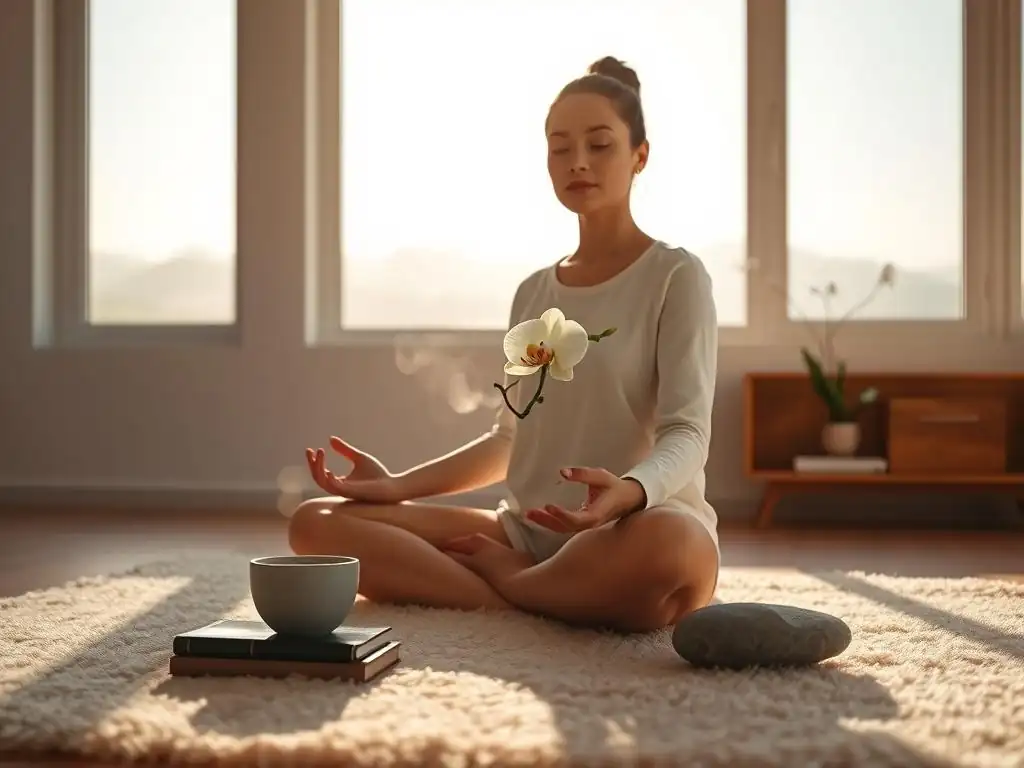
Creating a Personalized Mindfulness Routine for Emotional Resilience
Building emotional resilience through mindfulness requires consistent practice, but this doesn't mean needing hours of dedicated meditation time daily. Creating a personalized routine involves finding ways to weave mindfulness into the fabric of your existing life. Start small, perhaps with just 5-10 minutes of mindful breathing or a short guided meditation each morning. Identify moments throughout your day where you can insert brief moments of mindfulness, such as mindfully drinking your morning tea, paying attention to the sensations of walking, or taking three conscious breaths before answering the phone.
Consider which practices resonate most with your emotional needs identified earlier. If you struggle with anxiety, prioritize mindful breathing or body scan. If low mood is a challenge, mindful movement or self-compassion might be more beneficial. Schedule your practice like any other important appointment. Even short, regular bursts of awareness add up over time, building the mental muscle needed for greater emotional regulation and sustained mindfulness for emotional wellbeing.
Overcoming Challenges and Maintaining a Consistent Mindfulness Practice
Maintaining a consistent mindfulness practice faces common challenges: lack of time, forgetfulness, feeling like you're "not doing it right," or simply resistance when difficult emotions arise. It's important to approach these challenges with the same non-judgmental attitude you cultivate in practice. If you miss a day or a week, simply notice it without self-criticism and gently recommit. Progress in mindfulness isn't linear; there will be ups and downs.
Finding an accountability partner, using mindfulness apps with reminders, or joining a local group can help maintain momentum. Frame your practice not as another chore, but as an act of self-care and an investment in your emotional health. Recognize that the mind will wander – that's normal. The practice is in noticing the wandering and gently returning, again and again. Persistence, patience, and self-compassion are key to embedding mindfulness for emotional wellbeing into your daily life.
The Role of Mindfulness in Building Emotional Intelligence
Emotional intelligence involves the ability to perceive, understand, manage, and use emotions effectively. Mindfulness is a foundational practice for developing all aspects of emotional intelligence. By cultivating present-moment awareness, mindfulness enhances your ability to recognize emotions as they arise, both in yourself and potentially in others (emotional perception). The practice of observing emotions without judgment leads to a deeper understanding of their triggers, patterns, and impact (emotional understanding).
Furthermore, the space created between emotion and reaction through mindfulness directly strengthens your capacity to manage difficult feelings skillfully rather than reacting impulsively (emotional management). Over time, this improved ability to navigate your internal world allows you to respond to situations with greater wisdom and intention, influencing your interactions and decisions positively (using emotions effectively). Thus, regular mindfulness practice is a powerful pathway to enhancing emotional intelligence and fostering robust mindfulness for emotional wellbeing.
Resources for Further Exploration of Mindfulness and Emotional Wellbeing
Recommended Books and Articles on Mindfulness and Emotional Regulation
Many excellent resources delve deeper into the intersection of mindfulness and emotional regulation. Foundational texts like Jon Kabat-Zinn's "Full Catastrophe Living" provide a comprehensive overview of MBSR principles. Books specifically addressing emotions, such as "Mindfulness: An Eight-Week Plan for Finding Peace in a Frantic World" by Mark Williams and Danny Penman, or "The Mindful Way Through Depression" offer targeted approaches. Exploring articles from reputable sources that discuss the latest research findings can also deepen your understanding of how mindfulness for emotional wellbeing is supported by science.
Mindfulness Apps and Online Courses for Personalized Guidance
Technology offers convenient access to guided mindfulness practices. Popular apps like Calm, Headspace, Insight Timer, and Ten Percent Happier provide libraries of guided meditations, body scans, and mindful movement sessions tailored to various needs, including anxiety, stress, and sleep. Many offer specific programs focused on emotional regulation. Online courses, such as those based on MBSR or MBCT (Mindfulness-Based Cognitive Therapy), offer structured learning paths and deeper dives into the principles and practices, providing personalized guidance for cultivating mindfulness for emotional wellbeing at your own pace.
Finding a Qualified Mindfulness Teacher or Therapist
For deeper learning, personalized guidance, or when dealing with significant emotional challenges like clinical anxiety or depression, working with a qualified mindfulness teacher or a therapist who integrates mindfulness into their practice can be invaluable. Mindfulness teachers certified through recognized programs can guide you through practices and help troubleshoot challenges. Therapists trained in mindfulness-based therapies (like MBCT, ACT - Acceptance and Commitment Therapy, or DBT - Dialectical Behavior Therapy) can help you apply mindfulness skills to address specific mental health conditions and complex emotional patterns, offering expert support on your journey towards mindfulness for emotional wellbeing.
Frequently Asked Questions
How does Mindfulness for Emotional Wellbeing differ from general mindfulness practices?
Mindfulness for Emotional Wellbeing is specifically tailored to address emotional regulation and emotional awareness. It focuses on techniques that help you understand and manage your unique emotional landscape, unlike general mindfulness which may have a broader scope.
Can Mindfulness for Emotional Wellbeing help with specific mental health challenges like anxiety or depression?
Yes, Mindfulness for Emotional Wellbeing can be a valuable tool. It helps individuals develop greater self-awareness and emotional resilience, which can, in turn, alleviate symptoms associated with anxiety and depression.
How do I know if Mindfulness for Emotional Wellbeing is right for me?
If you're struggling with emotional dysregulation, difficulty managing stress, or simply want to improve your overall emotional health, Mindfulness for Emotional Wellbeing could be beneficial. Consider it if you seek personalized emotional support.
Where can I find resources and support for practicing Mindfulness for Emotional Wellbeing?
"Mind Care Guide" provides a comprehensive guide, offering information, support, and resources. You can also find guided meditations and workshops specifically designed for emotional well-being through various mental health organizations.
How long does it take to see results from practicing Mindfulness for Emotional Wellbeing?
The timeframe varies depending on the individual and the consistency of practice. However, many people report experiencing noticeable improvements in their emotional regulation within a few weeks of regular Mindfulness for Emotional Wellbeing practice.
Final Reflection: Cultivating Inner Peace Through Personalized Mindfulness
The pursuit of emotional wellbeing is not a one-size-fits-all journey; it's a deeply personal exploration. Understanding and embracing this truth is crucial in our increasingly demanding world, where the pressure to conform often overshadows the unique needs of the individual. This article has highlighted the power of tailoring mindfulness practices to resonate with your specific emotional landscape, emphasizing that true peace comes not from generic solutions, but from a deep understanding of oneself.
The impact of personalized mindfulness extends far beyond individual tranquility; it ripples outwards, influencing our relationships, our communities, and the very fabric of society. By fostering self-awareness and emotional regulation, we cultivate empathy and compassion, both for ourselves and for others. As the Dalai Lama wisely stated, The purpose of our lives is to be happy. But to be happy we must be peaceful. And to be peaceful we must be mindful.
This quote encapsulates the profound interconnectedness between mindfulness, peace, and ultimately, a fulfilling life.
Now, consider your own emotional landscape. What unique challenges do you face? What specific techniques resonate most deeply with you? Take the time to reflect on the practices discussed in this article and identify those that can best support your journey towards emotional wellbeing. Begin small, be patient with yourself, and remember that the path to inner peace is a continuous process of self-discovery and growth. Embrace this journey, and watch as your life blossoms with greater serenity and joy.
Unlock Your Inner Calm: Start Your Personalized Mindfulness Journey
Thanks for taking the time to explore the power of tailored mindfulness! We hope you've discovered valuable insights into aligning your practice with your specific emotional needs. Now, let's put this knowledge into action.
- Begin your personalized mindfulness practice today: Identify one specific emotional area you'd like to focus on (anxiety, stress, focus, etc.) and dedicate just 5 minutes to a mindful exercise relevant to that area. Even small steps make a big difference.
- Share your experience: Let us know (and others!) what resonates with you – what techniques have been particularly helpful in managing your emotional well-being?
- Explore our resources: Discover more tailored techniques and exercises on our website to support your journey.
What's one small step you can take right now to integrate mindfulness into your day?