
Heart Rate & Calm: How Biofeedback Improves HRV for Anxiety Relief


Welcome to Mind Care Guide!
Are you struggling with anxiety and searching for a path to lasting relief? You're not alone. We understand the challenges you face, and we're here to offer guidance and support. Explore the fascinating science behind how biofeedback reduces anxiety symptoms, and discover how understanding your body's signals can empower you to take control. Dive into our article, "Heart Rate & Calm: How Biofeedback Improves HRV for Anxiety Relief," and begin your journey towards a calmer, more centered you. What if a simple technique could unlock your body's natural ability to manage stress?
Heart Rate & Calm: How Biofeedback Improves HRV for Anxiety Relief
- Understanding Anxiety & the Role of Heart Rate Variability (HRV)
- Biofeedback for Anxiety Relief: A Powerful Tool for Calm
- Biofeedback Devices for Home Use: Managing Anxiety on Your Terms
- Using Biofeedback to Improve HRV and Manage Anxiety: A Step-by-Step Guide
- Beyond Biofeedback: Complementary Strategies for Anxiety Relief
- Maximizing the Benefits of Biofeedback for Anxiety: Expert Tips
- Investing in Your Mental Well-being: Biofeedback and Long-Term Anxiety Management
-
Frequently Asked Questions
- What is Biofeedback, and how does it relate to anxiety relief?
- How does Biofeedback specifically improve HRV for anxiety relief?
- What kind of technology is typically used in Biofeedback sessions for anxiety?
- How long does it typically take to see results with Biofeedback for anxiety?
- Is Biofeedback a safe and effective treatment option for anxiety?
- Final Reflection: The Heart's Wisdom: Cultivating Calm Through Biofeedback
- Unlock Your Inner Calm: Take Control of Your Heart Rate
Understanding Anxiety & the Role of Heart Rate Variability (HRV)
Anxiety's Impact on the Body: More Than Just Worry
Anxiety is a complex state that affects not just the mind but profoundly alters physiological functions throughout the body. While the feeling of worry or dread is the most commonly recognized symptom, anxiety triggers a cascade of physical responses mediated by the autonomic nervous system. This system, operating largely unconsciously, controls vital functions like heart rate, breathing, digestion, and stress hormone release.
When anxiety is triggered, the sympathetic branch of the autonomic nervous system, often called the "fight or flight" system, goes into overdrive. This leads to increased heart rate, rapid breathing, muscle tension, and a surge in cortisol and adrenaline. Over time, chronic anxiety can keep the body in this heightened state of alert, contributing to a range of physical health issues and exacerbating mental distress.
Beyond the immediate physical sensations like a pounding heart or sweaty palms, persistent anxiety can disrupt sleep patterns, impair digestive function, and weaken the immune system. The body's energy reserves are depleted by being constantly prepared for a threat that may not be present. This sustained physiological stress can contribute to conditions such as irritable bowel syndrome, chronic fatigue, and even increase the risk of cardiovascular issues over the long term. Understanding these physical manifestations is crucial because it highlights the need for interventions that address the body's stress response directly, complementing psychological strategies.
Heart Rate Variability (HRV): A Window into Your Nervous System
Heart Rate Variability, or HRV, is a measure of the variation in time between each heartbeat. Contrary to what one might intuitively think, a healthy heart doesn't beat with perfect, metronome-like regularity. Instead, the time intervals between successive heartbeats constantly change, influenced by the interplay between the sympathetic and parasympathetic branches of the autonomic nervous system.
The sympathetic system speeds up the heart, while the parasympathetic system (the "rest and digest" branch) slows it down. High HRV indicates that the autonomic nervous system is balanced and flexible, able to quickly adapt to different situations and stressors. It suggests robust parasympathetic activity, which is associated with resilience, emotional regulation, and good health.
Conversely, low HRV suggests that the autonomic nervous system is less adaptable and may be stuck in a more sympathetic-dominant state. This reduced variability means the heart rate isn't adjusting as flexibly to internal and external demands.
Measuring HRV provides a non-invasive way to gain insight into the state of your autonomic nervous system and its capacity to handle stress. While HRV naturally varies based on age, fitness level, and genetics, a sudden or consistently low HRV for an individual, especially in the absence of physical exertion, is often correlated with increased stress, fatigue, and a reduced ability to recover from challenges.
The Link Between Low HRV and Increased Anxiety Symptoms
Research has consistently shown a strong correlation between low Heart Rate Variability and heightened anxiety symptoms. Individuals with chronic anxiety or panic disorder often exhibit lower baseline HRV compared to their non-anxious counterparts. This physiological state reflects a nervous system that is less resilient and more reactive to perceived threats, whether real or imagined.
A low HRV suggests that the parasympathetic system, responsible for calming the body down after a stressor, is not effectively counteracting the sympathetic "fight or flight" response. This imbalance means the body remains in a state of high alert longer, making individuals more susceptible to feeling anxious and experiencing physical symptoms associated with anxiety.
This link is not merely correlational; it suggests a potential physiological pathway through which anxiety manifests and persists. By understanding that anxiety is tied to this autonomic nervous system imbalance, we can explore interventions aimed at improving HRV. Techniques that enhance parasympathetic activity and restore autonomic balance can directly address the physiological underpinnings of anxiety. This is where biofeedback comes into play, offering a method to consciously influence these seemingly involuntary processes, ultimately aiming to improve HRV and thereby Biofeedback reduces anxiety symptoms.
Biofeedback for Anxiety Relief: A Powerful Tool for Calm
What is Biofeedback? A Personalized Approach to Self-Regulation
Biofeedback is a mind-body technique that involves using electronic sensors to monitor and display real-time information about physiological functions, such as heart rate, skin temperature, muscle tension, or brainwave activity. This immediate feedback allows an individual to become consciously aware of bodily processes that are typically outside of conscious perception or control. The goal is to learn to voluntarily influence these physiological responses through changes in thoughts, emotions, or behavior, such as breathing patterns or relaxation techniques. It's a process of self-discovery and self-regulation, providing a mirror to the body's internal state.
Unlike simply being told to relax, biofeedback provides tangible evidence of how different mental and physical states impact the body. For example, by watching a display of their heart rate while practicing a calming breathing technique, a person can see in real-time how their breathing influences their heart rate. This immediate visual or auditory feedback serves as a powerful learning tool, reinforcing effective strategies and helping the individual develop skills to regulate their stress response and physiological state independently. This personalized approach empowers individuals to take an active role in managing their health.
How Biofeedback Works to Reduce Anxiety Symptoms: Rewiring Your Brain
Biofeedback works to Biofeedback reduces anxiety symptoms by teaching individuals how to regulate their physiological responses associated with stress and anxiety. During a biofeedback session, sensors measure a specific bodily signal, like HRV. This data is then presented to the individual, often visually on a screen as a graph or a dynamic display.
As the person practices relaxation techniques, controlled breathing, or other calming strategies, they observe how these actions influence the signal. For instance, slow, deep, consistent breathing typically leads to an increase in HRV, which is displayed on the screen. Seeing this direct link helps the individual understand the impact of their actions on their nervous system.
Through repeated practice, the brain learns to associate certain mental states or techniques with desirable physiological changes, such as increased HRV or decreased muscle tension. This process leverages neuroplasticity, the brain's ability to reorganize itself by forming new neural connections.
Essentially, biofeedback provides a training ground for the autonomic nervous system, helping to strengthen the parasympathetic response and improve the body's ability to return to a calm state after experiencing stress. Over time, this learned ability to self-regulate can become more automatic, leading to a reduction in the frequency and intensity of anxiety symptoms, as the body is less likely to get stuck in a "fight or flight" loop.
The Science Behind Biofeedback and HRV: Studies & Evidence
Numerous scientific studies and clinical trials have investigated the efficacy of biofeedback, particularly HRV biofeedback, in managing anxiety and stress. Research has consistently shown that training individuals to increase their HRV through biofeedback techniques can lead to significant reductions in reported anxiety levels.
For instance, a meta-analysis reviewing multiple studies found that biofeedback therapy had a moderate to large effect size in reducing anxiety symptoms across various populations. Another study specifically focusing on HRV biofeedback demonstrated that participants who underwent training showed a notable increase in their baseline HRV and a corresponding decrease in self-reported anxiety scores compared to control groups.
Evidence suggests that regular HRV biofeedback training can improve autonomic balance, shifting the nervous system towards greater parasympathetic dominance. This physiological shift is believed to be a key mechanism by which Biofeedback reduces anxiety symptoms. Studies using neuroimaging techniques have also shown changes in brain activity patterns associated with emotional regulation after biofeedback training. While individual results can vary, the body of evidence supports biofeedback, particularly HRV biofeedback, as a valuable, non-pharmacological intervention for anxiety management, often used alone or as an adjunct to traditional therapy.
Biofeedback Devices for Home Use: Managing Anxiety on Your Terms
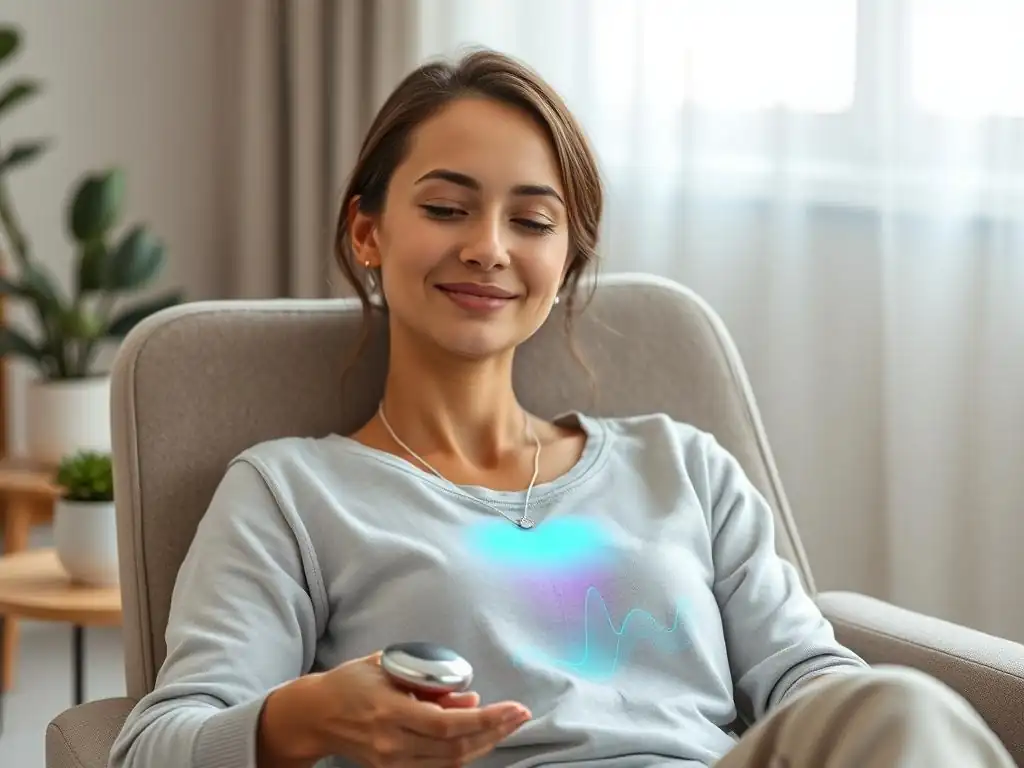
Choosing the Right Biofeedback Device for Your Needs
Selecting a biofeedback device for home use depends largely on your specific needs, budget, and what physiological signal you want to focus on. While clinical biofeedback can monitor various signals like muscle tension (EMG), skin temperature, or brainwaves (EEG), home devices often focus on heart rate variability (HRV) or skin conductance (EDR/GSR) due to their ease of measurement and relevance to stress and anxiety. Consider the device type (wearable, desktop), the sensor technology (finger sensor, chest strap, headband), the accompanying software or app features (guided sessions, data tracking, reporting), ease of use, and cost.
Some devices are simple trackers, while others offer guided training programs aimed at improving specific skills like coherent breathing for HRV enhancement. Researching user reviews and understanding the science behind the device's approach is crucial for making an informed decision that aligns with your goals for managing anxiety.
HeartMath Inner Balance Sensor: A Popular Choice for HRV Biofeedback
The HeartMath Inner Balance sensor is a widely recognized device specifically designed for HRV biofeedback training, focusing on achieving a state of "coherence" – a highly ordered and harmonious state of the nervous system, heart, and brain. It typically uses a small sensor that clips onto your earlobe or finger, connecting via Bluetooth or cable to a smartphone or tablet running the HeartMath app.
The app guides users through breathing exercises and visualizations while providing real-time feedback on their HRV coherence level, often represented by a graph or visual display that changes as coherence increases. This direct feedback helps users learn how specific breathing rhythms and positive emotional states impact their heart rhythm patterns, training them to shift into a more coherent state.
-
Features of the HeartMath Inner Balance Sensor
- Real-time HRV coherence feedback (visual and auditory).
- Guided breathing pacing exercises.
- Session tracking and historical data review.
- Ability to journal notes alongside sessions.
- Challenges and achievements for motivation.
-
Benefits of Using HeartMath for Anxiety Reduction
- Teaches a specific, trainable skill (coherence) linked to reduced stress physiology.
- Provides immediate, clear feedback on progress.
- Sessions can be relatively short (e.g., 5-10 minutes).
- Designed for ease of use at home or on the go.
- Backed by extensive research from the HeartMath Institute.
-
Real-World Results: Case Study of Increased Emotional Regulation
Consider Sarah, who struggled with generalized anxiety leading to frequent panic attacks. After incorporating 10-minute daily sessions with her HeartMath Inner Balance sensor for three months, she reported a significant decrease in the frequency and intensity of her anxiety symptoms. Her average coherence scores increased from a baseline of around 1.5 to over 3.0 during her training sessions.
More importantly, she developed the ability to recognize the early signs of mounting anxiety and use the coherent breathing technique learned through the device to calm her nervous system before a full-blown panic attack occurred. While not a cure, the device helped her build a tangible skill for emotional and physiological self-regulation, demonstrating how biofeedback reduces anxiety symptoms by building resilience.
Muse S (Gen 2): Meditation and Biofeedback Combined
The Muse S (Gen 2) is a multi-sensor headband designed to provide biofeedback during meditation, primarily focusing on brain activity (EEG), but also incorporating heart rate, breathing, and body movement data. Worn around the head, it connects wirelessly to a smartphone app that offers guided meditations and provides real-time feedback based on the physiological signals it detects.
The feedback is often delivered through ambient soundscapes that respond to your physiological state – for instance, stormy weather sounds if your mind is restless (high beta/gamma EEG activity), transitioning to calm birdsong as you settle into a relaxed state (alpha/theta EEG). It also provides post-session reports on mental activity, heart rate, stillness, and breathing consistency, offering insights into the quality of your meditation and relaxation.
-
Muse S Features for Anxiety Management
- EEG biofeedback (Mind Journey soundscapes based on brain activity).
- HRV and heart rate tracking and feedback.
- Breathing guidance and consistency tracking.
- Body stillness tracking.
- Large library of guided meditations and sleep stories.
-
Guided Meditations and Biofeedback Insights
The core experience of Muse S is its combination of guided meditation with real-time biofeedback. As you meditate, the headband monitors your brain activity, heart, and breath, and the app provides auditory cues reflecting your state. If your mind wanders, the soundscape might become more active; if you become calm and focused, the sounds may become more peaceful.
This immediate, non-judgmental feedback helps users understand what it feels like physiologically to be in a relaxed or focused state, making the abstract concept of meditation more concrete and trainable. The post-session data allows users to track their progress and identify patterns related to their anxiety levels.
-
Pricing and Subscription Options for Muse S
The Muse S (Gen 2) is typically positioned as a premium home biofeedback device, with the initial hardware cost being a significant investment. Access to the full library of guided content, tracking features, and potentially advanced biofeedback programs often requires a subscription to the Muse Membership service, which is an additional recurring cost (e.g., monthly or annually). While the initial purchase includes some basic features, the subscription unlocks the device's full potential as a comprehensive tool for meditation, sleep, and stress management, aimed at users committed to a regular practice facilitated by detailed biofeedback.
Elite HRV: An Affordable and Versatile HRV Tracking Tool
Elite HRV is primarily a software platform and app that specializes in comprehensive Heart Rate Variability analysis. While they do sell compatible sensors (often chest straps like Polar H10 or H9 for the most accurate readings), the app is designed to work with a wide range of third-party Bluetooth or ANT+ enabled heart rate monitors.
This makes it a more affordable entry point into detailed HRV tracking if you already own a compatible sensor or prefer the accuracy of a chest strap for daily readings. The app focuses on providing advanced metrics and insights into your daily readiness, recovery, and nervous system balance based on your morning HRV readings.
-
Benefits and Limitations of Elite HRV
- Benefits: Provides detailed HRV metrics (RMSSD, SDNN, etc.) and analysis. Offers daily "Readiness Score" based on HRV. Compatible with many sensors, offering flexibility and potentially lower cost if you have a sensor. Strong focus on data-driven insights into stress and recovery.
- Limitations: Primarily a data analysis tool, less focused on real-time training biofeedback during sessions compared to devices like HeartMath or Muse. Requires a separate heart rate monitor. Interface might be more data-heavy, potentially less beginner-friendly for those only seeking simple relaxation guidance.
-
Utilizing HRV data from Elite HRV for stress reduction
Users typically take a short (e.g., 1-5 minute) HRV reading first thing in the morning using a compatible chest strap and the Elite HRV app. The app then provides a daily score and analysis indicating the state of their autonomic nervous system. A consistently low morning HRV might signal accumulated stress or poor recovery, prompting the user to prioritize rest, adjust training, or practice stress-reducing techniques like diaphragmatic breathing. By correlating daily HRV scores with lifestyle factors (sleep quality, training intensity, work stress), users can identify patterns and make informed decisions to improve their resilience and reduce anxiety symptoms.
-
Integrating Elite HRV data with biofeedback apps
While Elite HRV itself is more of a tracking and analysis tool, the data it collects can be incredibly valuable when combined with biofeedback training apps or techniques. For example, someone using Elite HRV to track their daily HRV might use a separate biofeedback app (or even just guided breathing) to train their HRV during the day.
By tracking their morning HRV with Elite HRV, they can objectively see if their consistent training sessions are leading to improvements in their overall autonomic tone over weeks and months. This integration allows for both targeted training and objective long-term tracking of the physiological changes associated with anxiety management.
Using Biofeedback to Improve HRV and Manage Anxiety: A Step-by-Step Guide
Step 1: Baseline Assessment - Understanding Your Current HRV
Before you begin actively training with a biofeedback device, it's helpful to establish a baseline measurement of your current Heart Rate Variability. This involves taking regular HRV readings over a period of several days, ideally at the same time each morning (e.g., immediately after waking, before coffee or strenuous activity). Use your chosen device or app to record your HRV during a short, consistent protocol (e.g., 1-5 minutes of quiet sitting or lying down).
Many apps, like Elite HRV, are designed specifically for this daily baseline measurement. Understanding your typical HRV range provides a starting point and helps you see the impact of stress, sleep, and recovery on your nervous system's state.
Knowing your baseline is crucial for setting realistic expectations and monitoring progress. For example, if your average morning HRV (measured by RMSSD) is around 25ms, your goal might be to gradually increase that average over several months to, say, 35-40ms through consistent biofeedback practice. Without a baseline, it's difficult to objectively assess whether your training is having the desired physiological effect. This initial phase is about gaining awareness of your body's current stress response patterns as reflected in your HRV.
Step 2: Setting Realistic Goals for Anxiety Reduction
With your baseline HRV established, define what "managing anxiety" means to you and set realistic, achievable goals. Your goals might be physiological, such as increasing your average daily HRV by a certain percentage over three months, or they might be symptom-focused, such as reducing the frequency of panic attacks from three times a week to once a week, or decreasing the average intensity of anxious feelings on a scale of 1-10. It could also be behavioral, like feeling more comfortable in social situations or being able to speak up in meetings.
It's important to remember that biofeedback is a skill-building process that takes time and consistent effort. Don't expect dramatic results overnight. Setting small, incremental goals, such as practicing biofeedback for 10 minutes daily or achieving a certain coherence score during sessions, can help maintain motivation. Link your physiological goals (like improving HRV) to your desired outcomes (reducing anxiety symptoms). For instance, a goal might be: "Practice HRV biofeedback 5 times per week for 10 minutes to improve my nervous system's resilience, aiming to feel less overwhelmed in stressful work situations within two months." This clarity helps focus your practice.
Step 3: Consistent Practice with Your Chosen Biofeedback Device
Consistency is key to seeing results with biofeedback training. Just like learning any new skill, regular practice helps strengthen the neural pathways involved in self-regulation. Schedule dedicated time for your biofeedback sessions, ideally daily or at least several times per week. Find a quiet, comfortable space where you won't be interrupted. Follow the guided exercises or protocols provided by your device's app, focusing on the physiological feedback you receive.
For HRV biofeedback, this often involves practicing slow, paced breathing while observing your heart rate pattern or coherence score. Pay attention to how different breathing rates or emotional states affect the feedback display. The goal is not just to achieve a high score during a session but to learn how to intentionally influence your physiological state and eventually carry that skill into stressful situations. Start with shorter sessions (e.g., 5-10 minutes) and gradually increase the duration as you become more comfortable.
Step 4: Monitoring Progress and Adjusting Your Approach
Regularly review the data collected by your biofeedback device or app. Track your session duration, performance metrics (like coherence scores or average HRV during training), and your daily baseline HRV if you are measuring it. Many apps provide historical graphs and reports that show trends over time. Look for gradual improvements in your physiological metrics. Are your average coherence scores increasing? Is your morning baseline HRV showing a positive trend over weeks? This data provides objective evidence of the physiological changes happening as a result of your practice, confirming that biofeedback reduces anxiety symptoms by building resilience.
-
Tracking HRV Changes Over Time
Use the reporting features in your app (like those in HeartMath, Elite HRV, or Muse) to view trends in your HRV metrics. A moving average of your morning HRV over 7-14 days can be more informative than single-day fluctuations. Look for a gradual upward trend in metrics like RMSSD or coherence scores, which indicate improved parasympathetic tone and autonomic flexibility. Be patient; significant changes in baseline HRV often take weeks or even months of consistent practice.
-
Recognizing and Addressing Challenges
If you're not seeing the progress you hoped for after several weeks, or if you find yourself struggling to maintain consistency, it's time to adjust your approach. Are you practicing regularly? Is your environment conducive to relaxation? Are you using the techniques correctly? Sometimes, simply changing the time of day you practice or trying a different guided session can make a difference. If anxiety levels remain high despite consistent practice, consider whether complementary strategies (like therapy, exercise, or mindfulness) might be needed. Don't be afraid to troubleshoot or seek guidance if you feel stuck.
Beyond Biofeedback: Complementary Strategies for Anxiety Relief
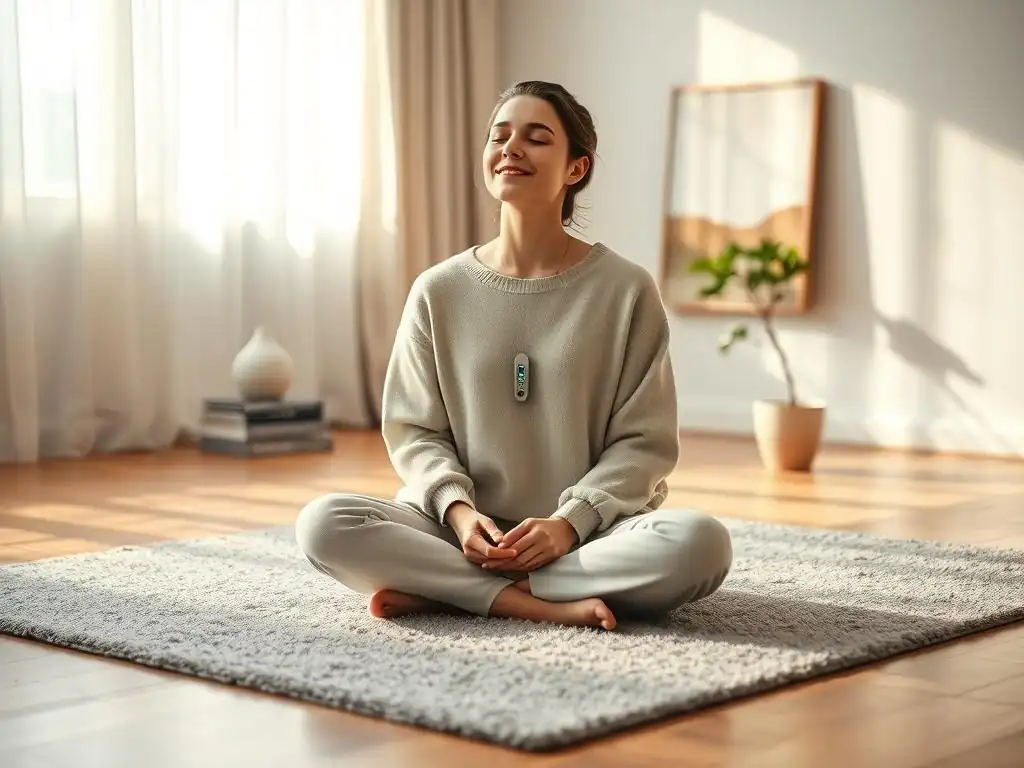
Mindfulness Meditation: Combining Biofeedback with Present Moment Awareness
Mindfulness meditation is a practice that involves focusing your attention on the present moment without judgment. While biofeedback helps you regulate specific physiological signals, mindfulness enhances your awareness of your internal experiences – thoughts, feelings, and bodily sensations – as they arise. Combining these two practices can be incredibly powerful for anxiety relief. Biofeedback can make the often subtle shifts in the body during mindfulness more tangible, providing objective data (like increased HRV or reduced muscle tension) that reinforces the benefits of being present and accepting.
Practicing mindfulness during a biofeedback session, or using biofeedback data to inform your mindfulness practice, can deepen your ability to recognize stress responses early and apply self-regulation techniques more effectively. For example, you might notice your HRV drop when your mind starts racing with worries during a biofeedback session. This insight can help you practice bringing your attention back to your breath or bodily sensations with greater awareness during your formal mindfulness practice, strengthening your ability to stay grounded when anxiety arises. This synergy helps make the benefits of how Biofeedback reduces anxiety symptoms more accessible and sustainable.
Diaphragmatic Breathing: A Simple Technique to Lower Anxiety and Improve HRV
Diaphragmatic breathing, also known as belly breathing or deep breathing, is a fundamental technique taught in biofeedback and stress management. It involves breathing deeply into the abdomen, allowing the diaphragm to fully descend, rather than taking shallow breaths from the chest. This type of breathing stimulates the vagus nerve, a key component of the parasympathetic nervous system, which signals the body to relax and can significantly improve HRV. Many HRV biofeedback devices incorporate paced breathing exercises because of its direct impact on heart rhythm patterns.
Practicing diaphragmatic breathing regularly, even without a biofeedback device, can help lower baseline stress levels. However, using a device to guide and provide feedback on your breathing can make the technique more effective. Biofeedback helps you see in real-time how slowing down your breath and breathing deeply into your belly increases your HRV coherence. This immediate feedback reinforces the correct technique and motivates consistent practice, empowering you to use this simple yet powerful tool whenever you feel anxiety starting to build, demonstrating a direct pathway by which deep breathing combined with biofeedback reduces anxiety symptoms.
Lifestyle Modifications: Diet, Exercise, and Sleep for Optimal Mental Health
Managing anxiety is a holistic endeavor, and lifestyle factors play a significant role alongside techniques like biofeedback. A balanced diet, regular physical activity, and sufficient quality sleep form the foundation of good mental health. Poor nutrition, sedentary habits, and chronic sleep deprivation can significantly increase stress hormones, disrupt autonomic balance, and lower HRV, making individuals more susceptible to anxiety.
Incorporating regular aerobic exercise, aiming for perhaps 150 minutes of moderate activity per week, is known to improve mood and increase HRV over time. Prioritizing 7-9 hours of quality sleep per night allows the body and mind to rest and recover, positively impacting HRV and stress resilience.
A diet rich in whole foods, fruits, vegetables, and lean proteins, while limiting caffeine, alcohol, and processed sugars, can also stabilize mood and energy levels. While biofeedback provides targeted training, these lifestyle modifications create a supportive environment that enhances the effectiveness of your biofeedback practice and contributes broadly to how you manage anxiety.
When to Seek Professional Help: Consulting a Therapist or Counselor
While biofeedback and home devices can be powerful tools for self-management, they are not a substitute for professional mental health care, especially for moderate to severe anxiety, panic disorder, or when anxiety significantly impacts daily life. If your anxiety feels overwhelming, is persistent despite self-help efforts, or is accompanied by symptoms of depression or suicidal thoughts, it is crucial to consult a therapist, counselor, psychologist, or psychiatrist.
Mental health professionals can provide diagnosis, therapy (such as Cognitive Behavioral Therapy - CBT or Exposure Therapy), and medication if necessary. Biofeedback can be a valuable adjunct to traditional therapy, and many therapists are trained in clinical biofeedback. Combining therapeutic guidance with biofeedback practice can offer a comprehensive approach to understanding and managing the root causes and physiological manifestations of your anxiety. They can also help you integrate biofeedback techniques more effectively into your overall treatment plan, maximizing the potential for how biofeedback reduces anxiety symptoms in your specific case.
Maximizing the Benefits of Biofeedback for Anxiety: Expert Tips
Optimize your Biofeedback Sessions for Best Results
To get the most out of your biofeedback training, create an optimal environment for your sessions. Find a quiet, comfortable space where you can relax without distractions. Ensure you are comfortable, whether sitting or lying down. Practice at a time when you can dedicate your full attention, avoiding rushing or squeezing it in between stressful tasks.
Consistency in timing can also help establish a routine. Before starting, take a few moments to simply settle your mind and body. During the session, focus on the feedback and your chosen technique (like paced breathing or positive visualization), allowing yourself to be present with the process. Avoid overthinking or trying too hard; the goal is relaxed focus.
Pay attention to how different techniques or mental states influence the feedback signal. This observation is key to the learning process. For instance, notice how shallow chest breathing affects your HRV compared to deep diaphragmatic breathing. If your device provides numerical goals or visual targets, use them as gentle guides rather than strict performance metrics that might cause frustration. Remember that biofeedback is a skill-building process, and some sessions will feel easier or more effective than others. The key is consistent, mindful practice in a conducive environment.
Integrate Biofeedback into your Daily Routine
For biofeedback to have a lasting impact on anxiety, it needs to become a regular part of your life, not just an occasional activity. Aim for daily practice, even if it's just for 5-10 minutes. Find a time that works best for you and stick to it – perhaps first thing in the morning, during a lunch break, or before bed. Consider integrating it with existing habits, like doing a biofeedback session immediately after your morning coffee or before your evening meditation.
Beyond formal sessions, try to apply the skills you learn during the day when you encounter stressful situations. If you've practiced paced breathing with biofeedback to increase your HRV, try using that same breathing technique when you feel anxiety rising before a presentation or during a difficult conversation. The more you practice applying the learned self-regulation skills in real-world scenarios, the more automatic and effective they will become, reinforcing how Biofeedback reduces anxiety symptoms not just during a session but in everyday life.
Consider Professional Guidance for Personalized Biofeedback Therapy
While home biofeedback devices are accessible and convenient, working with a trained biofeedback therapist can provide significant advantages, especially for more complex cases of anxiety. A professional can use more sophisticated equipment capable of monitoring a wider range of physiological signals and can tailor the biofeedback protocols specifically to your individual needs and anxiety profile. They can help you identify which physiological responses are most relevant to your anxiety (e.g., muscle tension, skin temperature, or HRV) and design a personalized training plan.
A biofeedback therapist can also provide expert coaching, helping you troubleshoot difficulties, deepen your understanding of the mind-body connection, and integrate biofeedback effectively with other coping strategies or therapeutic modalities you may be using. They can offer valuable insights based on clinical experience and help track your progress with greater precision. For individuals seeking a more structured and supervised approach to using biofeedback reduces anxiety symptoms, professional guidance can be a highly effective investment.
Investing in Your Mental Well-being: Biofeedback and Long-Term Anxiety Management
Taking steps to manage anxiety is an investment in your overall mental and physical well-being. Biofeedback, particularly focused on improving Heart Rate Variability, offers a tangible and evidence-based method for learning to regulate your body's stress response. By providing real-time feedback on physiological signals, biofeedback empowers you to become an active participant in your own healing journey, teaching you practical skills for self-regulation that can be used anytime, anywhere.
Integrating biofeedback into your routine, alongside other healthy lifestyle practices and potentially professional support, creates a robust strategy for long-term anxiety management. While home devices require an initial investment of time and money, the skills you gain can yield significant returns in terms of reduced anxiety symptoms, increased resilience, and improved quality of life. As you consistently practice and learn to influence your autonomic nervous system, you build a powerful inner resource for navigating stress and maintaining calm, proving that consistent biofeedback reduces anxiety symptoms and fosters lasting peace.
Frequently Asked Questions
What is Biofeedback, and how does it relate to anxiety relief?
Biofeedback is a technique that helps you learn to control your body's functions, such as heart rate variability (HRV), which can be affected by anxiety. By learning to control these functions, you can reduce anxiety symptoms and promote relaxation.
How does Biofeedback specifically improve HRV for anxiety relief?
Biofeedback training allows individuals to become aware of their HRV and learn techniques to increase HRV. Higher HRV is associated with better emotional regulation and resilience to stress, thus reducing anxiety.
What kind of technology is typically used in Biofeedback sessions for anxiety?
Biofeedback typically utilizes sensors to monitor physiological responses like heart rate, skin conductance, and muscle tension. This data is displayed in real-time, allowing individuals to see how their thoughts and actions influence these responses and learn to control them effectively.
How long does it typically take to see results with Biofeedback for anxiety?
The time it takes to see results can vary, but many individuals experience noticeable improvements in their anxiety levels within several weeks of consistent Biofeedback sessions. Continued practice is often necessary to maintain the long-term benefits.
Is Biofeedback a safe and effective treatment option for anxiety?
Yes, Biofeedback is generally considered a safe and non-invasive treatment option for anxiety. Studies have shown its effectiveness in reducing anxiety symptoms and improving overall mental well-being, especially when combined with other therapeutic approaches.
Final Reflection: The Heart's Wisdom: Cultivating Calm Through Biofeedback
The ability to self-regulate our nervous systems is no longer a luxury, but a crucial skill for navigating the stresses of modern life. Understanding and harnessing the power of biofeedback to improve heart rate variability (HRV) offers a tangible pathway to reducing anxiety symptoms and cultivating inner peace. This isn't just about lowering numbers on a screen; it's about reclaiming control over our emotional well-being.
The journey of learning to listen to the subtle whispers of our bodies, as revealed through HRV biofeedback, has been profoundly impactful, not just for myself but for the many individuals I've witnessed using this technique. The shift from a reactive state of constant anxiety to a proactive approach of self-regulation is nothing short of transformative. The body keeps the score,
as Bessel van der Kolk so eloquently puts it, and biofeedback provides a powerful tool to rewrite that score, to gently soothe the nervous system and foster resilience.
You now hold the key to unlocking your body's inherent capacity for calm. Consider this article not just as information, but as an invitation. Explore the possibilities of biofeedback. Experiment with mindful breathing techniques. Listen to your heart's rhythm, and learn to recognize the subtle shifts that signal stress or relaxation. By understanding and nurturing your HRV, you are investing in a future where anxiety holds less power and inner peace becomes your constant companion. Begin your journey today.
Unlock Your Inner Calm: Take Control of Your Heart Rate
Thanks for exploring the power of biofeedback and HRV for anxiety relief! We hope you now feel empowered to manage your stress levels more effectively. Ready to take the next step towards a calmer you?
- Start your personalized HRV tracking today: Download a free HRV app and begin monitoring your heart rate variability. Consistency is key!
- Share your experience: Discuss your journey with biofeedback and HRV in the comments below. Let's build a supportive community!
- Explore guided breathing exercises: Experiment with different techniques to further enhance your HRV and cultivate a sense of peace.
What simple step will you take today to nurture your heart's rhythm and find more inner calm?