
5 Simple Mindfulness Techniques to Ease Anxiety Instantly

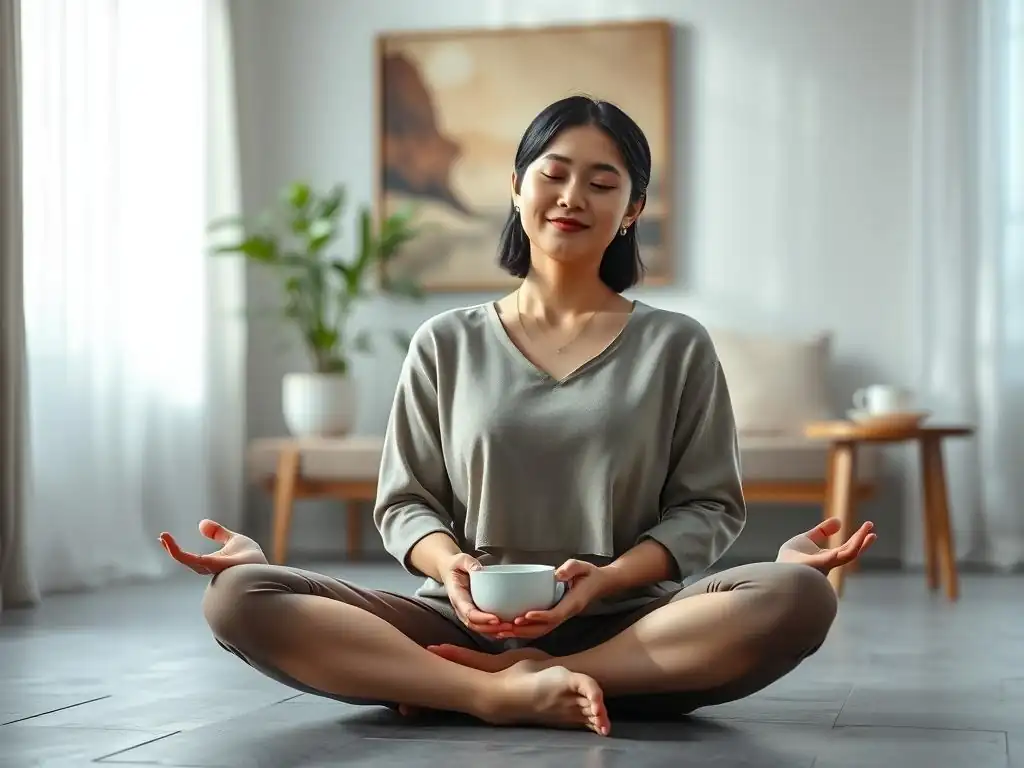
Welcome to Mind Care Guide, your sanctuary for nurturing inner peace. Feeling overwhelmed by anxiety? You're not alone. Discover 5 Simple Mindfulness Techniques to Ease Anxiety Instantly – a practical guide to reclaiming calm, right here, right now. Curious how mindfulness reduce anxiety instantly? Let's explore these powerful tools together and begin your journey towards a more centered you.
5 Simple Mindfulness Techniques to Ease Anxiety Instantly
- Mind Care Guide's Approach to Anxiety Relief Through Mindfulness
- Technique 1: The 5-4-3-2-1 Grounding Exercise for Immediate Anxiety Relief
- Technique 2: Mindful Breathing Exercises to Calm Anxiety
- Technique 3: Body Scan Meditation for Anxiety Awareness and Release
- Technique 4: Practicing Mindful Observation to Manage Anxious Thoughts
- Technique 5: Cultivating Gratitude to Shift Focus Away From Anxiety
- Integrating Mindfulness Into Your Daily Routine for Long-Term Anxiety Management
- Beyond Instant Relief: Long-Term Benefits of Mindfulness for Anxiety
-
Frequently Asked Questions
- How quickly can mindfulness reduce anxiety?
- What are the 5 simple mindfulness techniques mentioned for instant anxiety relief?
- Can mindfulness instantly cure anxiety disorders?
- Is mindfulness difficult to learn and implement instantly?
- Where can I find more resources and support for managing anxiety with mindfulness?
- Final Reflection: Finding Stillness in the Storm of Anxiety
- Unlock Your Inner Calm: Start Practicing Mindfulness Today!
Mind Care Guide's Approach to Anxiety Relief Through Mindfulness
Anxiety is a common experience, often manifesting as persistent worry, physical tension, and a feeling of being overwhelmed. At Mind Care Guide, we believe in empowering individuals with practical tools to navigate these challenges. Mindfulness offers a powerful pathway, focusing attention on the present moment without judgment. This practice helps to interrupt the cycle of anxious thoughts that often center on past regrets or future fears.
Our approach emphasizes accessible, immediate strategies. While long-term therapeutic interventions are crucial for chronic anxiety, knowing how to apply mindfulness to reduce anxiety instantly during acute moments of distress can be transformative. These simple techniques don't require extensive training or special equipment, making them readily available whenever and wherever anxiety strikes. They are designed to provide a sense of calm and control when you need it most.
Understanding Anxiety and the Role of Mindfulness
Anxiety is more than just feeling stressed; it's a complex response involving physiological, cognitive, and behavioral components. Physiologically, it can trigger responses like a racing heart, rapid breathing, and muscle tension. Cognitively, it often involves catastrophic thinking, rumination, and difficulty concentrating. These elements can combine to create a powerful sense of unease and fear, sometimes escalating into panic. Understanding these facets is the first step toward managing them effectively.
Mindfulness intervenes by shifting your focus from the internal narrative of worry to the immediate sensory experience. Instead of getting swept away by thoughts about potential future threats (even if irrational), mindfulness anchors you in the here and now. By observing thoughts and feelings without immediately reacting to them, you create space between the anxious trigger and your response. This simple shift can significantly reduce the intensity of anxiety symptoms, offering a sense of grounding and presence. The core idea is that you are not your anxious thoughts; you are the awareness observing them.
Why Choose Mindfulness for Instant Anxiety Reduction?
In moments of heightened anxiety, the mind often races, making it difficult to engage in complex coping mechanisms. Mindfulness techniques offer immediate, in-the-moment relief precisely because they are simple and focus on accessible anchors like the breath or sensory input. Unlike strategies that require analyzing the root cause of anxiety or planning future actions, mindfulness brings you back to the present, interrupting the anxious thought spiral right now. This ability to instantly reduce anxiety makes it an invaluable tool in your mental wellness toolkit.
Furthermore, mindfulness cultivates a non-judgmental attitude towards your experience. When anxiety hits, it's easy to feel frustrated, ashamed, or afraid of the feeling itself. This secondary layer of distress can intensify the primary anxiety. Mindfulness encourages you to observe the physical sensations and thoughts associated with anxiety without labeling them as "good" or "bad." This acceptance can significantly reduce the power anxiety holds over you, allowing you to experience the feeling without being consumed by it, thereby helping mindfulness reduce anxiety instantly.
Technique 1: The 5-4-3-2-1 Grounding Exercise for Immediate Anxiety Relief
The 5-4-3-2-1 grounding technique is a popular and highly effective method for bringing yourself back to the present moment when feeling overwhelmed by anxiety. It works by systematically engaging your five senses, pulling your attention away from distressing thoughts and anchoring it in your immediate environment. This technique is particularly useful during panic attacks or intense moments of worry where thoughts feel uncontrollable.
The beauty of the 5-4-3-2-1 method lies in its simplicity and accessibility. You can use it anywhere, anytime – whether you're in a crowded place, at work, or at home. It doesn't require any preparation or privacy. By focusing on concrete sensory details, you disrupt the abstract, often irrational, nature of anxious thoughts. This direct engagement with reality helps to calm the nervous system and restore a sense of stability when you feel like you're losing control, helping mindfulness reduce anxiety instantly.
How the 5-4-3-2-1 Technique Works to Ground You
Anxiety often pulls your mind into hypothetical futures or replayed pasts, disconnecting you from the safety of the present. The 5-4-3-2-1 technique counteracts this by forcing your attention onto your immediate sensory experience. Each step requires you to actively notice something in your physical surroundings, shifting your focus outward rather than being trapped within your anxious internal monologue. This external focus is a powerful circuit breaker for runaway thoughts.
For example, when you focus on seeing five distinct objects, your brain is engaged in observation and identification rather than dwelling on fearful scenarios. When you notice sounds, you are tuning into the reality of the moment. This systematic process provides a structure that guides your mind away from abstract worries and towards concrete reality, effectively grounding you and helping mindfulness reduce anxiety instantly by changing your focus from the internal to the external.
Step-by-Step Guide to the 5-4-3-2-1 Grounding Exercise
Here’s how to practice the 5-4-3-2-1 grounding exercise:
- 5: Look around and name five things you can see. Take your time to really notice them. For instance, "I see the blue wall," "I see my hands," "I see a pen on the desk," "I see the pattern on the rug," "I see the light from the window."
- 4: Identify four things you can touch or feel from where you are. This could be the texture of your clothes, the chair you're sitting on, the ground beneath your feet, or the temperature of the air. "I feel the fabric of my shirt," "I feel the solid chair supporting me," "I feel my feet on the floor," "I feel the cool air on my skin."
- 3: Listen carefully and name three things you can hear. These might be distant sounds like traffic, or closer sounds like your own breathing or the hum of electronics. "I hear the clock ticking," "I hear the refrigerator running," "I hear birds chirping outside."
- 2: Identify two things you can smell. This might require a bit more effort, but try to notice any scents in your environment, even subtle ones like your detergent, a nearby plant, or the air itself. If you can't smell anything specific, you can name two smells you like or remember. "I smell the faint scent of my lotion," "I smell the fresh air coming through the window."
- 1: Name one thing you can taste. This could be the lingering taste from your last drink or meal, or you might have a mint or piece of gum ready for this step. If not, acknowledge the taste in your mouth right now. "I taste the coffee I had earlier."
Repeat this sequence slowly, focusing on each sense. You might find it helpful to take a deep breath between each step. This structured approach helps mindfulness reduce anxiety instantly by anchoring you firmly in the present moment through sensory awareness.
Benefits of Using Grounding Techniques for Anxiety
Grounding techniques like the 5-4-3-2-1 method offer immediate benefits for managing acute anxiety. They provide a rapid way to interrupt the cycle of anxious thoughts and feelings by shifting your focus to the external world. This can be particularly effective during panic attacks or moments of intense overwhelm, helping to de-escalate the situation quickly. Many individuals report feeling a sense of calm and increased control within minutes of starting a grounding exercise.
Beyond immediate relief, regular use of grounding techniques can also help build resilience. By repeatedly practicing bringing yourself back to the present, you strengthen your ability to manage difficult emotions without being completely overtaken by them. While not a substitute for addressing the underlying causes of anxiety, these techniques are powerful tools for symptom management and can significantly improve your ability to cope with stressful situations in the moment, helping mindfulness reduce anxiety instantly when needed.
Technique 2: Mindful Breathing Exercises to Calm Anxiety
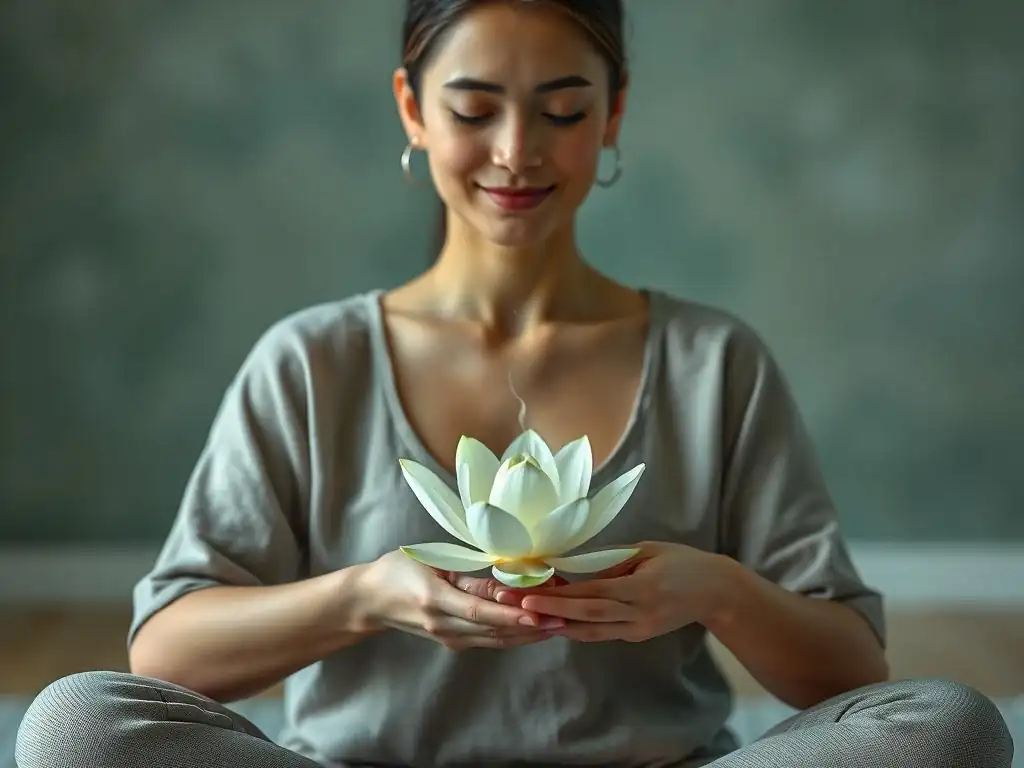
Breathing is an automatic bodily function, but when anxiety strikes, our breath often becomes shallow and rapid, exacerbating physical symptoms like dizziness and heart palpitations. Mindful breathing involves consciously directing your attention to your breath, regulating its pace and depth. This simple act is one of the most direct ways to influence your nervous system and signal a sense of safety, making it a core technique to help mindfulness reduce anxiety instantly.
Focusing on the breath provides a constant, accessible anchor to the present moment. Unlike thoughts or external stimuli, your breath is always with you. By mindfully observing the inhale and exhale, you redirect your attention away from anxious rumination. This intentional slowing and deepening of the breath directly counteracts the physiological stress response, promoting relaxation and calming both the mind and body.
Deep Breathing for Anxiety: A Quick & Effective Method
Deep breathing, often called abdominal or diaphragmatic breathing, is a fundamental technique for calming the nervous system. When anxious, we tend to breathe shallowly from the chest. Shifting to deep, slow breaths from the diaphragm sends a signal to your brain to relax. Studies have indicated that even a few minutes of deep breathing can lower heart rate and blood pressure, reducing the physical symptoms of anxiety. Many people find that simply focusing on extending the exhale helps to trigger a relaxation response.
To practice deep breathing: find a comfortable position, sitting or lying down. Place one hand on your chest and the other just below your rib cage. Inhale slowly through your nose, feeling your abdomen rise (the hand on your chest should remain relatively still). Exhale slowly through your mouth, gently pushing the air out and feeling your abdomen fall. Aim for slow, steady breaths, perhaps inhaling for a count of four and exhaling for a count of six. Even practicing this for 60 seconds can begin to help mindfulness reduce anxiety instantly.
Practicing Diaphragmatic Breathing for Stress Reduction
Diaphragmatic breathing is the foundation of many calming techniques. It involves engaging the diaphragm, a large muscle located below the lungs, to pull air deep into the lungs. This is the way infants naturally breathe, but adults often lose this practice due to stress and sedentary lifestyles, resulting in shallow chest breathing. Relearning diaphragmatic breathing can significantly impact your stress and anxiety levels.
When you breathe deeply using your diaphragm, you maximize the amount of oxygen entering your bloodstream and slow your heart rate. This activates the body's parasympathetic nervous system, often called the "rest and digest" system, which counteracts the "fight or flight" response triggered by anxiety. Consistent practice, even for just 5-10 minutes daily, can lower overall stress levels and make it easier to use this technique effectively during moments of acute anxiety to help mindfulness reduce anxiety instantly.
Box Breathing: A Structured Approach to Calming the Nervous System
Box breathing, also known as square breathing, is a simple yet powerful variation of mindful breathing that uses a count to regulate the breath. This structured approach can be particularly helpful when a racing mind makes it difficult to simply "relax" and breathe deeply. The counting provides a mental focus, preventing the mind from wandering back to anxious thoughts.
The technique involves four equal parts, like the sides of a box:
- Exhale completely and empty your lungs.
- Inhale slowly through your nose for a count of four.
- Hold your breath for a count of four.
- Exhale slowly through your mouth for a count of four.
- Hold your breath for a count of four.
Repeat this cycle several times. The rhythmic counting and holding of the breath help to regulate your heart rate and calm your nervous system. Practicing box breathing for just 1-3 minutes can provide a noticeable reduction in anxiety symptoms, making it an excellent technique to help mindfulness reduce anxiety instantly. It’s a discreet method you can use in almost any situation.
Technique 3: Body Scan Meditation for Anxiety Awareness and Release
Body scan meditation is a practice that involves systematically bringing your attention to different parts of your body, noticing any sensations without judgment. The goal isn't necessarily to feel relaxed immediately, but rather to become more aware of physical sensations, including those associated with anxiety (like tension in the shoulders or tightness in the chest). By acknowledging these sensations mindfully, you can often reduce their intensity and release held tension.
Anxiety often manifests physically, and we may unconsciously hold tension in various parts of our body. A body scan helps you tune into these physical signals and gives you an opportunity to consciously soften or release them. It grounds you in your physical form, which can be a stabilizing force when your mind is feeling chaotic. Regular practice can improve your body awareness, helping you recognize the early signs of anxiety and intervene sooner.
Understanding Body Scan Meditation and Its Benefits for Anxiety
Body scan meditation is rooted in the principle that the mind and body are interconnected. Anxiety isn't just a mental state; it has profound physical effects. By directing mindful attention to the body, you can gain insight into how anxiety manifests physically for you. This awareness is crucial because often, we are so caught up in anxious thoughts that we ignore or suppress the physical signals, which can then build up.
The practice helps to cultivate a non-reactive relationship with physical sensations, including discomfort or tension. Instead of tensing up further when you notice tightness, the body scan encourages you to simply observe it with curiosity and kindness. This acceptance can reduce the secondary anxiety often generated by fearing or resisting physical symptoms. Over time, this practice can reduce overall physical tension and make it easier to experience mindfulness reduce anxiety instantly when physical symptoms arise.
Step-by-Step Guide to Performing a Body Scan
To perform a body scan:
- Find a comfortable position, either lying down or sitting upright with your feet on the floor. Close your eyes gently if comfortable.
- Take a few deep breaths to settle yourself.
- Bring your awareness to your feet. Notice any sensations there – warmth, coolness, pressure, tingling. Simply observe without trying to change anything.
- Slowly move your attention up your body: to your ankles, then your lower legs, knees, and upper legs. Spend a moment with each area, noticing sensations.
- Continue moving up through your torso: hips, lower back, abdomen, upper back, chest, and shoulders. Pay particular attention to areas where you might hold tension, like the shoulders or abdomen.
- Move your awareness to your arms and hands: fingertips, palms, wrists, forearms, elbows, upper arms.
- Finally, bring your attention to your neck, head, and face: jaw, eyes, forehead, scalp. Notice any tension or relaxation in these areas.
- Once you've scanned your whole body, take a few moments to notice your body as a whole, breathing with gentle awareness.
- When ready, gently open your eyes.
This process can take anywhere from 5 to 20 minutes. Even a shorter, focused scan on a specific tense area can help mindfulness reduce anxiety instantly.
Focusing on Sensations to Reduce Anxiety
The core mechanism by which body scan meditation helps reduce anxiety is by shifting your focus from abstract, worrying thoughts to concrete, physical sensations. When you are intensely focused on feeling the pressure of your feet on the floor or the subtle tingling in your hands, your mind is less likely to be simultaneously caught up in a loop of "what ifs." This direct engagement with physical reality serves as a powerful anchor.
Moreover, by observing physical sensations without judgment, you learn that sensations, even uncomfortable ones associated with anxiety, are often temporary and manageable. You develop a greater tolerance for physical discomfort and reduce the fear of your own bodily responses. This detachment from the fear of physical symptoms helps to break the feedback loop where physical anxiety symptoms trigger more fear, which in turn intensifies the physical symptoms. This mindful observation helps mindfulness reduce anxiety instantly by disrupting that cycle.
Technique 4: Practicing Mindful Observation to Manage Anxious Thoughts
Anxiety often involves a barrage of negative or worrying thoughts. Mindful observation of thoughts is not about stopping these thoughts, but about changing your relationship with them. Instead of automatically believing and reacting to every anxious thought, you learn to notice them as just mental events – like clouds passing in the sky. This creates distance and prevents you from getting swept away by the thought stream.
This technique involves acknowledging the presence of thoughts without getting entangled in their content. For example, if the thought "I'm going to fail" arises, instead of spiraling into a fear about failure, you simply note, "Ah, there is a thought about failing." This simple act of observation, without judgment or elaboration, diminishes the thought's power and helps mindfulness reduce anxiety instantly by preventing escalation.
Observing Thoughts Without Judgment: A Key to Anxiety Management
A fundamental principle of mindfulness is non-judgment. When it comes to anxious thoughts, this means observing them without labeling them as "bad," "wrong," or "true." Anxious thoughts often feel very real and convincing, but many are simply predictions or interpretations based on fear, not facts. By observing them non-judgmentally, you create space to question their validity or simply let them pass without engaging.
This practice helps to cultivate metacognitive awareness – awareness of your own thinking process. You begin to see that thoughts are transient and not necessarily accurate reflections of reality. This detachment is crucial for managing anxiety, as it allows you to choose how to respond to a thought rather than reacting habitually out of fear. Learning to observe thoughts in this way is a core skill that enables mindfulness to reduce anxiety instantly by preventing identification with the anxious narrative.
Identifying and Detaching from Anxious Thought Patterns
Anxious thoughts often follow predictable patterns: catastrophic thinking, overgeneralization, mind-reading, or fortune-telling. Identifying these patterns is a powerful step in managing anxiety. For instance, recognizing that you frequently jump to the worst-case scenario allows you to label that thought pattern when it arises. This identification is not about self-criticism but about recognizing the pattern itself.
Once identified, the practice of mindful observation helps you detach from the pattern. Instead of getting drawn into the content of the catastrophic thought, you can simply notice, "Ah, there's my 'worst-case scenario' thinking pattern again." By seeing the thought as a pattern rather than an absolute truth, you create distance. This detachment allows you to choose not to engage with the thought's content, thereby helping mindfulness reduce anxiety instantly by interrupting the ingrained response pattern.
Mindful Thought Labeling: A Technique for Observing Thoughts
Mindful thought labeling is a specific application of observing thoughts without judgment. When you notice a thought arise, you briefly and gently label its type before letting it go. Common labels include "worrying," "planning," "remembering," "judging," or "fantasizing." If you notice a thought about a future negative event, you might simply label it "worrying."
This labeling technique is simple and effective because it requires minimal engagement with the thought's content. You don't need to analyze why you're worrying or what you're worrying about in detail. You just notice the activity of worrying. This simple act of labeling helps to objectify the thought, making it less personal and less powerful. It reinforces the idea that thoughts are events happening in your mind, not statements about who you are or absolute truths about reality, allowing mindfulness to reduce anxiety instantly by creating this crucial distance.
Technique 5: Cultivating Gratitude to Shift Focus Away From Anxiety
Anxiety often narrows our focus to perceived threats, problems, and deficiencies. Cultivating gratitude actively shifts your attention towards the positive aspects of your life, no matter how small. This practice broadens your perspective and can counteract the negativity bias often present in anxious states. While it might seem counterintuitive when feeling overwhelmed, even a brief moment of gratitude can significantly alter your emotional state.
Gratitude isn't about ignoring difficulties but about acknowledging the good alongside the bad. Research suggests that regularly practicing gratitude can increase feelings of well-being and reduce symptoms of depression and anxiety. In moments of acute anxiety, shifting your focus to something you are genuinely grateful for can provide an immediate emotional lift and help interrupt the cycle of negative rumination.
The Power of Gratitude in Reducing Anxiety and Stress
Gratitude works by altering your cognitive filter. When you are anxious, your brain is primed to detect threats and problems. Focusing on gratitude trains your brain to notice and appreciate positive experiences, resources, and relationships. This shift in attention can disrupt the anxious thought patterns and activate different neural pathways associated with positive emotions.
For example, instead of dwelling on a mistake made at work (anxiety trigger), you can pause and feel grateful for a supportive colleague or the ability to learn from the experience. This doesn't erase the mistake, but it provides a more balanced perspective and generates positive feelings that can counteract the negative ones associated with anxiety. This conscious shift in focus is a powerful way mindfulness helps reduce anxiety instantly by changing the emotional landscape.
Simple Gratitude Exercises to Ease Anxiety Instantly
When feeling anxious, try one of these quick gratitude exercises:
- Three Good Things: Pause and identify three things you are grateful for in this exact moment. They can be very simple: "I am grateful for this moment of quiet," "I am grateful for the feeling of the chair beneath me," "I am grateful for my ability to breathe."
- Sensory Gratitude: Focus on one of your senses and find something to be grateful for related to it. What are you grateful to see right now? What sound are you grateful to hear? What feeling are you grateful to touch?
- Gratitude for a Person: Think of one person in your life you are grateful for. Briefly bring to mind a specific quality or action of theirs that you appreciate.
These exercises are designed to be brief and immediately accessible. Spending just 30-60 seconds focusing on genuine appreciation can shift your emotional state and provide instant relief, helping mindfulness reduce anxiety instantly by changing your internal focus from threat to appreciation.
Reflecting on Positive Interactions: A Gratitude Journal Prompt
While not strictly an "instant" technique, reflecting on positive interactions is a form of gratitude practice that can be quickly accessed in memory during anxious moments. Think back to a recent positive interaction – perhaps a kind word from a stranger, a supportive conversation with a friend, or a pleasant moment with a loved one. Recalling the details of this interaction can evoke feelings of warmth, connection, and appreciation.
If you keep a gratitude journal (even just mental notes), you can access a reservoir of positive memories to draw upon when anxiety arises. For example, recalling a specific instance where a colleague helped you can remind you of support systems you have. This reflection grounds you in positive reality and offers a counterbalance to the negative focus of anxiety, providing a moment of calm that helps mindfulness reduce anxiety instantly.
Integrating Mindfulness Into Your Daily Routine for Long-Term Anxiety Management
While the techniques discussed offer instant relief, the true power of mindfulness for anxiety management lies in consistent practice. Integrating mindfulness into your daily routine, even for short periods, builds your capacity to stay present and manage difficult emotions over time. It's like building a muscle – the more you practice, the stronger your ability becomes to apply these techniques effectively when anxiety arises.
This doesn't mean you need hours of dedicated meditation daily. It's about weaving mindful moments throughout your day – being fully present while brushing your teeth, mindfully walking to the store, or truly listening during a conversation. These small acts accumulate, fostering a general state of greater awareness and resilience that complements the use of instant techniques to help mindfulness reduce anxiety instantly when needed.
Building a Sustainable Mindfulness Practice for Consistent Anxiety Relief
Building a sustainable practice starts small. Aim for consistency over duration. Even 5-10 minutes of formal practice daily, such as sitting meditation or a body scan, can make a significant difference. Find a time and place that works for you, whether it's first thing in the morning, during a lunch break, or before bed. Using guided meditations (available through apps or online) can be helpful when starting out.
Consistency helps to train your brain to be more present and less reactive. Over time, you may find that your baseline anxiety levels decrease, and you are better equipped to handle stressful situations. The instant techniques will also become more effective because you have strengthened your underlying capacity for mindful awareness. This dedication to practice is key for mindfulness to reduce anxiety instantly and for long-term well-being.
Mindful Moments: Incorporating Mindfulness into Everyday Activities
Beyond formal practice, look for opportunities to bring mindfulness to everyday activities. This is often called "informal" mindfulness.
- Mindful Eating: Pay attention to the taste, texture, and smell of your food.
- Mindful Walking: Notice the sensation of your feet on the ground, the movement of your body, and the sights and sounds around you.
- Mindful Listening: When someone is speaking, focus fully on their words without planning your response.
- Mindful Chores: Bring your full attention to washing dishes, folding laundry, or cleaning.
These "mindful moments" help anchor you in the present throughout the day, reducing the mind's tendency to wander into anxious territory. They reinforce the skills learned in formal practice and provide frequent, brief opportunities to reset and center yourself, making it easier to access techniques to help mindfulness reduce anxiety instantly when required.
Beyond Instant Relief: Long-Term Benefits of Mindfulness for Anxiety
While the focus of this article is on instant techniques, it's important to recognize that consistent mindfulness practice offers profound long-term benefits for managing anxiety. Regular engagement with mindfulness doesn't just provide temporary relief; it can fundamentally change your relationship with your thoughts, emotions, and physical sensations, leading to more sustained peace and resilience.
Studies have shown that regular mindfulness practice can lead to structural changes in the brain areas associated with stress, anxiety, and emotional regulation. For example, research using MRI scans has indicated increases in gray matter density in areas like the hippocampus (involved in learning and memory, and emotional regulation) and decreases in the amygdala (the brain's fear center). These changes contribute to a reduced reactivity to stressors and an increased capacity for emotional balance over time.
The Lasting Impact of Mindfulness on Mental Wellbeing
The lasting impact of mindfulness extends beyond simply reducing anxiety symptoms. It cultivates a greater sense of self-awareness, allowing you to recognize your emotional triggers and physical stress signals sooner. This proactive awareness empowers you to intervene before anxiety escalates. It also fosters self-compassion, helping you to treat yourself with kindness and understanding when you are struggling, rather than adding self-criticism to your distress.
Furthermore, mindfulness can improve focus, concentration, and overall cognitive function. By training your attention, you become less susceptible to distraction and rumination. This enhanced mental clarity can improve problem-solving skills and reduce the feeling of being overwhelmed by daily tasks. Ultimately, consistent mindfulness practice contributes to a more stable and positive emotional state, building resilience against future anxious episodes and enhancing overall mental wellbeing.
Resources for Further Exploration of Mindfulness and Anxiety
For those interested in deepening their understanding and practice of mindfulness for anxiety, numerous resources are available. Books on mindfulness and meditation provide detailed guidance and theoretical background. Many reputable websites and mobile applications offer guided meditations, courses, and exercises tailored specifically for anxiety relief. Some popular apps include Headspace, Calm, and Insight Timer, offering sessions ranging from a few minutes to longer practices.
Additionally, consider exploring local mindfulness centers or therapists who incorporate mindfulness-based approaches like Mindfulness-Based Stress Reduction (MBSR) or Mindfulness-Based Cognitive Therapy (MBCT). These structured programs, typically lasting 8 weeks, provide comprehensive training and support for developing a robust mindfulness practice that can lead to significant and lasting reductions in anxiety symptoms. Engaging with these resources can solidify your ability to use mindfulness to reduce anxiety instantly and sustainably.
Frequently Asked Questions
How quickly can mindfulness reduce anxiety?
While results vary, some people experience instant relief from anxiety using mindfulness techniques. Consistent practice further enhances the long-term benefits.
What are the 5 simple mindfulness techniques mentioned for instant anxiety relief?
The guide details 5 techniques, likely including breathing exercises, body scans, mindful observation, and present moment awareness. Check the full article on Mind Care Guide for the specific techniques.
Can mindfulness instantly cure anxiety disorders?
No, mindfulness is a helpful tool but not a cure for anxiety disorders. It's best used as part of a comprehensive treatment plan, potentially alongside therapy and medication.
Is mindfulness difficult to learn and implement instantly?
No, the techniques are designed to be simple and accessible for instant use. While mastery takes time, the basics can be grasped and applied immediately for anxiety management.
Where can I find more resources and support for managing anxiety with mindfulness?
Mind Care Guide offers a wealth of information, support, and resources for various mental health challenges, including anxiety. Explore the website for further guidance and assistance.
Final Reflection: Finding Stillness in the Storm of Anxiety
The pervasive nature of anxiety in our modern world demands readily accessible tools for coping, and mindfulness offers precisely that: a powerful, immediate antidote to the overwhelming sensations of stress. The techniques explored in this article – from deep breathing to mindful walking – aren't just theoretical exercises; they are practical, instantly applicable methods for reclaiming inner peace amidst the chaos of daily life. Their effectiveness lies in their simplicity and accessibility, making them invaluable resources for anyone seeking relief from anxiety's grip.
The impact of mindfulness extends far beyond the individual; it ripples outwards, influencing our relationships, our productivity, and even the broader cultural conversation surrounding mental health. The more we normalize the practice of mindfulness, the more we dismantle the stigma surrounding mental wellness. As Jon Kabat-Zinn eloquently stated, Mindfulness means paying attention in a particular way: on purpose, in the present moment, and non-judgmentally.
This simple yet profound definition encapsulates the transformative power of these techniques, offering a path towards self-compassion and emotional resilience.
You now possess five potent tools to navigate the challenges of anxiety. Don't let them gather dust; integrate them into your daily routine. Experiment, discover which techniques resonate most deeply with you, and make them a consistent part of your self-care practice. Remember, the journey towards inner peace is a continuous process, but with mindful awareness as your guide, you can find stillness even amidst the storm. Begin today, and experience the transformative power of presence.
Unlock Your Inner Calm: Start Practicing Mindfulness Today!
Thanks for taking the time to explore these simple yet powerful mindfulness techniques! We hope you've gained valuable tools to manage anxiety more effectively. Now, let's put those tools into action:
- Prioritize one technique: Choose the mindfulness practice that resonated most with you and commit to practicing it for just 5 minutes daily this week. It's a small step that can make a big difference.
- Share your experience: Tell a friend or family member about the technique you're trying and invite them to join you. Sharing your journey can strengthen your practice and support others.
- Explore further: Consider experimenting with a guided meditation app or online resources to deepen your understanding and explore other mindfulness approaches.
What small change will you make today to integrate mindfulness into your daily routine?