
How Volunteering Can Be a Powerful Antidote to Loneliness

Welcome to Mind Care Guide, a space dedicated to nurturing your mental well-being.
Feeling disconnected? You're not alone. We understand the profound impact loneliness can have. This week, we're exploring a powerful and often overlooked antidote: volunteering. Discover how dedicating your time to others can significantly reduce feelings of loneliness, foster connection, and boost your overall mental health. Curious to learn more? Let's dive in...
- How Volunteering Can Be a Powerful Antidote to Loneliness: A Mind Care Guide
- Understanding the Connection: Loneliness, Mental Well-being, and Volunteering
- The Science Behind Volunteering's Anti-Loneliness Effects
- Practical Ways Volunteering Helps Reduce Loneliness Feelings
- Types of Volunteering Opportunities to Combat Social Isolation
- Maximizing the Benefits of Volunteering for Mental Well-being
- Finding the Right Volunteering Opportunity for You: A Step-by-Step Guide
- Real-Life Examples: Volunteering Success Stories in Overcoming Loneliness
- Volunteering and Long-Term Mental Health: Building a Sustainable Social Life
-
Frequently Asked Questions
- How exactly does volunteering help reduce feelings of loneliness?
- What types of volunteering activities are most effective at combating loneliness?
- Is there a minimum amount of time someone needs to volunteer to see a positive impact on their loneliness?
- Can volunteering help with other mental health challenges besides loneliness?
- How can someone find volunteering opportunities that are a good fit for their skills and interests to maximize the benefits against loneliness?
- Final Reflection: The Unexpected Rewards of Giving Back
- Unlock Your Social Potential: Take the First Step Towards Connection
How Volunteering Can Be a Powerful Antidote to Loneliness: A Mind Care Guide
Loneliness is a pervasive challenge in modern society, impacting countless individuals and significantly affecting mental well-being. While often seen as just an emotional state, chronic loneliness can have tangible negative effects on both psychological and physical health. Finding effective ways to combat this growing issue is crucial for fostering a healthier, more connected community. This guide explores a powerful, often overlooked solution: volunteering.
Engaging in volunteer activities offers a unique pathway out of isolation by providing opportunities for social connection, fostering a sense of purpose, and boosting self-esteem. By shifting focus from internal feelings of isolation to external actions that benefit others, individuals can build meaningful relationships and rediscover a sense of belonging. Understanding how volunteering helps reduce loneliness feelings is the first step towards leveraging its profound benefits.
Understanding the Connection: Loneliness, Mental Well-being, and Volunteering
Loneliness and social isolation are increasingly recognized as significant public health concerns across the globe. While often used interchangeably, loneliness is the subjective feeling of being alone or separated from others, regardless of the amount of social contact, whereas social isolation is the objective lack of social connections.
Surveys consistently show that millions of adults report experiencing loneliness, with some studies suggesting that over 20% of the population in various developed countries feels lonely often or always. This isn't just an issue for older adults; younger generations, including millennials and Gen Z, also report high levels of loneliness, sometimes even surpassing those of their elders, highlighting the widespread nature of this challenge in the digital age.
The COVID-19 pandemic further exacerbated this issue, leading to mandated lockdowns and reduced social interaction, which intensified feelings of isolation for many. Even as restrictions eased, the long-term effects on social habits and mental well-being persist. This growing "loneliness epidemic" underscores the urgent need for effective interventions. Recognizing how widespread and impactful this feeling is helps frame the discussion around finding practical solutions, such as exploring how volunteering helps reduce loneliness feelings by bridging social gaps and fostering community bonds.
The Impact of Loneliness on Mental Health: Depression, Anxiety, and Increased Mortality Risk
The effects of chronic loneliness extend far beyond emotional discomfort, posing serious risks to mental and physical health. Studies have established a strong link between prolonged social isolation and increased rates of depression and anxiety. The lack of meaningful social interaction can lead to feelings of worthlessness, hopelessness, and a diminished sense of self-worth, all of which are hallmarks of depressive disorders. Anxiety can also manifest as individuals become increasingly apprehensive about social situations, reinforcing their isolation.
Beyond mental health conditions, research indicates that chronic loneliness can have physiological consequences comparable to well-known health risks like smoking or obesity. It has been linked to an increased risk of cardiovascular disease, cognitive decline, and a weakened immune system.
Perhaps most starkly, studies suggest that severe social isolation can increase the risk of premature death by a significant margin, sometimes cited as comparable to smoking 15 cigarettes a day. These findings underscore the critical importance of addressing loneliness not just as an emotional state, but as a serious health threat, making the exploration of activities like volunteering to reduce loneliness feelings a vital strategy for overall well-being.
Volunteering as a Proactive Approach to Combatting Loneliness
Given the significant negative impacts of loneliness, adopting proactive strategies to build connections and purpose is essential. Volunteering stands out as a particularly effective approach because it directly addresses several root causes of isolation. Unlike passive activities, volunteering involves actively engaging with others, working towards a common goal, and contributing to something larger than oneself. This inherent structure provides opportunities for social interaction and the development of new relationships in a low-pressure environment.
Furthermore, volunteering shifts an individual's focus outward. Instead of dwelling on feelings of being alone, the volunteer is directed towards the needs of others and the tasks at hand. This external focus can interrupt negative thought patterns associated with loneliness and provide a sense of agency and effectiveness. By choosing to volunteer, individuals are taking a concrete step towards re-engaging with the world and actively seeking connection, making it a powerful tool for anyone looking for ways volunteering to reduce loneliness feelings and improve their overall mental health.
The Science Behind Volunteering's Anti-Loneliness Effects
One of the primary ways volunteering combats loneliness is by creating immediate opportunities for social connection. When you volunteer, you are typically working alongside other individuals who share a common interest in the cause or activity. This shared purpose provides a natural starting point for conversation and relationship building. Whether you're sorting donations at a food bank, walking dogs at an animal shelter, or mentoring students, you are interacting with fellow volunteers and potentially the people you are helping.
These interactions, even if initially brief, can evolve into more meaningful connections over time. Regular volunteering provides consistent exposure to the same group of people, allowing for the development of familiarity, trust, and rapport. This consistent social engagement helps dismantle the walls of isolation and fosters a sense of belonging to a group or community. The structure of volunteer work inherently encourages teamwork and mutual support, which are key ingredients in building strong social bonds and demonstrating how volunteering helps reduce loneliness feelings effectively.
Volunteering and Increased Self-Esteem: Breaking the Cycle of Loneliness
Loneliness can significantly erode self-esteem. When someone feels isolated, they may internalize it as a sign that they are not valued or wanted by others. This negative self-perception can create a vicious cycle, making it harder to reach out and connect, thus perpetuating the isolation. Volunteering offers a powerful counter-narrative by providing tangible proof of one's value and impact.
By contributing time and effort to a worthy cause, volunteers see the direct results of their actions, whether it's a grateful smile from someone they've helped or a completed project that benefits the community. This sense of making a difference is a significant boost to self-esteem. It validates an individual's worth and capabilities, countering the negative self-talk that often accompanies loneliness. As self-esteem improves, individuals may feel more confident in their social interactions, making it easier to form connections and further confirming the positive impact of volunteering on reducing loneliness feelings.
The Role of Purpose and Meaning in Reducing Feelings of Isolation Through Volunteering
A lack of purpose or meaning in life can exacerbate feelings of isolation, leaving individuals feeling adrift and disconnected from the world. Volunteering provides a strong sense of purpose by aligning an individual's actions with values they care about, contributing to a cause they believe in. This connection to something larger than oneself can be incredibly grounding and fulfilling.
Engaging in activities that have a positive impact on others or the community provides a framework for daily life and a reason to engage with the world. This sense of contributing to a greater good can transform feelings of emptiness or aimlessness into feelings of significance and connection. The act of volunteering inherently provides meaning, demonstrating concretely how volunteering helps reduce loneliness feelings by replacing feelings of isolation with a sense of valuable contribution and belonging to a shared mission.
Practical Ways Volunteering Helps Reduce Loneliness Feelings
Identifying Your Passions and Finding Relevant Volunteer Opportunities
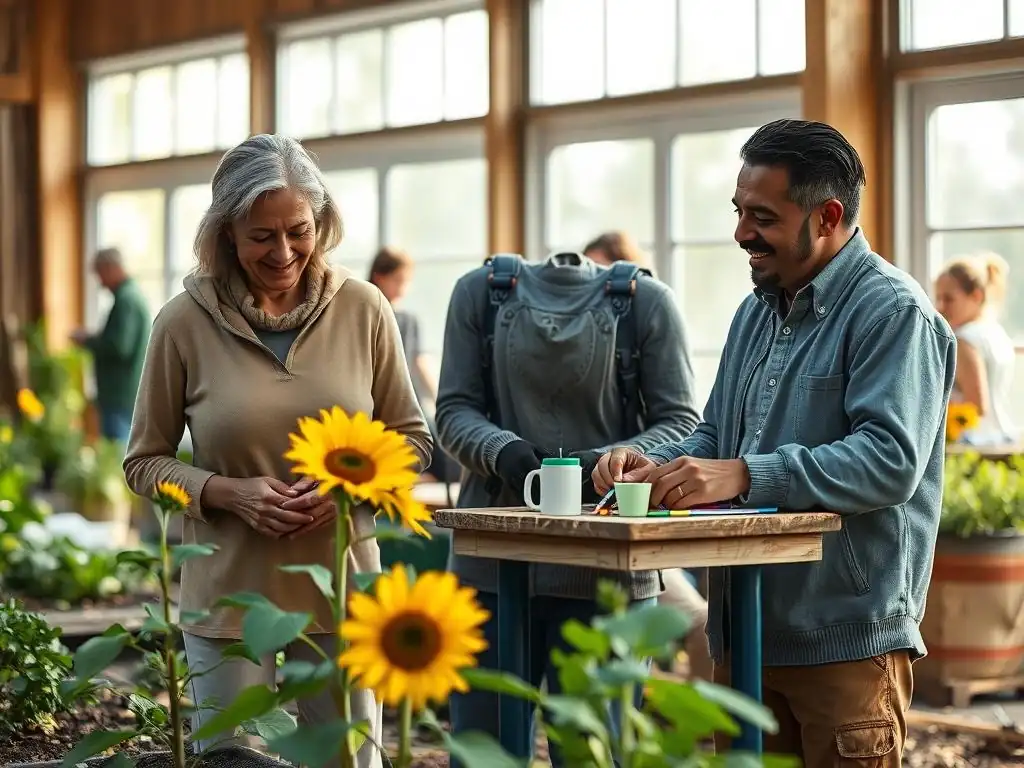
The first step to effectively using volunteering to combat loneliness is to find opportunities that genuinely resonate with you. Volunteering should be something you look forward to, not another chore. Reflect on your interests, hobbies, and values. Do you love animals? Consider a local animal shelter. Are you passionate about education? Tutoring or helping at a library might be a good fit. Do you care about the environment? Look into conservation groups or community clean-up efforts.
Identifying your passions makes the volunteering experience more enjoyable and sustainable, increasing the likelihood that you will stick with it and build consistent connections. When you volunteer in an area you care about, you are also more likely to meet like-minded individuals who share similar interests, providing a solid foundation for potential friendships. Taking this personalized approach is key to ensuring that your volunteering experience is a positive and effective way to reduce loneliness feelings.
While the desire to volunteer may be present, practical barriers can sometimes make it challenging to start or maintain involvement. Time constraints are a common issue for busy individuals, but many organizations offer flexible schedules, including evening or weekend shifts, or even short-term projects. It's about finding an opportunity that fits your life, not trying to fit your life around volunteering.
Social anxiety can be a significant hurdle for those experiencing loneliness, as the idea of interacting with new people can be daunting. Starting with roles that involve less direct interaction or volunteering alongside a friend initially can ease this transition. Many organizations are understanding and can help find a role that feels comfortable.
Transportation can also be a barrier, particularly in areas with limited public transit. Exploring opportunities within walking or biking distance, carpooling with other volunteers, or looking into virtual volunteering options can help overcome this. Addressing these practical challenges head-on is vital for leveraging volunteering to reduce loneliness feelings effectively.
Starting Small: Gradual Engagement in Volunteer Activities
For someone feeling overwhelmed by loneliness or social anxiety, committing to a large, long-term volunteering role might feel too intimidating. A more manageable approach is to start small. Look for opportunities that require only a few hours a month or are one-time events. This allows you to dip your toes in the water without feeling overburdened.
Beginning with a smaller commitment provides a low-pressure way to experience the benefits of volunteering, meet a few new people, and gain confidence. As you become more comfortable and start seeing the positive impact on your feelings of isolation, you can gradually increase your involvement or explore different types of volunteering. This gradual engagement makes the process feel less daunting and more sustainable, reinforcing how even minimal volunteering can begin to reduce loneliness feelings.
Community-Based Volunteering: Local Initiatives and Organizations
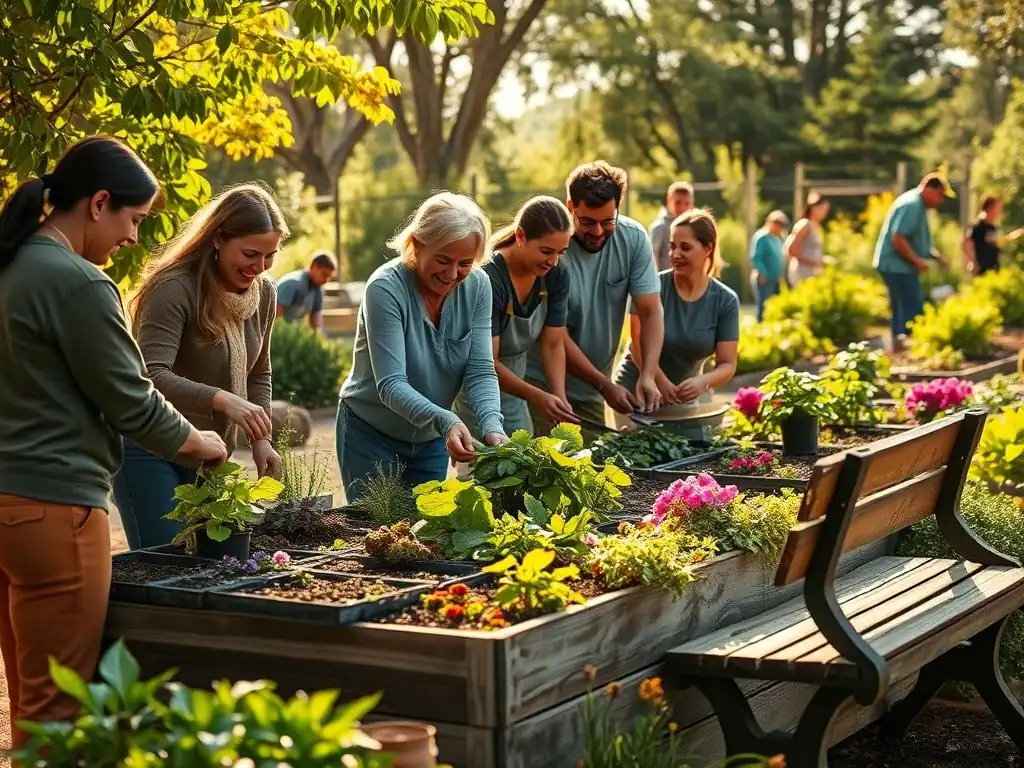
Community-based volunteering involves engaging directly with organizations and initiatives within your local area. This could include volunteering at a local school, library, hospital, food bank, community center, or faith-based organization. These opportunities often involve face-to-face interaction with both the people you are helping and fellow volunteers, making them excellent avenues for building local connections.
Examples might include serving meals at a homeless shelter, assisting with after-school programs for children, visiting elderly residents in a nursing home, or helping organize local events. The consistent presence in your community through these roles not only provides help where it's needed but also weaves you into the social fabric of your neighborhood. This direct, local engagement is a powerful way for volunteering to reduce loneliness feelings by creating tangible, nearby connections.
Virtual Volunteering: Connecting and Contributing from Home
For those with mobility issues, limited transportation, or significant social anxiety, or simply those who prefer to work from their own space, virtual volunteering offers a flexible and accessible alternative. Many organizations need help with tasks that can be performed remotely using a computer and internet connection.
Virtual opportunities can include tasks like writing and editing, graphic design, social media management, online tutoring, translating documents, or providing remote support services. While the interaction is not face-to-face, it still involves collaborating with others (often via email, video calls, or project management tools) and contributing to a shared goal. This allows individuals to connect with organizations and people regardless of geographical location, proving that even digital forms of volunteering can reduce loneliness feelings by fostering connection and purpose across distances.
Skills-Based Volunteering: Utilizing Your Talents to Help Others and Build Connections
Skills-based volunteering, also known as pro bono volunteering, involves using your specific professional or personal skills to benefit a non-profit organization. This type of volunteering can be particularly rewarding as it allows you to leverage your expertise for a good cause while potentially expanding your professional network and building confidence in your abilities.
If you are a web developer, you could help a small non-profit build their website. If you are an accountant, you could offer bookkeeping services. If you have strong writing skills, you could help write grant proposals or marketing materials.
This form of volunteering often involves collaborating closely with organization staff or other skills-based volunteers on specific projects, providing focused opportunities for interaction and relationship building centered around shared expertise. Utilizing your unique talents through skills-based volunteering is a fulfilling way to contribute and can significantly help reduce loneliness feelings by connecting you with others who value your skills and dedication.
Maximizing the Benefits of Volunteering for Mental Well-being
Building Meaningful Relationships with Fellow Volunteers
While the primary goal of volunteering is to help others, actively seeking to build relationships with fellow volunteers can significantly enhance the anti-loneliness benefits. Make an effort to talk to people you are volunteering alongside. Ask about their motivations for volunteering, share a laugh, and find common ground beyond the task at hand.
These interactions don't have to immediately become deep friendships, but consistent positive social exchanges can build rapport and lead to more meaningful connections over time. Consider suggesting grabbing coffee after a shift or exchanging contact information if the connection feels right. Cultivating these relationships enriches the volunteering experience and provides an additional layer of social support, underscoring how intentionally connecting while volunteering helps reduce loneliness feelings.
Setting Realistic Expectations and Avoiding Burnout
Volunteering should be a positive and sustainable part of your life, not an obligation that leads to stress or burnout. It's important to set realistic expectations for yourself and the time you can commit. Don't feel pressured to take on too much too soon. Start with a manageable amount of time and energy, and it's okay to say no if asked to do more than you are comfortable with.
Burnout can negate the mental health benefits of volunteering and even exacerbate feelings of stress or isolation. Pay attention to how you are feeling and take breaks when needed. Remember that your well-being is important, and a sustainable volunteering schedule is more beneficial in the long run for both you and the organization. Maintaining a healthy balance is crucial for ensuring that volunteering remains a positive force in helping you reduce loneliness feelings.
Recognizing and Appreciating the Impact of Your Contributions
Taking the time to recognize and appreciate the impact of your volunteer work is vital for reinforcing the sense of purpose and value that combats loneliness. Organizations often share stories of the people or causes they've helped, and paying attention to these outcomes can provide a powerful reminder of why you started volunteering in the first place.
Even seemingly small tasks contribute to the larger mission. Reflecting on how your efforts, however modest, have made a difference can significantly boost your sense of self-worth and connection to the community you are serving. This appreciation of your impact reinforces the positive feedback loop where contributing leads to purpose, purpose leads to connection, and connection helps volunteering reduce loneliness feelings.
Finding the Right Volunteering Opportunity for You: A Step-by-Step Guide
Assessing Your Skills, Interests, and Availability
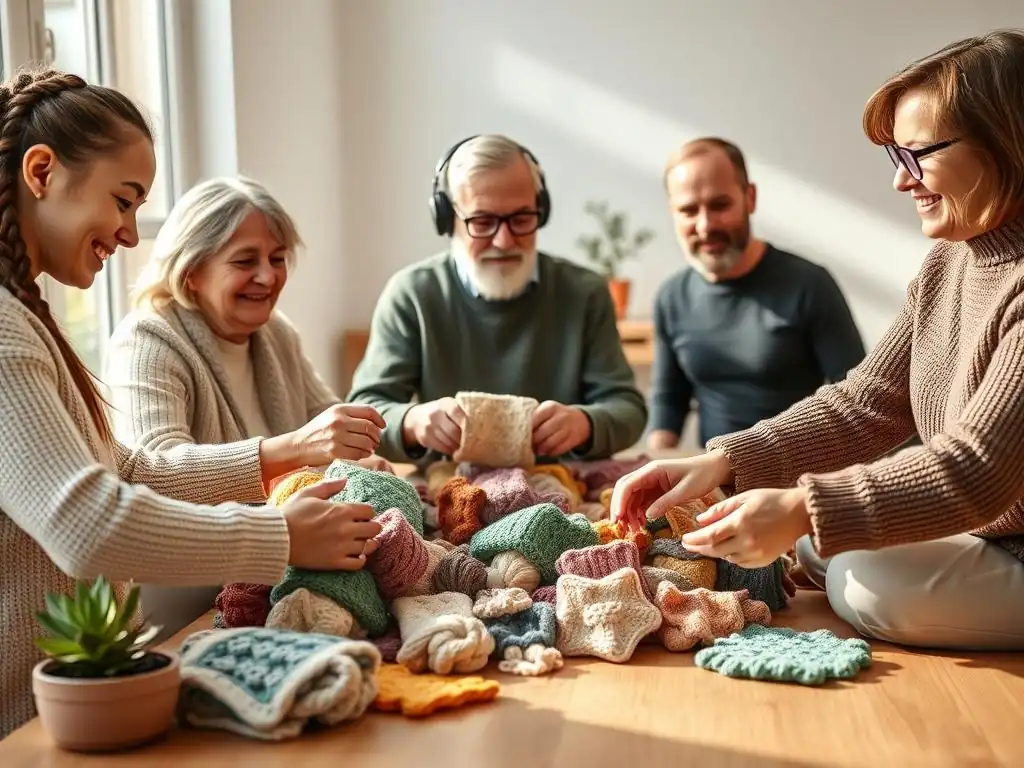
Start by taking stock of what you have to offer and what you are looking for. What skills do you possess, both professional and personal? What causes or activities genuinely interest you? How much time can you realistically commit each week or month? Consider your preferred style of interaction – do you prefer working independently on tasks, collaborating in a team, or having direct interaction with beneficiaries? Writing down these points can help clarify your focus and narrow down potential options.
Researching Local and National Volunteering Organizations
Once you have a clearer idea of your preferences, begin researching organizations. Start locally by searching online for non-profits or community groups in your area that align with your interests. Websites like VolunteerMatch, Idealist, or Engage have searchable databases that can help you find opportunities based on location, interest, and keywords like "social services" or "environmental." Don't overlook smaller, grassroots organizations that might not have a large online presence but are doing important work in your community. For virtual options, expand your search nationally or even internationally.
Contacting Organizations and Attending Information Sessions
After identifying a few potential organizations, reach out to them. Most organizations have a volunteer coordinator or a specific process for welcoming new volunteers. Their website usually provides contact information or an application form.
Many organizations also host information sessions for prospective volunteers, which are excellent opportunities to learn more about their work, the available roles, and the time commitment required, as well as to meet some staff and current volunteers. Don't be afraid to ask questions about the training provided, the typical tasks, and how they support their volunteers. This step is crucial for finding the right fit that will allow volunteering to effectively reduce loneliness feelings for you.
Real-Life Examples: Volunteering Success Stories in Overcoming Loneliness
Seniors Connecting Through Intergenerational Mentoring Programs
Intergenerational mentoring programs offer a powerful example of how volunteering can combat loneliness, particularly among older adults. For instance, programs where seniors volunteer to read with young children in schools provide mutual benefits. The children gain valuable literacy support and a positive adult role model, while the seniors experience increased social interaction, a renewed sense of purpose, and the joy of connecting with a younger generation.
A retired teacher, perhaps initially feeling isolated after leaving her profession, might volunteer two mornings a week at a local elementary school. Through this, she regularly interacts with students, teachers, and other parent volunteers. She shares her knowledge and experience, feels appreciated for her contributions, and builds new relationships, significantly reducing feelings of loneliness and isolation that might have arisen from retirement and reduced social contact. This direct engagement illustrates how volunteering helps reduce loneliness feelings by creating structured, meaningful interactions across age groups.
Individuals Recovering from Loss Finding Purpose in Grief Support Groups
Volunteering can also be a vital part of the healing process for individuals coping with grief and loss, which often leads to profound feelings of isolation. Someone who has lost a spouse, for example, might eventually find solace and connection by volunteering with a grief support organization. This could involve facilitating support group meetings, offering peer counseling, or helping with administrative tasks.
By sharing their own experiences and offering empathy and guidance to others who are navigating similar pain, these volunteers transform their personal tragedy into a source of strength and connection. They find a new community of understanding individuals and regain a sense of purpose by helping others. This powerful example demonstrates how volunteering can reduce loneliness feelings by creating supportive communities centered around shared experiences and mutual aid.
The benefits of volunteering in combating loneliness are not just immediate; they can contribute to building a sustainable social life over the long term. Consistent volunteering provides a regular social anchor, ensuring you have scheduled interactions and opportunities to see familiar faces. As you build rapport with fellow volunteers and staff, these relationships can extend beyond the volunteering context, leading to friendships, social outings, and a broader support network.
Furthermore, involvement in one organization can often open doors to other connections within the community. You might learn about other groups or events through your fellow volunteers, further expanding your social horizons. The key is to nurture the connections you make, making an effort to follow up and deepen relationships that feel promising. This ongoing process is how volunteering helps reduce loneliness feelings by creating a lasting foundation for social engagement.
The Ripple Effect: How Volunteering Can Inspire Others to Connect
Your decision to volunteer can have a positive ripple effect, inspiring others in your social circle or community to also get involved. When you share your positive experiences and the benefits you've gained, including how volunteering has helped you reduce loneliness feelings, you can encourage friends, family members, or acquaintances who might also be struggling with isolation to explore volunteering themselves.
This can potentially lead to a shared volunteering experience, further strengthening your bond with that person, or it can simply contribute to a broader movement of community engagement that benefits everyone involved. Sharing your journey makes the idea of volunteering more accessible and less intimidating for others, multiplying the positive impact on loneliness within your network and community.
Volunteering as a Lifelong Strategy for Preventing Loneliness
Viewing volunteering not just as a temporary fix but as a lifelong strategy can significantly contribute to long-term mental well-being and the prevention of loneliness. As life circumstances change – retirement, relocation, loss of loved ones – social networks can shrink. Having a consistent commitment to volunteering provides a stable source of social interaction and purpose, regardless of other life transitions.
Making volunteering a regular part of your routine ensures ongoing opportunities for connection and contribution. It's a proactive way to maintain social ties and a sense of belonging throughout different life stages. Embracing volunteering as a continuous activity is a powerful investment in your social and emotional health, solidifying its role as a fundamental tool for anyone seeking to effectively and sustainably reduce loneliness feelings.
Frequently Asked Questions
How exactly does volunteering help reduce feelings of loneliness?
Volunteering provides opportunities for social interaction and building connections with like-minded individuals. This fosters a sense of belonging and reduces feelings of isolation.
What types of volunteering activities are most effective at combating loneliness?
Activities that involve direct interaction with others, such as helping at a soup kitchen or mentoring youth, are generally more effective. They offer meaningful connections and a sense of purpose.
Is there a minimum amount of time someone needs to volunteer to see a positive impact on their loneliness?
Even small amounts of time dedicated to volunteering can make a significant difference. Consistency is key, but even a few hours a week can help combat loneliness.
Can volunteering help with other mental health challenges besides loneliness?
Yes, volunteering has been shown to improve overall mental well-being, including reducing symptoms of depression and anxiety. It provides a sense of purpose and accomplishment.
How can someone find volunteering opportunities that are a good fit for their skills and interests to maximize the benefits against loneliness?
Utilize online platforms like VolunteerMatch or contact local organizations related to your interests. Finding something you enjoy will make it more likely you'll stick with it and build connections.
Final Reflection: The Unexpected Rewards of Giving Back
The fight against loneliness is a battle fought not just in individual hearts, but in the fabric of our communities. Volunteering, often seen as an act of selfless service, is proving to be a powerful and surprisingly effective antidote to this pervasive modern epidemic. The research highlighted throughout this article clearly demonstrates the profound impact that contributing to something larger than oneself can have on mental well-being, fostering connection and reducing feelings of isolation.
The ripple effect of volunteering extends far beyond the individual. It strengthens the bonds within our communities, creating a supportive network where everyone feels valued and needed. This sense of belonging, this feeling of shared purpose, is crucial in combating the isolating forces of modern life. Loneliness is a public health crisis, and we need to address it with innovative solutions. Volunteering offers a powerful pathway to connection and well-being.
This statement underscores the growing recognition of the social and emotional benefits of giving back, a recognition that is finally translating into tangible action and community-based initiatives.
Now, consider your own life. What small act of service could you undertake this week? Perhaps it's offering a helping hand to a neighbor, mentoring a young person, or dedicating a few hours to a cause you care about. The act itself is important, but even more significant is the potential for personal growth and the profound impact you can have on both your own well-being and the lives of others. Embrace the opportunity to connect, to contribute, and to discover the unexpected rewards of a life enriched by giving back.
Thank you for taking the time to explore the powerful connection between volunteering and combating loneliness. We hope you've gained valuable insights into how giving back can enrich your life. Now, it's time to turn those insights into action!
- Start your volunteering journey today! Research local organizations aligned with your interests and passions. Even a small commitment can make a big difference.
- Share this article with someone you know who might benefit from the joy of giving back—let's spread the word about the power of connection!
- Leave a comment below and share your experience! What's one small step you can take this week to connect with your community and combat loneliness?
Ready to experience the transformative power of volunteering?