
Unlock Calm at Home: Your Guide to Biofeedback Devices for Anxiety

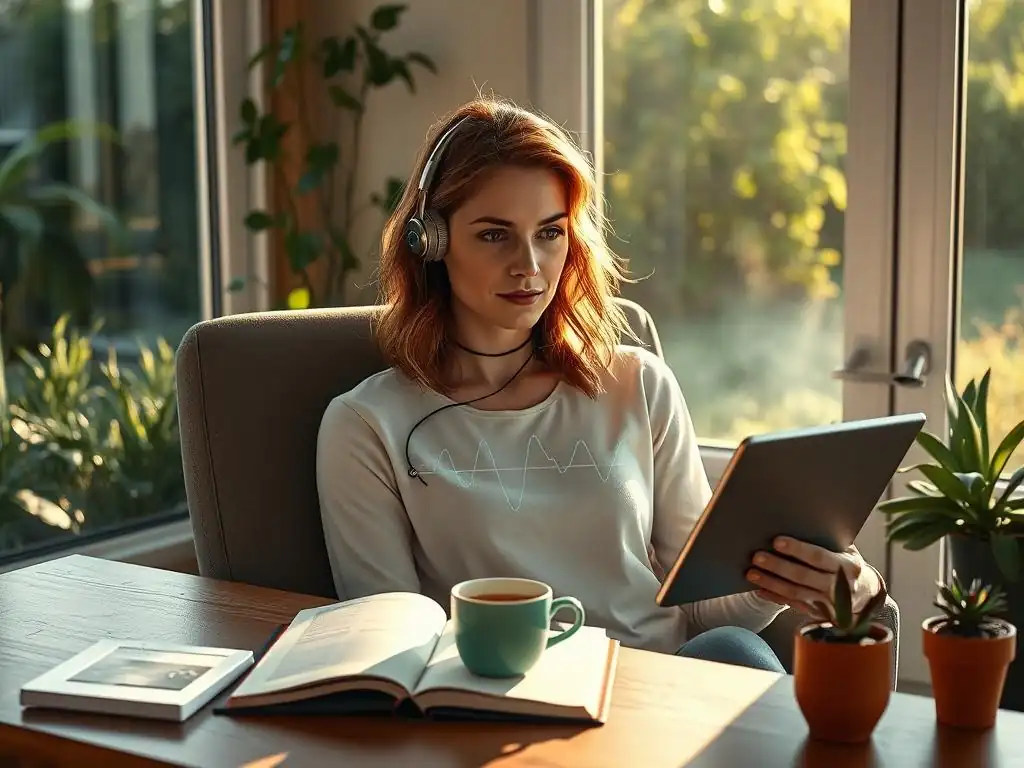
Welcome to Mind Care Guide, your sanctuary for navigating the complexities of mental well-being. Feeling overwhelmed by anxiety? You're not alone. Discover how Biofeedback reduce anxiety symptoms and unlock a sense of calm within yourself. Could wearable technology be the key to managing your stress at home? Explore our comprehensive guide and start your journey towards a more peaceful you.
Unlock Calm at Home: Your Guide to Biofeedback Devices for Anxiety
- Understanding Biofeedback and Anxiety Relief
-
Key Features to Consider When Choosing a Biofeedback Device for Anxiety
- Understanding Different Types of Biofeedback: HRV, EEG, GSR, and Temperature
- Portability and Ease of Use: Finding a Device That Fits Your Lifestyle
- Data Tracking and Analysis: Monitoring Your Progress and Identifying Patterns
- App Integration and Guided Sessions: Enhancing Your Biofeedback Experience
- Cost and Subscription Models: Balancing Features with Affordability
- Top Biofeedback Devices for Anxiety: A Comparative Review
-
How to Use Biofeedback Devices Effectively to Minimize Anxiety
- Setting Up Your Biofeedback Device and Creating a Consistent Routine
- Understanding Your Data: Interpreting Biofeedback Metrics for Anxiety Management
- Combining Biofeedback with Other Anxiety Management Techniques (e.g., Therapy, Meditation)
- Troubleshooting Common Issues with Biofeedback Devices and Seeking Support
- Maximizing Your Investment: Where to Buy Biofeedback Devices and What to Expect
- Conclusion: Finding the Right Biofeedback Device to Manage Anxiety Symptoms and Enhance Your Mental Well-being
-
Frequently Asked Questions
- What is biofeedback and how can it help with anxiety?
- Are biofeedback devices safe to use at home for anxiety relief?
- What types of biofeedback devices are available for home use to reduce anxiety symptoms?
- How long does it typically take to see results from using biofeedback to reduce anxiety?
- How does biofeedback specifically help to reduce anxiety symptoms?
- Final Reflection: Finding Inner Peace in a Tech-Driven World
- Unwind Your Worries: Start Your Biofeedback Journey Today!
Understanding Biofeedback and Anxiety Relief
What is Biofeedback and How Does it Work to Reduce Anxiety Symptoms?
Biofeedback is a mind-body technique that teaches you how to control physiological responses, such as heart rate, breathing, and muscle tension. It works by using electronic sensors to monitor these bodily signals and provide real-time feedback to the user. This feedback is often presented visually on a screen or via audio cues.
The core principle is that by becoming aware of these subtle internal processes, you can learn to consciously alter them. For someone struggling with anxiety, this means learning to recognize the physical signs of stress and tension and then employing techniques, guided by the biofeedback signal, to bring those responses back into a calm state.
The process typically involves sensors placed on the body measuring metrics like skin temperature, sweat gland activity (galvanic skin response or GSR), muscle tension (electromyography or EMG), brainwave activity (electroencephalography or EEG), or heart rate variability (HRV). As you practice relaxation techniques like deep breathing or meditation, you observe the changes in your physiological signals reflected by the biofeedback device. For instance, you might see your heart rate slow down or your muscle tension decrease on a graph.
This immediate feedback helps reinforce effective relaxation strategies, training your body and mind to respond more calmly to stressful situations, thereby helping biofeedback reduce anxiety symptoms over time. Studies have indicated that individuals using biofeedback techniques can achieve significant reductions in self-reported anxiety levels, sometimes seeing improvements of 30% or more after a structured training program.
The Science Behind Biofeedback: Lowering Stress and Improving Mental Well-being
The scientific basis for biofeedback's effectiveness in managing anxiety lies in its ability to influence the autonomic nervous system (ANS). The ANS controls involuntary bodily functions like heart rate, digestion, and breathing, and it has two main branches: the sympathetic nervous system (responsible for the "fight or flight" response) and the parasympathetic nervous system (responsible for the "rest and digest" response). Anxiety often involves an overactivation of the sympathetic nervous system, leading to physical symptoms like rapid heartbeat, shallow breathing, and muscle tension. Biofeedback provides a window into this system's activity.
By practicing with biofeedback devices, individuals learn to activate their parasympathetic nervous system, counteracting the sympathetic response. For example, focusing on slow, deep, diaphragmatic breathing while monitoring heart rate variability (HRV) can train the body to increase HRV, a marker associated with better emotional regulation and resilience to stress. This learned skill, called self-regulation, extends beyond the biofeedback session.
With practice, individuals can apply these learned techniques without the device, becoming better equipped to manage their physical and emotional responses to anxiety triggers in daily life. Research has shown that biofeedback training can lead to measurable changes in physiological markers, such as decreased cortisol levels (a stress hormone) and improved heart rate variability, contributing to overall improved mental well-being and a reduced frequency and intensity of anxiety symptoms.
Benefits of Using Biofeedback Devices for Managing Anxiety at Home
Using biofeedback devices at home offers several distinct advantages for individuals seeking to manage anxiety. Firstly, it provides convenience and accessibility. Instead of needing to schedule appointments at a clinic, users can practice biofeedback techniques whenever and wherever they feel comfortable, integrating sessions seamlessly into their daily routines. This consistency is crucial for developing the self-regulation skills needed to effectively help biofeedback reduce anxiety symptoms over the long term. Home use also fosters a sense of empowerment, as individuals take an active role in their own anxiety management journey.
Secondly, home biofeedback allows for personalized practice and progress tracking. Devices often come with apps that record session data, allowing users to see how their physiological responses change over time and identify patterns related to stress or relaxation. This objective feedback can be incredibly motivating and helps users refine their techniques.
For instance, tracking HRV improvements or reductions in muscle tension can provide tangible evidence of progress, reinforcing positive habits. Furthermore, for many, the privacy of practicing at home can be less intimidating than clinical settings, making it easier to commit to regular sessions and maximize the potential for biofeedback to reduce anxiety symptoms effectively.
Key Features to Consider When Choosing a Biofeedback Device for Anxiety
Understanding Different Types of Biofeedback: HRV, EEG, GSR, and Temperature
When exploring biofeedback devices for anxiety, it's important to understand the different physiological signals they measure, as each offers a unique perspective on your body's stress response. Heart Rate Variability (HRV) biofeedback focuses on the subtle variations in the time intervals between consecutive heartbeats. Higher HRV, particularly in certain frequency bands, is associated with a more flexible and resilient nervous system, better able to adapt to stress.
Devices measuring HRV often guide users through paced breathing exercises to increase coherence between heart rate and breathing rhythms, which is linked to a calmer state. This type of biofeedback is widely used to improve emotional regulation and stress resilience, directly impacting anxiety levels.
Electroencephalography (EEG) biofeedback, often called neurofeedback, measures brainwave activity. Different brainwave frequencies (like alpha, beta, theta) are associated with various states of consciousness, from alert concentration (beta) to relaxed focus (alpha) or deep relaxation (theta). For anxiety, neurofeedback might focus on increasing alpha or theta waves while decreasing high beta waves, which are often associated with racing thoughts and worry.
Galvanic Skin Response (GSR) biofeedback measures changes in sweat gland activity, reflecting levels of physiological arousal – the more anxious you are, the more your skin conducts electricity. Temperature biofeedback measures skin temperature, often in the extremities, as cold hands can be a sign of stress and reduced blood flow. Understanding which physiological signal a device targets is key to choosing one that aligns with the specific physical manifestations of your anxiety.
Portability and Ease of Use: Finding a Device That Fits Your Lifestyle
The effectiveness of using biofeedback to reduce anxiety symptoms at home is significantly influenced by how easily the device integrates into your daily life. Consider the device's form factor and how portable it is. Some devices are small, wearable sensors that clip onto an earlobe or finger, making them discreet and easy to use anywhere. Others might involve a headband or a small sensor box connected to a computer or smartphone. If you plan to use the device throughout the day or while traveling, a highly portable and unobtrusive design is paramount.
Ease of use is equally critical. The device should be simple to set up, connect, and operate without technical expertise. Look for intuitive interfaces, clear instructions, and reliable connectivity (often via Bluetooth to a smartphone app).
A device that is complicated or frustrating to use is likely to gather dust rather than becoming a regular tool for anxiety management. Consider how quickly you can start a session – can you initiate it within seconds when you feel anxiety rising, or does it require a lengthy setup process? Devices designed for home use prioritize accessibility, allowing you to focus on the biofeedback process itself rather than wrestling with technology, thereby facilitating consistent practice essential for anxiety reduction through biofeedback.
Data Tracking and Analysis: Monitoring Your Progress and Identifying Patterns
A significant advantage of modern biofeedback devices is their ability to track and analyze your physiological data over time. This feature is invaluable for monitoring your progress in using biofeedback to reduce anxiety symptoms and gaining deeper insights into your stress triggers and relaxation responses. Look for devices that offer comprehensive data dashboards within their companion apps. These dashboards should clearly display metrics measured during each session, such as average heart rate, HRV scores, skin conductance levels, or brainwave patterns.
Beyond raw data, the ability to analyze trends is crucial. Can you see how your physiological responses change from session to session, week to week? Does the app correlate your reported stress levels with your physiological data?
Some apps provide insights into which types of sessions or relaxation techniques seem most effective for you based on your physiological responses. This data-driven approach allows you to refine your practice, focus on what works best, and objectively see the impact of biofeedback on your anxiety levels. The ability to visualize your progress can be a powerful motivator, reinforcing your commitment to using biofeedback for anxiety reduction.
App Integration and Guided Sessions: Enhancing Your Biofeedback Experience
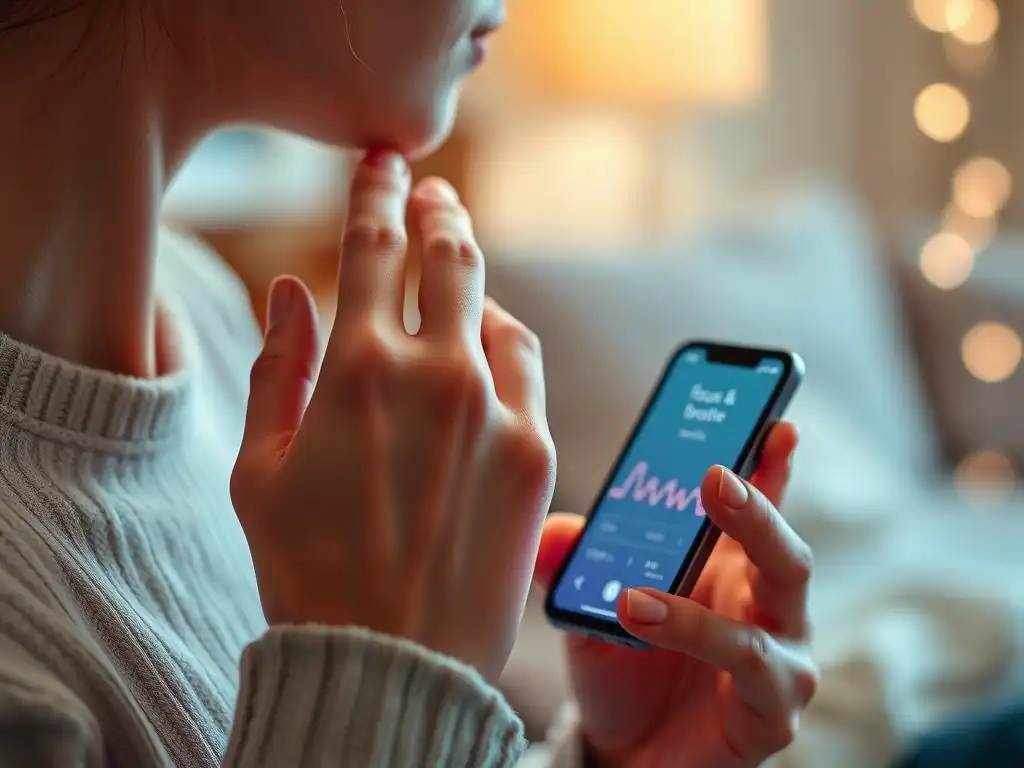
Most modern biofeedback devices designed for home use rely heavily on a companion smartphone or tablet app. This app is typically where you view your real-time feedback, access guided sessions, and track your progress. App quality is therefore a critical factor. Look for apps that are well-designed, stable, and user-friendly. A good app enhances the biofeedback experience rather than detracting from it.
Many apps offer guided sessions tailored to specific goals, such as stress reduction, focus, or sleep. These sessions often combine biofeedback monitoring with guided meditation, breathing exercises, or visualization techniques. For someone new to biofeedback or meditation, these guided programs can be incredibly helpful in learning how to influence their physiological signals.
Some apps even provide personalized guidance based on your real-time data, instructing you, for example, to slow your breathing if your HRV is low or to relax your shoulders if muscle tension is high. The quality and variety of guided content can significantly impact how effectively you learn to use the device to help biofeedback reduce anxiety symptoms.
Cost and Subscription Models: Balancing Features with Affordability
The cost of biofeedback devices for home use can vary significantly, ranging from under a hundred dollars for simpler GSR or temperature sensors to several hundred dollars for more advanced EEG or comprehensive HRV systems. When considering the price, think about which features are most important to you and how they align with your budget. More expensive devices often offer more sophisticated sensors, detailed data analysis, and a wider range of guided content.
Beyond the initial purchase price, many devices, particularly those with extensive content libraries or advanced data tracking, operate on a subscription model. This means you pay a recurring fee (monthly or annually) to access the full features of the app, including guided sessions, detailed historical data, and often new content updates. Factor these ongoing costs into your decision.
While a subscription might provide valuable resources that enhance the effectiveness of biofeedback for anxiety, ensure the value justifies the recurring expense for your personal needs and budget. Balancing the device's capabilities with its total cost of ownership is essential for a sustainable approach to using biofeedback to manage anxiety.
Top Biofeedback Devices for Anxiety: A Comparative Review
Muse 2: Brainwave Sensing for Meditation and Anxiety Reduction - A Detailed Analysis
The Muse 2 is a popular consumer EEG biofeedback device designed primarily for meditation and stress management. It takes the form of a comfortable headband worn across the forehead and behind the ears. The device uses multiple sensors to detect brainwave activity (EEG), heart rate (PPG), breathing patterns, and body movement.
During a meditation session, the Muse app translates this physiological data into real-time audio feedback. For example, if your mind is active, you might hear "windy" weather sounds; as your mind calms, the wind subsides, and you might hear birds chirping, providing immediate feedback on your state. This unique approach helps users learn to recognize and achieve a calm, focused mental state, directly supporting efforts to use biofeedback to reduce anxiety symptoms.
Muse 2 stands out for its multi-sensor approach, offering a more holistic view of your physiological state during meditation compared to devices that measure only one signal. The integration of brainwave, heart, breath, and body movement data provides rich insights into your meditation practice. The device stores session data in its companion app, allowing users to track their progress over time, view detailed graphs of their brain activity, heart rate, and stillness, and earn points or achieve goals as they improve.
This gamified element can be particularly motivating for maintaining a consistent practice. The guided meditations within the app, which respond dynamically to your biofeedback data, are a key feature that enhances the learning process for managing anxiety with biofeedback.
Muse 2 Features: Brainwave Tracking, Guided Meditations, and Personalized Insights
Muse 2's core feature is its EEG brainwave tracking. The headband's sensors measure electrical activity in the brain, identifying patterns associated with different mental states (calm, neutral, active). This is translated into real-time audio feedback, such as weather sounds. Beyond brainwaves, it incorporates a PPG sensor to monitor heart rate and heart rate variability, giving you insight into your physiological stress levels. It also tracks breathing patterns, guiding you towards slower, more consistent breathing, and uses an accelerometer to detect physical movement, encouraging stillness during meditation.
The Muse app offers a wide library of guided meditations, soundscapes, and breathing exercises. What makes these unique is their integration with the biofeedback data – the audio cues respond directly to your physiological state, providing personalized guidance. After each session, the app provides a detailed summary, including scores for Mind, Heart, Body, and Breath, along with graphs showing how these metrics changed over time.
It also tracks your progress across sessions, allowing you to see trends in your calmness levels and duration in a relaxed state. These personalized insights are invaluable for understanding how your body and mind respond to different techniques and for optimizing your approach to using biofeedback to reduce anxiety symptoms.
Muse 2 Pros and Cons: Is it the Right Choice for You?
- Pros:
- Measures multiple physiological signals (brain, heart, breath, body), offering a comprehensive view.
- Real-time audio feedback is intuitive and helps users learn to quiet the mind.
- Companion app is well-designed with a large library of guided content.
- Gamified elements and progress tracking can be highly motivating.
- Specifically designed for meditation, making it a natural fit for those interested in incorporating mindfulness.
- Cons:
- The headband form factor might not be comfortable for everyone or easy to use in all situations.
- Full access to the extensive content library requires a subscription (Muse Premium).
- Primarily focused on meditation/mindfulness; less emphasis on training specific physiological responses like HRV coherence outside of meditation.
- Can be sensitive to placement and movement, sometimes leading to signal dropouts.
Considering these points, Muse 2 is likely a great choice if you are interested in using biofeedback to deepen your meditation practice and learn to quiet a busy mind as a way to manage anxiety. Its multi-sensor approach and responsive guided sessions are unique. However, if your primary focus is strictly on training specific physiological responses like HRV coherence or if you prefer a less conspicuous device, other options might be more suitable for your needs in using biofeedback to reduce anxiety symptoms.
Using Muse 2 to Minimize Anxiety: A Practical Guide with Exercises
Using Muse 2 to minimize anxiety involves incorporating regular meditation sessions into your routine, guided by the device's real-time feedback.
- Setup: Charge the device, download the Muse app, and pair the headband via Bluetooth. Find a quiet, comfortable place to sit.
- Calibration: Place the headband correctly on your forehead and behind your ears. The app will guide you through a calibration process to ensure good sensor contact.
- Start a Session: Choose a session type from the app – a guided meditation (e.g., Mind, Heart, Breath), a soundscape, or a challenge. Session lengths typically range from 3 to 20 minutes.
- Engage with Feedback: During the session, listen to the audio feedback. If using a Mind session, aim for calmer sounds (birds) by gently bringing your attention back whenever your mind wanders (indicated by wind). For a Heart session, try slowing your breath to influence your heart rate feedback.
- Review Data: After the session, review your results in the app. Look at your scores and graphs. Did your Mind score indicate less activity? Did your Heart score show increased calmness? Use this data to understand what techniques helped you achieve a calmer state.
- Consistency: Practice regularly, aiming for daily sessions if possible. Even short sessions (3-5 minutes) can be beneficial.
- Example Exercise: 5-Minute Mind Meditation for Anxiety:
- Put on the Muse 2 headband and start a 5-minute Mind session in the app.
- Close your eyes and focus gently on your breath.
- Listen to the weather sounds. If you hear wind, notice that your mind has wandered. Gently bring your attention back to your breath or the sounds of nature.
- If you hear birds, acknowledge that your mind is relatively calm and continue focusing on your breath.
- Continue for the full 5 minutes, practicing bringing your attention back whenever the wind picks up.
- Review your Mind score afterwards. The goal is to increase the amount of time spent in a "calm" state (indicated by birds).
By consistently engaging with the feedback and practicing returning to a calm state, you train your brain to become less reactive and more settled, a key skill for using biofeedback to reduce anxiety symptoms effectively.
HeartMath Inner Balance Trainer: HRV Biofeedback for Emotional Regulation
The HeartMath Inner Balance Trainer is a biofeedback device specifically focused on Heart Rate Variability (HRV) coherence training. HeartMath's research suggests that achieving a state of "coherence," where the heart rate rhythm is smooth and sine-wave-like, is associated with reduced stress, improved emotional regulation, and enhanced cognitive function.
The device typically uses a small sensor that clips onto your earlobe or finger and connects to a smartphone or tablet app. The app displays your HRV in real-time and guides you through breathing and visualization exercises designed to help you achieve and maintain a coherent state, directly targeting the physiological underpinnings of stress and anxiety.
Unlike devices that measure multiple signals, the Inner Balance Trainer hones in specifically on HRV, providing detailed feedback on your coherence level. The app uses visual displays, such as a graph of your heart rhythm and a coherence score, along with audio cues or guided imagery, to help you synchronize your breathing with your heart rhythm.
The goal is not just to slow your heart rate but to create a more ordered and smooth pattern of heart rate variability. This focused approach makes it a powerful tool for learning to consciously shift your physiological state towards one of greater calm and resilience, making it highly effective for individuals seeking to use biofeedback to reduce anxiety symptoms related to physiological arousal.
HeartMath Inner Balance Trainer Features: HRV Monitoring, Coherence Training, and Stress Reduction Techniques
The primary feature of the HeartMath Inner Balance Trainer is its precise monitoring of Heart Rate Variability via the earlobe or finger sensor. The companion Inner Balance app translates this data into a visual representation of your heart rhythm patterns and a real-time "coherence score." This score indicates how coherent your heart rhythm is, with higher scores reflecting a more optimal state associated with reduced stress.
The app provides guided sessions that typically involve paced breathing instructions synchronized with the visual display of your heart rhythm. Users are encouraged to breathe slowly and deeply, focusing on positive emotions or calming imagery, while observing how this impacts their coherence score. The app includes various guided meditations and exercises, such as the "Heart-Focused Breathing" and "Quick Coherence" techniques developed by the HeartMath Institute.
It also tracks your progress over time, showing your average coherence scores, time spent in a coherent state, and session history. This data helps you see how consistently you can achieve coherence and how it correlates with your subjective feelings of calm, reinforcing the practice of using biofeedback to reduce anxiety symptoms.
HeartMath Inner Balance Trainer Pros and Cons: Understanding Its Limitations
- Pros:
- Highly focused on HRV coherence training, a scientifically validated approach for stress and emotional regulation.
- Ear or finger clip sensor is relatively unobtrusive during sessions.
- App is specifically designed for coherence training with clear visual and audio guidance.
- Based on decades of research by the HeartMath Institute.
- Effective for learning to quickly shift into a calm state in response to stressors.
- Cons:
- Measures only HRV; lacks data on other physiological signals like brainwaves or muscle tension.
- App interface, while functional, may feel less modern or feature-rich compared to some competitors.
- Content library might be less extensive than some subscription-based services focused on broader meditation.
- Relies on having your smartphone or tablet nearby for sessions.
The Inner Balance Trainer is an excellent choice if your primary goal is to train your body's stress response system specifically through HRV coherence. Its focused approach and grounding in HeartMath's research make it a powerful tool for this purpose. However, if you are looking for a device that measures multiple physiological signals or offers a wide variety of general meditation content beyond coherence training, you might consider other options when evaluating biofeedback to reduce anxiety symptoms.
Real-World Application: How HeartMath Inner Balance Trainer Can Reduce Anxiety in Daily Life
The HeartMath Inner Balance Trainer is designed for practical application in managing anxiety throughout the day. The core skill learned is the ability to quickly achieve a state of physiological coherence, which helps interrupt the stress response cycle. Imagine you're about to give a presentation, feel a panic attack starting, or are navigating a stressful commute. These are moments where anxiety spikes, accompanied by physiological changes like increased heart rate and erratic HRV.
By practicing regularly with the Inner Balance Trainer (even just 3-5 minutes at a time), you build the capacity to intentionally shift your physiological state. When faced with a real-world stressor, you can apply the learned breathing and focus techniques without the device to quickly move towards coherence. This skill can help dampen the intensity of the anxiety response, prevent escalation, and allow you to think more clearly.
Users often report feeling more centered, less reactive to minor stressors, and better able to recover quickly from stressful events. This learned resilience is a key benefit of using HRV biofeedback to reduce anxiety symptoms in the moments when you need it most. For example, someone prone to public speaking anxiety might use the Quick Coherence technique in the moments before stepping onto a stage, leveraging their practiced skill to calm their nervous system.
Sensate: Vagus Nerve Stimulation for Calming and Anxiety Relief
Sensate is a unique device that approaches stress and anxiety relief through infrasonic resonance and vagus nerve stimulation. Unlike traditional biofeedback devices that measure your physiological signals and provide feedback to you, Sensate works by emitting gentle, non-invasive vibrations that resonate through your chest bone (sternum).
This area is close to the vagus nerve, a major nerve pathway connecting the brain to many parts of the body, including the heart, lungs, and gut, and plays a crucial role in regulating the parasympathetic nervous system. The device is designed to be used while lying down, resting on your chest, paired with guided soundscapes played through headphones via its companion app.
The theory behind Sensate is that these specific infrasonic vibrations, combined with the curated sound journeys, help to calm the nervous system by influencing vagal tone. A higher vagal tone is associated with greater resilience to stress and anxiety, faster recovery from stressful situations, and a more relaxed physiological state.
While Sensate doesn't provide real-time physiological feedback to the user in the way that HRV or EEG devices do, its aim is to directly induce a state of relaxation and improve the body's long-term stress response capacity through this novel method of biofeedback-assisted vagus nerve stimulation. This makes it an interesting option for individuals looking for a passive yet potentially powerful tool to help biofeedback reduce anxiety symptoms.
Sensate Features: Infrasonic Resonance, App-Guided Sessions, and Portability
The core feature of Sensate is its ability to produce precisely tuned infrasonic vibrations. These vibrations are felt physically through the chest and are designed to resonate with the body, particularly influencing the vagus nerve pathway. The device itself is a small, smooth, pebble-shaped unit that is held or rests on the chest.
The Sensate experience is delivered through its companion app, which provides a library of guided soundscapes or "journeys." These audio tracks are designed to be listened to with headphones while the Sensate device is vibrating on your chest. The soundscapes often incorporate nature sounds, music, and ambient tones, synchronized with the device's vibrations to create an immersive, calming experience.
Sessions typically range from 10 to 30 minutes. While the app tracks your session history, it doesn't display real-time physiological data like traditional biofeedback. Its portability is a key feature – the small device and accompanying app make it easy to use at home, in bed, or even while traveling, offering flexibility for incorporating vagus nerve toning into your routine for anxiety management.
Sensate Pros and Cons: Evaluating its Unique Approach to Anxiety
- Pros:
- Offers a unique, non-invasive approach targeting the vagus nerve directly through vibration.
- Passive use – requires no active mental focus on techniques, making it accessible during high anxiety.
- Device is small, portable, and aesthetically pleasing.
- Companion app provides immersive soundscapes designed to enhance relaxation.
- Can be easily incorporated into bedtime routines for sleep-related anxiety.
- Cons:
- Does not provide real-time physiological feedback to the user, which is a core element of traditional biofeedback.
- Relies on the theory of vagus nerve toning through vibration; research specifically on this method for anxiety is still emerging compared to established HRV or EEG biofeedback.
- Requires headphones for the audio component of the sessions.
- Can be relatively expensive compared to some other biofeedback devices.
- Effectiveness may vary significantly between individuals.
Sensate is best suited for individuals who are open to exploring alternative, passive methods for stress and anxiety relief, particularly those interested in the potential benefits of vagus nerve stimulation. It's a good option if you find traditional biofeedback requiring active mental control or technique application challenging, or if you prefer a device that provides a calming physical sensation.
However, if you want a device that shows you your physiological data in real-time and teaches you active self-regulation skills based on that feedback, a traditional HRV or EEG device might be a more direct fit for using biofeedback to reduce anxiety symptoms.
Sensate Use Cases: Integrating Vagus Nerve Stimulation into Your Daily Routine
Sensate is designed for flexible integration into routines aimed at managing anxiety. Its passive nature makes it suitable for moments when active practice might be difficult.
- Bedtime Routine: Many users find Sensate helpful for winding down before sleep. Lying down with the device on the chest and listening to a calming soundscape can signal to the body that it's time to relax, potentially easing racing thoughts that contribute to sleep-related anxiety.
- During Rest Periods: Using Sensate during a break in a stressful day can help reset the nervous system. A 10 or 20-minute session can provide a focused period of relaxation, helping to lower overall arousal levels.
- Pre-Stressful Events: While it doesn't offer real-time feedback to guide immediate changes, using Sensate in the hour or two before a known stressful event (like a meeting or social gathering) may help establish a baseline of calm and improve resilience.
- General Anxiety Management: Regular daily use, even for short periods, is intended to improve vagal tone over time, potentially leading to a more resilient nervous system less prone to hyperreactivity in the face of stress. This consistent practice contributes to the long-term goal of using biofeedback (via vagal toning) to reduce anxiety symptoms.
Its ease of use while lying down makes it particularly accessible for those who struggle with seated meditation or active breathing exercises during moments of peak anxiety.
How to Use Biofeedback Devices Effectively to Minimize Anxiety
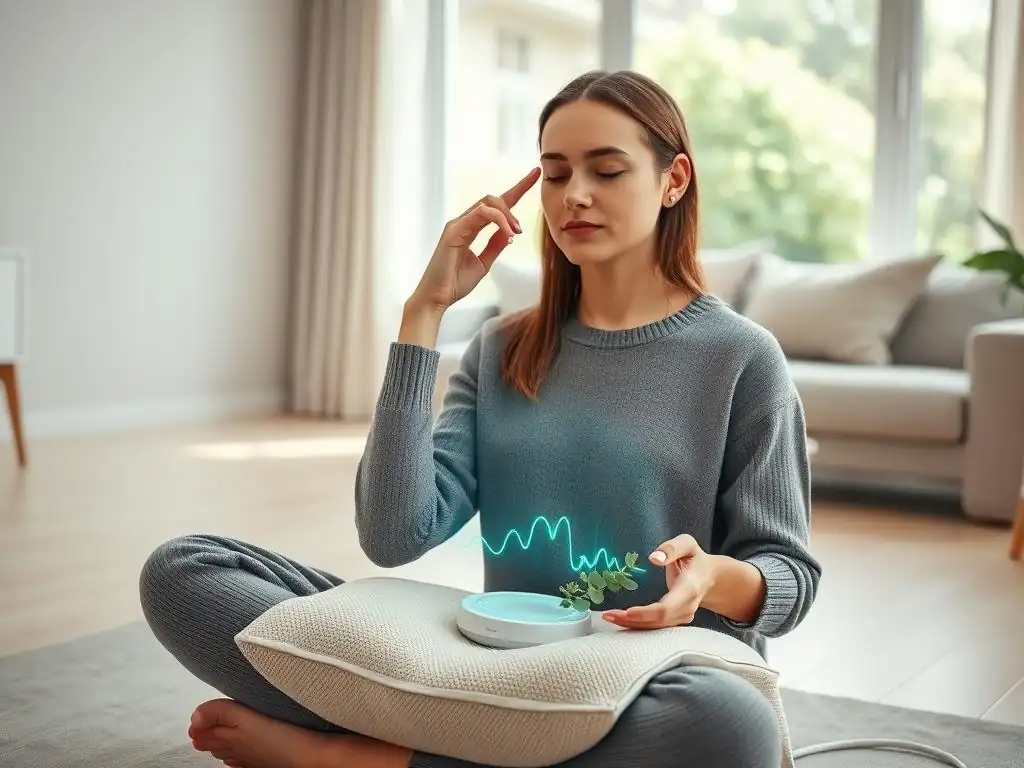
Setting Up Your Biofeedback Device and Creating a Consistent Routine
Proper setup is the first step to effectively using your biofeedback device for anxiety management. Carefully follow the manufacturer's instructions for charging, connecting sensors (like headbands, ear clips, or chest units), and pairing the device with its companion app on your smartphone or tablet. Ensure the sensors have good contact with your skin where required, as poor contact can lead to inaccurate readings and frustrating sessions. Spend time familiarizing yourself with the app's interface, understanding where to start a session, access guided content, and view your data.
Once set up, creating a consistent routine is paramount. Just like any skill, learning to use biofeedback to reduce anxiety symptoms requires practice. Aim for regular, dedicated sessions.
Many find success by integrating biofeedback into existing habits, such as practicing for 10-20 minutes first thing in the morning, during a lunch break, or as part of their evening wind-down routine. Consistency helps reinforce the connection between your mental focus, physical techniques (like breathing), and the resulting physiological changes, making it easier to access a state of calm both during and outside of sessions. Start with shorter sessions if needed, and gradually increase the duration as you become more comfortable.
Understanding Your Data: Interpreting Biofeedback Metrics for Anxiety Management
Interpreting the data provided by your biofeedback device is key to understanding your progress and refining your practice. While the specific metrics vary depending on the device type (HRV, EEG, GSR, etc. ), the general principle is to observe how your physiological signals respond to your attempts at relaxation.
For an HRV device, you might look at your coherence score or the shape of your heart rhythm graph – aiming for higher coherence and smoother patterns. With an EEG device like Muse, you'll track your "calm" score (e.g., birds vs. wind) and the duration spent in a relaxed mental state. For a GSR device, you'd look for a decrease in skin conductance as you relax.
The goal is not necessarily to achieve perfect numbers immediately, but to notice the correlation between your internal state/techniques and the external feedback. Do you see your coherence score drop when your thoughts race? Does your skin conductance spike when you recall a stressful event?
Does focusing on slow breathing increase your time in a calm brainwave state? By observing these relationships, you gain insight into what triggers your physiological anxiety response and, more importantly, what helps reverse it. Over time, you should look for positive trends in your key metrics across sessions, indicating that you are becoming more skilled at using biofeedback to reduce anxiety symptoms consciously.
Combining Biofeedback with Other Anxiety Management Techniques (e.g., Therapy, Meditation)
Biofeedback is a powerful tool, but it is often most effective when used as part of a broader anxiety management strategy. Combining biofeedback with other techniques can create a synergistic effect, enhancing overall well-being. For example, individuals undergoing cognitive behavioral therapy (CBT) for anxiety can use biofeedback to identify the physical sensations associated with anxious thoughts and practice calming those responses in real-time, reinforcing the cognitive strategies learned in therapy. Biofeedback provides an objective measure of the body's state, which can complement the subjective experience discussed in therapy sessions.
Similarly, for those who already practice meditation or mindfulness, biofeedback can provide objective feedback on their practice. A meditator might use an EEG device like Muse to see how quiet their mind truly is during a session or use an HRV device to see how their breathing affects their heart rhythm coherence. This feedback can help deepen their existing practice and make their meditation more effective for managing anxiety.
Other complementary techniques include yoga, deep breathing exercises (which biofeedback can guide and measure), regular physical exercise, and ensuring adequate sleep. Integrating biofeedback into a holistic approach leverages multiple pathways to help biofeedback reduce anxiety symptoms more comprehensively.
Troubleshooting Common Issues with Biofeedback Devices and Seeking Support
Even the best biofeedback devices can sometimes encounter technical issues. Common problems include difficulty connecting the device to the app (often due to Bluetooth issues), inaccurate readings (usually from poor sensor contact), or the app freezing or crashing. Before troubleshooting, ensure the device is fully charged and your smartphone/tablet meets the app's compatibility requirements.
- Troubleshooting Steps:
- Check sensor placement: Ensure sensors are firmly in place and making good contact with clean skin.
- Restart the device and app: Close the app completely and turn the biofeedback device off and on again.
- Check Bluetooth: Ensure Bluetooth is enabled on your phone/tablet and the device is paired correctly. Try unpairing and re-pairing.
- Update software: Check for updates for both the device's firmware and the app in your app store.
- Minimize interference: Avoid using the device near other strong electronic signals.
If problems persist, consult the device's user manual or the manufacturer's website for specific troubleshooting guides. Most reputable companies offer customer support via email, phone, or online chat. Don't hesitate to reach out for help; resolving technical issues promptly ensures you can maintain consistency in using biofeedback to reduce anxiety symptoms. Additionally, if you are experiencing significant anxiety, remember that biofeedback is a complementary tool and should not replace professional medical or psychological advice.
Maximizing Your Investment: Where to Buy Biofeedback Devices and What to Expect
Purchasing Options: Direct from Manufacturer vs. Online Retailers (Amazon, etc.)
When you're ready to purchase a biofeedback device to help biofeedback reduce anxiety symptoms, you typically have two main purchasing options: buying directly from the manufacturer's website or through major online retailers like Amazon, Best Buy, or specialized health and wellness e-commerce sites. Buying directly from the manufacturer often ensures you receive the newest version of the device and have direct access to their customer support and warranty services.
Manufacturers may also offer exclusive bundles or information specific to their product that you won't find elsewhere. This can be beneficial if you anticipate needing specific support or have detailed questions about the device's features or usage.
Purchasing through large online retailers offers convenience, competitive pricing, and often faster shipping, especially if you are already a member of a service like Amazon Prime. You can easily compare different models side-by-side and read customer reviews, which can provide valuable insights into real-world user experiences with specific devices. While online retailers are convenient, it's crucial to ensure you are buying from a reputable seller, especially on platforms like Amazon, to avoid counterfeit products or issues with warranty eligibility. Always check the seller's reviews and return policy before purchasing.
Understanding Return Policies and Warranties
Before purchasing a biofeedback device, thoroughly understand the return policy and warranty offered. This is especially important because the effectiveness of biofeedback can vary from person to person, and you want to ensure you have options if the device doesn't meet your needs or expectations for helping biofeedback reduce anxiety symptoms. Manufacturers typically offer a warranty against defects for a specific period, often one year. Understand what the warranty covers and the process for making a claim.
Return policies vary widely. Some manufacturers or retailers offer a satisfaction guarantee or a specific return window (e.g., 30 or 60 days) during which you can return the device for a refund if you are not satisfied, even if it's not defective. Others may only accept returns for unopened or defective items.
Given the investment in a biofeedback device, a generous return policy provides peace of mind and the opportunity to try the device and see if it's a good fit for your anxiety management goals. Always read the fine print regarding return conditions (e.g., restocking fees, condition of the device) before completing your purchase.
The Future of Biofeedback and Anxiety Treatment: Emerging Technologies and Trends
The field of biofeedback for anxiety is continuously evolving, driven by advancements in sensor technology, artificial intelligence, and mobile computing. Looking ahead, we can anticipate even more sophisticated and integrated devices. Miniaturization will likely lead to smaller, less conspicuous wearable sensors that can collect data continuously throughout the day, offering insights into physiological responses during real-world activities rather than just during dedicated sessions.
AI and machine learning are poised to play a larger role in data analysis and personalized guidance. Future biofeedback apps may offer more dynamic, adaptive sessions that adjust in real-time based on subtle shifts in your physiological state, providing highly tailored interventions.
We might also see greater integration with other health and wellness platforms, combining biofeedback data with sleep tracking, activity levels, and mood logging for a more holistic view of mental well-being. As technology becomes more accessible and powerful, biofeedback is likely to become an even more intuitive and effective tool for individuals seeking to use biofeedback to reduce anxiety symptoms and enhance their self-regulation skills.
Conclusion: Finding the Right Biofeedback Device to Manage Anxiety Symptoms and Enhance Your Mental Well-being
Biofeedback offers a powerful, non-pharmacological approach to managing anxiety by teaching you to consciously influence your body's physiological responses to stress. By providing real-time feedback on metrics like heart rate variability, brainwave activity, or skin conductance, these devices empower you to learn self-regulation techniques that can significantly help biofeedback reduce anxiety symptoms over time. Choosing the right device depends on understanding the different types of biofeedback available, considering key features like portability, data tracking, and app integration, and evaluating specific models based on your needs and preferences.
Whether you opt for an EEG device like Muse to guide your meditation, an HRV trainer like HeartMath Inner Balance to build physiological coherence, or explore novel approaches like Sensate for vagus nerve toning, consistency in practice is the most crucial factor for success. Integrating biofeedback into a regular routine and combining it with other anxiety management strategies like therapy or mindfulness can maximize its benefits.
With the right device and dedicated practice, biofeedback can become an invaluable tool in your journey towards unlocking calm at home and enhancing your overall mental well-being by effectively using biofeedback to reduce anxiety symptoms.
Key Takeaways: Choosing the Best Biofeedback Device for Your Individual Needs
- Understand the Biofeedback Type: Decide if you want to focus on brainwaves (EEG), heart rate variability (HRV), skin response (GSR), or another signal based on how anxiety manifests for you.
- Prioritize Features: Consider portability, ease of use, the quality of the app and guided content, and the depth of data tracking and analysis offered.
- Evaluate Cost and Subscription: Factor in both the upfront cost and any recurring subscription fees required to access essential features.
- Read Reviews and Compare: Look at user reviews and comparative analyses of specific devices like Muse 2, HeartMath Inner Balance, and Sensate to gauge real-world performance and user satisfaction.
- Consider Your Lifestyle: Choose a device and routine that you can realistically commit to using consistently.
- Think About Integration: How will the device fit into your existing anxiety management strategies or therapeutic approaches?
Final Recommendation: Based on Your Budget and Lifestyle
Based on a balance of features, established research, and user accessibility for helping biofeedback reduce anxiety symptoms:
- If you are interested in deepening your meditation practice and learning to quiet a busy mind, the Muse 2 (or later models) is an excellent choice, particularly if you value multi-sensor data and responsive guided sessions. Be prepared for a potential subscription cost for full content access.
- If your primary focus is on improving physiological resilience and emotional regulation through a scientifically validated method, the HeartMath Inner Balance Trainer is a strong contender. Its dedicated focus on HRV coherence training is highly effective for many. It generally has a lower barrier to entry regarding subscriptions compared to some EEG devices.
- If you prefer a more passive approach or are specifically interested in exploring vagus nerve stimulation, Sensate offers a unique and potentially calming experience. It requires less active mental effort during sessions but provides less direct physiological feedback.
Ultimately, the "best" device is the one you will use consistently. Consider which device's form factor, app experience, and underlying approach resonate most with you and your specific challenges with anxiety. Starting with a device that fits your budget and seems easy to integrate into your routine is the most effective way to begin using biofeedback to reduce anxiety symptoms and cultivate calm at home.
Frequently Asked Questions
What is biofeedback and how can it help with anxiety?
Biofeedback is a technique that teaches you to control bodily functions like heart rate and muscle tension. It can help reduce anxiety by providing real-time feedback on your physiological state, allowing you to learn to consciously influence these responses. This self-regulation can lead to decreased anxiety symptoms.
Are biofeedback devices safe to use at home for anxiety relief?
Generally, yes. Most at-home biofeedback devices are considered safe and non-invasive when used as directed. However, it's always recommended to consult with a healthcare professional before starting any new treatment, especially if you have underlying health conditions or are taking medications. Remember it's about supplementing care, not replacing it.
What types of biofeedback devices are available for home use to reduce anxiety symptoms?
Several types exist, including heart rate variability (HRV) monitors, electromyography (EMG) devices that measure muscle tension, and electrodermal activity (EDA) sensors that track sweat gland activity. The best device for you depends on the specific anxiety symptoms you're targeting and your personal preferences.
How long does it typically take to see results from using biofeedback to reduce anxiety?
Results vary, but many people experience some initial benefits within a few weeks of regular use. However, achieving significant and lasting improvements often requires consistent practice and ongoing use of the biofeedback techniques. Consistency is key for long-term anxiety management.
How does biofeedback specifically help to reduce anxiety symptoms?
Biofeedback helps reduce anxiety by teaching you to become aware of your body's stress responses. This awareness allows you to use relaxation techniques, such as deep breathing or progressive muscle relaxation, to actively counteract these responses. This leads to a reduced physiological response to anxiety-provoking situations.
Final Reflection: Finding Inner Peace in a Tech-Driven World
The pervasive nature of anxiety in modern life demands innovative solutions, and biofeedback technology offers a powerful, accessible pathway to calmer living. This exploration of biofeedback devices has revealed not just a collection of gadgets, but a potential revolution in how we manage and mitigate the debilitating effects of anxiety. The ease of use and growing affordability of these devices are democratizing access to effective self-care, a crucial step in addressing a global health concern.
The journey to understanding the mind-body connection through biofeedback has been profoundly impactful, not just for those struggling with anxiety, but for our broader understanding of mental wellness. It underscores the importance of integrating technology with mindful practices, creating a holistic approach to self-care. The body keeps the score,
as Bessel van der Kolk eloquently puts it, highlighting the deep connection between our physical and emotional states. Biofeedback offers a tangible way to actively engage with, and ultimately rewrite, that score.
Now, consider your own relationship with stress and anxiety. What small steps can you take today to prioritize your mental well-being? Perhaps it's exploring a biofeedback device, practicing mindfulness, or simply carving out dedicated time for relaxation. The path to inner peace is a personal one, but the tools and knowledge are readily available. Embrace the opportunity to unlock your own calm, and begin building a life less burdened by anxiety.
Unwind Your Worries: Start Your Biofeedback Journey Today!
Thanks for taking the time to explore the world of biofeedback and anxiety relief! We hope this guide has given you valuable insights into how these amazing devices can help you find inner calm. Now it's time to take action and transform your well-being.
- Begin your biofeedback exploration: Research the different types of devices discussed and find one that resonates with your needs and budget. Many retailers offer trials or introductory offers.
- Share your insights: Tell us (or your friends!) about your experience with biofeedback in the comments section below. What questions do you have? What are your initial thoughts?
- Consider a guided meditation: Many apps offer guided meditations designed to enhance the benefits of biofeedback. This pairing can significantly amplify your relaxation.
Ready to take control of your anxiety and unlock a calmer, more centered you? What's your first step towards integrating biofeedback into your self-care routine?