
Sourcing Serenity: Choosing HighQuality, Ethical Essential Oils for Your Anxiety Diffuser

Welcome to Mind Care Guide.
Feeling overwhelmed and searching for natural relief from anxiety? We understand. In a world saturated with choices, finding truly effective and ethical solutions can feel like a challenge. That's why we've created this guide to help you navigate the world of ethical essential oils anxiety relief. Discover how to source high-quality oils that not only soothe your mind but also support a more sustainable and compassionate world. Are you ready to breathe easier and unlock the potential of aromatherapy? Let's begin your journey to serenity.
Sourcing Serenity: Choosing High-Quality, Ethical Essential Oils for Your Anxiety Diffuser
- Understanding Anxiety and the Power of Aromatherapy
- Decoding "Ethical Essential Oils Anxiety": What to Look For
- Key Factors to Consider When Buying Essential Oils for Anxiety
- Top Essential Oils for Anxiety Diffusers: A Buyer's Guide
- Comparing Ethical Essential Oil Brands for Anxiety Relief
- How to Use Essential Oils in Your Diffuser for Optimal Anxiety Relief
- Beyond the Diffuser: Other Ways to Use Essential Oils for Anxiety
- Making Informed Choices: Resources for Ethical Essential Oil Consumers
- Conclusion: Embrace Ethical Aromatherapy for a Calmer, More Conscious Life
-
Frequently Asked Questions
- How can I be sure the essential oils I buy are ethically sourced?
- What are the key quality indicators to look for in essential oils for anxiety?
- Why is ethical sourcing important when choosing essential oils for anxiety relief?
- Which essential oils are most commonly recommended for anxiety and stress relief?
- How does the quality of essential oils impact their effectiveness in reducing anxiety symptoms?
- Final Reflection: Cultivating Calm, Consciously
- Unleash the Calming Power of Essential Oils
Understanding Anxiety and the Power of Aromatherapy
How Essential Oils Can Help Manage Anxiety Symptoms
Anxiety is a complex emotional and physiological state characterized by feelings of worry, nervousness, or unease. While it's a normal human emotion, excessive or persistent anxiety can significantly impact daily life and well-being. Aromatherapy, the practice of using natural plant extracts for therapeutic benefit, has been explored as a complementary approach to managing anxiety symptoms. Certain essential oils contain compounds that can interact with the body's limbic system, the part of the brain involved in emotions and memory, potentially influencing mood and stress responses.
Research into aromatherapy's effects on anxiety has shown promising results. For instance, a systematic review published in the Journal of Alternative and Complementary Medicine analyzing multiple studies indicated that inhaling essential oils, particularly lavender, could help reduce anxiety levels in various populations, including those undergoing medical procedures or experiencing generalized anxiety.
These effects are often attributed to the oils' ability to promote relaxation, reduce heart rate, and decrease cortisol levels, the body's primary stress hormone. The simple act of using an anxiety diffuser with a calming scent can create a peaceful environment, offering a moment of respite and mindfulness amidst anxious thoughts.
The Importance of Quality and Ethics in Essential Oils for Anxiety Relief
When seeking solace through aromatherapy, the quality and ethical sourcing of the essential oils you use are paramount, especially when targeting mental well-being like anxiety relief. Low-quality or adulterated oils may not only lack the therapeutic compounds necessary to provide genuine relief but could also contain synthetic additives or contaminants that are harmful or irritating. The purity of the oil directly impacts its potential efficacy in helping to soothe anxious feelings and promote a sense of calm.
Beyond purity, the ethical considerations behind sourcing essential oils play a crucial role in their overall value and impact. An ethical essential oil for anxiety use implies that the oil was produced in a way that respects both the environment and the people involved in its cultivation and extraction.
This includes fair wages for farmers and workers, sustainable harvesting practices that protect plant populations and ecosystems, and transparency throughout the supply chain. Choosing ethical essential oils for anxiety support ensures that your personal quest for serenity doesn't come at the cost of others' well-being or environmental degradation, aligning your self-care practices with a broader sense of responsibility and consciousness.
Decoding "Ethical Essential Oils Anxiety": What to Look For
Traceability and Transparency: Knowing Where Your Oils Come From
Traceability in the essential oil industry refers to the ability to track an oil from its origin (the plant and farm) through its journey to the final product you purchase. Transparent companies provide detailed information about their sourcing, including the botanical name of the plant, the country or region of origin, and sometimes even details about the farm or cooperative that produced it.
This level of detail is a strong indicator of a brand's commitment to quality and ethical practices. For consumers seeking ethical essential oils for anxiety relief, this means being able to verify that the oil is indeed what it claims to be and that it wasn't produced under questionable conditions.
A company's willingness to share this information builds trust. Look for websites or packaging that clearly state the origin and provide batch-specific testing data, such as GC/MS reports (Gas Chromatography-Mass Spectrometry). These reports analyze the chemical composition of the oil, confirming its purity and identifying key therapeutic compounds. A brand that readily provides GC/MS reports demonstrates confidence in the quality and authenticity of their oils, which is essential when selecting ethical essential oils for anxiety diffusers, as efficacy and safety are directly tied to the oil's chemical makeup.
Sustainable Harvesting Practices: Protecting the Environment
Sustainable harvesting ensures that essential oil-producing plants are collected or cultivated in a manner that does not deplete natural resources or harm ecosystems. This is particularly important for plants that are rare, endangered, or grow in fragile environments. Over-harvesting can lead to plant extinction, loss of biodiversity, and damage to the land. Ethical producers prioritize practices like selective harvesting, allowing plants to regenerate, or using cultivation methods that minimize environmental impact, such as organic farming which avoids harmful pesticides and synthetic fertilizers.
For example, Sandalwood (Santalum album) is an oil highly valued for its grounding properties, often sought after for anxiety relief, but it has been severely threatened by over-harvesting. Choosing ethical essential oils for anxiety that include sandalwood means verifying that the oil is sourced from sustainable plantations or managed wild populations, often indicated by certifications or direct statements from the brand about their conservation efforts. Supporting companies committed to sustainability helps preserve the availability of these precious botanical resources for future generations and ensures that your anxiety relief doesn't contribute to ecological harm.
Fair Trade and Labor Standards: Supporting Ethical Production
Fair Trade principles in the essential oil industry ensure that farmers and workers involved in the cultivation, harvesting, and processing of plants receive fair wages, work in safe conditions, and have opportunities for community development. Many essential oils are sourced from developing countries where labor practices can be exploitative. Supporting brands that adhere to Fair Trade standards means contributing to the economic well-being and empowerment of these communities.
Companies committed to ethical labor standards often work directly with cooperatives or employ third-party auditors to ensure compliance. This might involve paying a premium price for raw materials, investing in local infrastructure, or providing training and resources to farmers. When purchasing ethical essential oils for anxiety relief, look for certifications or clear statements from the brand about their labor practices and relationships with their suppliers. Knowing that the oil in your anxiety diffuser was produced under fair conditions adds another layer of peace of mind to your self-care routine.
Key Factors to Consider When Buying Essential Oils for Anxiety
Purity and Authenticity: Avoiding Adulterated Oils
The market for essential oils is vast, and unfortunately, adulteration is a significant issue. Adulterated oils may be diluted with cheaper carrier oils, mixed with synthetic chemicals to enhance the aroma or stretch the volume, or mislabeled altogether (e.g., selling a cheaper oil disguised as a more expensive one). These practices compromise the therapeutic value of the oil and can introduce potentially harmful substances. For someone relying on essential oils for anxiety relief, an impure oil will likely be ineffective and could even cause adverse reactions.
Ensuring purity involves looking for key indicators. Reputable brands will sell oils labeled with the botanical name (e.g., Lavandula angustifolia for true lavender, not just "lavender oil") and the country of origin. They should also provide or make available GC/MS reports for each batch, allowing you to verify the chemical constituents and check for contaminants. Some companies also use third-party testing to add another layer of assurance. Prioritizing purity is the first step in finding effective ethical essential oils for anxiety management.
Extraction Methods: CO2 Extraction vs. Steam Distillation
Essential oils are typically extracted from plant material using methods like steam distillation, cold pressing (primarily for citrus rinds), or CO2 extraction. Steam distillation is the most common method, using steam to gently release the volatile aromatic compounds from the plant. Cold pressing involves mechanically pressing plant material, usually fruit peels, to extract the oil without heat. CO2 extraction uses carbon dioxide under high pressure and low temperature to extract compounds, often yielding oils closer to the plant's natural aroma and containing a broader spectrum of constituents, including some heavier, non-volatile compounds.
For aromatherapy targeting anxiety, steam-distilled oils are widely used and effective. CO2 extracted oils can sometimes offer a more complete or nuanced aroma profile, which some users might prefer. Cold-pressed citrus oils like Bergamot are also popular for their uplifting properties. Understanding the extraction method can provide insight into the oil's aroma profile and potentially its therapeutic nuances, helping you choose the best oil for your anxiety diffuser based on your preferences and desired effects.
Therapeutic Grade vs. Fragrance Grade: Understanding the Difference
The terms "therapeutic grade" or "medical grade" are marketing terms and not regulated by any governing body. There is no official standard or certification for these terms. Any company can use them regardless of the oil's actual quality or purity. This can be misleading for consumers seeking effective essential oils for anxiety relief, as it implies a level of quality or efficacy that isn't guaranteed by the label alone.
In contrast, "fragrance grade" or "perfume grade" oils are typically synthetic or heavily diluted with synthetic chemicals. They are designed purely for scent and lack the complex natural compounds found in pure essential oils that are responsible for their therapeutic properties. Using fragrance oils in an anxiety diffuser will not provide the same potential benefits as using pure, ethically sourced essential oils. When choosing ethical essential oils for anxiety, ignore marketing terms like "therapeutic grade" and focus instead on objective indicators of quality like botanical name, origin, testing (GC/MS reports), and the company's transparency and ethical sourcing practices.
Top Essential Oils for Anxiety Diffusers: A Buyer's Guide
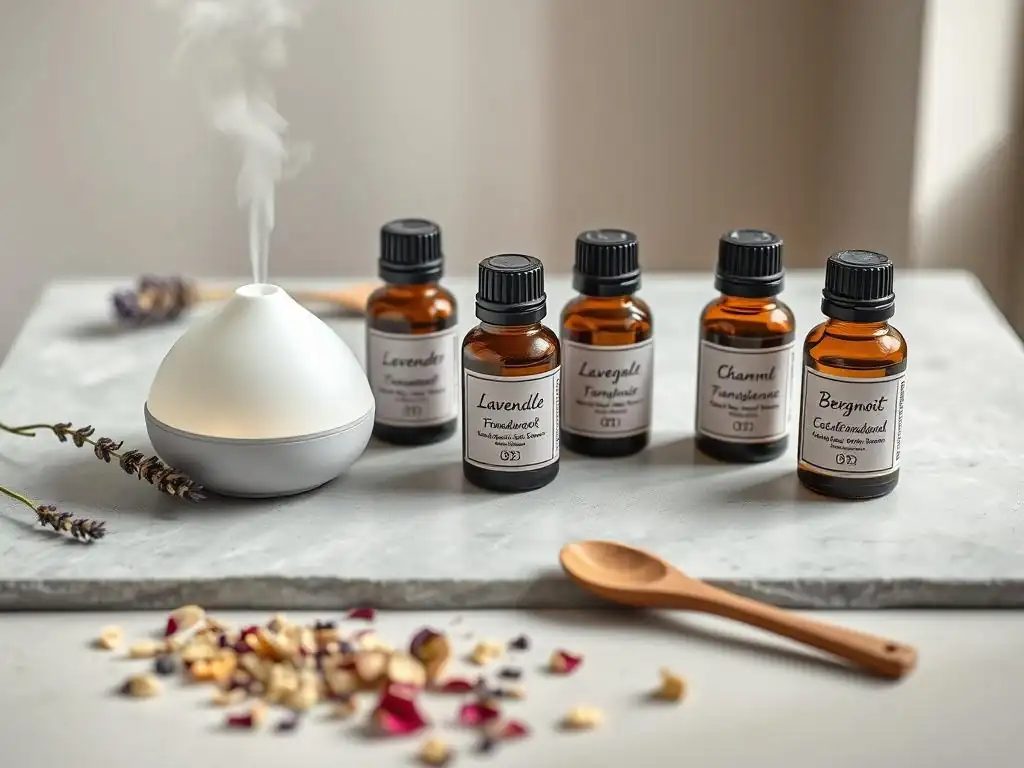
Lavender Essential Oil: Proven Calming Properties
- Benefits: Reduces stress, promotes relaxation, improves sleep quality.
- Considerations: Ensure it's Lavandula angustifolia for true lavender.
Lavender is perhaps the most widely studied and recognized essential oil for its calming effects. Numerous clinical trials have demonstrated its efficacy in reducing anxiety levels. For example, a study published in Phytomedicine found that an oral lavender oil preparation significantly reduced anxiety symptoms in patients with generalized anxiety disorder, comparable to a low-dose benzodiazepine, without the sedative side effects. When used in an anxiety diffuser, the sweet, floral aroma of pure Lavandula angustifolia is known to promote a sense of peace and tranquility, making it a staple for evening relaxation routines or moments of high stress.
To ensure you are getting the genuine article with the potent calming properties, look for oils specifically labeled as Lavandula angustifolia (sometimes called True Lavender or English Lavender). Other varieties like Lavandin ( Lavandula x intermedia) are common but have a different chemical profile with higher camphor content, making them less suitable for deep relaxation and anxiety relief. Choosing ethical essential oils anxiety seekers can trust means verifying the botanical name and looking for GC/MS reports that confirm the presence of key calming compounds like linalool and linalyl acetate in appropriate concentrations.
Roman Chamomile Essential Oil: Gentle and Soothing
- Benefits: Calming for nervous tension, promotes emotional balance.
- Considerations: More expensive than other chamomile varieties.
Roman Chamomile essential oil ( Anthemis nobilis or Chamaemelum nobile) is renowned for its gentle, soothing properties, making it an excellent choice for easing nervous tension and promoting emotional balance. Its sweet, apple-like, herbaceous aroma is particularly comforting and is often recommended for individuals experiencing anxiety, irritability, or restlessness. It's considered mild enough for children (when properly diluted for topical use, though diffusion is a safer method for general use) and can be wonderfully effective in an anxiety diffuser to create a peaceful atmosphere.
While there are other types of chamomile, such as German Chamomile ( Matricaria recutita), which is dark blue due to its chamazulene content and more often used for inflammation, Roman Chamomile is preferred for its specific calming effects on the nervous system. It tends to be more expensive than other oils due to the relatively low yield from the plant material. When seeking ethical essential oils anxiety blends might include, ensure the Roman Chamomile is sourced responsibly, as sustainable cultivation practices are important for this delicate plant.
Frankincense Essential Oil: Grounding and Centering
- Benefits: Reduces anxiety, promotes mindfulness, supports respiratory health.
- Considerations: Sourcing varies; look for ethically sourced Boswellia species.
Frankincense oil, typically derived from the resin of Boswellia trees (such as Boswellia carterii, serrata, frereana, or sacra), has been used for centuries in spiritual and medicinal practices. Its rich, balsamic, slightly woody aroma is deeply grounding and centering, making it invaluable for promoting feelings of peace and mindfulness. Inhaling Frankincense can help slow and deepen the breath, which is a common technique used to manage anxiety and panic. It's an excellent addition to an anxiety diffuser blend when you need to feel more present and less overwhelmed.
The sourcing of Frankincense is a significant ethical consideration. Some Boswellia species are threatened due to over-tapping of resin and habitat loss. When choosing ethical essential oils for anxiety that include Frankincense, it is crucial to look for brands that specify the Boswellia species and provide details about their sustainable harvesting practices. Supporting initiatives that work directly with communities harvesting the resin and ensure fair compensation helps protect both the trees and the livelihoods of the people who depend on them.
Bergamot Essential Oil: Uplifting and Balancing
- Benefits: Lifts mood, reduces stress, promotes a sense of well-being.
- Considerations: Phototoxic; avoid direct sunlight after topical application.
Bergamot essential oil ( Citrus bergamia) is a citrus oil cold-pressed from the rind of the Bergamot orange fruit. Its bright, complex aroma, which is both citrusy and slightly floral, is well-known for its uplifting and mood-balancing properties. Studies have shown that inhaling Bergamot can help reduce stress and anxiety levels. For example, research published in Complementary Therapies in Medicine found that inhaling Bergamot essential oil for 15 minutes helped reduce stress hormone levels (cortisol) in participants. It's a fantastic oil to use in your anxiety diffuser during the day to promote positivity and reduce tension.
As a citrus oil, Bergamot is typically cold-pressed. While this extraction method is generally efficient, the quality of the fruit and farming practices are important for purity. A key consideration for Bergamot is its phototoxicity; compounds in the oil can make skin sensitive to UV light, causing burns or discoloration if applied topically before sun exposure. While this is less of a concern with diffusion, it highlights the need for understanding the oil's properties. Choosing ethical essential oils anxiety sufferers use means verifying the oil is 100% pure Bergamot and understanding its specific characteristics.
Ylang Ylang Essential Oil: Relaxing and Euphoric
- Benefits: Reduces anxiety, promotes relaxation, enhances mood.
- Considerations: Can be overwhelming for some; use sparingly.
Ylang Ylang essential oil ( Cananga odorata) is derived from the flowers of a tropical tree. It has a rich, sweet, and intensely floral aroma that is often described as exotic or intoxicating. Ylang Ylang is known for its powerful relaxing and sedative properties, which can be very effective in reducing anxiety, lowering blood pressure, and promoting feelings of euphoria. It's an excellent oil for calming a racing mind and easing tension, making it a valuable addition to an anxiety diffuser blend, particularly in the evening or during moments of intense stress.
Ylang Ylang oil is distilled in fractions (Extra, I, II, III, Complete) based on the distillation time, with Ylang Ylang Complete containing the full spectrum of constituents and often preferred for aromatherapy. Its strong aroma can be overwhelming for some individuals or cause headaches if used in high concentrations. Therefore, it's best to use Ylang Ylang sparingly in a diffuser, often blending it with other oils. When seeking ethical essential oils anxiety blends might incorporate, look for sustainable sourcing practices, as the demand for Ylang Ylang is high, and responsible cultivation is important.
Comparing Ethical Essential Oil Brands for Anxiety Relief
Plant Therapy: Focus on Quality and Affordability
- Pros: Offers GC/MS reports, wide selection, affordable pricing.
- Cons: Some oils not certified organic.
Plant Therapy is a popular essential oil brand known for its commitment to quality testing and relatively affordable prices. They provide GC/MS reports for every batch of oil on their website, demonstrating a strong commitment to transparency and purity, which is crucial for effective ethical essential oils anxiety users can trust. Their website also offers detailed information about each oil's characteristics, uses, and safety data. They have a wide selection of single oils and blends, including many known for their calming properties.
While Plant Therapy is highly transparent regarding testing and purity, not all of their oils are certified organic. They do offer a specific organic line, but their conventional oils are not certified organic, though they state they test for pesticides. For consumers prioritizing certified organic sourcing alongside ethical practices, this is a consideration. However, their accessibility, extensive testing, and range of oils make them a strong contender for sourcing ethical essential oils for anxiety diffusers, especially for those balancing quality and budget.
Edens Garden: Commitment to Purity and Transparency
- Pros: GC/MS tested, transparent sourcing, offers organic options.
- Cons: Smaller selection compared to Plant Therapy.
Edens Garden is another reputable essential oil company that emphasizes purity and transparency. They also provide GC/MS reports for their oils and are open about their sourcing practices, often detailing the origin and extraction method for each oil. They offer a selection of organic essential oils, catering to consumers who prioritize organic certification. Their commitment to quality aligns well with the criteria for finding ethical essential oils anxiety relief seekers can rely on.
Compared to some larger brands, Edens Garden might have a slightly smaller overall selection of oils and pre-made blends. However, the quality and transparency they offer are excellent. Their focus on pure, unadulterated oils ensures that what you are diffusing for anxiety management is potent and free from harmful additives. For those who value detailed sourcing information and the option of organic oils, Edens Garden is a solid choice when looking for ethical essential oils for anxiety diffusers.
Rocky Mountain Oils: Blends Specifically Formulated for Anxiety
- Pros: Offers custom blends, targeted aromatherapy benefits.
- Cons: Higher price point.
Rocky Mountain Oils (RMO) is known for its focus on quality, testing, and offering a range of proprietary essential oil blends targeted at specific concerns, including anxiety and stress relief. Like the other brands mentioned, they provide GC/MS test results for their oils, ensuring purity and authenticity. Their blends are often formulated by experts to combine oils known for synergistic effects, which can be convenient for users seeking specific benefits for their anxiety.
While RMO maintains high-quality standards and transparency regarding their testing, their price point tends to be higher than brands like Plant Therapy. This higher cost is often associated with their specific blends and marketing. For individuals looking for pre-formulated, expert-designed blends for anxiety relief and who are willing to invest more, RMO offers compelling options. However, those preferring single oils or creating their own blends might find other brands more cost-effective for sourcing ethical essential oils anxiety users can diffuse.
How to Use Essential Oils in Your Diffuser for Optimal Anxiety Relief
Diffuser Types: Ultrasonic vs. Nebulizing vs. Evaporative
Choosing the right type of essential oil diffuser can impact the effectiveness of your aromatherapy for anxiety. Ultrasonic diffusers use water and electronic frequencies to create a fine mist, dispersing essential oil molecules into the air. They also humidify the air slightly and often have ambient light features, creating a calming multi-sensory experience.
Nebulizing diffusers use pressurized air to atomize the oil directly into the air without water or heat, resulting in a much stronger concentration of oil particles, ideal for powerful therapeutic effects in larger spaces. Evaporative diffusers use a fan to blow air through a pad or filter soaked with oil; this is the simplest method but disperses the oil less efficiently and doesn't maintain the oil's chemical integrity as well.
For general anxiety relief in a home or office setting, ultrasonic diffusers are very popular due to their ease of use, safety (no heat), and ability to disperse scent effectively over a moderate area. Nebulizing diffusers are excellent when you need a more intense therapeutic effect or are diffusing in a larger room, though they can be noisier and use oil more quickly.
Evaporative diffusers are portable and simple but offer the least potent diffusion method for therapeutic purposes. Your choice depends on the size of the space, desired intensity, and budget, all influencing how effectively you can use your ethical essential oils for anxiety management.
Recommended Diffuser Settings for Anxiety Management
Optimal diffuser settings for anxiety relief often involve short, intermittent diffusion cycles rather than continuous operation. This helps to prevent olfactory fatigue (where you stop smelling the scent) and ensures you are exposed to the beneficial compounds without overdoing it. Many ultrasonic diffusers offer settings like 30 seconds on/30 seconds off, or 1 hour/3 hours/6 hours intermittent modes. A common recommendation is to diffuse for 15-30 minutes at a time, repeating as needed throughout the day or during moments of heightened anxiety.
The number of drops to use also varies depending on the diffuser type, the size of the room, and the potency of the specific oil. A general guideline for an ultrasonic diffuser in a medium-sized room (around 100-200 sq ft) is 3-5 drops of essential oil. For a nebulizing diffuser, you might use slightly less oil but diffuse for shorter periods due to the higher concentration. Experimenting with the number of drops and cycle times will help you find the most effective and pleasant setting for your personal anxiety relief using ethical essential oils anxiety blends or single oils.
Creating Custom Essential Oil Blends for Anxiety
Creating custom blends in your anxiety diffuser allows you to tailor the aromatherapy experience to your specific needs and preferences. Combining oils with complementary properties can sometimes offer enhanced benefits. For example, a blend of Lavender, Bergamot, and Frankincense could offer a mix of calming, uplifting, and grounding effects. Many resources and essential oil companies provide blending guides and recipes specifically for anxiety, stress, and relaxation.
When creating a blend, consider the aroma profiles and therapeutic actions of the oils. Start with a base oil (like Lavender or Frankincense), add a middle note (like Bergamot or Ylang Ylang), and perhaps a top note if desired. Keep track of the ratios you use so you can recreate successful blends. Using ethical essential oils anxiety blends you create yourself adds a personal touch to your self-care routine, allowing you to experiment and discover the most effective aromatic synergy for your sense of calm.
Beyond the Diffuser: Other Ways to Use Essential Oils for Anxiety
Topical Application: Dilution and Safety Precautions
Topical application is another effective way to use essential oils for anxiety, allowing compounds to be absorbed through the skin. Common areas for application include the wrists, temples, back of the neck, or soles of the feet. However, essential oils are highly concentrated and must always be diluted with a carrier oil before applying to the skin to prevent irritation or sensitization.
Common carrier oils include fractionated coconut oil, jojoba oil, almond oil, or grapeseed oil. A typical dilution ratio for adults for general use is 2-3% essential oil (about 12-18 drops per ounce of carrier oil). For sensitive skin or children, lower dilutions (0.5-1%) are recommended.
Applying a diluted anxiety-reducing blend, such as Lavender and Roman Chamomile, to pulse points can provide a subtle, continuous aroma throughout the day. It's important to perform a patch test on a small area of skin before applying a new oil or blend more widely. Pay attention to any photosensitivity warnings, especially with citrus oils like Bergamot, and avoid sun exposure on areas where such oils have been applied. Using high-quality, ethical essential oils anxiety sufferers can trust for topical use is just as important as for diffusion to ensure safety and efficacy.
Aromatherapy Inhalers: On-the-Go Anxiety Relief
Aromatherapy inhalers are small, portable devices that allow for direct inhalation of essential oils. They typically consist of a cotton wick inside a plastic tube with a cap. You add a few drops of essential oil to the wick, cap it, and then simply uncap and inhale directly from the inhaler whenever needed. This method is incredibly discreet and convenient for managing sudden bouts of anxiety or panic when you're away from home or unable to use a diffuser.
Inhalers deliver a concentrated dose of aroma directly to the olfactory system, which has a direct pathway to the limbic system. This can provide rapid relief from anxious feelings. You can create custom inhalers with your favorite calming ethical essential oils anxiety blends – perhaps a combination of Peppermint and Lemon for focus and uplift, or Lavender and Vetiver for grounding. They are reusable and easy to carry in a pocket or bag, offering a personal, on-demand tool for self-soothing.
Aromatherapy Jewelry: Subtle and Continuous Diffusion
Aromatherapy jewelry offers a way to experience the benefits of essential oils through subtle, continuous diffusion throughout the day. This type of jewelry typically features a locket, pendant, or bracelet with a small porous pad or lava bead where you can place a drop or two of essential oil. As the oil evaporates slowly, you can gently inhale the aroma throughout the day, providing ongoing anxiety support.
This method is ideal for maintaining a sense of calm and well-being over extended periods without the intensity of a diffuser. It's also a lovely way to personalize your aromatherapy experience. You can choose a different oil or blend depending on your needs for the day – uplifting citrus in the morning, calming florals in the afternoon. Using ethical essential oils anxiety relief jewelry adds a beautiful, conscious layer to your personal style and self-care practice.
Making Informed Choices: Resources for Ethical Essential Oil Consumers
Certifications to Look For: [Fair Trade Certified, USDA Organic, ECOCERT]
Navigating the essential oil market can be challenging, but certain certifications can help guide you towards ethical and high-quality products. While no single certification guarantees everything, looking for indicators like Fair Trade Certified can assure you that the oil was produced with fair labor practices and community benefits in mind. USDA Organic or ECOCERT (an international organic certification body) indicate that the plants were grown without synthetic pesticides or fertilizers, which is a key aspect of environmental sustainability and purity.
It's important to note that obtaining certifications can be expensive and complex, especially for small producers or those in remote areas. The absence of a certification doesn't automatically mean a company isn't ethical or sustainable, but certifications provide an objective third-party verification that can offer peace of mind. When evaluating ethical essential oils for anxiety, consider certifications alongside the company's own transparency and stated practices regarding sourcing, testing, and community involvement.
Reputable Essential Oil Associations and Organizations
Several associations and organizations are dedicated to promoting quality, safety, and ethical practices within the essential oil industry. Organizations like the National Association for Holistic Aromatherapy (NAHA) and the Alliance of International Aromatherapists (AIA) provide educational resources, guidelines for safe use, and maintain directories of reputable practitioners and suppliers. While they don't certify specific oils, companies that align with or are members of such organizations often demonstrate a commitment to professional standards and ethical conduct.
Researching companies affiliated with these groups can be a helpful step in finding trustworthy sources for ethical essential oils anxiety users can confidently purchase. These organizations advocate for responsible sourcing, accurate labeling, and consumer safety, contributing to a more reliable market for therapeutic-grade essential oils.
Reading Labels and Understanding Ingredient Lists
Careful label reading is fundamental to making informed choices about essential oils. A pure essential oil label should list only the botanical name of the plant (e.g., Lavandula angustifolia), potentially the part of the plant used (e.g., flower, leaf), the country of origin, and the extraction method (e.g., steam distilled). The ingredient list should not include synthetic fragrances, carrier oils (unless it's a pre-diluted roll-on), or chemical additives.
Understanding these details helps you verify the authenticity and potential efficacy of the oil. For example, if a "Lavender" oil doesn't list the botanical name Lavandula angustifolia, it might be a hybrid or synthetic blend. Ethical essential oils anxiety relief seekers need are pure and accurately labeled. Companies committed to transparency will provide all this information clearly on the bottle or their website, often alongside batch-specific testing data.
Conclusion: Embrace Ethical Aromatherapy for a Calmer, More Conscious Life
Prioritizing Quality, Ethics, and Your Well-Being
Choosing high-quality, ethical essential oils for your anxiety diffuser is an act of self-care that extends beyond just your personal well-being. By prioritizing purity, transparency, sustainable harvesting, and fair labor practices, you are not only ensuring that the oils you use are effective and safe for managing anxiety but also contributing to a more responsible and compassionate world. The journey to finding ethical essential oils anxiety can be complex, but the effort is rewarding.
Remember that true serenity often comes from aligning our actions with our values. Using an anxiety diffuser with oils sourced ethically allows you to create a peaceful sanctuary in your home while supporting practices that benefit the planet and its people. This conscious approach to aromatherapy enhances the therapeutic benefits, fostering a deeper sense of calm and connection.
Finding the Right Essential Oils for Your Individual Needs
Ultimately, the best ethical essential oils for anxiety are the ones that resonate most deeply with you and effectively support your unique needs. While oils like Lavender, Frankincense, and Bergamot are widely recommended, exploring different pure, ethically sourced options and creating custom blends can help you discover what works best for your personal anxiety management routine. Pay attention to how different aromas make you feel and how they impact your anxiety levels.
Embark on this journey with curiosity and patience. Utilize the resources available, ask questions, and support brands that demonstrate a genuine commitment to quality and ethics. By making informed choices about the ethical essential oils anxiety relief you seek, you empower yourself to cultivate a calmer, more conscious, and truly serene life, one breath at a time.
Frequently Asked Questions
How can I be sure the essential oils I buy are ethically sourced?
Ethical sourcing involves considering the environmental impact and fair treatment of workers. Look for companies that are transparent about their supply chain and certifications like Fair Trade or USDA Organic.
What are the key quality indicators to look for in essential oils for anxiety?
Focus on purity and potency. Check for GC/MS testing reports (Gas Chromatography/Mass Spectrometry) from a third-party lab and avoid oils with added fillers or synthetic fragrances.
Why is ethical sourcing important when choosing essential oils for anxiety relief?
Ethical sourcing ensures that your anxiety relief isn't contributing to environmental degradation or the exploitation of workers. It aligns your personal well-being with responsible practices.
Which essential oils are most commonly recommended for anxiety and stress relief?
Lavender, chamomile, and frankincense are popular choices. They're believed to have calming and relaxing properties. However, individual responses can vary.
How does the quality of essential oils impact their effectiveness in reducing anxiety symptoms?
Higher quality oils generally contain a greater concentration of beneficial compounds, potentially leading to more noticeable anxiety relief. Impure oils may be less effective or even cause adverse reactions.
Final Reflection: Cultivating Calm, Consciously
The quest for serenity in our increasingly frantic world is more urgent than ever, and the simple act of diffusing essential oils has become a powerful tool for many seeking solace. The subtle, aromatic power of these natural extracts can significantly impact our mental and emotional well-being, but only if sourced ethically and with mindful consideration. This article has explored the crucial link between the quality and ethical sourcing of essential oils and their effectiveness in managing anxiety.
The journey towards understanding the true impact of essential oils on our emotional landscape has been a deeply personal one. It's not simply about the scent; it's about the interconnectedness of our well-being with the environment and the people who cultivate these precious plants. The earth laughs in flowers.
- Ralph Waldo Emerson. This quote beautifully encapsulates the inherent connection between nature's gifts and our own emotional flourishing. The ethical sourcing of essential oils ensures that this laughter isn't silenced by exploitative practices, allowing us to truly benefit from their calming properties without compromising our values.
Now, consider your own relationship with essential oils. Are you consciously choosing products that align with your values? I invite you to take a moment to reflect on the source of your oils and the impact your choices have on the environment and the communities involved in their production. By making informed decisions, we can collectively cultivate a more serene and sustainable future, one calming breath at a time. Let the aroma of ethically sourced essential oils be a constant reminder of our connection to nature and our responsibility to protect it.
Unleash the Calming Power of Essential Oils
Thanks for taking the time to explore the world of ethical and high-quality essential oils with us! We hope you gained valuable insights into choosing oils that truly support your well-being. Now, it's time to put this knowledge into practice.
- Prioritize your well-being by selecting your first ethical essential oil blend today. Consider what scents resonate most with your need for calm and relaxation. Lavender? Chamomile? Research reputable suppliers that prioritize sustainability and fair trade practices.
- Share this article with a friend or family member who could also benefit from learning about sourcing high-quality essential oils. Let's spread the word about mindful aromatherapy!
- Explore the power of aromatherapy beyond your diffuser! Experiment with adding a drop or two of your chosen oil to a warm bath, or using it topically (diluted properly, of course) for a targeted calming experience.
What calming essential oil blend will you try first, and how will you incorporate it into your daily routine to reduce stress and anxiety?