
Empowering Students for Life: Teaching Mindfulness as a Core Life Skill


Welcome to Mind Care Guide, your sanctuary for nurturing mental well-being.
Feeling overwhelmed? You're not alone. Many students face unique pressures that can impact their mental health. This article dives deep into Mindfulness for student mental health, exploring how this powerful practice can be a lifeline amidst academic stress and personal challenges. Discover practical techniques and insights to cultivate inner peace and resilience. Ready to unlock a calmer, more focused you? Let's begin...
Empowering Students for Life: Teaching Mindfulness as a Core Life Skill
- The Critical Need for Mindfulness in Education: Fostering Student Mental Health
- What is Mindfulness and Why is it Important for Students?
- Implementing Mindfulness Programs in Schools: A Practical Guide
- Mindfulness for Student Mental Health: Addressing Specific Challenges
- Overcoming Challenges in Implementing Mindfulness Programs
- Long-Term Impact: Cultivating a Mindful Generation
- Resources for Educators and Parents: Supporting Mindfulness in Schools
-
Frequently Asked Questions
- ### What exactly is mindfulness, and how does it relate to student mental health?
- ### How can schools effectively integrate mindfulness practices into their curriculum?
- ### What are the specific benefits of mindfulness for students facing anxiety or depression?
- ### Are there any potential downsides or challenges to introducing mindfulness to students?
- ### Where can students and educators find reliable resources to learn more about mindfulness for mental well-being?
- Final Reflection: Cultivating Inner Peace, Empowering Future Generations
- Unlock Your Student's Inner Calm: Start Practicing Mindfulness Today!
The Critical Need for Mindfulness in Education: Fostering Student Mental Health
The landscape of education is shifting, and with it, the challenges students face. Beyond academic pressures, young people today navigate complex social environments, constant digital stimulation, and an uncertain future, all of which can significantly impact their mental well-being. Traditional curricula, while strong in core subjects, often lack explicit instruction in managing these internal and external pressures. This gap highlights a critical need for integrating practices that support emotional resilience and psychological health directly into the educational framework. Addressing student mental health proactively is no longer optional; it's essential for fostering a supportive and effective learning environment.
Introducing concepts like mindfulness for student mental health offers a powerful avenue to equip young people with lifelong skills. Mindfulness, the practice of paying attention to the present moment without judgment, provides tools for self-awareness, stress reduction, and emotional regulation. By making mindfulness a core component of education, schools can empower students to better understand their thoughts and feelings, navigate difficulties with greater ease, and build a stronger foundation for overall well-being. This proactive approach can help mitigate the rising tide of mental health challenges observed in student populations.
Understanding the Growing Mental Health Crisis Among Students
Reports from various health organizations paint a concerning picture regarding the mental health of students globally. Studies indicate a significant increase in rates of anxiety and depression among adolescents and young adults over the past decade. For example, surveys in some regions suggest that perhaps one in five students aged 13-18 may experience a severe mental disorder at some point in their lives, with anxiety disorders being particularly prevalent. The pressures of academic performance, social media, peer relationships, and future uncertainty contribute significantly to this burden.
This crisis manifests in various ways within the school environment, including increased absenteeism, difficulty concentrating, behavioral issues, and a general decline in academic engagement. Educators are often on the front lines, witnessing these struggles firsthand but feeling ill-equipped to provide adequate support. The long-term consequences of untreated or poorly managed mental health issues during formative years can impact academic success, social development, and future life outcomes. Therefore, finding effective, accessible strategies to support student mental health is paramount.
Why Traditional Education Needs a Mindfulness Approach
Traditional educational models have historically focused heavily on cognitive development and the acquisition of subject-specific knowledge. While crucial, this focus often overlooks the development of emotional intelligence and coping mechanisms necessary for navigating life's challenges. Students learn what to think, but rarely how to manage their thoughts and feelings effectively, especially during stressful situations like exams or social conflicts. This creates a deficit in essential life skills.
Incorporating mindfulness into the curriculum addresses this imbalance by providing students with practical techniques to cultivate self-awareness and emotional regulation. It teaches them to pause, observe their internal state without immediate reaction, and choose how to respond rather than simply reacting impulsively. This not only supports mindfulness for student mental health but also enhances cognitive functions like attention and memory, which are directly beneficial for academic learning. A school that embraces mindfulness acknowledges the interconnectedness of mind and body, and the vital role mental well-being plays in a student's overall capacity to learn and thrive.
What is Mindfulness and Why is it Important for Students?
Mindfulness, at its core, is about paying deliberate attention to the present moment. It's a practice that encourages individuals to observe their thoughts, feelings, bodily sensations, and the surrounding environment without judgment. Think of it as exercising a muscle – the more you practice paying attention in this specific way, the better you become at it. For students, who are often juggling multiple tasks, worrying about the future, or dwelling on the past, learning to anchor themselves in the present can be incredibly grounding and empowering.
This simple yet profound practice is not about emptying the mind or achieving a state of perpetual calm. Instead, it's about developing an awareness of what is happening as it is happening. This awareness allows for greater clarity, reduced reactivity, and an increased capacity to navigate difficult experiences. Teaching mindfulness for student mental health involves making these concepts accessible and engaging for young minds, using language and activities that resonate with their experiences.
Defining Mindfulness: A Simple Explanation for Young Minds
Explaining mindfulness to students requires simple, relatable language. One common analogy is thinking of the mind like a busy street, with thoughts and feelings as cars driving by. Mindfulness is like standing on the sidewalk, watching the cars go by without trying to chase after them or stop them. You simply notice them. Another way to explain it is focusing on your breath – it's always here, in the present moment, a simple anchor you can return to.
For younger students, mindfulness can be described as using your "super senses" to notice things right now – what you see, hear, smell, taste, and feel. For teens, it might be framed as building mental resilience or learning to handle stress like a pro athlete trains their body. The key is to demystify the concept and present it as a practical skill, not a mystical practice. This foundational understanding is crucial for building effective mindfulness for student mental health programs.
The Science-Backed Benefits of Mindfulness for Student Well-being
Research into the effects of mindfulness has grown exponentially, with numerous studies demonstrating its positive impact on well-being, particularly in young populations. These benefits extend beyond just feeling calmer; they include measurable improvements in cognitive functions, emotional regulation, and physiological responses to stress. Implementing mindfulness for student mental health is thus supported by a robust and expanding body of scientific evidence.
Specific studies have shown changes in brain activity and structure in areas related to attention, emotional processing, and self-awareness among individuals who regularly practice mindfulness. For students, these neurological changes translate into tangible improvements in their daily lives and academic performance. Understanding these science-backed benefits can also help gain buy-in from educators, parents, and students themselves.
Reduced Stress and Anxiety through Mindfulness Practices
One of the most widely recognized benefits of mindfulness is its capacity to reduce stress and anxiety. When students feel overwhelmed by homework, social pressures, or personal issues, their stress response system can become overactive. Mindfulness teaches techniques, like focused breathing or body scans, that activate the parasympathetic nervous system, promoting relaxation and counteracting the stress response.
Multiple studies involving school-based mindfulness interventions have reported significant reductions in student-reported stress levels. For instance, a randomized controlled trial might show that students participating in an 8-week mindfulness program experience a "statistically significant decrease in anxiety symptoms" compared to a control group, perhaps reporting 15-20% lower scores on anxiety scales post-intervention. These programs equip students with tools to navigate stressful situations, whether it's preparing for a major test or dealing with peer conflict, fostering better mindfulness for student mental health.
Improved Focus and Concentration for Academic Success
In an age of constant distractions, the ability to focus is a valuable asset for students. Mindfulness training directly enhances attention control. By practicing bringing their attention back to a chosen anchor (like the breath) whenever their mind wanders, students strengthen their capacity to sustain focus and resist internal and external distractions. This is particularly beneficial in classroom settings, during lectures, or while studying independently.
Research using cognitive tests has demonstrated improvements in attention span and working memory capacity among students who practice mindfulness regularly. For example, a study might find that students in a mindfulness group show an increase in their ability to stay on task during a difficult assignment, potentially completing it more efficiently and accurately than peers who did not receive the training. This improved cognitive function directly supports academic performance and is a key outcome of promoting mindfulness for student mental health.
Enhanced Emotional Regulation and Resilience in Students
Adolescence is a period of intense emotional development, and learning to understand and manage strong feelings is crucial. Mindfulness helps students develop emotional intelligence by fostering non-judgmental awareness of their internal states. Instead of being overwhelmed or controlled by emotions like anger, sadness, or frustration, they learn to notice these feelings without immediately acting on them. This pause allows for a more considered and constructive response.
Through mindfulness, students build resilience – the ability to bounce back from challenges and setbacks. They learn that difficult emotions are temporary and that they have the capacity to navigate them. Case studies might highlight instances where students who practiced mindfulness were better able to cope with academic failure, navigate social rejection, or manage conflict with peers, demonstrating enhanced emotional regulation and a greater sense of agency over their emotional lives. This resilience is a vital component of comprehensive mindfulness for student mental health.
Implementing Mindfulness Programs in Schools: A Practical Guide
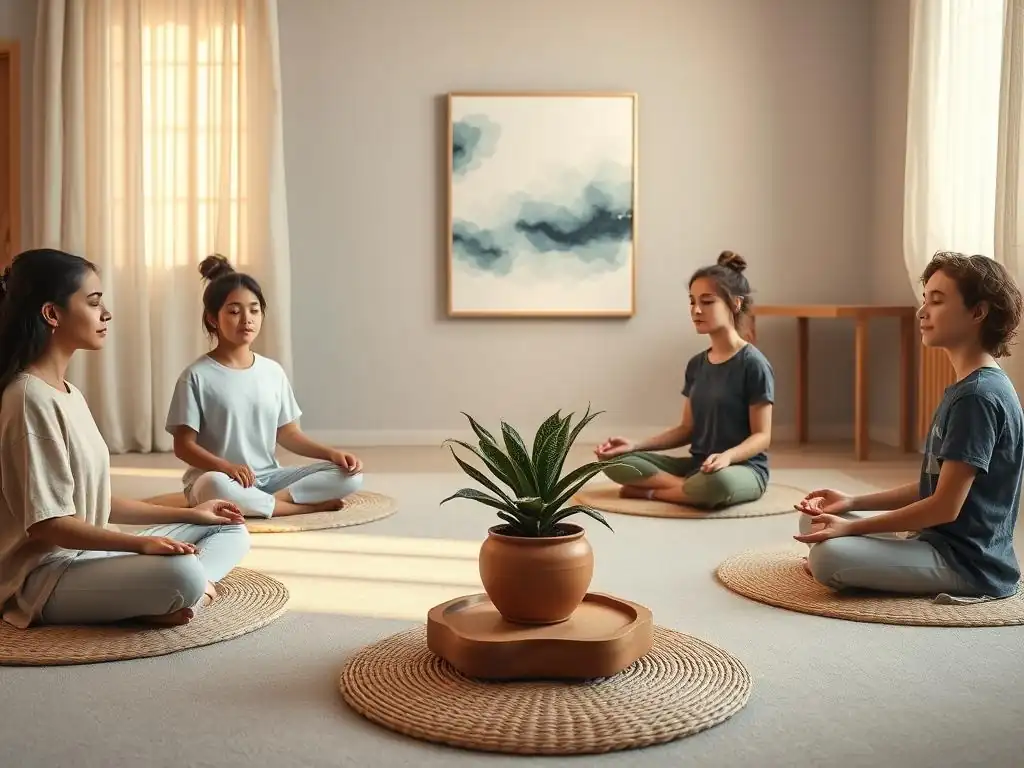
Bringing mindfulness into a school setting doesn't require a complete overhaul of the system. It can be integrated gradually, starting with simple practices and expanding over time. The key is to find ways to make it accessible, relevant, and manageable within the existing school structure. Successful implementation often involves training educators, gaining administrative support, and finding creative ways to weave mindfulness into the daily routine.
A practical guide for schools looking to adopt mindfulness for student mental health programs involves several steps, from introducing basic exercises to integrating the concepts into various subjects. It requires flexibility and a willingness to experiment to find what works best for a particular school community. The goal is to create a culture where mindfulness is seen not as an add-on, but as an integral part of fostering a positive and supportive learning environment.
Starting Small: Simple Mindfulness Exercises for the Classroom
Introducing mindfulness doesn't have to be complicated. Educators can begin with short, simple exercises that take just a few minutes and can be done right at students' desks. Consistency is often more important than duration in building a habit. These initial practices help students become familiar with the core concepts of paying attention to the present moment.
Consider starting with just 1-3 minutes of practice at the beginning of the day, after lunch, or before a test. These small moments can provide a valuable pause and help students transition between activities with greater ease and focus. Implementing these simple exercises is an excellent first step in introducing mindfulness for student mental health within the classroom setting.
Mindful Breathing Techniques for Students
One of the most accessible mindfulness practices is focusing on the breath. The breath is always present and serves as a natural anchor to the current moment. Simple breathing exercises can help students calm their nervous system and bring their attention inward.
- Belly Breathing: Students place a hand on their belly and notice it rise and fall with each breath. They can imagine a balloon inflating and deflating in their belly.
- Counting Breaths: Students inhale for a count of three, hold for one, and exhale for a count of four. Or simply count each exhale up to 10, and then start over.
- Five-Finger Breathing: Students trace the outline of one hand with the index finger of the other hand. As they trace up a finger, they inhale; as they trace down, they exhale. Repeat for all five fingers.
These techniques are quick, require no equipment, and can be done anywhere, making them ideal for integrating mindfulness for student mental health throughout the school day.
Body Scan Meditations for Young People
A body scan is a practice where attention is gently brought to different parts of the body, noticing any sensations without trying to change them. This helps students develop body awareness and can be grounding, especially when they are feeling restless or anxious.
A simple body scan for students might involve:
- Closing eyes gently or lowering gaze.
- Taking a few deep breaths.
- Bringing attention to the feet. Noticing any sensations (tingling, warmth, pressure).
- Slowly moving attention up the body: ankles, lower legs, knees, thighs, hips, etc.
- Noticing sensations in the hands, arms, shoulders.
- Bringing attention to the back, chest, belly.
- Focusing on the neck, head, and face.
- Taking a moment to notice the whole body breathing.
- Gently opening eyes.
This practice can help students become more attuned to how stress manifests physically, providing an opportunity to release tension and fostering deeper mindfulness for student mental health. Even a 5-minute version can be beneficial.
Mindful Movement Activities for Children
Mindfulness doesn't always mean sitting still. Mindful movement involves paying attention to the sensations in the body while moving. This can be particularly engaging for younger students or those who find sitting difficult.
Examples of mindful movement include:
- Mindful Walking: Walking slowly and deliberately, paying attention to the feeling of the feet touching the ground, the movement of the legs, the swing of the arms, and the sensation of the breath.
- Mindful Stretching: Gently stretching and noticing the sensations of the muscles lengthening and releasing tension.
- Mindful Yoga Poses: Introducing simple yoga poses (like mountain pose, tree pose, or child's pose) and encouraging students to notice how their body feels in each position.
These activities can be incorporated into physical education classes, brain breaks during academic lessons, or even during transitions between classes, promoting both physical and mindfulness for student mental health.
Integrating Mindfulness into the Curriculum: Examples and Strategies
Moving beyond standalone exercises, schools can integrate mindfulness principles and practices directly into various academic subjects. This approach reinforces the idea that mindfulness is a life skill relevant to all aspects of learning and living. It helps students see the practical application of mindfulness beyond just stress reduction.
Integrating mindfulness into the curriculum requires creativity and collaboration among educators. It's about finding opportunities within existing lessons to pause, reflect, and apply mindful awareness. This deeper integration supports comprehensive mindfulness for student mental health by weaving it into the fabric of the school day.
Mindfulness in Language Arts: Mindful Poetry Analysis
Language arts provides rich opportunities for mindful engagement. Analyzing poetry mindfully involves paying close attention to the words, rhythm, and imagery without immediately jumping to interpretation or judgment.
- Read a poem aloud slowly.
- Ask students to simply listen to the sounds of the words and the rhythm, without thinking about the meaning yet.
- Read the poem again, asking students to notice any images or feelings that arise as they listen.
- Discuss observations: "What did you notice?" "Were there any words or phrases that stood out?" "What sensations did you feel?"
- Only after these mindful observations, move into traditional analysis (theme, metaphor, etc. ).
This approach encourages students to engage with text on a deeper, more sensory level before applying critical analysis, enhancing comprehension and appreciation while practicing mindfulness for student mental health through focused attention.
Mindfulness in Math: Mindful Problem Solving
Math can be a source of anxiety for many students. Integrating mindfulness into math problem-solving can help reduce this anxiety and improve focus on the task at hand.
- Before tackling a challenging problem, guide students through a brief mindful breathing exercise to center themselves.
- Encourage students to approach the problem with curiosity, rather than fear or judgment ("I'm bad at math").
- As they work, encourage mindful awareness of their thought process: "Notice if your mind starts racing," "Notice if you feel frustrated," "Gently bring your attention back to the numbers."
- After solving a problem (or getting stuck), take a moment to mindfully reflect on the process, not just the answer. What steps were taken? What feelings arose?
This strategy helps students develop a healthier relationship with challenging academic tasks and builds resilience, contributing to mindfulness for student mental health in a practical context.
Mindfulness in Physical Education: Mindful Yoga and Stretching
Physical education is a natural fit for mindful movement practices like yoga and stretching. These activities encourage students to connect with their bodies and notice sensations.
- Begin a PE class or activity with a few minutes of mindful breathing or a short body scan to transition students from previous activities.
- During stretching or yoga, encourage students to pay attention to the feeling of their muscles stretching, the connection of their feet to the ground, or the sensation of balance.
- Ask students to notice how their body feels before, during, and after physical activity.
- Incorporate activities like a mindful walk around the track, paying attention to the rhythm of their steps and breath.
These integrations promote physical health alongside mental and emotional well-being, reinforcing the holistic benefits of mindfulness for student mental health.
Mindfulness for Student Mental Health: Addressing Specific Challenges
Mindfulness is not a cure-all, but it offers valuable tools for students facing specific mental health challenges common during adolescence. By teaching students how to be more aware of their internal experiences without getting swept away by them, mindfulness can help them navigate difficult emotions and situations with greater skill and self-compassion.
Addressing specific challenges requires tailoring mindfulness practices to meet particular needs. Whether it's the overwhelming feeling of anxiety before a presentation or the heavy weight of sadness, mindfulness provides strategies for students to observe these states, understand them better, and develop healthier coping mechanisms. This targeted approach enhances the effectiveness of mindfulness for student mental health.
Mindfulness for Anxiety Management in Students
Anxiety is one of the most common mental health issues affecting students. Mindfulness helps students manage anxiety by teaching them to recognize anxious thoughts and physical sensations without letting them escalate into panic.
- Recognizing Thought Spirals: Mindfulness teaches students to notice when their thoughts are racing or catastrophizing ("I'm going to fail this test," "Everyone is looking at me"). By observing these thoughts as just thoughts, not necessarily reality, students can create distance from them.
- Grounding Techniques: Focusing on the breath or senses (like the 5-4-3-2-1 technique: name 5 things you see, 4 things you feel, 3 things you hear, 2 things you smell, 1 thing you taste) helps bring anxious students back to the present moment, interrupting the anxiety cycle.
- Body Awareness: Anxiety often manifests physically (racing heart, shallow breathing, tense muscles). Body scan practice helps students become aware of these sensations and learn to release tension through mindful breathing.
By providing these practical tools, mindfulness significantly contributes to managing anxiety and promoting mindfulness for student mental health.
Mindfulness for Depression Prevention and Support in Schools
While mindfulness cannot replace professional treatment for clinical depression, it can be a valuable tool for prevention and support, particularly for students experiencing low mood, lack of motivation, or rumination.
- Interrupting Rumination: Depression often involves getting stuck in negative thought loops about the past or future. Mindfulness practice helps students become aware of these ruminative patterns and gently redirect their attention to the present.
- Cultivating Self-Compassion: Mindfulness encourages a non-judgmental attitude towards one's experiences, including difficult emotions. This self-compassion is crucial for students struggling with self-criticism often associated with depression.
- Finding Moments of Joy: Mindfulness helps students become more aware of positive experiences, no matter how small, which can counteract the tendency to focus only on the negative. Noticing the taste of their food, the warmth of the sun, or a kind word from a friend can shift perspective.
Integrating mindfulness into school support systems provides students with proactive strategies and coping mechanisms that can help prevent the onset of depression or provide support alongside other interventions, enhancing mindfulness for student mental health.
Mindfulness for Improving Sleep Quality in Students
Sleep disturbances are common among students due to stress, screen time, and irregular schedules, impacting their health and academic performance. Mindfulness techniques can help calm the mind and body, making it easier to fall asleep and stay asleep.
- Pre-Sleep Practice: A simple body scan or focused breathing exercise before bed can help students relax their bodies and quiet a busy mind, preparing them for sleep.
- Managing Sleep Anxiety: Students who worry about not being able to sleep can get caught in a cycle of anxiety about sleep itself. Mindfulness teaches them to notice these worries without engaging with them, reducing the pressure to fall asleep immediately.
- Mindful Awareness of Tiredness: Recognizing the body's signals of tiredness earlier in the evening can help students establish healthier sleep routines.
By incorporating simple mindfulness practices into their evening routine, students can improve their sleep hygiene and overall restfulness, contributing positively to mindfulness for student mental health.
Mindfulness for Managing Test Anxiety: A Student's Toolkit
Test anxiety can significantly hinder a student's ability to perform well, even if they are prepared. Mindfulness offers specific strategies to manage the physical and mental symptoms of test anxiety before and during exams.
- Before the Test:
- Mindful Breathing: Practice 2-3 minutes of focused breathing to calm nerves.
- Body Scan: Quickly notice and release tension in the body, especially shoulders, neck, and stomach.
- Acknowledging Thoughts: Notice anxious thoughts ("I'm going to fail," "I can't remember anything") without believing them or fighting them.
- During the Test:
- Mindful Pause: If feeling overwhelmed, take 30 seconds to focus purely on the sensation of breathing.
- Grounding: Feel your feet on the floor or your body in the chair to anchor yourself in the present moment.
- Returning to the Task: Gently bring your attention back to the test question after the pause.
These tools empower students to approach tests with greater presence and less reactivity to anxiety, making mindfulness for student mental health a practical asset in academic settings.
Overcoming Challenges in Implementing Mindfulness Programs
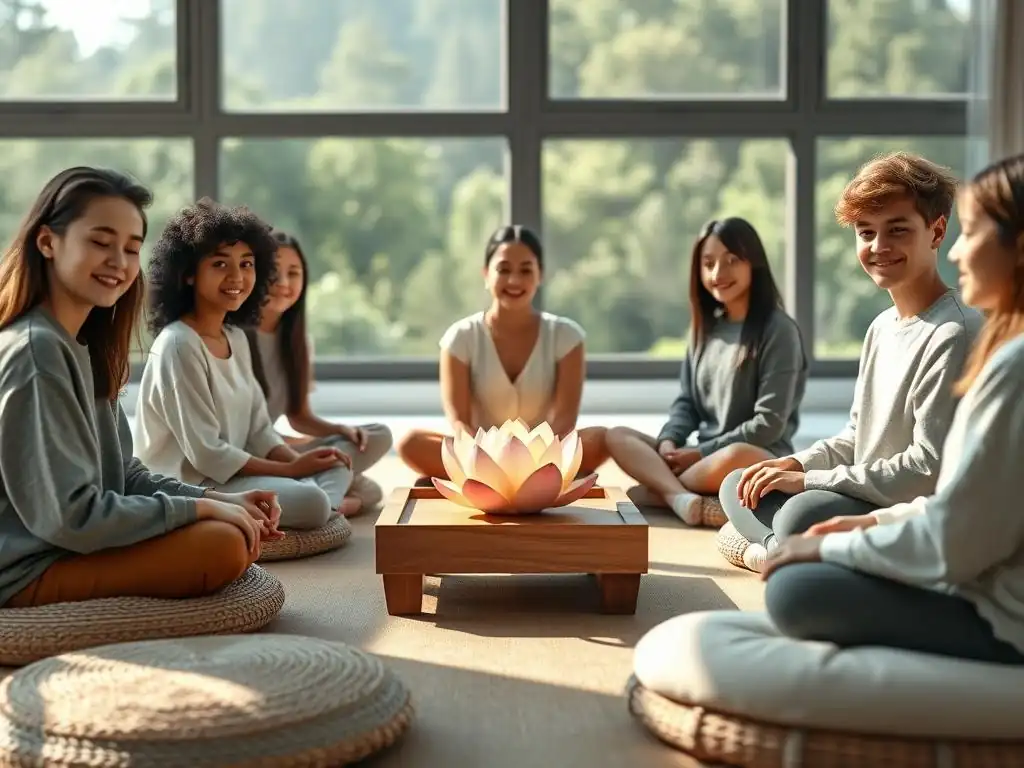
While the benefits of mindfulness in schools are clear, implementation is not without its hurdles. Schools may face skepticism, time constraints, and the need to ensure programs are inclusive and accessible to all students and staff. Addressing these challenges proactively is key to successful and sustainable mindfulness integration.
Navigating these obstacles requires careful planning, communication, and a willingness to adapt. It's important to build support gradually and demonstrate the value of mindfulness for student mental health through tangible examples and positive experiences.
Addressing Skepticism and Resistance from Educators
Some educators may be skeptical about mindfulness, viewing it as a "soft" skill, a fad, or something outside their area of expertise. Resistance might stem from concerns about time, relevance, or discomfort with personal emotional exploration.
- Provide Training and Education: Offer professional development that explains the science behind mindfulness and its specific relevance to education and child development. Use data and research findings to build credibility.
- Start with Voluntary Programs: Allow interested teachers to participate first, creating champions who can share their positive experiences.
- Focus on Practical Applications: Frame mindfulness not just as meditation, but as practical tools for classroom management, stress reduction, and improving focus – benefits directly relevant to a teacher's daily experience.
- Share Success Stories: Highlight positive outcomes from pilot programs or other schools, focusing on improvements in student behavior, focus, or reported well-being.
By addressing concerns directly and demonstrating tangible benefits, schools can gradually build trust and reduce resistance to implementing mindfulness for student mental health.
Time Constraints and Curriculum Demands: Finding Time for Mindfulness
One of the most common challenges is finding time in an already packed school day and curriculum. Educators often feel pressured to cover specific content and may see mindfulness as taking away valuable academic time.
- Integrate, Don't Just Add: Look for opportunities to weave mindfulness into existing lessons (as suggested in the curriculum integration section) rather than treating it as a separate subject requiring dedicated class periods.
- Short, Frequent Practices: Emphasize that even 1-3 minutes of mindful breathing or a brief body scan can make a difference. These can be used as transitions or brain breaks.
- Mindful Moments: Encourage staff and students to take "mindful moments" throughout the day – pausing before speaking, mindfully eating lunch, walking mindfully between classes.
- Administrative Support: Secure buy-in from school leadership who can champion the importance of well-being and help allocate minimal time or resources for training and practice.
Framing mindfulness as a way to improve the effectiveness of existing learning time, rather than replacing it, can help overcome the challenge of time constraints and better support mindfulness for student mental health.
Ensuring Inclusivity and Accessibility in Mindfulness Practices
Mindfulness programs must be designed to be inclusive and accessible to all students, regardless of their background, culture, abilities, or prior experiences. Language, cultural context, and varying needs must be considered.
- Culturally Responsive Approaches: Be mindful of language and imagery used. Avoid language that might feel overly spiritual or tied to specific religious traditions, focusing instead on universal human experiences like breathing, sensing, and paying attention.
- Adapt for Different Needs: Modify practices for students with physical disabilities, attention differences, or trauma histories. Sitting still might not be appropriate for everyone; offer standing, walking, or even drawing as mindful alternatives.
- Trauma-Informed Mindfulness: For students with trauma, some practices (like closing eyes or body scans) might feel unsafe. Ensure educators are trained in trauma-informed approaches and can offer alternatives or allow students to opt-out gracefully.
- Language Accessibility: Provide instructions and resources in multiple languages if the student body is diverse.
Prioritizing inclusivity ensures that mindfulness for student mental health benefits all members of the school community, creating a more equitable and supportive environment.
Long-Term Impact: Cultivating a Mindful Generation
Implementing mindfulness in schools is an investment in the future. By equipping students with these skills early in life, schools are not just addressing immediate concerns about mental health; they are fostering a generation better prepared to navigate the complexities of adulthood with resilience, self-awareness, and compassion. The long-term impact extends far beyond the classroom walls.
Cultivating a mindful generation means empowering young people to take ownership of their well-being, make conscious choices, and contribute positively to their communities. It's about building a foundation for lifelong mental wellness and personal growth, making mindfulness for student mental health a cornerstone of future success and happiness.
The Ripple Effect: Mindfulness Beyond the Classroom
The skills students learn through mindfulness practices in school don't stay confined to the classroom. They naturally extend into their homes, their interactions with friends and family, and eventually, their workplaces and communities.
- Improved Family Dynamics: Students who practice mindfulness may be better able to manage conflicts with siblings or parents, communicate more effectively, and show greater empathy.
- Healthier Social Interactions: Mindfulness can help students listen more attentively, respond thoughtfully in social situations, and navigate peer pressure with greater awareness.
- Future Workplace Readiness: Skills like focus, stress management, and emotional intelligence are highly valued in the modern workforce. Students who develop these through mindfulness will be better prepared for professional life.
This ripple effect demonstrates the far-reaching positive influence of incorporating mindfulness for student mental health into the educational system.
Equipping Students with Lifelong Mental Wellness Skills
Unlike learning a specific academic subject that may or may not be directly used in a future career, mindfulness is a fundamental life skill relevant to everyone, everywhere, at every age. It provides a framework for understanding one's inner world and interacting skillfully with the outer world.
- Stress Management: Learning mindful breathing or body scans provides tools to cope with stress throughout life, from college exams to job interviews to parenting challenges.
- Emotional Resilience: The ability to observe difficult emotions without being overwhelmed is a crucial skill for navigating life's inevitable setbacks and disappointments.
- Self-Awareness: A deeper understanding of one's thoughts, feelings, and values cultivated through mindfulness supports better decision-making and a stronger sense of self.
By teaching mindfulness for student mental health, schools provide students with a foundational toolkit for navigating the ups and downs of life, promoting enduring mental wellness.
The Future of Education: Prioritizing Mindfulness for Student Success
The challenges of the 21st century demand an educational model that nurtures not only intellectual capacity but also emotional intelligence, resilience, and well-being. Schools that prioritize mindfulness are at the forefront of this evolution, recognizing that student success is inextricably linked to their mental health.
Forward-thinking educational institutions are integrating social-emotional learning (SEL) and mindfulness into their core mission. They understand that creating a supportive school climate where students feel safe, understood, and equipped to manage their inner lives is fundamental to fostering academic achievement and preparing students for a fulfilling life. The future of education lies in holistic development, with mindfulness for student mental health playing a central role.
Resources for Educators and Parents: Supporting Mindfulness in Schools
Supporting students in developing mindfulness skills is a collaborative effort involving educators, parents, and the wider school community. Access to appropriate resources is crucial for both teaching mindfulness effectively and practicing it personally. Many excellent resources are available to help integrate mindfulness for student mental health into homes and classrooms.
These resources range from practical guides and lesson plans for teachers to engaging books and apps for students and families. Utilizing these tools can empower adults to confidently introduce mindfulness to young people and sustain the practice over time.
Books and Websites on Mindfulness for Children and Teens
A wealth of literature and online content exists to help explain and teach mindfulness to young people in age-appropriate ways.
- Books for younger children often use simple stories and colorful illustrations to introduce concepts like paying attention to breath or senses (e.g., books with titles like "Sitting Still Like a Frog" or "Peaceful Piggy Meditation").
- Books for teens may delve deeper into managing stress, anxiety, and difficult emotions using mindfulness techniques (e.g., resources focusing on "Mindfulness for Teen Anxiety" or "The Mindful Teen").
- Numerous websites offer free articles, lesson plans, and activity ideas specifically designed for teaching mindfulness for student mental health in school or at home settings.
Exploring these resources can provide educators and parents with diverse approaches and materials to support mindfulness development in young people.
Mindfulness Apps and Guided Meditations for Students
Technology can be a valuable tool for supporting mindfulness practice, especially for older students who are comfortable with digital platforms. Many apps offer guided meditations and exercises specifically tailored for children and teens.
- Apps often feature short, engaging guided meditations (e.g., 5-10 minutes) that are easy to fit into a student's day.
- They may include specific programs for focus, sleep, anxiety, or managing difficult emotions.
- Some apps offer calming music, nature sounds, or visual elements to enhance the practice.
While technology should not replace in-person instruction, these apps can serve as a convenient way for students to practice mindfulness independently and reinforce the skills learned in school, further enhancing mindfulness for student mental health.
Training Programs and Workshops for Teachers on Mindfulness in Education
For schools serious about implementing mindfulness sustainably, providing educators with proper training is essential. Teachers need to understand the principles and practice mindfulness themselves to effectively guide students.
- Workshops and training programs offer educators a deeper understanding of mindfulness, its benefits, and pedagogical approaches for teaching it to young people.
- These programs often include personal practice time for teachers, recognizing that their own well-being is crucial.
- Training can cover age-appropriate techniques, strategies for integrating mindfulness into the curriculum, and trauma-informed approaches.
Investing in teacher training is a critical step in building capacity within the school system to effectively deliver mindfulness for student mental health programs and create a mindful school culture.
Frequently Asked Questions
### What exactly is mindfulness, and how does it relate to student mental health?
Mindfulness is the practice of paying attention to the present moment without judgment. It's crucial for student mental health because it helps them manage stress and improve focus amidst academic pressures.
### How can schools effectively integrate mindfulness practices into their curriculum?
Schools can integrate mindfulness through short meditation sessions, mindful movement activities, and incorporating mindfulness into existing subjects like English or history.
### What are the specific benefits of mindfulness for students facing anxiety or depression?
Mindfulness can help students with anxiety and depression by reducing rumination, increasing self-awareness, and promoting emotional regulation.
### Are there any potential downsides or challenges to introducing mindfulness to students?
Some challenges include student resistance, lack of trained instructors, and ensuring accessibility for students with diverse needs. However, these can be overcome with proper planning and support.
### Where can students and educators find reliable resources to learn more about mindfulness for mental well-being?
Resources can be found on websites like Mind Care Guide, through mindfulness apps, and by attending workshops and training led by certified instructors.
Final Reflection: Cultivating Inner Peace, Empowering Future Generations
The urgent need for accessible mental health support in education is undeniable, and mindfulness offers a powerful, proactive solution. Integrating mindfulness practices into the curriculum isn't just a trend; it's a vital step towards fostering resilience, emotional intelligence, and academic success in students facing unprecedented pressures. This isn't simply about stress reduction; it's about equipping young people with the tools to navigate the complexities of life with greater ease and compassion.
The impact of mindfulness extends far beyond the classroom, shaping not only individual well-being but also the broader social and cultural landscape. We are witnessing a growing recognition of the importance of emotional literacy and self-regulation, a shift that directly reflects the increasing adoption of mindfulness techniques. This resonates deeply with my own experience witnessing the transformative power of mindfulness in students – their increased focus, improved self-awareness, and enhanced ability to manage challenging emotions. Mindfulness isn't about escaping life, it's about finding freedom within it.
This quote perfectly encapsulates the empowering nature of this practice, allowing students to engage with their experiences fully and constructively.
Consider the potential within you to cultivate a mindful approach to your own life. What small steps can you take today to integrate mindfulness into your daily routine? Perhaps it's a few minutes of deep breathing each morning, a mindful walk during your lunch break, or simply pausing to appreciate the present moment.
By embracing mindfulness, you not only benefit from its calming and clarifying effects but also contribute to a more compassionate and understanding world, one where the well-being of our students and future generations is prioritized above all else. Let's collectively nurture a culture of inner peace, starting with ourselves and extending to those around us.
Unlock Your Student's Inner Calm: Start Practicing Mindfulness Today!
We appreciate you taking the time to explore the power of mindfulness in education. You've learned how incorporating mindfulness can benefit students' academic performance and overall well-being. Now, let's put that knowledge into action!
- Prioritize a daily mindfulness practice: Even 5 minutes of focused breathing can make a world of difference. Try guided meditations specifically designed for students.
- Share this article with fellow educators or parents: Let's build a community committed to nurturing mindful students. Consider starting a conversation about mindfulness techniques in your school or community.
- Explore creative ways to integrate mindfulness into your daily routine: From mindful coloring to nature walks, find what resonates with your students and makes it fun!
Ready to cultivate a calmer, more focused learning environment? What small step will you take to integrate mindfulness into your day today?