
Mental Health in the Orthodox Jewish Community: Cultural and Religious Considerations


Welcome to Mind Care Guide.
Are you navigating the unique landscape of mental well-being within the Orthodox Jewish community? It can be a journey filled with specific cultural and religious considerations. We understand. Here, you'll find compassionate insights and practical resources, starting with our deep dive into Orthodox Jewish mental health support. Perhaps you've felt misunderstood or unsure where to turn? Let's explore the path to healing and support together.
- Orthodox Jewish Mental Health: A Guide to Cultural and Religious Considerations
- The Unique Landscape of Mental Health in Orthodox Jewish Communities
- Barriers to Mental Health Care for Orthodox Jews
- Culturally Sensitive Approaches to Mental Health Treatment for Orthodox Jews
- Orthodox Jewish Mental Health Support: Resources and Organizations
- Addressing Specific Mental Health Issues in the Orthodox Jewish Context
- Promoting Mental Health Awareness and Education in Orthodox Communities
- Finding Culturally Competent Therapists for Orthodox Clients
- The Future of Mental Health Care in the Orthodox Jewish Community
- Conclusion: Prioritizing Mental Well-being within the Orthodox Jewish Faith
-
Frequently Asked Questions
- What are some unique challenges faced by the Orthodox Jewish community regarding mental health?
- How can cultural sensitivity improve mental health support for Orthodox Jewish individuals?
- Where can Orthodox Jewish individuals find mental health professionals who understand their specific needs?
- What role does the Orthodox Jewish community play in reducing the stigma associated with mental illness?
- What are some resources available for Orthodox Jewish families struggling with a member's mental health?
- Final Reflection: Bridging the Gap: Mental Wellness in the Orthodox Jewish Community
- Unleash Your Inner Strength: Cultivating Well-being in Our Community
Orthodox Jewish Mental Health: A Guide to Cultural and Religious Considerations
Understanding Mental Health Challenges in the Orthodox Community
Mental health challenges are universal, affecting people from all walks of life, including members of the Orthodox Jewish community. However, within this specific population, these challenges are often intertwined with unique cultural values, religious obligations, and community dynamics that can shape both the experience of mental illness and the pathways to seeking help. Understanding these nuances is crucial for providing effective and empathetic care.
The high value placed on family, community interdependence, and adherence to religious law can create a complex environment. While these elements often provide strong support systems, they can also contribute to unique stressors, such as pressure to conform, navigate strict social norms, or manage significant financial burdens associated with religious education and large families. These factors necessitate a tailored approach to Orthodox Jewish mental health support.
The Unique Landscape of Mental Health in Orthodox Jewish Communities
Cultural Values and Mental Well-being in Orthodox Judaism
Orthodox Jewish culture places immense value on tradition, community cohesion, and adherence to halakha (Jewish law). These values provide a strong framework for life, offering meaning, purpose, and a sense of belonging. The emphasis on communal responsibility and mutual support (known as arevut) can act as a protective factor against isolation, a known risk factor for various mental health conditions.
However, these deeply ingrained cultural values can also present challenges. The strong emphasis on maintaining appearances and upholding community standards can sometimes lead individuals to suppress struggles or fear judgment if they deviate from perceived norms, including norms around emotional well-being. Pressure related to finding a suitable marriage partner ( shidduch), raising children according to specific religious standards, or meeting communal financial expectations can create significant stress that impacts mental health.
Religious Beliefs and Their Influence on Mental Health Perceptions
Religious beliefs are central to the lives of Orthodox Jews and profoundly influence how mental health is perceived and discussed. Faith can be a powerful source of resilience, providing comfort, hope, and a framework for understanding suffering. Prayer, study of religious texts, and connection to God are often utilized as coping mechanisms during difficult times.
Conversely, certain interpretations of religious texts or communal beliefs can sometimes lead to misconceptions about mental illness. Some individuals may mistakenly view mental health conditions as a lack of faith, a spiritual failing, or a punishment, rather than a legitimate health issue requiring professional intervention. This can create internal conflict and hesitation in seeking professional Orthodox Jewish mental health support, as individuals may feel shame or fear that their struggles reflect poorly on their religious devotion.
Common Mental Health Concerns within the Orthodox Jewish Population
While data specifically on the prevalence of mental health conditions within the global Orthodox Jewish community is still emerging and varies by specific sub-group, anecdotal evidence and studies on certain populations suggest that conditions like anxiety, depression, obsessive-compulsive disorder (OCD), and trauma-related issues are present. The high-pressure environment of specific yeshivas or communities, coupled with the intense focus on academic achievement and religious observance, can contribute to anxiety and stress.
Issues related to family dynamics, marital challenges, parenting pressures, and navigating the complex interface between religious life and the broader secular world are also common stressors. Additionally, challenges unique to certain segments, such as individuals struggling with gender identity or sexual orientation within a strictly traditional framework, can lead to significant psychological distress and a heightened need for sensitive Orthodox Jewish mental health support.
Barriers to Mental Health Care for Orthodox Jews
Stigma Surrounding Mental Illness in Orthodox Communities
Stigma remains a significant barrier to seeking mental health care within many Orthodox Jewish communities. Fear of being labeled, ostracized, or negatively impacting one's family's reputation (especially concerning future marriage prospects for children) can be incredibly powerful. This fear often leads to silence and suffering in isolation.
Individuals may internalize communal attitudes that view mental health struggles as a personal weakness or a lack of bitachon (trust in God). This internalized stigma can prevent people from even acknowledging their need for help, let alone reaching out to a professional. The perceived need to maintain a strong, put-together facade for the community adds another layer of difficulty in openly discussing emotional or psychological pain.
Lack of Culturally Sensitive Mental Health Services
A critical barrier is the shortage of mental health professionals who possess both clinical expertise and genuine cultural competence regarding Orthodox Judaism. Therapists unfamiliar with the nuances of halakha, community structures, and religious values may inadvertently offer advice or treatment plans that conflict with a client's religious observance or worldview.
For example, suggesting secular coping mechanisms that involve activities prohibited on Shabbat or holidays, or failing to understand the significance of specific religious practices, can erode trust and make therapy feel alienating. Many individuals specifically seek Orthodox Jewish mental health support from practitioners who understand their background and can integrate it respectfully into the therapeutic process.
Financial Constraints and Access to Care
The cost of mental health care is a barrier for many, and this is often exacerbated within Orthodox communities. Families often face significant financial burdens due to high tuition costs for religious schools, the expenses associated with larger families, and sometimes lower average incomes in certain community sectors.
Even with insurance, co-pays and deductibles can be prohibitive. Finding affordable, culturally sensitive Orthodox Jewish mental health support that is also covered by insurance can be a complex and frustrating process, leaving many without necessary care or forcing them to rely on less formal, potentially less effective, sources of support.
Language Barriers and Communication Challenges
While many Orthodox Jews speak English fluently, particularly in the United States and UK, language can still be a barrier for some, especially among older generations or recent immigrants from communities where Yiddish or Hebrew are primary languages. Finding a therapist who speaks the client's preferred language and is also culturally competent can be difficult.
Beyond spoken language, there are also cultural communication styles and norms that a therapist needs to understand. Navigating discussions about deeply personal issues, often intertwined with religious or communal sensitivities, requires a therapist who is attuned to subtle cues and understands the appropriate ways to address sensitive topics within this context.
Culturally Sensitive Approaches to Mental Health Treatment for Orthodox Jews
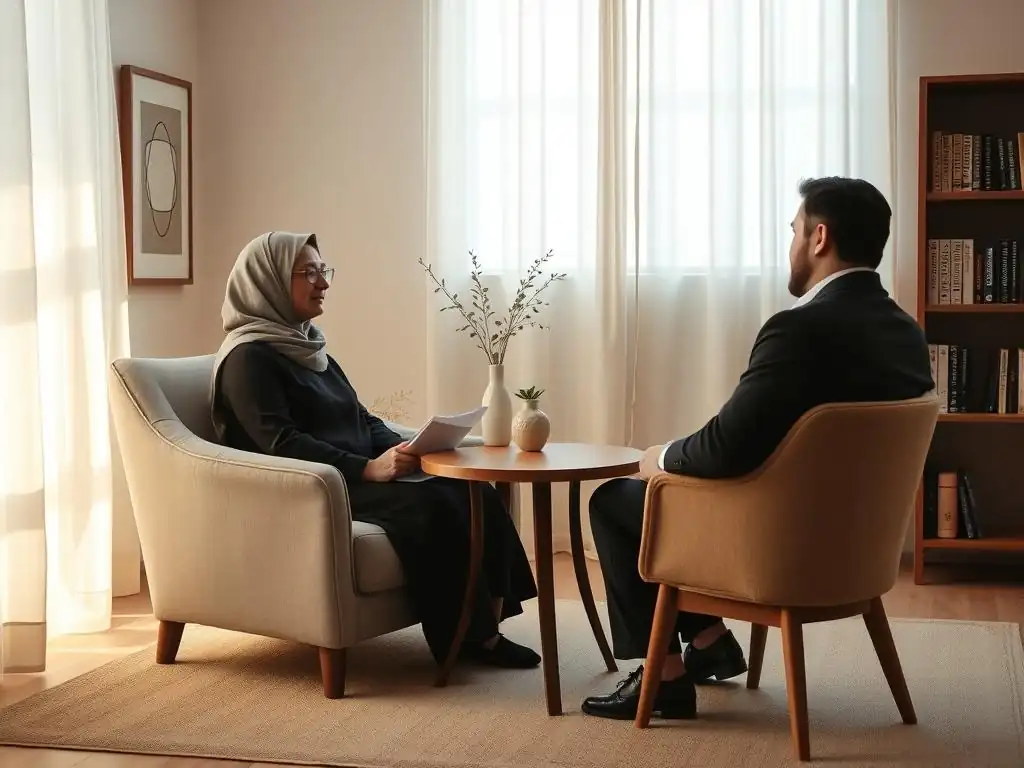
Integrating Jewish Values and Traditions into Therapy
Effective mental health treatment for Orthodox Jews often involves integrating their religious values and traditions into the therapeutic process. This doesn't mean the therapist needs to be religious, but they must be knowledgeable and respectful. Therapists can explore how faith serves as a coping mechanism or source of strength.
For instance, discussing the concept of emunah (faith) and bitachon (trust) can be relevant when addressing anxiety. Exploring the meaning found in performing mitzvot (commandments) can be helpful in combating depression or feelings of meaninglessness. A culturally sensitive therapist understands when and how to respectfully incorporate these elements into treatment goals and strategies, making the therapeutic journey more relevant and less threatening.
The Role of Rabbis and Community Leaders in Mental Health Support
Rabbis and other community leaders often serve as the first point of contact for individuals experiencing distress. They are respected figures who hold significant influence and trust within the community. Their understanding of mental health, or lack thereof, can profoundly impact whether someone seeks professional help.
Training rabbis and community leaders in mental health first aid and increasing their awareness of available resources is vital for improving Orthodox Jewish mental health support. They can play a crucial role in reducing stigma, validating the need for professional help, and making appropriate referrals to culturally competent mental health professionals. Their partnership with clinicians is essential for a holistic approach.
Importance of Family Involvement in Mental Health Care
In Orthodox Jewish culture, the family unit is paramount. Mental health challenges in one individual often impact the entire family system. Therefore, involving family members in the treatment process, with the client's consent and appropriate boundaries, can be highly beneficial.
Family therapy can address relational dynamics that may contribute to or be affected by mental health issues. Psychoeducation for family members can help reduce stigma within the home, foster understanding, and build a stronger support network for the individual receiving care. A therapist who understands the structure and dynamics of Orthodox families can navigate these complex relationships effectively.
Cognitive Behavioral Therapy (CBT) Tailored for Religious Observance
Cognitive Behavioral Therapy (CBT) is a widely effective therapeutic modality that can be adapted for Orthodox Jewish clients. CBT focuses on identifying and changing negative thought patterns and behaviors. A culturally sensitive adaptation might involve exploring how religious beliefs influence cognitions and behaviors.
For example, distorted thoughts might relate to perceived religious inadequacy or communal judgment. Behavioral strategies can be developed that align with religious observance, such as incorporating prayer or religious study as positive coping behaviors, or navigating social situations within the community. A therapist skilled in CBT can work with clients to apply these principles while respecting their religious framework, providing valuable Orthodox Jewish mental health support.
Orthodox Jewish Mental Health Support: Resources and Organizations
Identifying Qualified Mental Health Professionals
Finding a qualified mental health professional who is also culturally competent is a critical step in accessing effective Orthodox Jewish mental health support. Qualification involves standard licensure and training in therapeutic modalities. Cultural competence goes beyond mere tolerance; it requires an understanding of halakha, communal norms, holidays, family structures, and the unique stressors faced by the community.
Individuals seeking help should look for therapists who explicitly state experience working with religious clients or who are recommended by trusted community leaders or organizations. Asking potential therapists about their experience and approach to integrating faith can help determine if they are a good fit. It's important to find someone who is respectful and knowledgeable, even if they do not share the client's religious background.
Mental Health Organizations Serving the Orthodox Jewish Community
Several dedicated organizations exist to provide or facilitate Orthodox Jewish mental health support. These organizations often understand the specific needs and sensitivities of the community and work to bridge the gap between individuals needing help and appropriate resources. They may offer crisis intervention, referrals, education, and support services.
These organizations play a vital role in reducing stigma and increasing access to care within the community. They often employ staff or work with networks of volunteers and professionals who are themselves members of the Orthodox community or have extensive experience working with this population, ensuring a higher degree of cultural understanding.
Amudim, Nefesh International, Relief Resources
Prominent organizations offering Orthodox Jewish mental health support include Amudim, Nefesh International, and Relief Resources. Amudim is a non-profit organization dedicated to helping those struggling with addiction, abuse, and other mental health challenges within the Jewish community, often acting as a first responder and connector to appropriate services.
Nefesh International is a professional organization for mental health professionals of the Jewish faith, many of whom work with Orthodox clients. They provide training, networking, and resources for clinicians. Relief Resources is another key organization that provides confidential mental health referrals and support to individuals and families in need, specializing in finding culturally and religiously sensitive matches. These organizations are crucial pillars of Orthodox Jewish mental health support.
Online Resources and Support Groups for Orthodox Individuals and Families
In addition to professional organizations, a growing number of online resources and support groups are emerging, offering accessible Orthodox Jewish mental health support. These platforms can provide information, peer support, and a sense of community for individuals who may feel isolated or hesitant to seek in-person help.
Online forums, WhatsApp groups, and dedicated websites (though specific site names are not included here per instructions) can offer a safe space to share experiences and coping strategies. Some organizations also offer webinars, online workshops, and virtual support groups specifically tailored to the concerns and sensitivities of the Orthodox community, making help more accessible regardless of geographical location.
Addressing Specific Mental Health Issues in the Orthodox Jewish Context
Anxiety and Depression in Orthodox Communities
Anxiety and depression manifest in Orthodox communities, often influenced by unique cultural and religious factors. Anxiety might stem from intense pressures related to religious observance, communal expectations, or specific life cycle events like shidduch (matchmaking). Symptoms might include excessive worry about fulfilling mitzvot correctly or social anxiety within community settings.
Depression can be triggered by similar stressors, as well as personal losses, financial difficulties, or feelings of isolation despite living in a close-knit community. The expectation to maintain a positive, faithful demeanor can sometimes lead individuals to mask depressive symptoms, making identification and intervention more challenging. Effective Orthodox Jewish mental health support addresses these specific contextual factors.
Trauma and Abuse in Orthodox Jewish Families
Tragically, trauma and abuse, including child sexual abuse, domestic violence, and other forms of trauma, occur within Orthodox Jewish families, just as they do in all communities. Addressing these issues is particularly complex due to the strong emphasis on family privacy, the potential fear of bringing shame upon the family or community, and the power dynamics often present.
Organizations like Amudim have been at the forefront of raising awareness and providing support for survivors within the community. Culturally sensitive trauma-informed care is essential, ensuring that therapists understand the unique challenges faced by survivors in reporting abuse, seeking help, and navigating the aftermath while maintaining their religious identity and community connection.
Eating Disorders and Body Image Concerns
Eating disorders, such as anorexia nervosa, bulimia nervosa, and binge eating disorder, are also present within the Orthodox Jewish community. Body image concerns can be influenced by both general societal pressures and specific communal dynamics, though the focus may differ from secular society.
While modesty is highly valued, pressure related to physical appearance, weight, and health can still exist, sometimes tied to shidduch eligibility or communal expectations of health and vitality. Addressing eating disorders requires a sensitive approach that considers the client's relationship with food, body image, and self-worth within their religious and cultural context.
Fertility Challenges and Mental Health
Fertility challenges, including infertility, pregnancy loss, and the complexities of assisted reproductive technologies (ART) within the framework of Jewish law, can have a profound impact on mental health. The strong cultural emphasis on marriage and procreation can intensify the emotional pain associated with these challenges.
Individuals and couples struggling with fertility may experience significant anxiety, depression, grief, and marital strain. Navigating medical treatments while adhering to halakha can add an additional layer of stress. Culturally sensitive Orthodox Jewish mental health support for fertility challenges recognizes the deep religious significance of building a family and provides emotional support tailored to these specific struggles.
Promoting Mental Health Awareness and Education in Orthodox Communities

Breaking Down Stigma Through Education and Dialogue
Breaking down the pervasive stigma surrounding mental illness requires targeted education and open dialogue within Orthodox communities. This involves teaching that mental health conditions are legitimate illnesses, not spiritual failings or character flaws. Educational initiatives can be delivered through synagogues, schools, community centers, and religious publications.
Engaging respected community leaders, including rabbis and educators, in these conversations is crucial. When leaders speak openly about mental health and the importance of seeking help, it can significantly reduce shame and encourage individuals to reach out. Sharing personal stories of recovery, while respecting privacy, can also be powerful in normalizing the experience of mental illness.
Training Community Leaders in Mental Health First Aid
Training rabbis, educators, and other community leaders in Mental Health First Aid (MHFA) is a practical step towards improving Orthodox Jewish mental health support. MHFA teaches participants how to identify, understand, and respond to signs of mental illnesses and substance use disorders.
Empowering leaders with these skills enables them to recognize when someone is struggling, offer initial support, and guide the person towards professional help. This training is particularly effective when adapted to the cultural context, using examples and scenarios relevant to the experiences of Orthodox Jews, making the learning more relatable and applicable.
Developing Culturally Relevant Mental Health Campaigns
Developing mental health awareness campaigns that are culturally relevant and sensitive is essential for reaching members of the Orthodox community effectively. Campaign materials should use language, imagery, and messaging that resonate with the community's values and address specific concerns without causing offense or alienating potential help-seekers.
Campaigns could highlight the concept of pikuach nefesh (the principle in Jewish law that the preservation of human life overrides virtually any other religious rule), emphasizing that mental health is a matter of life and death. They could also feature endorsements from respected religious authorities and utilize communication channels trusted by the community, such as community newsletters, websites, and lectures.
Finding Culturally Competent Therapists for Orthodox Clients
Key Considerations When Selecting a Therapist
Selecting a therapist for an Orthodox Jewish client requires careful consideration beyond standard qualifications. Key factors include the therapist's understanding of Orthodox Judaism, their willingness to learn, and their ability to integrate cultural and religious factors into treatment respectfully.
Consider whether the therapist understands the importance of Shabbat and holiday observance, dietary laws (kashrut), laws of family purity (taharat hamishpacha), and the dynamics of religious education and community life. An ideal therapist is not necessarily Orthodox themselves but possesses genuine cultural humility and a commitment to providing Orthodox Jewish mental health support that respects the client's identity.
Questions to Ask Potential Therapists
When interviewing potential therapists, Orthodox clients or their families should feel empowered to ask questions to gauge cultural competence. Useful questions include:
- Have you worked with Orthodox Jewish clients before?
- How do you approach integrating a client's religious beliefs into therapy?
- Are you familiar with basic concepts of Jewish law and practice?
- How would you handle scheduling appointments around Jewish holidays and Shabbat?
- What is your understanding of the role of family and community in the lives of Orthodox Jews?
Their responses will provide insight into their level of experience and sensitivity in providing Orthodox Jewish mental health support.
Psychology Today, Online Directories of Orthodox Therapists
Finding culturally competent therapists can be challenging, but resources are available. Psychology Today's therapist finder allows filtering by various criteria, although cultural or religious competence may not always be explicitly listed or accurately self-reported.
More specifically, several online directories and referral services maintained by Orthodox mental health organizations (like those mentioned earlier) are invaluable resources. These directories often list therapists who are either Orthodox themselves or have verified experience and training in working with this population, significantly simplifying the search for appropriate Orthodox Jewish mental health support.
The Future of Mental Health Care in the Orthodox Jewish Community
Increasing Access to Affordable and Culturally Sensitive Care
A major goal for the future of Orthodox Jewish mental health support is increasing both the affordability and cultural sensitivity of care. This requires efforts on multiple fronts: expanding insurance coverage for mental health services, developing sliding scale or subsidized therapy options, and training more mental health professionals in cultural competence specific to Orthodox Judaism.
Initiatives that bring mental health services directly into community settings, such as schools or synagogues, could also help reduce barriers related to access and stigma. Investing in community-based clinics staffed by culturally competent professionals is another pathway to making care more accessible and acceptable.
Fostering Collaboration Between Mental Health Professionals and Religious Leaders
Strengthening the partnership between mental health professionals and religious leaders is crucial for a more integrated system of Orthodox Jewish mental health support. This collaboration can involve joint training sessions, mutual consultations on specific cases (with appropriate confidentiality), and joint initiatives to raise awareness and reduce stigma.
When rabbis and therapists understand and respect each other's roles, they can work together more effectively to support individuals and families in distress. This synergy ensures that individuals receive both spiritual guidance and professional clinical care when needed, addressing the whole person within their communal context.
Longitudinal Studies on Mental Health Outcomes in Orthodox Communities
Despite the growing awareness, there is still a need for more robust, longitudinal research on mental health outcomes within the diverse segments of the Orthodox Jewish community. Such studies could provide valuable data on prevalence rates, risk factors, protective factors, and the effectiveness of various interventions.
Understanding the long-term impact of cultural and religious factors on mental health, as well as the effectiveness of culturally tailored Orthodox Jewish mental health support interventions, is essential for developing evidence-based prevention and treatment strategies. This research can inform policy, training, and resource allocation to better serve the community's needs.
Conclusion: Prioritizing Mental Well-being within the Orthodox Jewish Faith
Frequently Asked Questions
What are some unique challenges faced by the Orthodox Jewish community regarding mental health?
The Orthodox Jewish community faces unique challenges due to the interplay between religious beliefs, cultural norms, and community expectations. Stigma surrounding mental illness and access to culturally sensitive care are significant hurdles.
How can cultural sensitivity improve mental health support for Orthodox Jewish individuals?
Cultural sensitivity in mental health support involves understanding and respecting the religious values, traditions, and community structures of the Orthodox Jewish community. This ensures more effective and accepted treatment.
Where can Orthodox Jewish individuals find mental health professionals who understand their specific needs?
Resources include organizations specializing in Orthodox Jewish mental health support, referrals from trusted community leaders, and therapists listed in directories who demonstrate cultural competence and understand halakha (Jewish law).
What role does the Orthodox Jewish community play in reducing the stigma associated with mental illness?
Community leaders, rabbis, and educators can play a crucial role in fostering open conversations about mental health, promoting understanding, and encouraging help-seeking behavior within the Orthodox Jewish community.
What are some resources available for Orthodox Jewish families struggling with a member's mental health?
Support groups, family therapy tailored to Orthodox values, and access to culturally competent mental health professionals who can offer guidance and support are all valuable resources.
Final Reflection: Bridging the Gap: Mental Wellness in the Orthodox Jewish Community
The stigma surrounding mental health within the Orthodox Jewish community remains a significant barrier to accessing vital support, yet the need for open dialogue and accessible resources is more urgent than ever. The rising rates of anxiety, depression, and other mental health challenges, coupled with the unique cultural and religious sensitivities involved, demand a proactive and compassionate response. We cannot afford to ignore the suffering of individuals struggling in silence.
The exploration of this complex issue throughout this article has underscored the profound impact of cultural norms and religious beliefs on the experience and treatment of mental illness within the Orthodox Jewish community. The tension between traditional values and the realities of modern life, often exacerbated by societal pressures and internalized expectations, creates a fertile ground for mental health struggles. The greatest obstacle to discovery is not ignorance, but the illusion of knowledge.
– Daniel J. Boorstin. This quote rings true as we grapple with the misconceptions and misunderstandings that hinder progress in this area. We must actively challenge these misconceptions and foster a culture of understanding and support.
Consider the implications of this discussion for your own life, and for the lives of those around you. Are you equipped to recognize the signs of mental distress in yourself and others? Do you know where to turn for help within the Orthodox Jewish community?
Take the time to educate yourself, to reach out to those who may be struggling, and to advocate for increased access to culturally sensitive mental health services. Let us work together to build a community where seeking help is not a sign of weakness, but a testament to strength and resilience. The journey towards mental wellness is a collective one, and your contribution is invaluable.
Unleash Your Inner Strength: Cultivating Well-being in Our Community
Thank you for taking the time to explore the vital topic of mental health within our Orthodox Jewish community. We hope this article provided valuable insights and helped you understand the unique considerations involved. Now, let's take the next step towards building a stronger, healthier community together.
- Prioritize self-care: Identify one small, manageable act of self-care you can incorporate into your daily routine this week. This could be anything from a short walk in nature to a mindful breathing exercise. Small steps lead to big changes!
- Share this knowledge: Discuss the key takeaways from this article with a trusted friend, family member, or rabbi. Opening up conversations about mental health is crucial to breaking down stigma and fostering support.
- Explore local resources: Consider researching mental health services specifically tailored to the Orthodox Jewish community in your area. This could involve looking into organizations that offer culturally sensitive support.
What small act of self-care will you prioritize this week to nurture your well-being?