
Why Your Brain Loves Mindfulness: A Deep Dive into Neurochemicals


Welcome to Mind Care Guide, a sanctuary for your mental well-being.
Ever wondered why mindfulness feels so good? We often sense its calming effects, but the science behind it is even more fascinating. Dive into our exploration of how mindfulness boosts brain neurochemicals, unlocking a deeper understanding of how this ancient practice can reshape your mental landscape. Prepare to be amazed by the neurochemical secrets waiting to be discovered, and how you can harness them for a happier, healthier you. Ready to explore?
Why Your Brain Loves Mindfulness: A Deep Dive into Neurochemicals
- Introduction: Unlocking the Neurochemical Secrets of Mindfulness
- Mindfulness & Brain Chemistry: A Powerful Connection
- Mindfulness Boosts Brain Neurochemicals: The Key Players
- The Impact of Mindfulness on Brain Structure and Function
- Practical Mindfulness Techniques to Boost Neurochemicals
- Mindfulness for Mental Well-being: A Neurochemical Perspective
- Long-Term Benefits of Mindfulness on Brain Health
- Integrating Mindfulness into Daily Life: Maximizing Neurochemical Benefits
- Conclusion: Harnessing the Power of Mindfulness for a Healthier Brain
-
Frequently Asked Questions
- What neurochemicals are significantly affected by mindfulness practices?
- How does mindfulness training influence the levels of cortisol in the brain?
- What is the relationship between mindfulness and the release of dopamine?
- Can regular mindfulness practice alter the physical structure of the brain?
- What are the long-term benefits of mindfulness on brain neurochemistry?
- Final Reflection: The Rewarding Science of Mindfulness
- Unlock Your Brain's Potential: Start Your Mindfulness Journey Today!
Introduction: Unlocking the Neurochemical Secrets of Mindfulness
Embarking on a journey into mindfulness is often perceived as a simple practice of paying attention to the present moment. However, beneath the surface of quiet contemplation lies a profound interaction with our body's most complex organ: the brain. This fascinating connection involves intricate changes in brain activity and, crucially, the modulation of neurochemicals – the powerful messengers that govern our thoughts, feelings, and behaviors. Understanding how mindfulness impacts these chemical signals can illuminate why it's so effective for mental well-being.
This article delves into the compelling neuroscience behind mindfulness, exploring the specific neurochemicals that are influenced by regular practice. We will examine how practices like meditation don't just feel good, but actually trigger tangible changes in brain chemistry, potentially enhancing everything from mood and motivation to empathy and resilience. By uncovering the scientific basis, we can gain a deeper appreciation for the transformative power of integrating mindfulness into our daily lives.
Mindfulness & Brain Chemistry: A Powerful Connection
The relationship between mindfulness and brain chemistry is a dynamic and increasingly well-documented area of scientific research. Studies using advanced imaging techniques like fMRI (functional magnetic resonance imaging) and EEG (electroencephalography) are providing concrete evidence of how focused attention and present-moment awareness can alter neural pathways and influence the release and uptake of key neurochemicals. This isn't merely a subjective feeling of calm; it's a physiological process with measurable effects.
Regular mindfulness practice appears to actively engage brain regions associated with self-awareness, emotional regulation, and executive function. This engagement, in turn, signals the brain to adjust its chemical environment. For example, areas like the prefrontal cortex, involved in planning and decision-making, and the amygdala, the brain's fear center, show altered activity patterns. These changes are intimately linked to the production and regulation of neurochemicals that impact our stress response, mood stability, and overall cognitive function. The fascinating interplay demonstrates how dedicated mental training can lead to tangible chemical shifts within the brain.
The Neuroscience of Mindfulness: How Meditation Impacts the Brain
Neuroscientific research into mindfulness meditation has revealed remarkable insights into its impact on brain structure and function. Studies consistently point to changes in brain regions associated with attention, self-awareness, and emotional processing. For instance, research from institutions like Harvard Medical School has shown that participants in an 8-week mindfulness program experienced significant increases in grey matter density in areas like the hippocampus, which is crucial for learning and memory, and structures associated with self-awareness, compassion, and introspection.
Furthermore, the amygdala, the brain region responsible for processing fear and stress, often shows decreased grey matter density after mindfulness training. This structural change correlates with a reduction in perceived stress levels among participants. These findings suggest that mindfulness isn't just a temporary state but can lead to lasting alterations in brain architecture, potentially making individuals less reactive to stressors and more adept at emotional regulation.
Understanding Neurochemicals: The Brain's Chemical Messengers
Neurochemicals, also known as neurotransmitters or neuromodulators, are the brain's fundamental communication tools. They are chemical substances released by neurons that transmit signals across synapses, influencing whether the receiving neuron fires or not. These chemicals are responsible for regulating virtually every aspect of our mental and physical state, from our mood and sleep patterns to our motivation and ability to learn. Key players include dopamine, serotonin, GABA, oxytocin, and many others, each with specific roles and impacts.
An imbalance or dysregulation in these chemical messengers is often linked to various mental health conditions, such as depression, anxiety, and addiction. For example, low levels of serotonin are frequently associated with depression, while disruptions in dopamine pathways are implicated in issues related to motivation and reward. Understanding the function of these neurochemicals provides a crucial framework for appreciating how practices like mindfulness can exert their therapeutic effects by potentially restoring balance and optimizing their activity.
Mindfulness Boosts Brain Neurochemicals: The Key Players
Research suggests that regular mindfulness practice can positively influence the levels and activity of several key neurochemicals, contributing to improved mental well-being. It appears that Mindfulness boosts brain neurochemicals through various mechanisms, including modulating the stress response and promoting neural pathways associated with positive emotional states. This isn't about flooding the brain with artificial chemicals, but rather helping the brain's natural systems function more optimally.
By engaging in mindful awareness, individuals may be creating an internal environment that encourages the balanced release and uptake of these vital chemical messengers. This effect is thought to be cumulative, with consistent practice leading to more stable and beneficial neurochemical profiles over time. Let's explore some of the specific neurochemicals impacted by mindfulness.
Dopamine and Mindfulness: Enhancing Pleasure and Motivation
Dopamine is often referred to as the "reward" or "motivation" neurochemical, playing a crucial role in pleasure, motivation, and learning. While addictive behaviors can lead to a surge and subsequent crash in dopamine levels, mindfulness appears to influence dopamine in a more balanced and sustainable way. By training attention and focusing on present experiences, mindfulness can enhance the appreciation of simple pleasures, potentially increasing baseline dopamine activity associated with natural rewards rather than external stimuli.
Studies, though still evolving, suggest that mindfulness meditation can influence dopamine pathways, possibly by increasing activity in the striatum, a brain area involved in reward and motivation, without the negative consequences associated with substance abuse. This subtle modulation might contribute to increased feelings of contentment, enhanced motivation for positive actions, and a greater ability to find joy in everyday moments, showcasing how Mindfulness boosts brain neurochemicals related to reward in a healthy manner.
Serotonin's Role in Mindfulness: Regulating Mood and Well-being
Serotonin is a neurochemical widely known for its significant impact on mood, sleep, appetite, and social behavior. Low levels of serotonin are frequently linked to depression and anxiety. While complex, evidence suggests that mindfulness practice may positively influence serotonin levels or activity, contributing to its mood-boosting effects.
Engaging in mindful activities, particularly those that cultivate gratitude or positive emotions, may indirectly support healthy serotonin function. Although direct measurement of serotonin in the living human brain is challenging, studies on stress reduction and mood improvement associated with mindfulness strongly hint at its involvement. By reducing the physiological stress response (which can deplete serotonin), mindfulness may help maintain more stable serotonin levels, thus supporting emotional balance and overall well-being.
GABA and Mindfulness: Reducing Anxiety and Promoting Relaxation
Gamma-aminobutyric acid (GABA) is the primary inhibitory neurotransmitter in the brain. Its main function is to reduce neuronal excitability, essentially acting as the brain's natural calming agent. Low GABA activity is associated with anxiety, stress, and difficulty relaxing. This makes GABA a key target for understanding how mindfulness alleviates anxiety.
Research indicates that mindfulness meditation may increase GABA levels in the brain. One notable study from Boston University found that participants experienced a significant increase in GABA levels in certain brain regions after just one hour of mindfulness meditation, compared to a control group. This increase in inhibitory activity helps quiet the "noise" in the brain, reducing racing thoughts and physiological symptoms of anxiety, providing a clear example of how Mindfulness boosts brain neurochemicals like GABA to promote tranquility.
Oxytocin and Mindfulness: Fostering Connection and Empathy
Oxytocin is often called the "love hormone" or "bonding chemical" because of its role in social bonding, trust, empathy, and prosocial behaviors. While stress can inhibit oxytocin release, activities that promote connection and positive social interaction tend to increase it.
Mindfulness practices, particularly those focused on compassion and loving-kindness meditation (LKM), are thought to stimulate the release of oxytocin. By intentionally cultivating feelings of warmth, empathy, and connection towards oneself and others, these meditations may activate neural pathways associated with social bonding. Increased oxytocin levels can enhance feelings of trust, reduce social anxiety, and foster a greater sense of connection with others, highlighting how mindfulness can influence neurochemicals related to our social and emotional bonds.
The Impact of Mindfulness on Brain Structure and Function
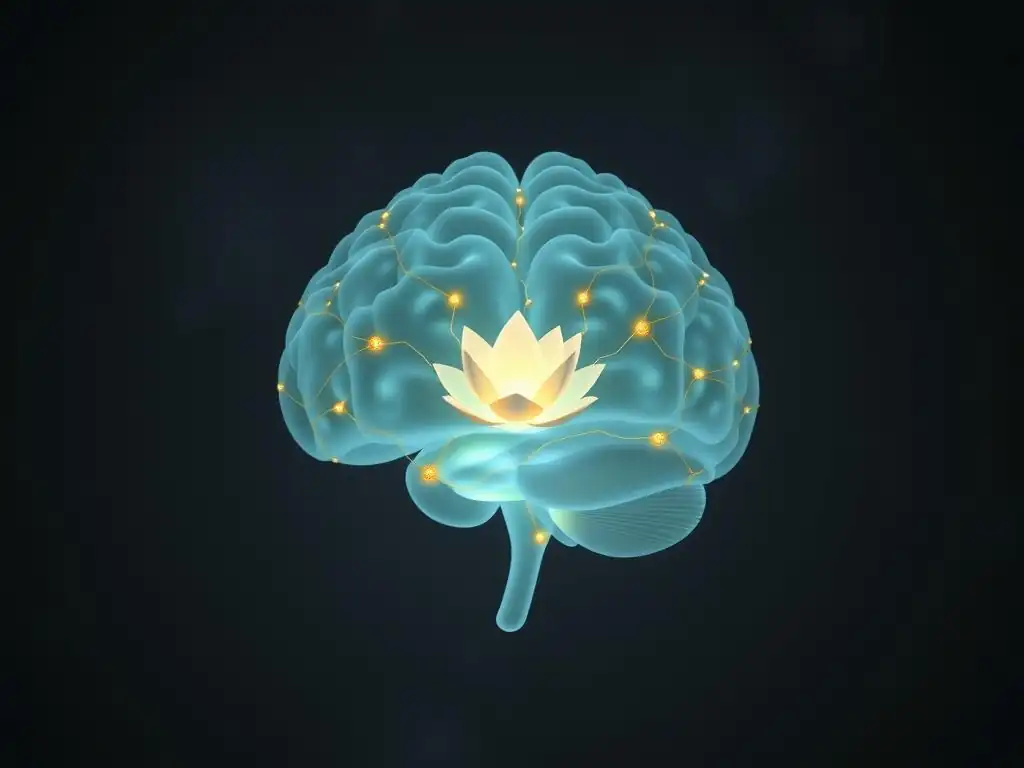
Beyond influencing neurochemicals, mindfulness practice leads to tangible, observable changes in the physical structure and overall function of the brain. This phenomenon is rooted in the brain's remarkable capacity for adaptation, known as neuroplasticity. Regular engagement in mindful awareness trains specific neural circuits, much like physical exercise trains muscles, leading to lasting alterations in brain architecture.
These structural changes are not merely academic; they correlate with improved cognitive abilities, enhanced emotional regulation, and reduced susceptibility to stress. The brain becomes more efficient at managing attention, processing emotions, and responding thoughtfully rather than reactively. Understanding these structural impacts provides a deeper appreciation for the long-term benefits of integrating mindfulness into one's life, complementing the neurochemical effects discussed earlier.
Mindfulness Meditation and Neuroplasticity: Rewiring Your Brain
Neuroplasticity is the brain's ability to reorganize itself by forming new neural connections throughout life. Mindfulness meditation is a powerful driver of this process. By repeatedly directing attention and regulating emotional responses, individuals strengthen neural pathways associated with these functions while potentially weakening pathways related to mind-wandering or reactivity.
For example, focusing on the breath strengthens connections in the prefrontal cortex, the area responsible for executive control and attention. Simultaneously, practicing non-judgmental observation of thoughts and feelings can reduce the habitual reactivity of the amygdala. This consistent training effectively "rewires" the brain, making it more adept at staying focused, managing stress, and responding skillfully to challenges, underscoring how mindfulness leverages neuroplasticity for beneficial change.
Increased Grey Matter Density: The Benefits of Regular Mindfulness Practice
One of the most compelling findings in the neuroscience of mindfulness is the observation of increased grey matter density in specific brain regions among long-term practitioners. Grey matter consists primarily of neuronal cell bodies, dendrites, and unmyelinated axons – the computational centers of the brain. An increase in density suggests growth or increased connectivity in these areas.
As mentioned earlier, studies have shown increases in grey matter in the hippocampus (learning and memory), the temporo-parietal junction (perspective taking, empathy), and areas of the prefrontal cortex (attention, self-awareness). Conversely, decreases have been noted in the amygdala (fear and stress processing). These changes, observed after relatively short periods like 8 weeks of practice, indicate that mindfulness doesn't just alter brain activity temporarily; it can lead to lasting structural enhancements that support improved cognitive and emotional function.
Enhanced Connectivity: Mindfulness and Improved Brain Communication
Beyond changes in grey matter density, mindfulness practice also influences the connectivity between different brain regions. The brain functions as a complex network, and efficient communication between areas is crucial for optimal performance. Mindfulness appears to enhance connectivity within certain networks and alter connectivity between others.
For instance, mindfulness strengthens the connection between the prefrontal cortex (executive control) and the insula (body awareness, emotional processing). This enhanced link allows for better integration of cognitive control with internal bodily states and emotions, leading to improved self-awareness and emotional regulation. Simultaneously, it may decrease connectivity between the default mode network (DMN), associated with mind-wandering and self-referential thought, and areas involved in attention, helping individuals stay more present and less caught up in rumination. This improved neural communication is another way mindfulness enhances overall brain function.
Practical Mindfulness Techniques to Boost Neurochemicals
Understanding how mindfulness boosts brain neurochemicals is fascinating, but knowing what practices to engage in is key to experiencing these benefits. Fortunately, there are numerous accessible mindfulness techniques that anyone can incorporate into their daily routine. These practices don't require hours of dedication; even short, consistent efforts can begin to influence brain chemistry and structure over time.
Choosing a practice that resonates with you is important, as enjoyment and perceived benefit can increase adherence. Whether it's focusing on the breath, cultivating kindness, or simply paying attention to bodily sensations, each technique offers a unique pathway to harnessing the brain's neurochemical potential. Let's explore a few specific practices and their potential neurochemical impacts.
Breathing Exercises for Anxiety Relief and GABA Production
Focused breathing is a fundamental mindfulness technique and a powerful tool for managing stress and anxiety. By simply paying attention to the sensation of the breath entering and leaving the body, we activate the parasympathetic nervous system, the body's "rest and digest" state. This counteracts the "fight or flight" response triggered by stress.
As discussed earlier, studies suggest that even a short period of focused breathing, a core component of many mindfulness practices, can lead to an increase in GABA levels in the brain. Increased GABA activity dampens neural excitability, promoting feelings of calm and reducing the physiological symptoms of anxiety like rapid heart rate or racing thoughts. Practicing mindful breathing regularly can build resilience against stress and contribute to a more stable, less anxious state, demonstrating a direct way Mindfulness boosts brain neurochemicals like GABA.
Loving-Kindness Meditation for Oxytocin Release
Loving-Kindness Meditation (LKM), also known as Metta meditation, is a practice specifically designed to cultivate feelings of warmth, compassion, and kindness towards oneself and others. It typically involves silently repeating phrases wishing well-being, peace, and happiness first to oneself, then to loved ones, neutral persons, difficult persons, and finally, to all beings.
While research on LKM's direct impact on oxytocin in humans is still developing and challenging to measure precisely, the practice strongly aligns with activities known to promote oxytocin release: fostering positive social emotions, empathy, and connection. Studies on LKM have shown increases in positive emotions and decreases in negative emotions like anxiety and depression, outcomes that are consistent with the potential involvement of oxytocin. Cultivating compassion mindfully may thus tap into the brain's natural mechanisms for bonding and empathy.
Body Scan Meditation for Enhanced Body Awareness and Dopamine Regulation
Body Scan Meditation involves systematically bringing mindful attention to different parts of the body, noticing physical sensations without judgment. This practice enhances interoception – the awareness of internal bodily states – which is closely linked to emotional regulation and self-awareness.
By grounding attention in physical sensations and observing them with curiosity rather than reactivity, the body scan can help individuals become less identified with stressful thoughts or emotions. This process may influence dopamine pathways involved in reward and attention, potentially shifting focus from external, outcome-based rewards to the intrinsic experience of being present in one's body. Enhanced body awareness can also improve the ability to recognize and respond to the physical manifestations of stress or discomfort, fostering a more balanced internal state.
Mindfulness for Mental Well-being: A Neurochemical Perspective
The profound benefits of mindfulness for mental well-being are increasingly supported by a neurochemical understanding of its mechanisms. It's not just about feeling calmer in the moment; it's about fostering lasting changes in brain chemistry and structure that support emotional resilience, cognitive function, and overall psychological health.
By influencing the balance and activity of key neurochemicals like dopamine, serotonin, GABA, and oxytocin, mindfulness provides a powerful, non-pharmacological tool for managing common mental health challenges. This neurochemical lens helps explain why regular practice can lead to reduced symptoms of anxiety and depression, improved mood stability, and enhanced social connection.
Reducing Stress and Anxiety Through Mindfulness
Mindfulness is perhaps most widely recognized for its efficacy in reducing stress and anxiety. From a neurochemical standpoint, this is largely attributed to its impact on GABA and the body's stress hormones. By increasing inhibitory GABA activity, mindfulness helps to quiet the overactive neural firing often associated with anxiety.
Furthermore, mindfulness practice has been shown to reduce levels of cortisol, the primary stress hormone. Chronic stress exposure can disrupt neurochemical balance and even lead to structural changes like hippocampal atrophy. By mitigating the stress response and potentially buffering against cortisol's effects, mindfulness helps protect the brain's neurochemical environment and structural integrity, providing a robust defense against the negative impacts of stress.
Improving Mood and Emotional Regulation with Mindfulness
Improvements in mood and enhanced emotional regulation are significant benefits of consistent mindfulness practice. These effects are closely tied to its influence on serotonin, dopamine, and potentially other neurochemicals involved in mood states. By fostering non-judgmental awareness of emotions, mindfulness allows individuals to observe feelings without being overwhelmed by them, changing their relationship to difficult emotions.
This process, supported by increased activity in the prefrontal cortex and altered connectivity patterns, enables a more measured and less reactive response to emotional triggers. The potential positive influence on serotonin contributes to greater mood stability, while the impact on dopamine pathways may enhance the capacity for experiencing positive emotions and finding joy. This neurochemical interplay provides a solid foundation for mindfulness as a tool for emotional resilience.
Cultivating Self-Awareness and Compassion: The Neurochemical Basis
Mindfulness inherently cultivates self-awareness – the ability to observe one's thoughts, feelings, and sensations without judgment. This heightened internal awareness is facilitated by increased activity and connectivity in brain regions like the insula and medial prefrontal cortex. This neurochemical and structural basis allows for a clearer, more integrated understanding of one's internal state.
Practices like Loving-Kindness Meditation specifically target compassion, potentially influencing oxytocin levels and activating brain areas associated with empathy. By intentionally directing kindness towards oneself and others, individuals may strengthen neural pathways and neurochemical systems that support prosocial behavior and emotional connection. This neurochemical foundation explains how mindfulness can foster not only personal insight but also deeper empathy and connection with others.
Long-Term Benefits of Mindfulness on Brain Health

The benefits of mindfulness extend beyond immediate stress reduction and mood improvement; consistent, long-term practice appears to confer lasting advantages for overall brain health and cognitive function. These enduring effects are a testament to the brain's remarkable neuroplasticity and the sustained positive influence on neurochemical systems.
Regular mindfulness acts as a form of preventative care for the brain, potentially mitigating age-related cognitive decline and enhancing resilience against psychological challenges. It's an investment in the long-term vitality and adaptability of our most critical organ, supported by cumulative changes in both structure and chemistry.
Mindfulness and Aging: Protecting Cognitive Function
As the brain ages, it naturally undergoes changes that can affect cognitive function, including memory, attention, and processing speed. However, research suggests that mindfulness practice may help buffer against some aspects of age-related cognitive decline. The increases in grey matter density, particularly in areas like the hippocampus (vital for memory), observed in mindfulness practitioners are particularly relevant here.
Long-term meditators often exhibit better performance on cognitive tasks compared to age-matched non-meditators. This preservation of function is likely due to the cumulative effects of neuroplastic changes and the maintenance of healthy neurochemical balance over time. Mindfulness may help preserve neural integrity and connectivity, supporting cognitive vitality well into older age.
Mindfulness and Resilience: Building a Stronger Brain
Psychological resilience – the ability to bounce back from adversity – is a critical component of mental well-being. Mindfulness practice appears to build resilience by strengthening the brain's capacity to manage stress and regulate emotions, capabilities directly tied to neurochemical balance and structural changes.
By consistently practicing non-reactivity and present-moment awareness, individuals train their brains to respond to challenges with greater calm and clarity, rather than being overwhelmed by stress or negative emotions. The reduced activity in the amygdala, increased GABA, and improved prefrontal control all contribute to a brain that is better equipped to handle life's inevitable difficulties, demonstrating how mindfulness cultivates a more robust and resilient mental state.
Integrating Mindfulness into Daily Life: Maximizing Neurochemical Benefits
Understanding how Mindfulness boosts brain neurochemicals provides a compelling motivation to integrate this practice into our daily lives. The good news is that cultivating mindfulness doesn't require hours of formal meditation each day, especially for beginners. Small, consistent steps can yield significant cumulative benefits for brain health and neurochemical balance.
The key is finding practices that fit naturally into your routine and committing to them regularly. Just as consistent exercise is needed for physical health, consistent mental training is beneficial for brain health. By making mindfulness a regular part of your day, you actively support the positive neurochemical and structural changes that enhance well-being.
Simple Mindfulness Practices for Beginners
Starting with mindfulness can feel daunting, but simple practices can be easily woven into everyday activities.
- Mindful Breathing: Take 3-5 conscious breaths several times a day, noticing the sensation of air entering and leaving your nostrils or chest.
- Mindful Eating: Pay full attention to the taste, texture, and smell of your food during one meal or snack.
- Mindful Walking: Notice the sensation of your feet touching the ground as you walk.
- Body Scan: Take a few minutes to scan your body from head to toe, simply observing any physical sensations without judgment.
These brief moments of intentional awareness add up, helping to train your attention and gently influence your brain's neurochemical landscape. Even 5-10 minutes a day can make a difference.
Creating a Sustainable Mindfulness Routine
Building a sustainable mindfulness routine involves consistency and flexibility.
- Schedule It: Just like any important appointment, schedule your mindfulness time, even if it's just 10 minutes. Morning or evening often works well.
- Start Small: Don't aim for an hour right away. Begin with 5-10 minutes and gradually increase if you wish.
- Find Your Method: Experiment with different techniques – guided meditations, silent sitting, mindful movement (like yoga or walking) – to find what resonates.
- Be Patient and Kind: Some days will be easier than others. Don't judge yourself if your mind wanders; simply notice and gently guide your attention back. Mindfulness is a practice, not a destination.
Consistency is more important than duration or perfection. A regular, even short, practice provides the repeated stimulus needed to encourage beneficial neurochemical and structural changes in the brain over time.
Conclusion: Harnessing the Power of Mindfulness for a Healthier Brain
The growing body of scientific evidence provides a compelling picture of how mindfulness practice profoundly impacts the brain. From influencing the balance of key neurochemicals like dopamine, serotonin, GABA, and oxytocin to fostering tangible changes in brain structure through neuroplasticity, mindfulness offers a powerful pathway to enhanced mental well-being. It's clear that Mindfulness boosts brain neurochemicals in ways that support reduced stress, improved mood, greater resilience, and even protection against age-related cognitive decline.
Integrating mindfulness into daily life is more than just a trend; it's an active investment in the health and vitality of your brain. By engaging in simple, consistent practices, you can leverage the brain's natural capacity for change and cultivate a stronger, more balanced, and more resilient mind. As research continues to uncover the intricate mechanisms at play, the potential of mindfulness as a tool for optimizing brain health becomes ever more apparent.
The Future of Mindfulness and Neuroscience: Advancements in fMRI and EEG Research
The field of mindfulness neuroscience is rapidly advancing, driven by sophisticated technologies like fMRI and EEG. These tools allow researchers to observe brain activity in real-time during meditation and track structural changes over time with increasing precision. Future research is likely to delve deeper into the specific neural circuits and neurochemical pathways involved in different types of mindfulness practices.
We can anticipate more detailed mapping of how practices like compassion meditation versus focused attention meditation might differentially impact neurochemicals and connectivity. Furthermore, advancements in areas like neurofeedback based on EEG or fMRI signals might offer personalized approaches to mindfulness training, tailoring practices to individual brain patterns. This ongoing research promises to unlock even more secrets about how mindfulness transforms the brain, further solidifying its role as a powerful tool for mental health.
Frequently Asked Questions
What neurochemicals are significantly affected by mindfulness practices?
Mindfulness practices significantly impact neurochemicals like dopamine, which is linked to pleasure and motivation, and serotonin, a key regulator of mood. It also influences GABA, which promotes relaxation and reduces anxiety.
How does mindfulness training influence the levels of cortisol in the brain?
Mindfulness training can effectively reduce cortisol levels, the primary stress hormone. This reduction contributes to a calmer and more balanced mental state.
What is the relationship between mindfulness and the release of dopamine?
Mindfulness practices can stimulate the release of dopamine, leading to feelings of pleasure, reward, and motivation. This can help improve focus and overall well-being.
Can regular mindfulness practice alter the physical structure of the brain?
Yes, studies suggest that regular mindfulness practice can lead to increased gray matter in areas associated with learning, memory, and emotional regulation. This indicates neuroplasticity and enhanced brain function.
What are the long-term benefits of mindfulness on brain neurochemistry?
Long-term mindfulness practice can promote sustained improvements in mood, reduced stress, and enhanced cognitive function by regulating key neurochemicals. It also fosters a greater sense of emotional resilience.
Final Reflection: The Rewarding Science of Mindfulness
The profound impact of mindfulness on our brain chemistry is no longer a fringe concept; it's a scientifically validated pathway to enhanced well-being. Understanding how practices like meditation and mindful breathing directly influence neurochemicals like dopamine, serotonin, and GABA is crucial in a world increasingly characterized by stress and mental health challenges. This knowledge empowers us to take proactive steps towards improving our cognitive function and emotional resilience.
The exploration of mindfulness's neurochemical effects has profoundly shifted my understanding of mental health and personal growth. It's not just about feeling better; it's about actively shaping the very landscape of our internal experience. The ability to cultivate positive neurochemical changes through conscious practice is incredibly empowering. The mind is everything. What you think you become.
– Buddha. This ancient wisdom is now supported by cutting-edge neuroscience, highlighting the interconnectedness of our thoughts, feelings, and brain chemistry.
Now, consider this: what small step can you take today to introduce more mindfulness into your life? Perhaps it's a five-minute meditation session, a mindful walk in nature, or simply taking a few deep breaths before reacting to a stressful situation. The potential rewards – increased focus, reduced anxiety, and a greater sense of inner peace – are well worth the effort. Embrace the science, embrace the practice, and embrace the transformative power of a mindful mind.
Unlock Your Brain's Potential: Start Your Mindfulness Journey Today!
Thank you for taking the time to explore the fascinating world of mindfulness and its impact on your brain! We hope you gained valuable insights into the neurochemical benefits. Now it's time to put that knowledge into action.
Here's how to get started:
- Begin a daily mindfulness practice: Even 5 minutes a day can make a significant difference. Try a guided meditation or simply focus on your breath. This is the cornerstone of reaping the benefits discussed in the article.
- Share your experience: Tell a friend about what you learned and invite them to join you on your mindfulness journey. Inspiring others is a powerful way to deepen your own practice.
- Explore different mindfulness techniques: From mindful walking to body scans, experiment to find what resonates most with you. There's a world of possibilities waiting to be discovered!
Ready to unlock the transformative power of mindfulness? What small step will you take today to integrate mindfulness into your daily life?