
From Fear to Freedom: Rewiring Your Brain's Alarm System with Mindfulness

Welcome to Mind Care Guide, a safe space to explore the landscape of your inner world.
Are you feeling trapped by anxiety, a prisoner of your own fear response? It doesn't have to be this way. Our latest article, "Mindfulness rewires fear response," delves into the powerful techniques that can help you reclaim control. Imagine a life where fear doesn't dictate your decisions, where anxiety loosens its grip. Intrigued? Discover how mindfulness can unlock your brain's potential for resilience and lead you towards a more peaceful, empowered you. Let's embark on this journey together...
From Fear to Freedom: Rewiring Your Brain's Alarm System with Mindfulness
- Understanding the Fear Response: The Brain's Alarm System
- Mindfulness: A Powerful Tool for Rewiring the Brain
- Mindfulness Rewires Fear Response: The Neuroscience
- Practical Mindfulness Techniques to Reduce Fear and Anxiety
- Integrating Mindfulness into Daily Life for Lasting Change
- Long-Term Benefits of Mindfulness for Emotional Resilience
-
Resources for Further Exploration of Mindfulness and Fear Reduction
- Guided Mindfulness Meditations: UCLA Mindful Awareness Research Center, Insight Timer
- Mindfulness Workshops and Retreats: Local Meditation Centers, Online Mindfulness Courses
- Books and Articles on Mindfulness and Neuroscience: "Wherever You Go, There You Are" by Jon Kabat-Zinn, "Buddha's Brain" by Rick Hanson
-
Frequently Asked Questions
- What does it mean to "rewire" the brain's fear response with mindfulness?
- How does mindfulness specifically help in reducing fear and anxiety?
- What are some practical mindfulness exercises I can use to manage my fear response?
- How long does it typically take to see results from using mindfulness to rewire the fear response?
- Is mindfulness a replacement for traditional therapy or medication for anxiety disorders?
- Final Reflection: Unplugging the Fear Response, Plugging into Peace
- Unlock Your Inner Calm: Take Control of Your Anxiety Today
Understanding the Fear Response: The Brain's Alarm System
How the Amygdala Triggers Fear: A Neurological Overview
At the core of our brain's ancient alarm system lies the amygdala, a pair of almond-shaped structures deep within the temporal lobes. This region acts as a rapid threat detector, constantly scanning our environment for potential dangers. When the amygdala perceives a threat, whether real or imagined, it initiates a cascade of physiological responses known as the "fight, flight, or freeze" response.
This happens incredibly fast, often before the conscious parts of our brain have fully processed the situation. The amygdala signals the hypothalamus, which in turn activates the sympathetic nervous system and the release of stress hormones like adrenaline and cortisol, preparing the body to confront or escape the perceived danger.
This automatic reaction was crucial for the survival of our ancestors, allowing them to react instantly to threats like predators. However, in the modern world, the amygdala can be triggered by non-life-threatening situations such as public speaking, social interactions, or even worrying about the future. When the amygdala sends these false alarms repeatedly, it keeps the body in a state of heightened alert, leading to chronic stress and anxiety. Understanding this basic neurological pathway is the first step in learning how we might influence it, recognizing that our fear response is a biological process that can be modulated.
The Role of Stress and Anxiety in Amplifying Fear
Stress and anxiety are intricately linked with the fear response, often amplifying its intensity and duration. When we experience chronic stress, our bodies are constantly exposed to elevated levels of stress hormones like cortisol. High cortisol levels can actually increase the sensitivity of the amygdala, making it more likely to perceive threats and trigger the fear response, even in benign situations. This creates a vicious cycle: stress makes us more anxious and fearful, and feeling anxious and fearful increases our stress levels.
Anxiety, specifically, involves anticipating future threats and feeling apprehensive about them. This anticipation keeps the amygdala on high alert, reinforcing neural pathways associated with fear and worry. Over time, this can lead to the brain becoming wired for anxiety, making it harder to feel calm and safe. Research, like studies published in journals such as Biological Psychiatry, has shown that individuals with anxiety disorders often exhibit heightened amygdala activity and altered connectivity between the amygdala and other brain regions compared to non-anxious individuals, underscoring the biological basis of this amplification.
The Impact of Chronic Fear on Mental Well-being
Living with chronic fear has significant and detrimental effects on mental well-being. Constant activation of the stress response system can lead to a range of psychological challenges, including persistent anxiety, panic attacks, irritability, difficulty concentrating, and sleep disturbances. It can also contribute to the development or worsening of mood disorders such as depression. The relentless feeling of being unsafe or under threat erodes a person's sense of control and safety in the world.
Beyond psychological impacts, chronic fear also affects cognitive function. The sustained release of cortisol can impair areas like the hippocampus, which is critical for memory and learning. This might manifest as difficulty recalling information or learning new things. Furthermore, chronic fear can shrink the volume of the prefrontal cortex, the part of the brain responsible for executive functions, decision-making, and emotional regulation. This reduction in prefrontal activity makes it even harder to manage the fear response, perpetuating the cycle and significantly diminishing overall quality of life.
Mindfulness: A Powerful Tool for Rewiring the Brain
What is Mindfulness? Definition and Core Principles
Mindfulness is a state of active, open attention on the present moment. When you're mindful, you observe your thoughts and feelings from a distance, without judgment. It's about being fully present, aware of where you are and what you're doing, and not overly reactive or overwhelmed by what's happening around you. The core principles include paying attention on purpose, in the present moment, and non-judgmentally. This involves noticing sensations, thoughts, and emotions as they arise, without trying to push them away or cling to them.
Mindfulness is not about emptying the mind or achieving a state of bliss; it's about cultivating a particular way of relating to our experience. It's a practice that can be developed through techniques like meditation, mindful breathing, or simply bringing mindful awareness to everyday activities. The aim is to develop a greater capacity to tolerate discomfort, reduce reactivity, and gain insight into our habitual patterns of thinking and feeling, particularly those related to fear and anxiety.
How Mindfulness Differs from Traditional Therapy Approaches
While both mindfulness and traditional therapy approaches, such as Cognitive Behavioral Therapy (CBT) or Psychodynamic Therapy, aim to alleviate psychological distress, they often approach the process differently. Traditional therapies frequently focus on exploring the origins of issues, identifying and challenging negative thought patterns (CBT), or understanding past experiences and relationships (Psychodynamic). The emphasis is often on changing the content of thoughts or resolving underlying conflicts.
Mindfulness, on the other hand, primarily focuses on changing the relationship to thoughts and feelings in the present moment. Instead of analyzing or trying to change a fearful thought, mindfulness encourages observing the thought with non-judgmental awareness, recognizing it as just a thought, not necessarily a reflection of reality. This doesn't mean ignoring the issue but learning to respond to it with more presence and less automatic reactivity. It complements therapy well, providing tools to manage difficult emotions and thoughts between therapy sessions and build a foundation of present-moment awareness that can enhance therapeutic insights.
The Science Behind Mindfulness: Brain Changes and Neural Plasticity
Decades of research have provided compelling evidence for the neurobiological effects of mindfulness practice. The brain is remarkably adaptable, a property known as neural plasticity, meaning its structure and function can change based on experience. Mindfulness training appears to leverage this plasticity to cultivate beneficial changes. Studies have shown that regular mindfulness practice can lead to measurable alterations in brain regions associated with attention, emotion regulation, and self-awareness.
For example, research using fMRI scans has indicated that experienced meditators show reduced activity in the amygdala when exposed to emotional stimuli compared to novices. Furthermore, studies have documented structural changes, such as increased gray matter density in areas like the hippocampus (involved in memory and emotional regulation) and parts of the prefrontal cortex (involved in executive control and attention). These findings suggest that mindfulness practice isn't just a relaxation technique; it actively works on the neural circuits that underpin our emotional responses and cognitive control, offering a scientific basis for how mindfulness rewires fear response pathways.
Mindfulness Rewires Fear Response: The Neuroscience
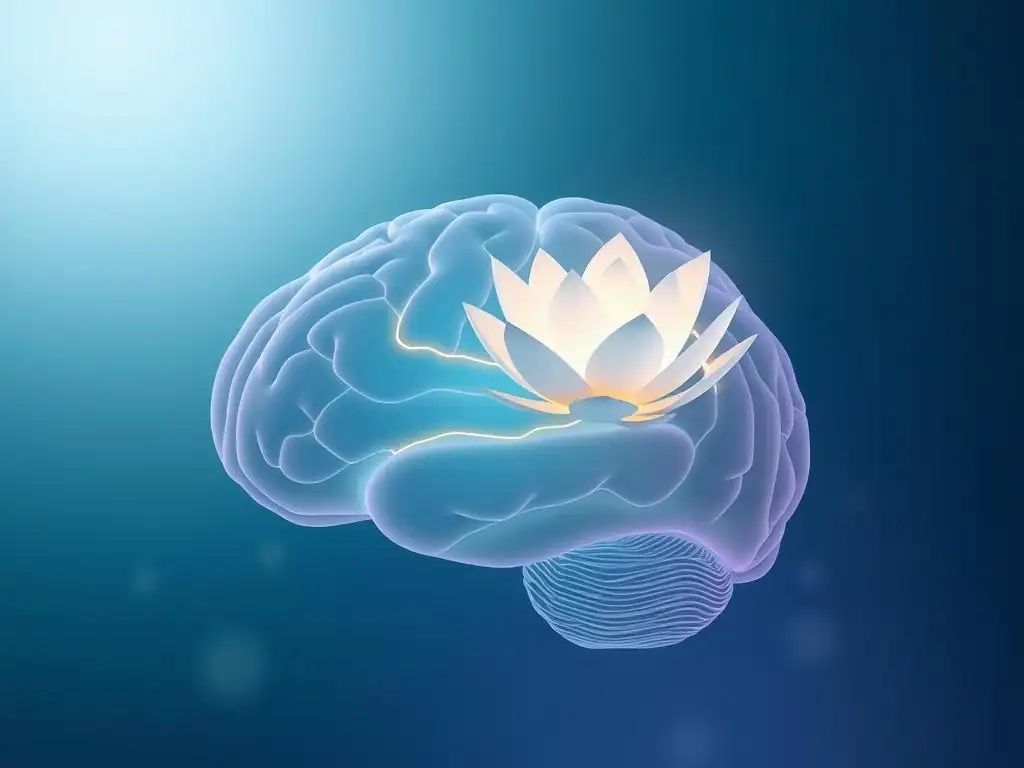
Targeting the Amygdala with Mindfulness Meditation: Reducing Reactivity
One of the key ways mindfulness rewires fear response is by directly influencing the amygdala. Regular mindfulness meditation practice appears to reduce the amygdala's reactivity to stressful or threatening stimuli. Instead of the immediate, overwhelming "fight or flight" signal, mindfulness seems to create a buffer, allowing for a more measured response. Research from institutions like Harvard has shown that participation in an 8-week Mindfulness-Based Stress Reduction (MBSR) program can lead to a decrease in the size of the amygdala and a reduction in its functional connectivity with other brain regions, suggesting a dampening of its alarm-triggering function.
This reduced amygdala activity doesn't mean that mindful individuals never feel fear; rather, it means they are less likely to be hijacked by the fear response. They can observe the initial stirrings of fear or anxiety without immediately being swept away by them. This subtle but profound shift in reactivity is central to how mindfulness helps people move from being controlled by fear to having more freedom in their emotional responses, illustrating a direct neurological mechanism by which mindfulness rewires fear response circuitry.
Strengthening the Prefrontal Cortex: Enhancing Emotional Regulation
While dampening the amygdala's alarm system is crucial, strengthening the brain regions that can regulate this system is equally important. The prefrontal cortex (PFC), particularly the ventromedial PFC, plays a critical role in evaluating the significance of emotional stimuli and inhibiting automatic responses. Mindfulness practice has been shown to increase activity and even gray matter volume in areas of the PFC, enhancing its capacity to exert top-down control over the amygdala.
This strengthening of the PFC allows individuals to pause before reacting impulsively to fear. It enables a more considered response, allowing for conscious appraisal of the situation rather than an automatic fear reaction. For instance, instead of panicking when noticing a physical sensation, a strengthened PFC, supported by mindfulness training, can help interpret it calmly and rationally. This improved communication and balance between the PFC and the amygdala is a cornerstone of how mindfulness rewires fear response, shifting the brain from an overly reactive state to a more regulated and resilient one.
Mindfulness and the Default Mode Network: Quieting the Inner Critic
The Default Mode Network (DMN) is a network of brain regions that becomes active when our minds are wandering, often engaging in self-referential thoughts, rumination about the past, or worrying about the future. For individuals struggling with fear and anxiety, the DMN can become hyperactive, fueling endless loops of fearful thoughts and self-criticism – the "inner critic." Mindfulness practice has been shown to decrease activity within the DMN and alter its connectivity, particularly reducing the strong link between the DMN and areas associated with self-focus and emotional reactivity.
By reducing DMN activity, mindfulness helps quiet the constant chatter of the mind and the often negative self-talk that accompanies fear and anxiety. This allows individuals to disengage from ruminative thought patterns and anchor themselves in the present moment. Less time spent caught in loops of worrying thoughts means less fuel for the fear response. This shift in the brain's default state, from rumination to present-moment awareness, is another critical way mindfulness rewires fear response by reducing the cognitive processes that often amplify it.
Practical Mindfulness Techniques to Reduce Fear and Anxiety
Mindful Breathing Exercises for Calming the Nervous System
One of the most accessible and immediate ways to engage mindfulness rewires fear response is through mindful breathing. When we are fearful or anxious, our breath often becomes shallow and rapid. By consciously focusing on the breath, we can directly influence the autonomic nervous system, shifting from the sympathetic "fight or flight" response towards the parasympathetic "rest and digest" state. A simple technique involves finding a comfortable position and simply paying attention to the sensation of the breath entering and leaving the body.
- Notice the rise and fall of the abdomen or chest.
- Feel the air entering and leaving the nostrils.
- Observe the pauses between breaths.
There's no need to change the breath initially, just notice it. If the mind wanders, gently guide it back to the breath without judgment. Practicing this for even a few minutes can help interrupt the fear cycle, slow heart rate, and bring a sense of calm, providing an immediate tool for managing acute anxiety.
Body Scan Meditation: Cultivating Awareness of Physical Sensations
Fear and anxiety often manifest as physical sensations in the body – tightness in the chest, knots in the stomach, tension in the shoulders. Body scan meditation is a practice that systematically brings mindful awareness to different parts of the body, noticing these sensations without trying to change them. This practice helps to develop a greater tolerance for uncomfortable physical feelings associated with fear and reduces the tendency to react to them with further anxiety.
During a body scan, typically practiced lying down or sitting, you bring your attention sequentially to different areas of the body, starting from the toes and moving up to the head. The instruction is simply to notice any sensations present – tingling, warmth, tension, absence of sensation – with curiosity and non-judgment.
This practice helps to ground you in the present moment and detach from the narrative around the sensations (e.g., "This knot in my stomach means something terrible is about to happen"). By regularly practicing the body scan, you train your brain to observe physical manifestations of fear without automatically spiraling into panic, reinforcing how mindfulness rewires fear response at a somatic level.
Mindful Movement: Releasing Tension and Promoting Relaxation
Mindfulness doesn't have to mean sitting still. Mindful movement involves bringing present-moment awareness to physical activity, helping to release tension stored in the body due to stress and fear. This can include practices like mindful walking, yoga, Tai Chi, or even just stretching with attention. The focus is on the sensations of movement, the feeling of muscles working, the breath coordinating with movement, and the contact of the body with the ground or air.
Engaging in mindful movement can be particularly helpful for those who find sitting meditation challenging. It provides an active way to connect with the body and interrupt cycles of anxious thought. As you move mindfully, you give your brain something concrete to focus on, reducing the likelihood of getting caught up in fearful rumination. Releasing physical tension through movement can also send signals of safety to the brain, counteracting the physiological arousal associated with fear and further supporting the process by which mindfulness rewires fear response.
Loving-Kindness Meditation: Fostering Compassion and Reducing Fear of Judgment
Fear often involves apprehension about others' judgment or a lack of self-compassion. Loving-kindness meditation (Metta) is a practice that cultivates feelings of warmth, compassion, and kindness towards oneself and others. While not directly focused on fear, it addresses underlying factors that contribute to social anxiety and self-criticism, which often fuel fear. The practice typically involves silently repeating phrases wishing well-being, happiness, and freedom from suffering first to oneself, then to loved ones, neutral persons, difficult persons, and finally to all beings.
By intentionally cultivating feelings of kindness towards oneself, this practice helps to counteract the harsh inner critic that can be a major source of fear, particularly fear of failure or not being good enough. Extending this kindness to others can reduce social anxiety and the fear of judgment, as it shifts focus from perceived threats to shared humanity and connection. This practice builds emotional resilience and a sense of safety from within, demonstrating a powerful way mindfulness rewires fear response by cultivating positive emotional states that are incompatible with fear.
Integrating Mindfulness into Daily Life for Lasting Change

Creating a Daily Mindfulness Practice: Tips and Strategies
Integrating mindfulness into daily life is key to realizing its long-term benefits and truly allowing mindfulness to rewire fear response pathways. Consistency is more important than duration; even short periods of mindful practice can make a difference. Here are some tips:
- Start Small: Begin with just 5-10 minutes of formal practice (like mindful breathing or body scan) each day.
- Schedule It: Treat your practice like any other important appointment. Put it on your calendar.
- Anchor to Daily Activities: Choose existing activities (like brushing your teeth, eating a meal, or walking) and commit to doing them mindfully.
- Find a Community: Join a local meditation group or online community for support and shared practice.
- Be Patient and Kind: There will be days when your mind is busy. This is normal. Simply notice and return to your chosen anchor without judgment.
By embedding mindfulness into your routine, you create consistent opportunities for your brain to practice present-moment awareness and non-reactivity, gradually strengthening the neural circuits that support emotional regulation and resilience.
Mindfulness for Specific Fears: Performance Anxiety, Health Anxiety
Mindfulness techniques can be specifically applied to target particular fears. For performance anxiety, practicing mindful breathing or a brief body scan before a presentation or event can help ground you in the present, reducing the mind's tendency to catastrophize about future outcomes. Noticing the physical sensations of anxiety (e.g., racing heart, sweaty palms) without judgment can help depersonalize them, making them less overwhelming.
For health anxiety, which often involves excessive worry about physical symptoms, mindfulness can help by shifting focus from the fearful interpretation of sensations to the sensations themselves, observed with curiosity. A body scan can help differentiate between a mild, transient sensation and a perceived medical emergency. Learning to tolerate physical discomfort through mindfulness reduces the automatic escalation of fear. In both cases, mindfulness helps create distance from the fearful narrative, allowing for a more balanced perspective and demonstrating how mindfulness rewires fear response in context-specific ways.
Overcoming Challenges in Mindfulness Practice: Common Obstacles and Solutions
Embarking on a mindfulness practice can present challenges. Common obstacles include:
- Mind Wandering: The mind is designed to think! It's perfectly normal for it to wander during practice. The practice isn't about stopping thoughts, but noticing when the mind has wandered and gently bringing it back. This act of returning is the key training.
- Feeling Bored or Restless: These are common experiences. Acknowledge them with curiosity. Sometimes incorporating mindful movement can help with restlessness.
- Feeling Worse: Occasionally, bringing awareness to present experience can initially highlight existing discomfort or difficult emotions. This is part of the process. Be gentle with yourself and consider practicing with a qualified teacher or therapist if challenging emotions arise.
- Lack of Time: Even 1-2 minutes of mindful breathing during a busy day can be beneficial. Look for micro-moments to practice.
Solutions involve setting realistic expectations, cultivating self-compassion, seeking guidance from experienced teachers, and remembering that mindfulness is a practice, not a destination. Persistence and patience are key to allowing mindfulness to effectively rewire fear response over time.
Long-Term Benefits of Mindfulness for Emotional Resilience
Reduced Anxiety and Stress Levels: Evidence-Based Research
Numerous studies have demonstrated the effectiveness of mindfulness-based interventions in reducing symptoms of anxiety and stress. Meta-analyses, which combine findings from multiple studies, consistently show that programs like MBSR and Mindfulness-Based Cognitive Therapy (MBCT) lead to significant reductions in self-reported anxiety and depression levels. For instance, a meta-analysis published in JAMA Internal Medicine in 2014, reviewing 47 trials with over 3500 participants, found that mindfulness meditation programs had moderate evidence of improving anxiety and depression symptoms.
Furthermore, research has shown that regular mindfulness practice can lead to lower levels of stress hormones like cortisol. A study published in Health Psychology found that individuals who completed an 8-week mindfulness program showed reduced cortisol levels compared to a control group. These objective and subjective findings provide strong evidence that mindfulness rewires fear response mechanisms, leading to tangible improvements in stress and anxiety management and building long-term emotional resilience.
Improved Emotional Regulation: Managing Fear and Reactivity
Beyond simply reducing anxiety, mindfulness significantly enhances the ability to regulate emotions, particularly fear and reactivity. By strengthening the prefrontal cortex and reducing amygdala reactivity, mindfulness allows individuals to experience emotions without being overwhelmed by them. They learn to observe feelings like fear or anger as temporary states rather than defining aspects of themselves.
This improved emotional regulation manifests as a reduced tendency to react impulsively to stressful situations. Instead of automatically resorting to avoidance, denial, or lashing out when faced with fear, individuals with a developed mindfulness practice can pause, acknowledge the emotion, and choose a more skillful response. This capacity to navigate difficult emotions with greater ease and wisdom is a hallmark of emotional resilience and a direct outcome of how mindfulness rewires fear response circuitry for better control.
Enhanced Self-Awareness and Compassion: Building Inner Strength
A core outcome of mindfulness practice is increased self-awareness. By paying non-judgmental attention to internal experiences, individuals gain insight into their thought patterns, emotional triggers, and habitual reactions, including those related to fear. This understanding is crucial because you cannot change what you are not aware of. Enhanced self-awareness provides the foundation for making conscious choices about how to respond to fear rather than operating on autopilot.
Coupled with self-awareness, mindfulness cultivates self-compassion – treating oneself with the same kindness and understanding one would offer a friend facing difficulty. This is particularly important when dealing with fear and anxiety, which often come with self-criticism ("Why am I so scared? I should be able to handle this").
Practicing self-compassion softens the inner critic and creates a safer internal environment, making it easier to face fears rather than avoid them. This combination of self-awareness and self-compassion builds profound inner strength, enabling individuals to navigate life's challenges with greater resilience, a testament to the holistic way mindfulness rewires fear response and builds overall well-being.
Resources for Further Exploration of Mindfulness and Fear Reduction
Guided Mindfulness Meditations: UCLA Mindful Awareness Research Center, Insight Timer
Engaging with guided meditations can be a helpful way to begin or deepen your mindfulness practice, especially when targeting fear reduction. These resources provide structured sessions led by experienced teachers.
- UCLA Mindful Awareness Research Center (MARC): Offers a variety of free guided meditations online, ranging from short breathing exercises to longer body scans and loving-kindness practices. Their resources are based on scientific research and are designed to be accessible.
- Insight Timer: A popular free meditation app with a vast library of guided meditations contributed by teachers worldwide. You can search for meditations specifically focused on anxiety, fear, stress reduction, or specific techniques like body scans or mindful breathing.
These platforms provide a convenient way to access guided practices that support the process of how mindfulness rewires fear response patterns through consistent training.
Mindfulness Workshops and Retreats: Local Meditation Centers, Online Mindfulness Courses
For a more in-depth exploration and immersive learning experience, consider participating in mindfulness workshops or retreats. These offer structured teaching, guided practices, and often a supportive community environment.
- Local Meditation Centers: Many cities have meditation or mindfulness centers that offer introductory workshops, ongoing classes, and day or weekend retreats. Examples might include Shambhala Centers, Vipassana centers (offering Goenka retreats), or centers affiliated with specific traditions.
- Online Mindfulness Courses: Platforms like Coursera, edX, or dedicated mindfulness websites offer comprehensive online courses, including full MBSR or MBCT programs. These provide systematic instruction over several weeks and can be a flexible option for integrating mindfulness into a busy schedule.
These structured learning environments provide the guidance and practice needed to develop a strong foundation in mindfulness, crucial for effectively allowing mindfulness to rewire fear response mechanisms over time.
Books and Articles on Mindfulness and Neuroscience: "Wherever You Go, There You Are" by Jon Kabat-Zinn, "Buddha's Brain" by Rick Hanson
To deepen your understanding of mindfulness and its scientific basis, exploring key books and articles can be invaluable.
- "Wherever You Go, There You Are" by Jon Kabat-Zinn: A classic, accessible introduction to mindfulness meditation and its application in everyday life. It provides practical guidance and philosophical insights from the founder of MBSR.
- "Buddha's Brain: The Practical Neuroscience of Happiness, Love, and Wisdom" by Rick Hanson: This book explains how mindfulness and other contemplative practices can change the structure and function of the brain to promote well-being. It offers a clear overview of the neuroscience behind mindfulness, including how mindfulness rewires fear response pathways, written for a general audience.
Reading these resources can enhance your practice by providing context, motivation, and a deeper appreciation for the transformative potential of mindfulness in managing fear and cultivating inner freedom.
Frequently Asked Questions
What does it mean to "rewire" the brain's fear response with mindfulness?
Rewiring refers to the process of creating new neural pathways in the brain. Mindfulness practices can help weaken the connection between the amygdala (the fear center) and the areas that trigger fear, while strengthening the connection to areas associated with calm and regulation.
How does mindfulness specifically help in reducing fear and anxiety?
Mindfulness encourages present moment awareness without judgment. This allows individuals to observe fearful thoughts and feelings without reacting, which reduces the intensity and frequency of fear-based responses over time.
What are some practical mindfulness exercises I can use to manage my fear response?
Simple exercises include focused breathing, body scan meditations, and mindful walking. These practices help you become more aware of your body's sensations and thoughts, allowing you to respond consciously rather than react automatically to fear.
How long does it typically take to see results from using mindfulness to rewire the fear response?
The timeframe varies depending on the individual and the consistency of their practice. However, many people report experiencing noticeable improvements in their ability to manage fear and anxiety within a few weeks of regular mindfulness practice.
Is mindfulness a replacement for traditional therapy or medication for anxiety disorders?
Mindfulness can be a valuable tool for managing anxiety, but it's not always a replacement for professional help. It's often used as a complementary approach alongside therapy and/or medication, especially for more severe anxiety disorders.
Final Reflection: Unplugging the Fear Response, Plugging into Peace
The ability to consciously rewire our brain's fear response is not just a theoretical concept; it's a vital skill for navigating the complexities of modern life. In a world saturated with anxieties and uncertainties, mastering mindfulness offers a powerful antidote, a tangible path towards a calmer, more resilient self. This isn't about eliminating fear entirely—that's unrealistic—but about transforming our relationship with it, moving from a place of reactive panic to one of mindful observation and compassionate self-understanding.
The impact of mindfulness on our cultural landscape is undeniable, a quiet revolution unfolding as more and more people seek solace and strength in its practices. We are increasingly recognizing the limitations of solely relying on external solutions to manage stress and anxiety. The internal work of cultivating mindfulness, of learning to observe our thoughts and feelings without judgment, is proving to be a profoundly effective tool. The mind is everything. What you think you become.
– Buddha. This ancient wisdom resonates deeply today, highlighting the power we hold to shape our own experiences through conscious awareness.
Consider this your invitation to embark on a journey of self-discovery. Begin by incorporating even small moments of mindfulness into your daily routine – a few deep breaths during a stressful situation, a mindful walk in nature, or simply paying attention to the sensations in your body. Don't be discouraged by setbacks; the path to rewiring your brain's alarm system is a process, not a destination. With consistent practice, you'll discover a newfound sense of freedom, a liberation from the grip of fear, and an empowered ability to navigate life's challenges with greater peace and resilience.
Unlock Your Inner Calm: Take Control of Your Anxiety Today
Thanks for taking the time to explore the power of mindfulness in managing anxiety. We hope you found practical strategies to help rewire your brain's response to stress. Ready to deepen your practice and experience lasting change?
- Prioritize a daily mindfulness practice: Even 5 minutes a day can make a significant difference. Try our guided meditation (link to be added in final version).
- Share your experience: Discuss your insights and challenges with others who are on a similar journey – your shared experience can inspire others and deepen your own understanding.
- Challenge a fearful thought today: Identify one anxious thought that arose during your reading, and consciously challenge its validity. Write down your thoughts and what a more balanced response could be.
What small step will you take today to cultivate more inner peace and reduce anxiety in your daily life?