
Building a Mindfulness Routine That Truly Works When You Have Depression


Welcome to Mind Care Guide, a space dedicated to nurturing your mental well-being.
Feeling overwhelmed and lost in the fog of depression? You're not alone. It is possible to find moments of peace and clarity, even amidst the darkness. This article dives deep into mindfulness routine depression relief, offering practical and actionable steps to build a practice that truly resonates with your needs. Curious how small, consistent actions can make a big difference? Let's explore together.
- Building a Mindfulness Routine for Depression Relief: A Guide to Cultivating Inner Peace
- Understanding Depression and the Power of Mindfulness
- Creating a Personalized Mindfulness Practice for Depression
- Overcoming Obstacles in Establishing a Mindfulness Routine
- Practical Guide to Implementing Your Mindfulness Routine
- Maintaining Consistency and Monitoring Your Progress
- Advanced Mindfulness Practices for Enhanced Well-being
- Resources for Further Learning and Support
- Long-Term Advantages of Mindfulness in Managing Depression
-
Frequently Asked Questions
- How does a mindfulness routine help with depression?
- What are some simple mindfulness exercises someone with depression can start with?
- How often should I practice my mindfulness routine for depression relief?
- What if I find it difficult to focus or my mind wanders during mindfulness practice?
- How long before I start seeing results from my mindfulness routine in terms of depression relief?
- Final Reflection: Cultivating Inner Peace Amidst the Storm
- Unlock Your Calm: Start Building Your Mindfulness Practice Today!
Building a Mindfulness Routine for Depression Relief: A Guide to Cultivating Inner Peace
Navigating the challenges of depression can feel overwhelming, often leaving individuals feeling stuck in cycles of negative thinking and low energy. While professional support like therapy and medication are crucial pillars of treatment, integrating complementary practices can significantly enhance well-being. Building a consistent mindfulness routine offers a powerful path toward cultivating inner peace and finding tangible relief from depressive symptoms. This guide explores how mindfulness can be a valuable tool in managing depression and provides practical steps for establishing a sustainable practice.
Understanding Depression and the Power of Mindfulness
Depression is a complex mood disorder characterized by persistent feelings of sadness, loss of interest, and difficulty functioning in daily life. It affects millions worldwide, impacting not just mood but also physical health, sleep patterns, and concentration. One of the hallmark features of depression is the tendency towards rumination – getting stuck in repetitive, negative thought loops about past events or future worries.
Mindfulness, at its core, is the practice of paying attention to the present moment without judgment. It involves observing thoughts, feelings, and bodily sensations as they arise, without getting caught up in them. For someone experiencing depression, this practice can offer a much-needed anchor in the present, providing a respite from the mental noise and emotional intensity that often accompany the condition.
The Connection Between Rumination and Depressive Symptoms
Rumination is a cognitive process where individuals repetitively focus on the causes, meanings, and consequences of their distress. This constant rehashing of negative thoughts, feelings, and problems is strongly linked to the severity and duration of depressive episodes. For instance, someone with depression might repeatedly replay a past mistake, analyzing it from every angle, which only reinforces feelings of guilt, shame, and worthlessness. This mental loop prevents the individual from engaging with the present or finding solutions, perpetuating the cycle of low mood.
Studies consistently show that rumination is a significant predictor of depressive relapse. Research from the 1990s established rumination as a key factor differentiating individuals who recover from depression and those who remain depressed or experience recurrence. More recent studies confirm that interventions targeting rumination can be highly effective in reducing depressive symptoms, highlighting its central role in the disorder. The relentless nature of ruminative thinking drains mental energy and makes it difficult to experience positive emotions or engage in enjoyable activities, further solidifying the hold of depression.
Mindfulness as a Tool for Breaking the Cycle of Negative Thinking
Mindfulness directly counters rumination by training the mind to observe thoughts without getting entangled in them. Instead of analyzing or suppressing negative thoughts, mindfulness encourages acknowledging them simply as mental events passing through consciousness.
For example, when a thought like "I'm a failure" arises during mindfulness practice, the instruction is not to argue with it or believe it, but simply to notice it – perhaps labeling it mentally as "thinking" – and gently return attention to the present anchor, like the breath. This non-judgmental observation creates space between the individual and their thoughts, weakening the thought's power to dictate mood and behavior.
Through consistent practice, mindfulness helps individuals recognize the pattern of rumination as it's happening, rather than being fully absorbed by it. This awareness is the first step towards disengaging from the cycle. While it doesn't magically eliminate negative thoughts, it changes the relationship to them. Instead of being controlled by these thoughts, the individual learns that they are not their thoughts; thoughts are transient mental phenomena. This skill of metacognitive awareness – awareness of one's own thinking processes – is a core benefit of mindfulness that directly addresses the ruminative tendencies central to depression.
Concrete Benefits of Mindfulness for Alleviating Depression
Research has provided compelling evidence for the effectiveness of mindfulness-based interventions, such as Mindfulness-Based Cognitive Therapy (MBCT), in reducing depressive symptoms and preventing relapse. A meta-analysis published in the JAMA Psychiatry in 2015, pooling data from over 1200 participants, found that MBCT was as effective as antidepressant medication in preventing relapse in individuals with recurrent depression. This suggests that a dedicated mindfulness routine can be a powerful tool for long-term management.
Beyond relapse prevention, a regular mindfulness routine for depression relief can lead to several tangible benefits. Individuals often report reduced overall symptom severity, including improvements in mood, sleep quality, and concentration. For instance, a study might show participants experiencing an average reduction of 15-20% in scores on standard depression scales after an 8-week mindfulness program. Furthermore, mindfulness practice can enhance emotional regulation skills, making it easier to navigate difficult feelings without becoming overwhelmed. It fosters a greater sense of self-compassion and acceptance, which is particularly vital for individuals struggling with the self-criticism often present in depression.
Creating a Personalized Mindfulness Practice for Depression
Developing a mindfulness routine for depression relief is not a one-size-fits-all endeavor. What works for one person may not work for another, especially given the varying symptoms and severity of depression. The key is to create a practice that feels accessible, supportive, and tailored to your current state and needs. This requires a process of self-assessment, setting realistic goals, and exploring different practices to find what resonates most deeply.
Acknowledging that depression can drain energy and motivation is crucial when starting. Your personalized practice should account for these challenges, focusing on gentle beginnings and flexibility. It's about progress, not perfection. Building a sustainable mindfulness routine for depression means finding ways to integrate moments of presence and awareness into your day in a way that feels nurturing rather than demanding.
Before diving into specific techniques, take some time to honestly assess how depression manifests for you. Do you struggle primarily with pervasive sadness and lack of interest? Is rumination about the past a dominant feature? Are you plagued by anxiety about the future? Do you experience physical symptoms like fatigue or tension? Understanding your unique profile of symptoms will help you select mindfulness practices that can most directly address your specific challenges. For example, someone overwhelmed by anxiety might benefit greatly from breathing exercises, while someone struggling with body disconnection might find mindful movement more helpful.
Consider your energy levels and daily schedule. If you are experiencing severe fatigue, committing to a 30-minute seated meditation might be unrealistic initially. Acknowledge this limitation without judgment. Perhaps your needs currently point towards shorter, more integrated practices, like mindful moments scattered throughout the day, rather than formal seated sessions. Reflecting on past attempts at mindfulness or meditation can also be insightful – what felt challenging? What felt helpful? Use these insights to inform your current approach to building a mindfulness routine for depression relief.
Establishing Achievable and Sustainable Mindfulness Goals
Setting realistic goals is paramount when incorporating mindfulness into your life, especially when dealing with the motivational challenges of depression. Instead of aiming for daily hour-long meditations, start incredibly small. A goal of just 5 minutes of focused breathing or mindful walking each day is far more achievable and sustainable than an ambitious target that feels overwhelming. Success in meeting small goals builds confidence and encourages continuation.
Your goals should focus on consistency and gentle effort rather than achieving a specific state of mind (like feeling completely calm). The goal is simply to practice. For instance, a goal might be, "I will sit quietly and follow my breath for 5 minutes after my morning coffee," or "I will mindfully wash the dishes every evening." Write these goals down, perhaps even as a task list:
- [ ] Practice mindful breathing for 5 mins today.
- [ ] Take a mindful walk for 10 mins today.
- [ ] Notice three things using my senses today.
Remember that some days will be harder than others. If you miss a day or a session, don't view it as a failure. Simply acknowledge it without judgment and gently recommit to your practice the next opportunity you have. This compassionate approach is vital for maintaining motivation when navigating the ups and downs of depression.
Selecting Mindfulness Practices That Resonate With You
There is a wide array of mindfulness practices available, and exploring different options is key to finding techniques that feel supportive and beneficial for your specific needs related to depression. You don't have to stick to traditional seated meditation if it doesn't feel right. The core principle of bringing non-judgmental awareness to the present moment can be applied in countless ways. Experiment with different types of practices and see how your body and mind respond. Pay attention to what feels grounding, calming, or simply manageable on a given day.
Sensory Awareness Meditation for Grounding and Presence
Sensory awareness meditation involves intentionally focusing attention on the input from your five senses – sight, sound, smell, taste, and touch – in the present moment. This practice is particularly helpful for individuals whose minds are constantly pulled into rumination or worry, as it provides a direct anchor to the here and now. For example, you might sit quietly and simply notice the sensations of your clothing on your skin, the temperature of the air, the sounds around you (without labeling or judging them), or the visual details of an object.
This practice can be done formally, by dedicating specific time to it, or informally, by bringing mindful awareness to everyday activities like eating or showering. By deliberately shifting focus to sensory input, you interrupt the automatic pilot of negative thinking and cultivate a sense of presence. This can be deeply grounding during moments of intense emotional distress or disconnection often experienced with depression.
Diaphragmatic Breathing Exercises for Reducing Anxiety and Depression
Mindful breathing, specifically focusing on diaphragmatic (belly) breathing, is a fundamental mindfulness practice that can significantly impact the nervous system. Slow, deep breaths from the diaphragm activate the body's relaxation response, counteracting the 'fight or flight' response often heightened by anxiety and stress, which are common companions to depression. Practicing mindful breathing involves simply paying attention to the sensation of the breath entering and leaving the body, noticing the rise and fall of the abdomen.
Even a few minutes of focused, diaphragmatic breathing can help regulate mood and reduce feelings of overwhelm. For instance, you might try inhaling slowly through your nose, feeling your belly expand, and exhaling slowly through your mouth, feeling your belly contract. Counting breaths (e.g., inhaling for a count of four, exhaling for a count of six) can also help focus the mind. Consistent practice trains your nervous system to be less reactive and provides a readily available tool for self-soothing during difficult moments, contributing positively to your mindfulness routine for depression relief.
Mindful Movement for Boosting Mood and Releasing Tension
Depression often manifests physically as fatigue, lethargy, and muscle tension. Mindful movement practices, such as gentle yoga, walking meditation, or even simply mindfully stretching, can help alleviate these physical symptoms while simultaneously engaging the mind in the present moment. Unlike exercising purely for physical goals, mindful movement emphasizes paying attention to the sensations in the body as you move – noticing the feeling of your feet on the ground, the stretch in your muscles, or the rhythm of your breath coordinating with your movement.
Engaging in physical activity, even gentle forms, is known to release endorphins, which have mood-boosting effects. Combining this with mindfulness amplifies the benefits by preventing the mind from wandering into negative thought patterns while the body is engaged. For example, a mindful walk isn't about getting from point A to B quickly, but about noticing the sensation of walking, the sights and sounds around you, and the feeling of your body in motion. This integrated approach supports both physical and mental well-being, making it a valuable addition to a mindfulness routine for depression.
Overcoming Obstacles in Establishing a Mindfulness Routine

Building a consistent mindfulness routine for depression relief is not without its challenges. Depression itself can present significant hurdles, such as profound fatigue, lack of motivation, and intense self-criticism. It's important to anticipate these obstacles and develop strategies to navigate them with patience and self-compassion. Viewing these challenges as part of the process, rather than reasons to give up, is key to maintaining momentum.
Remember that establishing any new habit takes time and effort, and this is compounded when you are managing a mental health condition. Be kind to yourself on days when practice feels difficult or doesn't happen. The aim is not to perform perfectly, but to consistently make a gentle effort to show up for yourself and your well-being.
Combating Apathy and Exhaustion Associated with Depression
Apathy and exhaustion are common and significant symptoms of depression that can make even the simplest tasks feel monumental, let alone starting a new practice like mindfulness. When faced with overwhelming fatigue, the idea of sitting still and focusing might seem impossible. One strategy is to lower your expectations drastically. If 5 minutes feels too long, try 1 minute. If sitting up feels too hard, practice lying down. The goal is minimal engagement, just enough to keep the practice alive.
Another approach is to link mindfulness to existing daily activities that require minimal energy. For instance, practice mindful breathing for one minute before getting out of bed, or mindfully brush your teeth. Task lists can be helpful here, breaking down the practice into tiny, manageable steps. For example:
- [ ] Sit down.
- [ ] Close eyes (optional).
- [ ] Take 3 mindful breaths.
- [ ] Open eyes.
Celebrating the completion of even these micro-steps can provide a small sense of accomplishment, which is precious when motivation is low.
Addressing Self-Judgment and Intrusive Thoughts During Practice
It's common for the mind to be particularly active and critical when you begin a mindfulness practice, especially with depression. You might notice a constant stream of negative self-talk ("I'm doing this wrong," "My mind is too busy," "This isn't working") or intrusive thoughts related to worries or past events. This is normal. Mindfulness isn't about emptying the mind or stopping thoughts; it's about changing your relationship to them.
When self-judgment or intrusive thoughts arise, the practice is to simply notice them without engaging. Acknowledge the thought – perhaps saying internally, "Ah, thinking," or "There's that critical thought" – and then gently redirect your attention back to your chosen anchor (like the breath or body sensations). Treat your thoughts like clouds passing in the sky; you see them, but you don't have to jump on one and ride it away.
Cultivating an attitude of gentle curiosity rather than frustration towards your mental activity is key. Remember, the presence of thoughts is not a sign of failure; the act of noticing them and returning to the present is the practice itself.
Integrating Mindfulness into a Demanding Daily Life
Finding time and space for a mindfulness routine when life feels demanding and overwhelming is a significant challenge. Depression can make managing daily responsibilities even harder, leaving little perceived bandwidth for anything extra. The key here is integration and flexibility. Instead of viewing mindfulness as another item to cram into an already packed schedule, look for opportunities to bring mindful awareness to activities you are already doing.
Mindful moments can be woven into transitions: take three mindful breaths before starting a task, pause for a moment of sensory awareness before leaving the house, or mindfully eat your lunch without distractions. Scheduling short, non-negotiable blocks of time (even 5-10 minutes) can also be effective, perhaps first thing in the morning or before bed. Use a reminder on your phone if helpful.
The aim is not to add pressure, but to find small pockets of presence. Even brief moments of mindfulness throughout the day can help regulate the nervous system, reduce stress reactivity, and contribute to overall mindfulness routine depression relief.
Practical Guide to Implementing Your Mindfulness Routine
Starting a mindfulness routine for depression requires a clear, step-by-step approach. It's easy to feel overwhelmed by the concept, but breaking it down into simple, actionable steps makes it much more manageable. Remember to approach this guide with self-compassion and flexibility. Some days will be easier than others, and that's perfectly okay.
Here is a simple framework to begin building your mindfulness practice:
Step 1: Begin Gently - Start with 5-10 Minutes Each Day
This is perhaps the most crucial step. Aiming for longer periods too soon can lead to frustration and giving up. Commit to just 5-10 minutes of dedicated mindfulness practice each day. This short duration is less intimidating and more sustainable, especially when motivation is low due to depression. You can always increase the time later as you feel more comfortable and experience the benefits. Consistency in short bursts is far more valuable than sporadic long sessions.
Step 2: Identify a Peaceful and Undisturbed Location
Choose a place where you can practice with minimal interruptions. This doesn't need to be a fancy meditation room; a quiet corner of a bedroom, a comfortable chair, or even a spot in nature can work. Inform others in your household that you need a few minutes of quiet time. Having a designated spot can help create a sense of routine and signal to your mind that it's time to shift into a mode of gentle awareness.
Step 3: Anchor Your Attention to Your Breath and Body
Once you are settled in your chosen spot, gently close your eyes or soften your gaze. Bring your attention to the physical sensations of your breath. Notice the feeling of air entering and leaving your nostrils, or the rise and fall of your abdomen or chest. If focusing solely on the breath feels difficult, you can also anchor your attention to sensations in your body, such as the feeling of your feet on the floor or your body supported by the chair. This anchor provides a point of focus to return to when your mind inevitably wanders.
Step 4: Observe Thoughts and Feelings with Acceptance
As you focus on your anchor, you will notice thoughts, feelings, and sensations arising. This is not a distraction or a failure; it is simply the nature of the mind. When you notice your mind has wandered (which it will, countless times), gently acknowledge where it went without judgment.
Simply notice the thought ("Ah, planning," or "There's worry") or the feeling ("Noticing sadness") and then, as kindly as possible, guide your attention back to your breath or body anchor. The practice is in the gentle return, again and again. There's no need to analyze, push away, or cling to anything that arises.
Step 5: Gradually Extend the Duration and Frequency
Once you feel comfortable with 5-10 minutes of daily practice, you can gradually increase the duration. Add 1-2 minutes each week, perhaps working up to 15 or 20 minutes. You might also explore practicing at different times of the day or incorporating different types of mindfulness, such as mindful walking or eating. Listen to your body and mind, and progress at a pace that feels supportive and sustainable for you. The goal is to weave mindfulness more deeply into the fabric of your life for ongoing mindfulness routine depression relief.
Maintaining Consistency and Monitoring Your Progress
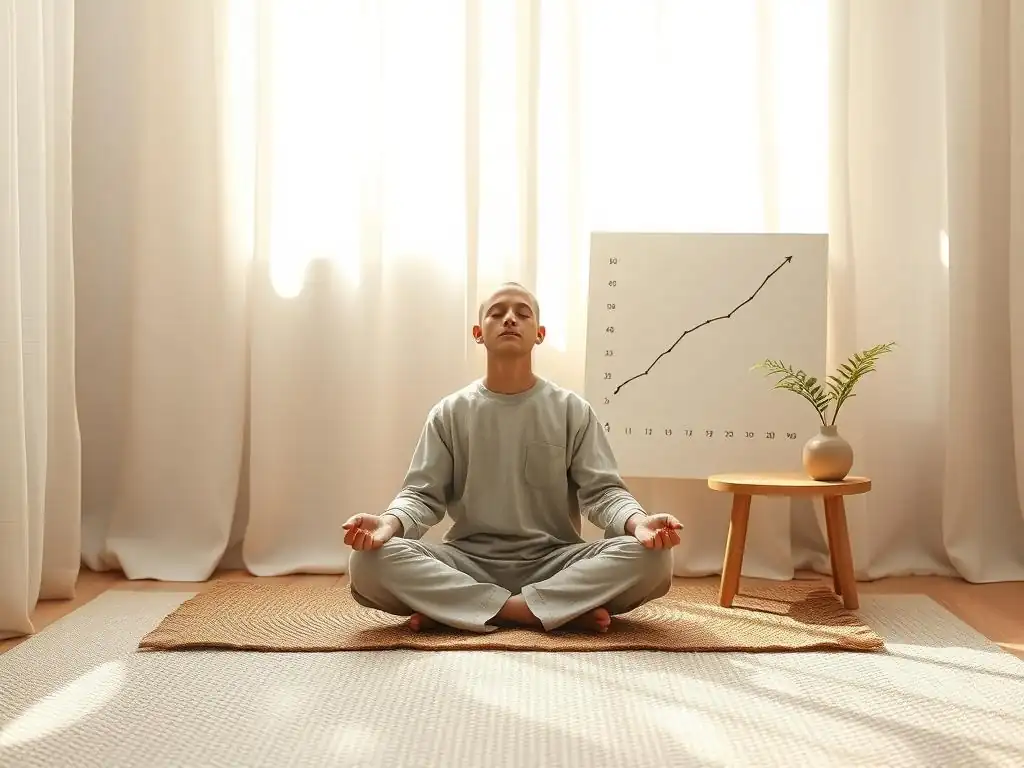
Consistency is often the most challenging aspect of establishing any new habit, particularly when dealing with the motivational hurdles of depression. It's easy to get discouraged if you miss a day or feel like you're not "doing it right." However, maintaining a regular mindfulness routine, even with its inevitable ups and downs, is crucial for experiencing its benefits in managing depression. Think of it like tending a garden – some days you water, some days you weed, some days you simply observe, but consistent attention helps it flourish.
Developing strategies to track your practice, acknowledge your efforts, and seek support when needed can significantly improve your ability to maintain consistency and build a resilient mindfulness routine for depression relief.
Utilizing a Mindfulness Log to Document Your Journey
Keeping a simple mindfulness log can be a powerful tool for maintaining consistency and observing subtle changes over time. You don't need to write extensively; even just noting the date, time, duration of practice, and a few words about your experience can be helpful. For example:
Date: 2023-10-27
Time: 7:30 AM
Duration: 10 mins
Notes: Felt restless, lots of thoughts about tasks, but managed to return to breath several times. Felt slightly calmer afterwards.
or
Date: 2023-10-28
Time: 9:00 PM
Duration: 5 mins
Notes: Very tired. Just focused on breathing while lying in bed. It was hard but I did it.
Reviewing your log occasionally can help you see patterns, acknowledge your commitment, and notice gradual shifts in your experience that might not be apparent day-to-day. It serves as a tangible record of your effort towards building a mindfulness routine for depression.
Recognizing Your Accomplishments and Effort
It's easy to focus on perceived failures ("I missed my practice today," "My mind was too busy") rather than acknowledging the effort you are making. When you are managing depression, simply showing up for a few minutes of mindfulness is a significant accomplishment. Make a conscious effort to celebrate these small victories. Did you sit for 5 minutes even though you felt exhausted? That's a win. Did you notice your mind wandering and gently guide it back? That's the practice working.
Acknowledge your commitment and resilience. Avoid harsh self-criticism if you skip a session; instead, practice self-compassion and gently recommit for the next opportunity. Use your mindfulness log to see how many times you did practice over a week or month, rather than focusing on the days you didn't. This shift in perspective is vital for maintaining motivation and fostering a positive relationship with your mindfulness routine for depression relief.
Seeking Guidance from Professionals or Support Groups
While this guide provides a framework, navigating depression and establishing a mindfulness routine can be challenging alone. Don't hesitate to seek support from mental health professionals, such as therapists or counselors, who can provide personalized guidance and integrate mindfulness into a broader treatment plan. Mindfulness-Based Cognitive Therapy (MBCT) is specifically designed for individuals with recurrent depression and is delivered by trained therapists.
Joining a mindfulness or meditation group, whether in person or online, can also provide a sense of community and shared experience. Hearing about others' struggles and successes can be incredibly validating and motivating. Group settings often provide structured practice opportunities and guidance from experienced teachers. Remember, seeking support is a sign of strength, and connecting with others can significantly enhance your journey towards building a sustainable mindfulness routine depression relief.
Advanced Mindfulness Practices for Enhanced Well-being
Once you have established a foundational mindfulness routine for depression relief, you might feel ready to explore more advanced practices. These techniques build upon basic awareness and can further deepen your capacity for emotional resilience, self-compassion, and integration of mindfulness into everyday life. Remember to approach these practices with the same gentleness and non-judgment that you apply to your basic sitting practice.
Exploring advanced practices isn't about achieving a higher state or becoming an expert; it's about continuing to cultivate kindness, awareness, and presence in ways that feel supportive for your ongoing journey with depression.
Cultivating Self-Compassion Through Loving-Kindness Meditation
Depression often involves intense self-criticism and feelings of worthlessness. Loving-kindness meditation (also known as Metta meditation) is a practice specifically designed to cultivate feelings of warmth, kindness, and compassion towards oneself and others. It typically involves silently repeating phrases like:
- "May I be safe."
- "May I be happy."
- "May I be healthy."
- "May I live with ease."
You start by directing these phrases towards yourself, then perhaps towards loved ones, neutral persons, difficult persons, and finally all beings. For individuals struggling with self-judgment in depression, directing kindness inwards can be profoundly healing. While it might feel awkward or even resistant initially, consistent practice can gradually soften the inner critic and foster a sense of inherent worthiness, significantly aiding mindfulness routine depression relief by counteracting negative self-talk.
Working with Difficult Emotions Mindfully
Basic mindfulness involves observing emotions without judgment. More advanced practice involves learning to work with difficult emotions directly, rather than avoiding or being overwhelmed by them. This involves bringing mindful awareness to the physical sensations associated with the emotion in the body. For example, if you feel sadness, where do you feel it in your body? Is it a tightness in your chest, a heaviness in your shoulders?
By mindfully attending to the physical sensations of the emotion with curiosity and acceptance, you can learn that emotions are not static entities but dynamic processes that shift and change. This practice helps to de-escalate the emotional experience and prevents getting stuck in the narrative about the emotion. It teaches you that you can tolerate difficult feelings and that they will eventually pass, building emotional resilience crucial for managing depression.
Integrating Mindfulness Into Everyday Life for Long-Term Benefits
The ultimate goal of a mindfulness routine for depression relief is not just to have a formal practice session, but to weave mindful awareness into the fabric of your daily life. This is where the long-term benefits truly blossom. This involves intentionally bringing awareness to everyday activities – washing dishes, walking to the store, talking with a friend, eating a meal.
This informal practice reinforces the skills learned in formal meditation and helps you stay anchored in the present moment throughout the day. It can help you notice early warning signs of increasing depressive symptoms, make more conscious choices about your behavior, and find small moments of peace and presence amidst the challenges. Consistent integration helps solidify the benefits of your mindfulness routine for depression management over time.
Resources for Further Learning and Support
Embarking on or deepening a mindfulness routine for depression is a journey, and accessing reliable resources can be incredibly supportive. There are many avenues for expanding your understanding, finding guided practices, and connecting with qualified instructors or therapists who can help tailor mindfulness to your specific needs related to depression.
Exploring these resources can provide structure, motivation, and deeper insight into how mindfulness works and how it can be most effectively applied for lasting mindfulness routine depression relief.
Recommended Readings on Mindfulness and Depression
Numerous books offer in-depth guidance on mindfulness, particularly as it relates to managing depression and anxiety. Some highly recommended titles include:
Mindfulness: An Eight-Week Plan for Finding Peace in a Frantic Worldby Mark Williams and Danny Penman (based on MBCT principles).Full Catastrophe Livingby Jon Kabat-Zinn (the foundational text for MBSR).The Mindful Way Through Depression: Freeing Yourself from Chronic Unhappinessby Mark Williams, John Teasdale, Zindel Segal, and Jon Kabat-Zinn (specifically focuses on MBCT for depression).Self-Compassion: The Proven Power of Being Kind to Yourselfby Kristin Neff (explores the critical role of self-compassion).
These books provide theoretical background, practical exercises, and often include guided meditation scripts or accompanying audio.
Useful Meditation Apps and Online Platforms
Technology offers accessible ways to engage with guided mindfulness practices. Many apps and websites provide guided meditations of varying lengths, suitable for beginners and experienced practitioners alike. Some popular options known for their quality and focus on mental well-being include:
- Headspace
- Calm
- Insight Timer (offers a vast library of free guided meditations from various teachers)
- Ten Percent Happier
These platforms can be particularly helpful for overcoming the initial hurdle of not knowing how to start or for finding guided practices specifically designed for challenges like difficulty sleeping, anxiety, or low mood, supporting your mindfulness routine depression relief efforts.
Finding Qualified Mindfulness Instructors and Therapists
For personalized guidance, especially when using mindfulness as a tool for managing depression, working with a qualified instructor or therapist is highly recommended. Look for professionals trained in evidence-based mindfulness approaches like MBCT (Mindfulness-Based Cognitive Therapy) or MBSR (Mindfulness-Based Stress Reduction).
- Therapists trained in MBCT can integrate mindfulness practices within a therapeutic context, addressing the specific cognitive patterns associated with depression.
- Certified mindfulness instructors can teach formal meditation techniques and help troubleshoot challenges in practice.
You can often find qualified professionals through directories provided by mindfulness organizations or by asking for referrals from your current healthcare provider.
Long-Term Advantages of Mindfulness in Managing Depression
Committing to a mindfulness routine for depression relief is an investment in your long-term well-being. While initial benefits might be subtle, consistent practice over time builds resilience and fundamentally changes how you relate to your internal experience and the world around you. The advantages extend beyond symptom reduction, fostering a deeper sense of self-understanding and improving overall quality of life.
These long-term benefits highlight why integrating mindfulness into your life, even after depressive symptoms have lessened, can be a powerful strategy for maintaining mental health and preventing future episodes.
Enhancing Emotional Resilience and Self-Regulation
One of the most significant long-term benefits is the enhanced capacity for emotional resilience – the ability to navigate life's challenges and bounce back from adversity. A sustained mindfulness routine strengthens the 'muscle' of being present and observing emotions without being swept away by them. Over time, you become less reactive to difficult feelings or stressful situations.
This practice improves self-regulation, meaning you gain a greater ability to manage your emotional responses and choose how to respond rather than reacting automatically, particularly to triggers that might exacerbate depressive feelings. For instance, instead of spiraling into self-criticism after a minor setback, you might notice the critical thought, acknowledge the feeling of disappointment, and then choose a more constructive response. This improved capacity for emotional navigation is a cornerstone of long-term mental well-being.
Decreasing Recurrence Rates and Improving Life Satisfaction
Research, particularly on MBCT, strongly supports the role of mindfulness in preventing depressive relapse. For individuals who have experienced multiple episodes of depression, MBCT has been shown to significantly reduce the likelihood of recurrence, in some studies by as much as half compared to usual care for those with three or more past episodes. This preventative aspect is a major long-term advantage of a consistent mindfulness routine for depression.
Beyond preventing relapse, a sustained mindfulness practice often leads to an overall improvement in life satisfaction. By cultivating greater presence and acceptance, individuals may find increased enjoyment in simple activities, experience richer relationships, and develop a greater appreciation for their lives as they are. This shift from struggling against internal experience to embracing the present moment contributes significantly to a more fulfilling life, even alongside ongoing challenges.
Developing Enhanced Self-Understanding and Acceptance
Mindfulness practice provides a unique opportunity to get to know your own mind and emotional landscape intimately. By observing thoughts, feelings, and physical sensations without judgment, you gain deeper insight into your patterns, triggers, and core beliefs, many of which may contribute to depression. This enhanced self-understanding is not about analysis but about gentle awareness.
This deeper self-awareness naturally fosters greater self-acceptance. As you witness your internal experience with kindness, you learn to accept yourself, flaws and all, rather than constantly striving to be different or better. This self-acceptance is a powerful antidote to the self-criticism that often accompanies depression. Over the long term, a mindfulness routine helps build a foundation of compassionate self-awareness, providing enduring support for managing depression and cultivating a more peaceful relationship with yourself.
Frequently Asked Questions
How does a mindfulness routine help with depression?
A mindfulness routine helps with depression by training you to focus on the present moment instead of dwelling on negative thoughts or rumination, common symptoms of depression. This can lead to improved emotional regulation and a greater sense of calm.
What are some simple mindfulness exercises someone with depression can start with?
Begin with short, guided meditations, like body scans or breathing exercises. These help you become aware of your physical sensations and breath, grounding you in the present and reducing anxiety. Start with just 5-10 minutes a day.
How often should I practice my mindfulness routine for depression relief?
Consistency is key. Aim for daily practice, even if it's just for a few minutes. Regular mindfulness can create lasting changes in your brain and help you develop greater emotional resilience over time.
What if I find it difficult to focus or my mind wanders during mindfulness practice?
It's completely normal for your mind to wander. Gently redirect your attention back to your chosen focus, such as your breath, without judgment. The act of returning your focus is the practice itself.
How long before I start seeing results from my mindfulness routine in terms of depression relief?
Results vary, but many people experience some benefit within a few weeks of consistent practice. Be patient and kind to yourself, and remember that mindfulness is a long-term skill that improves with time.
Final Reflection: Cultivating Inner Peace Amidst the Storm
The pervasive nature of depression demands proactive strategies for coping, and building a sustainable mindfulness routine is not merely a trend, but a vital tool for navigating its complexities. It's a powerful antidote to the overwhelming negativity that can consume us, offering a pathway toward self-compassion and resilience. This isn't about achieving perfect serenity; it's about finding moments of calm amidst the chaos.
The journey of incorporating mindfulness into my own life, while battling depression, has been transformative. It's a process of constant refinement, of learning to accept the ebb and flow of mental health, and of recognizing the small victories along the way. It's about embracing imperfection, and understanding that even a few minutes of focused breathing can make a significant difference. The mind is everything. What you think you become.
- Buddha. This quote resonates deeply, highlighting the power we hold in shaping our own internal landscape, even when faced with the challenges of depression.
Now, I invite you to consider your own relationship with mindfulness. Don't feel pressured to adopt a rigid schedule or complex practices. Start small. Begin with a single minute of deep breathing each day, and gradually increase the duration and complexity as you feel comfortable. Experiment with different techniques – guided meditations, mindful walks, or even simply paying attention to the sensations of your body. Remember, the goal isn't perfection, but progress. Embrace the journey, and allow mindfulness to become your steadfast companion on the path to healing and well-being.
Unlock Your Calm: Start Building Your Mindfulness Practice Today!
Thanks for taking the time to explore the power of mindfulness in managing depression. We hope you found valuable insights and practical strategies within this article. Ready to take the next step?
- Begin your personalized mindfulness journey: Dedicate just 5 minutes today to quiet reflection, focusing on your breath. Even small steps make a difference!
- Share this article with someone you care about: Mindfulness is a journey best shared. Help others discover the calming power within.
- Explore a guided meditation: Many free resources are available online. Experiment to find what resonates with you and helps you find peace.
Ready to discover the transformative power of a consistent mindfulness routine? What small step will you take today to prioritize your mental wellbeing?