
Busy? Try These 5Minute Daily Mindfulness Practices


Welcome to Mind Care Guide, a supportive space dedicated to nurturing your mental well-being.
Feeling overwhelmed? You're not alone. In today's fast-paced world, finding time for yourself can seem impossible. But what if you could cultivate inner peace and reduce stress with just a few minutes each day? This article delves into the power of 5minute daily mindfulness practices, offering simple yet effective techniques you can easily incorporate into your busy routine. Discover how even the smallest moments of mindful awareness can make a big difference in your overall mental health. Ready to reclaim your calm? Read on to learn more and start your journey to a more mindful you.
Cultivating Calm: Quick Mindfulness Practices for Daily Life
- Introduction: Finding Peace in the Present Moment
- Simple Mindfulness Techniques for a Busy Day
- Integrating Mindfulness Into Your Daily Routine
- Benefits of Regular, Short Mindfulness Sessions
- Resources for Continued Mindfulness Practice
- Conclusion: The Transformative Power of Daily Mindfulness
-
Frequently Asked Questions
- What are some examples of 5minute daily mindfulness practices?
- How can 5minute daily mindfulness practices improve my mental well-being?
- I'm very busy; how can I possibly fit 5minute daily mindfulness practices into my schedule?
- Where can I find more resources or guided meditations for 5minute daily mindfulness practices?
- Are 5minute daily mindfulness practices a replacement for professional mental health care?
- Final Reflection: Finding Stillness in the Five-Minute Miracle
- Unlock Your Inner Calm: Start Practicing Mindfulness Today!
Introduction: Finding Peace in the Present Moment
In the whirlwind of modern life, finding moments of peace can feel like searching for a needle in a haystack. Our days are often packed with tasks, deadlines, and distractions, leaving little room for stillness or reflection. Yet, amidst this busyness, the simple act of being present can offer profound benefits for our mental and emotional health. This is where the power of mindfulness comes in, offering a path to navigate challenges with greater ease and clarity.
Many people believe that mindfulness requires lengthy meditation sessions or retreat experiences, but this isn't the case. Integrating mindfulness into your life doesn't demand hours of your time. In fact, remarkably effective practices can be done in just a few minutes, making them accessible even on the busiest days. These 5minute daily mindfulness practices are designed to fit seamlessly into your routine, providing quick bursts of calm and awareness that accumulate over time.
The Benefits of Mindfulness for Well-being
Mindfulness, the practice of paying attention to the present moment without judgment, has been extensively studied for its positive effects on well-being. Research consistently shows that regular mindfulness practice can lead to significant reductions in stress and anxiety levels. For instance, studies have indicated that participants engaging in mindfulness programs often report a decrease in perceived stress by approximately 20-30% over several weeks. This reduction in stress is crucial for overall health, as chronic stress is linked to numerous physical and mental health issues.
Beyond stress reduction, mindfulness cultivates emotional regulation, helping individuals respond to challenging emotions with greater balance rather than reactivity. It also enhances self-awareness, allowing us to better understand our thoughts, feelings, and physical sensations. This increased understanding can improve decision-making and foster more compassionate interactions with others. Furthermore, mindfulness has been associated with improvements in sleep quality and a greater sense of overall life satisfaction.
Why Brief Mindfulness Exercises Can Be Effective
While longer mindfulness sessions certainly offer deep benefits, even brief exercises can be remarkably potent. The cumulative effect of consistently engaging in 5minute daily mindfulness practices is significant. Think of it like exercise; short, regular walks contribute positively to health, just as extended workouts do. These quick practices serve as mental palate cleansers, interrupting cycles of worry or distraction and bringing you back to the present moment.
Short mindfulness exercises are particularly effective because they are sustainable and less intimidating for beginners or those with packed schedules. A 5-minute commitment feels achievable, making it easier to start and maintain a routine. Over time, these short bursts of awareness train the brain to be more present and less reactive throughout the day, even when not actively practicing. They build resilience, helping you navigate daily challenges with a clearer mind and a calmer demeanor.
Simple Mindfulness Techniques for a Busy Day
Integrating 5minute daily mindfulness practices doesn't require special equipment or a quiet room (though a quiet corner is always helpful). These techniques can be woven into the fabric of your day, whether you're commuting, taking a coffee break, or waiting in line. The key is consistency and a gentle, non-judgmental approach.
1. Focused Breathing: A Moment of Stillness
Focused breathing is perhaps the most fundamental mindfulness technique. It involves simply paying attention to the sensation of your breath as it enters and leaves your body. This practice anchors you firmly in the present moment, providing an immediate escape from racing thoughts about the past or future. It's a portable tool you can use anywhere, anytime you feel overwhelmed or simply need a moment of calm.
Even a single minute of focused breathing can shift your state, lowering your heart rate and calming your nervous system. Making this a regular 5minute daily mindfulness practice can significantly improve your ability to manage stress throughout the day. It teaches you to notice when your mind wanders (which it will!) and gently guide your attention back to the simple, steady rhythm of your breath.
How to Practice Focused Breathing
To practice focused breathing, find a comfortable position, either sitting or standing. Close your eyes gently if that feels comfortable, or soften your gaze. Bring your attention to your breath. Notice the physical sensations: the rise and fall of your chest or abdomen, the air moving through your nostrils or mouth.
- Inhale deeply, feeling the air fill your lungs.
- Exhale slowly, letting go of tension.
- Simply observe each breath without trying to change it.
- If your mind wanders (which is perfectly normal), acknowledge the thought without judgment and gently redirect your attention back to your breath.
- Continue for 5 minutes, or even just 6-10 mindful breaths.
Benefits of Consistent Focused Breathing
Regularly practicing focused breathing offers a multitude of benefits. Physically, it can help lower blood pressure and reduce muscle tension. Mentally, it improves concentration and reduces mental chatter. Emotionally, it provides a buffer against stress and enhances your ability to respond thoughtfully rather than react impulsively.
Many individuals who incorporate focused breathing into their 5minute daily mindfulness practices report feeling more grounded and centered throughout their day. It's a powerful reminder that you always have access to a calm anchor within yourself, no matter how chaotic the external world may seem. Even a few minutes can reset your perspective and bring a sense of clarity.
2. Body Awareness Meditation: Tuning In to Your Body
Our bodies hold a wealth of information about our current state, yet we often operate from the neck up, disconnected from physical sensations. Body awareness meditation involves gently scanning your body, noticing any feelings, sensations, or areas of tension. It's a way to check in with yourself, acknowledging your physical experience without judgment.
This practice helps you become more attuned to your body's signals, such as the early signs of stress or fatigue. By paying attention to your physical form for just 5minute daily mindfulness practices, you can build a stronger mind-body connection, which is vital for overall health and well-being. It encourages you to inhabit your body fully rather than existing solely in your thoughts.
Performing a Quick Body Awareness Scan
Find a comfortable position, sitting or lying down. Close your eyes or soften your gaze. Bring your attention to your body. You can start at the top of your head and slowly move down, or start with your feet and move up.
- Notice any sensations in your scalp, face, and neck.
- Move your awareness to your shoulders, arms, and hands. Are they tense or relaxed?
- Scan your chest and abdomen, noticing your breath and any feelings in your core.
- Bring attention to your back, hips, legs, and feet.
- Simply notice any sensations – tingling, warmth, tightness, pressure – without trying to change them.
- Spend a few moments resting your awareness on the body as a whole before gently concluding the practice.
Understanding Physical Sensations Through Mindfulness
Through body awareness, you learn to recognize how emotions manifest physically. For example, anxiety might show up as tightness in the chest or stomach, while stress could be felt as tension in the shoulders or jaw. By mindfully observing these sensations, you can respond to them with greater awareness and self-compassion.
Making body awareness part of your 5minute daily mindfulness practices can help you release physical tension accumulated throughout the day. It also grounds you in the present reality of your physical form, pulling you out of mental narratives and into direct experience. This increased sensitivity to your body's needs can also guide healthier choices regarding rest, movement, and nutrition.
3. Mindful Observation: Noticing Your Surroundings
Mindful observation involves engaging your senses to fully experience the world around you in the present moment. It's about paying attention to sights, sounds, smells, tastes, and textures with curiosity and openness, rather than getting lost in thought about them. This practice can transform mundane moments, like washing dishes or waiting for a bus, into opportunities for mindfulness.
This technique is an excellent way to integrate mindfulness into everyday activities without needing to stop what you're doing entirely. It shifts your focus from internal monologue to external reality, providing a refreshing break for the mind. Regularly practicing mindful observation as one of your 5minute daily mindfulness practices can sharpen your senses and increase your appreciation for the simple details of life.
Practicing Mindful Observation
Choose an everyday activity or simply pause for a few minutes wherever you are. Engage one or more of your senses intentionally. For example, if you're drinking tea:
- Sight: Notice the color of the tea, the steam rising, the pattern on the cup.
- Smell: Inhale the aroma deeply before you sip.
- Taste: Pay attention to the flavors, the temperature, the texture as you drink.
- Sound: Listen to the sounds around you – distant traffic, birds chirping, the hum of electronics.
- Touch: Feel the warmth of the cup in your hands, the texture of the surface you're sitting on.
- Spend 5 minutes fully immersed in these sensory experiences.
Enhancing Awareness and Reducing Mental Clutter
Mindful observation helps to quiet the incessant stream of thoughts by directing your attention outward. By focusing on sensory input, you reduce the mental clutter associated with planning, worrying, or dwelling on the past. This practice trains your brain to be more present and less prone to getting lost in internal narratives.
Incorporating mindful observation into your 5minute daily mindfulness practices can make you more aware of your environment and the subtle shifts within it. It fosters a sense of connection to the world around you and can lead to moments of simple joy derived from noticing beauty or interesting details you might otherwise overlook. It's a practice of seeing the ordinary as extraordinary.
4. Gratitude Journaling: Reflecting on Positives

Gratitude journaling involves taking a few minutes to write down things you are thankful for. This isn't strictly a traditional meditation, but it is a powerful mindfulness practice because it intentionally shifts your focus to the positive aspects of your life, anchoring you in appreciation for the present moment.
Even on challenging days, there are often small things to be grateful for – a warm cup of coffee, a kind word from a friend, the comfort of your home. Consistently reflecting on these positives as a 5minute daily mindfulness practice can rewire your brain to notice the good more readily, counteracting the brain's natural negativity bias. Research suggests that expressing gratitude can increase feelings of happiness and reduce depressive symptoms.
Expressing Gratitude Through Journaling
Set aside 5 minutes each day, perhaps in the morning or before bed. Keep a notebook or use a digital tool specifically for gratitude.
- Simply write down 3-5 things you are genuinely grateful for from the past day or week.
- These can be big things (a supportive relationship) or small things (a sunny day, a delicious meal).
- Try to be specific. Instead of "my family," write "my sister called to check in on me today."
- Reflect briefly on why you are grateful for each item.
- Allow yourself to feel the sense of gratitude as you write.
The Positive Impact of Gratitude
The act of regularly expressing gratitude has a measurable positive impact on psychological well-being. Studies have shown that people who practice gratitude report higher levels of positive emotions, optimism, and life satisfaction. It also strengthens relationships by acknowledging the contributions of others.
Making gratitude journaling a regular 5minute daily mindfulness practice helps cultivate a more positive outlook and resilience. It shifts your perspective from what might be lacking to the abundance that is already present in your life, fostering a greater sense of contentment and peace.
5. Mindful Communication: Active Listening
Mindful communication, particularly active listening, is about being fully present when interacting with others. It involves giving your undivided attention, listening not just to the words being spoken but also to the tone, body language, and underlying emotions. This practice enhances connection and reduces misunderstandings.
In our fast-paced world, it's easy to listen with only 'half an ear' while thinking about our response or getting distracted. Practicing mindful communication, even for just a few minutes during a conversation, can dramatically improve the quality of your interactions. It's a dynamic 5minute daily mindfulness practice that benefits both you and the person you're communicating with.
Developing Attentive Listening
When engaging in conversation, especially important ones or even brief exchanges:
- Put away distractions like your phone.
- Make eye contact if culturally appropriate and comfortable.
- Listen with the intention to understand, not just to reply.
- Notice your own internal reactions (thoughts, judgments) but gently set them aside to focus on the other person.
- Listen for feelings and underlying needs, not just facts.
- Allow for pauses and silence without feeling the need to rush in.
- Briefly summarize or reflect back what you heard to ensure understanding.
Improving Relationships Through Mindful Communication
Active, mindful listening makes others feel heard, valued, and understood, which is foundational for strong relationships. It reduces conflict stemming from misinterpretation and fosters deeper empathy. When you practice mindful communication, you are fully present in the shared moment, creating a more authentic connection.
Integrating mindful listening into your interactions as a 5minute daily mindfulness practice, even just focusing intently for a few minutes in a key conversation, can transform how you relate to others. It demonstrates respect and care, strengthening bonds with family, friends, and colleagues, and reducing the stress often associated with interpersonal challenges.
Integrating Mindfulness Into Your Daily Routine
Making any new habit stick requires intention and strategy. Integrating 5minute daily mindfulness practices is no different. The key is to make it easy to remember and do, weaving it into your existing routine rather than treating it as an extra burden.
Consider 'habit stacking' – pairing your mindfulness practice with something you already do daily. For example, practice focused breathing for 5 minutes immediately after brushing your teeth, or do a quick body scan while your coffee brews. Visual cues can also help; place a small stone or note card on your desk as a reminder to pause for mindful observation. Consistency is more important than duration, especially when starting. Aim for daily practice, even if some days it's only 2-3 minutes.
Finding Time for Mindfulness
Many people feel that their schedule is already overflowing, making it hard to imagine adding anything else. However, 5minute daily mindfulness practices are specifically designed to be brief and flexible. Instead of finding time, think about using time that is often wasted or spent mindlessly.
Consider moments like waiting in line at the grocery store (mindful observation), sitting in traffic (focused breathing), taking a shower (body awareness), or during a short break between tasks (any practice). Even setting an alarm for a 5-minute pause mid-morning or afternoon can be effective. The goal is not to create an entirely new block of time, but to infuse existing moments with awareness. Studies show that even short "micro-breaks" incorporating mindfulness can improve productivity and reduce burnout throughout the workday.
Overcoming Obstacles and Maintaining Consistency
Obstacles to maintaining 5minute daily mindfulness practices are common. The most significant is often the mind itself – forgetfulness, resistance, judgment ("I'm not doing this right"), or the belief that you're "too busy." It's crucial to approach these obstacles with self-compassion. If you miss a day (or several), don't criticize yourself; simply acknowledge it and start again.
Maintaining consistency is easier with accountability or reminders. You might use an app with scheduled notifications (though we aren't linking to them here), set phone alarms, or even practice with a friend or family member. Remember why you started – the desire for more calm, focus, or peace. Reconnecting with your motivation can help you stay committed, even when motivation wanes. View each practice session, no matter how brief or imperfect, as a small victory for your well-being.
Benefits of Regular, Short Mindfulness Sessions
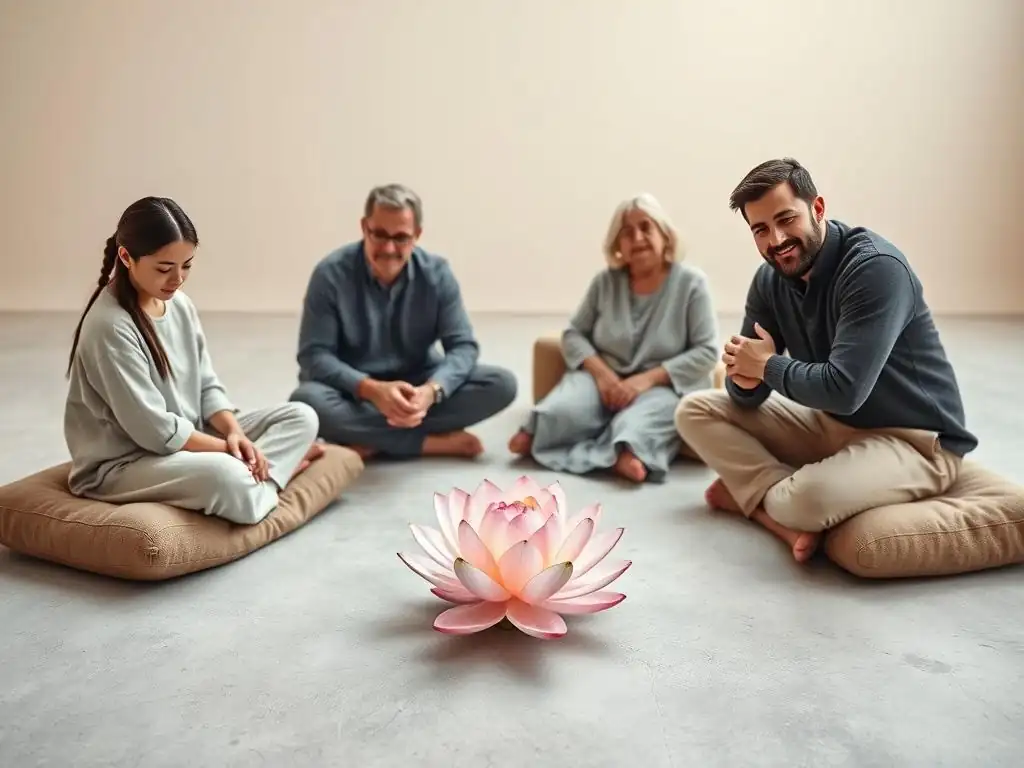
Committing to 5minute daily mindfulness practices creates a cumulative effect that significantly enhances various aspects of your life. These short, consistent efforts build mental resilience and emotional agility over time. The benefits are not just momentary; they begin to weave into the fabric of your everyday experience, changing how you respond to challenges and opportunities.
The regularity of practice, even in short bursts, helps to strengthen the neural pathways associated with attention, self-awareness, and emotional regulation. It's like exercising a muscle; the more you use it, the stronger it becomes. Over weeks and months, these small daily efforts contribute to profound shifts in your inner landscape, leading to greater peace and clarity.
Reducing Stress and Promoting Relaxation
One of the most immediate and widely reported benefits of 5minute daily mindfulness practices is stress reduction. By intentionally pausing and focusing on the present moment, you interrupt the stress response cycle. Practices like focused breathing activate the parasympathetic nervous system, promoting relaxation and counteracting the effects of fight-or-flight.
Even brief moments of mindfulness throughout the day can lower cortisol levels, the body's primary stress hormone. For example, a quick 5-minute breathing exercise before a stressful meeting can significantly reduce feelings of anxiety. This consistent practice builds a greater capacity to handle stressors when they arise, preventing the build-up of chronic tension and promoting a more relaxed state of being overall.
Enhancing Focus and Improving Concentration
In a world of constant notifications and multitasking, our ability to focus is increasingly challenged. 5minute daily mindfulness practices act as a powerful antidote to distraction by training your attention muscle. When you practice bringing your awareness back to your breath, body, or surroundings, you are actively strengthening your ability to concentrate.
Regular short sessions help improve your working memory and cognitive flexibility. For instance, studies have shown that even brief mindfulness interventions can improve sustained attention on tasks. By making this a daily habit, you'll likely find it easier to stay focused on work, conversations, or any activity that requires sustained attention, leading to increased productivity and reduced errors.
Fostering Emotional Regulation and Self-Awareness
Mindfulness teaches you to observe your thoughts and feelings without getting swept away by them. This non-judgmental observation is key to developing emotional regulation. Instead of reacting immediately to difficult emotions like anger or frustration, you learn to pause, notice the emotion, and choose a more skillful response.
Through 5minute daily mindfulness practices, you gain greater self-awareness, understanding your typical emotional patterns and triggers. For example, body awareness might reveal that stress consistently manifests as tension in your jaw, prompting you to release it mindfully. This increased insight empowers you to navigate your inner world with greater compassion and wisdom, leading to more stable moods and healthier responses to life's ups and downs.
Resources for Continued Mindfulness Practice
While 5minute daily mindfulness practices are a fantastic starting point, many people find value in exploring additional resources as they deepen their journey.
[Link to UCLA Mindful Awareness Research Center]
Organizations like the UCLA Mindful Awareness Research Center (MARC) offer valuable resources, including guided meditations, research findings, and information on mindfulness programs.
[Recommended Meditation Apps: Headspace and Calm]
Numerous mobile applications are available that provide guided meditations, soothing sounds, and mindfulness exercises, often with short sessions perfect for busy schedules. Popular examples include Headspace and Calm, among many others.
Conclusion: The Transformative Power of Daily Mindfulness
Incorporating 5minute daily mindfulness practices into your life is not about adding another item to your to-do list; it's about cultivating a different way of being. It's about choosing presence over distraction, calm over chaos, and awareness over autopilot. These brief techniques – focused breathing, body awareness, mindful observation, gratitude journaling, and mindful communication – offer accessible entry points to greater peace and well-being, even in the most demanding schedules.
The cumulative impact of these short, consistent practices is significant. By dedicating just 5 minutes each day, you can build resilience, reduce stress, enhance focus, and foster a deeper connection with yourself and the world around you. Start small, be patient and compassionate with yourself, and discover the quiet, transformative power that lies within the simple act of being mindfully present. Your journey to a calmer, more centered life begins with just one mindful moment, repeated daily.
Frequently Asked Questions
What are some examples of 5minute daily mindfulness practices?
There are many! Examples include mindful breathing exercises, a body scan meditation, or simply focusing on your senses while drinking a cup of tea. These quick practices can significantly improve your mental well-being.
How can 5minute daily mindfulness practices improve my mental well-being?
These practices can help reduce stress and anxiety, improve focus and concentration, and increase self-awareness. Integrating them into your routine promotes overall mental health.
I'm very busy; how can I possibly fit 5minute daily mindfulness practices into my schedule?
Think of them as mental breaks, not time-consuming tasks. Try doing them during your commute, before bed, or even while waiting in line. Small moments can make a big difference.
Where can I find more resources or guided meditations for 5minute daily mindfulness practices?
The Mind Care Guide website, offers a wealth of information. You can also find free guided meditations on apps like Calm, Headspace, or YouTube.
Are 5minute daily mindfulness practices a replacement for professional mental health care?
No, these practices are supplemental to professional care. If you're struggling with a serious mental health challenge, it's crucial to seek help from a qualified therapist or psychiatrist. They are not a cure, but a helpful tool.
Final Reflection: Finding Stillness in the Five-Minute Miracle
The relentless pace of modern life often leaves us feeling overwhelmed and disconnected, but even five minutes a day can be a transformative force. The practices outlined in this article offer a powerful antidote to the constant demands on our time and attention, proving that profound peace can be found in surprisingly small pockets of stillness. This isn't just a trend; it's a vital necessity for navigating the complexities of the 21st century.
The impact of incorporating even these brief mindfulness exercises into daily life has been surprisingly profound, not just for myself but for many I've shared them with. The shift from a constant state of "doing" to moments of mindful "being" has a ripple effect, influencing everything from our stress levels and relationships to our overall sense of well-being. As Thich Nhat Hanh wisely said, Peace is every step. Every step you take can be a step of peace.
This simple truth, often overlooked in our busy lives, becomes strikingly clear when we commit to even five minutes of daily mindfulness.
Now, I invite you to take a moment and reflect on your own relationship with time and stillness. Which of these five-minute practices resonates most with you? How might incorporating even one of them into your daily routine shift your perspective and enhance your overall well-being? Don't underestimate the power of these small, intentional acts; they are the building blocks of a more peaceful, present, and fulfilling life. Begin today, and experience the transformative power of the five-minute miracle.
Unlock Your Inner Calm: Start Practicing Mindfulness Today!
Thank you for taking the time to explore the power of mindfulness with Mind Care Guide. We hope you've discovered valuable techniques to incorporate into your busy day. Now it's time to put these insights into action!
- Begin your mindfulness journey with a single 5-minute practice: Choose one technique from the article that resonates most with you and try it today. Even a short session can make a significant difference.
- Share your experience: Connect with others on our Mind Care Guide community (fictional; no link needed) and share your successes, challenges, or questions. Let's build a supportive network together!
- Explore further: Consider dedicating just 10 minutes tomorrow to a different technique; try experimenting to find what best fits your style and needs.
What small step will you take today to prioritize your mental wellbeing?