
Unlock Calm Naturally: EvidenceBased Herbal Remedies for Anxiety


Welcome to Mind Care Guide, your trusted companion on the journey to mental well-being. Feeling overwhelmed by anxiety? You're not alone. In this article, we delve into the world of herbal remedies for anxiety relief, offering evidence-based insights and practical guidance to help you unlock calm naturally. Curious about how nature can support your mental health? Let's explore the possibilities together...
Natural Approaches to Managing Anxiety
Anxiety is a natural human response, but for many, it can become a persistent and overwhelming challenge. Millions of people worldwide experience anxiety disorders, seeking effective ways to manage their symptoms and regain a sense of calm. While traditional treatments are vital, exploring natural approaches can offer complementary support and empower individuals on their journey towards mental well-being. This article delves into evidence-based natural strategies, providing an informative and empathetic guide to unlocking calm naturally.
- Understanding Anxiety
- Effective Natural Strategies for Anxiety Relief
- Integrating Natural Strategies into Your Daily Life
- Potential Considerations and Precautions
- Conclusion: Empowering Your Journey to Calm
-
Frequently Asked Questions
- What are some evidence-based herbal remedies for anxiety relief recommended by Mind Care Guide?
- How effective are herbal remedies for anxiety compared to traditional medications?
- Are there any potential side effects or interactions when using herbal remedies for anxiety?
- Where can I find reliable information and resources about herbal remedies for anxiety from Mind Care Guide?
- How can I incorporate herbal remedies into my overall anxiety management plan effectively?
- Final Reflection: Embracing Nature's Wisdom for Anxiety Relief
- Unlock Your Inner Calm: Start Your Herbal Journey Today!
Understanding Anxiety
Anxiety manifests in various forms, impacting individuals differently. Understanding its nature is the first step toward effective management.
Defining Anxiety: Types and Common Symptoms
Anxiety is a complex emotion characterized by feelings of tension, worried thoughts, and physical changes like increased blood pressure. It's a part of the body's natural fight-or-flight response. However, when these feelings become excessive, persistent, and interfere with daily life, it may indicate an anxiety disorder.
Common types include Generalized Anxiety Disorder (GAD), Panic Disorder, Social Anxiety Disorder, and specific phobias. Symptoms can range from excessive worrying, restlessness, difficulty concentrating, and irritability to physical manifestations such as fatigue, muscle tension, sleep disturbances, and gastrointestinal issues. For instance, someone with GAD might spend hours worrying about everyday things, while someone with Panic Disorder might experience sudden, intense episodes of fear accompanied by chest pain, palpitations, and shortness of breath.
The prevalence of anxiety disorders is significant. According to the World Health Organization, anxiety disorders are the most common mental disorders globally, affecting an estimated 301 million people in 2019. In the United States, the National Institute of Mental Health reports that approximately 19.1% of U.S. adults had an anxiety disorder in the past year. These figures underscore the widespread impact of anxiety and the critical need for accessible, effective strategies for relief. Understanding these different facets of anxiety helps in identifying personal challenges and exploring suitable management techniques, including natural remedies for anxiety relief.
Benefits of Exploring Natural Approaches for Anxiety Management
Exploring natural approaches for anxiety relief offers several potential benefits. Many individuals seek natural alternatives or complements to conventional treatments, aiming for options that may have fewer side effects or align better with their lifestyle choices. Natural methods often focus on holistic well-being, addressing potential root causes or contributing factors like nutritional deficiencies, stress levels, and lifestyle habits, rather than just symptom suppression.
Furthermore, integrating natural remedies for anxiety relief can provide individuals with a greater sense of agency and control over their health. Practices like mindfulness, exercise, and dietary changes are empowering tools that can be incorporated into daily routines. While not a replacement for professional medical advice or treatment, these natural strategies can work synergistically with other forms of care, potentially enhancing overall effectiveness and improving quality of life. Studies on practices like yoga and meditation, for instance, have demonstrated measurable reductions in stress hormones like cortisol, contributing to a calmer physiological state.
Important Considerations Before Using Natural Methods
While exploring natural remedies for anxiety relief, it is crucial to approach them with informed caution. The term "natural" does not automatically mean "safe" or "effective" for everyone. Many natural substances can interact with medications, have contraindications with certain health conditions, or cause side effects.
For example, some herbal remedies can affect blood clotting or blood sugar levels. Therefore, always consult with a qualified healthcare professional, such as a doctor or a registered dietitian, before starting any new natural supplement or significantly changing your diet or exercise routine, especially if you are currently taking medication or have underlying health issues.
It's also important to manage expectations. Natural approaches often work best as part of a comprehensive plan and may take time to show results. What works for one person may not work for another. Be patient, pay attention to how your body responds, and be prepared to adjust your approach as needed. Reliable information is key; base your decisions on evidence-based research and reputable sources, and be wary of exaggerated claims.
Effective Natural Strategies for Anxiety Relief
A variety of natural strategies have been explored for their potential to alleviate anxiety symptoms. This section focuses on several evidence-based approaches.
Magnesium: Supporting Nervous System Function
Magnesium is an essential mineral involved in hundreds of biochemical reactions in the body, including those related to nerve and muscle function, blood pressure regulation, and protein synthesis. It plays a critical role in neurotransmitter function and helps regulate the body's stress response system. Low levels of magnesium have been observed in some individuals with anxiety and depression, suggesting a potential link. Ensuring adequate magnesium intake is a foundational step in supporting overall nervous system health and can be considered among the natural remedies for anxiety relief.
Magnesium helps regulate neurotransmitters like glutamate, which can be excitatory, and GABA (gamma-aminobutyric acid), which is inhibitory. By promoting GABA activity, magnesium can have a calming effect on the nervous system. Research, including reviews published in journals like Nutrients (e.g., a 2017 review), has explored the relationship between magnesium deficiency and anxiety, finding some evidence that magnesium supplementation may help reduce mild-to-moderate anxiety symptoms. While more large-scale, placebo-controlled trials are needed to confirm these findings definitively, the existing evidence suggests a supportive role for magnesium in managing anxiety.
Magnesium's Role in Anxiety Reduction: Scientific Evidence
Several studies have investigated magnesium's impact on anxiety. A meta-analysis published in Nutritional Neuroscience in 2017 reviewed 18 studies and found some evidence suggesting that magnesium supplementation might be beneficial for anxiety symptoms, although the quality of the evidence varied. Proposed mechanisms include magnesium's ability to modulate the hypothalamic-pituitary-adrenal (HPA) axis, which is the body's central stress response system, and its interaction with GABA receptors in the brain, leading to a calming effect.
Further research, including a pilot study published in the Journal of Affective Disorders Reports in 2020, has explored specific forms of magnesium, such as magnesium taurate, for their effects on anxiety, with promising preliminary results. While robust clinical trials on specific magnesium compounds for clinical anxiety disorders are still emerging, the general scientific consensus supports magnesium's vital role in neurological function and stress response, making it a relevant nutrient in the discussion of natural remedies for anxiety relief.
Magnesium Dosage and Potential Side Effects: A Practical Guide
The recommended daily allowance (RDA) for magnesium varies by age and sex, but for adult women, it's typically around 310-320 mg, and for adult men, around 400-420 mg. Dietary sources are the best way to obtain magnesium, including leafy green vegetables, nuts, seeds, legumes, and whole grains. If considering supplementation for anxiety relief, typical dosages used in studies range from 200 mg to 500 mg per day, often divided.
However, it is crucial to start with a lower dose and consult a healthcare professional to determine the appropriate amount for your individual needs and to discuss potential interactions with medications.
While generally safe, high doses of magnesium supplements can cause side effects, primarily digestive issues like diarrhea, nausea, and abdominal cramping. Very high doses can be dangerous, especially for individuals with kidney problems. Different forms of magnesium supplements exist (e.g., magnesium citrate, oxide, glycinate, taurate), each with varying absorption rates and potential side effects. Magnesium glycinate is often recommended for its good absorption and lower risk of causing digestive upset, making it a potentially gentler option when exploring natural remedies for anxiety relief through supplementation.
Omega-3 Fatty Acids: Impacting Mood and Brain Health
Omega-3 fatty acids are polyunsaturated fats that are essential for human health, playing crucial roles in brain function, inflammation regulation, and cardiovascular health. The primary omega-3s important for health are EPA (eicosapentaenoic acid) and DHA (docosahexaenoic acid), found abundantly in fatty fish, and ALA (alpha-linolenic acid), found in plant sources like flaxseeds and walnuts. Research suggests that omega-3 fatty acids may have a positive impact on mood and mental health, including reducing symptoms of anxiety and depression, positioning them as valuable natural remedies for anxiety relief.
Omega-3s are integral components of cell membranes throughout the body, particularly in the brain. They are thought to influence neurotransmitter pathways, reduce inflammation (which is increasingly linked to mood disorders), and support overall brain structure and function. Deficiencies in omega-3 fatty acids have been associated with an increased risk of mood disorders. Incorporating sufficient omega-3s into the diet or through supplementation is a well-supported strategy for supporting overall brain health and potentially mitigating anxiety symptoms.
Omega-3s and Anxiety: Research on Fish Oil and Plant-Based Sources
Numerous studies have investigated the effects of omega-3 supplementation on anxiety. A meta-analysis published in JAMA Network Open in 2018, which included 31 randomized controlled trials with over 1,200 participants, found that omega-3 supplementation was associated with a statistically significant reduction in anxiety symptoms compared to placebo. This effect appeared to be more pronounced in individuals with clinically diagnosed anxiety or high levels of baseline anxiety.
While most research has focused on EPA and DHA from fish oil, ALA from plant sources can be converted to EPA and DHA in the body, though the conversion rate is often low. Studies specifically on plant-based omega-3s for anxiety are less extensive but ongoing. The evidence strongly supports the inclusion of EPA and DHA, primarily from marine sources or high-quality algal supplements, as a potential component of natural remedies for anxiety relief.
Incorporating Omega-3s: Dietary Sources and Supplementation
The best way to obtain omega-3 fatty acids is through dietary sources. Fatty fish like salmon, mackerel, sardines, and herring are excellent sources of EPA and DHA. Aiming for at least two servings of fatty fish per week is a common recommendation. For those who do not eat fish, or are seeking plant-based options, ALA is found in flaxseeds, chia seeds, walnuts, and canola oil. However, relying solely on ALA for EPA and DHA needs may not be sufficient due to the inefficient conversion process.
Omega-3 supplements, typically fish oil or algal oil (for vegetarians/vegans), are widely available. Dosages used in studies for anxiety range considerably, often from 1,000 mg to 2,000 mg of combined EPA and DHA per day. It is essential to choose a high-quality supplement from a reputable brand that is tested for purity and contaminants like mercury. As with any supplement, discuss the appropriate dosage and potential interactions with a healthcare provider before starting, especially if you are on blood-thinning medication.
L-Theanine: Promoting Relaxation Without Drowsiness
L-Theanine is an amino acid primarily found in tea leaves, particularly green tea. It is known for its unique ability to promote relaxation and a sense of calm without causing drowsiness, making it distinct from many sedative substances. This property has made L-Theanine a popular focus in the search for effective natural remedies for anxiety relief. It is believed to influence brain waves and neurotransmitters in a way that fosters a relaxed yet alert state.
Upon consumption, L-Theanine can cross the blood-brain barrier. Once in the brain, it is thought to increase the activity of alpha brain waves, which are associated with a relaxed, focused state, similar to that experienced during meditation. It may also influence levels of neurotransmitters, including GABA (an inhibitory neurotransmitter that reduces nerve excitability), dopamine (involved in pleasure and reward), and serotonin (involved in mood and sleep). By enhancing GABA activity, L-Theanine can help quiet the excitatory signals in the brain that contribute to feelings of anxiety and stress.
L-Theanine's Anxiolytic Effects: Studies on Cognitive Function
Numerous studies have investigated L-Theanine's effects on stress and anxiety, often noting its impact on cognitive function. Research published in journals like Biological Psychology (e.g., a 2007 study) has shown that L-Theanine can significantly increase alpha brain wave activity and reduce subjective stress responses in participants exposed to stressful situations. A review published in Nutrients in 2019 summarized findings from several studies, concluding that L-Theanine supplementation appears to reduce stress and anxiety in people exposed to stressful conditions.
Some studies also suggest that L-Theanine can improve aspects of cognitive function, such as attention and reaction time, particularly when combined with caffeine (as it is naturally in tea). This combination is thought to promote a state of "calm focus." While large-scale clinical trials specifically on L-Theanine for diagnosed anxiety disorders are still needed, the existing body of evidence supports its potential as a gentle, natural option for promoting relaxation and reducing stress, making it a noteworthy component among natural remedies for anxiety relief.
L-Theanine Dosage and Safety: What to Know Before Using
L-Theanine is generally considered safe for most people. It has been granted "Generally Recognized As Safe" (GRAS) status by the U.S. Food and Drug Administration (FDA). The amount of L-Theanine in a cup of tea can vary depending on the type of tea and brewing method, but typically ranges from 5 mg to 50 mg. For supplemental use, dosages commonly used in research range from 100 mg to 400 mg per day, often taken in divided doses. A typical effective dose for promoting relaxation is around 200 mg.
Side effects are rare, but some individuals might experience mild digestive upset or headache, usually at higher doses. There are no known significant interactions with medications, but it's always prudent to consult with a healthcare provider before combining L-Theanine with other supplements or medications, especially those that affect the central nervous system or blood pressure. L-Theanine is often taken as needed for acute anxiety or stress, or daily for more consistent support, making it a flexible option among natural remedies for anxiety relief.
Exercise: A Natural Mood Booster
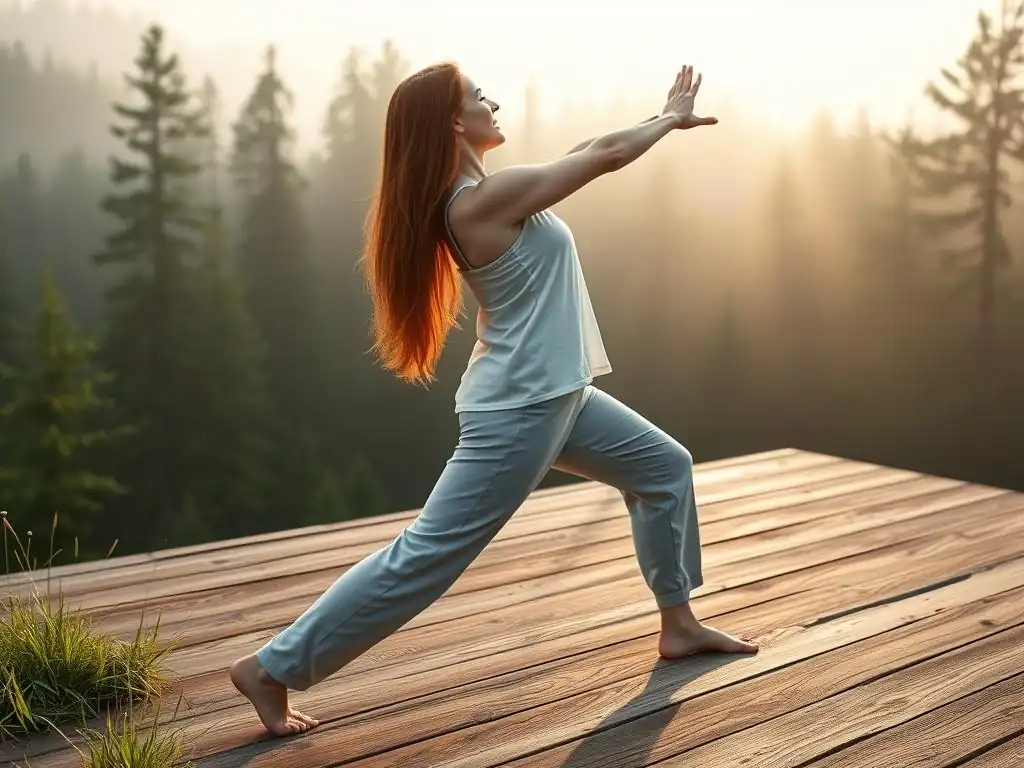
Physical activity is one of the most powerful and accessible natural remedies for anxiety relief. Regular exercise has a profound impact on both physical and mental health, acting as a potent stress reliever and mood enhancer. It provides a healthy outlet for pent-up energy and tension, which are common symptoms of anxiety. Integrating exercise into your routine is a fundamental strategy for managing anxiety naturally.
The benefits of exercise extend beyond just physical fitness. It can distract from worries, improve sleep patterns (which are often disrupted by anxiety), and boost self-esteem. Even moderate amounts of physical activity can make a difference. Finding an activity you enjoy is key to making it a sustainable part of your anxiety management plan. Whether it's a brisk walk, dancing, swimming, or lifting weights, consistent movement can significantly contribute to feeling calmer and more in control.
Exercise and Anxiety Reduction: The Science Behind Physical Activity
The scientific evidence supporting exercise as a natural remedy for anxiety relief is robust. Physical activity triggers the release of endorphins, often called "feel-good" neurotransmitters, which have mood-boosting and pain-relieving effects. Exercise also helps regulate stress hormones like cortisol and adrenaline. Chronic stress can lead to elevated levels of these hormones, contributing to anxiety symptoms, and exercise helps bring them back into balance.
Furthermore, regular exercise can improve sleep quality, which is crucial for managing anxiety. It can also increase body temperature, which may have calming effects, and reduce muscle tension. Studies, including a large review published in The Lancet Psychiatry in 2018, have consistently shown that people who exercise regularly report lower levels of anxiety and depression than those who are sedentary. The physiological and psychological benefits combine to create a powerful natural defense against anxiety.
Types of Exercise: Finding What Works for You
The best type of exercise for anxiety relief is the one you will actually do consistently. All forms of physical activity can be beneficial, but some may be particularly helpful. Aerobic exercises, such as running, swimming, cycling, or brisk walking, are well-known for their ability to reduce tension and improve mood. Aim for at least 150 minutes of moderate-intensity aerobic activity or 75 minutes of vigorous-intensity activity per week, as recommended by health guidelines.
Mind-body exercises, such as yoga and Tai Chi, combine physical movement with mindfulness or meditation, offering a dual benefit. Strength training can also be effective, building physical resilience and boosting confidence. Even short bursts of activity, like a 10-minute walk, can provide immediate anxiety relief. Experiment with different types of exercise to find activities you enjoy and can incorporate regularly into your life as part of your natural remedies for anxiety relief toolkit.
Mindfulness Meditation: Cultivating Present Moment Awareness
Mindfulness meditation is a practice that involves focusing your attention on the present moment without judgment. It's about observing your thoughts, feelings, bodily sensations, and the surrounding environment as they arise, without getting caught up in them. This practice is increasingly recognized as a powerful tool among natural remedies for anxiety relief, helping individuals detach from anxious thought patterns and cultivate a greater sense of peace and acceptance.
Anxiety often involves excessive worrying about the future or ruminating on the past. Mindfulness trains the mind to stay grounded in the here and now, interrupting the cycle of anxious thoughts. By practicing non-judgmental observation, you learn to recognize anxious feelings and thoughts without being overwhelmed by them. This creates space between you and your anxiety, allowing for a more measured and less reactive response.
Mindfulness for Anxiety: Research on Stress Reduction
Extensive research supports the effectiveness of mindfulness-based interventions for reducing stress and anxiety. Studies have shown that regular mindfulness practice can lead to measurable changes in brain structure and function, particularly in areas associated with stress regulation and emotional processing, such as the amygdala (involved in fear response) and the prefrontal cortex (involved in executive function and regulation).
A meta-analysis published in JAMA Internal Medicine in 2014 reviewed 47 trials and found that mindfulness meditation programs showed moderate evidence of improving symptoms of anxiety, depression, and pain. Mindfulness-Based Stress Reduction (MBSR) and Mindfulness-Based Cognitive Therapy (MBCT) are structured programs that have been extensively studied and proven effective in helping individuals manage chronic stress and anxiety. Consistent practice is key to realizing the full benefits of mindfulness as one of the potent natural remedies for anxiety relief.
Practicing Mindfulness: Techniques and Resources
Practicing mindfulness doesn't require special equipment or a lot of time; it can be integrated into everyday life. Simple techniques include focused breathing (paying attention to the sensation of breath), body scan meditation (bringing awareness to different parts of the body), and mindful walking (noticing the sensations of walking). Even mindful eating or washing dishes can be forms of practice.
There are numerous resources available to help you start a mindfulness practice. Guided meditations are widely available through apps (like Calm, Headspace), websites, and online videos. Joining a local meditation group or taking a mindfulness course can also provide structure and support. Start with just a few minutes each day and gradually increase the duration as you become more comfortable. Consistency is more important than duration when building a mindfulness habit for anxiety relief.
Dietary Changes: Fueling a Calm Mind
The connection between diet and mental health is increasingly understood. What you eat can significantly impact your mood, energy levels, and overall brain function, playing a role in managing anxiety. Focusing on a balanced, nutrient-dense diet and avoiding certain foods can be an effective strategy among natural remedies for anxiety relief. Your gut health, in particular, is intimately linked to your brain health.
A diet rich in whole foods provides the essential vitamins, minerals, and antioxidants necessary for optimal brain function and neurotransmitter production. Conversely, diets high in processed foods, sugar, and unhealthy fats can contribute to inflammation and blood sugar imbalances, potentially exacerbating anxiety symptoms. Making conscious dietary choices is an empowering step towards supporting a calmer mind.
The Gut-Brain Connection: How Diet Impacts Anxiety
The gut-brain axis is a bidirectional communication system linking the central nervous system (brain) and the enteric nervous system (gut). The gut microbiome, the trillions of microorganisms living in your digestive tract, plays a critical role in this communication. These microbes produce various neurochemicals, including GABA and serotonin, which are vital for mood regulation.
Research suggests that an imbalance in the gut microbiome (dysbiosis) and inflammation in the gut can influence brain function and contribute to anxiety and depression. A diet that supports a healthy gut microbiome, rich in fiber from fruits, vegetables, and whole grains, and includes fermented foods (like yogurt, kefir, sauerkraut), can positively impact mental well-being. This highlights the importance of diet as a foundational element among natural remedies for anxiety relief.
Foods to Include and Avoid: A Practical Guide to an Anxiety-Reducing Diet
To support an anxiety-reducing diet, focus on nutrient-dense whole foods. Include:
- Complex carbohydrates: Whole grains (oats, brown rice, quinoa), legumes, and vegetables provide sustained energy and help regulate serotonin levels.
- Lean proteins: Fish (especially fatty fish for omega-3s), poultry, beans, and lentils are essential for neurotransmitter synthesis.
- Healthy fats: Avocados, nuts, seeds (chia, flax, pumpkin), and olive oil support brain health.
- Fruits and vegetables: Rich in vitamins, minerals, and antioxidants that protect brain cells. Leafy greens like spinach and kale are high in magnesium.
- Fermented foods: Yogurt with live cultures, kefir, sauerkraut, and kimchi can support a healthy gut microbiome.
Foods to limit or avoid include:
- Refined sugars and processed foods: Can cause blood sugar spikes and crashes, contributing to irritability and anxiety.
- Excessive caffeine: Can trigger the release of adrenaline, mimicking anxiety symptoms.
- Alcohol: May provide temporary relief but disrupts sleep and can worsen anxiety in the long run.
- Unhealthy fats: Trans fats and excessive saturated fats can contribute to inflammation.
Making gradual, sustainable changes to your diet can have a significant positive impact on your mood and energy levels, complementing other natural remedies for anxiety relief.
Integrating Natural Strategies into Your Daily Life
Effectively managing anxiety often involves combining multiple strategies rather than relying on a single approach. Integrating natural methods into your daily routine requires planning, consistency, and a willingness to personalize your approach.
Combining Strategies for Optimal Results: A Personalized Approach
The most effective approach to using natural remedies for anxiety relief is often a multi-faceted one. Combining dietary changes, regular exercise, mindfulness practice, and targeted supplements (like magnesium, omega-3s, or L-Theanine, if appropriate and discussed with a doctor) can address anxiety from multiple angles. For example, someone might start their day with a mindful walk, incorporate omega-3 rich foods into their meals, take a magnesium supplement in the evening, and practice a short guided meditation before bed.
It's important to remember that everyone is different, and what works best will vary from person to person. Pay attention to how different strategies impact your anxiety levels and adjust your plan accordingly. Keep a journal to track your symptoms, practices, and how you feel. This personalized approach allows you to build a sustainable toolkit of natural remedies for anxiety relief tailored to your unique needs and lifestyle.
Creating a Supportive Environment for Anxiety Management
Beyond specific techniques, creating a supportive environment is crucial for long-term anxiety management. This involves both your physical surroundings and your social connections. Minimize exposure to unnecessary stressors where possible, organize your physical space to reduce feelings of chaos, and ensure you have a predictable routine, as structure can be very calming for anxious minds.
Equally important is nurturing your social support network. Connecting with friends, family, or support groups provides emotional validation and reduces feelings of isolation, which can exacerbate anxiety. Prioritizing self-care activities that bring you joy and relaxation, such as spending time in nature, pursuing hobbies, or taking warm baths, is also vital. These elements collectively create a foundation that enhances the effectiveness of natural remedies for anxiety relief.
The Importance of Social Connection and Self-Care
Social connection is a fundamental human need and a powerful buffer against stress and anxiety. Sharing your feelings with trusted individuals can lighten your emotional burden and provide new perspectives. Simply spending quality time with supportive people can release oxytocin, a hormone that promotes feelings of bonding and reduces stress. Research consistently shows that strong social ties are linked to better mental health outcomes.
Self-care is not selfish; it is essential for maintaining well-being, especially when managing anxiety. It involves intentionally engaging in activities that nourish your mind, body, and spirit. This could include getting enough sleep (aim for 7-9 hours per night), ensuring adequate hydration, setting boundaries to protect your energy, and scheduling time for rest and relaxation. Prioritizing these aspects of self-care makes you more resilient to stress and enhances the impact of natural remedies for anxiety relief.
Working with Healthcare Professionals: Ensuring Safe and Effective Use
While exploring natural remedies for anxiety relief, it is paramount to involve healthcare professionals in your journey. Natural approaches should be seen as complementary to, not a replacement for, conventional medical care, especially for moderate to severe anxiety disorders. Your doctor can help you assess your symptoms, rule out any underlying medical conditions contributing to your anxiety, and discuss the appropriateness of natural methods based on your health history and current medications.
A qualified therapist or counselor can provide evidence-based psychological therapies, such as Cognitive Behavioral Therapy (CBT) or exposure therapy, which are highly effective for anxiety disorders. They can also help you develop coping strategies, identify triggers, and work through underlying issues contributing to your anxiety. Collaborating with both medical doctors and mental health professionals ensures you receive comprehensive care that addresses all facets of your anxiety.
Talking to Your Doctor About Natural Approaches
Open and honest communication with your doctor is crucial when considering natural remedies for anxiety relief. Be prepared to discuss:
- Your anxiety symptoms and how they affect your life.
- All natural supplements, herbs, vitamins, or dietary changes you are considering or already using.
- Any existing health conditions or medications you are taking.
Your doctor can provide guidance on safe dosages, potential interactions, and whether a particular natural approach is likely to be beneficial for your specific situation. They can also monitor your progress and help you determine if adjustments are needed or if other treatments should be considered. Do not discontinue prescribed medications without consulting your doctor.
Finding a Qualified Therapist or Counselor
Finding the right therapist or counselor is a significant step in managing anxiety. Look for licensed mental health professionals with experience treating anxiety disorders. You can ask your doctor for a referral, check with your insurance provider for in-network therapists, or use online directories from professional organizations (e.g., Anxiety & Depression Association of America, Psychology Today).
Consider scheduling initial consultations to see if you feel a good connection with the therapist. A strong therapeutic alliance is vital for successful therapy. Be open about your goals and expectations. Therapy can provide valuable tools and support that complement the use of natural remedies for anxiety relief, offering a holistic path toward healing and resilience.
Potential Considerations and Precautions

While generally considered safe, exploring natural remedies for anxiety relief is not without potential risks or considerations. Being informed about these factors is crucial for safe and effective use.
Understanding Potential Interactions
One of the most important precautions when using natural remedies for anxiety relief is understanding potential interactions with medications you may be taking. Many natural substances can affect how prescription or over-the-counter drugs are metabolized in the body, altering their effectiveness or increasing the risk of side effects. For example, St. John's Wort, while sometimes used for mood, can interact dangerously with many medications, including antidepressants and blood thinners.
Even seemingly benign supplements like magnesium can interact with certain antibiotics or blood pressure medications. Omega-3 supplements, particularly at high doses, can have a mild blood-thinning effect, which is a concern if you are taking anticoagulant medication. Always disclose all supplements and natural products you are using to your doctor and pharmacist to check for potential interactions.
Recognizing Individual Sensitivities
Just as individuals respond differently to medications, they can also have varying responses and sensitivities to natural remedies for anxiety relief. Some people may experience side effects from supplements that others tolerate well. Digestive upset is a common side effect of some supplements like magnesium. Allergic reactions, though less common, are also possible.
Start with low doses of any new supplement to assess your tolerance. Pay attention to how your body feels and note any adverse reactions. If you experience unexpected or uncomfortable symptoms after starting a natural remedy, discontinue use and consult your healthcare provider. What is effective and well-tolerated for one person may not be for another, emphasizing the need for personalized care and attention to individual responses.
When to Seek Professional Help
While natural remedies for anxiety relief can be supportive, they are not a substitute for professional medical or psychological care, especially in cases of severe anxiety, panic attacks, or when anxiety significantly impairs your daily functioning. It is crucial to seek professional help if:
- Your anxiety symptoms are severe or debilitating.
- You are experiencing panic attacks.
- Your anxiety is accompanied by thoughts of self-harm or suicide.
- Natural methods are not providing adequate relief.
- Your anxiety is worsening or interfering significantly with work, relationships, or daily activities.
A healthcare professional can provide a proper diagnosis, discuss all available treatment options (including therapy and medication), and help you develop a comprehensive management plan tailored to your needs. Integrating natural strategies should be done under guidance, ensuring they complement, rather than replace, necessary professional care.
Conclusion: Empowering Your Journey to Calm
Managing anxiety is a journey that often involves exploring various strategies and finding what works best for you. Natural remedies for anxiety relief offer a spectrum of evidence-based approaches, from dietary changes and specific supplements like magnesium, omega-3s, and L-Theanine, to lifestyle interventions like exercise and mindfulness. These methods provide powerful tools for supporting your mental well-being and cultivating a greater sense of calm.
The Ongoing Nature of Anxiety Management
It's important to recognize that anxiety management is often an ongoing process, not a one-time fix. There will be good days and challenging days. The goal is to build resilience and develop a toolkit of strategies that help you navigate anxious periods more effectively. Integrating natural remedies for anxiety relief into your daily life requires commitment and consistency. View setbacks as opportunities to learn and adjust your approach, rather than failures.
Focus on progress, not perfection. Celebrate small victories along the way. The skills and habits you build through exploring natural approaches will serve you well over the long term, empowering you to take an active role in your mental health journey.
Finding What Works Best for You
Ultimately, the most effective path to unlocking calm naturally is a highly personal one. Experiment with the strategies discussed – explore how exercise makes you feel, try different mindfulness techniques, assess the impact of dietary changes, and discuss appropriate supplements with your doctor. Be patient with yourself and compassionate towards your experiences.
- [ ] Experiment with one new natural strategy this week.
- [ ] Schedule a walk or other form of exercise into your daily routine.
- [ ] Try a 5-minute guided mindfulness meditation.
- [ ] Make a small dietary change, like adding more leafy greens or reducing sugar.
- [ ] Talk to a trusted friend or family member about how you're feeling.
- [ ] Schedule an appointment to discuss natural approaches with your doctor or a therapist.
By combining evidence-based natural remedies for anxiety relief with professional guidance and self-compassion, you can build a personalized and effective plan to navigate anxiety and cultivate a calmer, more fulfilling life.
Frequently Asked Questions
What are some evidence-based herbal remedies for anxiety relief recommended by Mind Care Guide?
Several herbs have shown promise in reducing anxiety. Some examples include lavender, chamomile, and passionflower. However, it's crucial to consult with a healthcare professional before starting any herbal treatment.
How effective are herbal remedies for anxiety compared to traditional medications?
The effectiveness of herbal remedies varies. Some studies suggest they can be mildly to moderately effective for certain types of anxiety. They might be a good option for mild anxiety, but may not be enough for more severe cases.
Are there any potential side effects or interactions when using herbal remedies for anxiety?
Yes, like any medication, herbal remedies can have side effects. Common side effects may include drowsiness or digestive upset. They can also interact with other medications, so consult a doctor or pharmacist is essential.
Where can I find reliable information and resources about herbal remedies for anxiety from Mind Care Guide?
Mind Care Guide offers a comprehensive guide on mental well-being, including articles, support resources, and information on various mental health challenges. You can find specific information about herbal remedies for anxiety relief on our website.
How can I incorporate herbal remedies into my overall anxiety management plan effectively?
Integrating herbal remedies requires a holistic approach. Combine them with other strategies like mindfulness, exercise, and therapy. Always discuss your plan with a healthcare professional to ensure safety and effectiveness.
Final Reflection: Embracing Nature's Wisdom for Anxiety Relief
In a world increasingly dominated by fast-paced lifestyles and overwhelming stressors, the quest for natural solutions to anxiety has never been more relevant. As we navigate through daily challenges, the insights shared in this article highlight the potential of herbal remedies to provide effective anxiety relief. The growing interest in holistic approaches underscores a collective yearning for balance and well-being, reminding us that nature often holds the keys to our most pressing health concerns.
The influence of herbal remedies on our cultural and social landscape is profound and ongoing. These natural solutions not only offer a reprieve from anxiety but also foster a deeper connection to our environment and ourselves. As more individuals turn to these remedies, we witness a shift towards valuing traditional wisdom alongside modern science. Nature itself is the best physician,
said Hippocrates, and this sentiment resonates today as we seek to harmonize our lives with the healing properties of the earth.
As you reflect on the insights shared in this article, I invite you to explore the potential of herbal remedies in your own journey toward anxiety relief. Consider integrating these natural options into your daily routine, and allow yourself the grace to embrace calmness. Remember, the path to tranquility is not just about alleviating symptoms but nurturing a holistic sense of well-being. Let us take this opportunity to reconnect with nature and harness its gifts for a more peaceful existence.
Unlock Your Inner Calm: Start Your Herbal Journey Today!
Thanks for taking the time to explore natural anxiety relief with us! We hope you found valuable insights into the power of herbs. Ready to take the next step towards feeling calmer and more centered?
- Begin your personalized herbal journey: Research the herbs mentioned in the article and consider which ones resonate most with you. Start with one and track your progress.
- Share your experience: Discuss your journey and any positive effects you’ve experienced with others – spread the word about natural remedies!
- Explore our community forum: (If you have a community forum, insert the name here.) Connect with others on similar paths to share tips, recipes, and support each other.
What's one small step you can take today to incorporate a calming herbal remedy into your life?