
The AntiInflammatory Diet for Anxiety Relief: A FoodBased Approach


Welcome to Mind Care Guide, a space dedicated to nurturing your mental well-being.
Are you feeling overwhelmed by anxiety and searching for a natural path to relief? Perhaps the answer lies not in a pill, but on your plate. Explore our guide, "The AntiInflammatory Diet for Anxiety Relief: A FoodBased Approach," and discover how simple dietary changes can profoundly impact your mental state. Could the key to a calmer, more centered you be closer than you think? Dive in and unlock the power of food for anxiety relief.
The Anti-Inflammatory Diet for Anxiety Relief: A Food-Based Approach
- Introduction: Understanding the Link Between Inflammation and Anxiety
- The Anti-Inflammatory Diet: A Comprehensive Guide for Anxiety Relief
- Foods to Avoid on an Anti-Inflammatory Diet for Anxiety
- Creating Your Anti-Inflammatory Meal Plan for Anxiety
- The Gut-Brain Axis: Nurturing Your Microbiome for Anxiety Management
- Lifestyle Factors to Enhance the Anti-Inflammatory Diet's Effects on Anxiety
- Potential Benefits and Considerations of the Anti-Inflammatory Diet for Anxiety
- Conclusion: Embracing a Food-Based Approach to Anxiety Management
-
Frequently Asked Questions
- How does an anti-inflammatory diet potentially help with anxiety?
- What are some key foods to include in an anti-inflammatory diet for anxiety relief?
- What foods should I avoid on an anti-inflammatory diet if I'm trying to reduce anxiety?
- How long might it take to notice a difference in anxiety levels after starting an anti-inflammatory diet?
- Is an anti-inflammatory diet a replacement for professional mental health treatment for anxiety?
- Final Reflection: Sowing the Seeds of Calm: Food as Medicine for Anxiety
- Unlock Your Calm: Start Your Anti-Inflammatory Journey Today!
Introduction: Understanding the Link Between Inflammation and Anxiety
The Mind-Body Connection: How Diet Impacts Mental Health
Our mental state is deeply intertwined with our physical health, a connection often referred to as the mind-body axis. What we eat doesn't just affect our waistline or energy levels; it profoundly influences brain chemistry, neurotransmitter production, and even the structure of our brain.
A diet rich in processed foods, sugar, and unhealthy fats can contribute to systemic inflammation, which in turn can disrupt the delicate balance required for optimal mental function. Studies have shown, for instance, that diets high in refined sugars and saturated fats are associated with a higher incidence of depression and anxiety symptoms compared to diets rich in whole foods.
This intricate relationship means that dietary choices can either exacerbate or alleviate symptoms of anxiety. Micronutrients like B vitamins, magnesium, and omega-3 fatty acids, found abundantly in whole, unprocessed foods, are crucial for neurotransmitter synthesis and overall brain health. Conversely, deficiencies in these nutrients, often linked to poor dietary habits, can impair cognitive function and emotional regulation. Recognizing this powerful connection empowers individuals to make informed food choices as a proactive step in managing their mental well-being and seeking anxiety relief through an antiinflammatory diet.
Inflammation's Role in Anxiety Disorders
Chronic low-grade inflammation, often invisible on the surface, is increasingly recognized as a significant contributor to various mental health conditions, including anxiety disorders. Inflammatory markers, such as C-reactive protein (CRP) and various cytokines (like IL-6 and TNF-alpha), are often found at elevated levels in individuals experiencing anxiety. These inflammatory molecules can cross the blood-brain barrier and interfere with critical brain functions, including neurogenesis (the creation of new neurons) and neurotransmitter signaling, particularly affecting areas like the amygdala and hippocampus, which are involved in fear and memory.
This inflammatory process can disrupt the production and function of serotonin, dopamine, and GABA – neurotransmitters essential for mood regulation and calming the nervous system. For example, studies have indicated that elevated levels of inflammatory cytokines can increase the reuptake of serotonin, effectively reducing its availability in the brain and potentially contributing to anxious feelings. Addressing this underlying inflammation through dietary interventions, specifically adopting an antiinflammatory diet for anxiety relief, targets a root cause rather than just managing symptoms.
Why Choose an Anti-Inflammatory Diet for Anxiety?
Choosing an anti-inflammatory diet offers a holistic and empowering approach to managing anxiety, moving beyond relying solely on medication or therapy. This dietary pattern focuses on nutrient-dense foods known for their anti-inflammatory properties, aiming to reduce the systemic inflammation that can contribute to anxious feelings and other mental health challenges. By prioritizing whole, unprocessed foods and minimizing inflammatory triggers, individuals can help stabilize blood sugar levels, improve gut health, and provide the brain with the essential nutrients it needs to function optimally.
Furthermore, adopting an anti-inflammatory eating plan for anxiety relief promotes overall physical health, which in turn supports mental well-being. Improved energy levels, better sleep, and enhanced physical health can all contribute to a more stable mood and reduced anxiety symptoms. This dietary approach empowers individuals by giving them an active role in their health journey, offering a sustainable strategy that benefits both the body and the mind.
The Anti-Inflammatory Diet: A Comprehensive Guide for Anxiety Relief
Core Principles of an Anti-Inflammatory Eating Plan
An anti-inflammatory diet is not about strict calorie counting or deprivation; it's a pattern of eating that emphasizes foods known to reduce inflammation in the body while limiting those that promote it. The core principles revolve around consuming a wide variety of colorful fruits and vegetables, which are packed with antioxidants and phytochemicals, and choosing healthy fats, particularly monounsaturated and omega-3 fatty acids. It also includes incorporating lean protein sources and complex carbohydrates from whole grains and legumes.
Equally important is the principle of minimizing or eliminating foods that are pro-inflammatory. This includes refined sugars, processed foods, unhealthy trans fats found in many processed snacks and fried foods, and excessive consumption of red and processed meats. Hydration is also key, with water being the primary beverage. Following these principles consistently helps create an internal environment less conducive to inflammation, supporting the body's natural ability to heal and potentially offering significant antiinflammatory diet anxiety relief.
Key Anti-Inflammatory Foods to Reduce Anxiety
Fruits and Vegetables Rich in Antioxidants for Mental Wellness
Fruits and vegetables are cornerstones of an anti-inflammatory diet, bursting with antioxidants, vitamins, and minerals that combat oxidative stress and inflammation. Berries, like blueberries and strawberries, are particularly high in anthocyanins, powerful antioxidants shown to reduce inflammatory markers. Leafy greens, such as spinach and kale, provide vitamins E and C, along with carotenoids, all of which have anti-inflammatory effects and support brain health.
Incorporating a colorful array of produce ensures a broad spectrum of beneficial compounds. For example, broccoli contains sulforaphane, a compound studied for its potential anti-inflammatory and neuroprotective effects. Aiming for at least 5-7 servings of diverse fruits and vegetables daily provides a rich source of nutrients vital for reducing inflammation and supporting mental well-being, contributing directly to antiinflammatory diet anxiety relief.
Healthy Fats for Brain Function and Anxiety Management
Not all fats are created equal, and healthy fats are essential for brain structure and function. Omega-3 fatty acids, found abundantly in fatty fish like salmon, mackerel, and sardines, as well as in flaxseeds, chia seeds, and walnuts, are potent anti-inflammatory agents. DHA, a type of omega-3, is a major structural component of the brain and plays a crucial role in neurotransmitter signaling.
Monounsaturated fats, present in olive oil, avocados, and nuts, also have anti-inflammatory properties and can improve cholesterol profiles, benefiting cardiovascular health, which is linked to brain health. Replacing saturated and trans fats with these healthy options helps reduce systemic inflammation and provides the brain with the building blocks it needs for optimal function and resilience against anxiety. A typical serving of salmon (around 3 ounces) can provide over 1500 mg of omega-3s, significantly contributing to daily needs.
Lean Proteins and Gut Health in Anxiety Reduction
Protein is vital for synthesizing neurotransmitters, including serotonin and dopamine, which are critical for mood regulation. Lean protein sources like poultry, fish, legumes, and tofu provide the necessary amino acids without contributing excessive saturated fat, which can be pro-inflammatory for some individuals. For example, tryptophan, an amino acid found in turkey and other protein sources, is a precursor to serotonin.
Furthermore, many protein sources, particularly plant-based ones like beans and lentils, are also good sources of fiber, which feeds beneficial gut bacteria. The gut microbiome plays a significant role in the gut-brain axis, influencing mood and inflammation. A healthy gut environment, supported by adequate protein and fiber intake, can help reduce inflammation and positively impact anxiety levels. Consuming approximately 0.8-1 gram of protein per kilogram of body weight daily is a general guideline for supporting overall health.
Spices and Herbs with Anti-Inflammatory Properties for Mood Enhancement
Many common spices and herbs possess powerful anti-inflammatory and antioxidant properties that can complement an anti-inflammatory diet for anxiety relief. Turmeric, containing the active compound curcumin, is one of the most well-researched, known for its potent anti-inflammatory effects comparable to some anti-inflammatory medications, though absorption is enhanced with black pepper. Ginger is another potent spice used for centuries to reduce inflammation and nausea, potentially impacting gut health and subsequently mood.
Other beneficial herbs and spices include cinnamon, rosemary, oregano, and garlic, all containing compounds that can help reduce inflammatory markers in the body. Incorporating these into meals not only enhances flavor but also adds a significant anti-inflammatory boost. Using a teaspoon of turmeric daily in cooking, for instance, can provide a measurable intake of curcumin, contributing to the diet's overall anti-inflammatory power.
Foods to Avoid on an Anti-Inflammatory Diet for Anxiety
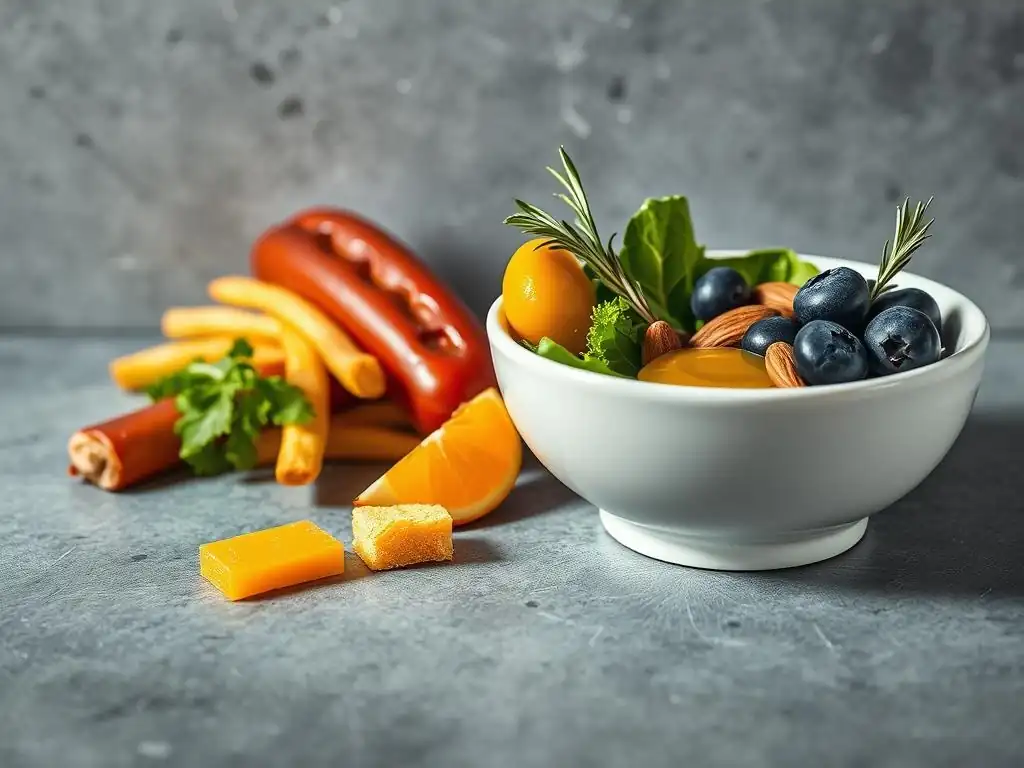
Processed Foods and Their Impact on Anxiety Levels
Highly processed foods are typically loaded with refined sugars, unhealthy fats (like trans fats and excessive omega-6 fatty acids from processed vegetable oils), refined carbohydrates, and artificial additives. These ingredients are notorious for promoting systemic inflammation throughout the body. Consuming these foods frequently can lead to blood sugar spikes and crashes, contribute to gut dysbiosis (an imbalance of gut bacteria), and increase oxidative stress, all of which can exacerbate anxiety symptoms and negatively impact mood stability.
Examples include packaged snacks, sugary cereals, fast food, and pre-made meals. A study published in Public Health Nutrition linked frequent consumption of fast food and commercial baked goods to a higher risk of depression and anxiety. Avoiding or significantly limiting these processed items is a critical step in reducing inflammatory load and supporting mental well-being through an antiinflammatory diet anxiety relief approach.
Sugary Drinks and Anxiety: A Negative Correlation
Sugary drinks, such as soda, fruit juices with added sugar, and sweetened teas, are major culprits in promoting inflammation and negatively impacting mood. The high concentration of refined sugar leads to rapid spikes in blood glucose, triggering an inflammatory response and subsequent energy crashes that can worsen feelings of anxiety and irritability. The artificial sweeteners often used as substitutes in diet drinks may also have detrimental effects on the gut microbiome, further impacting the gut-brain axis and potentially influencing mood.
Research indicates a correlation between high consumption of sugary beverages and increased risk of anxiety and depression. For example, a large study involving over 260,000 adults found that those who drank more than four cans of soda or sweetened beverages per day had a significantly higher risk of developing depression compared to those who drank none. Opting for water, unsweetened tea, or infused water is a simple yet effective change for reducing inflammation and promoting anxiety relief.
Refined Carbohydrates and Mood Instability
Refined carbohydrates, found in white bread, pasta, white rice, and many baked goods, have been stripped of their fiber and nutrient content during processing. Like sugary drinks, they are quickly digested and absorbed, leading to rapid blood sugar fluctuations. These spikes and subsequent crashes can contribute to mood swings, irritability, and increased anxiety symptoms. The lack of fiber also negatively impacts gut health, further disrupting the gut-brain connection.
Choosing complex carbohydrates from whole grains (like oats, brown rice, and quinoa), legumes, and vegetables provides sustained energy release, helps stabilize blood sugar, and supports a healthy gut microbiome. For instance, swapping white rice for brown rice can increase fiber intake by approximately 3 grams per cooked cup, significantly benefiting blood sugar control and gut health, which are important factors in achieving antiinflammatory diet anxiety relief.
Excessive Alcohol Consumption and Anxiety
While a drink might seem to temporarily alleviate social anxiety for some, excessive or chronic alcohol consumption is pro-inflammatory and can worsen anxiety in the long run. Alcohol disrupts sleep patterns, dehydrates the body, and negatively impacts gut health. It also interferes with neurotransmitter function, particularly GABA, which is crucial for calming the nervous system.
The "hangover" effect is partly due to the inflammatory response triggered by alcohol metabolism. Regular heavy drinking can lead to chronic inflammation and alter brain chemistry in ways that increase vulnerability to anxiety disorders. Limiting alcohol intake, or avoiding it altogether, is a key component of an anti-inflammatory lifestyle aimed at reducing anxiety. Guidelines often recommend no more than one drink per day for women and two for men, but for anxiety relief, less is often more.
Creating Your Anti-Inflammatory Meal Plan for Anxiety
Sample Anti-Inflammatory Meal Ideas for Anxiety Relief
Developing a structured meal plan can make adopting an anti-inflammatory diet for anxiety relief much easier and more sustainable. The key is to incorporate a variety of anti-inflammatory foods throughout the day while minimizing inflammatory ones. Planning helps ensure you have healthy options readily available, reducing the temptation to reach for processed snacks.
A sample day might look like this: Breakfast could be overnight oats with berries and chia seeds. Lunch might be a large salad with leafy greens, grilled salmon, avocado, and a lemon-olive oil dressing. Dinner could feature baked chicken or lentils with roasted vegetables like broccoli and sweet potatoes, seasoned with turmeric and ginger. Snacks could include a handful of walnuts, an apple with almond butter, or Greek yogurt with a small amount of berries.
Breakfast Recipes for a Calm Start to the Day
Starting the day with an anti-inflammatory breakfast sets a positive tone for both physical and mental energy. Recipes should prioritize complex carbohydrates, healthy fats, and protein to provide sustained energy and stabilize blood sugar. A simple yet effective option is oatmeal made with rolled oats (not instant), topped with a handful of blueberries (rich in antioxidants), a tablespoon of chia seeds (omega-3s), and a sprinkle of walnuts (omega-3s, healthy fats).
Another excellent choice is a smoothie blending spinach, banana, almond milk, a scoop of plant-based protein powder, and flaxseed. This provides vitamins, minerals, fiber, protein, and healthy fats. Scrambled eggs (organic or free-range) with sautéed spinach and a slice of avocado on whole-grain toast also offer a balanced mix of protein, healthy fats, and complex carbs to support mental well-being and provide anxiety relief.
Lunch Recipes to Support Mental Well-being
Lunch is an opportunity to refuel and continue providing the brain with the nutrients it needs to manage stress and anxiety throughout the afternoon. A large, colorful salad is a versatile option. Start with dark leafy greens (like kale or mixed greens), add various vegetables (bell peppers, carrots, cucumbers), a lean protein source (grilled chicken breast, chickpeas, or lentils), healthy fats (sliced avocado, nuts, or seeds), and dress with olive oil and vinegar.
Leftovers from an anti-inflammatory dinner also make an easy lunch. For example, a piece of baked salmon with roasted vegetables. Another idea is a hearty lentil soup or a quinoa bowl packed with black beans, corn, salsa, and avocado. These options provide fiber, protein, and essential nutrients that support gut health and reduce inflammation, contributing to antiinflammatory diet anxiety relief.
Dinner Recipes for Relaxation and Anxiety Reduction
Dinner should be a nourishing meal that promotes relaxation and prepares the body for restful sleep, which is crucial for anxiety management. Fatty fish like salmon, cod, or trout are excellent choices due to their high omega-3 content. Baking or grilling fish with herbs like rosemary and thyme, served alongside roasted Brussels sprouts or asparagus and a small portion of brown rice or quinoa, makes for a balanced, anti-inflammatory meal.
Vegetarian options include a chickpea and vegetable curry made with coconut milk, turmeric, ginger, and other anti-inflammatory spices, served with quinoa. Lentil shepherd's pie with a sweet potato topping is another comforting and nutrient-dense dish. These meals provide complex carbohydrates for serotonin production, protein, healthy fats, and anti-inflammatory compounds, supporting overall mental well-being and aiding anxiety relief.
Snack Options for Sustained Mood Stability
Choosing smart snacks between meals can help maintain stable blood sugar levels, preventing energy dips that can trigger or worsen anxiety. Focus on snacks that combine protein, healthy fats, or fiber. A handful of raw almonds or walnuts provides healthy fats and some protein. Apple slices with almond butter offer fiber, healthy fats, and a touch of natural sweetness.
Other good choices include plain Greek yogurt (probiotic benefits) with a few berries, vegetable sticks (carrots, celery, bell peppers) with hummus (made from chickpeas), or a small avocado. These snacks help keep you feeling full and satisfied while delivering anti-inflammatory nutrients, supporting consistent mood and contributing to antiinflammatory diet anxiety relief throughout the day.
Tips for Meal Planning and Preparation
Successful implementation of an anti-inflammatory diet for anxiety relief often hinges on effective meal planning and preparation. Dedicating time each week to plan your meals and snacks helps ensure you purchase the right ingredients and have healthy options ready to go, especially during busy periods when stress might be high.
- Plan your meals for the week: Decide on breakfasts, lunches, dinners, and snacks.
- Create a shopping list: Based on your meal plan to avoid impulse buys of processed foods.
- Batch cook: Prepare large batches of staples like quinoa, brown rice, roasted vegetables, or cooked lentils/chickpeas at the beginning of the week.
- Pre-chop vegetables: Wash and chop vegetables for salads, snacks, or quick stir-fries.
- Prepare grab-and-go snacks: Portion out nuts, seeds, or fruit into small containers.
- Experiment with recipes: Find recipes you enjoy to make the diet sustainable and enjoyable.
This proactive approach reduces decision fatigue and makes sticking to the anti-inflammatory plan much easier, significantly boosting your efforts towards antiinflammatory diet anxiety relief.
The Gut-Brain Axis: Nurturing Your Microbiome for Anxiety Management
Probiotics and Prebiotics: Supporting a Healthy Gut Environment
The gut microbiome, the trillions of microorganisms living in our digestive tract, communicates directly with the brain via the gut-brain axis and plays a critical role in inflammation and mental health. An imbalance in gut bacteria (dysbiosis) is associated with increased inflammation and can negatively impact mood and anxiety levels. Supporting a healthy gut environment is therefore crucial for anxiety relief through an anti-inflammatory diet.
Probiotics are beneficial live bacteria that can be introduced into the gut through food or supplements, while prebiotics are non-digestible fibers that feed these beneficial bacteria. Including both in your diet helps foster a diverse and healthy microbiome. For example, consuming probiotic-rich foods like yogurt with live cultures or fermented vegetables can increase beneficial bacteria, while eating foods high in prebiotic fiber like onions, garlic, bananas, and oats provides nourishment for them. Research has shown that probiotic supplementation can potentially reduce anxiety symptoms in some individuals, highlighting the gut's influence.
Fermented Foods for Anxiety Reduction
Fermented foods are excellent sources of probiotics, naturally introducing beneficial bacteria into the digestive system. Incorporating foods like plain yogurt with live and active cultures, kefir, sauerkraut, kimchi, miso, and tempeh into your diet can help improve gut diversity and function. These foods are created through a process where microorganisms break down carbohydrates, often producing beneficial compounds and increasing the bioavailability of nutrients.
For example, a serving of sauerkraut (about half a cup) can contain billions of colony-forming units (CFUs) of various lactic acid bacteria, contributing significantly to gut microbial diversity. Regular consumption of a variety of fermented foods can help restore balance to the gut microbiome, reduce inflammation in the gut (which can have systemic effects), and positively influence the gut-brain axis, potentially leading to reduced anxiety symptoms and enhanced antiinflammatory diet anxiety relief.
The Importance of Fiber for Gut Health and Mood
Dietary fiber is a crucial component of an anti-inflammatory diet, particularly for its role in nurturing the gut microbiome. Fiber, especially soluble fiber found in oats, beans, lentils, fruits, and vegetables, acts as a prebiotic, feeding the beneficial bacteria in the gut. As these bacteria ferment fiber, they produce short-chain fatty acids (SCFAs) like butyrate, propionate, and acetate.
SCFAs have powerful anti-inflammatory effects, both locally in the gut and systemically. Butyrate, for instance, is the primary energy source for colon cells and helps maintain the integrity of the gut barrier, preventing inflammatory substances from entering the bloodstream. A diet high in fiber promotes a healthier, more diverse gut microbiome, reduces inflammation, and supports the production of SCFAs, all of which contribute to improved mood and anxiety management. Aiming for 25-30 grams of fiber per day from whole food sources is recommended.
Lifestyle Factors to Enhance the Anti-Inflammatory Diet's Effects on Anxiety
Stress Management Techniques for Anxiety Relief
While diet plays a significant role in managing inflammation and anxiety, lifestyle factors are equally important and work synergistically with an anti-inflammatory eating plan. Chronic stress is a major driver of inflammation in the body. High levels of stress hormones like cortisol can increase inflammatory markers and negatively impact the gut microbiome. Implementing effective stress management techniques is crucial for maximizing the benefits of the anti-inflammatory diet for anxiety relief.
Techniques such as mindfulness meditation, deep breathing exercises, yoga, spending time in nature, or engaging in hobbies can help lower cortisol levels and activate the body's relaxation response. Even just 10-15 minutes of mindfulness practice daily has been shown to reduce perceived stress and inflammatory markers like CRP in some studies. Integrating these practices alongside dietary changes creates a powerful, multi-faceted approach to reducing both inflammation and anxiety.
The Role of Exercise in Reducing Inflammation and Anxiety
Regular physical activity is a potent anti-inflammatory agent and a well-established mood booster. Exercise helps reduce systemic inflammation by decreasing the production of inflammatory cytokines and increasing the production of anti-inflammatory molecules. It also promotes the release of endorphins, natural mood elevators, and helps regulate neurotransmitters involved in stress and anxiety.
Engaging in moderate-intensity exercise for at least 150 minutes per week, as recommended by health organizations, can significantly improve mental well-being. This could include brisk walking, jogging, swimming, or cycling. Even lighter activities like gardening or stretching can be beneficial. Exercise also improves sleep quality and helps manage weight, further contributing to reduced inflammation and enhanced antiinflammatory diet anxiety relief.
Sleep Hygiene for Mental Health and Wellbeing
Quality sleep is fundamental for both physical and mental health, and poor sleep is closely linked to increased inflammation and anxiety. During sleep, the body repairs itself, consolidates memories, and regulates hormones, including those related to stress and inflammation. Chronic sleep deprivation disrupts these processes, leading to increased inflammatory markers and exacerbating anxiety symptoms.
Practicing good sleep hygiene involves establishing a regular sleep schedule, creating a relaxing bedtime routine, ensuring your bedroom is dark, quiet, and cool, and avoiding screens and heavy meals close to bedtime. Aiming for 7-9 hours of quality sleep per night supports the body's natural anti-inflammatory processes and helps regulate mood, making it a vital partner to an anti-inflammatory diet for anxiety relief. For example, research has shown that even a single night of poor sleep can increase inflammatory markers like IL-6.
Potential Benefits and Considerations of the Anti-Inflammatory Diet for Anxiety
Short-Term and Long-Term Benefits of Dietary Changes
Adopting an anti-inflammatory diet for anxiety relief can offer both immediate and lasting benefits. In the short term, individuals may notice improvements in energy levels, digestive comfort, and more stable blood sugar, which can lead to a reduction in mood swings and immediate feelings of irritability or nervousness. Swapping out inflammatory foods for nutrient-dense options can start positively impacting neurotransmitter function and gut health relatively quickly.
Over the long term, consistent adherence to an anti-inflammatory eating pattern can lead to significant reductions in chronic low-grade inflammation, a key factor contributing to persistent anxiety. This sustained reduction in inflammation supports better brain health, improved gut microbiome balance, and more stable mood regulation. Many individuals report a sustained decrease in the frequency and intensity of anxiety symptoms, improved resilience to stress, and better overall mental clarity and emotional well-being after following the diet for several months.
Addressing Potential Challenges and Side Effects
While the anti-inflammatory diet is generally safe and beneficial, individuals transitioning to this eating pattern might face some initial challenges or experience mild side effects. Cutting out processed foods, sugar, and refined carbohydrates can sometimes lead to temporary withdrawal-like symptoms such as headaches, fatigue, or cravings, particularly in the first few days or a week. These symptoms typically subside as the body adjusts.
Another challenge can be the social aspect of dietary change or the perceived difficulty of meal planning and preparation. Starting gradually, focusing on incorporating more anti-inflammatory foods before strictly eliminating others, and finding enjoyable recipes can help ease the transition. If you have underlying health conditions or are taking medications, it's crucial to consider potential interactions or necessary adjustments, which is why consulting a healthcare professional is advised.
Consulting with a Healthcare Professional or Registered Dietitian
Embarking on a significant dietary change, especially when addressing a health concern like anxiety, is best done with guidance. Consulting with a healthcare professional, such as your doctor, or a registered dietitian (RD) or registered nutritionist (RNutr) can provide personalized advice tailored to your specific health needs, existing conditions, and potential nutrient deficiencies.
A dietitian can help you create a balanced anti-inflammatory meal plan that meets all your nutritional requirements, addresses any specific dietary restrictions or allergies, and ensures the approach is sustainable for your lifestyle. They can also help monitor your progress and make adjustments as needed. This professional support is invaluable for maximizing the benefits of the anti-inflammatory diet for anxiety relief and ensuring it is implemented safely and effectively.
Conclusion: Embracing a Food-Based Approach to Anxiety Management
The Power of Nutrition in Mental Wellbeing
The evidence is increasingly clear: nutrition is a powerful tool in the pursuit of mental well-being and anxiety relief. The food we consume directly influences inflammation, gut health, neurotransmitter function, and overall brain health. By choosing an anti-inflammatory diet focused on whole, nutrient-dense foods and minimizing inflammatory culprits, individuals can take proactive steps to reduce the physiological drivers that contribute to anxiety symptoms.
This food-based approach empowers individuals, offering a sense of control over their health journey. It highlights that seemingly simple choices at the grocery store or in the kitchen can have profound effects on how we feel mentally and emotionally. Recognizing the intricate connection between diet and mind is the first step towards harnessing the power of nutrition for improved mental health.
Taking the First Steps Towards an Anti-Inflammatory Lifestyle for Anxiety Relief
Adopting an anti-inflammatory diet for anxiety relief doesn't require an overnight overhaul. It's a journey that can begin with small, manageable steps. Start by incorporating more anti-inflammatory foods into your daily meals – perhaps adding berries to your breakfast, swapping white rice for brown, or including an extra serving of vegetables at dinner. Gradually reduce your intake of processed snacks, sugary drinks, and excessive refined carbohydrates.
Experiment with new recipes, find enjoyable ways to prepare anti-inflammatory foods, and focus on progress, not perfection. Combine dietary changes with other supportive lifestyle habits like stress management, regular exercise, and prioritizing sleep. Embracing this holistic approach offers a sustainable path towards reducing inflammation, supporting brain health, and finding meaningful antiinflammatory diet anxiety relief, paving the way for a calmer, more balanced life.
Frequently Asked Questions
How does an anti-inflammatory diet potentially help with anxiety?
An anti-inflammatory diet focuses on reducing chronic inflammation in the body. This can indirectly impact anxiety by affecting neurotransmitter function and the gut-brain axis.
What are some key foods to include in an anti-inflammatory diet for anxiety relief?
Focus on including foods rich in omega-3 fatty acids (like salmon), antioxidants (berries), and fiber (whole grains). Also, incorporate probiotic-rich foods like yogurt to support gut health.
What foods should I avoid on an anti-inflammatory diet if I'm trying to reduce anxiety?
Limit or avoid processed foods, sugary drinks, refined carbohydrates, and excessive amounts of inflammatory fats. These can exacerbate inflammation and potentially worsen anxiety symptoms.
How long might it take to notice a difference in anxiety levels after starting an anti-inflammatory diet?
The timeframe varies, but some individuals may notice improvements within a few weeks of consistently following the diet. It's important to remember that dietary changes are often most effective when combined with other mental well-being strategies.
Is an anti-inflammatory diet a replacement for professional mental health treatment for anxiety?
No, an anti-inflammatory diet should be considered a complementary approach, not a replacement for therapy or medication. Consult with a mental health professional for comprehensive anxiety management.
Final Reflection: Sowing the Seeds of Calm: Food as Medicine for Anxiety
The connection between inflammation and anxiety is no longer a whispered theory; it's a burgeoning field of research revealing a powerful link. Understanding this connection empowers us to take proactive steps towards managing anxiety, not just through medication or therapy, but through the simple, yet profound, act of mindful eating. This means shifting from a reactive approach to anxiety to a preventative one, building resilience from the inside out.
The anti-inflammatory diet's impact extends far beyond symptom management; it's a journey of self-discovery and empowerment. It's about reclaiming control over your well-being, recognizing the power you hold in shaping your physical and mental health. This journey is deeply personal, and the rewards are immeasurable. As Hippocrates wisely stated, Let food be thy medicine and medicine be thy food.
This ancient wisdom resonates powerfully in our modern context, reminding us that the food we consume directly impacts our emotional landscape.
You now hold the knowledge to cultivate a healthier, calmer you. Consider the foods you consume daily. Are they nourishing your body and mind, or contributing to inflammation and anxiety? This isn't about perfection; it's about conscious choices. Start small, experiment with anti-inflammatory foods, and listen to your body. Embrace the journey of discovering which foods support your unique needs and contribute to a life filled with less anxiety and more peace. Your well-being is worth it.
Unlock Your Calm: Start Your Anti-Inflammatory Journey Today!
Thank you for taking the time to explore the power of food in managing anxiety! We hope you found valuable insights into how an anti-inflammatory diet can support your well-being. Now it's time to put this knowledge into practice.
- Prioritize your plate: Start incorporating at least three anti-inflammatory foods (like berries, leafy greens, or fatty fish) into your daily meals this week. Notice how you feel!
- Share your discoveries: Let us know which anti-inflammatory recipes or strategies worked best for you—share your experiences in the comments below! Inspire others on their journey to better mental health.
- Dive deeper: Explore our other articles on MindCareGuide.org to discover additional ways to naturally support your mental wellness.
Ready to experience the transformative effects of a mindful approach to eating? What's one anti-inflammatory food you'll add to your shopping list today?