
Disability and Diversity: Culturally Sensitive Mental Health Support for Minority Individuals with Disabilities

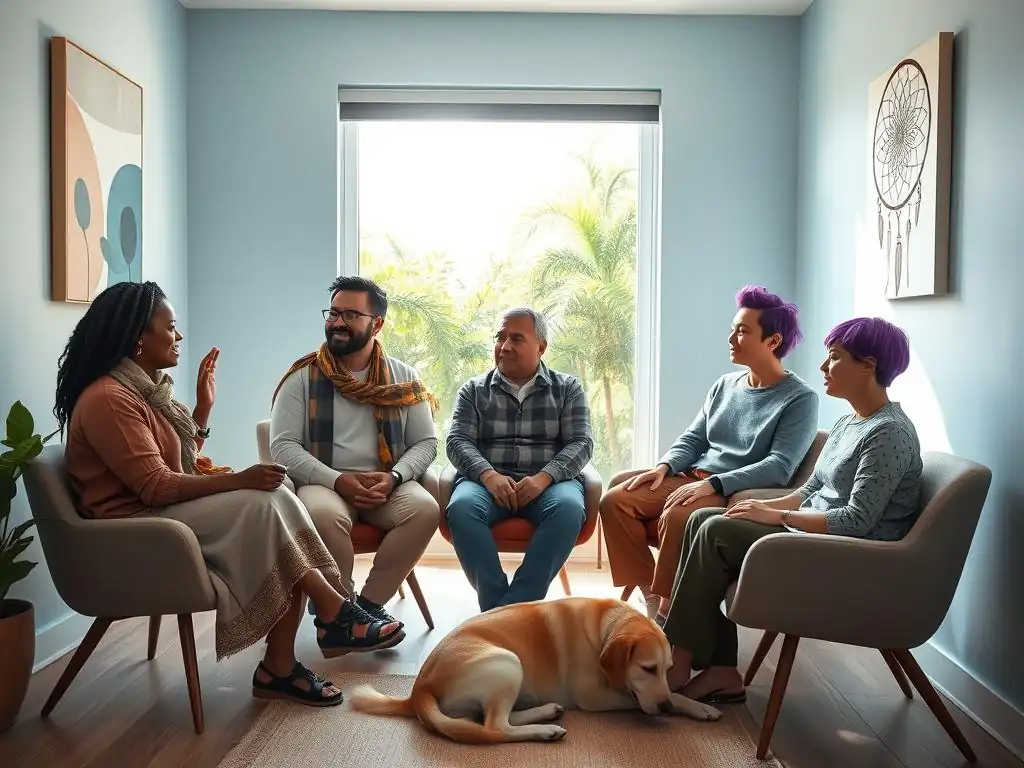
Welcome to Mind Care Guide, a place dedicated to nurturing your mental well-being.
Feeling overwhelmed by the intersection of disability and cultural identity? You're not alone. This article dives deep into the crucial need for culturally sensitive disability mental health support, especially for minority individuals. We understand the unique challenges you face and are here to provide a guiding light. Explore our resources and discover how to access empowering and tailored mental health care. Let's embark on this journey towards understanding and healing together.
- Disability and Diversity: Culturally Sensitive Mental Health Support
- Barriers to Mental Health Care
- Culturally Sensitive Approaches
- Finding Culturally Appropriate Resources
- Promoting Mental Well-being
- Case Studies
- Future Directions
- Conclusion: Empowering Individuals Through Culturally Sensitive Care
-
Frequently Asked Questions
- How does cultural background influence the mental health experiences of individuals with disabilities?
- What are some specific barriers that minority individuals with disabilities face when accessing mental health services?
- What does "culturally sensitive disability mental health" mean in practice?
- Where can I find mental health professionals who specialize in serving minority individuals with disabilities?
- What are some strategies for promoting mental well-being within minority communities who also have disabilities?
- Final Reflection: Weaving a Tapestry of Inclusive Mental Healthcare
- Unlock Inclusive Mental Wellness: Your Next Steps
Disability and Diversity: Culturally Sensitive Mental Health Support
Mental Health Disparities in Marginalized Individuals with Disabilities
Individuals with disabilities from minority cultural backgrounds often face significant disparities in mental health outcomes and access to care. Research consistently indicates that these groups experience higher rates of certain mental health conditions, such as depression and anxiety, compared to their non-disabled or majority-group counterparts.
For example, a study focusing on urban populations found that minority adults with physical disabilities were nearly twice as likely to report symptoms of major depressive disorder than non-minority adults with similar disabilities. These disparities are not solely attributable to the disability itself but are compounded by the stressors of discrimination, poverty, and lack of culturally sensitive support systems.
Furthermore, the severity and duration of mental health challenges can be exacerbated by the difficulty in accessing timely and appropriate interventions. Data suggests that individuals from certain racial and ethnic minority groups with intellectual disabilities, for instance, may wait significantly longer to receive a mental health diagnosis and subsequent treatment compared to white individuals with intellectual disabilities. This delay in receiving culturally sensitive disability mental health care can lead to more severe symptoms and poorer long-term outcomes, highlighting a critical gap in the current healthcare landscape that demands culturally sensitive disability mental health approaches.
Intersectionality: Disability, Cultural Identity, and Lived Experience
The concept of intersectionality is crucial when discussing culturally sensitive disability mental health. It recognizes that individuals hold multiple social identities simultaneously – such as race, ethnicity, gender, sexual orientation, socioeconomic status, and disability status – and that these identities intersect to create unique experiences of discrimination, privilege, and oppression.
For a person of color with a physical disability, their experience navigating the world and accessing services is distinct from that of a white person with the same disability or a person of color without a disability. These intersecting identities can amplify vulnerability to mental health challenges and influence how individuals perceive mental illness, seek help, and interact with healthcare providers.
Understanding this intersectionality is paramount for providing effective culturally sensitive disability mental health support. A blanket approach to mental health care that does not acknowledge the specific cultural context, historical trauma, and systemic barriers faced by minority individuals with disabilities will likely be ineffective or even harmful. For instance, a Latinx individual with a chronic illness causing disability may face cultural expectations around family caregiving that impact their ability to seek independent mental health support, alongside potential language barriers and immigration concerns. Effective culturally sensitive disability mental health services must therefore be tailored to address these complex, intersecting factors.
The Need for Culturally Sensitive Mental Health Services
The documented disparities and the complexities of intersectionality underscore an urgent need for culturally sensitive mental health services specifically designed for minority individuals with disabilities. Standard mental health interventions, often developed and tested within Western, majority-culture frameworks, may not resonate with or be effective for individuals from different cultural backgrounds. Cultural norms regarding mental illness, family involvement, communication styles, and views on healing can significantly impact engagement and trust in therapeutic processes.
Culturally sensitive disability mental health care involves more than simply translating materials or hiring bilingual staff; it requires a fundamental shift in perspective and practice. It means recognizing and respecting the values, beliefs, and practices of the individual's culture, adapting therapeutic approaches accordingly, and addressing the systemic factors that contribute to disparities. Providing culturally sensitive disability mental health support is not just about improving individual outcomes, but also about promoting equity and social justice within the mental healthcare system.
Barriers to Mental Health Care
Communication Barriers and Linguistic Diversity
Communication is a fundamental aspect of mental health care, and linguistic barriers pose a significant challenge for minority individuals with disabilities seeking support. For those whose primary language is not English, or for whom English is a second language, navigating complex mental health concepts and expressing nuanced emotional states can be incredibly difficult.
This is compounded for individuals with communication-related disabilities, such as those with hearing impairments, visual impairments, or cognitive disabilities that affect language processing. Access to qualified interpreters, especially those with experience in mental health terminology and disability contexts, is often limited, leading to misunderstandings, misdiagnoses, and ineffective treatment plans.
Beyond literal language translation, there are also cultural communication styles that can act as barriers. Some cultures may use indirect communication, avoid direct eye contact, or express distress through somatic symptoms rather than verbal descriptions of feelings. Mental health professionals trained only in Western communication norms may misinterpret these styles, leading to a breakdown in rapport and trust. Effective culturally sensitive disability mental health practice requires providers to be aware of and adapt to diverse communication methods and preferences.
Socioeconomic Factors and Access to Care
Socioeconomic factors significantly impede access to culturally sensitive disability mental health care for minority individuals with disabilities. Poverty rates are disproportionately higher among minority communities and individuals with disabilities, creating multiple barriers. These include lack of health insurance or inadequate coverage for mental health services, inability to afford co-pays or therapy costs, and practical challenges like transportation to appointments, especially for those with mobility issues. The need to prioritize basic necessities like housing, food, and employment often overshadows the pursuit of mental health support, even when the need is critical.
Moreover, the geographic distribution of mental health services often disadvantages individuals living in underserved urban or rural areas, where minority populations and individuals with disabilities are frequently concentrated. These areas may have fewer mental health professionals available, and even fewer who are trained in culturally sensitive disability mental health approaches. The interplay of economic hardship and limited resources creates a formidable barrier to receiving timely and appropriate care.
Stigma and Cultural Beliefs Regarding Mental Health and Disability
Stigma surrounding both mental illness and disability is a major barrier, often amplified within certain cultural contexts. In many minority cultures, there can be strong cultural taboos against discussing mental health issues, which are sometimes viewed as a sign of weakness, a moral failing, or a source of shame for the individual and their family. This can prevent individuals from acknowledging their struggles or seeking help. Similarly, disability may carry cultural stigmas, leading to isolation or a reluctance to identify as having a disability, which can further complicate access to disability-specific support, including mental health services.
These cultural beliefs can lead to internalized stigma, where individuals themselves believe the negative stereotypes, making them hesitant to seek professional help. They may fear judgment from family, friends, or community members. Providers offering culturally sensitive disability mental health care must understand these specific cultural nuances of stigma and work to create a safe and non-judgmental environment that respects the individual's cultural background and beliefs about health and illness.
Mistrust of Healthcare Systems and Lack of Representation
A history of negative experiences, discrimination, and systemic inequities has fostered a deep-seated mistrust of healthcare systems among many minority communities. This mistrust is often compounded for individuals with disabilities who may have faced ableism within medical settings. Past abuses, lack of respect for cultural practices, and experiences of feeling unheard or dismissed by providers contribute to reluctance in seeking help, particularly for something as personal as mental health.
The lack of representation within the mental health profession further exacerbates this issue. There is a significant shortage of mental health professionals from minority backgrounds and those with lived experience of disability. When individuals do not see providers who understand their cultural background, speak their language, or relate to their experiences of disability, it can be difficult to build trust and feel confident in the care received. Increasing the diversity of the mental health workforce is a critical step towards building trust and providing truly culturally sensitive disability mental health services.
Culturally Sensitive Approaches

Adapting Interventions for Diverse Cultural Contexts
Effective culturally sensitive disability mental health care requires adapting established therapeutic interventions to align with the cultural values, beliefs, and practices of the individual. This is not about diluting evidence-based practices but rather modifying their delivery, language, examples, and conceptual frameworks to be culturally relevant and accessible. For instance, Cognitive Behavioral Therapy (CBT) relies heavily on identifying and challenging negative thought patterns. In some cultures, expressing negative thoughts directly might be considered disrespectful or inappropriate. A culturally adapted CBT might use storytelling, metaphors, or family-centered approaches to explore these concepts in a way that resonates with the individual.
Adaptation also involves considering cultural factors in assessment. Diagnostic tools and symptom checklists developed in one cultural context may not accurately capture the presentation of mental health issues in another. Culturally sensitive assessments require understanding how distress is expressed within a specific culture, including somatic symptoms or culturally specific idioms of distress. Providers practicing culturally sensitive disability mental health are flexible and collaborative, working with the individual and potentially their family to ensure interventions are understood and feel appropriate.
Cultural Competency in Mental Health Practice
Cultural competency is a foundational element for providing culturally sensitive disability mental health support. It involves providers developing an awareness of their own cultural biases, gaining knowledge about the cultural backgrounds of their clients, and developing skills to interact effectively across cultures. However, competency is often viewed as a starting point, with the goal being cultural humility – a lifelong commitment to self-reflection, learning, and recognizing the power imbalances inherent in the provider-client relationship.
Training programs for mental health professionals must incorporate comprehensive modules on cultural competency, disability awareness, and intersectionality. This training should go beyond theory, including practical skills for working with interpreters, understanding the impact of systemic oppression, and adapting communication styles. Developing a workforce skilled in culturally sensitive disability mental health is essential to bridge the gap in care.
Integrating Traditional Healing Practices
For many minority individuals, traditional healing practices hold significant cultural and spiritual importance and are often the first line of support sought for physical and mental distress. Integrating these practices into mental health care, where appropriate and desired by the client, is a key component of culturally sensitive disability mental health support. This could involve collaborating with traditional healers, incorporating spiritual practices into therapy, or simply acknowledging and respecting the role these practices play in the individual's life.
For example, an Indigenous person with a disability experiencing trauma might find healing through traditional ceremonies, connection to nature, or guidance from elders. Acknowledging and supporting these practices, rather than dismissing them, builds trust and validates the individual's cultural identity. Providers must approach this with respect and humility, recognizing that they may not fully understand these practices but are willing to learn and collaborate in a way that honors the individual's cultural heritage.
Addressing Systemic Inequities in Access to Care
Culturally sensitive disability mental health care cannot exist in a vacuum; it must actively address the systemic inequities that create barriers to access. This involves advocating for policies that increase funding for mental health services in underserved areas, improve insurance coverage for diverse populations, and expand access to affordable transportation and accessible facilities. It also means challenging discriminatory practices within healthcare systems themselves.
Addressing systemic inequities also involves workforce development initiatives aimed at recruiting and retaining minority individuals and people with disabilities in mental health professions. It requires institutions to implement policies that promote diversity, equity, and inclusion at all levels. Ultimately, providing culturally sensitive disability mental health support necessitates a commitment to dismantling the structural barriers that prevent individuals from receiving the care they need.
Finding Culturally Appropriate Resources
Cultural-Specific Organizations and Support Groups
One effective way to find culturally sensitive disability mental health resources is to connect with organizations and support groups specifically serving minority communities and individuals with disabilities. Many ethnic-specific organizations offer mental health programs, counseling services, or referrals that are already grounded in cultural understanding and linguistic appropriateness. Similarly, disability-specific organizations may have programs tailored for different cultural groups or can provide valuable insights into navigating the system from a disability perspective.
These organizations often serve as trusted community hubs and can offer support groups where individuals can connect with peers who share similar cultural backgrounds and experiences with disability. Sharing experiences in a culturally safe space can be incredibly validating and empowering. Seeking out these specialized resources is a proactive step towards finding culturally sensitive disability mental health support that resonates personally.
Telehealth and Remote Access
Telehealth and remote access services have emerged as crucial tools for increasing access to culturally sensitive disability mental health support, particularly for individuals in remote areas or those facing mobility challenges. Telehealth can overcome geographical barriers and make it easier for individuals to connect with providers who are culturally competent and understand their specific needs, even if those providers are located far away. This is especially beneficial for accessing specialists or providers from specific cultural backgrounds who may not be available locally.
While telehealth offers significant advantages, it's important to ensure these services are accessible to individuals with various disabilities, including those with sensory impairments or limited digital literacy. Providing technical support, ensuring platforms are compliant with accessibility standards, and offering culturally appropriate materials in digital formats are necessary steps to maximize the reach and effectiveness of remote culturally sensitive disability mental health services.
Navigating health insurance and understanding coverage for mental health services can be a complex and frustrating process, particularly for individuals with disabilities who may have multiple healthcare needs and for whom English may not be their primary language. Finding resources that offer assistance with insurance navigation is vital. Many community organizations, disability advocacy groups, or state human services departments provide free or low-cost help understanding benefits, appealing denials, and finding providers within network.
Furthermore, exploring options for financial assistance is often necessary to afford culturally sensitive disability mental health care. This can include identifying sliding-scale clinics, programs that offer free or reduced-cost services, or state and federal assistance programs that cover mental health treatment for individuals with disabilities. Resources dedicated to helping individuals understand and access these financial supports are critical components of improving access.
Building Support Networks
Beyond formal services, building strong support networks is fundamental for mental well-being, and this is particularly true for minority individuals with disabilities seeking culturally sensitive support. Support networks can include family, friends, community members, cultural or religious leaders, and peer support groups. These networks can provide emotional support, practical assistance, and a sense of belonging that mitigates feelings of isolation.
Encouraging individuals to connect with others who share similar cultural backgrounds and experiences with disability can create powerful alliances. These informal networks can offer understanding, validation, and culturally relevant coping strategies that complement professional culturally sensitive disability mental health services. Community centers, cultural organizations, and online forums dedicated to specific groups can be valuable places to build these connections.
Promoting Mental Well-being
Self-Advocacy and Empowerment
Empowering individuals to become self-advocates is a critical aspect of promoting mental well-being, especially for minority individuals with disabilities navigating complex systems to find culturally sensitive disability mental health care. Self-advocacy involves understanding one's rights, needs, and preferences and being able to communicate them effectively to healthcare providers and policymakers. For individuals facing intersecting forms of discrimination, being able to advocate for culturally sensitive and accessible care is paramount.
Support in developing self-advocacy skills can come from various sources, including disability rights organizations, peer support programs, and culturally specific community groups. This includes learning how to ask questions, express concerns about treatment plans, request accommodations, and insist on culturally appropriate communication. Empowering individuals to advocate for themselves is a key step in ensuring they receive the respectful and effective culturally sensitive disability mental health support they deserve.
Creating Inclusive and Accessible Environments
Promoting mental well-being requires creating environments that are inherently inclusive and accessible, recognizing the diverse needs of minority individuals with disabilities. This goes beyond physical accessibility (like ramps and accessible restrooms) to include cultural accessibility. Healthcare settings should feel welcoming and safe for people from diverse backgrounds, with culturally diverse staff, materials available in multiple languages, and recognition of various cultural norms and practices.
Furthermore, the concept of accessibility must encompass different types of disabilities, including sensory, cognitive, and mental health disabilities. This means using plain language, providing information in multiple formats (large print, braille, audio), offering quiet spaces, and being flexible with appointment times and communication methods. Creating truly inclusive spaces is fundamental to providing effective culturally sensitive disability mental health care.
Education and Awareness to Reduce Stigma
Combating the pervasive stigma surrounding mental health and disability, particularly within minority communities, is essential for promoting well-being. Education and awareness campaigns that are culturally tailored and delivered by trusted community members can be highly effective in reducing shame and encouraging help-seeking behaviors. These initiatives should address specific cultural beliefs about mental illness and disability in a sensitive and respectful manner.
Raising awareness among the general public, healthcare providers, and within educational systems about the unique challenges faced by minority individuals with disabilities can also help reduce external stigma and discrimination. Promoting positive portrayals of individuals with disabilities from diverse backgrounds can challenge stereotypes and foster greater acceptance and understanding, paving the way for more open conversations about culturally sensitive disability mental health.
Fostering Cultural Understanding and Empathy
Cultivating cultural understanding and empathy is at the heart of providing culturally sensitive disability mental health support. This involves actively seeking to understand the lived experiences of individuals from different cultural backgrounds and with various disabilities, rather than relying on stereotypes or assumptions. Empathy allows providers and support systems to connect with individuals on a deeper level, building trust and rapport.
This requires ongoing learning and self-reflection. Providers should engage in continuous training on cultural humility, disability awareness, and intersectionality. Fostering cultural understanding within communities can be achieved through intergroup dialogues, cultural exchange programs, and initiatives that promote cross-cultural communication and collaboration. A foundation of empathy and understanding is crucial for creating supportive environments where culturally sensitive disability mental health can thrive.
Case Studies
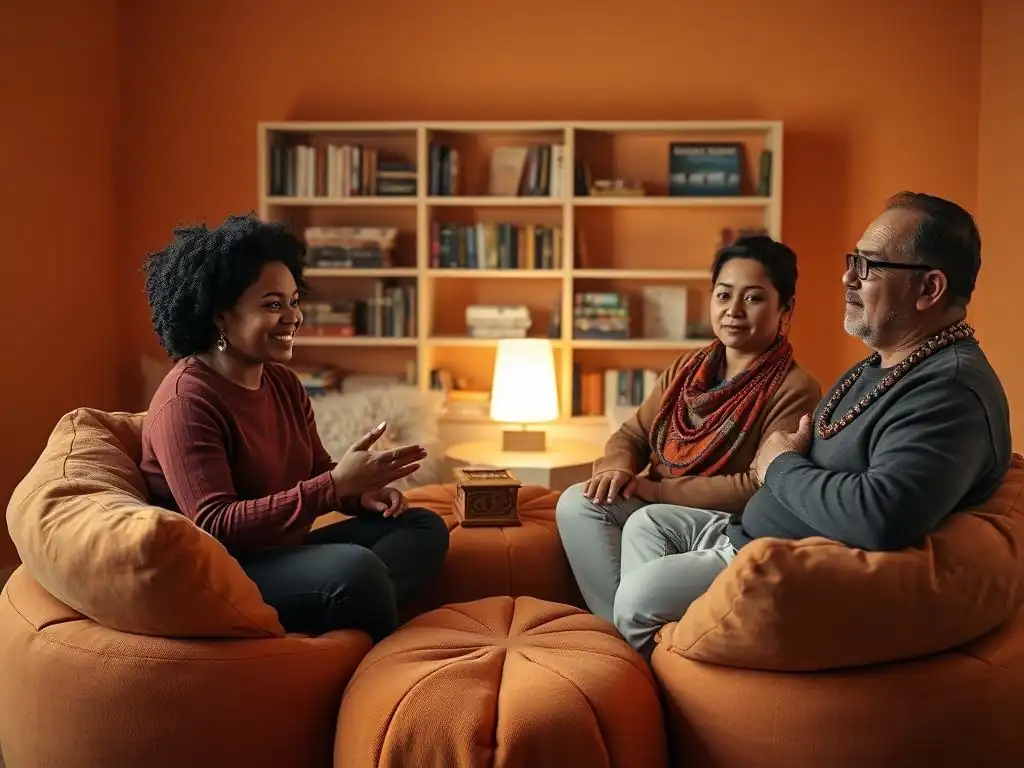
Culturally Adapted Cognitive Behavioral Therapy for Anxiety in Latinx Adults with Disabilities
Case Approximation: Consider a program implemented in a community health clinic serving a predominantly Latinx population, many of whom have co-occurring physical or chronic health conditions leading to disability. The program adapted standard Cognitive Behavioral Therapy (CBT) for anxiety. Recognizing cultural values around family and interdependence, sessions were offered with the option for family members to attend, particularly to support communication and decision-making. The language used in therapy materials was translated into Spanish and reviewed by community members to ensure cultural appropriateness and plain language suitable for varying literacy levels and cognitive abilities.
The adaptation also included incorporating culturally relevant examples and metaphors to explain CBT concepts like thought distortions. Instead of focusing solely on individualistic goal-setting, the program integrated discussions about navigating anxiety within family obligations and community expectations. Preliminary data from a small pilot study involving approximately 30 participants showed a measurable reduction in reported anxiety symptoms (e.g., average scores on a standardized anxiety scale decreased by 15-20%) among participants who completed the adapted therapy, suggesting its potential effectiveness as a form of culturally sensitive disability mental health intervention for this specific population.
Community-Based Mental Health Support for Indigenous Youth with Autism Spectrum Disorder
Case Approximation: In a partnership between a tribal health service and a regional mental health center, a community-based program was developed for Indigenous youth with Autism Spectrum Disorder (ASD) living on or near a reservation. The program recognized that Western diagnostic frameworks for ASD might not fully capture the experiences of these youth and that traditional healing practices were important. Mental health support was integrated with cultural activities led by tribal elders and community members. Therapy sessions, which addressed co-occurring anxiety or depression, were conducted by culturally competent therapists who collaborated closely with the youth's families and the elders.
Support included teaching social skills through culturally relevant games and storytelling, incorporating time in nature as a therapeutic element, and involving families in understanding and supporting the youth's needs within a cultural context. The program prioritized building trust within the community, with services delivered in familiar settings like the community center or participants' homes.
While specific outcome data is often protected for privacy in smaller communities, qualitative feedback from families indicated increased comfort with seeking support and improved communication and well-being for many participating youth, highlighting the power of culturally sensitive disability mental health support delivered within a community framework.
Future Directions
Research on Specific Mental Health Needs
Future efforts in culturally sensitive disability mental health must prioritize targeted research into the specific mental health needs and experiences of diverse minority groups with various types of disabilities. Much existing research aggregates data, potentially masking the distinct challenges faced by specific populations, such as African American adults with intellectual disabilities, Asian American individuals with chronic illnesses causing disability, or LGBTQ+ individuals with disabilities from Latinx backgrounds.
Research should explore prevalence rates of specific conditions, identify unique stressors and protective factors within different cultural and disability contexts, and evaluate the effectiveness of culturally adapted interventions. This requires funding for studies that employ diverse research teams, use culturally appropriate methodologies, and actively involve community members in the research process. Rigorous research is essential to build an evidence base for effective culturally sensitive disability mental health practices.
Policy Recommendations for Equitable Access
Developing and implementing policy recommendations is crucial for ensuring equitable access to culturally sensitive disability mental health care. This includes advocating for policies at the federal, state, and local levels that address systemic barriers such as inadequate funding for community-based services, lack of insurance coverage for culturally specific therapies, and discriminatory practices in healthcare. Policies should mandate cultural competency training for all healthcare providers and promote language access services.
Furthermore, policies should support integrated care models that bring mental health services into settings where minority individuals with disabilities are already accessing care, such as primary care clinics, community centers, or disability service agencies. Policymakers must also be informed by the lived experiences of minority individuals with disabilities and their families to ensure that policies truly meet their needs and promote culturally sensitive disability mental health.
Training and Education for a Diverse Workforce
A critical future direction is the significant expansion and enhancement of training and education programs for mental health professionals to create a diverse workforce skilled in culturally sensitive disability mental health. This involves recruiting more individuals from minority backgrounds and those with lived experience of disability into the mental health field.
Training curricula must be updated to provide in-depth knowledge of cultural humility, intersectionality, disability studies, and culturally adapted therapeutic techniques. This education should be ongoing, providing opportunities for professional development and supervision that address cultural complexities. Investing in training and education is fundamental to building the capacity of the mental health system to provide effective and respectful culturally sensitive disability mental health support to all who need it.
Conclusion: Empowering Individuals Through Culturally Sensitive Care
Frequently Asked Questions
How does cultural background influence the mental health experiences of individuals with disabilities?
Cultural factors significantly impact how disability is perceived, how mental health is understood, and access to appropriate support. Stigma and cultural norms can shape an individual's willingness to seek help.
What are some specific barriers that minority individuals with disabilities face when accessing mental health services?
Minority individuals with disabilities often encounter barriers such as language differences, lack of culturally competent providers, and distrust of the healthcare system due to historical injustices. These factors can significantly hinder access to quality mental health care.
What does "culturally sensitive disability mental health" mean in practice?
Culturally sensitive disability mental health involves tailoring mental health services to respect and incorporate an individual's cultural background, beliefs, and values. This includes using culturally appropriate assessment tools and adapting treatment approaches to meet specific needs.
Where can I find mental health professionals who specialize in serving minority individuals with disabilities?
Resources like the Mind Care Guide, disability advocacy organizations, and community health centers may offer directories of culturally competent mental health providers. Look for professionals with experience in serving diverse populations and understanding disability-related challenges.
What are some strategies for promoting mental well-being within minority communities who also have disabilities?
Promoting mental well-being involves raising awareness about mental health, reducing stigma, and advocating for culturally responsive policies. It also includes empowering individuals to seek support and connect with their cultural communities.
Final Reflection: Weaving a Tapestry of Inclusive Mental Healthcare
The urgent need for culturally sensitive mental health support for minority individuals with disabilities is not merely a statistic; it's a moral imperative. Our exploration of this critical intersection has revealed a stark reality: systemic barriers, cultural misunderstandings, and a lack of accessible resources actively hinder the well-being of a vulnerable population. This isn't just about providing services; it's about fostering genuine understanding and creating equitable access to care that truly meets the unique needs of each individual.
The journey through this article has underscored the profound impact of cultural context on mental health experiences, particularly for individuals with disabilities who often navigate multiple layers of marginalization. The pervasive stigma surrounding both disability and mental illness within many minority communities creates a climate of silence and fear, preventing individuals from seeking help. This silence perpetuates a cycle of suffering that can be broken only through compassionate action and a commitment to dismantling these barriers. The greatest disability in society is the inability to see a person as more than their disability.
This quote resonates deeply, reminding us to approach each individual with empathy and respect, recognizing their inherent worth beyond their challenges.
Now, consider your own role in fostering a more inclusive and equitable mental healthcare system. What steps can you take, in your personal and professional life, to champion culturally sensitive practices? Perhaps it's advocating for better representation in healthcare settings, educating yourself on the unique needs of diverse communities, or simply lending a listening ear to someone who may be struggling. Let this reflection be a catalyst for change, inspiring you to actively contribute to a world where mental health support is accessible, affirming, and truly representative of the rich tapestry of human experience.
Unlock Inclusive Mental Wellness: Your Next Steps
Thanks for taking the time to explore the crucial intersection of disability, diversity, and mental health. You've gained valuable insights into creating a more supportive and culturally sensitive environment. Now, let's put that knowledge into action!
- Prioritize culturally competent support: Research mental health professionals in your area who specialize in working with individuals from your cultural background and/or disability experience. This is your primary step towards accessing the most effective care.
- Share this knowledge: Spread awareness by sharing this article with your network. Help others discover resources and initiate crucial conversations about inclusivity in mental healthcare.
- Engage in community discussion: What unique challenges or solutions have you encountered in accessing culturally sensitive mental health support? Share your experiences and perspectives in the comments below.
Ready to take the next step towards building a more inclusive and supportive mental health community?