
From Data to DeStress: Making Sense of Biofeedback Readings for Anxiety

Welcome to Mind Care Guide, your compassionate companion on the path to mental well-being.
Feeling overwhelmed by anxiety? This is a safe space to explore effective strategies for managing stress. Our featured article, "From Data to DeStress: Making Sense of Biofeedback Readings for Anxiety," delves into the fascinating world of biofeedback anxiety stress reduction. Discover how wearable tech can empower you to understand and control your body's response to stress, and unlock personalized techniques for lasting relief. Ready to take control of your well-being? Let's begin.
From Data to DeStress: Making Sense of Biofeedback Readings for Anxiety
- Understanding Biofeedback for Anxiety and Stress Relief
- Setting Up Your Biofeedback System for Anxiety Reduction
- Interpreting Biofeedback Readings for Stress and Anxiety
- Implementing Stress Reduction Techniques Based on Biofeedback Data
- Troubleshooting Common Biofeedback Issues for Anxiety Management
- Advanced Biofeedback Techniques for Deeper Stress Reduction
- Real-Life Success Stories: Biofeedback Anxiety Stress Reduction in Action
-
Frequently Asked Questions
- What exactly is biofeedback and how does it relate to anxiety and stress reduction?
- How does biofeedback translate data into something useful for reducing anxiety?
- What types of mental health challenges can benefit from biofeedback anxiety stress reduction techniques?
- How long does it typically take to see results with biofeedback for anxiety?
- Where can I find qualified professionals who offer biofeedback anxiety stress reduction services?
- Final Reflection: Unlocking the Power Within: Biofeedback for Anxiety Relief
- Unlock Your Inner Calm: Take Control of Your Anxiety
Understanding Biofeedback for Anxiety and Stress Relief
What is Biofeedback and How Does it Reduce Anxiety?
Biofeedback is a mind-body technique that teaches individuals to gain voluntary control over physiological processes that are typically involuntary, such as heart rate, muscle tension, and skin temperature. It involves using electronic sensors to measure these bodily signals and providing real-time information (feedback) about them to the user, often through visual displays, auditory tones, or tactile sensations. By observing these objective readings, individuals learn to recognize how their thoughts, feelings, and behaviors affect their physical state and, crucially, how to modify those states.
The core mechanism by which biofeedback aids in stress reduction and anxiety management lies in this process of self-awareness and learned control. When someone experiences anxiety, their sympathetic nervous system often goes into overdrive, triggering responses like increased heart rate, rapid breathing, and muscle tightening – the "fight or flight" response. Biofeedback provides a mirror to these internal reactions.
For instance, seeing your heart rate spike on a screen as you think about a stressful situation allows you to immediately link the mental state to the physical one. Through practice with relaxation techniques like deep breathing or guided imagery while receiving this real-time feedback, you learn to consciously influence your physiological signals, shifting the balance towards the parasympathetic nervous system's calming effects. Studies have shown that consistent biofeedback practice can lead to a measurable decrease in markers of sympathetic arousal, contributing to significant biofeedback anxiety stress reduction.
The Science Behind Biofeedback: Monitoring Your Body's Response to Stress
The scientific basis of biofeedback is rooted in psychophysiology – the study of the interaction between mind and body. Stress and anxiety manifest physically through the autonomic nervous system (ANS), which regulates involuntary bodily functions. The sympathetic branch of the ANS prepares the body for action (increasing heart rate, blood pressure, muscle tension), while the parasympathetic branch promotes rest and digestion (slowing heart rate, relaxing muscles).
In anxiety, the sympathetic branch is often overactive. Biofeedback utilizes sensors to measure proxies for this ANS activity. Electromyography (EMG) measures muscle tension, galvanic skin response (GSR) or skin conductance measures sweat gland activity (a direct sympathetic response), electroencephalography (EEG) measures brainwave patterns associated with different states of arousal, and heart rate variability (HRV) analysis assesses the balance between sympathetic and parasympathetic influence on the heart.
By monitoring these signals, biofeedback provides objective data on your body's real-time stress response. For example, someone with tension headaches might use EMG biofeedback to see the electrical activity (measured in microvolts, µV) in their forehead or neck muscles decrease as they practice relaxation.
Someone experiencing panic might observe their skin conductance (measured in microsiemens, µS) spike and learn to lower it through controlled breathing, demonstrating the direct physiological impact of the technique. Research indicates that biofeedback training can lead to lasting changes in physiological reactivity, helping individuals maintain a more balanced ANS state even when faced with stressors, thereby enhancing biofeedback anxiety stress reduction capabilities.
Benefits of Biofeedback for Stress Reduction and Anxiety Management
Biofeedback offers several compelling benefits for individuals seeking to manage stress and anxiety. Firstly, it is a non-invasive approach that does not involve medication, making it an attractive option for those looking for drug-free alternatives or complementary therapies. Secondly, it empowers individuals by teaching them self-regulation skills. Instead of relying solely on external interventions, users learn to recognize their own physiological signals and actively participate in managing their stress responses. This can lead to increased self-efficacy and confidence in handling anxiety-provoking situations.
Furthermore, the skills learned through consistent biofeedback practice can become lasting. While initial sessions require the device, the goal is for the individual to internalize the feeling of a relaxed state and be able to achieve it without the feedback over time.
Biofeedback can be particularly effective in identifying specific physiological triggers for anxiety that a person might not be consciously aware of, such as subtle muscle tension or shallow breathing patterns. It has demonstrated effectiveness in reducing symptoms not only of generalized anxiety but also panic disorder, phobias, and stress-related physical conditions like irritable bowel syndrome and hypertension, showcasing its broad utility in biofeedback anxiety stress reduction.
Setting Up Your Biofeedback System for Anxiety Reduction
Choosing the Right Biofeedback Device for Home Use: Muse 2 Headband
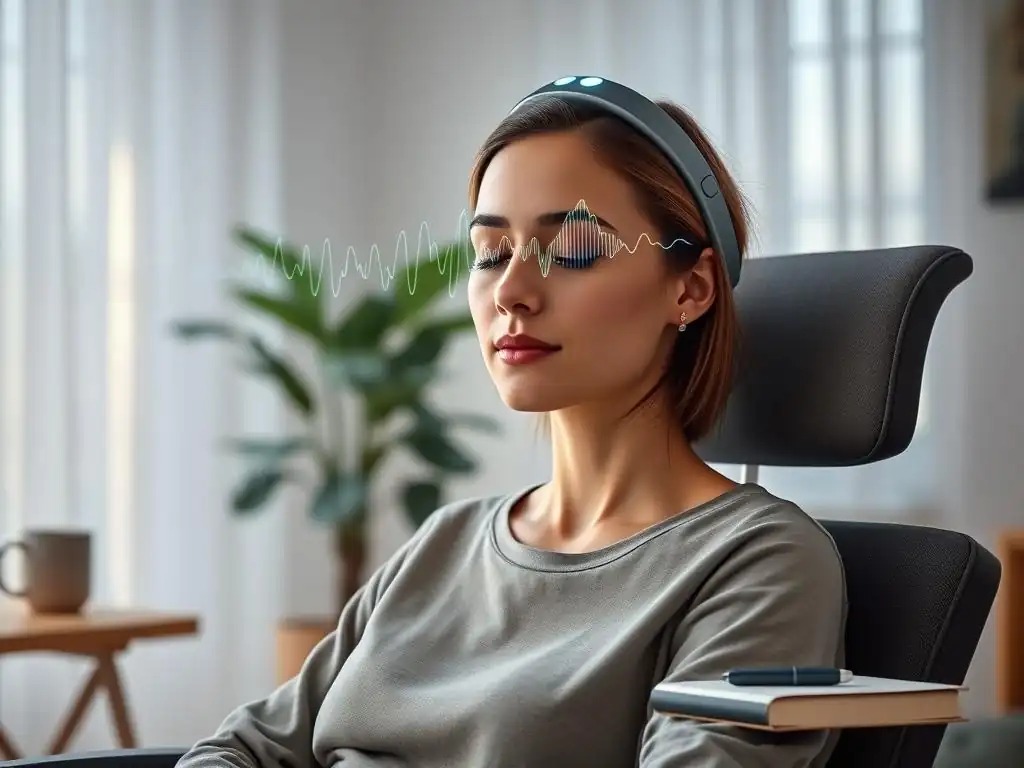
Selecting an appropriate biofeedback device is a crucial first step in leveraging this technology for managing anxiety. For home use, devices often focus on ease of setup and user-friendly interfaces. The Muse 2 Headband is a popular example, primarily designed for meditation and focus training, but highly relevant for anxiety reduction through its brainwave tracking capabilities. It uses EEG sensors placed on the forehead and behind the ears to monitor neural activity and provides real-time auditory feedback during meditation sessions – often translating brainwave states into weather sounds (calm equals peaceful weather, active equals stormy).
- Key Features of Muse 2 for Anxiety:
- Brainwave Tracking: Monitors EEG signals, providing insights into mental states like focus and calm.
- Guided Meditations: Offers a library of guided sessions designed to promote relaxation and mindfulness.
- Real-Time Feedback: Translates brain activity into intuitive soundscapes, helping users learn to quiet their minds.
- Price and Where to Buy: The Muse 2 Headband typically ranges in price from approximately $250 to $300. It is available for purchase online through various retailers and the manufacturer's website (cannot provide links).
- Alternative Options: While Muse 2 focuses on brainwaves, other devices target different signals. The Elite HRV system, for instance, uses a chest strap or finger sensor primarily to provide highly accurate Heart Rate Variability data, which is another key metric for stress and anxiety assessment.
Preparing for Your First Biofeedback Session: Creating a Calm Environment
To maximize the effectiveness of your biofeedback sessions, especially when focusing on biofeedback anxiety stress reduction, preparation is key. The environment where you practice should be conducive to relaxation. Choose a quiet space where you are unlikely to be interrupted by people, pets, or external noise. This helps minimize external stimuli that could interfere with your ability to focus on your internal state and the biofeedback signals.
Ensure you are seated comfortably in a chair that provides good support, or lie down if that is more comfortable for you and appropriate for the device. Loosen any tight clothing that might restrict breathing or blood flow. Turn off your phone or put it on silent mode, and close unnecessary tabs on your computer if using a screen-based system.
The goal is to create a sanctuary where you can dedicate your full attention to the session for the intended duration. A calm baseline physiological state before starting makes it easier for the biofeedback system to accurately track changes and for you to perceive subtle shifts in your body.
Connecting and Calibrating Your Biofeedback Device: A Step-by-Step Guide
Once your environment is set, connecting and calibrating your biofeedback device is the next technical step. While specific instructions vary by device, the general process involves ensuring the device is charged, downloading the associated app or software, and establishing a connection. Most modern home biofeedback devices connect wirelessly via Bluetooth to a smartphone, tablet, or computer.
Follow the device's specific instructions carefully for sensor placement. For example, a Muse headband needs sensors properly positioned on the forehead and behind the ears, while a finger sensor requires firm but comfortable contact on a fingertip, and a chest strap needs to be snug against the skin. Skin should be clean and free of heavy lotions or oils, which can interfere with sensor contact and signal quality. After placement, most apps will guide you through a calibration period, typically lasting a minute or two.
During calibration, the device establishes a baseline reading of your current physiological state. This baseline is essential because biofeedback focuses on changes relative to your starting point, allowing you to see how your physiological signals shift as you apply relaxation techniques. Ensuring a good connection and proper calibration is vital for accurate readings and effective biofeedback anxiety stress reduction training.
Interpreting Biofeedback Readings for Stress and Anxiety
Understanding Heart Rate Variability (HRV) and Its Relation to Stress
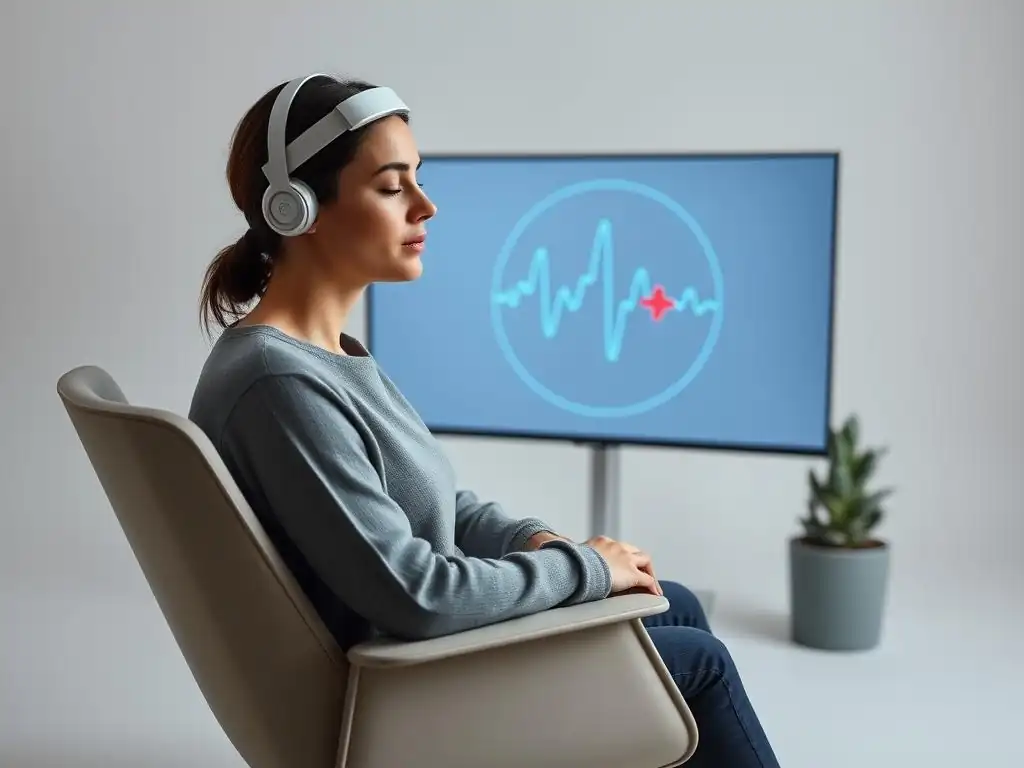
Heart Rate Variability (HRV) is a powerful biofeedback metric often used in biofeedback anxiety stress reduction. Contrary to what the name might suggest, it's not about how much your heart rate changes over time in a simple up-and-down pattern. Instead, HRV measures the variation in the time intervals between consecutive heartbeats (R-R intervals).
A common misconception is that a perfectly regular heartbeat is healthy, but in fact, a higher HRV generally indicates a more flexible and resilient autonomic nervous system, better able to adapt to stress. Conversely, low HRV is often associated with chronic stress, anxiety, depression, and an increased risk of various health problems.
- What is HRV? HRV reflects the interplay between the sympathetic (fight or flight) and parasympathetic (rest and digest) branches of the autonomic nervous system. When the parasympathetic system is dominant, it sends signals via the vagus nerve that cause slight, rapid fluctuations in heart rate in sync with breathing, leading to higher HRV. When the sympathetic system is dominant due to stress, it acts like a brake, reducing these fluctuations and leading to lower HRV.
- Ideal HRV Ranges for Anxiety Reduction: There is no single "ideal" HRV number that applies to everyone, as ranges vary significantly based on age, genetics, fitness level, and overall health. However, for a typical adult under 60, an average resting HRV (measured in milliseconds, ms) often falls somewhere between 20 ms and 100+ ms. For the purpose of biofeedback anxiety stress reduction, the focus is less on hitting a specific number and more on improving your own baseline HRV over time and observing how it changes in response to stress and relaxation techniques. Consistently increasing your HRV through biofeedback training indicates a healthier, more resilient stress response system.
- Devices That Track HRV: Many wearable devices now estimate HRV, but for dedicated biofeedback training, chest straps like the Polar H10 Heart Rate Sensor are often preferred for their accuracy in capturing R-R intervals. Finger or earlobe sensors are also used in some biofeedback systems. (Cannot provide links).
Deciphering Skin Conductance (GSR) Readings for Anxiety
Skin Conductance, also known as Galvanic Skin Response (GSR) or Electrodermal Activity (EDA), is another sensitive biofeedback measure directly linked to the sympathetic nervous system's activity and commonly used in biofeedback anxiety stress reduction. It measures the electrical conductivity of the skin, which is influenced by the amount of sweat on the skin's surface. Sweat glands are primarily controlled by the sympathetic nervous system, and even slight increases in arousal or stress can cause a measurable increase in sweat production, even if it's not visible perspiration.
- What is GSR? GSR biofeedback uses electrodes placed on the skin, typically on the fingers or palm, to detect minute changes in conductivity. These changes reflect the activity of the eccrine sweat glands, making GSR a reliable indicator of physiological arousal and emotional state. It's often used to monitor responses to specific thoughts, images, or situations during therapy or training sessions.
- High GSR vs. Low GSR: What Does it Mean?: A high GSR reading (measured in microsiemens, µS) indicates increased sweat gland activity, which correlates with higher sympathetic arousal, stress, anxiety, fear, or excitement. A low GSR reading suggests lower sweat gland activity, indicating a more relaxed or calm state. Users learning biofeedback for anxiety use GSR feedback to see how their emotional or mental state directly impacts their physical arousal level and practice techniques to lower their conductance readings.
- Devices That Track GSR: Dedicated biofeedback systems often include GSR sensors. Some research-grade or clinical wearables also track EDA/GSR, such as the Empatica E4 wristband, known for its use in research settings. (Cannot provide links).
Analyzing Brainwave Patterns with Biofeedback: Alpha, Beta, Theta Waves
Brainwave biofeedback, or neurofeedback, focuses on training specific patterns of electrical activity in the brain, measured using electroencephalography (EEG). Different mental states are associated with different dominant brainwave frequencies. Understanding these patterns is key to using EEG biofeedback for biofeedback anxiety stress reduction.
- Understanding Different Brainwave Frequencies:
- Beta Waves (13-30 Hz): Associated with alert, active thinking, problem-solving, and concentration. High beta can be linked to anxiety and worry.
- Alpha Waves (8-12 Hz): Associated with relaxed alertness, calm, and mindfulness. Often present when resting with eyes closed or during light meditation.
- Theta Waves (4-7 Hz): Associated with deep relaxation, drowsiness, daydreaming, creativity, and the hypnagogic state between waking and sleeping. Can be prominent during deep meditation.
- Delta Waves (0.5-4 Hz): Associated with deep, restorative sleep.
- Using Biofeedback to Promote Alpha and Theta Waves for Relaxation: In biofeedback for anxiety, the goal is often to learn to increase the power or amplitude of Alpha and sometimes Theta waves, while potentially decreasing high Beta activity. By receiving real-time feedback (e.g., auditory tones or visual displays that change based on brainwave activity), users learn what it feels like mentally to produce more of the desired brainwave patterns associated with calm and reduced anxiety. This training helps individuals consciously shift their brain state towards relaxation.
- Devices That Track Brainwave Patterns: EEG biofeedback requires specialized sensors, often in the form of headbands or caps. Devices like the Muse 2 (mentioned earlier) track specific EEG sites for meditation training. More advanced or research-oriented systems like OpenBCI offer flexible platforms for multi-channel EEG recording. (Cannot provide links).
Implementing Stress Reduction Techniques Based on Biofeedback Data
Guided Meditations and Biofeedback: A Powerful Combination
Biofeedback provides a powerful tool to enhance the effectiveness of stress reduction techniques like guided meditation, contributing significantly to biofeedback anxiety stress reduction efforts. While meditation itself is beneficial, biofeedback adds an objective layer of feedback, allowing you to see the physiological impact of your practice in real-time.
- Using Biofeedback to Enhance Meditation Effectiveness: When meditating with biofeedback, you receive immediate data on how your body is responding. For instance, an EEG biofeedback device might give auditory cues indicating when you are entering a more relaxed, alpha wave state, reinforcing the mental effort. An HRV monitor might show your heart rate variability increasing as you settle into a calm state, confirming the meditation is having a physiological effect. This real-time feedback helps users learn exactly what it feels like in their body to be truly relaxed or focused, making future practice more targeted and effective. It can also help identify when the mind is wandering or tension is creeping back in, allowing for immediate correction.
- Recommended Guided Meditation Apps: Many excellent apps offer guided meditations suitable for use alongside biofeedback practice. Popular options include Insight Timer, known for its vast library of free meditations, and the UCLA Mindful Awareness Research Center app, offering research-backed guided practices. (Cannot provide links).
Breathing Exercises and Biofeedback: Controlling Your Autonomic Nervous System
Breathing is one of the most direct ways to influence the autonomic nervous system, and biofeedback can make breathing exercises significantly more impactful for biofeedback anxiety stress reduction. Conscious control over breath rate and depth can stimulate the vagus nerve, promoting parasympathetic activity and counteracting the sympathetic arousal associated with anxiety.
- The Importance of Diaphragmatic Breathing: Shallow, rapid chest breathing is common in anxiety. Diaphragmatic (belly) breathing, on the other hand, involves slow, deep breaths that fully engage the diaphragm. This type of breathing is more efficient and directly stimulates the vagus nerve, sending signals to the brain that promote calm. Aiming for a slow, rhythmic breathing rate, often around 4-6 breaths per minute, is key to maximizing this effect.
- Using Biofeedback to Monitor Breathing Rate and Depth: Some biofeedback systems include dedicated respiration sensors, while others infer breathing patterns from HRV data (respiratory sinus arrhythmia). Biofeedback allows you to see how different breathing patterns affect your heart rate, HRV, or GSR in real-time. You can practice techniques like paced breathing (inhaling for a count, holding briefly, exhaling for a count) and observe your physiological readings improve, reinforcing the correct technique and demonstrating its immediate calming effect. Seeing your HRV increase or GSR decrease as you slow and deepen your breath provides objective proof of the technique's effectiveness.
Progressive Muscle Relaxation (PMR) and Biofeedback: Releasing Tension
Progressive Muscle Relaxation (PMR) is a technique where you systematically tense and then release different muscle groups in the body. This process helps you become more aware of the physical sensation of tension and the feeling of deep relaxation, making it easier to identify and release muscle tightness associated with anxiety. Biofeedback, particularly EMG biofeedback, can significantly enhance PMR training for biofeedback anxiety stress reduction.
- How PMR Works: By deliberately tensing a muscle group (e.g., fists, shoulders, jaw) for a few seconds and then releasing the tension completely, you heighten your awareness of the contrast between tension and relaxation. As you move through different muscle groups, you learn to identify areas where you habitually hold tension and practice releasing it.
- Using Biofeedback to Identify and Release Muscle Tension: EMG biofeedback uses sensors placed on specific muscle groups to measure their electrical activity (in microvolts, µV). During PMR, the EMG display shows the level of tension in the targeted muscles. You can see the reading spike as you tense the muscle and, more importantly, watch it drop as you release, ideally reaching a very low level. This provides objective feedback on how effectively you are relaxing the muscle. For individuals with chronic muscle tension due to anxiety, EMG biofeedback is invaluable for learning to achieve and maintain lower levels of muscle activity, reducing associated discomfort and promoting a state of calm. Even without dedicated EMG, some general biofeedback signals like GSR or heart rate might show correlated changes as overall body tension decreases.
Troubleshooting Common Biofeedback Issues for Anxiety Management
Dealing with Inaccurate Readings: Ensuring Proper Sensor Placement
One of the most common issues users encounter with home biofeedback devices for biofeedback anxiety stress reduction is receiving inaccurate or noisy readings. This can be frustrating and undermine confidence in the technology. The vast majority of these issues stem from improper sensor placement or poor contact with the skin.
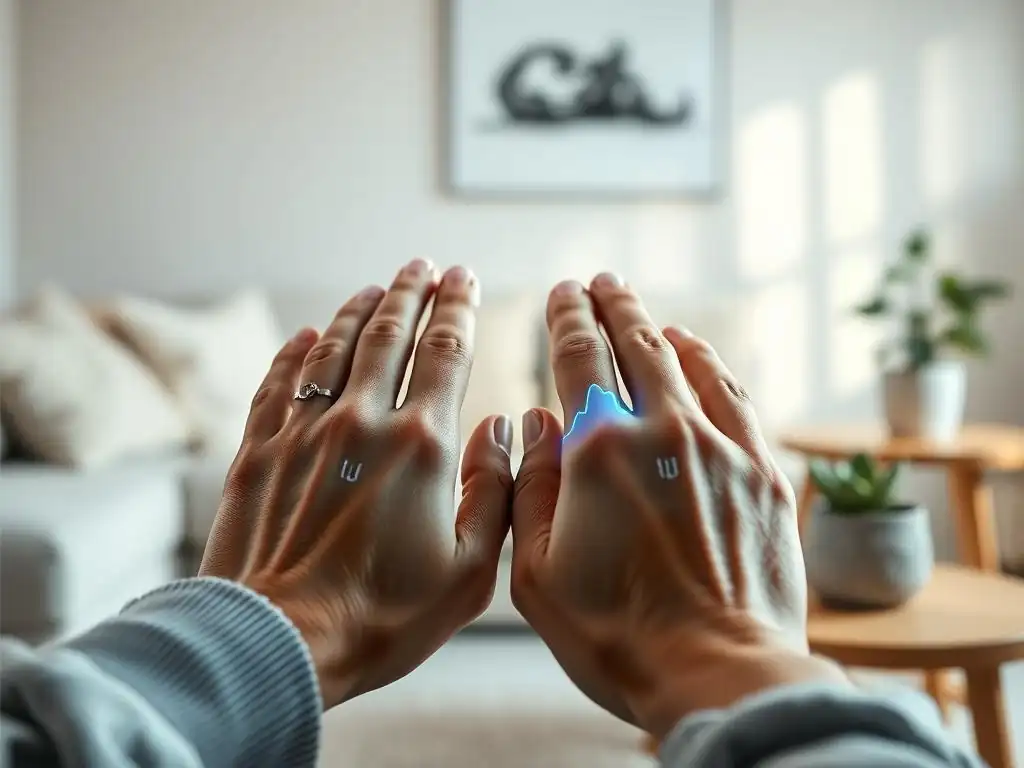
Sensors need a clean, direct connection to the skin to pick up the subtle physiological signals accurately. Ensure the skin area where sensors are placed is clean and dry, free from lotions, oils, or excessive hair, which can create a barrier. Follow the manufacturer's instructions precisely regarding where and how to place the sensors.
For instance, EEG sensors on a headband need to make firm contact with specific points on the scalp or forehead, while finger sensors require consistent pressure. Movement during a session can also create "artifacts" – false signals that look like physiological changes but are just noise from the sensor shifting. Minimizing movement and ensuring sensors are securely but comfortably attached are crucial steps to obtaining reliable data and getting the most out of your biofeedback practice.
Overcoming Initial Resistance: Patience and Persistence are Key
Starting out with biofeedback for biofeedback anxiety stress reduction can sometimes feel challenging, and some users may experience initial resistance or frustration if they don't see immediate dramatic results. It's essential to remember that biofeedback is a skill-building process, much like learning to play a musical instrument or mastering a sport. You are learning to consciously control physiological responses that have been operating automatically for years.
Significant changes in physiological control and anxiety levels typically require consistent practice over time. While some individuals may notice small shifts within a few sessions, noticeable and lasting improvements often take several weeks or even months of regular practice. Don't get discouraged by initial fluctuations in your readings or if you find it difficult to achieve a deeply relaxed state right away. View each session as a learning opportunity. Patience with yourself and persistence in sticking to a regular practice schedule (even just 10-15 minutes daily) are the most important factors in successfully leveraging biofeedback for long-term anxiety relief.
Maintaining Consistent Biofeedback Practice for Long-Term Anxiety Relief
Consistency is paramount for achieving and maintaining long-term benefits from biofeedback anxiety stress reduction training. Sporadic sessions are unlikely to lead to the lasting changes in autonomic nervous system regulation that contribute to reduced anxiety and increased stress resilience. Biofeedback helps you build new neural pathways and physiological habits, and this requires regular reinforcement.
Aim to incorporate biofeedback sessions into your daily or weekly routine, treating it with the same importance as any other health practice like exercise or meditation. Even short, focused sessions can be beneficial. Consistent practice allows you to refine your techniques, become more attuned to your body's signals, and solidify your ability to shift into a calmer state on demand. Over time, you may find you can apply the skills learned during biofeedback sessions in real-life stressful situations, even without the device, demonstrating the powerful impact of maintaining a consistent practice schedule.
Advanced Biofeedback Techniques for Deeper Stress Reduction
Neurofeedback: Training Your Brain for Optimal Performance and Stress Resilience
Neurofeedback, a specific type of biofeedback focused on brainwave activity (EEG), represents an advanced application for deeper stress reduction and improving overall mental resilience. While basic EEG biofeedback might focus on increasing general alpha or theta waves for relaxation, clinical neurofeedback often involves more complex protocols targeting specific brainwave frequencies or ratios in particular brain regions based on a quantitative EEG (qEEG) assessment.
This technique trains individuals to self-regulate specific brainwave patterns associated with different states of mind. For someone struggling with anxiety, a neurofeedback therapist might design a protocol to decrease excessive high beta activity (linked to rumination and worry) while increasing alpha or SMR (Sensorimotor Rhythm, 12-15 Hz, associated with focused calm) in relevant brain areas. The user receives feedback (visual, auditory, or tactile) whenever their brain produces the desired pattern, effectively rewarding the brain for shifting towards a more regulated state.
This process can lead to lasting changes in brain activity, reducing the underlying neurological patterns contributing to chronic anxiety and improving cognitive function and emotional regulation. Research has shown neurofeedback to be beneficial for a range of conditions, including anxiety disorders, ADHD, and sleep problems.
Working with a Biofeedback Therapist: When to Seek Professional Guidance
While home biofeedback devices can be excellent tools for self-exploration and basic skill development, working with a certified biofeedback therapist offers significant advantages, particularly for more complex or severe anxiety, or when home use isn't yielding desired results. A professional therapist has access to clinical-grade equipment that often provides more detailed and accurate data across multiple physiological modalities simultaneously (e.g., tracking HRV, GSR, EMG, and respiration concurrently).
More importantly, a therapist can conduct a comprehensive psychophysiological assessment to identify your specific stress response patterns and triggers. Based on this assessment, they can develop a personalized biofeedback training protocol tailored to your unique needs and symptoms. They provide expert guidance, coaching, and support throughout the training process, helping you troubleshoot difficulties, interpret complex data, and integrate biofeedback practice with other therapeutic approaches like Cognitive Behavioral Therapy (CBT).
Seeking professional help is advisable if your anxiety is severe, significantly impacting your daily life, if you have co-occurring mental health conditions, or if you feel you need more structured and expert support in your biofeedback anxiety stress reduction journey. Look for therapists certified by recognized bodies like the Biofeedback Certification International Alliance (BCIA).
Integrating Biofeedback with Other Mental Wellness Practices: Therapy, Mindfulness, Exercise
Biofeedback is a powerful tool, but its effectiveness is often amplified when integrated into a broader mental wellness strategy. It works synergistically with various other practices, providing an objective lens through which to view their physiological impact and enhancing their benefits for biofeedback anxiety stress reduction.
Combining biofeedback with traditional talk therapy, such as CBT or exposure therapy, can be highly effective. Biofeedback can help individuals identify the physiological reactions associated with anxious thoughts or feared situations in real-time, providing tangible evidence of the mind-body connection discussed in therapy. Integrating biofeedback with mindfulness or meditation allows users to see the direct physiological correlates of being present and non-reactive. For instance, observing a stable HRV or low GSR during mindful awareness reinforces the practice.
Furthermore, regular physical exercise is a well-established stress reducer, known to improve mood, reduce stress hormones like cortisol, and enhance HRV. Using biofeedback to monitor your physiological state before and after exercise can provide concrete data on its calming effects, motivating consistent activity. By combining biofeedback with these other pillars of mental wellness, individuals can build a more robust and comprehensive approach to managing anxiety and stress.
Real-Life Success Stories: Biofeedback Anxiety Stress Reduction in Action
Case Study 1: Overcoming Test Anxiety with Biofeedback
Sarah, a 22-year-old college student, suffered from debilitating test anxiety. Her symptoms included a racing heart, sweating palms, trembling, and her mind going blank the moment she sat down for an exam. Medications sometimes helped but left her feeling foggy. She sought biofeedback training specifically for biofeedback anxiety stress reduction related to academic performance.
Sarah worked with a therapist using a system that monitored her heart rate, HRV, and GSR. During simulated test conditions, her heart rate would jump from a resting 70 bpm to over 110 bpm, her HRV would plummet from 60 ms to 30 ms, and her GSR would spike significantly. The therapist guided her through relaxation techniques, focusing on slow, paced breathing and visualizing calm scenarios while she observed her physiological data on a screen.
Seeing her heart rate slow, HRV increase, and GSR decrease as she successfully applied the techniques provided immediate, objective proof that she could influence her anxiety response. After 10 weekly sessions, Sarah's baseline anxiety symptoms were reduced.
More importantly, during subsequent practice sessions simulating exams, she learned to keep her heart rate below 90 bpm and maintain an HRV above 50 ms consistently. By her next major exam, she felt significantly calmer, experienced fewer physical symptoms, and was able to access the information she had studied, leading to a noticeable improvement in her performance and confidence.
Case Study 2: Managing General Anxiety Disorder with Heart Rate Variability Training
Mark, a 45-year-old accountant, experienced chronic generalized anxiety disorder, characterized by persistent worry, restlessness, and physical tension. His physician suggested exploring non-pharmacological options, and he decided to try using a home biofeedback device focused on Heart Rate Variability (HRV) training as part of his biofeedback anxiety stress reduction plan.
Mark used a chest strap device connected to an app daily for 15-minute training sessions, focusing on paced breathing exercises designed to maximize HRV. Initially, his average resting HRV was around 45 ms, and it would drop significantly during periods of worry.
Through consistent practice, focusing on slow, deep, rhythmic breathing (aiming for 5-6 breaths per minute), he learned to consciously increase his HRV during his training sessions. After two months of daily practice, his average resting HRV had increased to 68 ms.
He also noticed that he was becoming more aware of his internal state throughout the day and could apply the paced breathing technique learned through biofeedback whenever he felt worry starting to escalate, often seeing his HRV metric on his device improve within minutes. This tangible feedback empowered him, leading to a significant reduction in the frequency and intensity of his anxious episodes and a greater sense of control over his physiological reactions to stress.
Maria, a 60-year-old retired teacher, suffered from chronic lower back pain that led to significant anxiety. She was constantly tense, anticipating pain with movement, which exacerbated her discomfort and limited her activity. She explored biofeedback, specifically GSR (Skin Conductance) and potentially EMG, as a method for biofeedback anxiety stress reduction linked to her pain.
Maria worked with a therapist who used GSR sensors on her fingers and EMG sensors on her lower back muscles. She observed that her GSR readings would spike (e.g., from a baseline of 2 µS to 6 µS) whenever she anticipated moving or experienced a flare-up of pain, even before the pain itself intensified. The EMG also showed increased tension in her back muscles.
The therapist guided her through Progressive Muscle Relaxation (PMR) and guided imagery focused on releasing tension and promoting calm, while Maria watched her GSR and EMG readings in real-time. Seeing her GSR drop and muscle activity decrease as she relaxed provided objective proof that her anxiety and tension were measurable and controllable. Over several weeks of training, Maria learned to differentiate between the actual pain sensation and the anxiety/tension response to it.
She became skilled at using relaxation techniques to lower her GSR and muscle tension, even when pain was present. This reduced her overall anxiety surrounding her pain, allowing her to engage in gentle exercise and activities she had previously avoided, improving her quality of life through effective biofeedback anxiety stress reduction.
Frequently Asked Questions
What exactly is biofeedback and how does it relate to anxiety and stress reduction?
Biofeedback is a technique where you learn to control your body's physiological responses, such as heart rate and muscle tension, using real-time data. This awareness helps you manage anxiety and stress by consciously influencing these responses.
How does biofeedback translate data into something useful for reducing anxiety?
Biofeedback devices measure things like skin conductance and heart rate variability. This data provides immediate feedback, allowing you to identify stressors and learn techniques to regulate your body's response, thus decreasing anxiety.
What types of mental health challenges can benefit from biofeedback anxiety stress reduction techniques?
While primarily used for anxiety and stress, biofeedback can also be helpful for conditions like chronic pain, tension headaches, and even some sleep disorders that are exacerbated by stress.
How long does it typically take to see results with biofeedback for anxiety?
Results vary, but many individuals experience noticeable improvements in anxiety levels and stress management within a few weeks of regular biofeedback sessions and consistent practice of learned techniques.
Where can I find qualified professionals who offer biofeedback anxiety stress reduction services?
You can search online directories of licensed therapists or psychologists who specialize in biofeedback. Also, ask your doctor for referrals to certified biofeedback practitioners in your area.
Final Reflection: Unlocking the Power Within: Biofeedback for Anxiety Relief
The ability to understand and manage our own physiological responses to stress is no longer a futuristic fantasy; it's a readily accessible tool for a healthier, more balanced life. The information presented in this article – exploring the practical applications of biofeedback in anxiety reduction – highlights a crucial shift in how we approach mental wellness. We are moving beyond passive coping mechanisms and embracing proactive strategies that empower individuals to take control of their own well-being.
The journey of understanding my own body's signals through biofeedback has been profoundly transformative. It's not just about lowering heart rate or reducing muscle tension; it's about cultivating a deeper awareness of the mind-body connection. This awareness fosters a sense of agency, allowing us to interrupt the cycle of anxiety before it spirals out of control. As the renowned psychologist Jon Kabat-Zinn stated, You can't stop the waves, but you can learn to surf.
Biofeedback provides the board and the lessons to navigate the turbulent waters of anxiety.
Now, it's your turn. Consider how you might integrate the principles of biofeedback into your daily life. Perhaps it's exploring a guided meditation app that incorporates biofeedback elements, or seeking out a qualified practitioner for personalized sessions. The path to stress reduction is unique to each individual, but the empowering potential of understanding your body's signals is universal. Embrace this knowledge, and embark on your journey towards a calmer, more resilient you.
Unlock Your Inner Calm: Take Control of Your Anxiety
Thanks for taking the time to learn about using biofeedback to manage anxiety! We hope you found practical strategies to better understand your body's signals. Now, it's time to put that knowledge into action. Ready to feel more in control?
- Start your personalized biofeedback practice: Begin by tracking your baseline readings for a week, focusing on your breath and heart rate. Even five minutes a day can make a difference.
- Share your experience: Discuss your initial findings with friends, family, or a support group. Sharing your journey can be incredibly empowering!
- Explore deeper techniques: Research different biofeedback methods and see what resonates most with you. Consider trying guided meditations alongside your biofeedback sessions.
What surprising discovery did you make about your body's response to stress, and how will you incorporate this new awareness into your daily life?