
From Tea to Tincture: Choosing the Safest Form of Herbal Stress Relief

Welcome to Mind Care Guide, a space dedicated to nurturing your mental well-being.
Feeling overwhelmed and searching for natural ways to find calm? You're not alone. In this article, we delve into a popular option: Herbal stress relief tinctures. But are they right for you? And more importantly, are they safe? Join us as we explore the nuances of herbal tinctures, helping you make informed choices on your journey to a more peaceful state of mind. Let's uncover the truth together...
From Tea to Tincture: Choosing the Safest Herbal Stress Relief
- Understanding Herbal Stress Relief Options: Tea vs. Tincture
-
Herbal Tea for Stress Relief: A Gentle Approach
- Benefits of Herbal Teas for Anxiety and Stress Reduction
- Popular Stress-Relieving Herbal Teas: Chamomile, Lavender, and Passionflower
- Brewing the Perfect Cup: Maximizing the Benefits of Herbal Tea
- Potential Risks and Side Effects of Herbal Teas: Allergies and Interactions
- Chamomile Tea for Sleep: A Gentle Evening Ritual
-
Herbal Tinctures for Stress: Concentrated Power, Increased Risk?
- What are Herbal Tinctures and How are They Made?
- The Potency of Tinctures: Benefits of Concentrated Herbal Extracts
- Common Herbal Tinctures for Stress: Valerian Root, Ashwagandha, and Lemon Balm
- Dosage and Administration of Herbal Tinctures: Finding the Right Balance
- Ashwagandha Tincture for Anxiety: Benefits and Safety Concerns
- Herbal Stress Relief Tincture Safety: Key Considerations and Potential Dangers
- Comparing Tea and Tincture: Which is the Safer Option for Stress Relief?
- Minimizing Risks and Maximizing Benefits: Safe Herbal Stress Relief Practices
- Alternatives to Tea and Tinctures: Exploring Other Herbal Stress Relief Options
- Conclusion: Making an Informed Decision About Herbal Stress Relief
-
Frequently Asked Questions
- What are the potential benefits of using herbal stress relief tinctures compared to herbal teas?
- Are herbal stress relief tinctures safe for everyone to use?
- What are some key factors to consider when assessing the safety of an herbal stress relief tincture?
- How can I ensure I'm using an herbal stress relief tincture safely?
- What are some potential side effects or interactions I should be aware of when using herbal stress relief tinctures?
- Final Reflection: The Enduring Power of Plants in a Stressed World
- Unleash Your Inner Calm: Take Control of Your Stress Today!
Understanding Herbal Stress Relief Options: Tea vs. Tincture
The Popularity of Herbal Remedies for Stress Management
In recent years, there has been a significant resurgence in the use of herbal remedies for managing stress and anxiety. This trend reflects a growing desire among individuals to explore natural approaches to well-being, often seeking alternatives or complements to conventional treatments. Data suggests that a substantial percentage of the population in Western countries, possibly nearing 40-50% according to some surveys on complementary and alternative medicine use, incorporate herbal products into their health routines, with stress and sleep issues being common targets. This widespread adoption highlights the perceived accessibility and gentleness of many herbal options.
The appeal lies not only in the historical use of these plants across various cultures for centuries but also in the belief that they offer a more holistic path to calming the nervous system. Websites and social media platforms are filled with testimonials and information about herbs like chamomile, lavender, and valerian, further fueling interest. While this popularity underscores a genuine need for effective stress management tools, it also necessitates a closer look at the safety and efficacy of different herbal preparations, especially when considering concentrated forms like tinctures or the specifics of herbal stress relief tincture safety.
Why Choose Herbal Stress Relief? Benefits and Considerations
Choosing herbal stress relief often stems from a desire for fewer side effects compared to some pharmaceutical options. Many herbs are perceived as having a milder impact on the body, making them attractive for long-term use or for individuals sensitive to conventional medications. For instance, a simple cup of chamomile tea is widely regarded as gentle and unlikely to cause significant adverse reactions for most people, unlike some prescription anti-anxiety medications that may have sedative effects or withdrawal symptoms.
However, it's crucial to approach herbal remedies with informed caution. While generally considered safe, herbs are potent biochemical compounds that can interact with medications, cause allergic reactions, or have contraindications for certain health conditions. For example, St. John's Wort, sometimes used for mood support (though less commonly for acute stress relief), is notorious for interacting with a wide range of medications, including antidepressants and birth control pills. Therefore, while the benefits of a natural approach are appealing, understanding the potential risks and considering factors like dosage, quality, and individual health status is paramount for safe herbal stress relief.
Herbal Tea for Stress Relief: A Gentle Approach
Benefits of Herbal Teas for Anxiety and Stress Reduction
Herbal teas offer a multi-sensory approach to stress reduction, combining the calming ritual of brewing and sipping with the therapeutic properties of the herbs themselves. The warmth of the tea can be soothing, and the act of taking a moment to prepare and consume it provides a pause in a busy day. Beyond the ritual, specific compounds in herbs like L-theanine in green tea (though often consumed as a regular tea, it's worth noting for its calming effect) or apigenin in chamomile have been studied for their potential anxiolytic effects.
For instance, a study involving participants consuming chamomile extract (similar to tea's compounds) showed some reduction in moderate-to-severe generalized anxiety disorder symptoms compared to placebo, suggesting a tangible benefit beyond just the comforting ritual. The relatively low concentration of active compounds in a standard cup of tea makes it a gentle option, less likely to cause overwhelming side effects compared to more concentrated forms. This gentleness is a primary reason many individuals turn to teas as a first step in exploring herbal stress relief.
Popular Stress-Relieving Herbal Teas: Chamomile, Lavender, and Passionflower
Several herbs have gained popularity specifically for their calming and stress-reducing properties when consumed as tea. Chamomile ( Matricaria recutita) is perhaps the most well-known, widely used for its mild sedative and muscle-relaxant effects, often recommended for promoting relaxation and sleep. Lavender ( Lavandula angustifolia), while frequently used in aromatherapy, can also be brewed as a tea, offering its signature calming aroma and potential effects on the nervous system.
Passionflower ( Passiflora incarnata) is another herb frequently brewed into tea for its calming properties, historically used for anxiety and insomnia. Research, including some preliminary studies, suggests that passionflower may help alleviate anxiety symptoms, possibly by influencing GABA levels in the brain, similar to some anti-anxiety medications, but in a milder way. These examples highlight the diverse range of herbs available in tea form, each offering a unique profile of potential benefits for managing stress and anxiety.
Brewing the Perfect Cup: Maximizing the Benefits of Herbal Tea
To maximize the therapeutic benefits of herbal tea for stress relief, proper preparation is key. Unlike black or green teas, which are often steeped for shorter periods, many herbal teas benefit from a longer steeping time to extract the active compounds. Generally, using fresh, filtered water and bringing it to a rolling boil is recommended. The amount of herb used typically ranges from 1-2 teaspoons of dried herb per 8 ounces of water, though this can vary based on the specific herb and desired strength.
Steeping duration is crucial; while delicate flowers like chamomile might need only 5-10 minutes, roots or tougher plant parts used in some calming blends might require 10-15 minutes or even simmering. Covering the cup or pot during steeping helps to keep volatile oils, which contribute to both aroma and therapeutic effect (like those in lavender), from escaping with the steam. Adding a natural sweetener like honey or a slice of lemon can enhance the flavor, making the ritual more enjoyable, but the primary focus should remain on adequate extraction of the beneficial plant compounds.
Potential Risks and Side Effects of Herbal Teas: Allergies and Interactions
While generally considered safe, herbal teas are not without potential risks. Allergies are a significant concern; individuals with allergies to plants in the daisy family (like ragweed, marigolds, and chrysanthemums) may experience allergic reactions to chamomile tea. Symptoms can range from mild itching or rash to more severe responses like anaphylaxis in rare cases. It's important to be aware of cross-reactivity.
Furthermore, even seemingly innocuous teas can interact with medications. For example, peppermint tea, while great for digestion, can worsen GERD symptoms in some individuals. Certain herbs, like those containing coumarin compounds (found in high amounts in some types of cinnamon tea, though less common for stress relief), could theoretically interact with blood-thinning medications. While the risk of significant interactions is lower with teas due to lower concentrations compared to tinctures or capsules, it's still prudent for individuals taking prescription medications or with underlying health conditions to consult a healthcare provider before regularly incorporating new herbal teas into their routine.
Chamomile Tea for Sleep: A Gentle Evening Ritual
Chamomile tea is particularly renowned for its use as a gentle aid for sleep, making it an excellent component of an evening stress relief ritual. Its mild sedative properties are attributed primarily to the flavonoid apigenin, which is thought to bind to benzodiazepine receptors in the brain, promoting relaxation. While not a strong soporific, a warm cup of chamomile tea consumed 30-60 minutes before bedtime can help calm the nervous system and signal to the body that it's time to wind down.
Many people find the simple act of preparing and slowly sipping chamomile tea in a quiet environment to be inherently calming, helping to break the cycle of anxious thoughts that can interfere with sleep. While clinical studies on chamomile's effects on severe insomnia are mixed, there is evidence suggesting it can improve sleep quality and reduce nighttime awakenings in individuals with mild to moderate sleep disturbances linked to stress. For those seeking a non-pharmacological, gentle way to ease into sleep and manage nighttime stress, chamomile tea remains a popular and accessible option.
Herbal Tinctures for Stress: Concentrated Power, Increased Risk?
What are Herbal Tinctures and How are They Made?
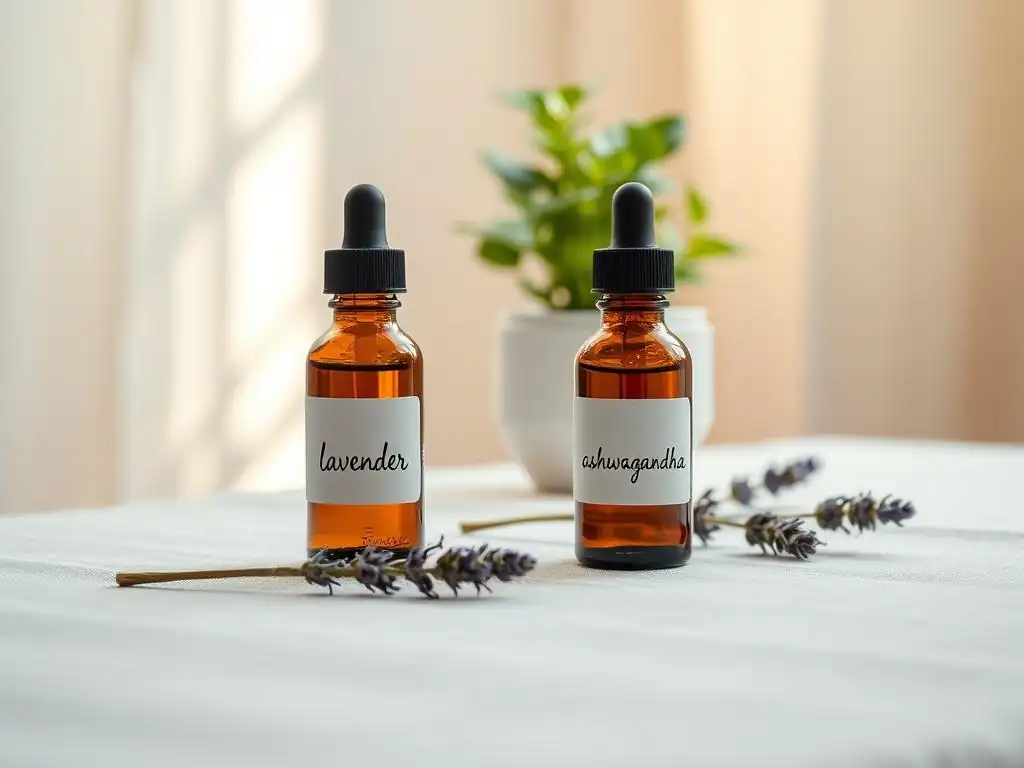
Herbal tinctures are concentrated liquid extracts made by soaking herbs in a solvent, typically alcohol, for several weeks. The alcohol pulls out the active compounds from the plant material, creating a potent liquid. Other solvents like glycerin or vinegar can also be used to make non-alcoholic extracts, but alcohol-based tinctures are the most common due to alcohol's effectiveness in extracting a wide range of plant constituents.
The process usually involves combining dried or fresh herbs with a specific ratio of alcohol and water in a sealed container. This mixture is then left to steep, often shaken periodically, for anywhere from two weeks to several months. After steeping, the liquid is strained to remove the plant material, resulting in a concentrated extract. This concentration means that a small dose of tincture, typically measured in drops or small milliliters, can deliver a much higher level of active compounds than a cup of herbal tea, offering a different approach to herbal stress relief.
The Potency of Tinctures: Benefits of Concentrated Herbal Extracts
The primary advantage of herbal tinctures is their potency and concentration. Because the active compounds are extracted and condensed into a small volume of liquid, tinctures allow for a higher dose of beneficial plant constituents to be delivered in a convenient form. For individuals needing a stronger or faster-acting effect than tea can provide, tinctures can be a more effective option for managing acute stress or more persistent anxiety symptoms.
For example, while a cup of valerian tea might offer mild relaxation, a few drops of valerian tincture under the tongue could potentially provide a more pronounced sedative effect due to the higher concentration of valerenic acids. This potency also means that tinctures can be particularly useful for herbs that are not palatable as tea or where large quantities of tea would be needed to achieve a therapeutic dose. However, this increased potency also brings a greater need for careful dosing and a higher potential for side effects or interactions, emphasizing the importance of herbal stress relief tincture safety.
Common Herbal Tinctures for Stress: Valerian Root, Ashwagandha, and Lemon Balm
Several herbs commonly used for stress and anxiety are available in tincture form, offering their benefits in a concentrated format. Valerian root ( Valeriana officinalis) is a popular choice, known for its sedative properties and often used for insomnia and anxiety. Tinctures of valerian can be quite potent and are typically used in small doses.
Ashwagandha ( Withania somnifera), an adaptogenic herb, is widely used to help the body cope with stress and balance cortisol levels. Ashwagandha tincture allows for convenient dosing of this herb, which can have a somewhat bitter taste when consumed as a powder or tea. Lemon Balm ( Melissa officinalis), known for its calming effects and ability to improve mood and cognitive function, is also frequently prepared as a tincture. These examples illustrate the variety of potent herbal stress relief tincture options available, each with its unique properties and considerations for use and safety.
Dosage and Administration of Herbal Tinctures: Finding the Right Balance
Determining the correct dosage for herbal tinctures is crucial due to their potency. Unlike tea, where overconsumption might just lead to mild discomfort, taking too much tincture can result in significant side effects. Dosages are typically given in drops or milliliters, often ranging from 10-30 drops (approximately 0.5-1.5 ml) taken 1-3 times daily, depending on the specific herb, the concentration of the tincture, and the individual's needs and sensitivity.
Tinctures are often taken by placing the drops directly under the tongue (sublingually) for faster absorption into the bloodstream, or by adding them to a small amount of water or juice. It is vital to follow the dosage instructions provided by the manufacturer or, preferably, by a qualified herbalist or healthcare practitioner. Starting with the lowest effective dose and gradually increasing if needed, while monitoring for effects and side effects, is a recommended approach to ensure safety and find the right balance for effective herbal stress relief.
Ashwagandha Tincture for Anxiety: Benefits and Safety Concerns
Ashwagandha tincture is a popular choice for individuals seeking to manage chronic stress and anxiety due to ashwagandha's adaptogenic properties. Research suggests that ashwagandha can help lower cortisol levels, the body's primary stress hormone, and may improve subjective feelings of stress and anxiety. Studies have shown participants taking ashwagandha extract (often in capsule or powder form, but the compounds are present in tinctures) reporting significant reductions in stress assessment scores, sometimes by 30% or more compared to placebo groups.
However, even with a generally well-tolerated herb like ashwagandha, using a concentrated tincture requires attention to safety. High doses can potentially cause gastrointestinal upset, including nausea and diarrhea. Ashwagandha can also affect thyroid function and blood sugar levels, so individuals with thyroid conditions or diabetes should use it with caution and under medical supervision. While ashwagandha is generally considered safer than some other potent herbs, understanding potential interactions and individual sensitivities is key to safe herbal stress relief tincture use.
Herbal Stress Relief Tincture Safety: Key Considerations and Potential Dangers
Understanding Alcohol Content in Herbal Tinctures: Is It Safe?
A significant safety consideration for most herbal tinctures is their alcohol content. Traditional tinctures are typically made with alcohol concentrations ranging from 25% to 90%, depending on the solubility of the herb's active compounds. While the amount of alcohol consumed in a standard dose (e.g., 1-2 ml) is relatively small, it is not negligible, especially for certain individuals.
For someone taking the maximum recommended dose multiple times a day, the total alcohol intake could accumulate. This poses a risk for individuals who are pregnant, breastfeeding, have a history of alcohol dependence, are taking medications that interact with alcohol, or who must avoid alcohol for religious or personal reasons. While non-alcoholic glycerin or vinegar extracts are available, they may not extract all compounds as effectively as alcohol. Therefore, understanding the alcohol percentage and considering personal circumstances is a critical aspect of herbal stress relief tincture safety.
The Risk of Herb-Drug Interactions with Tinctures: A Crucial Warning
One of the most significant potential dangers associated with herbal tinctures is the risk of interactions with prescription and over-the-counter medications. The concentrated nature of tinctures means that a therapeutic dose of an herb can contain significant levels of bioactive compounds, which can interfere with how the body processes drugs. For example, valerian, often used for stress and sleep, can enhance the effects of sedative medications, including benzodiazepines and alcohol, potentially leading to excessive drowsiness or respiratory depression.
Similarly, herbs that affect liver enzymes (like CYP450 enzymes), which are responsible for metabolizing many drugs, can either increase or decrease the concentration of medications in the bloodstream, altering their effectiveness or increasing the risk of toxicity. This is a complex area, and specific interactions vary widely depending on the herb and the medication. Always disclosing all herbal supplements, including tinctures, to your doctor or pharmacist is a crucial step in ensuring herbal stress relief tincture safety and preventing potentially dangerous interactions.
Heavy Metal Contamination in Herbal Tinctures: Choosing Reputable Brands
Another serious safety concern with herbal tinctures, and herbal products in general, is the potential for contamination with heavy metals like lead, mercury, cadmium, and arsenic. Herbs can absorb these toxic elements from contaminated soil, water, or air where they are grown. Processing methods can also sometimes introduce contaminants. Since tinctures concentrate the plant material, they can also concentrate any heavy metals present.
Consuming products contaminated with heavy metals over time can lead to serious health problems, affecting the nervous system, kidneys, and other organs. For example, a study analyzing various herbal products found detectable levels of heavy metals in a significant percentage of samples, with some exceeding established safety limits. Choosing reputable brands that perform third-party testing for contaminants is absolutely essential for ensuring the safety of herbal stress relief tinctures and minimizing this risk.
Valerian Root Tincture and Liver Health: A Cautionary Tale
While generally considered safe for short-term use, there have been rare reports linking valerian root, particularly in concentrated forms like tinctures or extracts, to liver issues. Although the evidence is not conclusive and causality is debated, some cases of liver injury have been associated with valerian use. This serves as a cautionary tale highlighting that even seemingly benign natural remedies can have potential adverse effects on organs like the liver, especially in susceptible individuals or at high doses.
Factors such as pre-existing liver conditions, concurrent use of other liver-toxic substances (like alcohol or certain medications), and individual metabolic differences may increase the risk. While the vast majority of people use valerian without liver complications, this potential risk underscores the importance of using herbal tinctures responsibly, adhering to recommended dosages, avoiding prolonged high-dose use without supervision, and being aware of any symptoms that might indicate liver distress (e.g., jaundice, dark urine, abdominal pain). Prioritizing herbal stress relief tincture safety means being informed about potential, even rare, adverse effects.
Comparing Tea and Tincture: Which is the Safer Option for Stress Relief?
Safety Profile: Tea vs. Tincture – A Side-by-Side Comparison
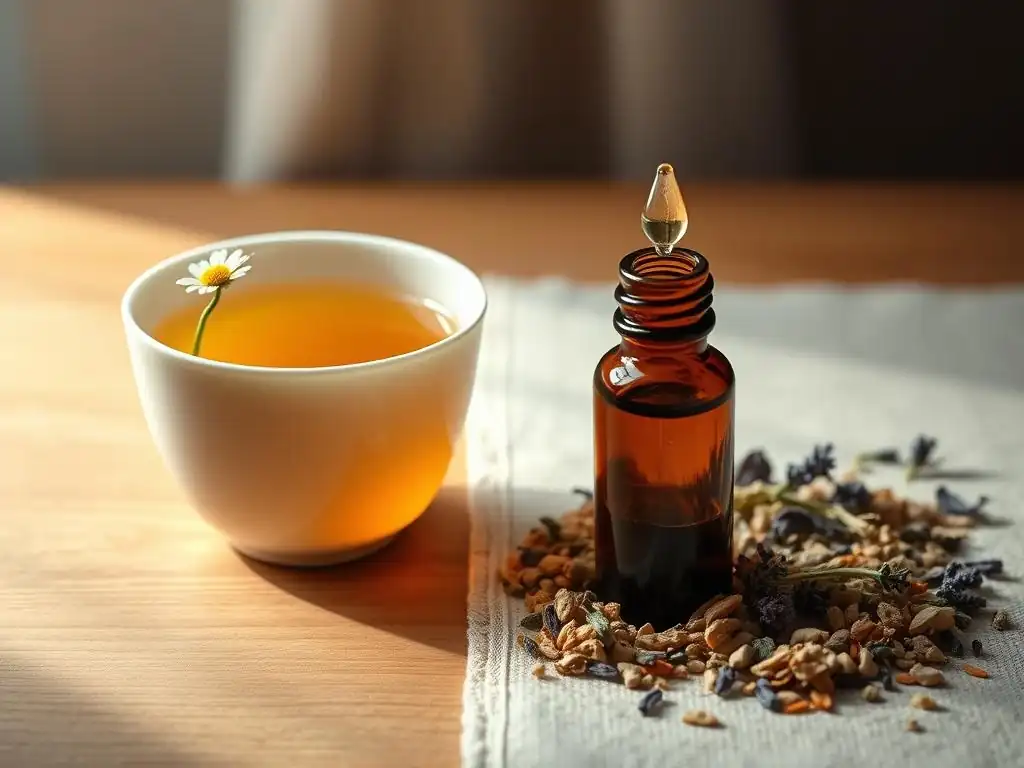
When directly comparing the safety profiles of herbal teas and tinctures for stress relief, teas generally have a lower risk profile. This is primarily due to the significantly lower concentration of active compounds in a standard serving of tea compared to a dose of tincture. The risk of adverse side effects, herb-drug interactions, and toxicity is typically much lower with teas. For instance, while excessive consumption of valerian tea might cause mild drowsiness, an overdose of valerian tincture could potentially lead to more severe sedation or other systemic effects.
However, teas still carry risks like allergies and potential, albeit less potent, interactions. Tinctures, on the other hand, introduce concerns related to alcohol content, higher risk of interactions due to concentration, and the potential for concentrating contaminants. Therefore, for most individuals starting out with herbal remedies or those with health sensitivities, tea represents a gentler and generally safer option. Achieving herbal stress relief tincture safety requires more careful consideration of dosage, potential interactions, and product quality.
Effectiveness: Tea vs. Tincture – Which Provides Faster Relief?
In terms of speed and intensity of effect, tinctures often provide faster and potentially more potent relief compared to teas. When a tincture is administered sublingually (under the tongue), the active compounds can be absorbed directly into the bloodstream, bypassing the digestive system to some extent. This can lead to a quicker onset of effects, sometimes within 15-30 minutes. The higher concentration of herbs in a tincture also means that a therapeutic dose can deliver a more significant amount of beneficial compounds than the amount extracted into a cup of tea.
Tea, while calming, typically has a slower onset of action as the compounds must be absorbed through the digestive tract. The effects may be milder and more gradual. For managing acute, sudden onset stress or anxiety, a rapidly absorbed tincture might be preferred for quicker relief.
However, for general relaxation, daily stress management, or as part of a calming ritual, tea is often sufficient and preferred for its gentleness. The "better" option depends on whether the user prioritizes speed and intensity of effect (potentially favoring tincture, with careful attention to herbal stress relief tincture safety) or gentleness and ritual (favoring tea).
Cost-Effectiveness: Tea vs. Tincture – A Budget-Friendly Approach to Stress Relief
When considering cost-effectiveness, herbal teas generally tend to be a more budget-friendly option for stress relief compared to tinctures. A box of tea bags or a package of loose leaf herbs can often provide dozens of servings for a relatively low price. For example, a box of 20 chamomile tea bags might cost around $4-$6, yielding 20 cups.
Herbal tinctures, due to the extraction process, higher concentration, and often smaller bottle sizes, typically have a higher upfront cost. A small bottle (e.g., 1-2 ounces) of a high-quality herbal tincture might range from $10 to $30 or more. While a bottle contains many doses (perhaps 30-60 doses depending on dosage), the per-serving cost can sometimes be comparable or slightly higher than tea, especially if larger doses are needed.
However, for some potent herbs where only a few drops are needed, the cost per dose of a tincture might be low. Overall, for general, daily use, tea is often the more economical choice for accessible herbal stress relief.
Ease of Use: Tea vs. Tincture – Which is More Convenient for Daily Use?
Both herbal teas and tinctures offer convenience, but in different ways, making the "easier" option dependent on lifestyle. Brewing tea requires access to hot water and a few minutes for steeping, which can be a pleasant ritual but less convenient when on the go. It's ideal for relaxing at home or during a break.
Tinctures offer portability and speed. A small bottle can be carried easily, and a dose can be taken quickly and discreetly, simply by placing drops under the tongue or adding them to a water bottle. This makes tinctures very convenient for managing stress during the workday, while traveling, or in situations where brewing tea is not feasible. However, the precise measurement of drops can sometimes be less straightforward than using a tea bag. So, while tea offers a calming ritual, tinctures provide portability and rapid administration, each having its own appeal for daily herbal stress relief.
Minimizing Risks and Maximizing Benefits: Safe Herbal Stress Relief Practices
Choosing High-Quality Herbal Products: Third-Party Testing and Certifications
Ensuring the safety and effectiveness of herbal stress relief products, particularly tinctures, starts with choosing high-quality brands. Look for manufacturers that are transparent about their sourcing and manufacturing processes. A key indicator of quality and safety is third-party testing. Reputable companies will have their products tested by independent laboratories to verify potency (that the product contains the advertised amount of the herb's active compounds) and purity (checking for contaminants like heavy metals, pesticides, and microbes).
Certifications from organizations that set quality standards for dietary supplements, such as NSF International, USP (United States Pharmacopeia), or GMP (Good Manufacturing Practices) certified facilities, can provide further assurance. While these certifications don't guarantee effectiveness, they indicate that the product is manufactured under strict quality controls, which is essential for minimizing risks like contamination. Prioritizing products that demonstrate this commitment to quality is vital for safe herbal stress relief tincture use.
Consulting with a Healthcare Professional: Personalized Advice for Herbal Remedies
Before incorporating any new herbal remedy, especially concentrated forms like tinctures, into your stress management routine, consulting with a healthcare professional is highly recommended. This could be a medical doctor, a pharmacist, a registered dietitian with expertise in herbalism, or a certified herbalist. They can provide personalized advice based on your individual health status, existing medical conditions, and any medications you are currently taking.
A healthcare provider can help identify potential herb-drug interactions, advise on appropriate dosages, and determine if an herbal remedy is suitable for your specific type of stress or anxiety. For example, someone with a history of liver issues should discuss the use of valerian tincture very carefully. While herbal remedies can be beneficial, they are not a substitute for professional medical advice, particularly for significant stress or anxiety that impacts daily life. Seeking expert guidance is a cornerstone of safe and effective herbal stress relief.
Starting with Low Doses and Gradually Increasing: Finding Your Optimal Dosage
A fundamental principle of safe herbal stress relief, particularly when using potent forms like tinctures or new herbs, is to start with the lowest recommended dose and gradually increase it as needed. This allows you to assess your individual response to the herb and minimize the risk of side effects. Every person's body chemistry is different, and what works well for one person at a certain dose might be too much or too little for another.
For tinctures, this might mean starting with just 5-10 drops rather than the full 30-drop dose listed on the bottle, and observing how you feel over a few days. If the desired effect is not achieved and no adverse effects are noted, the dose can be slowly increased according to product instructions or professional guidance. This cautious approach helps in finding the optimal dosage that provides effective stress relief with the fewest potential side effects, significantly contributing to overall herbal stress relief tincture safety.
Third-Party Tested Herbal Tincture: A Safe Choice
Choosing a third-party tested herbal tincture is one of the most proactive steps you can take to ensure safety. As mentioned earlier, independent testing verifies the product's contents and purity, reducing the risk of consuming contaminants or incorrect dosages of active compounds. A tincture that has undergone rigorous testing for heavy metals, pesticides, and microbial contamination provides a higher level of assurance than a product without such verification.
Look for labels or product descriptions that explicitly state the product has been third-party tested and ideally, mention which contaminants were tested for. Some companies may even provide certificates of analysis upon request. While a third-party tested herbal tincture might have a slightly higher cost, the peace of mind and reduced health risks associated with verified quality and purity are invaluable, making it a significantly safer choice for herbal stress relief.
Alternatives to Tea and Tinctures: Exploring Other Herbal Stress Relief Options
Capsules and Tablets: A Convenient and Controlled Dosage
Herbal remedies for stress are also widely available in capsule and tablet form. This format offers several advantages, particularly regarding dosage control and convenience. Capsules and tablets provide a standardized dose of the herbal extract or powder, making it easier to take a precise amount compared to measuring drops of a tincture or estimating the strength of a cup of tea.
They are also highly portable and can be taken quickly with water, making them a convenient option for busy individuals. For herbs with an unpleasant taste or aroma, capsules and tablets mask these sensory qualities. However, absorption might be slower compared to sublingual tinctures, and they may contain fillers or binders in addition to the herb. Nonetheless, for those prioritizing precise dosing and ease of transport, capsules and tablets are a popular and effective alternative for herbal stress relief.
Essential Oils: Aromatherapy for Stress Reduction
Essential oils derived from calming herbs offer a different modality for stress relief through aromatherapy. Oils from lavender, chamomile, bergamot, and ylang-ylang are commonly used. Inhaling the aroma of these oils can directly impact the limbic system in the brain, which is involved in regulating emotions and stress responses. Methods include using diffusers, applying diluted oils to pulse points (with caution), or simply inhaling from the bottle.
While not ingested like teas or tinctures, essential oils are potent and must be used safely. They should generally not be ingested unless under the strict guidance of a qualified professional, and topical application requires dilution with a carrier oil to avoid skin irritation. Aromatherapy provides a non-ingestible path to harnessing the calming properties of herbs, offering a complementary approach to managing stress alongside or instead of teas and tinctures.
Herbal Stress Relief Capsules: A Comprehensive Formula
Many herbal stress relief capsules and tablets contain not just a single herb but a blend of several herbs known for their calming and adaptogenic properties. These comprehensive formulas are designed to offer synergistic effects, addressing different aspects of the stress response. Common ingredients in such blends might include ashwagandha, rhodiola, lemon balm, passionflower, and L-theanine (an amino acid found in tea).
These formulations can be convenient as they combine multiple beneficial ingredients into a single dose. However, it's important to review the specific herbs and their dosages within the blend, as interactions between different herbs are possible, and the appropriate dosage for each individual herb might vary. Choosing a reputable brand with transparent labeling and quality testing is just as important for herbal stress relief capsules as it is for tinctures to ensure both effectiveness and safety.
Conclusion: Making an Informed Decision About Herbal Stress Relief
Prioritizing Safety and Effectiveness in Your Stress Management Journey
Navigating the world of herbal stress relief requires a focus on both safety and effectiveness. While the appeal of natural remedies is strong, it's essential to remember that "natural" does not automatically mean "safe" or "effective" for everyone. Understanding the differences between various forms, like teas and tinctures, and their respective risk profiles is the first step. Teas generally offer a gentler approach with lower risk, while tinctures provide higher potency but come with increased considerations regarding dosage, alcohol content, and interactions, highlighting the importance of herbal stress relief tincture safety.
Making informed choices involves researching specific herbs, selecting high-quality products from reputable manufacturers that perform third-party testing, and being aware of potential side effects and interactions. It also means recognizing that herbal remedies are complementary tools and should not replace conventional medical care for severe or chronic stress and anxiety. Prioritizing safety ensures that your journey towards managing stress with herbs is beneficial rather than detrimental to your well-being.
Choosing the Right Form of Herbal Remedy for Your Individual Needs and Circumstances
Ultimately, the "best" or "safest" form of herbal stress relief – whether tea, tincture, capsule, or aromatherapy – depends on your individual needs, preferences, health status, and lifestyle. If you are new to herbal remedies, have sensitivities, or are looking for a calming ritual, tea might be the most suitable starting point. If you require a more potent effect, need portability, and are comfortable with the considerations of concentration and potential alcohol content, a tincture might be appropriate, provided you prioritize herbal stress relief tincture safety by choosing a quality product and using it responsibly.
Capsules offer a convenient, standardized dose for those who prefer not to brew tea or measure liquids. Aromatherapy provides a non-ingestible option. Consulting with a healthcare professional or a qualified herbalist is invaluable in helping you assess which herbs and which forms are best suited for your specific situation, taking into account potential interactions with medications and any underlying health conditions. By carefully considering these factors, you can make an informed decision and integrate herbal remedies safely and effectively into your personal stress management strategy.
Frequently Asked Questions
What are the potential benefits of using herbal stress relief tinctures compared to herbal teas?
Tinctures offer a more concentrated dose of herbs, potentially leading to faster relief compared to teas. They also often have a longer shelf life and are more portable.
Are herbal stress relief tinctures safe for everyone to use?
No, not everyone can safely use herbal tinctures. Certain medical conditions, medications, and pregnancy can create contraindications. Always consult a healthcare professional first.
What are some key factors to consider when assessing the safety of an herbal stress relief tincture?
Consider the herb's known side effects, the source and quality of the herbs used, and the alcohol content if you have sensitivities. Look for tinctures from reputable manufacturers.
How can I ensure I'm using an herbal stress relief tincture safely?
Start with a low dose to assess your tolerance. Monitor for any adverse reactions. Never exceed the recommended dosage on the product label.
What are some potential side effects or interactions I should be aware of when using herbal stress relief tinctures?
Side effects can vary depending on the herb, but may include drowsiness, digestive upset, or allergic reactions. Interactions with prescription medications are also possible, emphasizing the need for professional guidance.
Final Reflection: The Enduring Power of Plants in a Stressed World
The quest for effective and safe stress relief is more urgent than ever, and the ancient wisdom of herbal remedies offers a compelling path forward. The sheer volume of information—and misinformation—surrounding herbal supplements highlights the critical need for informed choices, particularly when considering potent tinctures. This article aimed to illuminate the complexities of herbal stress relief, emphasizing the importance of understanding the differences between various forms and prioritizing safety.
The journey from teacup to tincture reveals a fascinating evolution in how we interact with plants for healing. The increasing popularity of tinctures reflects a growing desire for concentrated, readily bioavailable remedies, but this convenience must be balanced with a deep understanding of potential risks. The earth provides all we need; we just need to learn how to receive it.
This simple truth underscores the responsibility we bear in harnessing the power of nature responsibly. The potential benefits are immense, but so too are the potential pitfalls if we fail to approach herbal remedies with respect and informed caution.
Now, consider your own relationship with stress. What methods do you currently employ to manage it? Are you aware of the potential benefits and drawbacks of the remedies you use? This article serves as a starting point—a springboard to further exploration and a reminder that informed choices are key to harnessing the power of nature for your well-being. Take the time to research, consult with professionals, and prioritize safety above all else. Your journey towards a calmer, healthier you begins with a single, conscious step.
Unleash Your Inner Calm: Take Control of Your Stress Today!
Thanks for taking the time to explore the world of herbal stress relief with us! We hope you now feel more confident in choosing the best approach for your well-being. Ready to take the next step?
- Begin your personalized herbal journey: Consider which method—tea, tincture, or perhaps even a completely different approach—resonates most with your lifestyle and preferences. Start small, experiment, and find what works best for you.
- Share your experience: Let us know in the comments which method you're choosing and why! Your insight could help others find their path to calmer living.
- Explore further: Dive deeper into specific herbs mentioned in the article; research their individual properties and potential benefits for stress management.
What unique benefits of herbal stress relief are you most excited to experience?