
The Ultimate Sleep Hygiene Checklist for Anxious Minds

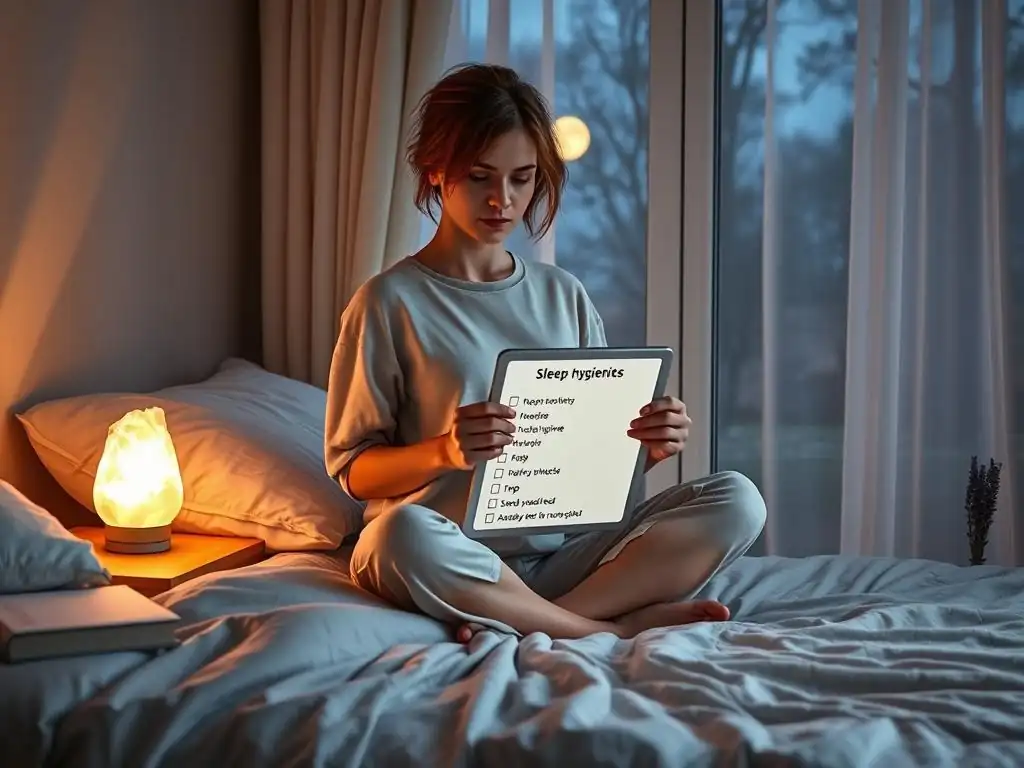
Welcome to Mind Care Guide, a safe space dedicated to nurturing your mental well-being. Are you tired of anxiety stealing your sleep? We understand. That's why we've created the ultimate sleep hygiene checklist for anxious minds. But what if a simple checklist could be the key to unlocking a more peaceful night? Intrigued? Let's explore how to transform your sleep and reclaim your tranquility.
Sleep Hygiene for Anxiety Relief: A Comprehensive Guide
- Understanding Anxiety's Impact on Sleep
- Building Your Personalized Sleep Hygiene Plan
- Sustaining Your Sleep Hygiene for Long-Term Wellbeing
- Resources for Anxiety and Sleep Support
-
Frequently Asked Questions
- How does poor sleep hygiene specifically affect individuals with anxiety?
- What are the key components of a sleep hygiene checklist tailored for anxious minds?
- Why is it important to address caffeine and alcohol consumption in a sleep hygiene checklist for anxiety?
- How can relaxation techniques help improve sleep hygiene for individuals with anxiety?
- Besides the checklist, what other resources does Mind Care Guide offer for managing anxiety and improving sleep?
- Final Reflection: Finding Rest in the Storm of Anxiety
- Unlock Your Best Sleep Yet!
Understanding Anxiety's Impact on Sleep
Anxiety's Disruption of Sleep Architecture
Anxiety is a pervasive mental health challenge that significantly interferes with the natural patterns of sleep. Individuals experiencing anxiety often find themselves in a state of heightened physiological arousal, which makes it difficult to initiate sleep. This manifests as prolonged sleep latency, meaning it takes a considerable amount of time to fall asleep after getting into bed. The anxious mind races with worries and intrusive thoughts, preventing the relaxation necessary for sleep onset.
Beyond the initial difficulty in falling asleep, anxiety also disrupts the architecture of sleep itself. Sleep is composed of cycles of REM (Rapid Eye Movement) and non-REM sleep, which includes light sleep, deep sleep (slow-wave sleep), and REM sleep.
Anxiety tends to increase time spent in lighter stages of sleep and decrease time spent in the restorative stages like deep sleep and REM sleep, which are crucial for cognitive function, emotional regulation, and physical restoration. Studies have indicated that individuals with generalized anxiety disorder often exhibit reduced slow-wave sleep and increased awakenings throughout the night, leading to fragmented and poor-quality rest.
The Feedback Loop: Sleep Loss and Increased Anxiety
A detrimental feedback loop exists between sleep loss and anxiety. When sleep is insufficient or of poor quality, symptoms of anxiety tend to worsen. Sleep deprivation impairs the prefrontal cortex, the part of the brain responsible for rational thinking and regulating the amygdala, which processes fear and emotional responses. With reduced inhibitory control from the prefrontal cortex, the amygdala becomes more reactive, leading to increased feelings of worry, irritability, and difficulty managing stress.
This exacerbation of anxiety symptoms then makes it even harder to achieve restful sleep the following night, perpetuating the cycle. Research consistently shows a strong bidirectional relationship; for instance, people with chronic insomnia are estimated to be up to 10 times more likely to develop an anxiety disorder compared to those without sleep problems. Breaking this cycle requires addressing both the anxiety and the sleep difficulties simultaneously, highlighting the critical role of effective sleep strategies for anxious minds.
Prioritizing Sleep Hygiene for Anxiety Management
Given the profound impact of anxiety on sleep and vice versa, prioritizing sleep hygiene becomes a fundamental component of effective anxiety management. Sleep hygiene refers to a set of practices and habits that are conducive to sleeping well on a regular basis. For anxious minds, these strategies are not merely about improving sleep; they are about building resilience against anxiety symptoms and enhancing overall mental and emotional well-being.
Implementing a structured approach to sleep hygiene provides anxious individuals with tangible steps they can take to regain a sense of control over their sleep and, consequently, their anxiety levels. While sleep hygiene alone may not cure an anxiety disorder, it forms a crucial foundation upon which other therapeutic interventions, such as therapy or medication, can be more effective. Developing a personalized sleep hygiene plan tailored to the unique challenges faced by anxious minds is a powerful step towards breaking the negative sleep-anxiety cycle and fostering lasting peace.
Building Your Personalized Sleep Hygiene Plan
1: Creating a Relaxing Sleep Sanctuary
Your bedroom environment plays a significant role in the quality of your sleep, especially when dealing with an anxious mind. Transforming your bedroom into a dedicated sleep sanctuary signals to your brain that this space is for rest and relaxation, not for work, worry, or entertainment. This involves optimizing several environmental factors to create conditions that are most conducive to falling asleep and staying asleep throughout the night.
Key elements of a sleep sanctuary include controlling temperature, light, and sound. The ideal bedroom temperature for most people falls between 60 and 67 degrees Fahrenheit (approximately 15 to 19 degrees Celsius), as cooler temperatures help lower your body's core temperature, which is a natural part of the sleep process. Darkness is also paramount; even small amounts of light can disrupt melatonin production, the hormone that regulates sleep. Using blackout curtains or eye masks can help ensure complete darkness.
Optimal Bedroom Temperature and Darkness
Maintaining an optimal temperature in your bedroom is crucial for restful sleep. As you prepare for sleep, your body temperature naturally dips, and a cool environment supports this process, making it easier to drift off and remain asleep. A room that is too warm can lead to discomfort, restlessness, and frequent awakenings, all of which are particularly challenging for anxious individuals already prone to interrupted sleep. Aim for a thermostat setting in the recommended range of 60-67°F (15-19°C) to create a comfortable and biologically supportive sleep environment.
Equally important is ensuring your bedroom is as dark as possible. Light exposure, especially before and during sleep, can suppress the release of melatonin, the hormone that signals to your body that it's time to sleep. For anxious minds sensitive to environmental cues, minimizing light is vital. Consider investing in blackout curtains or blinds that effectively block out external light sources like streetlights or early morning sun. If complete darkness isn't achievable or comfortable, an eye mask can be a simple yet effective alternative.
Selecting Supportive Mattress and Pillow
The comfort and support provided by your mattress and pillow are fundamental to achieving quality sleep. An uncomfortable mattress or pillow can lead to physical discomfort, tossing and turning, and even pain, all of which can disrupt sleep and exacerbate anxiety about not getting enough rest. While personal preference plays a role, the goal is to find products that support your body's natural alignment and minimize pressure points.
Investing in a mattress that is neither too soft nor too firm for your preferred sleeping position can make a significant difference. Similarly, the right pillow should support the natural curve of your neck and spine. For instance, side sleepers often benefit from a thicker pillow, while back sleepers may prefer something medium-thickness, and stomach sleepers (though often advised to avoid this position) might need a very thin pillow or none at all. Experimenting to find the right combination can reduce physical distractions and contribute to a more relaxed state conducive to sleep for anxious minds.
Minimizing Noise and Environmental Distractions
Noise is a common culprit for sleep disruption, especially for those with heightened sensitivity due to anxiety. Unexpected or loud noises can easily jolt you awake or prevent you from falling asleep in the first place. Creating a quiet environment is essential for establishing a peaceful sleep sanctuary that supports the anxious mind's need for calm.
Strategies for minimizing noise include using earplugs, which are a simple and effective barrier against external sounds. Alternatively, incorporating white noise, pink noise, or even brown noise can help mask disruptive sounds by creating a consistent, soothing background hum. White noise machines, fans, or even dedicated apps can provide this. Additionally, ensure your bedroom is used primarily for sleep and intimacy; avoid bringing work, screens, or stressful activities into this space to reinforce its association with rest and relaxation.
2: Establishing a Consistent Circadian Rhythm
Your body operates on an internal biological clock called the circadian rhythm, which regulates cycles of sleepiness and wakefulness over approximately 24 hours. Maintaining a consistent schedule is one of the most powerful tools in sleep hygiene, particularly for anxious minds whose internal rhythms can easily be thrown off by worry. A regular sleep-wake schedule helps synchronize your circadian rhythm, making it easier to fall asleep at night and wake up feeling rested in the morning.
Irregular sleep patterns, such as going to bed and waking up at vastly different times each day, can confuse your internal clock. This is akin to giving yourself jet lag repeatedly and can significantly impair sleep quality and worsen anxiety symptoms. Aiming for consistency, even on weekends, helps reinforce the natural sleep-wake cycle and promotes more consolidated, refreshing sleep.
The Significance of Regular Sleep-Wake Times
Adhering to regular sleep-wake times, even when you don't feel tired, is paramount for anchoring your circadian rhythm. Going to bed and waking up around the same time every day, including weekends, trains your body to expect sleep at a predictable hour. This regularity strengthens the natural drive to sleep when bedtime arrives and promotes spontaneous awakening in the morning.
For anxious minds, this predictability can also reduce pre-sleep anxiety related to uncertainty about falling asleep. Knowing you are following a consistent routine provides a sense of structure and control, which can be calming. While it might feel difficult initially, especially after a poor night's sleep, resisting the urge to sleep in significantly or go to bed much earlier than usual helps solidify the rhythm over time.
Strategies for Weekend Sleep Schedule Maintenance
Maintaining consistency on weekends can be challenging, but it's vital for preserving a stable circadian rhythm. While the allure of sleeping in after a busy week is strong, significant deviations from your weekday schedule can disrupt your internal clock, making it harder to fall asleep on Sunday night (often referred to as "Sunday night insomnia") and impacting your energy levels at the start of the week.
A good strategy is to limit the difference between your weekday and weekend sleep-wake times to no more than one hour. For example, if you wake up at 7 AM on weekdays, aim to wake up no later than 8 AM on weekends. If you feel the need for extra rest, a short afternoon nap (20-30 minutes) can be a better alternative than drastically altering your morning wake-up time. This approach helps maintain the integrity of your circadian rhythm while still allowing for a bit of flexibility.
3: Cultivating a Calming Bedtime Routine
Creating a consistent, calming bedtime routine is a powerful signal to your body and mind that it's time to wind down and prepare for sleep. This is especially beneficial for anxious minds, as it provides a buffer zone between the day's stresses and the attempt to sleep. A routine helps lower physiological arousal and shifts your mental state from active problem-solving or worrying to one of relaxation and peace.
The routine should ideally start 30 to 60 minutes before your target bedtime and involve activities that you find relaxing and enjoyable. This might include taking a warm bath, reading a physical book (not on a screen), listening to quiet music, or engaging in gentle stretching. The key is consistency; performing these activities in the same order each night reinforces their association with sleep.
Mindfulness and Meditation Practices
Incorporating mindfulness or meditation into your bedtime routine can be particularly effective for calming an anxious mind before sleep. These practices help train your attention away from worrying thoughts and bring it to the present moment, reducing the mental chatter that often keeps anxious individuals awake. Simple techniques can be incredibly beneficial, even for just a few minutes.
A common practice is a body scan meditation, where you systematically bring awareness to different parts of your body, noticing sensations without judgment. This helps release physical tension, which often accompanies anxiety, and grounds you in the present. Another approach is focusing on your breath, observing the inhale and exhale without trying to change it. These practices can lower heart rate, reduce muscle tension, and quiet the overactive mind, making the transition to sleep smoother.
Gentle Stretching and Yoga for Pre-Sleep Relaxation
Engaging in gentle stretching or restorative yoga poses before bed can help release physical tension accumulated throughout the day, which is often held in the body by anxious individuals. Physical discomfort or tightness can make it difficult to relax into sleep. Simple, slow movements can promote relaxation and improve body awareness.
Poses like Child's Pose, Cat-Cow, or a gentle supine twist can help release tension in the back, shoulders, and hips. Avoid vigorous or stimulating exercises close to bedtime. The goal is to soothe the nervous system, not activate it. Even a few minutes of mindful stretching can ease physical restlessness and prepare your body for rest, complementing other aspects of a comprehensive anxious minds sleep hygiene checklist.
Limiting Blue Light Exposure Before Bed
Electronic devices like smartphones, tablets, computers, and televisions emit blue light, which is known to suppress melatonin production and interfere with the body's natural sleep-wake cycle. Exposure to blue light in the hours leading up to bedtime can make it significantly harder to fall asleep, a challenge already amplified for anxious minds.
It is recommended to cease using electronic devices that emit blue light at least one hour, and ideally two hours, before your target bedtime. If you must use screens in the evening, activate night shift modes that filter out blue light or use blue light blocking glasses. Instead of scrolling through social media or watching stimulating shows, opt for calming activities like reading a physical book or listening to a podcast to wind down effectively.
4: Optimizing Diet and Exercise for Better Sleep
What you eat and drink, as well as your physical activity levels, have a significant impact on your sleep quality, especially when navigating the complexities of anxiety. Making mindful choices about your diet and incorporating regular exercise can support both better sleep and reduced anxiety symptoms, reinforcing the positive aspects of your anxious minds sleep hygiene checklist.
Certain substances, like caffeine and alcohol, are notorious sleep disruptors. While they might initially make you feel tired, their effects later in the night can fragment sleep and worsen anxiety. Similarly, the timing and intensity of exercise matter; while regular physical activity is beneficial, intense workouts too close to bedtime can be counterproductive.
Foods and Beverages to Avoid Before Sleep (Caffeine, Alcohol, Sugar)
Certain dietary choices can severely impact your ability to fall and stay asleep. Caffeine, found in coffee, tea, soda, and chocolate, is a stimulant that can remain in your system for several hours. Consuming caffeine late in the day can make it difficult to relax and initiate sleep. It's generally recommended to avoid caffeine for at least 6-8 hours before bedtime.
Alcohol might initially make you feel drowsy, but it disrupts sleep architecture later in the night, increasing awakenings and reducing restorative REM sleep. It can also worsen symptoms of anxiety. Sugary foods and refined carbohydrates can cause blood sugar spikes and crashes, which can also disrupt sleep. Heavy or spicy meals close to bedtime can cause indigestion and discomfort, making it harder to sleep. Aim for a light snack if hungry, rather than a full meal, in the few hours before bed.
The Role of Regular Exercise in Anxiety and Sleep
Regular physical exercise is a powerful tool for managing both anxiety and sleep problems. Exercise helps reduce stress hormones like cortisol and releases endorphins, which have mood-boosting and calming effects. Engaging in regular physical activity can significantly decrease overall anxiety levels, which in turn makes it easier to fall asleep.
Beyond its direct effects on anxiety, exercise also improves sleep quality. It can help you fall asleep faster, spend more time in deep, restorative sleep, and reduce awakenings during the night. Studies consistently show that individuals who engage in regular aerobic exercise report fewer insomnia symptoms and better sleep quality compared to sedentary individuals.
Timing Exercise for Improved Sleep
While regular exercise is beneficial, the timing of your workout matters for sleep. Engaging in vigorous exercise too close to bedtime can be stimulating, raising your body temperature and heart rate, which can make it difficult to wind down. It's generally recommended to finish any intense workout at least 2-3 hours before your target bedtime.
Morning or afternoon exercise is often ideal for promoting better sleep at night. However, if evening is the only time you can exercise, opt for moderate or light activities like gentle yoga or walking. Pay attention to how different timing affects your sleep and adjust accordingly. The key is to find a routine that works for you and supports your overall anxious minds sleep hygiene checklist.
5: Managing Pre-Sleep Anxiety and Worry
One of the most significant hurdles for anxious minds attempting to sleep is the surge of worries and intrusive thoughts that often appear as soon as the head hits the pillow. This pre-sleep anxiety can create a state of hyperarousal, making relaxation and sleep feel impossible. Developing strategies specifically designed to manage this mental activity is crucial for improving sleep onset and quality.
Techniques that help process thoughts, calm the nervous system, and shift focus away from worry are essential components of an effective anxious minds sleep hygiene checklist. These strategies aim to reduce cognitive arousal and create a more peaceful mental state conducive to sleep.
Journaling for Thought Processing and Anxiety Reduction
Setting aside time before your bedtime routine to journal about your worries can be an incredibly effective way to offload anxious thoughts from your mind. Writing down your concerns, fears, or even just the day's events can help externalize them, making them feel less overwhelming and less likely to cycle endlessly in your head when you're trying to sleep.
Dedicate about 15-20 minutes earlier in the evening, perhaps a couple of hours before bed, to write freely about whatever is on your mind. This isn't about finding solutions, but simply about getting the thoughts out. Some people find it helpful to create a "worry time" earlier in the day specifically for problem-solving, so that bedtime is reserved for winding down, not worrying. This practice can significantly reduce the mental clutter that plagues anxious minds at night.
Cognitive Behavioral Techniques for Insomnia (CBT-I)
Cognitive Behavioral Therapy for Insomnia (CBT-I) is a highly effective, evidence-based treatment for chronic insomnia, which often co-occurs with anxiety. While a full course of CBT-I is typically delivered by a therapist, some of its core principles and techniques can be adapted and incorporated into a personal sleep hygiene plan. These techniques address the thoughts and behaviors that perpetuate sleep problems.
Key CBT-I principles include stimulus control (associating the bed and bedroom only with sleep and intimacy, getting out of bed if unable to sleep after 20 minutes), sleep restriction (temporarily limiting time in bed to consolidate sleep - this is complex and best guided by a professional but highlights the importance of not spending excessive frustrated time in bed), and cognitive restructuring (challenging unhelpful beliefs about sleep). Understanding these principles can empower anxious minds to change their relationship with sleep and reduce performance anxiety around falling asleep.
Relaxation Exercises: Deep Breathing and Progressive Muscle Relaxation
Actively engaging in relaxation exercises can counteract the physiological arousal caused by anxiety and prepare your body for sleep. Techniques like deep breathing and progressive muscle relaxation are simple, yet powerful, tools that can be easily incorporated into your bedtime routine.
Deep breathing exercises, such as diaphragmatic breathing or the 4-7-8 method (inhaling for 4 counts, holding for 7, exhaling for 8), activate the body's relaxation response, lowering heart rate and blood pressure. Progressive Muscle Relaxation (PMR) involves tensing and then releasing different muscle groups in the body sequentially. This practice helps you become more aware of physical tension and learn how to release it, promoting a state of deep physical relaxation that is highly conducive to sleep for anxious minds.
Sustaining Your Sleep Hygiene for Long-Term Wellbeing
Implementing a comprehensive anxious minds sleep hygiene checklist is a powerful first step, but consistency and adaptation are key to long-term success. Sleep patterns and anxiety levels can fluctuate, so maintaining awareness and being willing to adjust your routine is essential for sustained improvement in sleep quality and overall well-being. Think of sleep hygiene as an ongoing practice, not a one-time fix.
Regularly assessing how well your current sleep habits are working and identifying potential roadblocks is crucial. This involves paying attention to your sleep patterns and recognizing how daily events or internal states, like increased anxiety, might be impacting your rest.
Monitoring Sleep Patterns and Identifying Anxiety Triggers
Keeping a sleep diary is an excellent way to monitor your sleep patterns over time. Note down when you go to bed, approximately how long it takes to fall asleep, how many times you wake up during the night, when you wake up in the morning, and how rested you feel. This data can provide valuable insights into what is working and what isn't.
Alongside sleep data, also track your anxiety levels and potential triggers. Do certain activities, foods, or thoughts correlate with poorer sleep? For instance, you might notice that late-night work emails consistently lead to restless nights, or that worrying about a specific upcoming event increases sleep latency. Identifying these connections allows you to make targeted adjustments to your sleep hygiene plan and anxiety management strategies.
Seeking Professional Support for Persistent Sleep Issues
While implementing sleep hygiene is highly beneficial, it's important to recognize when professional help is needed. If you have consistently followed a comprehensive anxious minds sleep hygiene checklist for several weeks or months and are still experiencing significant sleep difficulties, or if your anxiety is severe and significantly impacting your daily life, consulting a healthcare professional is advisable.
A primary care physician can rule out any underlying medical conditions contributing to sleep problems. A sleep specialist can offer further diagnosis and treatment options, such as formal CBT-I or other therapies. A mental health professional, such as a therapist or counselor, can provide targeted support for managing the anxiety that is disrupting your sleep, potentially using therapies like CBT or exposure therapy. Combining professional support with diligent sleep hygiene practices often leads to the most significant and lasting improvements.
Adapting Your Routine to Individual Needs and Circumstances
Your sleep needs and the factors influencing your sleep can change over time due to various life circumstances, stress levels, health status, or even travel. Therefore, your sleep hygiene routine should not be rigid but adaptable. What works well for a period might need tweaking as your life evolves.
Be patient and compassionate with yourself. There will be nights when sleep is difficult despite your best efforts, especially during periods of heightened stress or anxiety. Instead of becoming frustrated, view these moments as opportunities to learn and adjust your approach. Perhaps you need to dedicate more time to relaxation techniques on particularly stressful days, or maybe a minor adjustment to your sleep schedule is necessary. Continuously evaluating and refining your anxious minds sleep hygiene checklist ensures it remains an effective tool for long-term well-being.
Resources for Anxiety and Sleep Support
Navigating anxiety and sleep challenges can feel isolating, but numerous resources are available to provide information, support, and guidance. Utilizing these resources can complement your personal sleep hygiene efforts and connect you with further help and understanding.
Recommended Books on Anxiety, Sleep, and Mindfulness
There are many valuable books written by experts in psychology, sleep science, and mindfulness that offer in-depth information and practical techniques. These resources can provide a deeper understanding of the relationship between anxiety and sleep and introduce various strategies for managing both. Look for books that explain the science behind sleep and anxiety in accessible language and offer actionable steps you can integrate into your daily life.
Online Communities and Support Groups
Connecting with others who understand the challenges of managing anxiety and sleep issues can be incredibly validating and supportive. Online communities and support groups provide a platform to share experiences, gain insights from peers, and offer mutual encouragement. These forums can be a source of practical tips and emotional support from individuals who are also working on improving their sleep hygiene for anxious minds.
Links to Reputable Articles on Anxiety and Sleep
Accessing reliable information is key to building an effective anxious minds sleep hygiene checklist. Numerous reputable websites and organizations dedicated to mental health and sleep research publish articles and guides based on current scientific understanding. These resources can offer additional details on specific techniques, explain complex concepts, and provide updates on best practices for improving sleep quality when dealing with anxiety.
Frequently Asked Questions
How does poor sleep hygiene specifically affect individuals with anxiety?
Poor sleep hygiene can exacerbate anxiety symptoms, leading to a vicious cycle where anxiety disrupts sleep, and lack of sleep fuels more anxiety. It impairs cognitive function, making it harder to cope with anxious thoughts.
What are the key components of a sleep hygiene checklist tailored for anxious minds?
The checklist includes establishing a consistent sleep schedule, creating a relaxing bedtime routine, and optimizing the sleep environment by minimizing light and noise.
Why is it important to address caffeine and alcohol consumption in a sleep hygiene checklist for anxiety?
Caffeine and alcohol can interfere with sleep quality. Caffeine is a stimulant, while alcohol, though initially sedating, can disrupt sleep later in the night, leading to fragmented sleep.
How can relaxation techniques help improve sleep hygiene for individuals with anxiety?
Relaxation techniques like deep breathing, meditation, or progressive muscle relaxation can calm the mind and body, reducing pre-sleep anxiety and promoting easier sleep onset.
Besides the checklist, what other resources does Mind Care Guide offer for managing anxiety and improving sleep?
Mind Care Guide provides articles on various mental health topics, including anxiety management strategies, and offers links to support groups and professional mental health resources.
Final Reflection: Finding Rest in the Storm of Anxiety
The pursuit of restful sleep remains a critical battleground for millions grappling with anxiety, and the strategies outlined in this checklist offer a tangible pathway to reclaiming peaceful nights. The impact of consistent poor sleep on mental health is undeniable, exacerbating existing anxieties and hindering daily functioning. This isn't just about getting more hours; it's about cultivating a mindful approach to sleep that directly addresses the unique challenges faced by anxious minds.
This journey into better sleep hygiene has been deeply personal for me, highlighting the interconnectedness of mental and physical well-being. I've witnessed firsthand how even small changes, like limiting screen time before bed or establishing a consistent sleep schedule, can significantly impact the quality of sleep and, consequently, the overall experience of anxiety. Sleep is the golden chain that ties health and our bodies together.
- Thomas Dekker. This quote perfectly encapsulates the profound impact of prioritizing sleep, especially when navigating the complexities of anxiety. The consistent application of these techniques isn't just about ticking boxes; it's about fostering a gentler, more compassionate relationship with oneself and one's body.
You now hold the tools to cultivate a sanctuary of rest within yourself. Don't simply read this checklist; embrace it. Experiment with the different strategies, find what resonates most deeply with your individual needs, and be patient with the process. Remember, consistent effort, self-compassion, and a commitment to prioritizing your well-being are the keys to unlocking the transformative power of improved sleep hygiene. Start small, celebrate your progress, and watch as the calm of restful sleep begins to soothe the anxieties that have held you captive. Your journey to a more peaceful mind begins tonight.
Unlock Your Best Sleep Yet!
Thank you for taking the time to explore better sleep habits for anxious minds. We hope this checklist has provided you with valuable tools for calmer nights and brighter days. Ready to put this knowledge into practice?
- Prioritize one small change from the checklist this week. Start with the adjustment that feels most achievable, even if it's just moving your bedtime forward by 15 minutes. Small steps lead to big results!
- Share this checklist with a friend or family member who might also benefit from improved sleep. Supporting each other can make a world of difference.
- Consider journaling about your sleep experience for a week. Note down what worked well, what didn't, and any patterns you observe. This self-reflection can help you fine-tune your approach.
What small adjustment will you make tonight to improve your sleep?