
The MindBody Link: Harnessing Biofeedback Tech for Anxiety Management

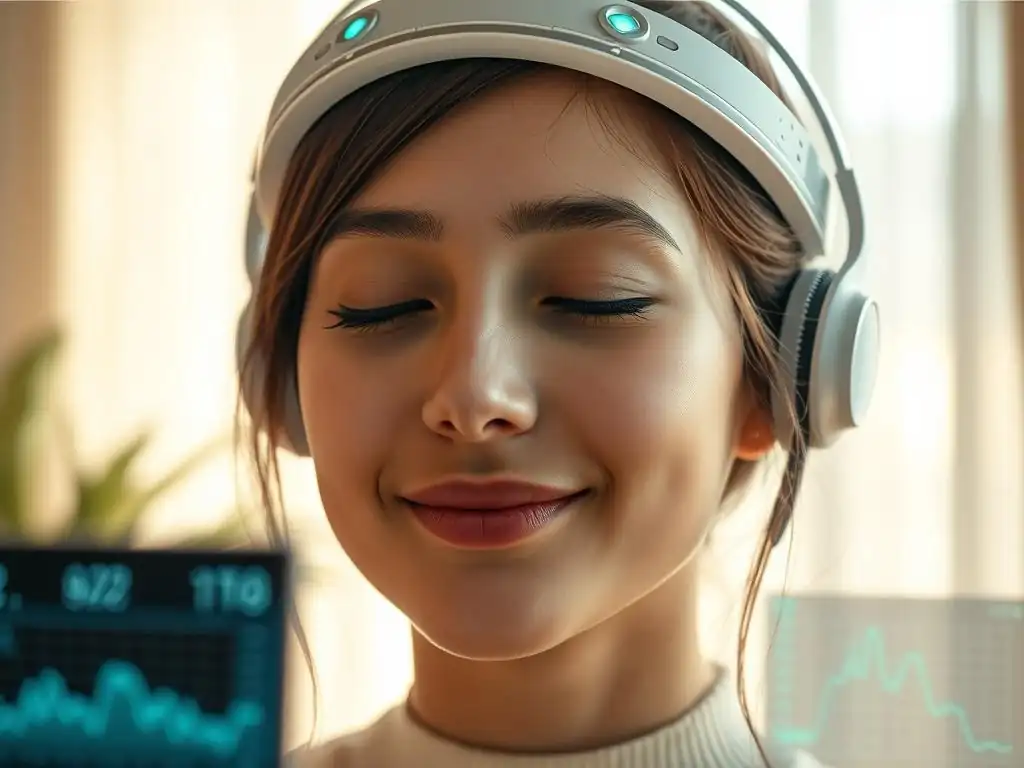
Welcome to Mind Care Guide, a safe space to explore your mental well-being.
Feeling overwhelmed by anxiety? You're not alone. Discover how the powerful mind-body connection can be harnessed to regain control. Our latest article delves into Biofeedback anxiety management techniques, offering a fascinating look at how wearable tech can provide real-time insights and help you build resilience. Curious to learn how you can actively manage your anxiety using innovative technology? Let's explore together...
The MindBody Link: Harnessing Biofeedback Tech for Anxiety Management
- Understanding Anxiety and the Power of Biofeedback
- Biofeedback Devices for Home Use: A Comprehensive Guide for Anxiety Relief
- Comparing Top Biofeedback Devices for Anxiety
- How to Use Biofeedback Devices for Optimal Anxiety Management
- Real-World Examples: Biofeedback Success Stories for Anxiety
- Maximizing the Benefits of Biofeedback: Combining with Other Anxiety Management Strategies
- Potential Downsides and Considerations of Biofeedback for Anxiety
- Investing in Your Mental Wellness: Where to Buy Biofeedback Devices
- Conclusion: Embracing Biofeedback for a Calmer, More Balanced Life
-
Frequently Asked Questions
- What is biofeedback and how does it relate to anxiety management?
- How does biofeedback technology work in managing anxiety?
- Are there different types of biofeedback techniques for anxiety, and which one is best?
- What are the benefits of using biofeedback for anxiety management compared to other treatments?
- How long does it typically take to see results with biofeedback for anxiety, and where can I find qualified practitioners?
- Final Reflection: Embracing the MindBody Connection for a Calmer Future
- Unlock Your Inner Calm: Take Control of Your Anxiety Today!
Understanding Anxiety and the Power of Biofeedback
What is Anxiety and How Does it Affect Your Body?
Anxiety is a natural human response to stress, characterized by feelings of worry, nervousness, or unease. While occasional anxiety is a normal part of life, persistent or excessive anxiety can become a disorder, significantly impacting daily functioning and overall well-being. It's not just a mental state; anxiety has profound physiological effects on the body.
When you feel anxious, your body activates its "fight or flight" response, releasing stress hormones like cortisol and adrenaline. This triggers a cascade of physical symptoms designed to prepare you for perceived danger, such as increased heart rate, rapid breathing, muscle tension, sweating, and digestive issues.
These physical manifestations are often the most disruptive aspects of chronic anxiety. For example, a racing heart might be mistaken for a heart problem, or constant muscle tension could lead to chronic pain. Over time, this sustained physiological arousal can contribute to more serious health issues, including weakened immune function, cardiovascular strain, and exacerbated digestive disorders.
Understanding this deep connection between the mind and body is crucial for effective anxiety management, highlighting the importance of techniques that address both psychological and physiological aspects of the condition. Biofeedback anxiety management techniques offer a unique way to gain control over these bodily responses.
The Science Behind Biofeedback: Connecting Mind and Body for Anxiety Relief
Biofeedback is a non-invasive therapeutic technique that teaches individuals to control physiological responses using signals from their own bodies. The core principle is that by becoming aware of bodily functions that are normally unconscious – like heart rate, muscle tension, or skin temperature – a person can learn to regulate them voluntarily.
This is achieved through sensors placed on the body, which measure these physiological signals and display them in real-time on a screen or through auditory cues. For someone managing anxiety, seeing their heart rate spike when they think about a stressful situation, or noticing muscle tension increase during a challenging task, provides tangible evidence of their body's reaction.
The real power of biofeedback for anxiety lies in the learning process that follows this awareness. Once aware, individuals can experiment with different mental and physical strategies – such as deep breathing, progressive muscle relaxation, or guided imagery – and immediately see the effect these techniques have on their physiological readings. For instance, a person might observe their heart rate variability (HRV) improve as they practice slow, diaphragmatic breathing.
Over time and with practice, the brain and body learn to associate these calming techniques with the desired physiological changes, eventually allowing the individual to reproduce these states without the need for the biofeedback device. This learned self-regulation is what makes biofeedback anxiety management techniques so effective as a natural approach.
Biofeedback Anxiety Management Techniques: A Natural Approach
Biofeedback offers a natural, drug-free pathway to managing anxiety symptoms by empowering individuals to take an active role in regulating their own nervous system. Rather than simply masking symptoms, biofeedback teaches the underlying skill of self-regulation. Common biofeedback anxiety management techniques focus on controlling specific physiological indicators strongly linked to the anxiety response. These include learning to slow and regularize heart rate (specifically increasing heart rate variability), reducing muscle tension (often measured by electromyography or EMG biofeedback), increasing skin temperature (helpful for cold hands often associated with stress), or calming brainwave activity (using EEG biofeedback, also known as neurofeedback).
The process typically involves practicing with the biofeedback device for structured sessions, perhaps 20-30 minutes several times a week. During these sessions, guided by the feedback from the device, individuals learn to apply relaxation or mental focusing techniques. For example, someone using HRV biofeedback might be instructed to inhale for a count of four and exhale for a count of six, observing how this specific breathing pattern impacts their heart rate rhythm displayed on the screen.
With consistent practice, the brain develops new neural pathways, making it easier to access a state of calm. This learned skill can then be applied in real-life anxiety-provoking situations, providing a powerful tool for long-term anxiety management without reliance on external substances.
Biofeedback Devices for Home Use: A Comprehensive Guide for Anxiety Relief
Choosing the Right Biofeedback Device for Your Needs: A Buying Guide
Selecting the appropriate biofeedback device for home use requires considering several factors tailored to your specific anxiety symptoms and preferences. The most crucial aspect is identifying which physiological signal you want to target. If your anxiety manifests primarily as physical tension, a device measuring muscle activity (EMG) might be beneficial.
For individuals whose anxiety is closely tied to rapid heartbeat or panic, a device focusing on heart rate variability (HRV) is likely more suitable. If you experience racing thoughts or difficulty focusing due to anxiety, neurofeedback (EEG) could be the most direct approach. It's helpful to reflect on your personal experience with anxiety and perhaps even consult with a mental health professional to determine the most relevant physiological indicators for you to monitor and train.
Beyond the type of biofeedback, consider the device's usability, portability, and the accompanying software or app. Some devices require sensors placed on the skin, while others are worn like headbands or clips. The ease of setup and the clarity of the real-time feedback display are paramount for consistent home practice. Look for devices with intuitive interfaces, clear visual or auditory feedback, and perhaps guided exercises or training programs within the app.
Battery life, durability, and compatibility with your smartphone or computer are also practical considerations. Finally, while home devices are generally more affordable than clinical equipment, prices vary significantly, typically ranging from under $100 for basic HRV sensors to several hundred dollars for more sophisticated EEG systems. Setting a budget beforehand can help narrow down your options as you explore biofeedback anxiety management techniques.
Types of Biofeedback Devices: From Heart Rate Variability (HRV) to EEG
Home biofeedback devices measure a variety of physiological signals, each offering a unique pathway to understanding and managing anxiety. Heart Rate Variability (HRV) biofeedback is among the most popular and accessible. It measures the timing between heartbeats, which isn't perfectly regular even at rest.
A higher HRV generally indicates a more flexible and resilient nervous system, better able to switch between the sympathetic (fight or flight) and parasympathetic (rest and digest) states. Training to increase HRV through paced breathing exercises is a well-established method for reducing anxiety and improving emotional regulation. Many compact sensors, often worn on a finger or earlobe, connect to smartphone apps to provide this feedback.
Electrodermal Activity (EDA), also known as skin conductance or galvanic skin response (GSR), is another common modality. This measures tiny changes in perspiration on the skin's surface, which are influenced by the activity of the sympathetic nervous system in response to stress or emotional arousal. When you feel anxious, your skin's conductivity increases slightly due to increased sweating.
EDA biofeedback devices, typically using sensors on the fingers or wrist, provide real-time feedback on these changes, allowing users to see the immediate impact of relaxation techniques on their arousal levels. EEG biofeedback, or neurofeedback, is more complex, using sensors placed on the scalp to measure brainwave activity. Different brainwave frequencies (like alpha, beta, theta) are associated with different states of mind (calm, alert, relaxed).
Neurofeedback aims to train specific brainwave patterns linked to anxiety reduction, such as increasing alpha waves associated with relaxed focus. These diverse biofeedback anxiety management techniques cater to different aspects of the anxiety experience.
Heart Rate Variability (HRV) Biofeedback for Anxiety Reduction: Elite HRV
HRV biofeedback is particularly effective for anxiety because it directly targets the autonomic nervous system's balance. Devices like those compatible with the Elite HRV app utilize chest straps or finger/ear sensors to capture precise heartbeat data. The app then analyzes the variation in time between successive heartbeats, providing metrics like RMSSD or SDNN, and often a visual representation of your HRV levels. Higher HRV is correlated with better stress resilience and lower anxiety.
Training sessions typically involve guided breathing exercises, where the app provides a visual or auditory guide for pacing your inhales and exhales, while simultaneously showing how this breathing pattern influences your HRV in real-time. Users learn which breathing rates and patterns optimize their HRV, allowing them to consciously practice these techniques during moments of anxiety. Studies have shown that regular HRV biofeedback training, even just 10-20 minutes daily, can lead to significant reductions in self-reported anxiety levels and improved physiological markers of stress.
Electrodermal Activity (EDA) Biofeedback for Stress and Anxiety: Q Sensor
EDA biofeedback devices, such as the now less commonly available Q Sensor or similar modern equivalents, measure the electrical conductivity of the skin, which changes with sweat gland activity. Sweat glands are controlled by the sympathetic nervous system, making EDA a sensitive indicator of physiological arousal related to stress and anxiety. Sensors are typically placed on the fingers or wrist and connect wirelessly to an app or computer.
As a user experiences stress or practices relaxation, they receive real-time feedback on their EDA levels. Seeing the conductivity line drop on the screen as they take a deep breath or consciously relax their muscles reinforces the effectiveness of these calming techniques.
This immediate feedback helps individuals build a stronger awareness of their body's stress response and provides a clear goal – reducing skin conductivity – during relaxation practice. While the original Q Sensor has been discontinued, the technology persists in various modern wearable stress trackers and dedicated biofeedback devices, offering a tangible way to monitor and train against physiological stress responses.
EEG Biofeedback (Neurofeedback) for Targeted Anxiety Management: FocusCalm
EEG biofeedback, or neurofeedback, targets brainwave activity directly, aiming to train the brain into calmer, more regulated states associated with reduced anxiety. Devices like FocusCalm use a headband with sensors placed on the scalp to measure electrical activity in specific areas of the brain. The accompanying app or software analyzes these brainwaves, often providing a "calm score" or visual feedback based on the ratio of different brainwave frequencies, such as increasing alpha waves (associated with relaxation) and decreasing high-beta waves (associated with racing thoughts).
Neurofeedback training often involves playing simple games or watching visuals that only progress or become clearer when the user's brainwaves are in the desired pattern. For instance, a scene might become brighter as the user's alpha waves increase. Over multiple sessions, the brain learns to produce these calmer patterns more readily. While neurofeedback can require more consistent training sessions (sometimes 20-40 sessions for significant changes), it offers a targeted approach to addressing the neurological underpinnings of anxiety, helping individuals achieve a state of focused calm.
Comparing Top Biofeedback Devices for Anxiety
Elite HRV vs. Q Sensor: A Detailed Comparison
Comparing Elite HRV (representing modern HRV biofeedback) and Q Sensor (representing EDA biofeedback) highlights the different physiological targets these biofeedback anxiety management techniques address. Elite HRV focuses on the subtle timing variations between heartbeats, providing insight into the flexibility and balance of the autonomic nervous system. It's excellent for training paced breathing and improving overall stress resilience. The feedback is often presented as a fluctuating graph or numerical score representing HRV metrics. Data collected over time can show trends in your nervous system health.
Q Sensor, conversely, measures sweat gland activity, which is a more direct indicator of sympathetic nervous system arousal – the "fight or flight" response. This feedback is often seen as a line graph showing fluctuations in skin conductivity. It's very useful for illustrating the immediate physiological impact of stressors and relaxation techniques on your arousal level. While both contribute to anxiety management, HRV biofeedback is perhaps more about building long-term resilience and regulating the nervous system's baseline, whereas EDA biofeedback is highly effective for increasing moment-to-moment awareness of your current stress state and practicing rapid relaxation techniques.
Elite HRV: Pros, Cons, and User Reviews
Pros:
- Directly targets autonomic nervous system regulation via heart rate variability.
- Excellent for training paced, resonant breathing, a foundational anxiety reduction technique.
- Data-rich app provides detailed metrics and long-term tracking.
- Compatible with various affordable and accurate chest strap or finger sensors.
- Widely used and supported by a community interested in health and performance optimization.
Cons:
- Requires consistent sensor placement (often chest strap for best accuracy).
- Focuses primarily on one physiological signal (HRV).
- App interface can be complex due to the amount of data presented.
- Initial setup and understanding of HRV metrics might have a learning curve.
User Reviews (General Sentiment): Many users report significant improvements in stress management and a greater sense of calm after consistent practice. They appreciate the objective data and the clear link between breathing and HRV. Some find the initial data overwhelming but praise the effectiveness once they integrate it into their routine. The accuracy of the sensor is frequently highlighted as crucial for a positive experience.
Q Sensor: Pros, Cons, and User Reviews
Pros:
- Provides immediate, sensitive feedback on physiological arousal (stress/anxiety levels).
- Helps users quickly identify triggers and see the effectiveness of relaxation techniques in real-time.
- Simple concept to understand: higher reading equals more arousal.
- Wearable form factor (wrist or finger) can be convenient.
Cons:
- The original Q Sensor is discontinued; modern equivalents may vary in quality and features.
- EDA can be affected by external factors like temperature and humidity.
- Focuses on arousal level, less on the deeper regulatory capacity targeted by HRV.
- Data trends might be less complex or detailed compared to comprehensive HRV analysis.
User Reviews (General Sentiment - based on similar modern EDA devices): Users find the real-time feedback incredibly insightful for understanding their body's stress response. They appreciate how quickly they can see the impact of relaxation exercises. Some note variability in readings based on environmental factors or sensor placement. It's often seen as a great tool for building initial body awareness for stress management.
FocusCalm vs. NeuroSky MindWave Mobile 2: Which Neurofeedback Device is Best for Anxiety?
FocusCalm and NeuroSky MindWave Mobile 2 are both home-use EEG biofeedback (neurofeedback) devices aimed at helping users regulate brain activity, which is a key component of biofeedback anxiety management techniques. FocusCalm is designed with a strong emphasis on mental fitness and emotional regulation, making it particularly relevant for anxiety sufferers. It uses a single forehead sensor and connects to an app offering guided meditations, exercises, and games specifically tailored to help users increase brainwave states associated with calmness and focus. Its content library is a major selling point, providing structured training programs.
The NeuroSky MindWave Mobile 2 is a more general-purpose brainwave reading headset. It uses a sensor on the forehead and an ear clip for a reference. It connects to a variety of apps developed by NeuroSky and third parties, ranging from educational tools to simple games that respond to attention and meditation levels.
While it offers more flexibility in terms of available apps, it might require more effort to find specific anxiety-focused training programs compared to the curated content within the FocusCalm ecosystem. Both devices provide raw brainwave data, but their primary value for anxiety management comes from the software that translates this data into actionable feedback and training exercises.
FocusCalm: Features, Pricing, and Benefits for Anxiety Sufferers
FocusCalm is specifically marketed towards improving mental state and emotional control, making it highly relevant for biofeedback anxiety management techniques. It features a comfortable, lightweight headband with a single sensor that rests on the forehead. The core of the FocusCalm experience is its subscription-based mobile app, which provides a wide library of content including guided meditations, breathing exercises, brain training games, and short "power sessions" designed to quickly shift your mental state. The app gives you a real-time "Calm Score" based on your brainwave patterns, providing immediate feedback on your progress during exercises.
- Pricing: The FocusCalm headband is typically priced in the range of $150-$200, often requiring a monthly subscription for full access to the app's content library (subscription costs can vary, but are generally in the $15-$20/month range).
- Benefits for Anxiety Sufferers: The guided content is specifically designed to help users reduce mental chatter, increase focus, and cultivate a sense of calm. The real-time feedback allows users to directly see how their mental state correlates with their brain activity and learn to consciously influence it. The structured programs offer a clear path for developing mental resilience and applying neurofeedback anxiety management techniques effectively.
NeuroSky MindWave Mobile 2: Features, Pricing, and Benefits
The NeuroSky MindWave Mobile 2 is a more open-platform neurofeedback device. It features a headset design with a sensor arm that extends to the forehead and an ear clip. It connects via Bluetooth to computers and mobile devices. NeuroSky provides basic apps that measure "Attention" and "Meditation" levels based on proprietary algorithms analyzing raw brainwave data (primarily relative beta and alpha/theta activity). However, its strength lies in the ecosystem of third-party applications available through the NeuroSky App Store, which cover a wide range of uses from educational games to simple brain-training exercises.
- Pricing: The NeuroSky MindWave Mobile 2 is typically priced in the range of $100-$150, making it a slightly more affordable entry point than some dedicated biofeedback devices. Access to third-party apps may involve additional costs.
- Benefits for Anxiety Sufferers: While not exclusively focused on anxiety, the MindWave Mobile 2 allows users to practice increasing brainwave states associated with relaxation (like alpha) and reducing states associated with stress or overthinking (like high beta). The "Meditation" meter in the basic app provides a simple form of biofeedback for calming the mind. Users who are comfortable exploring different third-party apps might find specific programs useful for their biofeedback anxiety management techniques, though the content is less curated specifically for emotional regulation compared to FocusCalm.
How to Use Biofeedback Devices for Optimal Anxiety Management
Setting Up Your Biofeedback Device: A Step-by-Step Guide
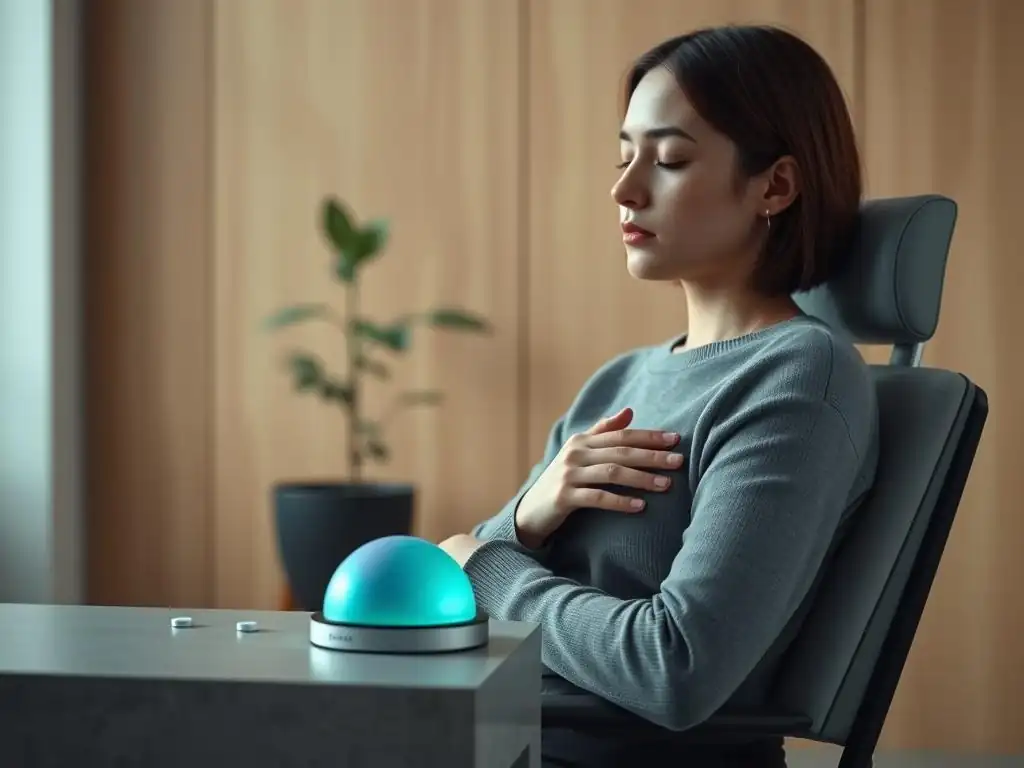
Setting up your biofeedback device is the first step towards integrating biofeedback anxiety management techniques into your routine. While specific steps vary by device type and manufacturer, the general process involves a few key stages. First, unbox the device and check that all components are present – this usually includes the sensor(s), the main unit (if separate), charging cables, and instructions. Next, charge the device fully according to the manufacturer's guidelines. Simultaneously, download the required app or software onto your smartphone, tablet, or computer. Ensure your device meets the compatibility requirements (operating system version, Bluetooth capability, etc. ).
Once the device is charged and the software is installed, you'll typically need to pair the biofeedback device with your phone or computer via Bluetooth. Follow the in-app or software instructions for this pairing process. Then, place the sensors correctly on your body as indicated in the manual – this might involve applying a finger clip, wearing a headband, attaching adhesive electrodes, or using a chest strap.
Ensure good skin contact for accurate readings. Finally, open the app and run a test session to confirm the device is receiving clear signals. Most apps will have a tutorial or calibration process to get you started, guiding you through your first biofeedback exercise session.
Integrating Biofeedback into Your Daily Routine: Creating a Personalized Anxiety Management Plan
Consistency is key to mastering biofeedback anxiety management techniques and seeing lasting results. Integrating device practice into your daily routine requires planning and commitment. Start by scheduling dedicated time for your biofeedback sessions, just like you would for exercise or meditation. Aim for 15-30 minutes per session, ideally at a time when you can be relatively undisturbed, such as first thing in the morning, during a lunch break, or before bed. Consider starting with 3-5 sessions per week and gradually increasing frequency if desired.
Develop a personalized plan that aligns biofeedback practice with your specific anxiety triggers and goals. For instance, if you experience anxiety before public speaking, practice biofeedback sessions focusing on calm and relaxation in the hours leading up to a presentation. If your anxiety spikes during work stress, schedule a short session mid-day. Use the data from your biofeedback device to understand your patterns – when is your heart rate most erratic?
When is your skin conductivity highest? Tailor your practice to address these specific times or situations. Combine biofeedback sessions with other calming activities like gentle stretching or listening to quiet music to enhance their effectiveness and make the practice more enjoyable.
Biofeedback Exercises for Anxiety Relief: Practical Techniques and Tips
Biofeedback enhances traditional relaxation techniques by providing objective, real-time feedback on their effectiveness. This feedback helps you refine your technique and reinforces the mind-body connection. A fundamental exercise is paced breathing, often guided by HRV biofeedback.
While watching your HRV data on screen, you learn to breathe slowly and deeply, typically aiming for a breath rate of 5-7 breaths per minute (inhaling for about 4 seconds, exhaling for about 6 seconds). The biofeedback shows you how this specific breathing pattern synchronizes with your heart rhythm, leading to a smoother, more optimal HRV pattern. Practice this consistently to lower your baseline stress response.
Another effective approach involves using biofeedback to monitor muscle tension (if using EMG) or skin conductivity (if using EDA) while practicing progressive muscle relaxation or guided imagery. As you tense and release muscle groups or visualize a calm scene, observe how your tension or conductivity readings change. This helps you identify areas of tension you might not have been consciously aware of and confirms when your relaxation efforts are physiologically effective.
With neurofeedback (EEG), exercises might involve simply trying to maintain a 'calm score' while sitting quietly or engaging in a guided meditation within the app, teaching your brain to stay in a relaxed state despite potential distractions. These biofeedback anxiety management techniques provide measurable goals and immediate reinforcement.
Deep Breathing Exercises with HRV Biofeedback: Maximize Relaxation
Deep, diaphragmatic breathing is a cornerstone of anxiety management, and HRV biofeedback elevates this practice. By using an HRV sensor and app, you receive real-time visual feedback on how your breathing pattern affects the timing of your heartbeats. The goal is often to achieve "coherence," a state where heart rate variability is high and follows a smooth, wave-like pattern synchronized with your breath. Most apps provide a breathing guide (a visualizer or auditory cue) that you follow, while simultaneously displaying your HRV signal.
As you practice inhaling and exhaling at the guided pace (typically around 5-7 breaths per minute), you watch your HRV graph. You'll notice the wave amplitude increase and become smoother when your breathing is paced correctly and consistently. This immediate visual confirmation helps you understand how to breathe effectively for relaxation, making the technique more impactful than just breathing exercises alone. Regular practice trains your autonomic nervous system to become more balanced and resilient, making it easier to activate the relaxation response when anxiety arises.
Guided Meditation with EEG Biofeedback: Train Your Brain to Calm Down
EEG biofeedback, or neurofeedback, offers a unique way to enhance meditation for anxiety relief. Devices like FocusCalm provide guided meditations and exercises within their app that are specifically designed to help you cultivate brainwave patterns associated with states like relaxed focus and calm. As you participate in a guided meditation, the neurofeedback device measures your brain activity, and the app provides feedback – perhaps a score, an image that brightens, or sounds that change – based on whether your brain is producing the desired patterns (e.g., increased alpha or theta waves, decreased high beta).
This real-time feedback helps you learn what it feels like mentally and physically to be in a calm state, measured objectively by your brainwaves. If your mind wanders and produces brainwave patterns associated with stress, the feedback changes, prompting you to gently guide your focus back. Over time, this conscious effort, guided by the biofeedback, trains your brain to more easily enter and maintain these calmer states, making meditation more effective and building a neurological foundation for managing anxiety outside of formal practice sessions.
Real-World Examples: Biofeedback Success Stories for Anxiety
Consider Sarah, a 28-year-old graphic designer who struggled with significant social anxiety, particularly in professional networking events. Her symptoms included a racing heart, trembling hands, and intense fear of judgment, often leading her to avoid such situations entirely. Seeking alternatives to medication, Sarah began using a FocusCalm neurofeedback device paired with its guided imagery exercises focused on confidence and calm social interactions. She practiced daily for 20 minutes, focusing on increasing her "Calm Score" while mentally rehearsing positive social scenarios.
After approximately 8 weeks of consistent practice (around 40 sessions), Sarah reported a noticeable shift. During a challenging networking event, she felt her anxiety starting to rise, but instead of becoming overwhelmed, she recognized the physical sensations and consciously applied the mental techniques she practiced with the biofeedback device. She focused on the feeling of calm she had learned to achieve during her sessions, observing her internal state without judgment.
While still feeling some nervousness, her physical symptoms were significantly less intense – her heart rate remained relatively steady, and her hands didn't tremble noticeably. This experience, combined with the objective feedback she saw during her training, built her confidence, allowing her to engage more freely and gradually reduce her avoidance behaviors.
Case Study 2: Managing Panic Attacks with Heart Rate Variability Biofeedback and Diaphragmatic Breathing
John, a 45-year-old accountant, suffered from debilitating panic attacks, often triggered by stress at work. These attacks involved sudden, intense fear accompanied by chest pain, shortness of breath, dizziness, and a feeling of losing control. His doctor recommended biofeedback as a complementary approach. John started using an HRV biofeedback device daily, focusing on practicing slow, diaphragmatic breathing while watching his heart rate variability improve on the app's display. He learned that exhaling longer than inhaling was particularly effective for him in promoting a state of coherence.
Within a month of daily 15-minute sessions, John began to feel more in control of his physiological responses. He noticed that he could consciously slow his heart rate and regulate his breathing even when feeling stressed. During a stressful meeting where he felt a familiar panic sensation starting, he immediately began the paced breathing technique he'd practiced with the biofeedback device.
The real-time feedback training had taught him to recognize the early signs of his body's stress response and intervene effectively. While he still experienced occasional anxiety, the frequency and severity of his panic attacks decreased significantly over the next few months, and he felt empowered by his ability to use these biofeedback anxiety management techniques to regain control.
Case Study 3: Reducing General Anxiety Disorder (GAD) Symptoms with Neurofeedback and Mindfulness
Maria, a 35-year-old teacher diagnosed with General Anxiety Disorder (GAD), experienced persistent and excessive worry about everyday things, accompanied by restlessness, fatigue, difficulty concentrating, and muscle tension. She found it hard to quiet her mind. Maria incorporated neurofeedback sessions using a device focused on increasing alpha brainwave activity (associated with relaxed awareness) while practicing mindfulness meditation. She aimed to achieve a target brainwave pattern during her 30-minute daily sessions.
The real-time auditory feedback from the device would provide a gentle tone when her brain was producing the desired alpha waves, and the tone would fade when her mind became too active or distracted by worries. This immediate feedback helped Maria become more aware of her thought patterns and learn to gently guide her attention back to the present moment, fostering a state of calm. After approximately three months of consistent practice (around 50-60 sessions), Maria reported a significant reduction in her chronic worrying.
She felt less restless, her concentration improved, and she found it easier to fall asleep. The neurofeedback training helped her develop the skill of mental quieting, which she could then apply during moments of anxiety throughout her day, complementing her mindfulness practice with a tangible measure of her progress.
Maximizing the Benefits of Biofeedback: Combining with Other Anxiety Management Strategies
Cognitive Behavioral Therapy (CBT) and Biofeedback: A Powerful Combination
Combining Cognitive Behavioral Therapy (CBT) with biofeedback anxiety management techniques can create a highly effective and synergistic approach to reducing anxiety. CBT focuses on identifying and changing negative thought patterns and behaviors that contribute to anxiety. For example, CBT helps individuals challenge catastrophic thinking or gradually confront feared situations. While CBT addresses the psychological aspects, biofeedback provides a powerful tool for managing the physiological manifestations of anxiety that often accompany these thoughts and behaviors.
When used together, biofeedback can enhance the effectiveness of CBT by providing objective evidence of the mind-body connection. As an individual learns to challenge anxious thoughts in CBT, they can simultaneously use biofeedback to observe how their physiological responses (like heart rate or muscle tension) change. This demonstrates the direct impact of altering thought patterns on the body, reinforcing the CBT principles.
Conversely, the relaxation skills learned through biofeedback practice make it easier for individuals to engage in exposure therapy or apply cognitive restructuring techniques when they are feeling physiologically calmer. This dual approach addresses both the mental and physical components of anxiety, leading to more comprehensive and lasting relief.
Mindfulness Meditation and Biofeedback: Enhancing Relaxation and Awareness
Mindfulness meditation, the practice of paying non-judgmental attention to the present moment, is another excellent complement to biofeedback anxiety management techniques. Mindfulness helps individuals become more aware of their internal experiences – thoughts, feelings, and bodily sensations – without getting carried away by them. Biofeedback provides objective, real-time data on specific physiological sensations, making the body awareness aspect of mindfulness more concrete and measurable.
Using biofeedback while practicing mindfulness meditation can deepen the experience and accelerate learning. For instance, someone practicing mindfulness with HRV biofeedback can observe how staying present and accepting their experience influences their heart rate variability, compared to when their mind wanders into anxious thoughts. Similarly, using EDA biofeedback during mindfulness can show how accepting difficult emotions versus resisting them impacts physiological arousal. The biofeedback provides a tangible anchor for the often subtle internal shifts cultivated in mindfulness, helping individuals develop greater insight into their mind-body state and reinforcing the link between present-moment awareness and physiological calm.
Lifestyle Changes for Anxiety Reduction: Complementing Biofeedback Therapy
While biofeedback anxiety management techniques are powerful tools, their effectiveness is significantly enhanced when combined with healthy lifestyle changes. Lifestyle factors such as regular exercise, a balanced diet, adequate sleep, and limited intake of caffeine and alcohol play a crucial role in regulating the nervous system and reducing overall anxiety levels. For example, engaging in moderate aerobic exercise most days of the week has been shown to reduce stress hormones and improve mood, creating a more favorable physiological state for biofeedback training.
Prioritizing 7-9 hours of quality sleep per night helps regulate neurotransmitters and improves the body's ability to handle stress. Similarly, reducing stimulants like caffeine can prevent unnecessary activation of the sympathetic nervous system, which can interfere with relaxation practice. Integrating these healthy habits provides a supportive foundation that makes it easier to achieve and maintain the relaxed physiological states targeted by biofeedback. Biofeedback practice can even serve as a motivator for these changes, as users may observe how poor sleep or caffeine intake negatively impacts their physiological readings, reinforcing the importance of a holistic approach to anxiety management.
Potential Downsides and Considerations of Biofeedback for Anxiety
Is Biofeedback Right for You? Assessing Your Needs and Expectations
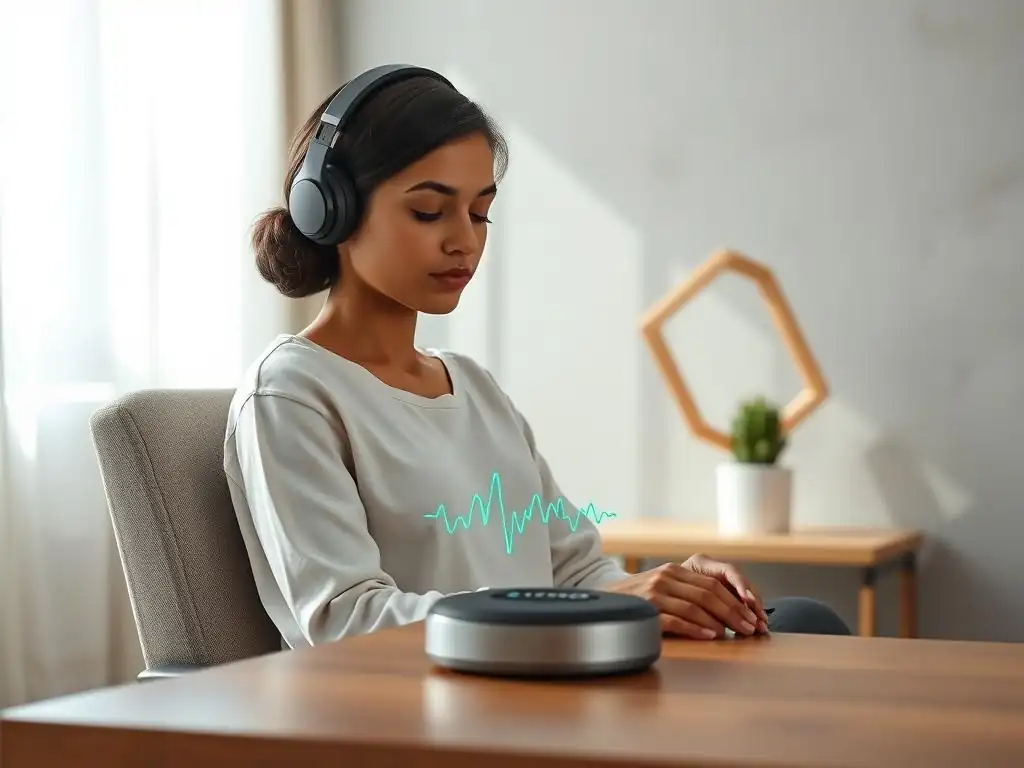
While biofeedback anxiety management techniques offer significant potential benefits, they are not a universal panacea and require careful consideration. Biofeedback is most effective when individuals are motivated to learn self-regulation skills and are willing to practice consistently. It's an active therapy, not a passive one. Assess your willingness to commit time and effort to regular training sessions (typically 15-30 minutes, several times a week). If you prefer immediate, effortless solutions, biofeedback might be frustrating.
Consider the nature of your anxiety. Biofeedback is often highly effective for anxiety characterized by strong physical symptoms (like panic attacks, muscle tension, or rapid heart rate) because it directly targets these physiological responses. If your anxiety is primarily driven by complex thought patterns without significant physical manifestation, while still potentially helpful, it might be less directly impactful than therapies like CBT.
Manage your expectations; while many users see improvements within a few weeks or months, biofeedback is a skill that takes time and practice to master, and results can vary. It's also generally considered a complementary therapy, best used alongside other strategies rather than as a sole treatment for severe anxiety disorders.
Possible Side Effects and Precautions
Biofeedback is generally considered very safe with minimal to no side effects, especially when using non-invasive home devices like HRV sensors, EDA sensors, or simple EEG headbands. There are no drugs involved, and the process is simply one of monitoring and learning to control natural bodily functions. The most common "side effects" are usually related to the relaxation techniques themselves, such as feeling slightly lightheaded from deep breathing, or occasionally experiencing temporary muscle soreness if engaging in intensive muscle relaxation exercises.
However, there are a few precautions to keep in mind. Individuals with certain medical conditions, particularly unstable heart conditions, should consult with a doctor before using HRV biofeedback, although most modern devices are safe for general use. Similarly, while rare, individuals with seizure disorders should consult their physician before using EEG biofeedback (neurofeedback). It's also important not to use biofeedback devices while driving or operating heavy machinery, as the focus required for training can be distracting. Always follow the manufacturer's instructions carefully and discontinue use if you experience any unexpected or uncomfortable symptoms, consulting a healthcare professional if necessary.
Finding a Qualified Biofeedback Practitioner (If Needed)
While home biofeedback devices make biofeedback anxiety management techniques accessible, working with a qualified biofeedback practitioner can be highly beneficial, especially for more severe or complex cases of anxiety. A trained practitioner can conduct a thorough assessment to determine which type of biofeedback is most appropriate for your specific symptoms and tailor a personalized training protocol. They use more sophisticated clinical-grade equipment that can measure a wider range of physiological signals (e.g., EMG, skin temperature, respiration rate simultaneously) and provide more precise feedback.
Furthermore, a practitioner can guide you through the learning process, troubleshoot difficulties, and help you integrate biofeedback skills into your daily life more effectively. They can also combine biofeedback sessions with other therapeutic modalities like counseling or CBT, providing a comprehensive treatment plan. To find a qualified practitioner, look for certifications from recognized bodies such as the Biofeedback Certification International Alliance (BCIA). You can search their directories for certified professionals in your area. Your doctor or therapist may also be able to provide recommendations for practitioners who specialize in using biofeedback for anxiety and stress management.
Investing in Your Mental Wellness: Where to Buy Biofeedback Devices
Recommended Retailers and Online Stores
When you decide to invest in biofeedback anxiety management techniques by purchasing a home device, several avenues are available for procurement. Reputable online retailers are often the most convenient option, offering a wide selection of devices from various manufacturers. Major e-commerce platforms typically stock popular HRV sensors, EDA devices, and some EEG headbands. Purchasing from well-established online stores often provides buyer protection, customer reviews, and competitive pricing.
Additionally, many biofeedback device manufacturers sell their products directly through their own websites. Buying directly from the manufacturer can sometimes offer the advantage of purchasing the latest model, accessing manufacturer-specific support, and ensuring product authenticity. Specialized medical supply stores or wellness technology retailers, either online or physical, may also carry a range of biofeedback equipment. While exploring options, pay attention to the retailer's return policy and customer service reputation.
Understanding Pricing and Warranty Information
The cost of home biofeedback devices for anxiety varies significantly based on the type of biofeedback, the sophistication of the technology, and accompanying features or software subscriptions. Basic HRV sensors can be found for under $100, while more advanced HRV or EDA devices might range from $100 to $300. EEG biofeedback (neurofeedback) headbands tend to be at the higher end, typically priced between $150 and $500, sometimes requiring an ongoing subscription for full app access. Factor in potential subscription costs when evaluating the total investment.
Warranty information is a crucial consideration before purchasing. Most reputable manufacturers offer a limited warranty, typically covering defects in materials and workmanship for a period ranging from 90 days to one year. Understand what the warranty covers, the duration, and the process for making a claim. Some retailers might offer extended warranty options. Keeping your receipt or proof of purchase is essential for warranty purposes. Checking reviews regarding device durability and manufacturer support can also provide insight into the long-term reliability of your investment in biofeedback anxiety management techniques.
Securing Your Device: Purchasing Through Affiliate Links (Transparency Disclosure)
Many websites, including those providing health and wellness information like Mind Care Guide, may recommend specific biofeedback devices and link to retailers where they can be purchased. It is common practice for these links to be "affiliate links." This means that if you click on such a link and subsequently make a purchase on the retailer's site, the website that referred you may receive a small commission at no additional cost to you.
This practice helps support the creation and maintenance of free informative content, allowing sites to continue providing valuable resources on topics like biofeedback anxiety management techniques. When considering a purchase through an affiliate link, understand that the price you pay is the same as if you navigated directly to the retailer's site. The decision to purchase is entirely yours, and the presence of an affiliate link does not influence the price or the product itself. Transparency regarding the use of affiliate links is important for maintaining trust with readers.
Conclusion: Embracing Biofeedback for a Calmer, More Balanced Life
Key Takeaways: Biofeedback for Anxiety Management
Biofeedback offers a powerful, non-pharmacological approach to managing anxiety by teaching individuals to consciously regulate their physiological responses. The core principle is gaining awareness of bodily signals like heart rate, muscle tension, or brainwave activity and learning to control them through focused techniques. This direct connection between mind and body empowers individuals to take an active role in their own well-being. Various types of biofeedback, including HRV, EDA, and EEG (neurofeedback), target different aspects of the anxiety response, providing options tailored to individual symptoms.
Home biofeedback devices have made these biofeedback anxiety management techniques more accessible, allowing for consistent practice outside of a clinical setting. By integrating biofeedback practice into a daily routine and combining it with other proven strategies like CBT, mindfulness, and healthy lifestyle changes, individuals can significantly reduce anxiety symptoms, build stress resilience, and cultivate a greater sense of calm and control. While consistent practice and realistic expectations are necessary, biofeedback provides a valuable skill set for long-term mental wellness.
Taking the Next Step: Starting Your Biofeedback Journey
If you are struggling with anxiety and are looking for complementary or alternative approaches, exploring biofeedback anxiety management techniques could be a transformative step. Begin by researching the different types of biofeedback and considering which might best address your specific symptoms. Read user reviews and compare features and pricing of home biofeedback devices that fit your needs and budget. Remember that consistency is key, so choose a device and app that you find intuitive and engaging.
Consider starting with a device like an HRV sensor, which is often the most accessible entry point into biofeedback. Commit to incorporating short, regular practice sessions into your week, focusing on the guided exercises provided by the device's app. As you become more comfortable, explore combining biofeedback with other relaxation or therapeutic techniques you already use.
While home practice is valuable, don't hesitate to consult with a mental health professional or a certified biofeedback practitioner if you have severe anxiety, complex symptoms, or want personalized guidance. Embracing biofeedback is an investment in your ability to manage your internal state, paving the way for a calmer, more balanced life.
Frequently Asked Questions
What is biofeedback and how does it relate to anxiety management?
Biofeedback is a mind-body technique that helps you learn to control bodily functions that are usually involuntary, such as heart rate and muscle tension. By gaining this control, you can reduce anxiety symptoms.
How does biofeedback technology work in managing anxiety?
Sensors are placed on your body to monitor physiological responses like heart rate variability and skin conductance. The technology then provides real-time feedback, allowing you to learn techniques to consciously regulate these responses and calm your anxiety.
Are there different types of biofeedback techniques for anxiety, and which one is best?
Yes, common types include EMG (muscle tension), HRV (heart rate variability), and skin conductance. The "best" type varies depending on individual needs and the specific anxiety symptoms experienced.
What are the benefits of using biofeedback for anxiety management compared to other treatments?
Biofeedback offers a drug-free and non-invasive approach to managing anxiety. It empowers individuals with self-regulation skills that can be used in everyday life, leading to long-term anxiety reduction.
How long does it typically take to see results with biofeedback for anxiety, and where can I find qualified practitioners?
Results can vary, but many individuals experience improvements within 8-10 sessions. Mind Care Guide can assist you in locating qualified biofeedback practitioners in your area.
Final Reflection: Embracing the MindBody Connection for a Calmer Future
In today's fast-paced world, the integration of mind and body through biofeedback technology is more relevant than ever. As anxiety levels continue to rise globally, the need for effective management techniques has never been clearer. By harnessing biofeedback, individuals can gain insights into their physiological responses and learn to regulate their anxiety in a way that empowers them to reclaim control over their lives. This approach is not just a trend; it represents a profound shift in how we understand and address mental health.
The influence of biofeedback on our cultural and social landscape is undeniable. As we increasingly recognize the importance of mental well-being, the conversation around anxiety management is evolving. The accessibility of biofeedback tools has democratized mental health care, allowing more people to engage with their emotional states and develop coping strategies. As renowned psychologist Dr. Herbert Benson once said, "> The mind and body are not separate. What affects one, affects the other." This interconnectedness is at the heart of biofeedback, reminding us that our mental and physical health are intricately linked.
As you reflect on the insights shared in this article, consider how you can incorporate biofeedback techniques into your own life. Take a moment to explore your own mind-body connection and embrace the tools available to you. Whether through meditation, breathing exercises, or biofeedback devices, the journey toward managing anxiety is one of empowerment and self-discovery. Let this be an invitation to not only understand your anxiety but to actively engage with it, fostering a sense of calm and resilience for a brighter future.
Unlock Your Inner Calm: Take Control of Your Anxiety Today!
Thanks for taking the time to explore the powerful connection between mind and body, and how biofeedback can help manage anxiety. You've gained valuable insights into a technique that empowers you to take charge of your well-being. Now it's time to put that knowledge into action!
- Prioritize a daily biofeedback practice: Even 10-15 minutes a day can significantly impact your anxiety levels. Start small, be consistent, and notice the difference!
- Share your experience: Connect with others on the Mind Care Guide community forum and share your biofeedback journey. Inspire and learn from others tackling similar challenges!
- Try a guided meditation specifically designed to enhance biofeedback effectiveness: Many free resources are available online – experiment to find what works best for you.
Ready to embrace a calmer, more centered you? What small step will you take today to incorporate biofeedback into your self-care routine?