
EvidenceBased Natural Supplements for General Anxiety and Panic: A Review


Welcome to Mind Care Guide, your sanctuary for mental well-being.
Feeling overwhelmed by anxiety or panic? You're not alone. We understand the challenges, and we're here to offer evidence-based guidance. Dive into our comprehensive review exploring the effectiveness of natural supplements anxiety panic relief, and discover potential pathways towards a calmer, more balanced you. What if a natural approach could offer significant support? Let's explore the possibilities together...
Evidence-Based Natural Supplements for General Anxiety and Panic: A Review
- Understanding Anxiety & Panic: A Foundation for Natural Relief
-
Top Evidence-Based Natural Supplements for Anxiety and Panic Relief
- Magnesium for Anxiety and Panic: A Calming Mineral
- L-Theanine: Promoting Relaxation Without Drowsiness
- Ashwagandha: An Adaptogen for Stress and Anxiety
- Passionflower: A Gentle Anxiolytic Herb
- Chamomile: The Classic Relaxant for Anxiety and Sleep
- Omega-3 Fatty Acids: Supporting Brain Health and Reducing Anxiety
- Integrating Natural Supplements into Your Anxiety Management Plan
- Lifestyle Factors Complementing Natural Supplements for Anxiety
- Conclusion: Natural Supplements as Valuable Tools for Anxiety and Panic Relief
-
Frequently Asked Questions
- What are some evidence-based natural supplements that may help with general anxiety and panic relief, according to the Mind Care Guide?
- How quickly can one expect to see results when using natural supplements for anxiety and panic?
- Are there any potential side effects or interactions I should be aware of when using natural supplements for anxiety?
- Where can I find reliable information and resources related to natural supplements for anxiety and panic beyond the Mind Care Guide?
- Can natural supplements completely replace traditional anxiety and panic treatments like therapy or medication?
- Final Reflection: Finding Calm in the Storm: Natural Pathways to Anxiety Relief
- Unlock Your Calm: Take Control of Anxiety Today
Understanding Anxiety & Panic: A Foundation for Natural Relief
Defining General Anxiety Disorder (GAD) and Panic Disorder
General Anxiety Disorder (GAD) is characterized by persistent and excessive worry about everyday things, even when there is little or no reason to worry. This anxiety and worry can be difficult to control, interfering significantly with daily activities. Symptoms often include restlessness, feeling easily fatigued, difficulty concentrating, irritability, muscle tension, and sleep disturbances. Unlike occasional worry, GAD involves chronic, pervasive anxiety that impacts multiple areas of life, from work and school to social interactions and personal health.
Panic Disorder, on the other hand, involves recurrent, unexpected panic attacks. A panic attack is a sudden episode of intense fear that triggers severe physical reactions when there is no real danger or apparent cause.
Symptoms can include heart palpitations, sweating, trembling or shaking, sensations of shortness of breath, feelings of choking, chest pain, nausea, dizziness, chills or hot flashes, numbness or tingling sensations, derealization or depersonalization, fear of losing control or "going crazy," and fear of dying. While GAD is characterized by persistent worry, Panic Disorder is defined by the sudden, overwhelming episodes of terror known as panic attacks, often leading to significant changes in behavior aimed at avoiding future attacks.
The Role of Natural Supplements in Anxiety and Panic Management: An Overview
Natural supplements for anxiety and panic relief have gained attention as complementary approaches to traditional treatments. These supplements often work by influencing neurotransmitter activity in the brain, such as GABA, serotonin, and dopamine, or by modulating the body's stress response systems, like the hypothalamic-pituitary-adrenal (HPA) axis. They are not intended as a standalone cure but rather as potential tools to help manage symptoms alongside other therapeutic strategies.
Many individuals explore natural options seeking gentle support or alternatives to prescription medications, which can have side effects. The effectiveness of these natural remedies for anxiety and panic varies depending on the specific supplement, dosage, individual physiology, and the severity of the anxiety or panic symptoms. While some supplements have a stronger body of scientific evidence supporting their use for anxiety, others require more rigorous research. Understanding the evidence behind specific natural supplements is crucial for making informed choices.
Why Choose Natural Supplements for Anxiety and Panic? Exploring the Benefits
Choosing natural supplements for anxiety and panic relief can offer several potential benefits for individuals seeking complementary or alternative approaches. One primary reason is the desire for options that may have fewer or less severe side effects compared to some prescription medications. While no substance is entirely without risk, many natural supplements are perceived as gentler on the body, particularly for mild to moderate symptoms or as part of a long-term management plan. This can be especially appealing to those concerned about issues like dependency, withdrawal symptoms, or significant changes in mood or cognition sometimes associated with pharmacological treatments.
Furthermore, natural supplements for anxiety and panic relief can be integrated into a holistic wellness approach. They can complement lifestyle changes such as improved diet, regular exercise, stress reduction techniques, and therapy. For some, incorporating natural remedies feels like a more proactive and empowering step in managing their mental well-being. The accessibility of many natural supplements is also a factor, though it's essential to remember that "natural" does not automatically mean "safe" or "effective" for everyone, and professional guidance is always recommended.
Top Evidence-Based Natural Supplements for Anxiety and Panic Relief
Magnesium for Anxiety and Panic: A Calming Mineral
Magnesium is an essential mineral involved in hundreds of biochemical reactions in the body, including many that affect brain function and mood. It plays a critical role in regulating neurotransmitters that send messages throughout the brain and body, including GABA, which is known for its calming effects. Magnesium is also involved in modulating the body's stress response system. Low levels of magnesium have been linked in some studies to increased anxiety and stress vulnerability, suggesting that adequate magnesium intake could be important for maintaining mental calm.
While research specifically on magnesium for clinical anxiety disorders like GAD or Panic Disorder is still developing, studies and reviews have indicated a potential benefit for subjective anxiety and stress levels. A systematic review published in Nutrients in 2017, for instance, looked at the effect of magnesium supplementation on subjective anxiety and stress in various populations, suggesting a possible role in anxiety reduction, though noting limitations in the existing research. The calming effect is thought to be mediated by its action on the NMDA receptor and its ability to block excitatory neurotransmitters while promoting inhibitory ones.
Magnesium Glycinate: Superior Absorption for Anxiety Reduction
When considering magnesium for anxiety and panic relief, the form of magnesium matters. Magnesium supplements come in various forms, including oxide, citrate, and glycinate. Magnesium oxide is commonly available but has relatively poor absorption compared to other forms. Magnesium citrate is better absorbed and often used for digestive regularity.
Magnesium glycinate, a chelated form where magnesium is bound to the amino acid glycine, is particularly noted for its high bioavailability and reduced likelihood of causing digestive upset compared to other forms. Glycine itself is a calming neurotransmitter, which may add to the anxiolytic effects of this form of magnesium. Many individuals seeking natural supplements anxiety panic relief find magnesium glycinate to be a preferred option due to its combination of good absorption and potential synergistic calming effects from the glycine component.
L-Theanine: Promoting Relaxation Without Drowsiness
L-Theanine is an amino acid primarily found in green and black tea leaves. It is known for its unique ability to promote relaxation and calm without causing drowsiness.
This makes it a popular ingredient in natural supplements for anxiety and panic relief, as it can help reduce feelings of stress and nervousness while maintaining alertness and focus. Its mechanism of action is thought to involve increasing levels of calming neurotransmitters like GABA, as well as dopamine and serotonin, and promoting alpha brain wave activity, which is associated with a state of relaxed alertness, similar to what is experienced during meditation.
Research on L-Theanine's effects on anxiety has been promising. A review published in Phytotherapy Research in 2019 summarized findings from several studies, concluding that L-Theanine appears to have anti-stress and anxiolytic effects. Participants in studies often report reduced stress levels, improved mood, and better sleep quality. Unlike some conventional anxiety medications, L-Theanine does not typically induce sedation, making it suitable for use during the day to manage anxiety symptoms without impairing cognitive function.
L-Theanine and GABA: Synergistic Effects on Anxiety
L-Theanine's interaction with GABA (gamma-aminobutyric acid) is a key aspect of its potential for natural supplements anxiety panic relief. GABA is the primary inhibitory neurotransmitter in the central nervous system; it acts like a "brake" on brain activity, reducing neuronal excitability. Low levels of GABA are often associated with anxiety and panic disorders. L-Theanine is believed to increase GABA levels in the brain, which helps to calm overactive neural pathways.
Furthermore, L-Theanine may work synergistically with GABA itself if taken together, although research on co-supplementation is still evolving. The calming effect of L-Theanine, mediated partly through GABAergic pathways, contributes to its reputation as an effective natural remedy for easing nervousness and promoting a state of mental tranquility. This makes it a sought-after component in formulations aimed at providing natural supplements anxiety panic relief.
Ashwagandha: An Adaptogen for Stress and Anxiety
Ashwagandha ( Withania somnifera) is an ancient medicinal herb classified as an adaptogen. Adaptogens are substances that are believed to help the body resist stressors of all kinds, whether physical, chemical, or biological. Ashwagandha is widely used in Ayurvedic medicine to reduce stress and improve overall well-being. Its efficacy in managing stress and anxiety is thought to stem from its ability to modulate the body's stress response system, particularly the HPA axis, which regulates the release of stress hormones like cortisol.
Numerous studies have investigated Ashwagandha's effects on stress and anxiety. A systematic review and meta-analysis published in the Journal of Alternative and Complementary Medicine in 2014 found that Ashwagandha extract significantly reduced stress and anxiety levels in adults. Participants taking Ashwagandha often reported lower scores on stress and anxiety scales compared to placebo groups. This evidence supports its use as a natural supplement anxiety panic relief, particularly for those whose anxiety is significantly linked to chronic stress.
Ashwagandha's Impact on Cortisol Levels and Anxiety Symptoms
One of the primary ways Ashwagandha is thought to exert its anxiolytic effects is by lowering elevated levels of cortisol, often referred to as the "stress hormone." Chronic stress leads to sustained high cortisol levels, which can have detrimental effects on various bodily systems, including the brain, potentially exacerbating anxiety and other mood issues. By helping to regulate the HPA axis, Ashwagandha can mitigate the physiological impact of stress.
Several clinical trials have demonstrated Ashwagandha's ability to reduce serum cortisol levels. For instance, a study published in the Indian Journal of Psychological Medicine in 2012 showed that participants taking Ashwagandha root extract experienced a significant reduction in cortisol levels and improved scores on stress assessment scales. This ability to dampen the physiological stress response makes Ashwagandha a valuable natural supplement for anxiety and panic relief, especially in cases where anxiety is closely tied to chronic stress and burnout.
Passionflower: A Gentle Anxiolytic Herb
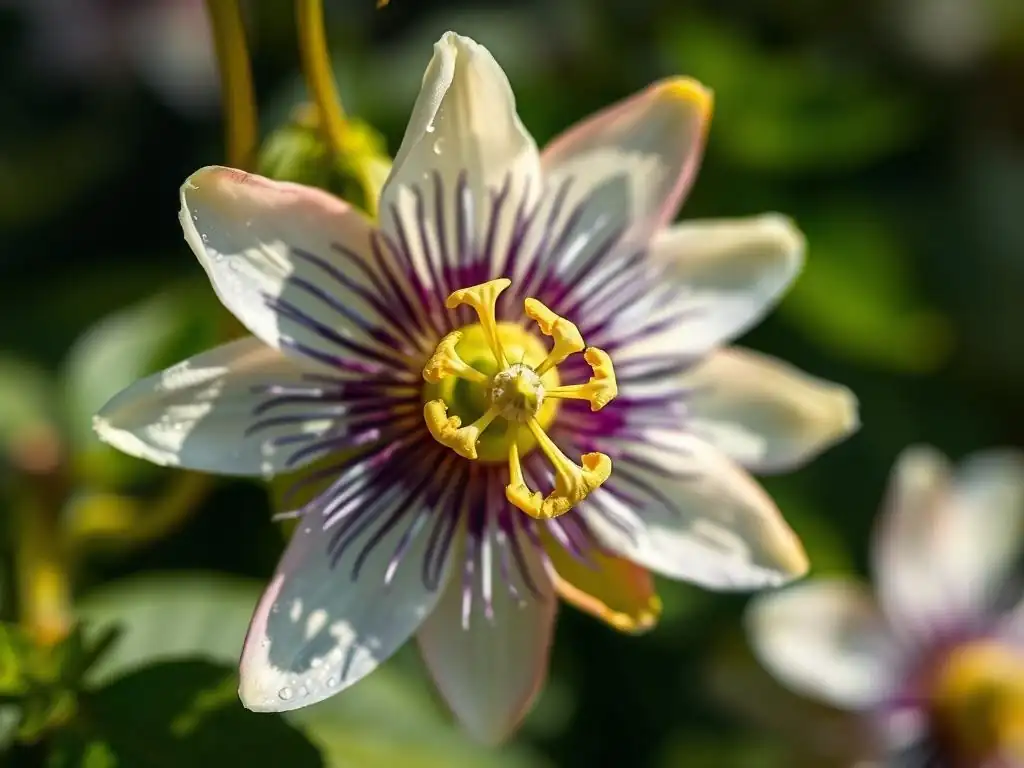
Passionflower ( Passiflora incarnata) is a vine native to the Americas that has traditionally been used as a calming herb. It is often recommended for insomnia, nervousness, and anxiety. Its potential anxiolytic effects are believed to be related to its ability to increase levels of GABA in the brain, similar to how some prescription anxiety medications work, but typically with a gentler effect. Various compounds in passionflower, such as flavonoids and alkaloids, are thought to contribute to its calming properties by interacting with GABA receptors.
Research on passionflower for anxiety has shown some positive results, although more large-scale studies are needed. A study published in the Journal of Clinical Pharmacy and Therapeutics in 2001 compared passionflower extract to a common benzodiazepine medication for generalized anxiety disorder and found that passionflower was comparable in effectiveness but produced fewer side effects like impaired job performance. While this was a smaller study, it highlights the potential of passionflower as a natural supplement anxiety panic relief for some individuals, particularly those seeking mild to moderate support without the stronger sedative effects of certain medications.
Passionflower vs. Prescription Anxiolytics: A Comparison
Comparing passionflower to prescription anxiolytics like benzodiazepines reveals key differences in their mechanisms and potential profiles. Prescription benzodiazepines, such as diazepam or lorazepam, work powerfully by enhancing the effect of GABA in the brain, leading to rapid sedation and anxiety reduction. While highly effective for acute anxiety or panic attacks, they carry risks of dependency, withdrawal, and significant side effects like drowsiness, cognitive impairment, and potential for abuse.
Passionflower, while also thought to influence GABA, appears to do so with a much milder effect. Studies suggest it can reduce anxiety with fewer side effects, particularly less sedation and no known risk of dependency comparable to benzodiazepines. This makes passionflower an appealing option as a natural supplement anxiety panic relief for individuals with milder symptoms, those seeking long-term support, or those wishing to avoid the potential drawbacks of prescription medications. However, its effects are generally less potent than prescription drugs, and it may not be sufficient for severe anxiety or panic attacks.
Chamomile: The Classic Relaxant for Anxiety and Sleep
Chamomile ( Matricaria recutita) is a well-known herb widely consumed as a tea for its calming and sleep-inducing properties. Beyond its traditional use, research has explored its potential as a natural supplement for anxiety and panic relief. Chamomile contains compounds, particularly apigenin, a flavonoid, that may bind to benzodiazepine receptors in the brain, similar to the action of some anxiety medications, thereby promoting relaxation and reducing anxiety.
Clinical studies have investigated chamomile's effects on anxiety. A study published in the Journal of Clinical Psychopharmacology in 2009 examined the effects of chamomile extract in patients with mild to moderate generalized anxiety disorder and found a statistically significant reduction in anxiety symptoms compared to placebo over an 8-week period. While the effects were modest, the study suggests that chamomile can offer a gentle form of natural supplements anxiety panic relief, particularly for individuals experiencing mild to moderate symptoms or anxiety related to stress and sleep disturbances.
Chamomile Tea vs. Chamomile Supplements: Finding the Right Form
Chamomile is most commonly consumed as a tea, which provides a warm, soothing ritual in addition to the herb's potential effects. However, the concentration of active compounds like apigenin can vary significantly in teas depending on the preparation method, steep time, and quality of the plant material. For therapeutic doses aimed at achieving more consistent anxiolytic effects, standardized chamomile extracts in capsule or tincture form may be more reliable.
Chamomile supplements, often standardized to contain a certain percentage of apigenin or other active constituents, can provide a more concentrated and consistent dose than tea. When considering chamomile as a natural supplement anxiety panic relief, the choice between tea and supplements depends on individual needs and preferences. Tea might be suitable for mild, occasional anxiety or as part of a bedtime routine, while standardized extracts might offer more consistent support for more persistent symptoms, though consulting a healthcare provider is advisable for appropriate dosing and form.
Omega-3 Fatty Acids: Supporting Brain Health and Reducing Anxiety
Omega-3 fatty acids, particularly EPA (eicosapentaenoic acid) and DHA (docosahexaenoic acid), are polyunsaturated fats found abundantly in fatty fish like salmon, mackerel, and sardines, as well as in supplement form. These fatty acids are crucial components of cell membranes, particularly in the brain, and play a significant role in brain structure and function. Emerging research suggests that omega-3s may also influence mood and anxiety by affecting neurotransmitter function, reducing inflammation, and potentially impacting the HPA axis.
Studies have explored the link between omega-3 intake and anxiety levels. A meta-analysis published in JAMA Psychiatry in 2018 reviewed data from 19 clinical trials and found that omega-3 supplementation was associated with a statistically significant reduction in anxiety symptoms compared to placebo. The effect size was modest but notable, suggesting that increasing omega-3 intake could be a valuable part of a strategy involving natural supplements anxiety panic relief, particularly for individuals with clinical anxiety.
EPA and DHA: The Key Omega-3s for Anxiety Relief
While both EPA and DHA are important for brain health, research suggests that EPA may have a more pronounced effect on mood and anxiety symptoms compared to DHA. EPA is thought to play a greater role in reducing inflammation, which has been increasingly linked to mood disorders, and in influencing neurotransmitter pathways involved in regulating mood and stress responses.
When selecting an omega-3 supplement for natural supplements anxiety panic relief, it is often recommended to look for products that contain a higher ratio of EPA to DHA, or at least substantial amounts of both. Dosages used in studies showing benefits for anxiety have varied, but often fall within the range of 1 to 2 grams of combined EPA and DHA per day. Consistent intake is key, as it takes time for these fatty acids to build up in the body and exert their effects.
Integrating Natural Supplements into Your Anxiety Management Plan
Dosage Recommendations for Natural Supplements for Anxiety
Determining the correct dosage for natural supplements anxiety panic relief can be complex, as recommended amounts vary widely depending on the specific supplement, the individual's age, weight, health status, and the severity of their symptoms. Information on supplement labels provides general guidelines, but these may not be tailored to clinical anxiety management. For example, studies on L-Theanine for anxiety often use doses ranging from 100 mg to 400 mg per day, sometimes split into multiple doses. Ashwagandha studies have used doses typically between 300 mg and 600 mg of standardized extract per day.
It is crucial to start with the lowest effective dose and gradually increase if needed, while monitoring for effects and potential side effects. Relying solely on product labels is insufficient; consulting with a healthcare professional knowledgeable in both conventional and integrative medicine is highly recommended to determine appropriate and safe dosages tailored to your specific situation and health profile. This ensures you are using natural supplements anxiety panic relief effectively and safely.
Potential Side Effects and Interactions: A Word of Caution
Even though they are "natural," these supplements can cause side effects and interact with medications or other supplements. For instance, magnesium can cause digestive upset, especially in high doses. Ashwagandha may interact with thyroid medications, immunosuppressants, and sedatives. Passionflower and chamomile can cause drowsiness and may enhance the effects of sedatives or anti-anxiety medications. Omega-3 supplements can have a blood-thinning effect and should be used cautiously by individuals on anticoagulant medications or those with bleeding disorders.
It is vital to be aware of these potential risks and to discuss any natural supplements anxiety panic relief you are considering taking with your doctor or pharmacist. They can help identify potential interactions with any existing medications you are taking for anxiety, depression, or other health conditions, and advise on whether a particular supplement is appropriate and safe for you based on your medical history. Self-treating anxiety or panic with supplements without professional guidance can be ineffective or even harmful.
Consulting with a Healthcare Professional: Essential Guidance
Consulting with a healthcare professional is perhaps the most critical step when considering natural supplements anxiety panic relief. This includes discussing your symptoms, diagnosis (if any), current medications, and overall health history. A doctor, psychiatrist, or a registered dietitian/nutritionist with expertise in mental health and supplements can provide personalized guidance.
They can help you determine if natural supplements are appropriate for your specific type and severity of anxiety or panic, recommend suitable options based on the available evidence, advise on proper dosage, and monitor for potential side effects or interactions. They can also help integrate supplement use with other evidence-based treatments like therapy or lifestyle changes, ensuring a comprehensive and safe approach to managing your anxiety. Relying on professional expertise ensures you make informed and safe decisions about using natural remedies for anxiety and panic.
Lifestyle Factors Complementing Natural Supplements for Anxiety
The Importance of Diet and Exercise in Anxiety Management
Diet and exercise are foundational pillars of overall well-being and play a significant role in managing anxiety and panic symptoms, complementing the use of natural supplements anxiety panic relief. A balanced diet rich in whole foods, fruits, vegetables, lean proteins, and healthy fats provides the necessary nutrients for optimal brain function. Limiting processed foods, excessive sugar, and caffeine can help stabilize blood sugar levels and reduce physiological stress responses that can exacerbate anxiety. Staying well-hydrated is also crucial.
Regular physical activity is a powerful anxiety reducer. Exercise releases endorphins, which have mood-boosting effects, and can help reduce levels of stress hormones like cortisol. Engaging in activities you enjoy, whether it's walking, running, yoga, or dancing, can help distract from worries, improve sleep, and increase resilience to stress. Aiming for consistent activity, even moderate amounts, can significantly impact anxiety levels over time and enhance the benefits derived from natural supplements.
Mindfulness and Meditation for Panic and Anxiety Reduction
Mindfulness and meditation are practices that can teach you to become more aware of your thoughts, feelings, and bodily sensations without judgment. This increased awareness can be particularly helpful in managing anxiety and panic by allowing you to observe anxious thoughts or physical symptoms without getting overwhelmed by them. Regular practice can help train your brain to respond differently to stress and fear cues.
Techniques such as deep breathing exercises, guided meditation, or mindful movement can help activate the body's relaxation response, counteracting the "fight or flight" response associated with anxiety and panic attacks. Incorporating just a few minutes of mindfulness or meditation daily can build resilience and provide immediate tools to manage moments of heightened anxiety or the onset of a panic attack, working synergistically with natural supplements anxiety panic relief by addressing the psychological and physiological aspects of the conditions.
Cognitive Behavioral Therapy (CBT) as a Companion to Natural Supplements
Cognitive Behavioral Therapy (CBT) is a highly effective form of psychotherapy for anxiety disorders and panic disorder. CBT helps individuals identify and challenge negative thought patterns and behaviors that contribute to their anxiety. By learning to reframe anxious thoughts and gradually confront feared situations, individuals can reduce the intensity and frequency of their symptoms.
Combining CBT with natural supplements anxiety panic relief can offer a comprehensive approach. While supplements may help modulate the physiological aspects of anxiety (like stress hormone levels or neurotransmitter activity), CBT provides the tools and strategies to address the cognitive and behavioral components. This integrated approach can lead to more sustainable and profound improvements in managing anxiety and panic than using either strategy in isolation. Many mental health professionals recommend CBT as a cornerstone of anxiety treatment, which can be supported by appropriate supplement use.
Conclusion: Natural Supplements as Valuable Tools for Anxiety and Panic Relief
Empowering Yourself with Knowledge and Natural Solutions
Navigating anxiety and panic can be challenging, but understanding the potential role of evidence-based natural supplements offers a sense of empowerment. By exploring options like magnesium, L-Theanine, Ashwagandha, Passionflower, Chamomile, and Omega-3 fatty acids, individuals gain knowledge about complementary ways to support their mental well-being. This review has highlighted some of the most promising natural remedies for anxiety and panic, backed by varying degrees of scientific evidence, emphasizing their mechanisms and potential benefits.
Choosing to incorporate natural supplements anxiety panic relief into a broader wellness plan signifies a proactive step towards managing symptoms. However, it's crucial to approach these options with realistic expectations, recognizing that they are often best used as part of a comprehensive strategy that includes lifestyle changes, therapeutic interventions, and professional medical guidance. Equipping yourself with accurate information about these natural tools allows you to have more informed conversations with healthcare providers and make choices that align with your health goals.
A Final Reminder: Consult with Your Doctor
While natural supplements for anxiety and panic relief offer promising avenues for support, the importance of professional medical consultation cannot be overstated. Before starting any new supplement regimen, especially if you have a diagnosed anxiety disorder, are taking medications, or have underlying health conditions, it is essential to speak with a qualified healthcare provider.
Your doctor can help determine the root cause of your anxiety or panic, recommend the most appropriate treatment plan (which may or not include supplements), advise on safe dosages, monitor for potential interactions or side effects, and ensure that supplement use complements rather than replaces necessary medical or psychological care. Prioritizing this consultation ensures that your journey towards finding natural supplements anxiety panic relief is safe, effective, and integrated into a holistic plan for your overall health and well-being.
Frequently Asked Questions
What are some evidence-based natural supplements that may help with general anxiety and panic relief, according to the Mind Care Guide?
Several natural supplements have shown promise. These include L-theanine, often found in green tea, and magnesium, known for its muscle-relaxing properties. Always consult your doctor before starting any new supplement.
How quickly can one expect to see results when using natural supplements for anxiety and panic?
The timeframe varies depending on the individual and the supplement. Some may experience noticeable improvements within a few weeks, while others require a longer period. Consistency is key.
Are there any potential side effects or interactions I should be aware of when using natural supplements for anxiety?
Yes, like any substance, natural supplements can have side effects. It's crucial to research potential interactions with existing medications or health conditions. Always consult with a healthcare professional.
Look for information from reputable sources such as the National Institutes of Health (NIH) or the Mayo Clinic. These organizations offer evidence-based information on supplement safety and efficacy.
Can natural supplements completely replace traditional anxiety and panic treatments like therapy or medication?
No, natural supplements should generally be considered as complementary therapies. They are not a replacement for professional medical advice or treatment. Consult a doctor for a comprehensive treatment plan.
Final Reflection: Finding Calm in the Storm: Natural Pathways to Anxiety Relief
The search for effective and safe anxiety relief is more urgent than ever, with rising rates of anxiety disorders impacting millions globally. This review highlighted the potential of evidence-based natural supplements in navigating the complexities of anxiety and panic, offering a path towards improved mental well-being that complements traditional approaches. The need for accessible and holistic solutions is paramount, and the exploration of natural remedies represents a significant step in this direction.
The journey towards understanding the intricate relationship between natural supplements and anxiety relief has been profoundly illuminating. It underscores the importance of considering a multifaceted approach to mental health, one that values both the power of nature and the precision of scientific research. The body is a temple; treat it as such.
This simple yet profound statement resonates deeply, reminding us of our responsibility to nurture our physical and mental health through informed choices. The ongoing research in this field continues to shape our understanding of the body's intricate mechanisms and the potential of natural interventions to support mental well-being.
Now, consider your own journey towards managing anxiety. What steps can you take today to prioritize your mental health? This review serves as a starting point, a guide to explore the potential of natural supplements, but remember that self-care is a holistic endeavor. Combine the insights gained here with mindful practices, healthy lifestyle choices, and open communication with healthcare professionals to craft a personalized path towards a calmer, more balanced life. Your well-being is worth the effort, and the journey towards finding your own inner peace begins with a single, conscious step.
Unlock Your Calm: Take Control of Anxiety Today
Thanks for taking the time to explore natural anxiety relief with us! We hope this review provided valuable insights into evidence-based supplements that can support your well-being. Ready to take the next step towards a calmer, more confident you?
- Prioritize your mental health by incorporating one new supplement from the article into your daily routine. Start small, track your progress, and listen to your body.
- Share this article with a friend or family member who might benefit from these natural solutions. Supporting each other is a powerful tool in managing anxiety.
- Explore additional resources on our website, MindCareGuide.org, for further support and guidance on managing your anxiety. Discover more effective coping strategies and create a personalized wellness plan.
What small step will you take this week to nurture your mental well-being?