
Stress Transformation: How Advanced Mindfulness Rewires Your Response to Pressure


Welcome to Mind Care Guide, your safe haven for cultivating inner peace.
Feeling overwhelmed? You're not alone. We understand the daily pressures that life throws your way, and we're here to help you navigate them with grace and resilience. Discover how mindfulness reduces stress response in our featured article, "Stress Transformation: How Advanced Mindfulness Rewires Your Response to Pressure". This is just the beginning of your journey towards a calmer, more centered you. Explore our comprehensive guide and unlock the power of mindful living to transform your relationship with stress, starting now.
Stress Transformation: How Advanced Mindfulness Rewires Your Response to Pressure
- Understanding Stress and the Body's Response
- Mindfulness Reduces Stress Response: The Core Connection
- Advanced Mindfulness Practices for Stress Transformation
- Rewiring Your Brain: Neuroplasticity and Mindfulness
- Techniques to Enhance Mindfulness for Stress Management
- Practical Applications of Mindfulness in Daily Life
- Overcoming Challenges in Your Mindfulness Journey
- Maintaining Long-Term Stress Reduction with Mindfulness
- The Future of Mindfulness and Stress Management
- Frequently Asked Questions
- Final Reflection: Rewiring Your Response to Stress – A Path to Lasting Peace
- Unlock Your Inner Calm: Take Control of Stress Today!
Understanding Stress and the Body's Response
Defining Stress: Beyond Feeling Overwhelmed
Stress is more than just a feeling of being overwhelmed; it's a complex physiological and psychological response to perceived threats or demands. These demands, known as stressors, can be external, like a challenging work project or a difficult relationship, or internal, such as negative self-talk or unrealistic expectations. When faced with a stressor, the body activates the "fight or flight" response, a survival mechanism designed to help us confront or escape danger. This involves a cascade of hormonal changes and physical reactions preparing the body for immediate action.
While acute stress can be motivating and help us perform under pressure, chronic or prolonged stress poses significant health risks. It's the persistent activation of this stress response system that leads to burnout, anxiety, and various physical ailments. Understanding stress involves recognizing not only the external triggers but also our internal interpretation and reaction to them, which is where the power of mindfulness reduces stress response becomes evident. It's about perceiving the demand and assessing our capacity to cope, and often, chronic stress arises when the perceived demands consistently outweigh our perceived resources.
The Physiological Impact of Stress: A Deeper Look
The body's stress response is orchestrated by the hypothalamic-pituitary-adrenal (HPA) axis and the sympathetic nervous system. Upon encountering a stressor, the hypothalamus signals the pituitary gland, which in turn signals the adrenal glands to release stress hormones like cortisol and adrenaline. Adrenaline provides quick bursts of energy, increasing heart rate, blood pressure, and respiration. Cortisol, the primary stress hormone, sustains this readiness by increasing glucose in the bloodstream, suppressing non-essential functions like digestion and immune response, and altering mood and motivation.
While beneficial in short bursts for survival, the sustained presence of high cortisol levels due to chronic stress is detrimental. It can lead to muscle weakness, increased abdominal fat, impaired cognitive performance (especially memory), weakened immune function, and elevated risk of cardiovascular disease. For instance, studies have shown that prolonged stress can keep heart rate elevated and blood pressure consistently high, increasing the risk of heart attack and stroke over time. This persistent physiological activation highlights the urgent need for effective stress management techniques like mindfulness reduces stress response.
How Chronic Stress Affects Mental Well-being
The relentless pressure of chronic stress takes a significant toll on mental health, often manifesting as anxiety, depression, irritability, and difficulty concentrating. The constant state of alert depletes emotional resources, making it harder to cope with daily challenges and leading to feelings of helplessness or hopelessness. For example, prolonged exposure to stress hormones can actually shrink the hippocampus, a brain region crucial for memory and learning, while increasing the size of the amygdala, the brain's fear center, making individuals more reactive to perceived threats.
Furthermore, chronic stress is strongly linked to burnout, a state of emotional, physical, and mental exhaustion caused by prolonged stress. Symptoms include cynicism, detachment, and feelings of ineffectiveness. The World Health Organization recognizes burnout as an occupational phenomenon resulting from chronic workplace stress that has not been successfully managed. This deep impact on mood, cognition, and overall mental resilience underscores why practices that help regulate the stress response, such as advanced mindfulness, are increasingly vital for maintaining psychological health.
Mindfulness Reduces Stress Response: The Core Connection
The Science Behind Mindfulness and Stress Reduction
Mindfulness, at its core, is the practice of paying attention to the present moment without judgment. Research in neuroscience and psychology has increasingly illuminated how mindfulness reduces stress response. Functional magnetic resonance imaging (fMRI) studies have shown that regular mindfulness practice leads to reduced activity in the amygdala, the brain's alarm center, and increased activity in the prefrontal cortex, which is involved in higher-order thinking, decision-making, and emotional regulation. This shift allows individuals to respond to stressors more thoughtfully rather than reactively.
Moreover, mindfulness practice has been shown to lower levels of stress hormones like cortisol. A meta-analysis of studies indicated that mindfulness-based interventions can lead to moderate reductions in cortisol levels compared to control groups. By calming the nervous system and regulating the HPA axis, mindfulness helps the body return to a state of balance more quickly after encountering a stressor. This physiological evidence provides a strong basis for understanding how mindfulness reduces stress response at a fundamental biological level, supporting its growing acceptance in clinical settings.
Mindfulness-Based Stress Reduction (MBSR): An Overview
Mindfulness-Based Stress Reduction (MBSR) is an evidence-based program developed by Jon Kabat-Zinn in the late 1970s at the University of Massachusetts Medical School. It is an intensive eight-week course that combines mindfulness meditation, body awareness, and gentle yoga to help participants learn to cope more effectively with stress, pain, and illness. MBSR teaches participants to observe their thoughts, feelings, and bodily sensations without judgment, fostering a non-reactive relationship with stressful experiences.
Tens of thousands of people worldwide have participated in MBSR programs, and extensive research supports its efficacy. Studies have demonstrated significant reductions in symptoms of stress, anxiety, and depression among participants, with improvements often maintained months after the program ends. For example, research published in Health Psychology found that MBSR significantly decreased perceived stress and improved sleep quality in adults. The structured nature of MBSR makes it an accessible entry point for many seeking to use mindfulness reduces stress response in a systematic way.
Deconstructing the Stress Cycle with Mindfulness
Mindfulness helps deconstruct the stress cycle by interrupting the automatic chain reaction from stressor to distress. Typically, a stressor triggers a thought ("This is bad," "I can't handle this"), which leads to a physiological response (increased heart rate, tension), and then an emotional reaction (anxiety, frustration). This often spirals into rumination and heightened stress. Mindfulness intervenes by creating a pause between the stressor (or the thought about it) and the automatic reaction.
By practicing present-moment awareness, individuals learn to simply notice the stressor, the thought, the physical sensation, or the emotion without immediately identifying with it or being swept away by it. They might observe: "There is a feeling of tightness in my chest," or "I'm having the thought that this is too much." This non-judgmental observation disengages the automatic fight-or-flight response, allowing for a more deliberate, less reactive response. This conscious awareness is the key mechanism by which mindfulness reduces stress response patterns, offering a path towards greater emotional regulation and resilience.
Advanced Mindfulness Practices for Stress Transformation
Beyond Basic Mindfulness: Deepening Your Practice
While basic mindfulness involves paying attention to the present moment, advanced mindfulness practices delve deeper into specific aspects of awareness, often cultivated through longer, more intensive periods of meditation or structured retreats. These practices move beyond simple concentration or body scanning to explore the nature of thoughts, emotions, and sensory experience with greater nuance and insight. They require sustained effort and often involve confronting challenging internal states.
Deepening one's practice might involve extending meditation duration, incorporating silent retreats, or engaging with complex contemplative techniques. The goal is not just to manage stress, but to fundamentally shift one's relationship with difficult experiences, recognizing their impermanent nature and cultivating equanimity. This advanced level of practice enhances the capacity for mindfulness reduces stress response by building profound resilience and insight into the root causes of suffering.
Vipassana Meditation: Observing Thoughts and Emotions
Vipassana, meaning "to see things as they really are," is an ancient Indian meditation technique that emphasizes bare attention to the changing nature of mind and body. In Vipassana practice, meditators observe thoughts, feelings, and physical sensations as they arise and pass away, without judgment or reaction. The focus is on developing insight into the impermanence (anicca), suffering (dukkha), and non-self (anatta) nature of experience.
This practice is particularly powerful for stress transformation because it directly addresses the mental patterns that fuel stress, such as aversion to unpleasant feelings or clinging to pleasant ones. By observing thoughts and emotions simply as transient mental events – not absolute truths or personal failures – individuals learn to detach from them. This detachment weakens their power to trigger the full-blown stress response cycle, demonstrating a profound way mindfulness reduces stress response by altering the cognitive appraisal of stressors.
Body Scan Meditation: Cultivating Body Awareness to Reduce Tension
The body scan is a foundational mindfulness practice, but it can be deepened into a powerful tool for stress transformation. A standard body scan involves systematically bringing attention to different parts of the body, noticing sensations without trying to change them. Advanced body scan practices might involve longer durations, finer levels of sensory discrimination, or focusing on subtle internal processes like the flow of breath within specific areas.
By regularly practicing the body scan, individuals become intimately aware of where and how stress manifests physically in their bodies – perhaps chronic tension in the shoulders, tightness in the jaw, or a churning in the stomach. This heightened awareness allows them to catch stress signals earlier and respond mindfully before tension escalates.
It also cultivates a sense of being grounded in the physical present, counteracting the tendency for the mind to get lost in stressful thoughts about the past or future. This conscious connection between mind and body is a direct mechanism by which mindfulness reduces stress response and its physical symptoms.
Walking Meditation: Finding Calm in Movement
Walking meditation extends mindfulness practice into movement, offering a dynamic way to cultivate presence and reduce stress while physically active. It involves paying deliberate attention to the sensations of walking – the lifting and placing of the feet, the movement of the legs, the swing of the arms, the rhythm of the breath, and the contact with the ground. The pace can be slow and deliberate or more natural, depending on the tradition or purpose.
This practice helps integrate mindfulness into everyday activities, breaking down the perceived barrier between formal meditation and daily life. By focusing on the physical experience of walking, the mind is less likely to ruminate on stressors. If distracting thoughts arise, the practice is simply to notice them without judgment and gently return attention to the sensations of walking. This embodied awareness provides a moving anchor for the mind, effectively demonstrating how mindfulness reduces stress response even when the body is in motion, fostering a sense of calm and presence amidst activity.
Rewiring Your Brain: Neuroplasticity and Mindfulness
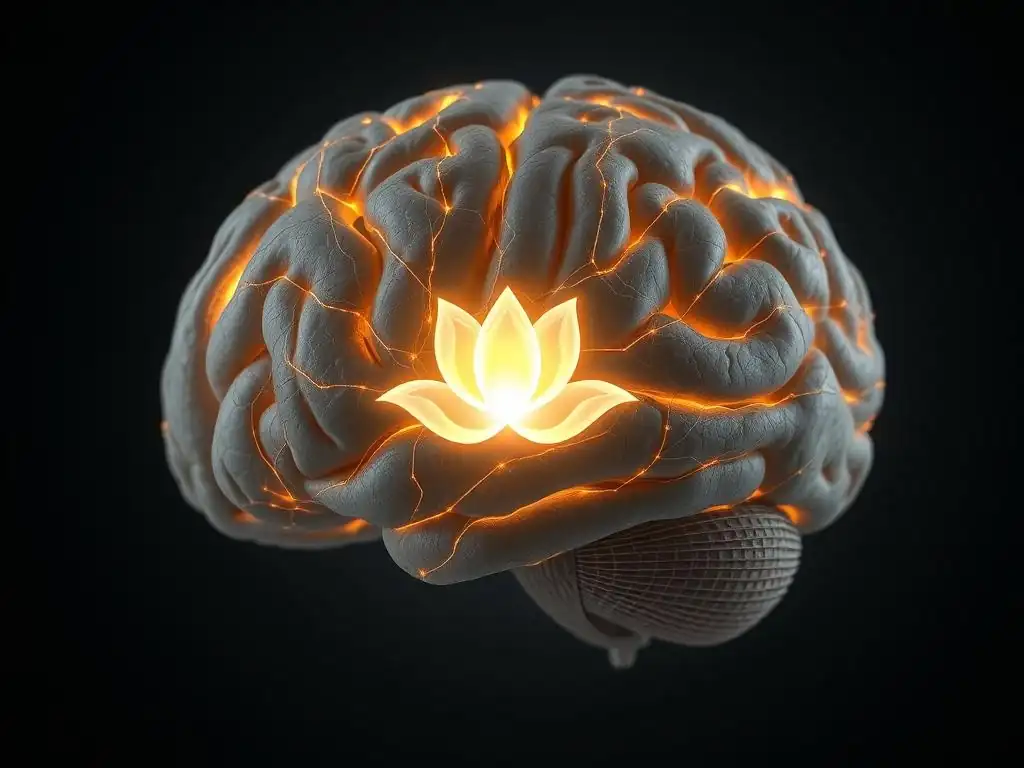
Neuroplasticity Explained: The Brain's Ability to Change
Neuroplasticity is the remarkable ability of the brain to reorganize itself throughout life – forming new neural connections and pathways, and altering existing ones. This occurs in response to learning, experience, and even injury. Every time we learn a new skill, form a new habit, or change our perspective, we are literally reshaping our brain's structure and function. This concept challenges the older view that the adult brain is fixed and unchanging.
Neuroplasticity explains why practices like mindfulness can have such a profound and lasting impact on our mental and emotional states. By repeatedly engaging in mindful attention, we are strengthening the neural circuits associated with awareness, emotional regulation, and calm, while potentially weakening those linked to reactivity and stress. Understanding this principle provides a scientific basis for why consistent practice is key to leveraging how mindfulness reduces stress response over time.
How Mindfulness Meditation Alters Brain Structure and Function
Research using neuroimaging techniques has provided compelling evidence that mindfulness meditation can induce significant changes in brain structure and function. Studies have shown increases in gray matter density in areas associated with learning, memory, emotion regulation, and perspective-taking, such as the hippocampus and the prefrontal cortex. Conversely, some studies indicate a decrease in gray matter density in the amygdala, consistent with reduced fear and stress reactivity.
Functionally, mindfulness practice appears to strengthen the connections between the prefrontal cortex and the amygdala. This enhanced connectivity allows the prefrontal cortex to exert greater top-down control over the amygdala's responses, meaning the rational, reflective part of the brain can better regulate the initial emotional reactions triggered by stressors. This structural and functional remodeling is a key mechanism underlying how mindfulness reduces stress response at a neurological level, building resilience from the inside out.
Strengthening Neural Pathways for Stress Resilience
Consistent mindfulness practice helps build and strengthen neural pathways associated with qualities like attention control, emotional regulation, and self-awareness – all critical components of stress resilience. When we repeatedly choose to bring our attention back to the present moment after being distracted, we are exercising and strengthening the neural networks involved in focused attention and cognitive control. Similarly, by observing difficult emotions without being overwhelmed, we reinforce pathways related to emotional processing and non-reactivity.
Over time, these strengthened pathways become the brain's default routes, making it easier and more automatic to respond to challenges with calm awareness rather than habitual stress reactions. It's like carving a new, smoother path through a forest – the more you use it, the easier it becomes to navigate. This neurobiological adaptation is a powerful testament to the transformative potential of mindful practice, illustrating how mindfulness reduces stress response not just temporarily, but by fundamentally altering the brain's architecture.
Techniques to Enhance Mindfulness for Stress Management
Mindful Breathing Exercises for Immediate Stress Relief
Mindful breathing is one of the most accessible and effective techniques for immediate stress relief. It involves simply bringing your full attention to the physical sensations of breathing – the rise and fall of the abdomen or chest, the feeling of air entering and leaving the nostrils. The goal is not to change the breath, but simply to observe it as it is, using it as an anchor to the present moment.
Even a few minutes of focused, mindful breathing can activate the body's relaxation response, counteracting the physiological effects of stress. For instance, slowing the breath can stimulate the vagus nerve, which in turn slows heart rate and lowers blood pressure. Practicing mindful breathing regularly trains the mind to return to a state of calm, making it easier to access this state during moments of acute stress. This simple yet powerful technique is a foundational element in how mindfulness reduces stress response on the spot.
Cultivating Gratitude to Shift Your Perspective
Cultivating gratitude is a powerful practice that complements mindfulness and significantly impacts stress levels. Gratitude involves intentionally focusing on and appreciating the positive aspects of life, no matter how small. This can be done through practices like keeping a gratitude journal, taking a moment each day to mentally list things you're thankful for, or expressing thanks to others.
By deliberately shifting attention to what is going well, gratitude counters the brain's natural negativity bias, which often amplifies stressors and potential threats. It broadens perspective, reduces feelings of entitlement or resentment, and fosters positive emotions that buffer against stress. Research suggests that gratitude practice can lead to increased feelings of happiness and reduced symptoms of depression and anxiety. This positive reframing, supported by mindful awareness, enhances the capacity for mindfulness reduces stress response by altering one's emotional landscape.
Mindful Movement: Yoga and Tai Chi for Stress Reduction
Incorporating mindful movement practices like yoga or Tai Chi can be highly effective for managing stress. These disciplines combine gentle physical postures and movements with focused attention on the breath and bodily sensations. They encourage being fully present in the body, releasing physical tension while calming the mind.
Yoga, for example, involves holding poses that stretch and strengthen the body, often synchronized with breath. This practice increases body awareness and can release stored tension in muscles. Tai Chi, with its slow, flowing movements, promotes balance, flexibility, and a state of relaxed alertness. Both practices help regulate the nervous system, lower cortisol levels, and improve mood. By integrating physical activity with present-moment awareness, these practices offer a holistic approach to how mindfulness reduces stress response through the body.
Sensory Awareness: Engaging Your Senses to Stay Present
Engaging the five senses is a simple yet effective way to anchor yourself in the present moment, especially when feeling overwhelmed by stress. This involves deliberately noticing what you see, hear, smell, taste, and touch in your immediate environment. For example, you might take a moment to really look at the details of an object, listen to the sounds around you, feel the texture of your clothing or a surface, smell your coffee, or taste your food mindfully.
This practice pulls the mind away from stressful thoughts about the past or future and grounds it firmly in the here and now. It interrupts the cycle of rumination and provides a mental break. Regular practice of sensory awareness enhances your overall capacity for presence, making it easier to access a state of calm when stress arises. It's a readily available tool that reinforces how mindfulness reduces stress response by keeping you anchored in reality rather than caught in stressful narratives.
Practical Applications of Mindfulness in Daily Life
Mindful Communication: Reducing Conflict and Enhancing Connection
Applying mindfulness to communication involves paying full attention to the conversation as it unfolds, both to what is being said and to your own internal reactions. This means actively listening without interrupting or formulating your response prematurely, noticing your own body language and tone, and being aware of your emotional state during the interaction.
Mindful communication reduces stress by decreasing misunderstandings and conflicts, which are significant sources of interpersonal stress. When you are truly present, you are less likely to react impulsively out of anger or fear. Instead, you can respond thoughtfully and empathetically. This practice enhances connection with others and fosters healthier relationships, demonstrating how mindfulness reduces stress response not just internally, but also within our social interactions.
Mindful Eating: Savoring Food and Reducing Emotional Eating
Mindful eating involves paying complete attention to the experience of eating – noticing the colors, smells, textures, and tastes of the food, as well as the physical sensations of hunger and fullness. It's about eating with awareness, free from distractions like screens or rushing.
This practice helps reduce stress related to food, such as guilt about eating certain things or anxiety about weight. It encourages a healthier relationship with food and reduces the likelihood of emotional eating, where food is used to cope with stress or other difficult emotions. By savoring each bite and listening to the body's signals, mindful eating transforms a potentially stressful activity into a nourishing, present-moment experience, illustrating another practical way mindfulness reduces stress response in daily routines.
Mindfulness at Work: Managing Stress and Improving Focus
The workplace is a common source of stress due to deadlines, demanding tasks, interpersonal dynamics, and the constant flow of information. Integrating mindfulness into the workday can significantly improve focus, reduce reactivity to challenges, and enhance overall well-being. Simple practices include taking a few mindful breaths before a meeting, walking mindfully during a break, or dedicating full attention to one task at a time.
Studies have shown that workplace mindfulness programs can lead to decreased stress levels, improved emotional regulation, and enhanced job performance. For example, research among healthcare professionals found that mindfulness training led to reduced burnout and improved resilience. By cultivating presence amidst professional demands, individuals can navigate workplace pressures with greater ease and clarity, proving that mindfulness reduces stress response effectively even in high-pressure environments.
Incorporating Mindfulness into Your Morning Routine
Starting the day with mindfulness can set a positive tone and build resilience for whatever challenges lie ahead. This doesn't require extensive time; even five to ten minutes can make a difference. Examples include:
- Sitting quietly for a few minutes, focusing on the breath.
- Mindfully stretching or engaging in gentle movement.
- Paying full attention while drinking your morning tea or coffee.
- Setting an intention for the day with conscious awareness.
Establishing a mindful morning routine helps ground you in the present moment before the demands of the day begin. It provides a buffer against the initial rush of stress and reactivity, making it easier to maintain presence and calm throughout the day. This simple habit is a powerful way to integrate how mindfulness reduces stress response into the very beginning of your daily experience.
Overcoming Challenges in Your Mindfulness Journey

Common Obstacles to Mindfulness Practice
Beginning and maintaining a mindfulness practice is not always easy, and encountering obstacles is a normal part of the journey. Common challenges include finding the time to practice consistently, dealing with a restless or overly busy mind, feeling discouraged by a perceived lack of progress, or experiencing discomfort (physical or emotional) during meditation. Many people report feeling more stressed initially as they become more aware of their internal state.
It's important to approach these challenges with patience and self-compassion, recognizing that they are universal experiences among meditators. Viewing obstacles not as failures but as opportunities for deeper practice is key. For example, a busy mind isn't a sign of "bad" meditation, but rather an opportunity to practice gently guiding your attention back, strengthening that neural pathway for focus. Acknowledging these hurdles with kindness enhances how mindfulness reduces stress response by fostering a more accepting attitude towards difficulty.
Dealing with Distractions and Wandering Thoughts
A wandering mind is perhaps the most frequently cited obstacle in mindfulness practice. It's natural for the mind to generate thoughts and get distracted – this is what minds do. The practice isn't about stopping thoughts, but about noticing when the mind has wandered and gently bringing attention back to the chosen anchor (like the breath or body sensations) without judgment.
Think of it like training a puppy: when it wanders off, you gently lead it back, not scold it. Each time you notice the mind has wandered and redirect it back to the present, you are strengthening the "muscle" of attention and awareness. This repeated process of noticing and returning is the core work, and it directly builds the capacity to disengage from stressful thought loops. This consistent, gentle effort is precisely how mindfulness reduces stress response by training the mind's focus and resilience.
Cultivating Patience and Self-Compassion
Patience and self-compassion are essential qualities to cultivate alongside mindfulness, especially when facing difficulties in practice or dealing with stress. Patience involves accepting that progress is not linear and that some days will be harder than others. It's about trusting the process and showing up consistently, even when you don't feel like it or when the practice feels challenging.
Self-compassion means treating yourself with the same kindness, understanding, and acceptance you would offer a friend who is struggling. When you get distracted, feel frustrated, or judge your practice, self-compassion allows you to notice this without adding further criticism. It involves recognizing that imperfection is part of the human experience. By being patient and kind to yourself, you create a safer inner space to process difficult emotions and experiences, significantly enhancing how mindfulness reduces stress response by fostering inner resilience and acceptance.
Maintaining Long-Term Stress Reduction with Mindfulness
Creating a Sustainable Mindfulness Practice
Consistency is more important than duration when it comes to the long-term benefits of mindfulness for stress reduction. Finding a way to integrate practice into your daily life sustainably is key. This might mean starting with just a few minutes each day, choosing a time that works best for you (e.g., morning, lunch break, evening), and being flexible.
Experiment with different types of practice – formal sitting meditation, walking meditation, mindful eating, or simply bringing mindfulness to everyday activities – to see what resonates most. Use reminders, connect with a community, or utilize apps to support your habit. The goal is to make mindfulness a regular part of your routine, like brushing your teeth, so that its stress-reducing effects accumulate over time. A sustainable practice ensures that mindfulness reduces stress response consistently over months and years.
Tracking Your Progress and Celebrating Successes
While mindfulness isn't about achieving specific outcomes in a competitive sense, tracking your progress in a non-judgmental way can be motivating and provide valuable insights. This could involve noting the frequency and duration of your practice, or journaling about your experiences – how you felt before and after practice, moments of mindfulness during the day, or how you handled a stressful situation differently.
Celebrating small successes, such as completing a week of consistent practice or noticing a moment where you responded mindfully instead of reactively, reinforces the habit and builds positive association with mindfulness. Recognizing these shifts, no matter how subtle, validates your effort and encourages continued practice. This awareness of positive change reinforces the understanding that mindfulness reduces stress response effectively and encourages ongoing commitment.
Seeking Guidance and Support: Finding a Community
Mindfulness practice can be deeply personal, but it doesn't have to be solitary. Seeking guidance from experienced teachers or joining a mindfulness community can provide invaluable support, instruction, and encouragement. A teacher can offer personalized advice, help you navigate challenges, and guide you in deepening your practice.
Connecting with others who are also practicing mindfulness creates a sense of shared journey and accountability. This could be through local meditation groups, online communities, or retreats. Sharing experiences, challenges, and insights with others can normalize difficulties and provide inspiration. Support systems strengthen your commitment and enhance the effectiveness of how mindfulness reduces stress response by providing a nurturing environment for growth.
The Future of Mindfulness and Stress Management
Emerging Research on Mindfulness and Mental Health
Research into the benefits of mindfulness for mental health is a rapidly expanding field. Scientists are using increasingly sophisticated methods, including advanced neuroimaging, genetic studies, and large-scale clinical trials, to understand the precise mechanisms by which mindfulness exerts its effects. Current research is exploring mindfulness's impact on specific conditions like PTSD, OCD, and chronic pain, as well as its potential role in preventing mental health issues.
Studies are also investigating how mindfulness might interact with other therapeutic approaches and exploring the optimal "dosage" and duration of practice for different outcomes. This ongoing scientific inquiry continues to build a robust evidence base, refining our understanding of how mindfulness reduces stress response and contributes to overall psychological well-being.
The Growing Role of Mindfulness in Healthcare
Mindfulness is increasingly being integrated into mainstream healthcare settings, moving beyond traditional mental health treatment. It is being used in hospitals to help patients manage chronic pain, anxiety before surgery, and the stress associated with serious illness. Primary care physicians are beginning to recommend mindfulness-based interventions for stress-related physical symptoms like irritable bowel syndrome or tension headaches.
Training in mindfulness is also being offered to healthcare professionals themselves to combat burnout and compassion fatigue, which are significant issues in the field. This integration reflects a growing recognition of the mind-body connection and the potent capacity of mindfulness reduces stress response, making it a valuable complementary tool in a wide range of medical contexts.
The Potential of Mindfulness for a More Peaceful World
Beyond individual well-being, the principles of mindfulness hold potential for fostering greater compassion, understanding, and peace on a larger scale. By cultivating awareness of our own thoughts and emotions, and developing empathy towards ourselves, we become better equipped to understand and empathize with others. This can lead to more constructive communication, reduced conflict, and greater collective well-being.
Programs are emerging that apply mindfulness principles in schools, prisons, and conflict resolution settings, aiming to reduce aggression and foster connection. While ambitious, the idea is that widespread individual practice, where mindfulness reduces stress response and increases emotional intelligence, could collectively contribute to a more compassionate and peaceful global society. The ripple effects of inner peace extending outwards suggest a hopeful future for the broader impact of mindfulness.
Frequently Asked Questions
How does mindfulness help reduce stress?
Mindfulness helps reduce stress by training your attention to the present moment. This reduces rumination about the past and worrying about the future, which are both major contributors to stress. It essentially rewires your brain to react differently to pressure.
What is "advanced mindfulness" as mentioned in the article?
"Advanced mindfulness" refers to a deeper, more practiced engagement with mindfulness techniques. It involves not just basic awareness but also cultivating emotional regulation and a greater understanding of your thoughts and feelings.
Can mindfulness completely eliminate stress?
No, mindfulness doesn't eliminate stress entirely. It equips you with tools to manage your stress response more effectively. The goal is to reduce the intensity and impact of stress on your well-being.
How long does it take to see benefits from practicing mindfulness?
The timeline varies, but many people experience noticeable benefits in a few weeks with consistent practice. More significant and long-lasting changes often require regular dedication over months or years.
What are some practical ways to integrate mindfulness into my daily life?
Start with short, guided meditations. Also, focus on being present during everyday activities like eating, walking, or listening. Even a few minutes of mindful breathing can make a difference.
Final Reflection: Rewiring Your Response to Stress – A Path to Lasting Peace
The relentless pressure of modern life demands a new approach to stress management, and advanced mindfulness techniques offer precisely that. No longer is stress simply something to be endured; it's a challenge to be transformed, a catalyst for growth if we learn to navigate its currents skillfully. This isn't about escaping stress entirely—that's unrealistic—but about fundamentally altering our relationship with it.
The impact of mindfulness on our collective well-being is undeniable, subtly reshaping our cultural landscape. We're moving away from a culture that glorifies "hustle" and embraces burnout as a badge of honor, towards one that values self-care and emotional intelligence. This shift is crucial, and the growing acceptance of mindfulness as a legitimate tool for stress reduction is a testament to this evolving understanding. The mind is everything. What you think you become.
– Buddha. This ancient wisdom resonates deeply today as we recognize the power of our thoughts to shape our experiences, and mindfulness provides the tools to cultivate positive, resilient thinking.
You now possess the knowledge to begin rewiring your response to stress. Don't just passively absorb this information; actively integrate these mindfulness techniques into your daily life. Start small, with a few minutes of mindful breathing each day. Observe your thoughts and feelings without judgment. Gradually increase your practice, and witness the profound transformation that unfolds within you. The journey to a calmer, more resilient you begins with a single mindful breath. Embrace the power within you to transform stress into strength.
Unlock Your Inner Calm: Take Control of Stress Today!
Thanks for taking the time to explore the power of advanced mindfulness techniques for stress management! We hope you gained valuable insights into how to rewire your response to pressure and cultivate a more peaceful mindset. Now it's time to put your newfound knowledge into action.
- Prioritize a daily mindfulness practice: Even 5-10 minutes of focused breathing or meditation can make a significant difference in your stress levels. Start small and build consistency.
- Share your experience: Discuss what resonated most with you from the article with a friend, family member, or colleague – sharing your journey can reinforce your commitment.
- Explore guided meditations: There are countless resources available online and through apps to deepen your mindfulness practice and further explore stress-reduction techniques.
Ready to embrace a more resilient and calmer you? What small step will you take today to integrate these practices into your daily life?